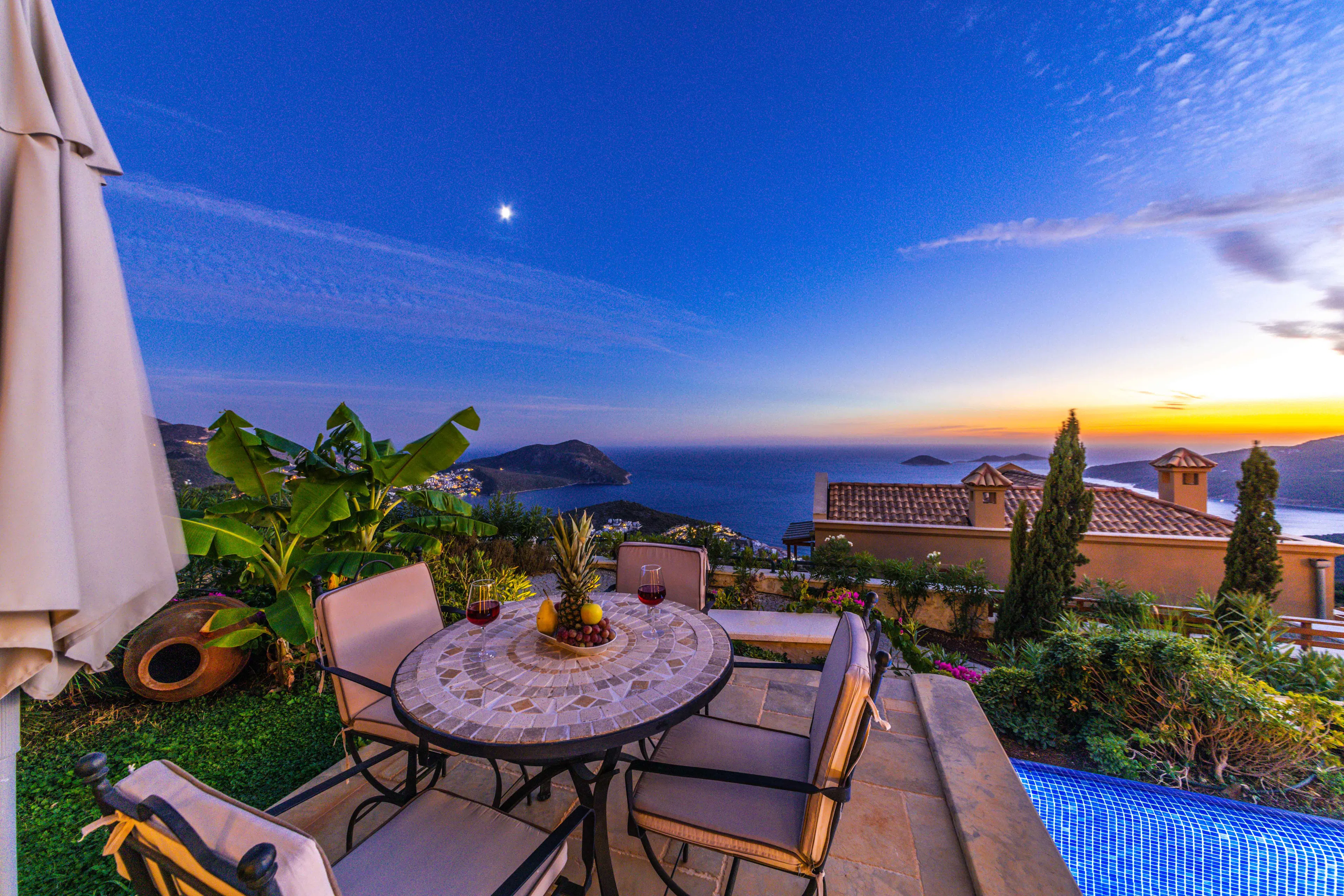
In winter, wealthy travelers in Europe tend to return to a small group of places that combine excellent hotels, privacy, beautiful scenery, strong restaurants, easy transfers, and a social scene that feels polished rather than chaotic. The classic names are Courchevel, St. Moritz, Gstaad, Zermatt, Verbier, Lech, Megève, Cortina d’Ampezzo, and Kitzbühel. For travelers who want luxury without skiing every day, Paris, Vienna, Monaco, Finnish Lapland, and Iceland are also strong winter choices.
The best luxury winter destination depends on what you want. Courchevel is best for ski-in, ski-out convenience and high-end dining. St. Moritz is best for old-school glamour and winter events. Gstaad is quieter and more private. Zermatt gives you iconic scenery. Lech feels discreet and traditional. Megève mixes skiing with French food and village life. Paris and Vienna work better for a luxury city break, while Lapland and Iceland are for travelers who would rather spend on private experiences than on a famous ski scene.
Here are 15 of the best places to go in Europe for a luxury winter trip.
Courchevel 1850, France
Best for: polished ski luxury, fine dining, designer shopping, and private chalets
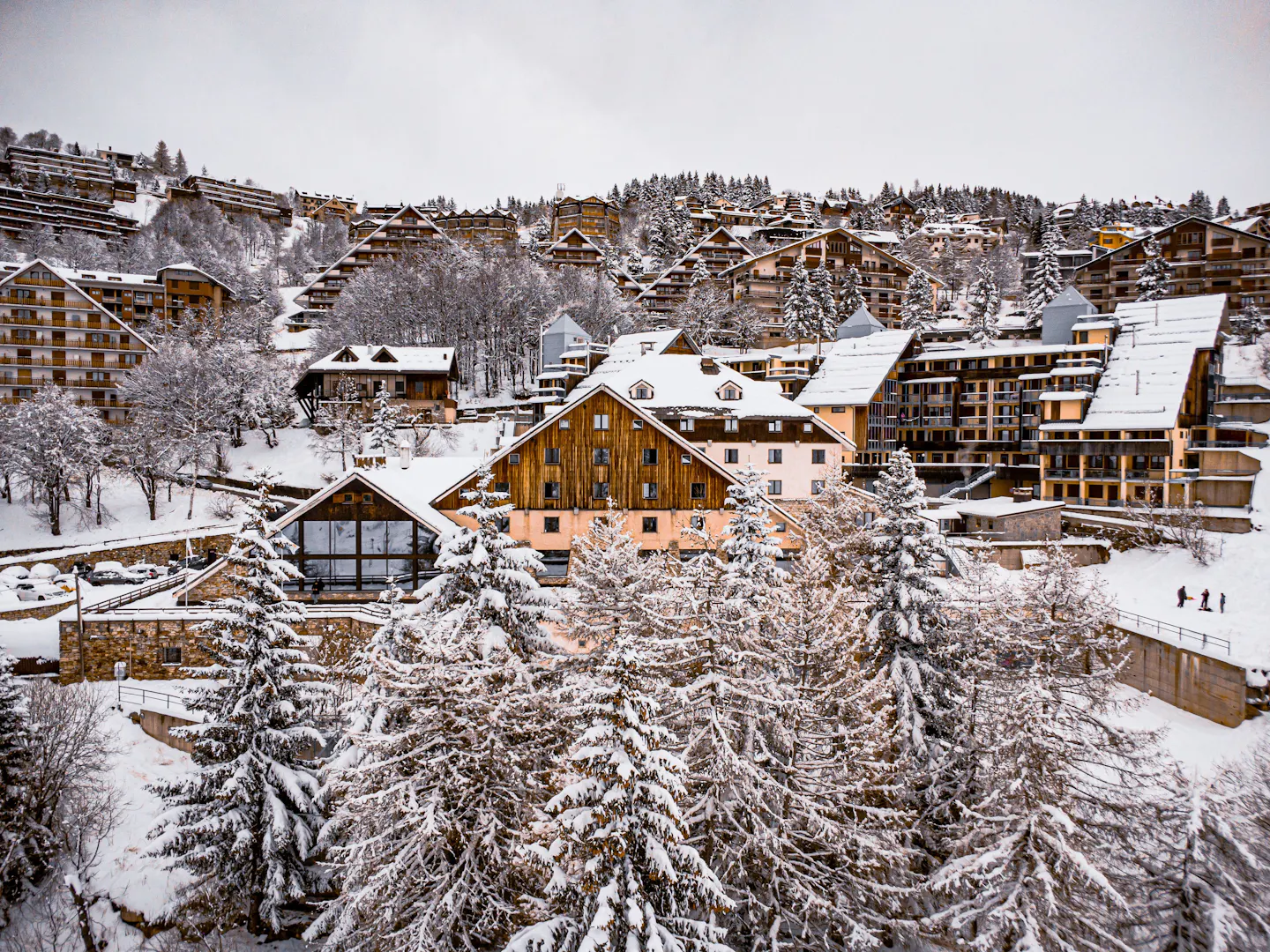
Courchevel 1850 is probably the clearest answer to the question of where rich people go skiing in Europe. It sits at the top end of Les 3 Vallées and combines direct access to a huge ski area with five-star hotels, private chalets, designer boutiques, spas, and destination restaurants.
The big advantage is convenience. Wealthy travelers can stay close to the slopes, arrange private instructors, use hotel drivers, book long lunches, and move through the trip with very little friction. It is expensive, especially around Christmas and New Year, but that is part of the appeal for travelers who value service and access more than price.
Go if you want the most complete version of French Alpine luxury rather than a quiet mountain escape.
St. Moritz, Switzerland

Best for: old-money glamour, grand hotels, winter events, and a strong social scene
St. Moritz has been one of Europe’s most famous luxury winter resorts for generations. It is not only about skiing. The frozen lake, historic hotels, winter sports, shopping, restaurants, and social calendar make it feel more like a seasonal world of its own.
This is a good choice if you like the idea of dressing for dinner, spending an afternoon at a hotel bar, watching winter events, and mixing skiing with a little people-watching. The atmosphere is international and more formal than in many Alpine resorts.
For travelers who want a classic luxury winter in Switzerland, St. Moritz is hard to beat.
Gstaad, Switzerland
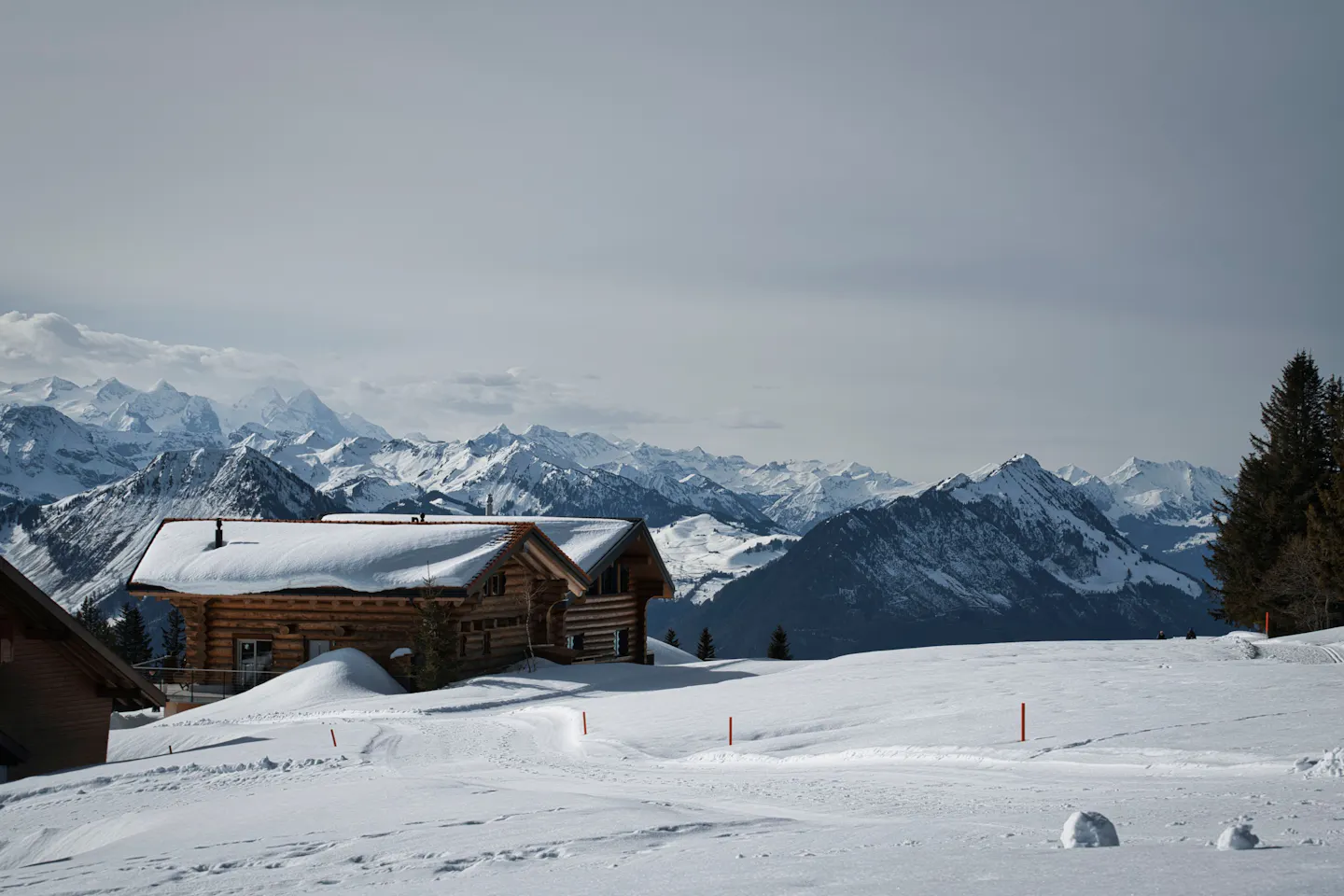
Best for: privacy, discreet wealth, luxury hotels, and a slower pace
Gstaad is less flashy than Courchevel and less theatrical than St. Moritz. That is exactly why many wealthy travelers like it. The village feels elegant but calm, with chalet architecture, high-end hotels, good restaurants, and a long tradition of attracting people who prefer privacy.
You can ski, but the destination also works well if half your group would rather spend time at the spa, shop, have long lunches, or simply enjoy the hotel. Gstaad is especially good for couples and families who want luxury without feeling that every evening has to become an event.
Zermatt, Switzerland
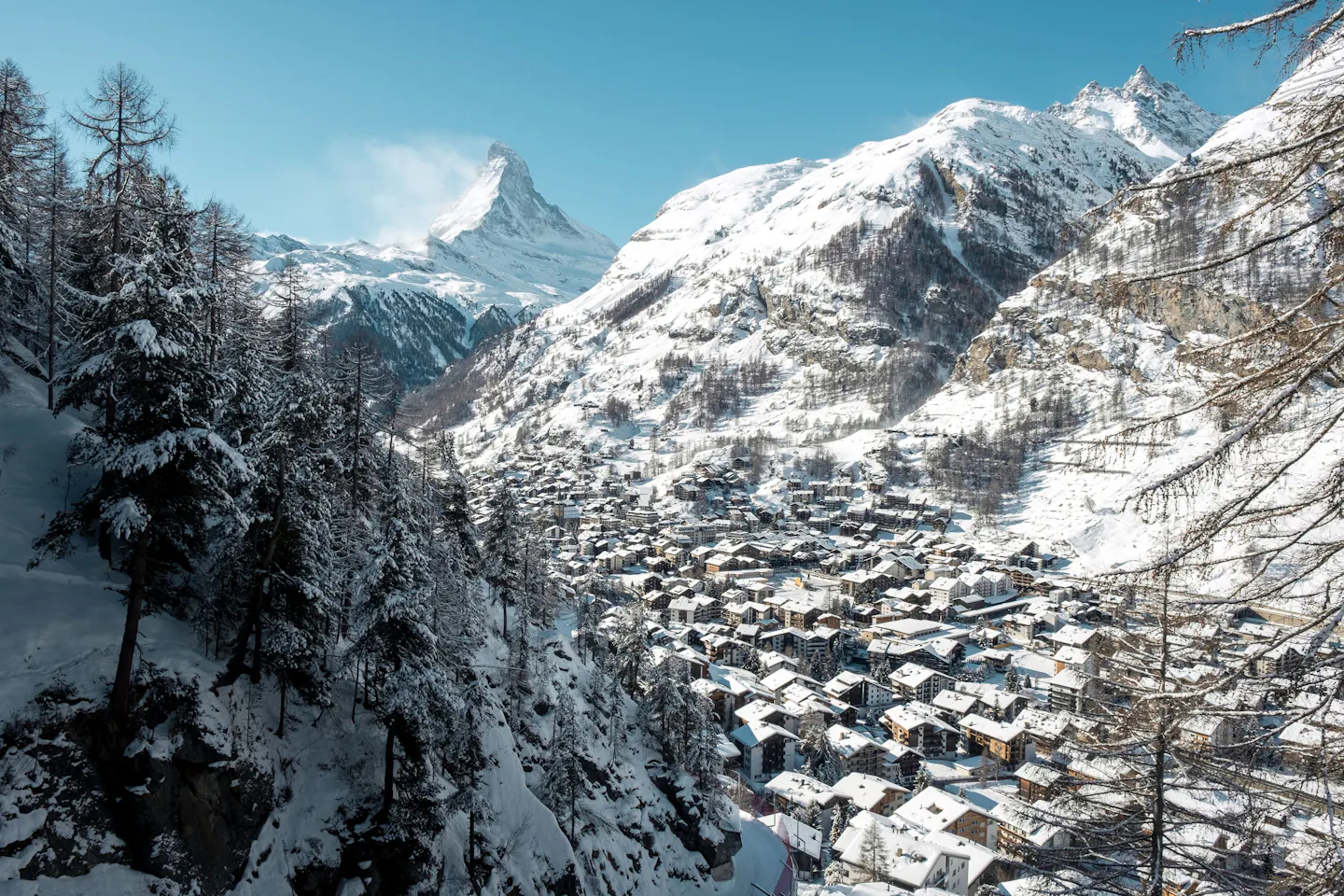
Best for: Matterhorn views, luxury chalets, scenic skiing, and romantic trips
Zermatt combines one of the most recognizable mountain views in Europe with a large ski area and a polished hospitality scene. The car-free village gives it a different rhythm from many other resorts, while high-end hotels and chalets make it easy to build a very comfortable trip.
It is particularly strong for couples. A winter day can include skiing under the Matterhorn, a long mountain lunch, a spa session, and dinner in the village without needing to rush between places.
Choose Zermatt if scenery matters just as much as status.
Verbier, Switzerland
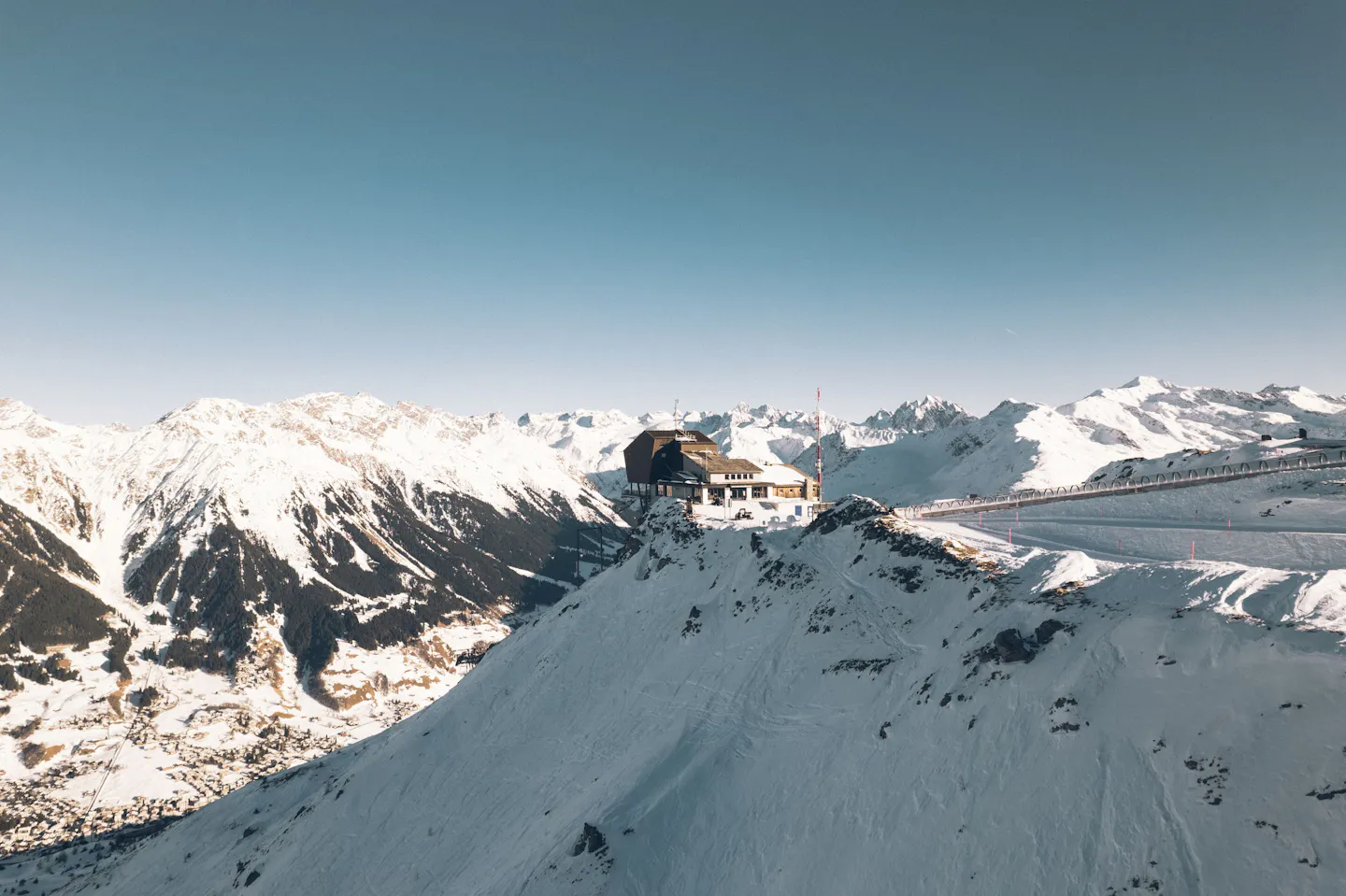
Best for: serious skiing, private chalets, nightlife, and younger luxury travelers
Verbier has a more energetic personality than Gstaad. It attracts strong skiers, chalet groups, international visitors, and people who want a real après-ski scene without giving up high-end accommodation and service.
The resort is especially popular for group trips because large private chalets can become the center of the holiday. Add a chef, driver, ski instructor, and concierge, and the experience can feel much more private than staying in a large hotel.
Verbier is a good fit if you want luxury, but you still want the trip to feel lively.
Lech am Arlberg, Austria

Best for: discreet Alpine luxury, excellent skiing, and traditional atmosphere
Lech has long appealed to wealthy European families and repeat visitors who prefer understatement. The village is polished, but it still feels like an Alpine resort rather than a luxury shopping district placed in the mountains.
Skiing is a major reason to come, with access to the wider Arlberg area. Off the slopes, the appeal is good service, elegant hotels, refined food, and a calm atmosphere. Lech is less about being seen and more about returning to the same place every winter because everything works.
Megève, France
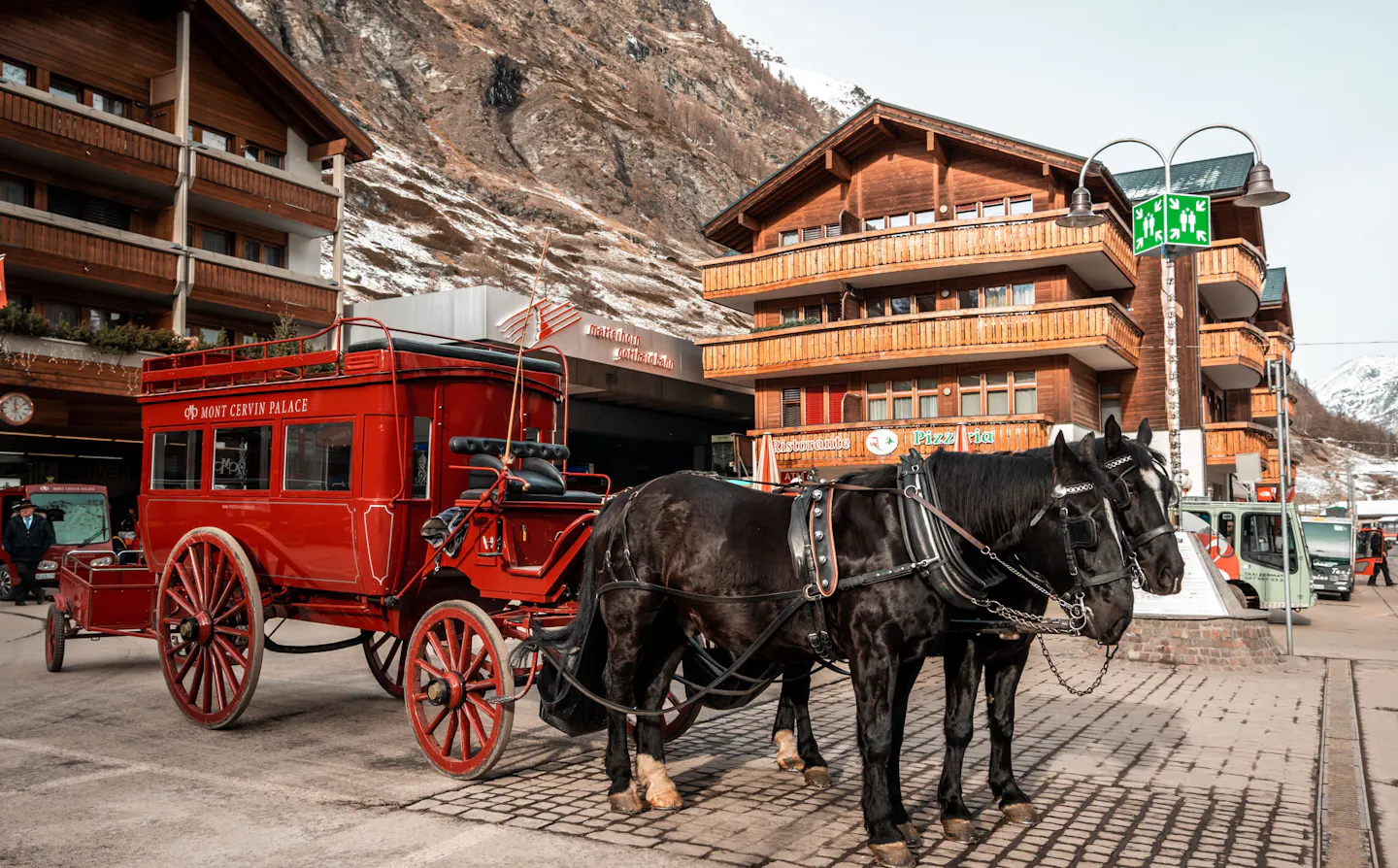
Best for: French village charm, restaurants, stylish hotels, and relaxed luxury
Megève feels softer and more romantic than Courchevel. The village has cobbled streets, traditional buildings, boutiques, bakeries, restaurants, and a strong sense of place. It works well for travelers who want skiing but do not want skiing to be the only reason for the trip.
This is one of the best luxury winter destinations in Europe for food-focused travelers. You can ski in the morning, spend the afternoon in town, and build the evening around dinner rather than nightlife.
Choose Megève for a stylish winter break that still feels distinctly French.
Cortina d’Ampezzo, Italy
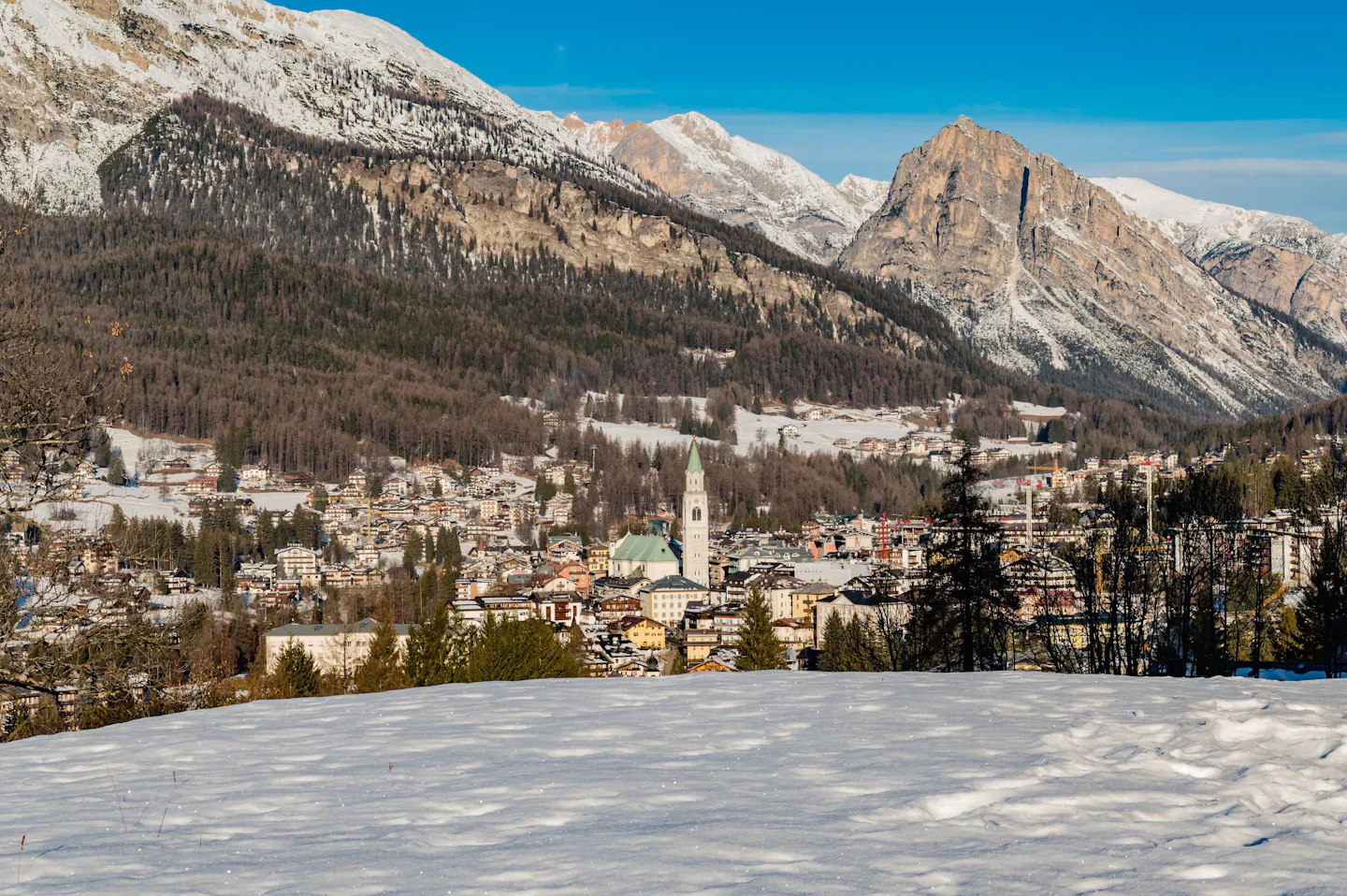
Best for: Dolomite scenery, Italian style, restaurants, and a glamorous ski break
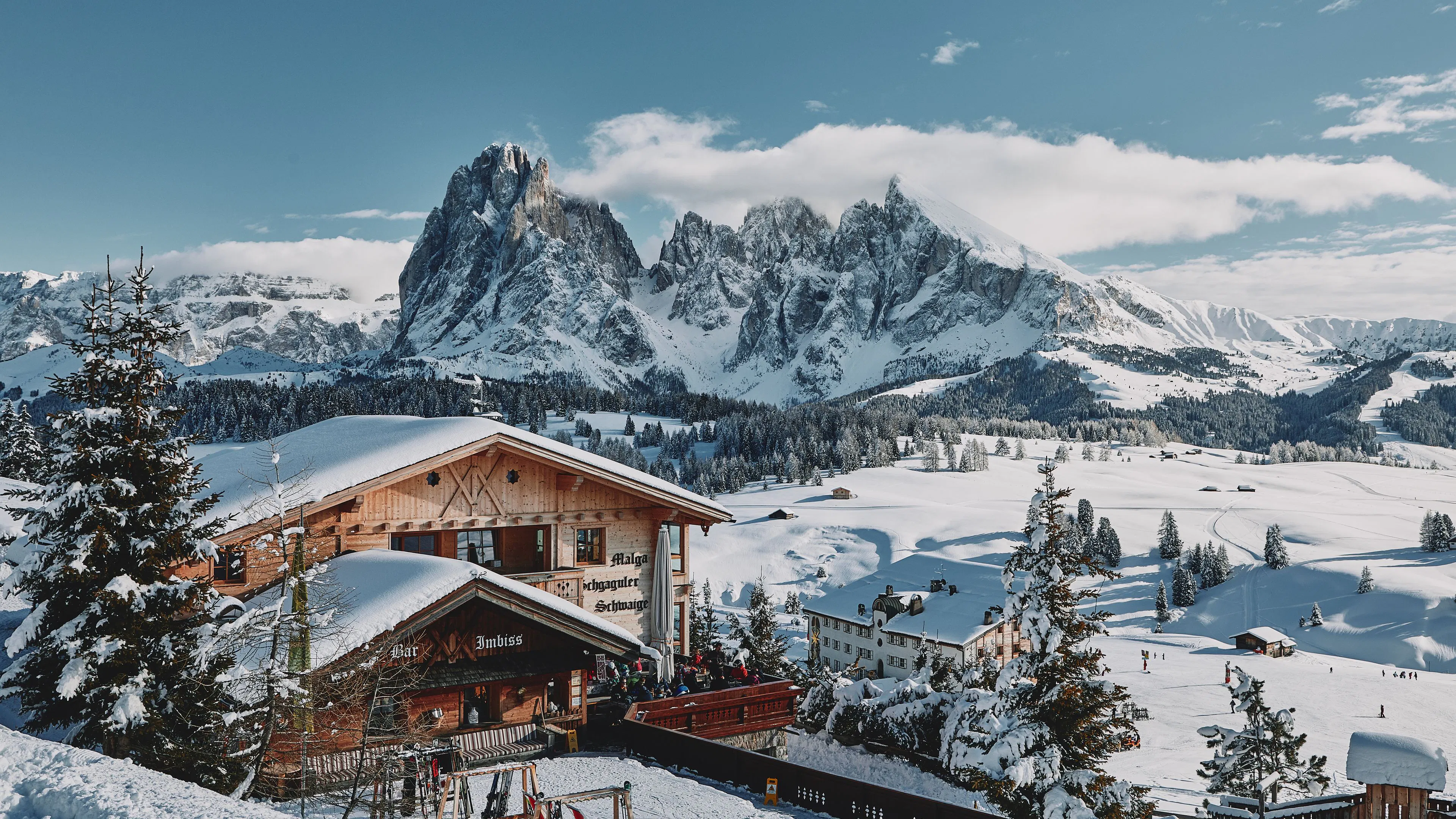
Cortina is Italy’s best-known luxury ski town, surrounded by the dramatic peaks of the Dolomites. The appeal is not just the skiing. It is the combination of mountain scenery, Italian food, shopping, aperitivo culture, and elegant hotels.
The town received even more international attention around the 2026 Winter Olympics, but its luxury reputation is much older. It suits travelers who want winter sports during the day and a more social, fashion-conscious atmosphere afterward.
For a luxury winter trip that feels different from France or Switzerland, Cortina is an easy choice.
Kitzbühel, Austria
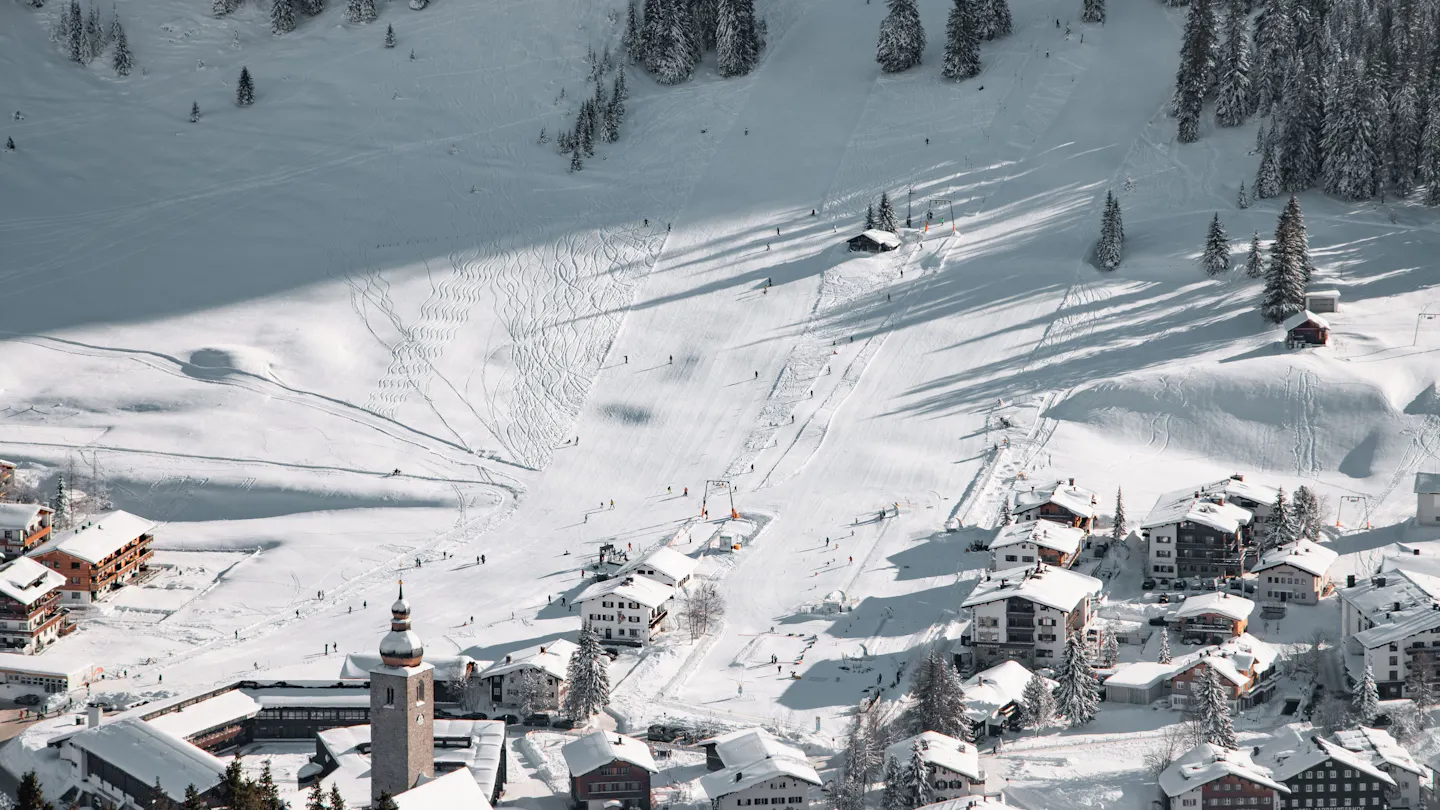
Best for: historic town atmosphere, high-end hotels, skiing, and winter events
Kitzbühel combines a real historic town with one of Europe’s most famous ski identities. That balance makes it attractive to travelers who want more than a purpose-built resort.
The medieval center gives you cafés, shops, restaurants, and a proper evening atmosphere. During major ski events the town becomes much more social, while the rest of winter can feel polished and relaxed.
Choose Kitzbühel if you want Austrian charm with a strong luxury infrastructure.
Val d’Isère, France
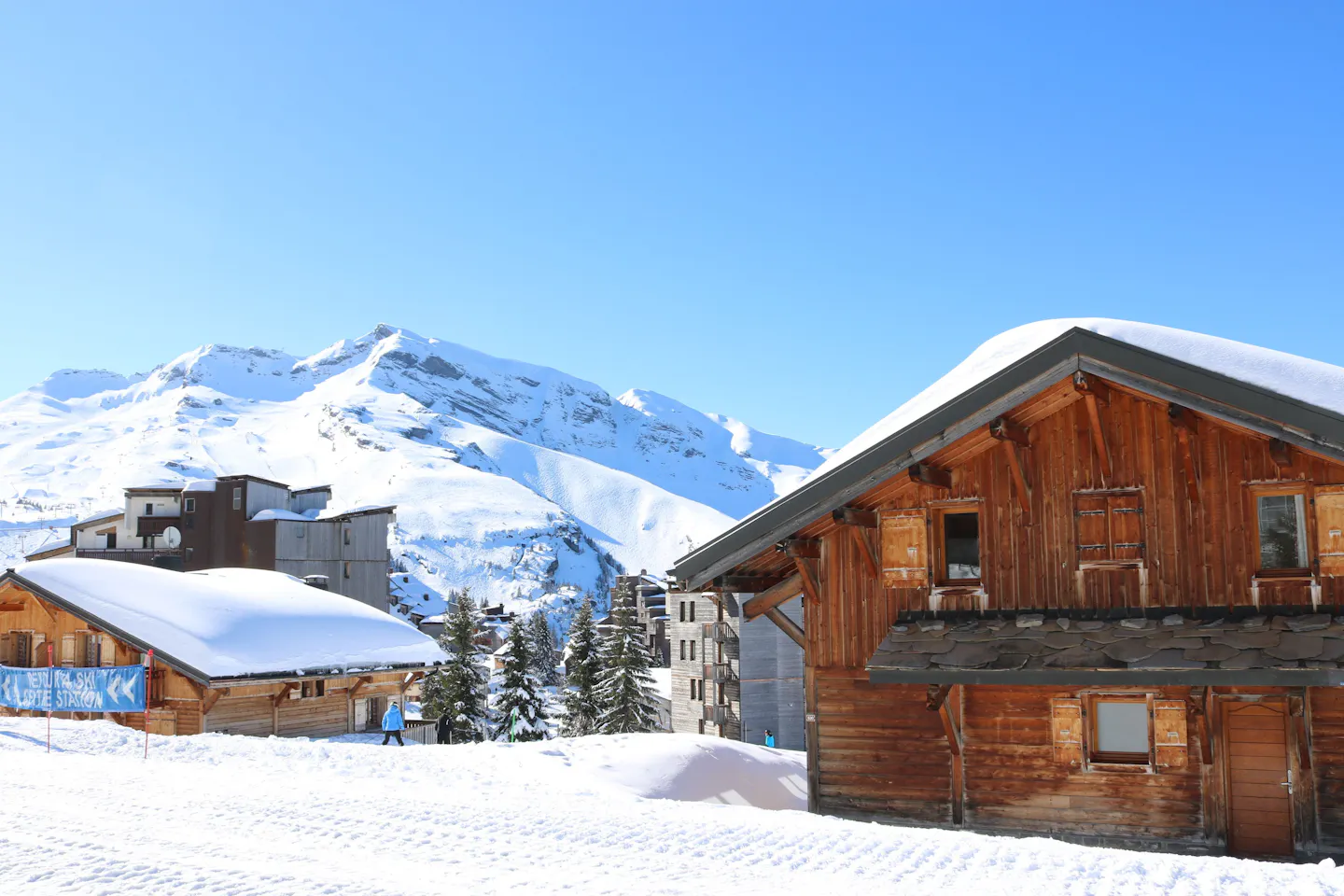
Best for: high-altitude skiing, stylish chalets, and a sporty luxury crowd
Val d’Isère is one of the strongest choices for travelers who care first about skiing but still want excellent hotels, chalets, restaurants, and après-ski. Its high altitude makes it a dependable option through much of the winter season.
Compared with Courchevel, Val d’Isère feels more athletic and less focused on shopping. The luxury is there, but the mountain remains the main reason to come.
It works especially well for groups where everyone actually wants to ski.
Chamonix, France

Best for: dramatic mountains, adventure, luxury lodges, and experienced travelers
Chamonix has a more adventurous character than most luxury ski destinations. Mont Blanc dominates the landscape, and the town attracts climbers, skiers, outdoor travelers, and people who want a winter trip that feels active rather than perfectly manicured.
There are excellent hotels, private chalets, spas, and restaurants, but the destination feels less insulated from real mountain life. For some wealthy travelers, that is exactly the point.
Choose Chamonix if you want comfort and service without losing the feeling of being somewhere dramatic.
Paris, France

Best for: luxury shopping, restaurants, palace hotels, culture, and a winter city break
Not every luxury winter trip needs snow. Paris is excellent in winter if you want Michelin-level dining, shopping, museums, spa hotels, fashion, and a city that becomes much easier to enjoy once the busiest summer crowds disappear.
December is beautiful for lights and festive atmosphere, while January and February can be better for travelers who want reservations, shopping, and culture without peak-season pressure.
A luxury Paris trip works best when you build it slowly: one major museum, one long lunch, one neighborhood, and one excellent dinner rather than trying to cross the entire city every day.
Vienna, Austria

Best for: Christmas season, grand hotels, classical music, cafés, and elegant city luxury
Vienna is one of Europe’s best luxury winter city breaks. In December, the city is full of Christmas markets, lights, concerts, and decorated streets. Later in winter, it becomes calmer and more cultural.
The luxury here is traditional: grand hotels, formal cafés, opera, excellent restaurants, historic interiors, and enough indoor culture that bad weather rarely ruins the trip.
Choose Vienna if you want a romantic winter atmosphere without spending every day in ski clothes.
Monaco
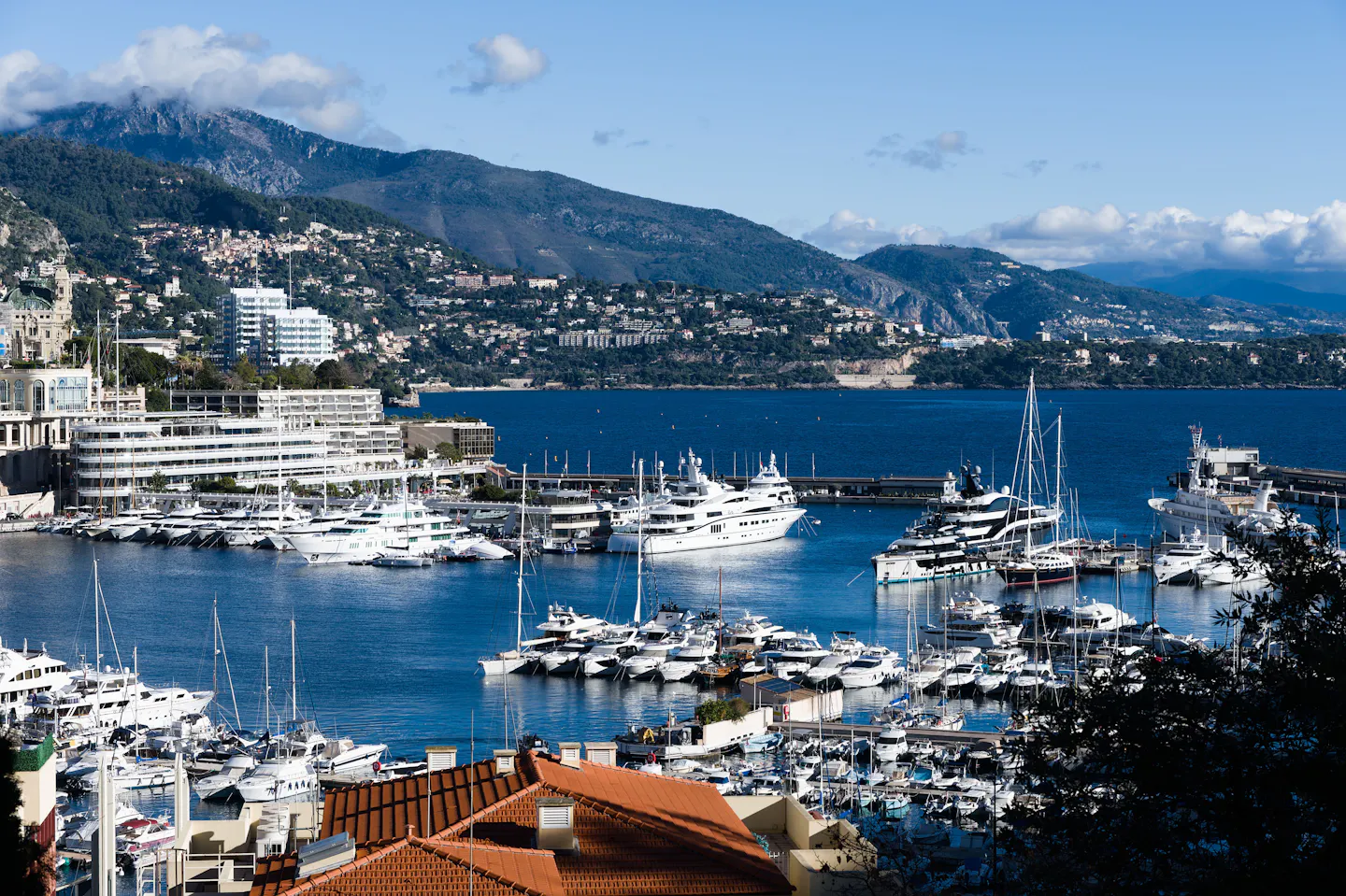
Best for: Riviera luxury, fine dining, shopping, spas, and a mild winter escape
Monaco is much quieter in winter than in summer, which can make it more appealing for travelers who like the Riviera but do not need beach-club season. Luxury hotels, restaurants, shopping, wellness, and the harbor remain, while the pace becomes more relaxed.
It is also easy to combine Monaco with the French Riviera or the Southern Alps. You could spend a few days by the Mediterranean, then continue toward the mountains for skiing.
Choose Monaco if your version of winter luxury includes sunshine, sea views, and dressing for dinner instead of snow boots.
Finnish Lapland

Best for: private Arctic experiences, glass cabins, Northern Lights, and family trips
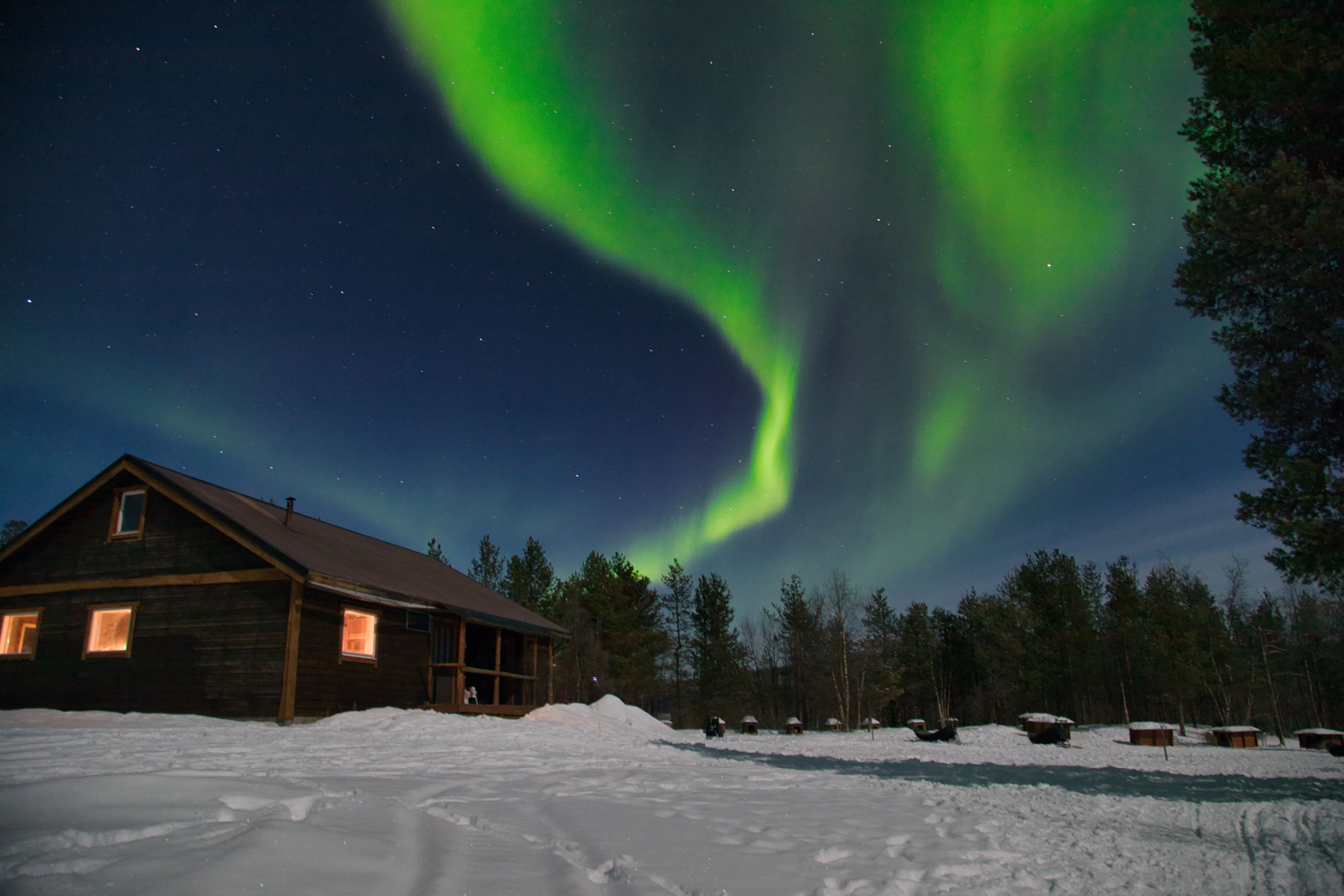
Luxury in Finnish Lapland looks very different from luxury in Courchevel. The focus is on space, nature, privacy, and experiences: private Northern Lights outings, husky rides, reindeer visits, snowmobile trips, saunas, winter cabins, and carefully designed lodges.
This can be an excellent choice for families, couples, and travelers who have already done the classic Alpine resorts. The best properties make the logistics easy, which matters in a destination where weather and distance shape the day.
Come for the Arctic atmosphere rather than nightlife.
Which luxury winter destination in Europe is best for you?
For the most glamorous ski trip
Choose Courchevel 1850 or St. Moritz. They have the strongest combination of famous hotels, restaurants, shopping, social life, and premium services.
For privacy and understated luxury
Choose Gstaad or Lech. Both attract repeat visitors who care more about discretion, service, and atmosphere than showing off.
For couples
Choose Zermatt, Megève, Vienna, or Paris. They make it easy to combine beautiful surroundings with restaurants, spas, culture, and long evenings together.
For serious skiing
Choose Verbier, Val d’Isère, Courchevel, or Lech. The ski experience is strong enough that luxury feels like an upgrade to the trip rather than the whole point of it.
For something different
Choose Finnish Lapland or Monaco. One gives you Arctic wilderness and private winter experiences; the other gives you a quieter Mediterranean version of European luxury.
When should you book a luxury winter trip in Europe?
Book early if you want Christmas, New Year, school-holiday weeks, major ski events, or a specific chalet. The best rooms and larger private properties can disappear months in advance. If your dates are flexible, January after New Year and parts of March can offer a calmer experience in many resorts.
For city breaks such as Paris or Vienna, you can usually be more flexible, although festive weekends in December still book quickly.
How much does a luxury winter trip in Europe cost?
There is no useful single number because the range is enormous. A five-star city weekend and a fully staffed chalet in Courchevel are both “luxury trips,” but their budgets are completely different. The biggest cost drivers are accommodation, holiday-week timing, private transfers, ski services, dining, and whether you book a private chalet with staff.
A better approach is to decide where you want to spend for comfort and where you do not care. Many travelers will happily pay for a great hotel and private transfer, then ski and eat relatively normally during the day.
FAQ about luxury winter travel in Europe
Where do billionaires ski in Europe?
Courchevel, St. Moritz, Gstaad, Verbier, Zermatt, Lech, and other top Alpine resorts are regularly associated with wealthy and ultra-high-net-worth travelers. The exact destination often depends less on fame and more on privacy, property access, family tradition, and the quality of the ski area.
What is the most luxurious ski resort in Europe?
Courchevel 1850 is often the easiest answer because it combines luxury hotels, private chalets, high-end restaurants, boutiques, ski-in, ski-out access, and a very developed service ecosystem. St. Moritz is the strongest alternative if you prefer Swiss tradition and a broader winter social scene.
Where do rich people go in Switzerland in winter?
St. Moritz, Gstaad, Zermatt, and Verbier are among the best-known choices. St. Moritz is the most glamorous, Gstaad the most discreet, Zermatt the most scenic, and Verbier one of the liveliest for skiing and après-ski.
Where can I have a luxury winter holiday in Europe without skiing?
Paris, Vienna, Monaco, and Finnish Lapland are all strong options. You can also visit ski resorts such as Gstaad or Megève without skiing every day because their hotels, spas, restaurants, and villages are part of the experience.
Plan your luxury winter trip with EasyMiles
Luxury travel becomes much less luxurious when half the trip is spent comparing maps, checking opening hours, moving restaurant bookings, and trying to work out whether the day is actually realistic.
EasyMiles helps you plan the whole trip in one place. You can build a realistic itinerary around the places you want to visit, restaurants, activities, travel time, and opening hours, then keep everything organized while you travel. The AI travel concierge can also help you adjust plans when weather or timing changes.
That is especially useful for winter trips, where snow, mountain transfers, early sunsets, reservations, and changing conditions can affect the day. Instead of juggling separate notes, maps, and booking tabs, you can keep the plan together and focus on the trip itself.