
If you are wondering where to go in Europe in January, the answer depends on what kind of winter trip you want. You can escape to 20°C sunshine in the Canary Islands, ski in the Alps, soak in thermal baths in Budapest, explore Rome without peak-season crowds, or head north for snow and the Northern Lights.
The 15 best places to visit in Europe in January 2027 are Tenerife, Madeira, Seville, Malta, Cyprus, Rome, Vienna, Budapest, Prague, Lisbon, Innsbruck, Bansko, Tromsø, Rovaniemi, and Reykjavík with South Iceland.
Here is the quick version:
• Tenerife is best for the warmest winter sun.
• Madeira is best for mild weather, hiking, and dramatic nature.
• Seville is best for a sunny city break without summer heat.
• Malta is best for history, coastal walks, and a relaxed low season.
• Cyprus is best for sunshine, road trips, and outdoor days.
• Rome is best for famous sights with lighter crowds after the first week of January.
• Vienna is best for museums, coffee houses, classical music, and winter atmosphere.
• Budapest is best for thermal baths and a good-value winter weekend.
• Prague is best for a storybook old town, winter walks, and cosy evenings.
• Lisbon is best for a mild, easy city break with food and viewpoints.
• Innsbruck is best for combining skiing with a real city.
• Bansko is best for a more affordable ski holiday.
• Tromsø is best for Northern Lights plus Arctic activities.
• Rovaniemi is best for deep snow, huskies, reindeer, and a full Lapland experience.
If you want one simple recommendation, choose Tenerife for warmth, Rome for classic sightseeing, Innsbruck for skiing, or Tromsø for the Northern Lights.
Why visit Europe in January?

January is one of the most underrated months to travel around Europe. The Christmas rush is over in many places, city crowds often become lighter, and hotel prices can be easier than in spring or summer. At the same time, winter destinations are in full season.
The important thing is to choose the right place. Europe in January is not one type of trip. Southern islands can feel mild and sunny, central European cities can be cold but atmospheric, and the far north is deep in Arctic winter.
For many destinations, the sweet spot starts after January 6, when the New Year and Epiphany holiday period ends. That is often when cities feel calmer and better value.
Tenerife, Spain: best for winter sun in Europe

If your main goal is to escape cold weather, Tenerife is one of the safest choices in Europe in January.
Average January temperatures on the island are around 21°C during the day and 16°C at night, with the south generally sunnier and drier than the north. That does not guarantee beach weather every single day, but it is warm enough for outdoor lunches, coastal walks, pool time at many hotels, and plenty of time outside without a winter coat.
The island also gives you much more than a resort holiday. You can drive through volcanic landscapes in Teide National Park, walk around La Laguna, explore the greener north around La Orotava, visit black-sand beaches, and spend slow afternoons in coastal towns.
For the warmest weather, look at Costa Adeje, Los Cristianos, or Playa de las Américas. If you prefer a more local feel, combine the south with a few days in Puerto de la Cruz or La Laguna.
Best for: winter sun, couples, families, easy outdoor days, and anyone who is tired of grey January weather.
Madeira, Portugal: best for mild weather and hiking
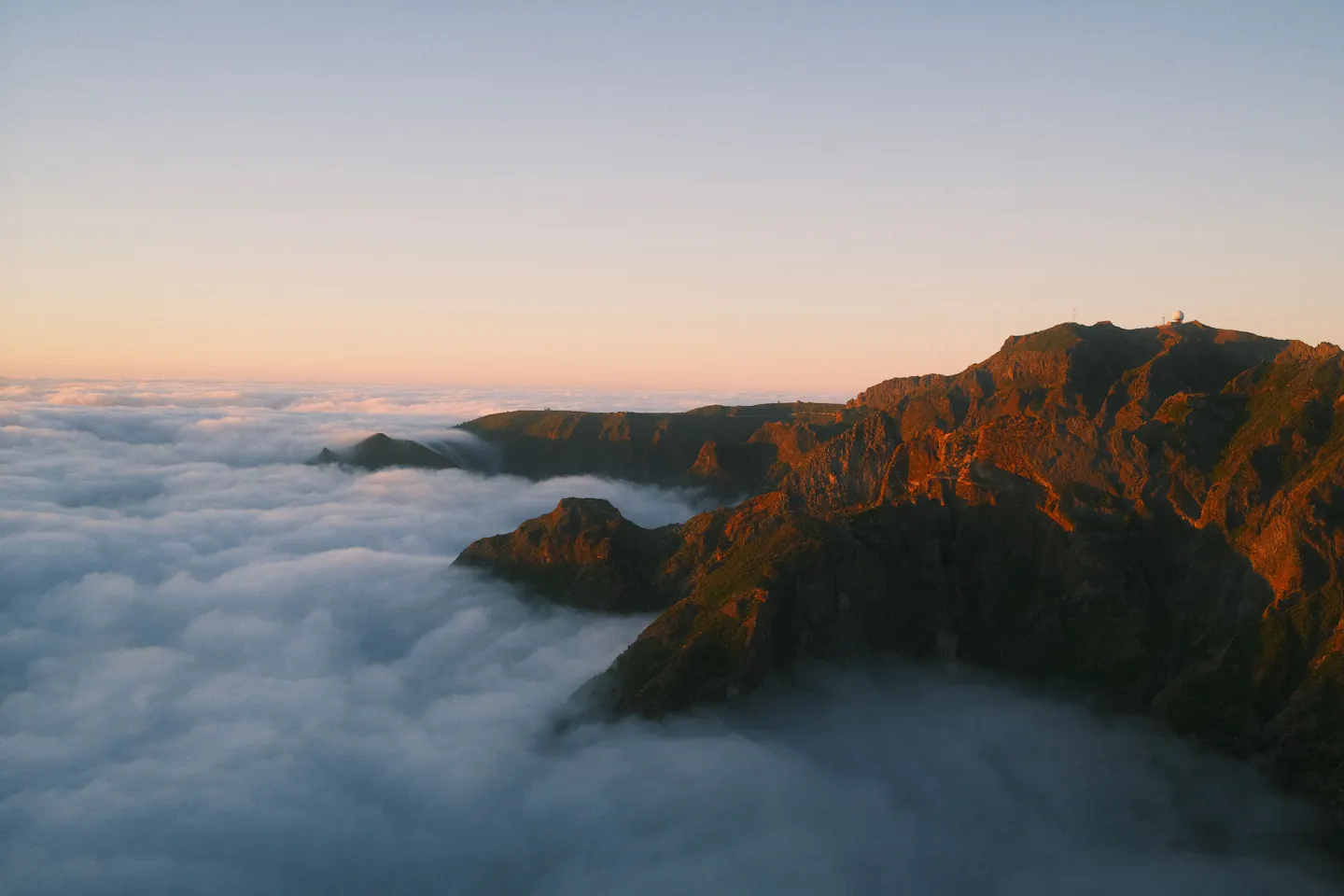
Madeira is a brilliant January destination if you want green landscapes rather than a classic beach holiday.
Winter temperatures on the coast are usually mild, often around the mid to high teens, while the mountains can be much cooler. The island stays lush, waterfalls are active, and the famous levada walks give you a reason to spend most of the day outside.
Base yourself in Funchal if you want restaurants, markets, gardens, and easy transport. Then use day trips or a rental car to see Cabo Girão, Câmara de Lobos, Santana, Porto Moniz, Ponta de São Lourenço, and the mountain viewpoints.
January weather can change quickly, especially at altitude. One side of the island can be sunny while another is cloudy or wet. That is part of Madeira, so keep your hiking plan flexible and always check trail status before heading out.
Best for: hikers, nature lovers, couples, road trips, and travelers who want a softer version of winter.
Seville, Spain: best sunny January city break

Seville is much easier to enjoy in January than in the middle of summer.
Days are usually mild by northern European standards, often reaching the mid to high teens, while evenings are cooler. You can walk for hours without dealing with the intense heat that shapes summer travel in Andalusia.
Visit the Real Alcázar, Seville Cathedral, Plaza de España, Triana, and the small streets around Santa Cruz. Then leave room for the part of Seville that works especially well in winter: long lunches, tapas bars, coffee stops, and slow evenings.
If you arrive in the first week of January, Three Kings celebrations around January 6 can add a festive end to the Christmas season. After that, the city generally feels quieter.
Seville also works well as a base for a longer Andalusia trip. Córdoba is easy to reach by train, while Cádiz, Jerez, and Granada can turn a short city break into a bigger winter route.
Best for: food, architecture, couples, short breaks, and travelers who want sunshine without needing a beach.
Malta: best for history and coastal walks
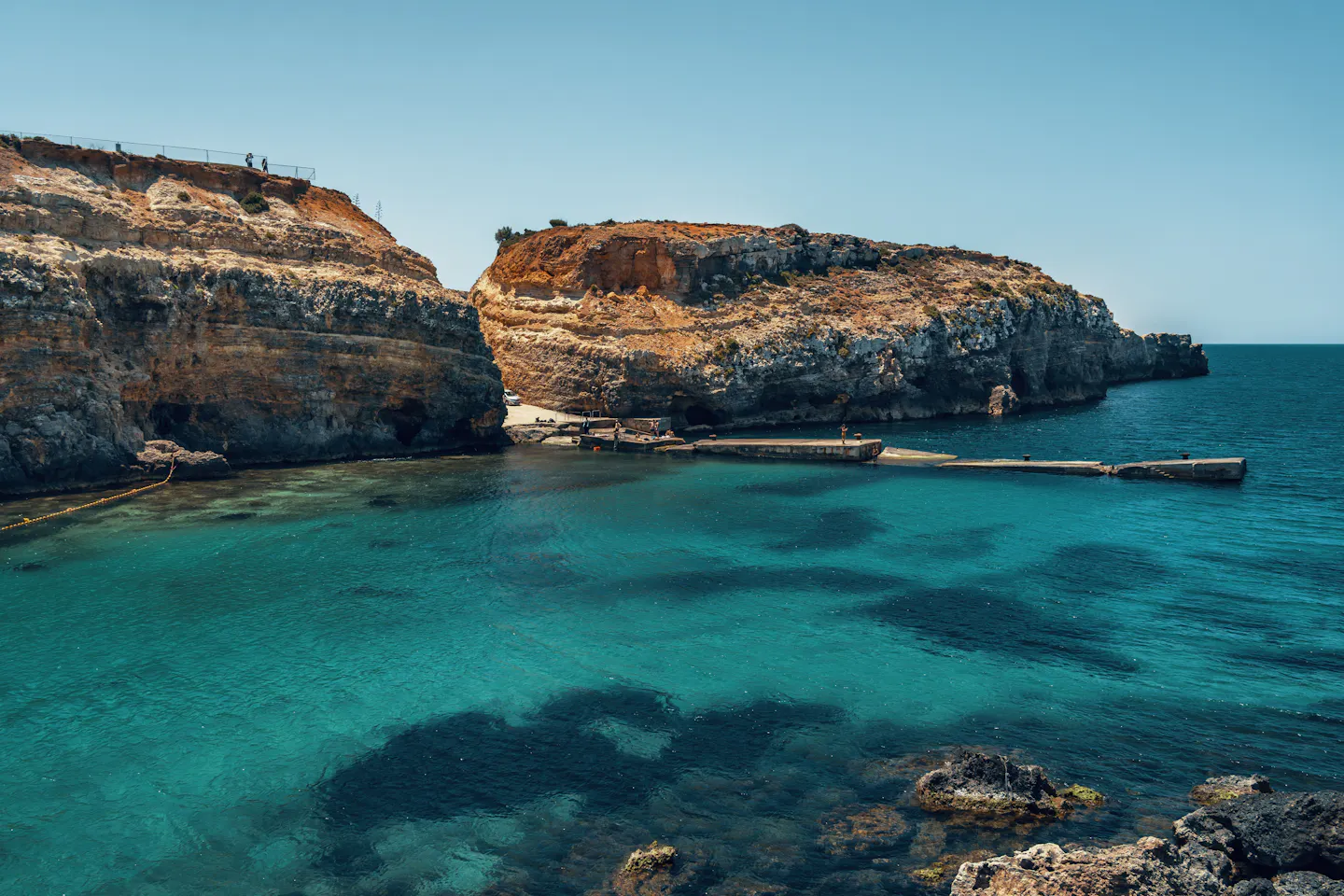
Malta is a good January choice if you care more about exploring than swimming.
Winter is mild compared with much of Europe, although wind and rain are possible. The reward is a calmer version of the islands, with fewer summer crowds around Valletta, Mdina, the Three Cities, and the most famous coastal viewpoints.
Start in Valletta for historic streets, harbour views, museums, and restaurants. Take a ferry across the Grand Harbour, spend a day in Mdina and Rabat, and use another day for the coast or Gozo.
January is especially good for walking. Summer can make exposed coastal routes feel punishing, while winter temperatures are much more comfortable for long days outside.
Do not book Malta expecting a hot beach holiday. Book it for mild weather, sea views, history, good food, and a compact island that is easy to explore in a few days.
Best for: history lovers, couples, weekend trips, coastal walks, and travelers who like to stay active.
Cyprus: best for sunshine and an outdoor road trip

Cyprus has one of the mildest winters in the eastern Mediterranean.
January is still winter, so you should expect some rain and cool evenings, but the island also gets plenty of bright days. Coastal areas are much milder than the Troodos Mountains, where winter can bring snow.
Paphos is a practical base if you want archaeological sites, sea views, and easy access to the west of the island. Limassol works well for restaurants and a more urban feel. If you have a car, add mountain villages, wineries, and quiet coastal stops.
The best part of Cyprus in January is that you can build a varied trip without summer heat. One day can be coastal ruins and lunch outside, another can be a mountain drive, and another can be a long walk along the sea.
Swimming will be too cold for many people, so think of Cyprus as winter sun rather than a guaranteed beach holiday.
Best for: road trips, archaeology, couples, hiking, and travelers who want mild weather with variety.
Rome, Italy: best for famous sights with fewer crowds

Rome is one of the best European cities to visit in January because the experience changes dramatically once the holiday period ends.
The first week can still be busy around New Year and Epiphany. After January 6, the city usually becomes much calmer. That means easier museum visits, quieter streets, and a better chance to enjoy major sights without the same pressure you get in spring or summer.
January days are cool, often around 12°C, but usually manageable with a coat and good shoes. Plan outdoor sights such as the Colosseum, Roman Forum, Trevi Fountain, and the historic centre for daylight hours, then move indoors for churches, museums, long dinners, or aperitivo.
The Vatican Museums, Borghese Gallery, Pantheon, and Rome’s countless churches make bad-weather days easy to handle.
Rome in January is not empty, and you should still reserve major attractions. It is simply a much more comfortable time to see one of Europe’s busiest cities.
Best for: first-time visitors, history, food, museums, couples, and lower-season sightseeing.
Vienna, Austria: best for culture, coffee houses, and winter elegance

Vienna makes sense in January because the city is built for winter.
Yes, it can be cold, with temperatures often around freezing. But that gives you an excuse to move between museums, coffee houses, concert halls, restaurants, and grand interiors instead of trying to spend the whole day outside.
January also falls within Vienna’s famous ball season, which gives the city a very specific winter atmosphere. Even if you are not attending a ball, there is plenty happening around classical music, opera, theatre, and exhibitions.
Spend time at the Kunsthistorisches Museum, Belvedere, Albertina, or Schönbrunn. Walk through the centre, stop for cake and coffee, and keep one evening for a concert or opera if that is your thing.
Ice skating is another classic winter activity, and Vienna’s parks and grand streets can look beautiful under a light layer of snow.
Best for: museums, culture, romantic weekends, classical music, coffee, and travelers who enjoy elegant cities.
Budapest, Hungary: best for thermal baths

Budapest is one of those places that becomes more appealing when the temperature drops.
The obvious reason is the thermal baths. Sitting in hot outdoor water while the air is cold is one of the city’s best winter experiences. Széchenyi is the famous choice, while Gellért, Rudas, and smaller bath options give you different styles.
January is also a good time for Budapest’s indoor attractions. Visit the Parliament, Great Market Hall, cafés, museums, and ruin bars, then use the clearer parts of the day for Buda Castle, Fisherman’s Bastion, and walks along the Danube.
The city can be properly cold, so pack for winter. Snow is possible but not guaranteed.
Budapest is also often easier on the budget than many western European capitals, especially if you book after the New Year period. That makes it a strong choice for a three or four-day January trip.
Best for: thermal baths, friends, couples, nightlife, food, and good-value city breaks.
Prague, Czechia: best for a storybook winter city

Prague is cold in January, but that is not necessarily a reason to avoid it.
The old town, Charles Bridge, Prague Castle, and Malá Strana all suit winter. You get early sunsets, warm cafés, beer halls, classical concerts, and the possibility of snow without needing a ski trip.
January also gives you some seasonal atmosphere after New Year. On January 6, 2027, Prague’s traditional Three Kings procession is scheduled to cross the historic centre from Malostranské Square toward Old Town Square.
Outdoor ice skating is another easy winter activity, with several rinks operating through the season.
The big advantage is crowd level. Prague is never empty, but January is generally calmer than spring, summer, or December. Go out early in the morning and the centre can feel very different from the version most visitors see in peak season.
Best for: couples, architecture, winter atmosphere, photography, beer, and short city breaks.
Lisbon, Portugal: best for a mild and easy city break
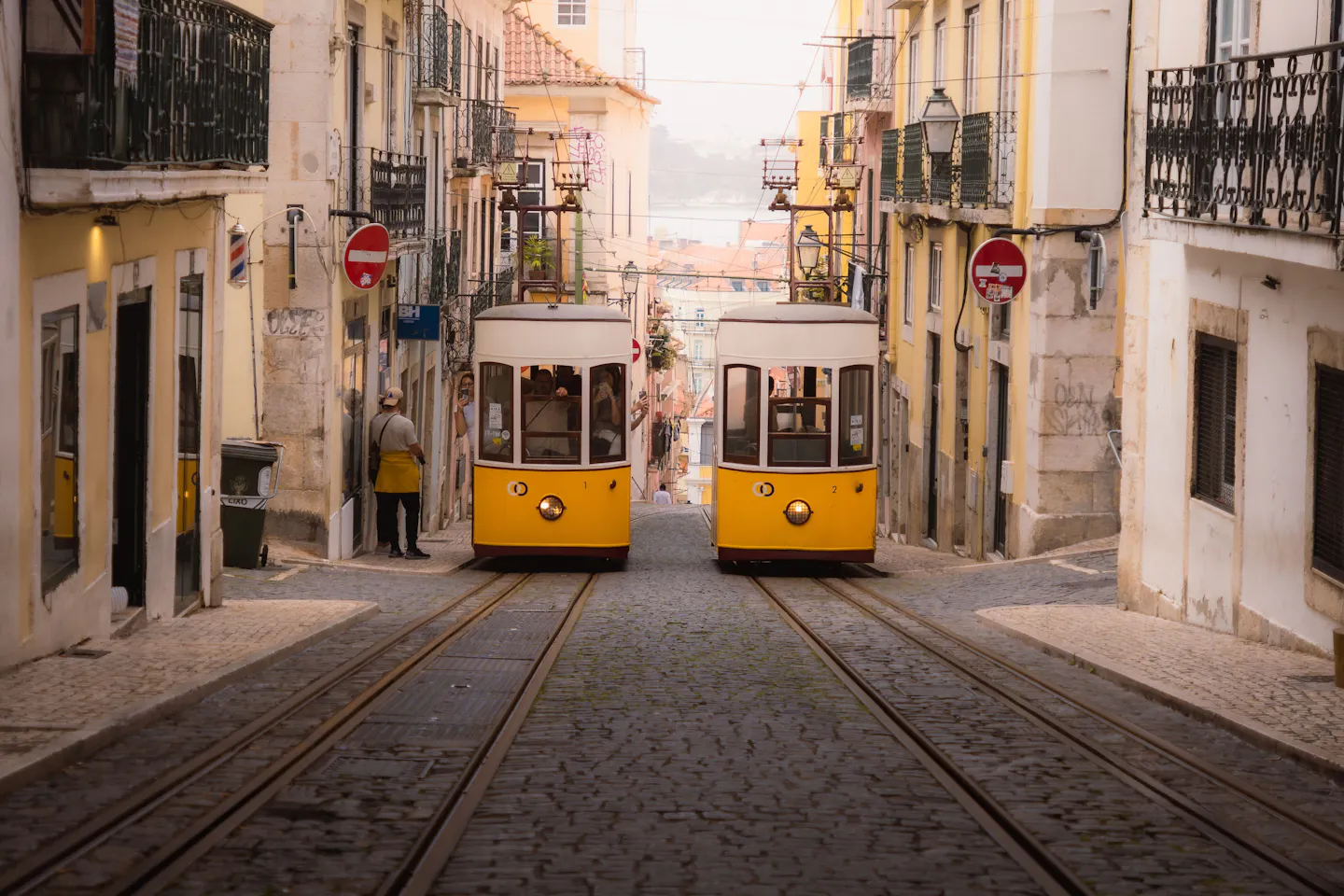
Lisbon is not warm enough for a beach holiday in January, but it is one of the easier European capitals to enjoy in winter.
Daytime temperatures are usually mild, often in the mid-teens, and there are plenty of bright days between periods of rain. The city is also much less exhausting when you are climbing its hills in January instead of August.
Walk through Alfama, Baixa, Chiado, and Príncipe Real. Take a tram when your legs have had enough, eat pastéis de nata, spend time at the river, and keep a flexible plan for rainy spells.
January is also a good month for day trips. Sintra can be atmospheric in winter, while Cascais gives you a coastal break even when it is too cold to swim.
Lisbon works especially well if you want somewhere that feels alive all year but does not demand a complicated itinerary.
Best for: food, first-time Portugal trips, weekend breaks, solo travel, and travelers who want milder weather without leaving mainland Europe.
Innsbruck, Austria: best for skiing and city life in one trip

Innsbruck is one of the smartest winter destinations in Europe if different people in your group want different things.
You can ski in the mountains during the day and still come back to a real city for dinner, museums, shopping, or drinks. The surrounding region has several ski areas, including options that work for beginners and families, while winter hiking, tobogganing, and cross-country skiing give non-skiers plenty to do.
The city itself is compact and beautiful, with the Golden Roof, colourful old-town buildings, and mountain views appearing at the end of almost every street.
January is deep winter, so snow conditions are usually much more reliable than at the very beginning or end of the ski season. It is also a good month to build a trip around both mountain days and slower city days.
Best for: skiing, couples, families, mixed-interest groups, and travelers who want the Alps without staying in an isolated resort.
Bansko, Bulgaria: best for a more affordable ski holiday
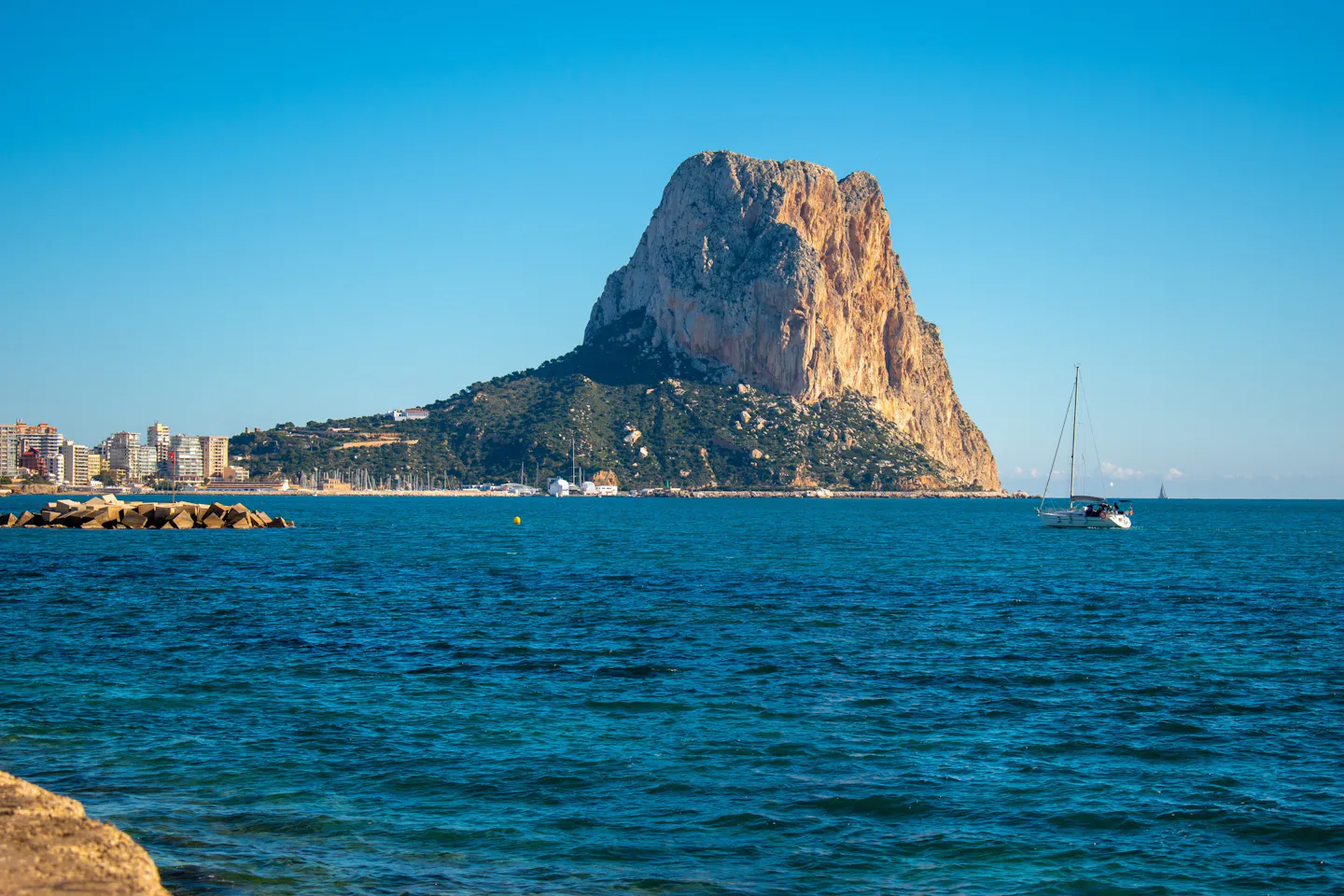
If you want to ski in Europe without automatically choosing France, Switzerland, or Austria, look at Bansko.
The Bulgarian resort has a winter season that normally runs from December into April, depending on snow conditions. January sits right in the main ski period.
Bansko works well for beginner and intermediate skiers, and the town gives you more than just the slopes. There is an old centre, traditional restaurants, spas, and a lively après-ski scene.
The main reason many travelers choose it is value. Lift passes, accommodation, food, and ski services can be more manageable than in the biggest Alpine destinations, although prices have risen as Bansko has become more popular.
The biggest downside can be queues for the main gondola during busy periods. If skiing is the priority, stay close to the lift and start early.
Best for: budget-conscious skiers, beginners, groups of friends, and anyone looking for a cheaper European winter sports trip.
Tromsø, Norway: best for the Northern Lights
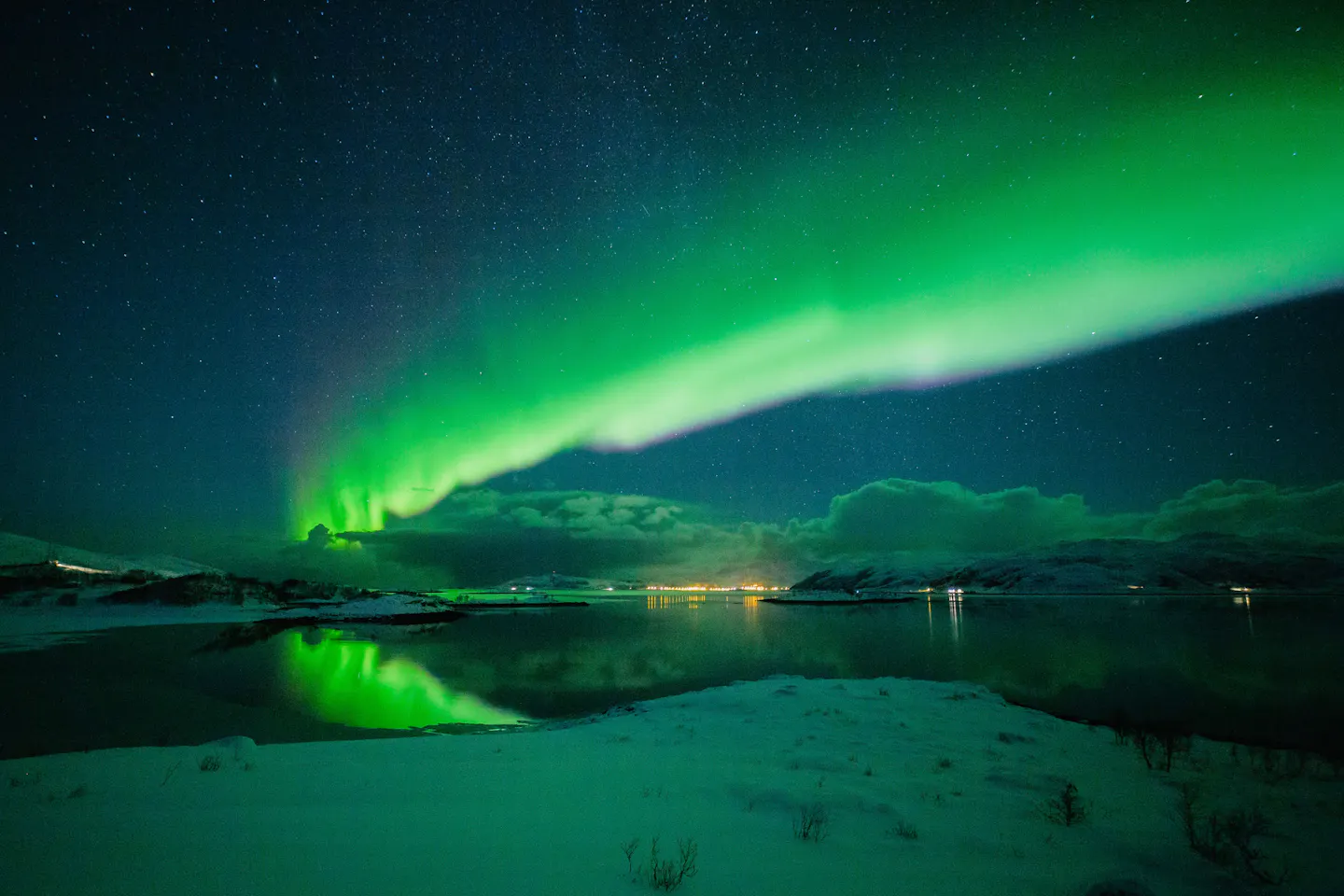
Tromsø is one of the strongest January destinations in Europe if seeing the Northern Lights is your main goal.
The city sits under the auroral oval, and the Northern Lights season runs from late August to early April. January also overlaps with the end of the Polar Night period, when the sun stays below or close to the horizon and the sky can glow in blue, pink, and purple tones during the day.
Do not plan a Tromsø trip around the aurora alone. It is a natural phenomenon and never guaranteed. Give yourself several nights and fill the rest of the trip with dog sledding, reindeer experiences, fjord tours, museums, saunas, and good restaurants.
January can also be a strong month for whale-watching tours, although wildlife sightings and exact seasonal conditions always vary.
The city itself is lively enough that you do not feel trapped in a remote resort, which is one reason Tromsø works so well for first-time Arctic travel.
Best for: Northern Lights, Arctic scenery, couples, photographers, and bucket-list winter trips.
Rovaniemi, Finland: best for a full Lapland winter
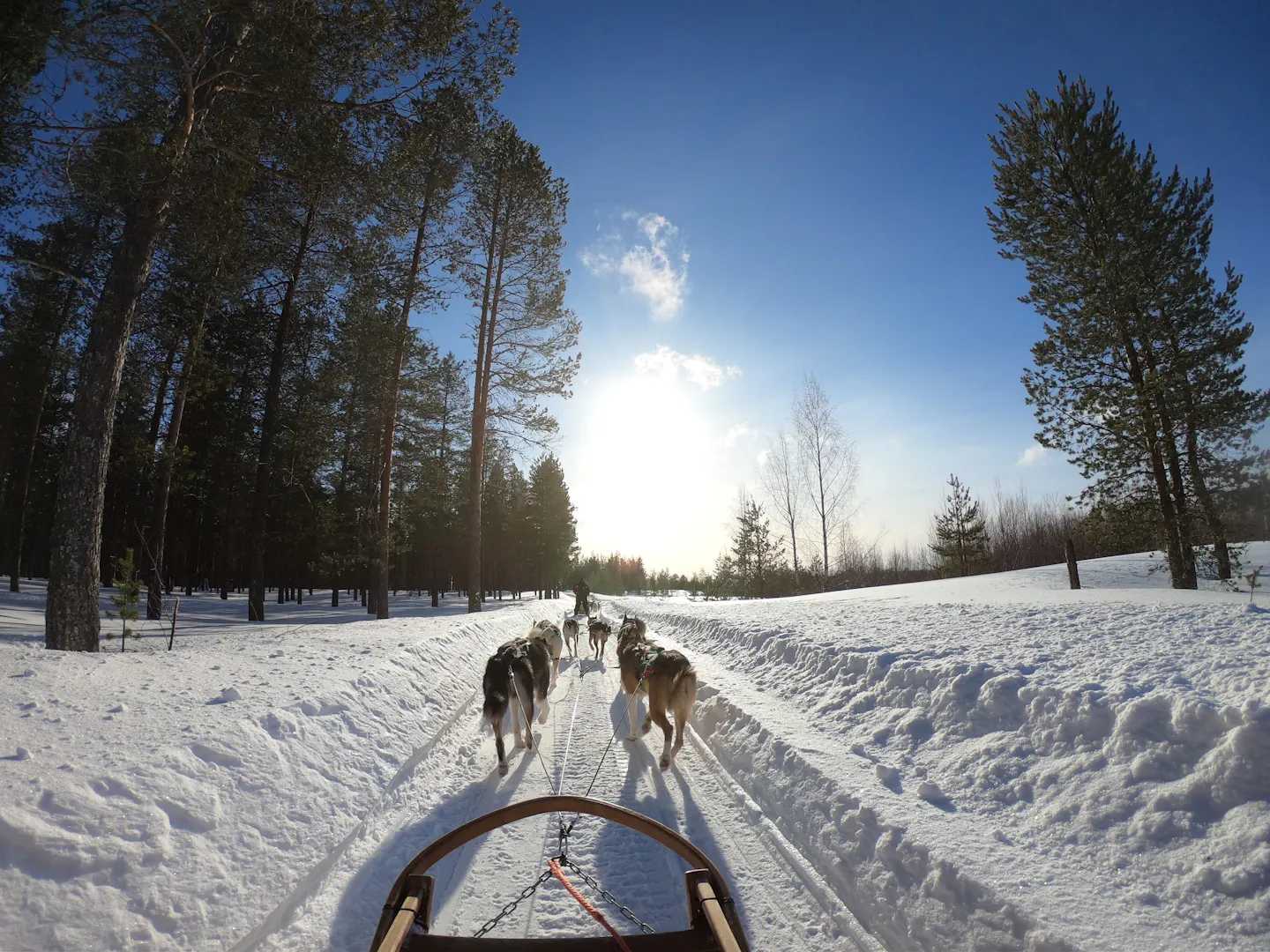
Rovaniemi is the place to choose when you want January to feel completely different from normal life.
Expect deep snow, very short days, cold temperatures, and a landscape built around winter activities. January is snowy, Northern Lights are possible, and there are only a few hours of daylight.
This is where you can go husky sledding, meet reindeer, try snowmobiling, spend time in a Finnish sauna, sleep in a cabin or glass-roof accommodation, and cross the Arctic Circle.
Santa Claus Village stays open year-round, but January usually feels less Christmas-focused than December. That can make it a better choice if you want Lapland itself rather than a festive-season trip.
Pack seriously. January temperatures can fall far below zero, and proper thermal layers, insulated boots, gloves, and face protection matter.
Best for: families, couples, snow lovers, first-time Lapland trips, and travelers who want a full winter wonderland experience.
Reykjavík and South Iceland: best for dramatic winter scenery

Iceland in January is not the easiest trip on this list, but it can be one of the most memorable.
Days are short, weather changes quickly, and winter driving requires experience. In return, you get long dark nights for Northern Lights hunting, geothermal pools, snow-covered lava landscapes, powerful waterfalls, black-sand beaches, glaciers, and natural ice-cave season.
For a first January trip, Reykjavík makes a practical base. Spend time in the city, visit a geothermal lagoon, and use guided day trips for the Golden Circle or South Coast if you do not want to drive on winter roads.
If you have more time, stay one or two nights farther south so you are not trying to cover huge distances during limited daylight.
This is a destination where flexibility matters. A perfect January itinerary should have backup plans because road conditions, wind, and tours can change quickly.
Best for: adventure, Northern Lights, geothermal pools, photography, landscapes, and travelers who do not mind unpredictable weather.
How to choose the best European destination for January 2027

The easiest way to choose is to decide what you want January to feel like.
For warm weather and sunshine
Choose Tenerife if warmth is the priority. Madeira is better for hiking and green scenery. Seville, Malta, Cyprus, Lisbon, and Rome are good for mild sightseeing, but they are not guaranteed beach destinations.
For snow and skiing
Choose Innsbruck if you want great ski access plus city life. Choose Bansko if budget matters more. Rovaniemi is better for snow activities than traditional resort skiing.
For Northern Lights
Tromsø is one of the easiest dedicated aurora destinations because tours leave directly from a lively city. Rovaniemi combines aurora hunting with a classic Lapland experience. Iceland gives you the most dramatic landscapes, but weather and transport can make the trip more complicated.
For a winter city break
Rome is best if you want major sights with lighter crowds. Vienna is strongest for museums and culture. Budapest is best for thermal baths and value. Prague is best for a classic winter atmosphere. Lisbon and Seville are better if you want milder temperatures.
What to know before traveling to Europe in January

January travel usually needs a little more planning than summer travel.
First, daylight matters. In southern Europe you still have enough time for a normal sightseeing day, but in places such as Iceland, Tromsø, and Rovaniemi, daylight can be very limited. Build outdoor activities around the brightest part of the day.
Second, check seasonal opening hours. Museums, restaurants, attractions, hiking routes, and transport services can use winter schedules.
Third, do not assume winter means empty. Ski resorts, Lapland, and Northern Lights destinations can be busy because January is peak season for exactly those experiences.
Finally, keep weather-sensitive days flexible. In Madeira, Iceland, the Alps, and the Arctic, the smartest plan is usually the one that can change.
FAQ: visiting Europe in January 2027
Is January a good time to visit Europe?
Yes. January is especially good for lower-season city breaks, winter sun in southern destinations, skiing in the mountains, and Northern Lights trips in the north. The main trade-offs are shorter days and colder or more changeable weather.
Where is warm in Europe in January?
Tenerife is one of the warmest reliable options, with average January highs around 21°C. Madeira, Cyprus, Malta, Seville, Lisbon, and southern parts of Spain are also milder than most of Europe, but temperatures are usually better for sightseeing than swimming.
Where can you see snow in Europe in January?
For reliable winter conditions, look at the Alps, Finnish Lapland, northern Norway, Iceland, and ski resorts such as Bansko. Snow in cities such as Vienna, Prague, or Budapest is possible but never guaranteed.
Where is best for the Northern Lights in January?
Tromsø, Rovaniemi, and Iceland are three of the best choices on this list. January gives you long dark nights, but the aurora always depends on solar activity, cloud cover, and local conditions.
What are the cheapest places to visit in Europe in January?
Budapest, Bansko, and some central and eastern European cities can offer strong value in January, especially after the New Year holiday period. Flights and hotel prices still depend heavily on your departure city and exact dates.
Should you visit Europe in early or late January?
If you want quieter cities and better-value accommodation, traveling after January 6 is often a smart move. The first week is still part of the Christmas and New Year holiday period in many countries. Ski and Arctic destinations follow different demand patterns and can stay busy throughout the month.
Plan your January 2027 trip with EasyMiles
January trips can be amazing, but they are also the kind of trips where timing matters. Daylight is shorter, weather changes plans more easily, and winter opening hours can make a badly planned itinerary feel rushed.
EasyMiles helps you turn the destination into a real day-by-day trip. Add your city, dates, and travel preferences, and it can build an itinerary around opening hours, weather, and realistic travel time between places. You can also use it to organise restaurants, activities, viewpoints, and local experiences in one plan, then adjust the trip if your plans change while you are there.
That is especially useful in January, when you may need to swap a hiking day for a museum, move an outdoor activity to the brightest part of the day, or rethink the route because of weather.