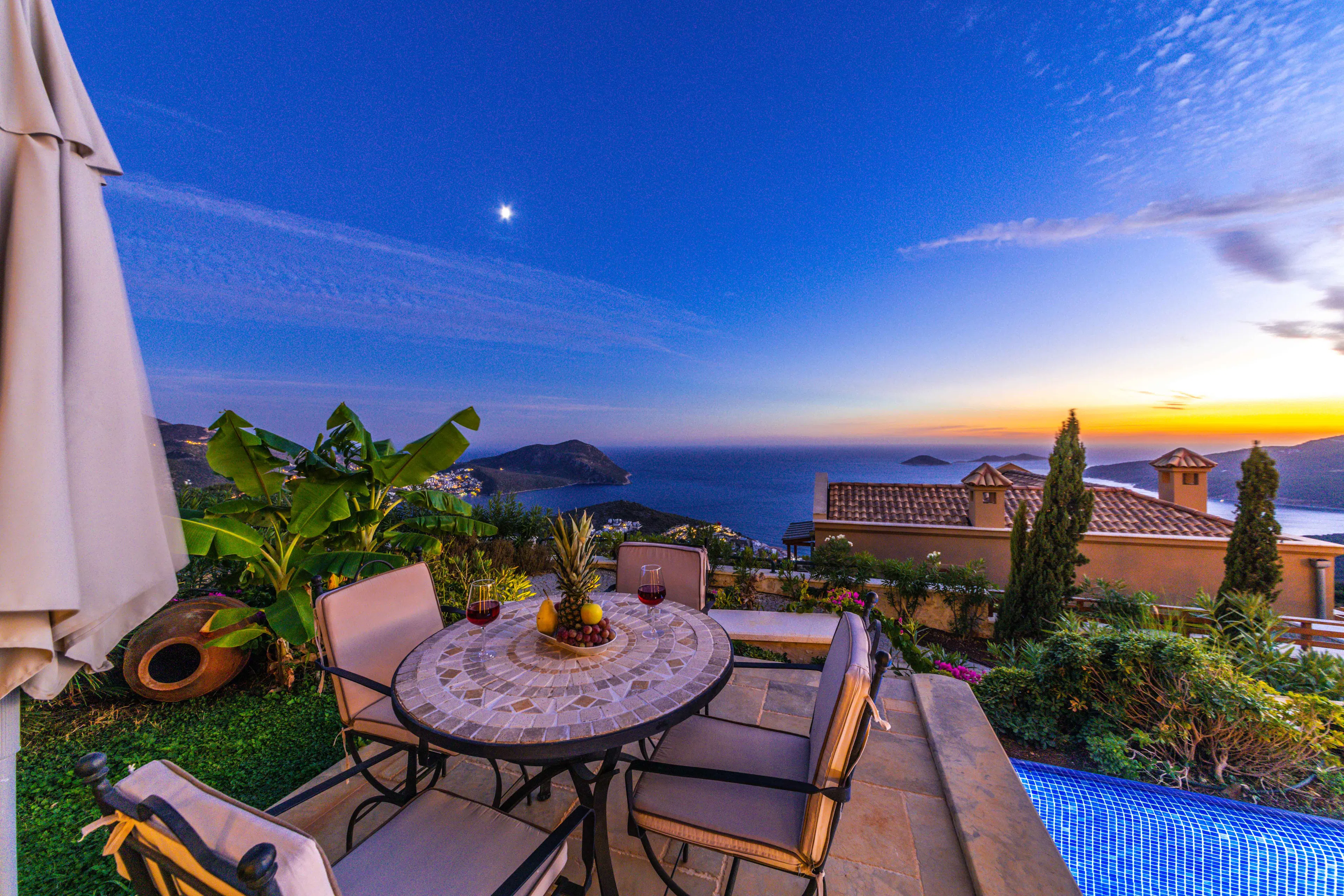
In 2026, wealthy travellers in Europe still return to the classic luxury destinations: Saint-Tropez and Monaco, Lake Como, Capri and the Amalfi Coast, Costa Smeralda, Ibiza, Marbella, Mykonos, Courchevel, Gstaad, and St. Moritz.
But the more interesting answer is that luxury travel is becoming quieter and more private. Rich travellers are increasingly choosing Puglia instead of central Italy, Paros and Antiparos instead of the busiest parts of Mykonos and Santorini, rural Mallorca instead of staying beside the loudest beach clubs, and the Bay of Kotor, Norway, or the Scottish islands when they want space and cooler weather.
The places attracting wealthy travellers in Europe in 2026 include:
- Saint-Tropez, Monaco, and Cap d'Antibes for yachts, beach clubs, and classic Riviera glamour.
- Lake Como for private villas, elegant hotels, boat days, and romantic scenery.
- Capri and the Amalfi Coast for famous hotels, hidden coves, and dramatic coastal views.
- Costa Smeralda in Sardinia for superyachts, clear water, and discreet resort life.
- Marbella for golf, private villas, restaurants, and an easy social scene.
- Ibiza and Formentera for nightlife, yachts, long lunches, and private villas.
- Puglia for masserie, countryside estates, beach clubs, and a quieter Italian summer.
- Paros and Antiparos for understated Greek-island luxury without the biggest crowds.
- Mallorca and Menorca for historic estates, mountain villages, beaches, and privacy.
- Crete for high-end resorts, food, wellness, and a longer island trip.
- Courchevel, Gstaad, St. Moritz, and Cortina for ski season and Alpine luxury.
- The Bay of Kotor in Montenegro for marinas, mountain scenery, and an alternative to Italy.
- Norway's fjords and Lofoten for private nature trips and cooler summer weather.
- Islay and the Scottish Highlands for whisky, country-house stays, and quiet luxury.
Saint-Tropez, Monaco, and Cap d'Antibes
Best for: yachts, beach clubs, shopping, restaurants, and classic European summer glamour.
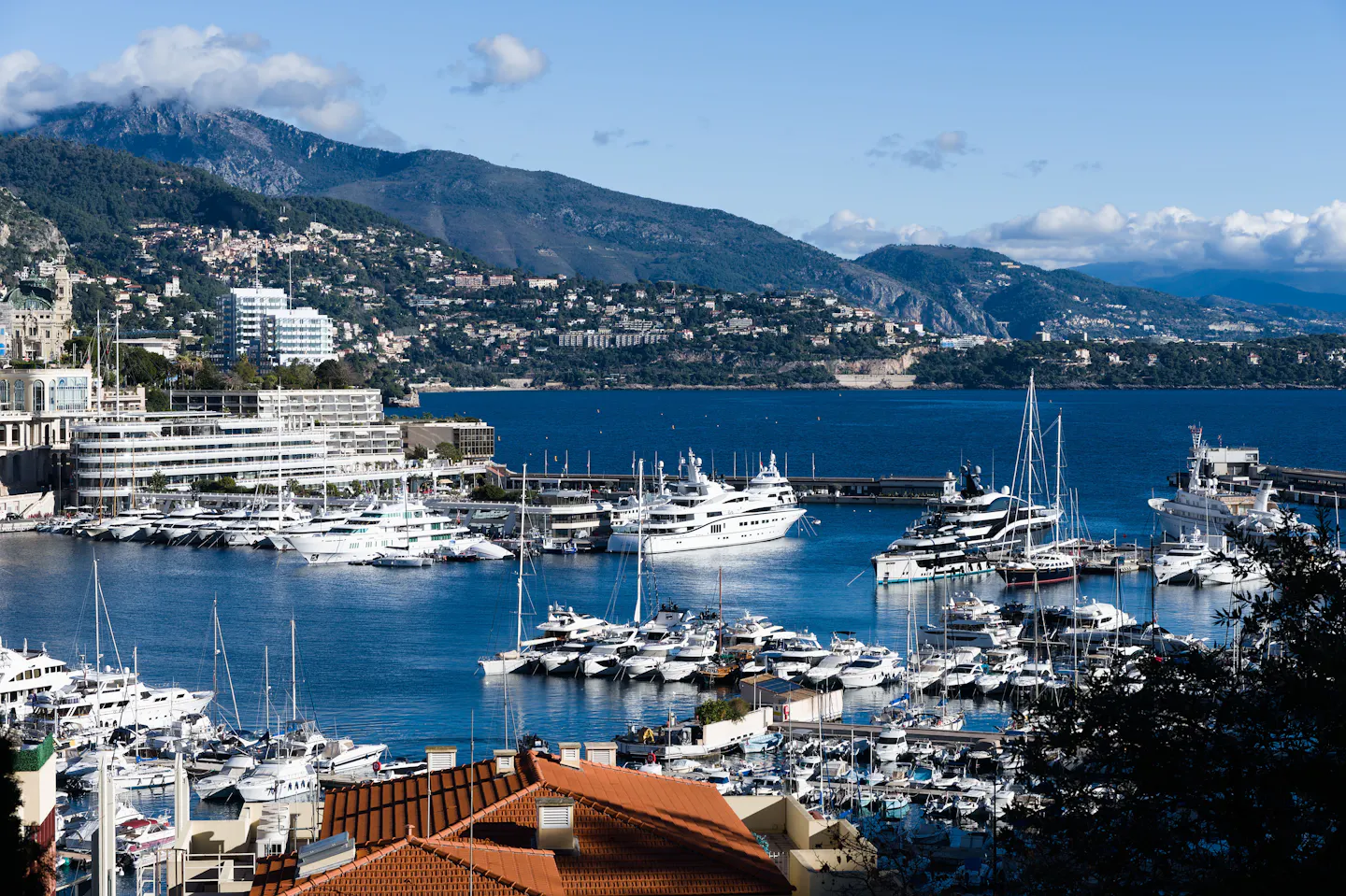
The French Riviera remains one of the clearest answers to the question, "Where do rich people vacation in Europe?" It has the infrastructure that high-end travellers want: private aviation access, major marinas, famous hotels, luxury shopping, beach clubs, restaurants, and easy movement between different coastal towns.
Saint-Tropez is still the social centre. Days often revolve around Pampelonne Beach, long lunches, shopping in town, and evenings around the port. The most comfortable way to enjoy it is not necessarily to stay in the busiest streets. Many wealthy visitors choose villas in Ramatuelle, Gassin, or the hills above the coast, then use a driver or boat to reach the beach and town.
Monaco offers a more polished version of Riviera life, with luxury hotels, casinos, fine dining, shopping, and one of the Mediterranean's best-known harbours. Cap d'Antibes feels quieter and more residential, while Cannes becomes especially important during major festivals and events.
The 2026 version of a Riviera trip is less about being seen everywhere and more about controlling the experience. A private villa, a yacht day, early restaurant reservations, and a few carefully chosen beach clubs usually create a better trip than trying to follow every fashionable address.
Lake Como, Italy
Best for: private villas, romantic trips, elegant hotels, and slow days on the water.
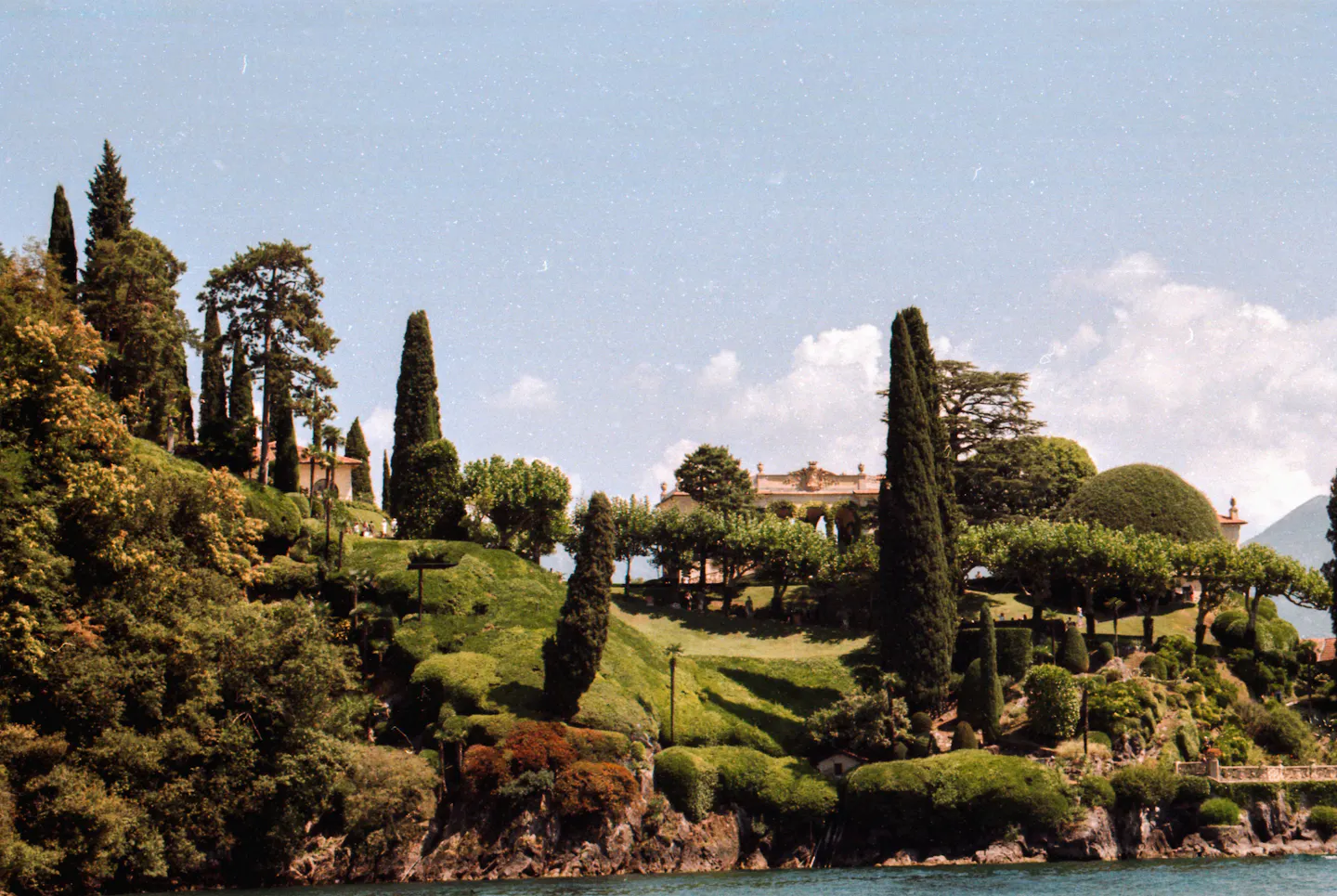
Lake Como remains one of Europe's most recognisable luxury destinations, but it works because the experience can feel private even when the region is famous.
Wealthy travellers often choose the western side of the lake around Tremezzina, Cadenabbia, Moltrasio, or Menaggio, where historic hotels and villas have direct water access. Bellagio is beautiful, but staying outside its busiest centre can make the trip much calmer.
The ideal Lake Como day is simple: breakfast overlooking the water, a private boat to Bellagio or Varenna, lunch beside the lake, time at the hotel or villa, and dinner somewhere that does not require a complicated transfer. That simplicity is part of the luxury.
Lake Como continues to attract new high-end hospitality. The Lake Como Edition and smaller design-led stays have added a more contemporary option to a destination known for grand historic hotels. It is now easier to choose between old-world glamour, a modern spa hotel, or a private villa with staff.
Lake Como is best for couples, celebrations, weddings, and short luxury trips from Milan. Three or four nights are enough for a first visit, but a week works well when the hotel or villa is part of the holiday rather than just a place to sleep.
Capri and the Amalfi Coast, Italy
Best for: dramatic scenery, famous hotels, boat trips, and a glamorous Italian coast.
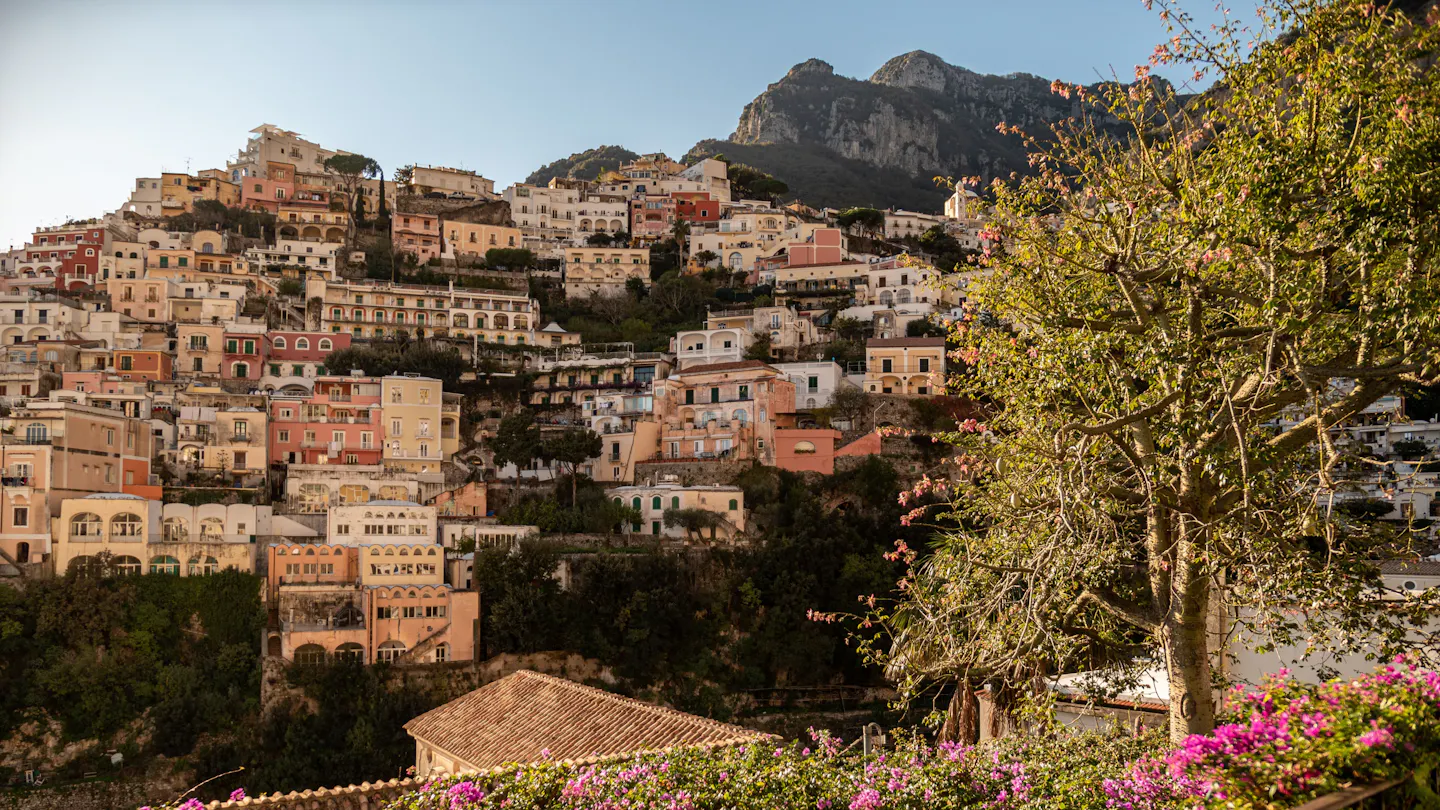
Capri, Positano, Ravello, and the Amalfi Coast remain firmly on the wealthy-travel map. The appeal is obvious: vertical towns, sea views, historic hotels, beautiful restaurants, private boats, and a sense that almost every arrival feels cinematic.
The challenge is crowding. In 2026, the best luxury version of this trip is built around avoiding the busiest hours. Stay several nights rather than arriving as a day-tripper. Use a private boat to reach coves and smaller towns. Visit Positano early in the morning or in the evening. Choose Ravello when you want gardens, views, and a slower atmosphere.
Capri is still the strongest choice for social energy, shopping, and classic Italian island glamour. Anacapri is calmer and gives you more room. On the mainland, Ravello feels more peaceful than Positano, while smaller coastal bases can work better for travellers who value privacy over being in the centre of everything.
May, June, September, and early October are generally better than the hottest and busiest weeks of July and August. The hotels and restaurants are open, the sea is appealing, and the trip is easier to enjoy without spending every day negotiating crowds.
Costa Smeralda, Sardinia
Best for: superyachts, clear water, private villas, and high-end beach life.
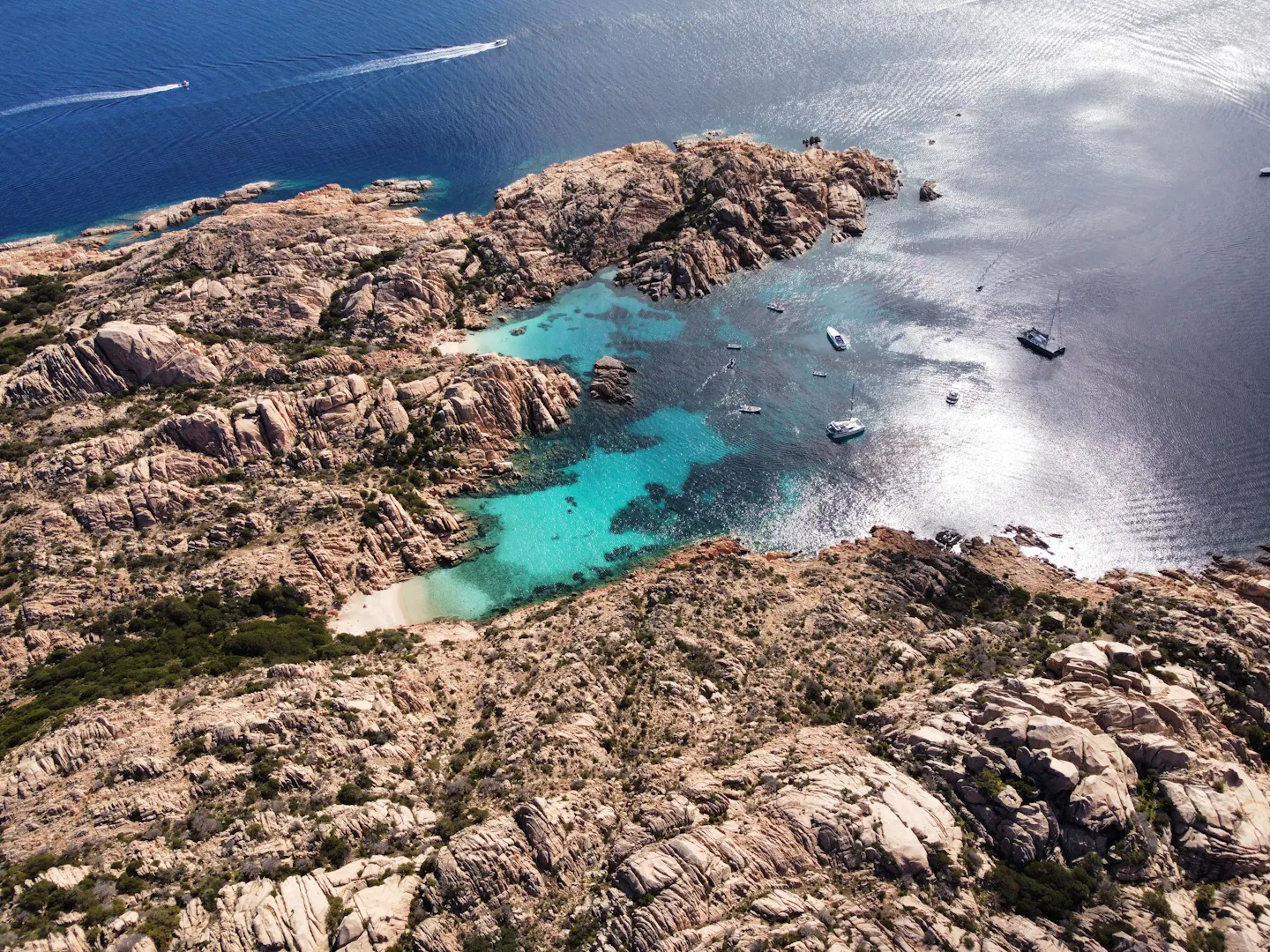
Costa Smeralda is one of Europe's most established destinations for wealthy summer travellers. The northeast coast of Sardinia combines pale beaches, bright water, protected coves, villas hidden in the landscape, and marinas filled with large yachts.
Porto Cervo is the main social centre, with designer boutiques, restaurants, hotels, and nightlife. Cala di Volpe is known for its resort atmosphere, while Poltu Quatu and the surrounding coastline offer marina access and a slightly more contained base.
The region continues to evolve rather than relying only on its old reputation. New and redesigned hotels, including W Sardinia at Poltu Quatu, are bringing a younger and more design-focused style to the coast.
Costa Smeralda works best for travellers who enjoy the sea as much as the hotel. A boat gives access to quieter beaches and the Maddalena Archipelago, while a car or driver helps with dinners and exploring outside the resort areas.
The atmosphere is expensive and polished, but it can also be relaxed. Wealthy families often rent villas for several weeks, while couples and groups of friends combine beach days with long lunches and evenings in Porto Cervo.
Marbella and the Costa del Sol, Spain
Best for: golf, villas, restaurants, beach clubs, and an easy social holiday.
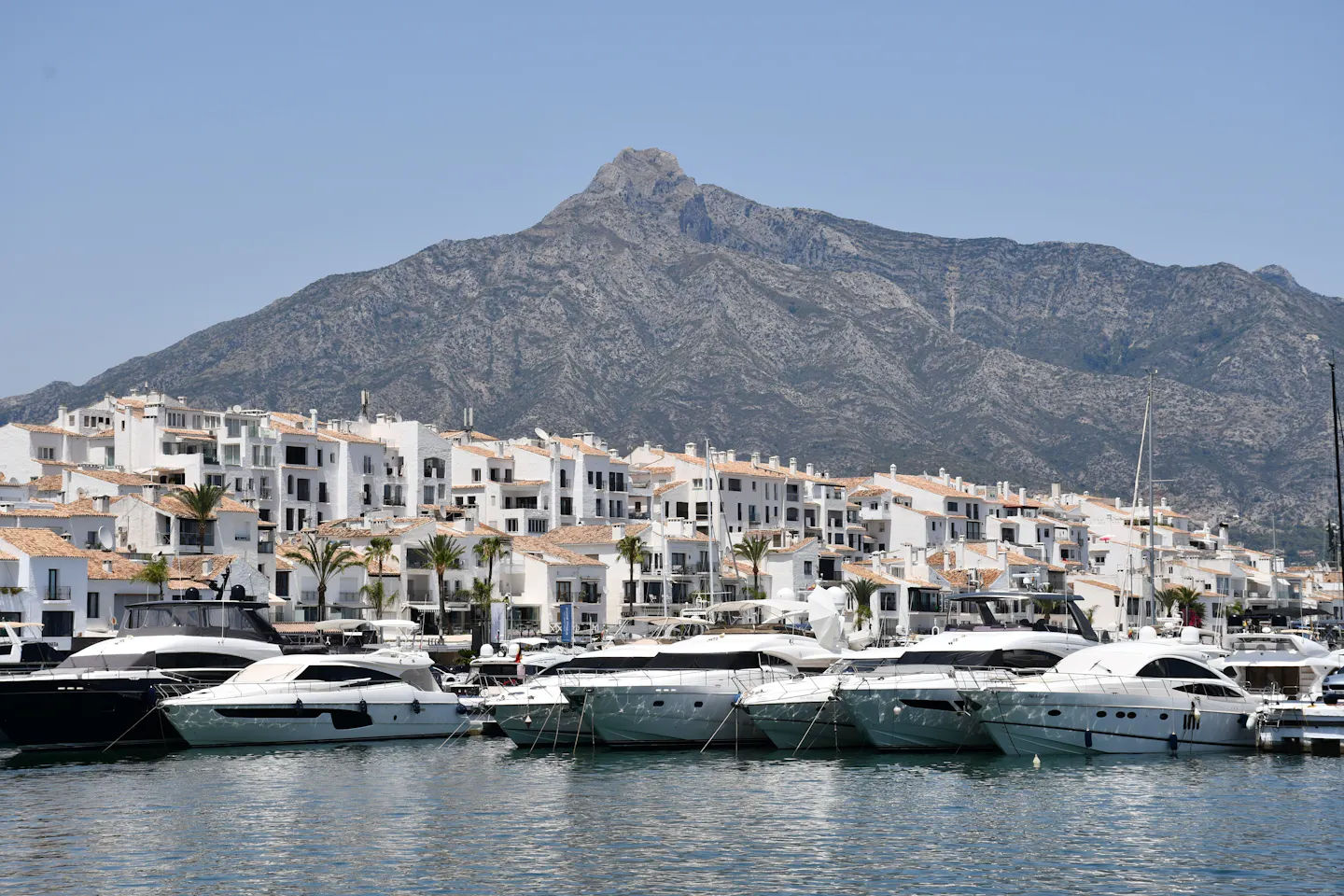
Marbella has attracted wealthy European travellers for decades because it is easy to enjoy. The weather is reliable for much of the year, the area has strong hotel and villa options, and visitors can combine beaches, golf, restaurants, wellness, shopping, and nightlife without moving constantly.
The Golden Mile between Marbella and Puerto Banús remains the best-known luxury area. Puerto Banús is louder and more openly glamorous, while the hills above Marbella are better for large villas, privacy, and views. The old town adds a more traditional side with narrow streets, small squares, and restaurants away from the marina.
Marbella is particularly good for groups with different interests. One person can play golf, another can spend the day at a beach club, and someone else can stay by the villa pool. It is also easier for families than destinations where every beach or restaurant requires a boat.
Spring, early summer, and autumn are excellent times to visit. The region is warm, the golf courses are in demand, and the social scene is active without the intensity of August.
Ibiza and Formentera, Spain
Best for: nightlife, yachts, restaurants, wellness, and private villas.
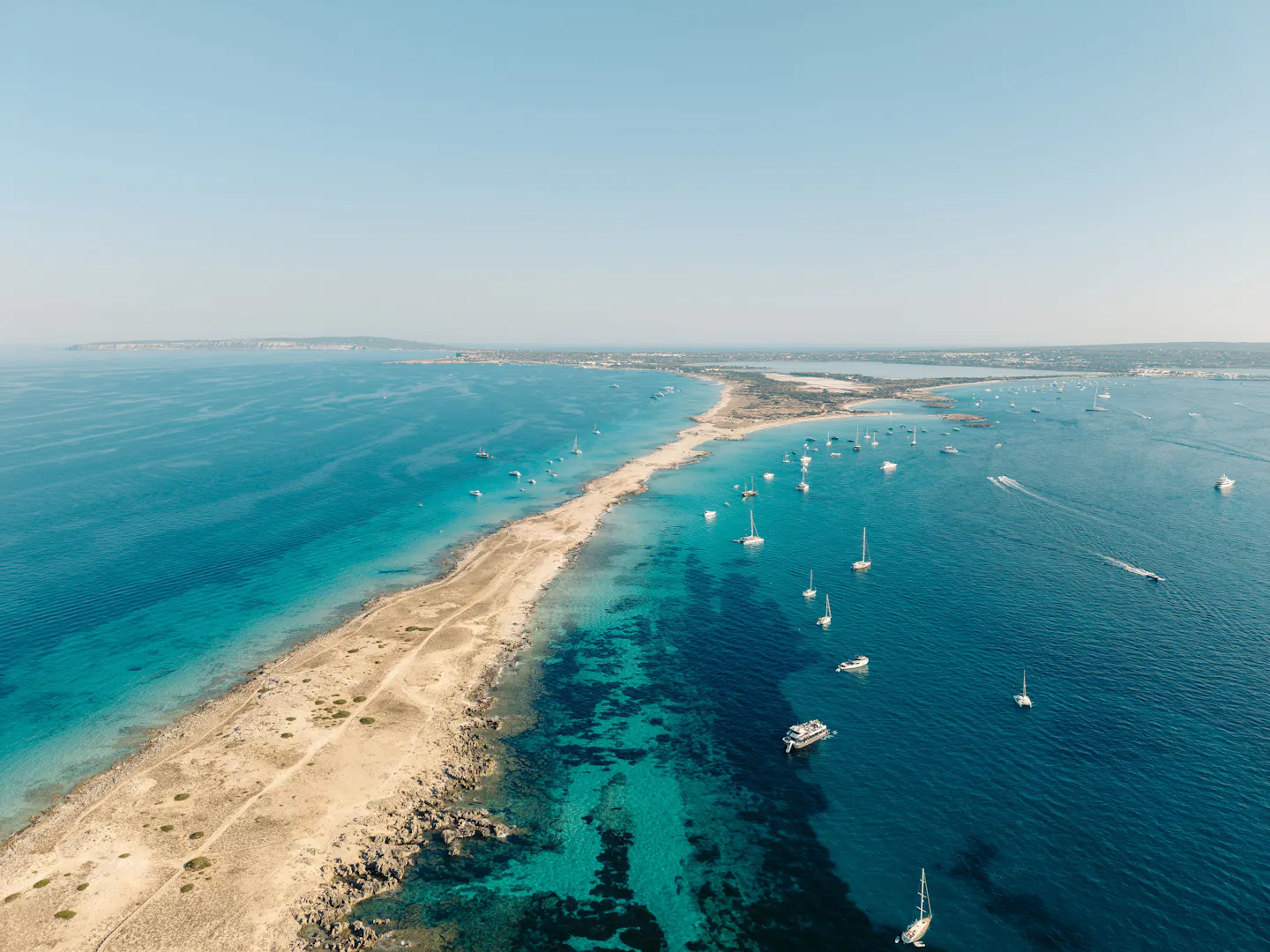
Ibiza remains one of Europe's most famous party islands, but wealthy travellers rarely experience it only through clubs.
The island's luxury side includes private villas in the hills, quiet northern beaches, wellness retreats, destination restaurants, beach clubs, and yacht trips to Formentera. A typical high-end stay can combine a late night with a completely private next day.
The south and southwest are convenient for famous beach clubs and nightlife. The north is better for a slower, more natural trip. Ibiza Town works well for dinners, shopping, and harbour life, while countryside villas create a sense of distance without making the island difficult to explore.
Formentera is the escape from Ibiza's energy. It has clear, shallow water, long beaches, simple seafood restaurants, and a relaxed atmosphere. Many visitors arrive by yacht or ferry for the day, but staying overnight gives you the island after the day crowds leave.
The smartest time to visit is June or September. The island still feels alive, but reservations and transport are easier. In July and August, planning matters because villas, boats, and the most popular tables can be booked far in advance.
Puglia, Italy
Best for: private estates, food, countryside, beach clubs, and quieter Italian luxury.
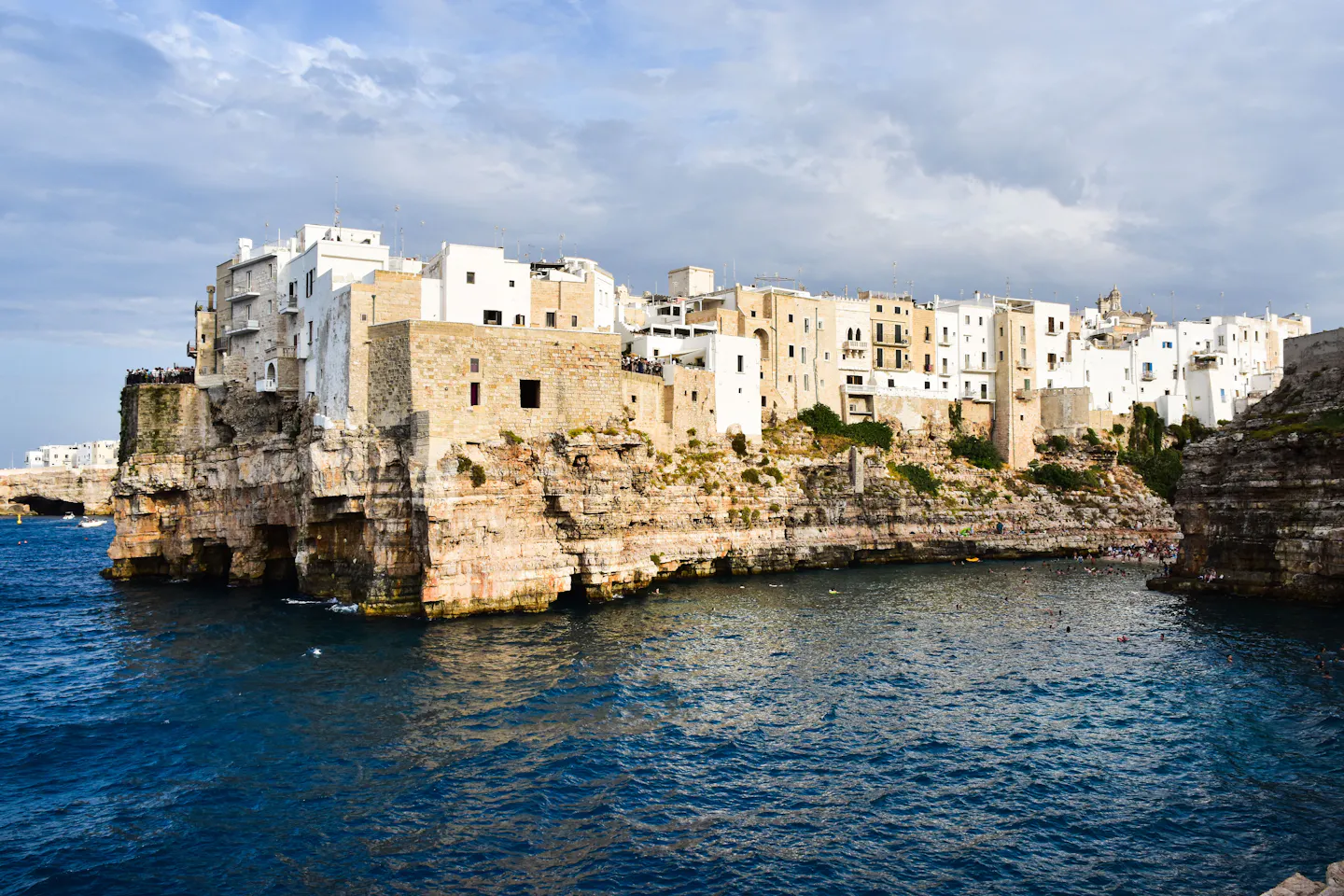
Puglia is one of the clearest rising luxury destinations in Europe in 2026. Wealthy travellers who still want Italy but feel tired of the busiest routes through Rome, Florence, Venice, and the Amalfi Coast are looking farther south.
The region's signature stay is a masseria, a historic fortified farmhouse transformed into a hotel or private estate. These properties often combine stone architecture, olive groves, pools, spas, gardens, and restaurants focused on local ingredients.
A good Puglia trip includes several different landscapes. Stay in the countryside near Ostuni, Fasano, or Ceglie Messapica. Visit white towns such as Locorotondo and Cisternino. Spend a day on the Adriatic coast around Monopoli or Polignano a Mare, then explore the baroque streets of Lecce farther south.
The food is a major reason to come. Meals can be simple and still feel special: handmade orecchiette, burrata, grilled vegetables, fresh fish, focaccia, olive oil, and long dinners in farm courtyards.
Puglia is not empty, especially in August, but it offers more space and more private accommodation than Italy's most famous coastal destinations. May, June, September, and October are better for a polished road trip.
Paros and Antiparos, Greece
Best for: understated island luxury, beaches, restaurants, and a calmer alternative to Mykonos.
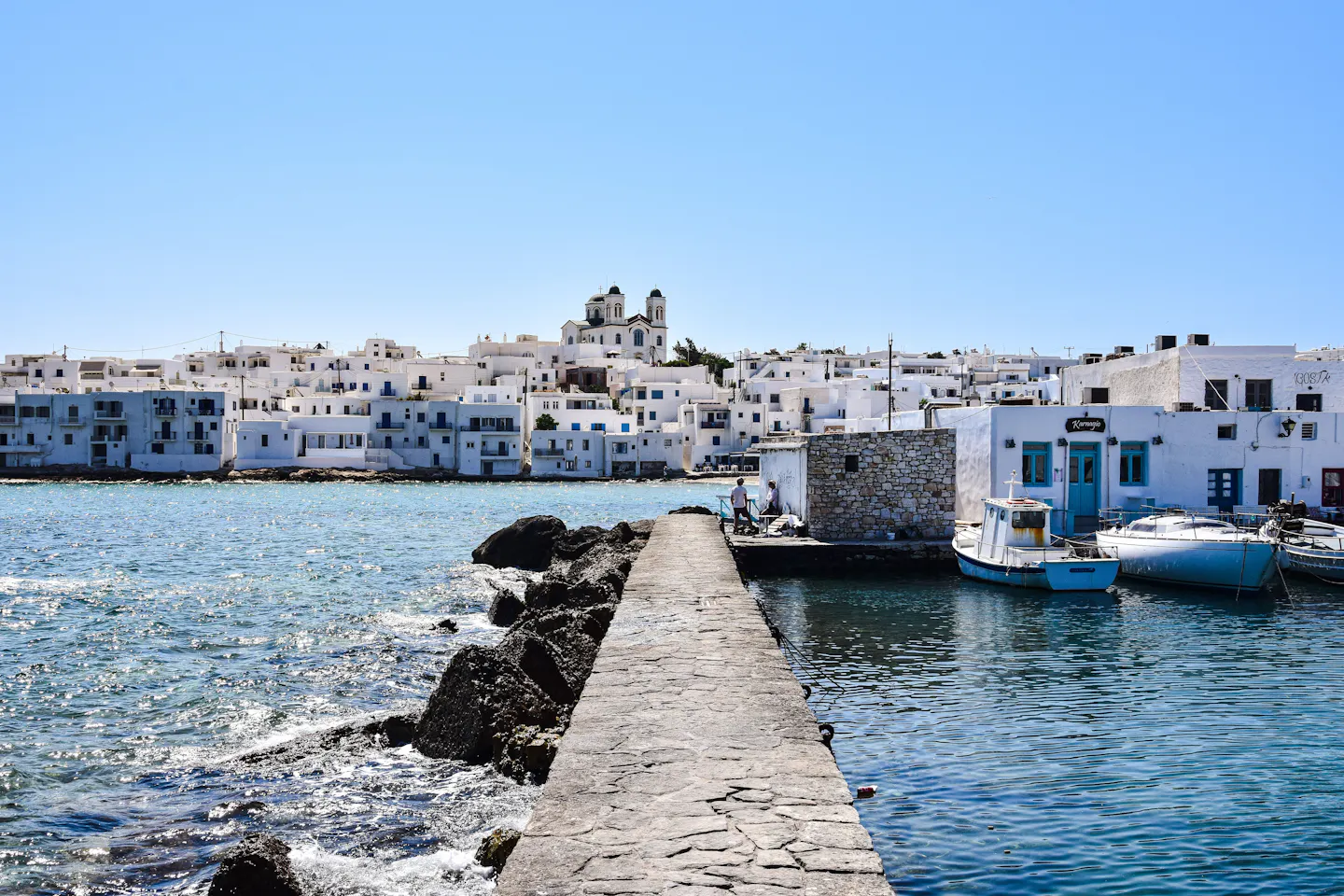
Paros has become one of the most important answers for wealthy travellers who want the Cyclades without the full intensity of Mykonos or Santorini.
The island has attractive villages, good beaches, increasingly strong restaurants, stylish hotels, villas, and enough nightlife to feel social without making the entire trip about parties. Naoussa is the best-known evening centre, while the south and east coasts are better for quieter stays and beach access.
Antiparos, reached by a short ferry, feels even more private. It has a smaller town, calm coves, villa communities, and a discreet social scene. It is particularly popular with travellers who want a beautiful Greek island without feeling that every table and beach has become a performance.
New high-end hotels continue to strengthen Paros's position in 2026. Luura Cliff and other design-led properties are adding more polished options while keeping the island's relaxed character.
Paros works well for couples, groups of friends, and families. Rent a car, book one or two boat days, leave room for spontaneous lunches, and avoid trying to see every beach. June and September offer the best balance of weather, atmosphere, and manageable crowds.
Mallorca and Menorca, Spain
Best for: historic estates, mountain scenery, beaches, food, and privacy.
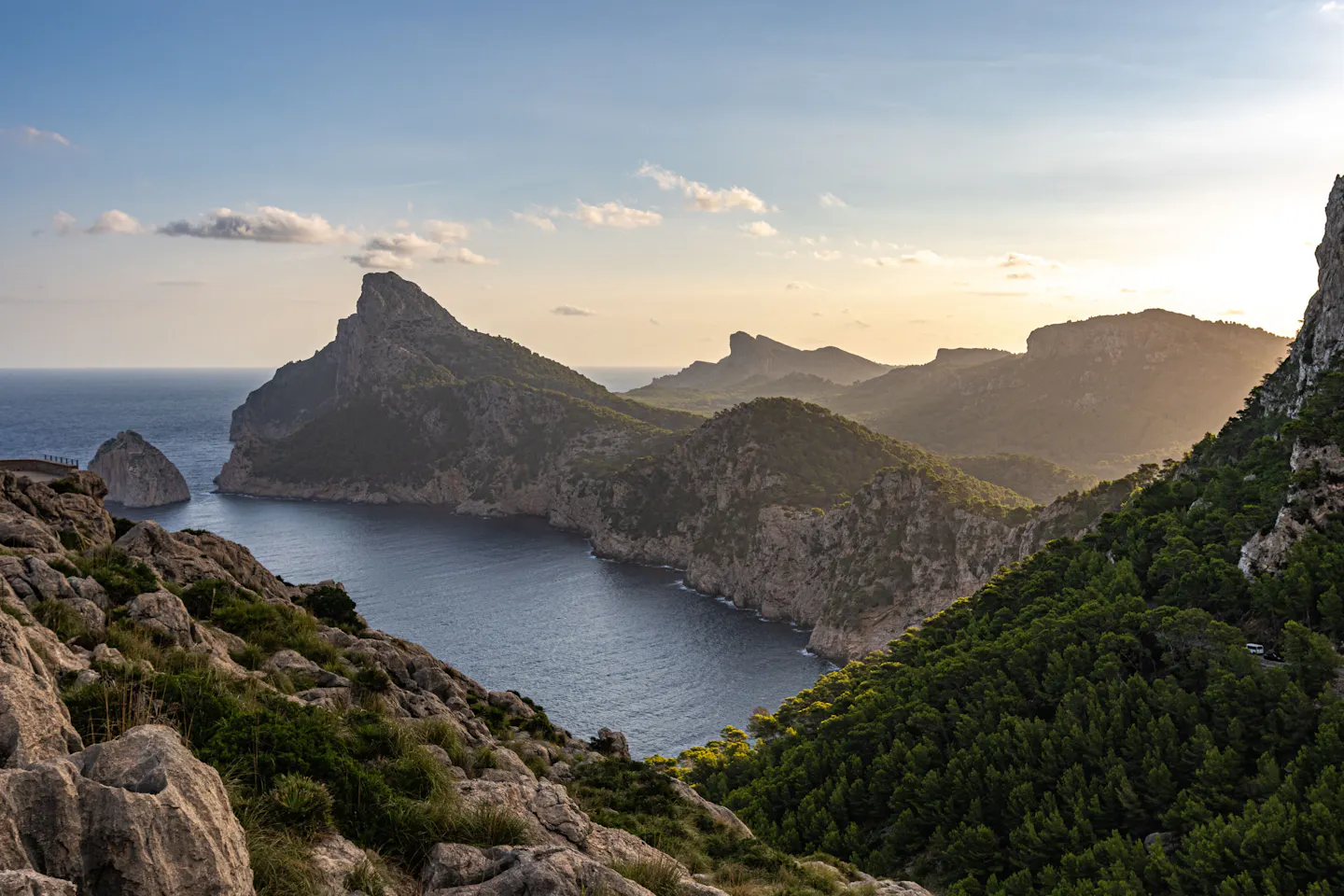
The Balearic Islands are not only about Ibiza. Mallorca and Menorca offer a quieter form of luxury built around landscape, architecture, food, and space.
In Mallorca, wealthy travellers increasingly stay in restored fincas and historic estates rather than large coastal resorts. The Serra de Tramuntana, with villages such as Deià, Valldemossa, and Banyalbufar, is ideal for mountain views, walking, cycling, and long lunches. The island also has elegant hotels around Palma and private villas near smaller coves.
New small hotels on Mallorca's west coast in 2026 reflect the demand for intimate, design-led stays rather than large-scale glamour. The strongest trips combine a few days in the mountains with time beside the sea.
Menorca is quieter and less showy. It suits travellers who want beautiful coves, countryside hotels, sailing, and a slower pace. The island's luxury is often the absence of noise and crowds rather than a long list of famous venues.
Choose Mallorca for variety, restaurants, shopping, and a more developed hotel scene. Choose Menorca for calm beaches, smaller properties, and a trip that feels deliberately low-key.
Crete, Greece
Best for: resort stays, food, wellness, history, and a complete island holiday.
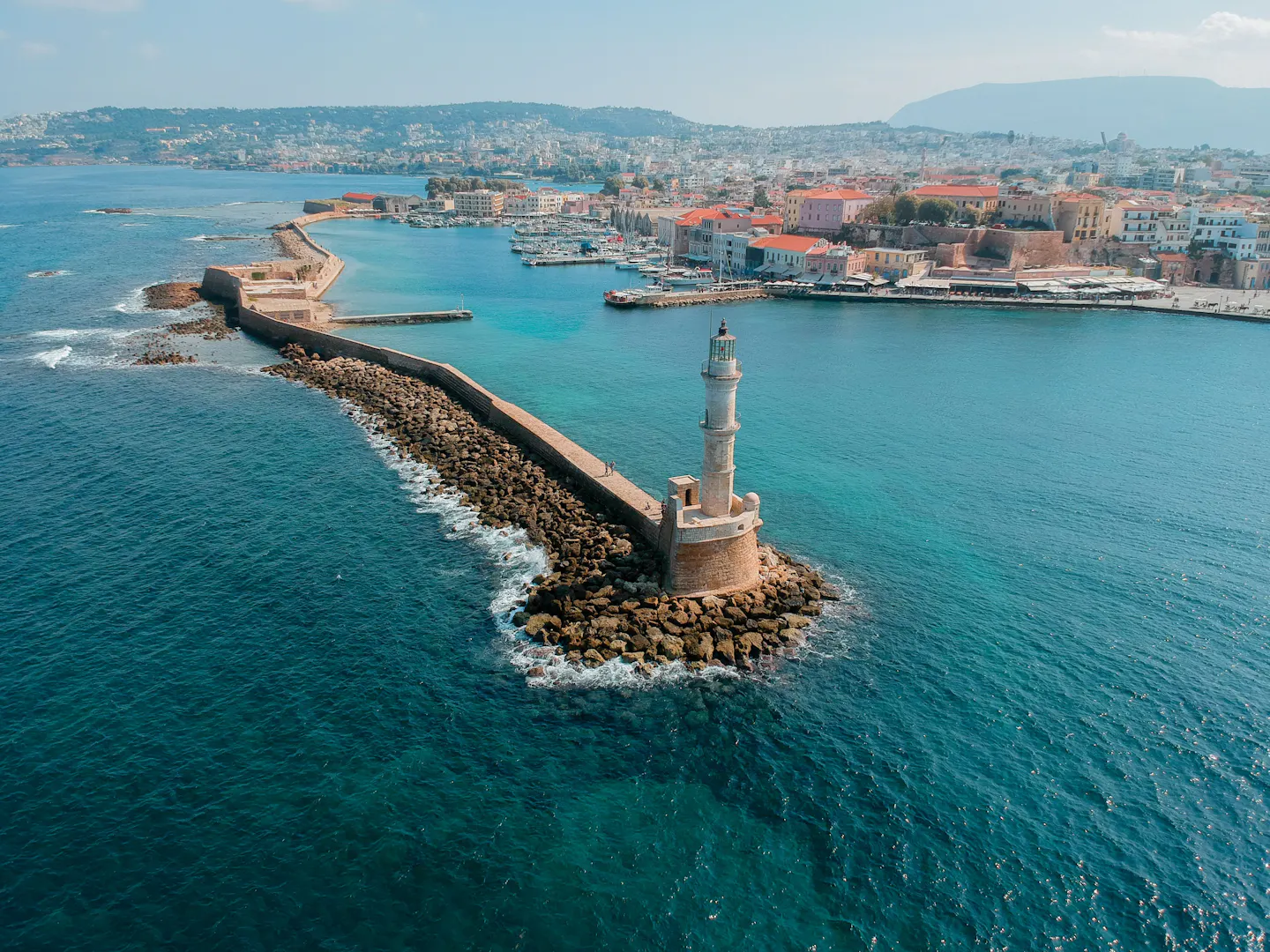
Crete is gaining more attention from luxury travellers in 2026 because it offers enough variety for a full week or longer. It is not a small island where the entire experience depends on one beach club or one photogenic town.
Elounda has long been Crete's most established luxury area, with high-end resorts, private pools, sea views, and easy boat access to Spinalonga. Chania and western Crete offer a stronger mix of historic streets, beaches, countryside, and newer resorts. Rethymno sits between the two and works well for food, architecture, and access to different parts of the island.
Crete is the European Region of Gastronomy in 2026, which fits the way wealthy travellers increasingly plan trips around food and local experiences. The island's appeal comes from simple ingredients and strong traditions: olive oil, wild greens, cheese, seafood, lamb, herbs, wine, and dishes that change between regions.
The island also has major new luxury development, including chef-led restaurants and wellness-focused resorts. It is a strong choice for families and couples who want comfort but do not want to spend the entire trip inside one property.
Courchevel, Gstaad, St. Moritz, and Cortina
Best for: skiing, winter social life, luxury hotels, and mountain scenery.
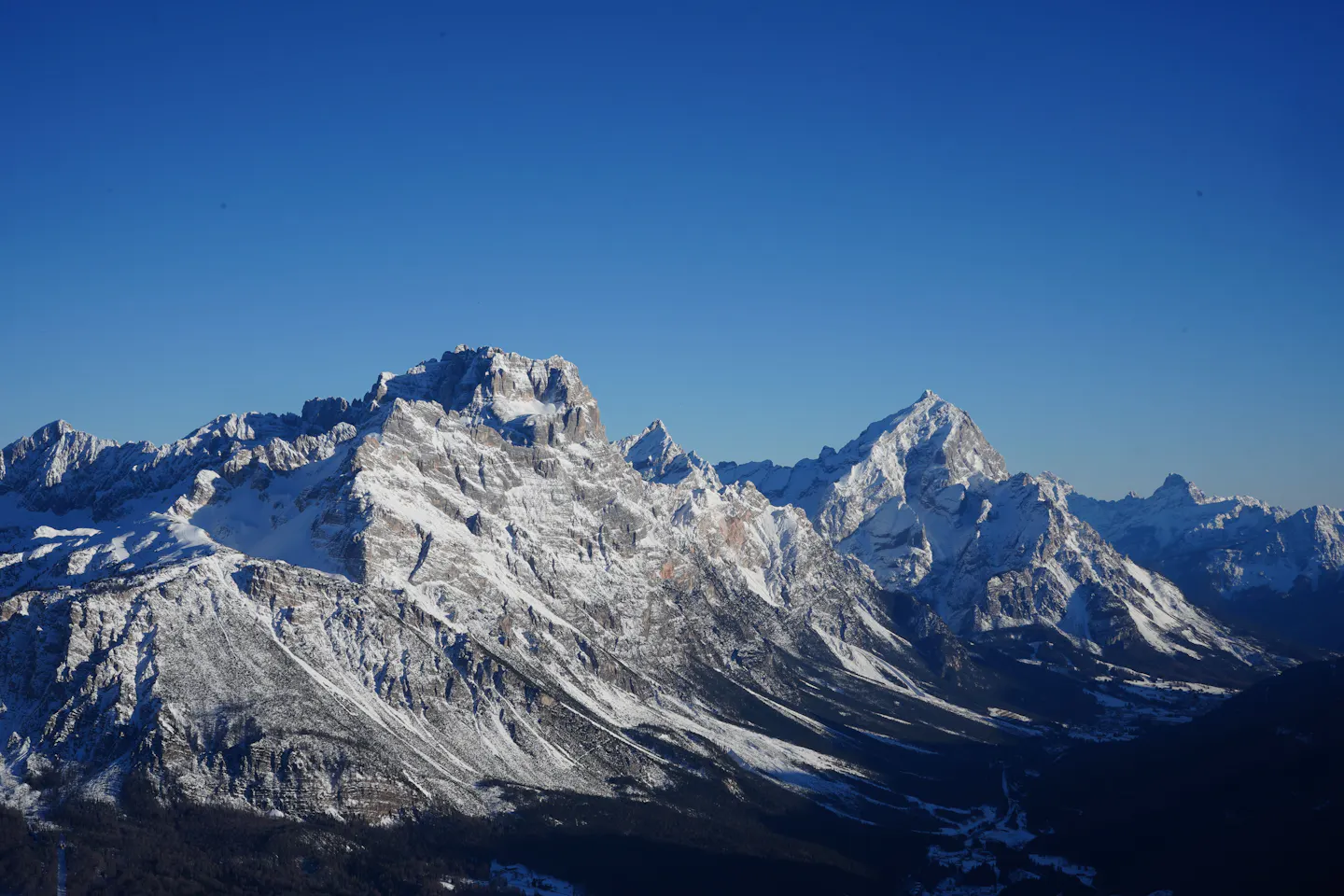
Rich people do not travel only to Mediterranean beaches. In winter, Europe's most famous Alpine resorts remain central to the luxury calendar.
Courchevel 1850 is known for ski-in, ski-out hotels, fine dining, shopping, and a highly polished service culture. Gstaad combines skiing with a quieter village atmosphere and long-established hotels. St. Moritz has a more international social scene, winter events, frozen-lake activities, and a tradition of grand hospitality.
Cortina d'Ampezzo gained even more global attention in 2026 as a host of the Winter Olympics. The wider Dolomites are attractive beyond ski season too, with design hotels, mountain spas, hiking, cycling, and exceptional scenery.
The best resort depends on the mood. Choose Courchevel for convenience and restaurants, Gstaad for discretion, St. Moritz for events and social energy, and the Dolomites for dramatic landscapes and a strong combination of sport, design, and food.
Wealthy travellers also look at Verbier, Lech, Zermatt, and Mégève. The common factor is not only the quality of the slopes. It is the ability to combine sport with excellent hotels, private transfers, childcare, spas, and restaurants.
The Bay of Kotor, Montenegro
Best for: marinas, yachts, mountain scenery, and a less obvious Mediterranean trip.
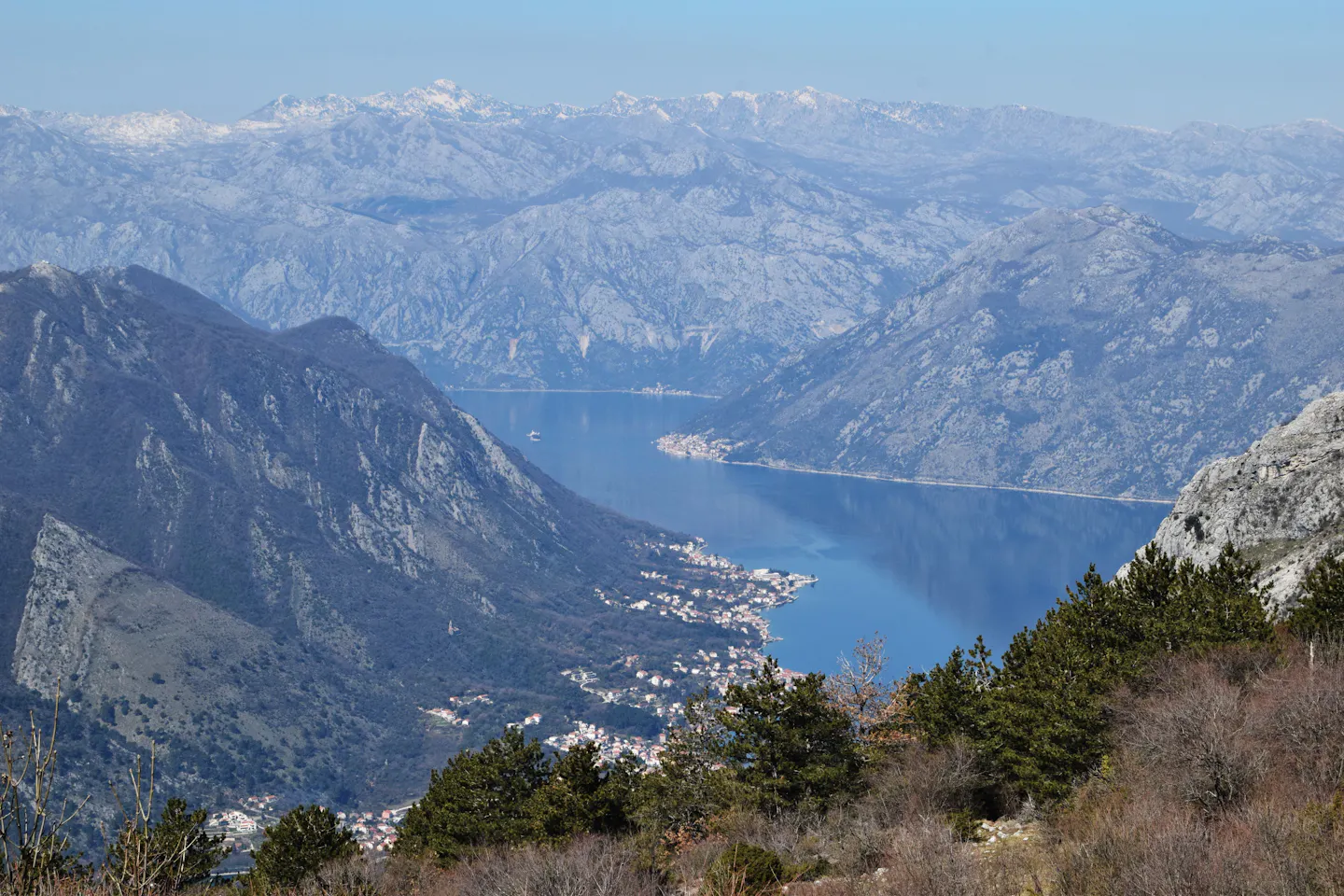
Montenegro is becoming a stronger luxury alternative to the most expensive parts of Italy, France, and Croatia.
The Bay of Kotor has one of Europe's most dramatic coastal settings, with steep mountains rising directly from calm water. Kotor provides history and atmosphere, while Tivat has modern marina life around Porto Montenegro. Luštica Bay adds beaches, residences, golf development, and a resort-style base.
The destination works especially well for yacht travellers because it is easy to combine with the Croatian coast, southern Dalmatian islands, or a wider Adriatic route. It also suits people who want a beautiful hotel or villa without spending every day in the busiest Mediterranean hotspots.
A complete trip should not stay only around the marina. Visit Perast early in the morning, take a boat across the bay, drive into the mountains, and spend time on the Luštica Peninsula. The old road above Kotor gives extraordinary views, although the narrow turns are better handled by an experienced driver.
June and September are the best months for warm weather and a more comfortable pace.
Norway's fjords and Lofoten
Best for: cool summer travel, private nature experiences, and dramatic scenery.
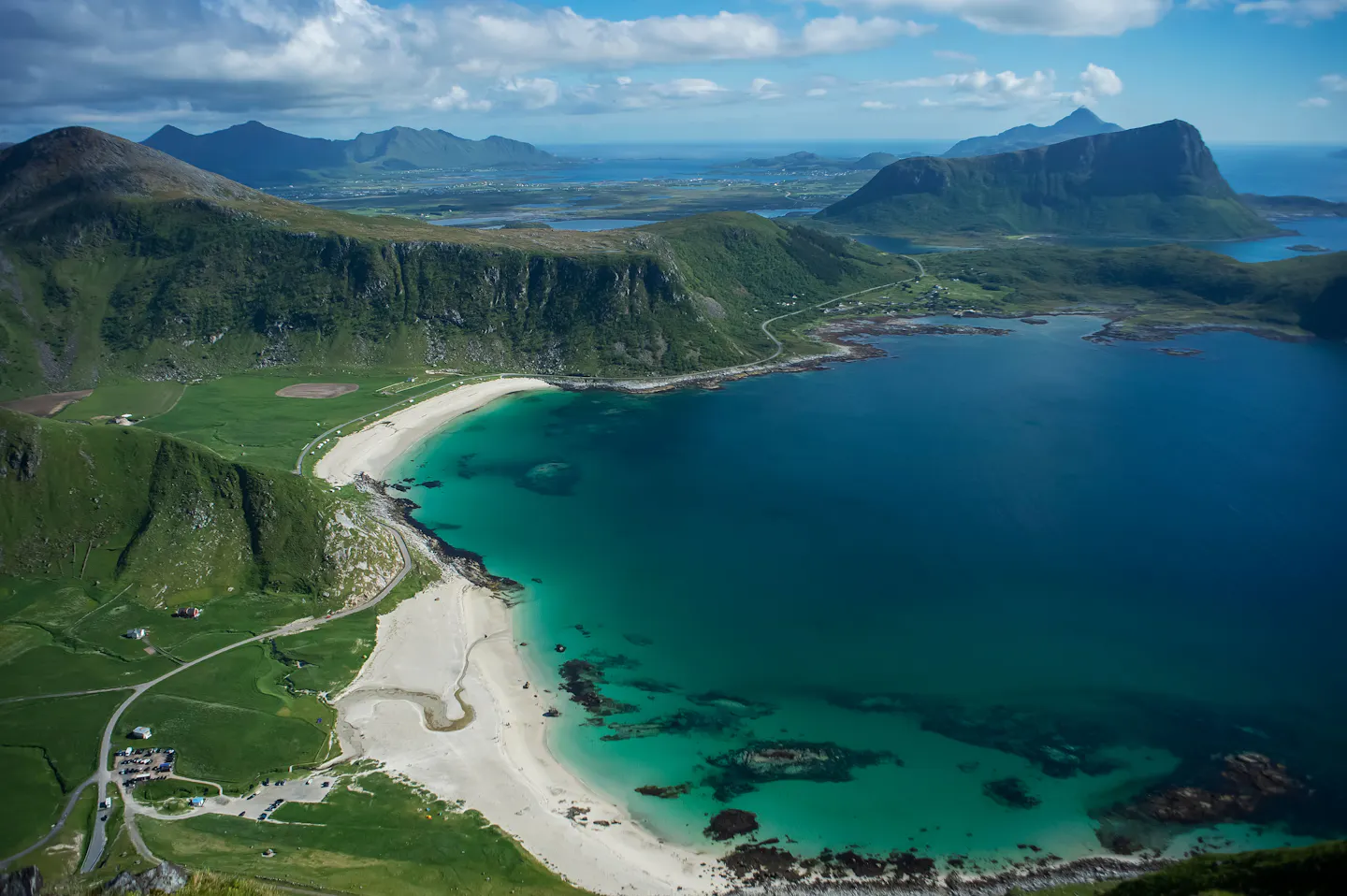
One of the biggest luxury travel changes in 2026 is the rise of the coolcation. Wealthy travellers are increasingly looking north when southern Europe becomes extremely hot or crowded.
Norway offers the comfort and infrastructure needed for a high-end nature trip. Travellers can combine Oslo or Bergen with fjord cruises, private boats, scenic rail journeys, design hotels, guided hikes, and remote lodges.
The western fjords are best for waterfalls, mountain roads, and classic scenery. Lofoten offers fishing villages, beaches, sharp peaks, kayaking, and long summer light. Farther north, travellers can build trips around whale watching, northern lights, or winter landscapes.
The luxury here is different from Saint-Tropez. It comes from space, silence, access, good guides, and the ability to experience a remote landscape without making the trip physically exhausting.
Norway suits couples, families with older children, and experienced travellers who have already visited Europe's classic capitals and beach destinations. Summer works for hiking and long daylight, while late autumn and winter are better for Arctic experiences.
Islay and the Scottish Highlands
Best for: whisky, country houses, private estates, and understated luxury.
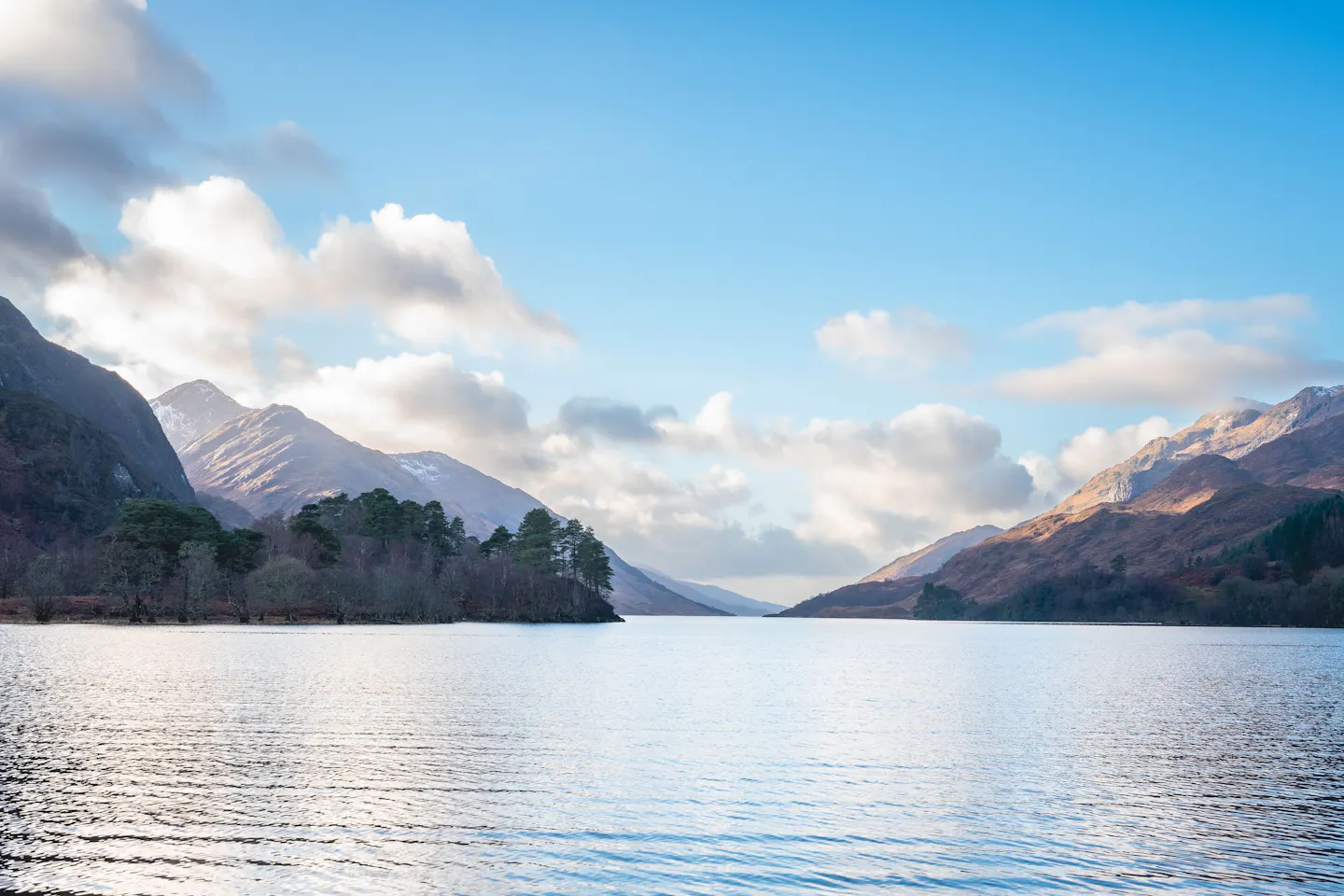
Scotland is becoming more relevant to travellers who define luxury through privacy, character, and a strong sense of place rather than visible glamour.
Islay is one of the world's best-known whisky islands, with distilleries, open landscapes, beaches, seafood, and a pace that encourages longer stays. New high-end hospitality and renewed interest in whisky travel are making it easier to plan a polished trip without losing the island's remote atmosphere.
The Highlands offer private estates, country-house hotels, fishing, hiking, wildlife, golf, and scenic drives. A good itinerary might combine Edinburgh with a few nights in the Highlands, then continue to an island by private transfer or short flight.
Weather is part of the experience, so the trip should not be planned like a Mediterranean holiday. Leave room for changing conditions, fireplaces, long dinners, tastings, and days where the hotel or estate is the main attraction.
Scotland is a strong choice for couples, groups of friends, and multi-generational families who want privacy and activities without a crowded resort environment.
How wealthy travellers are changing their European trips in 2026
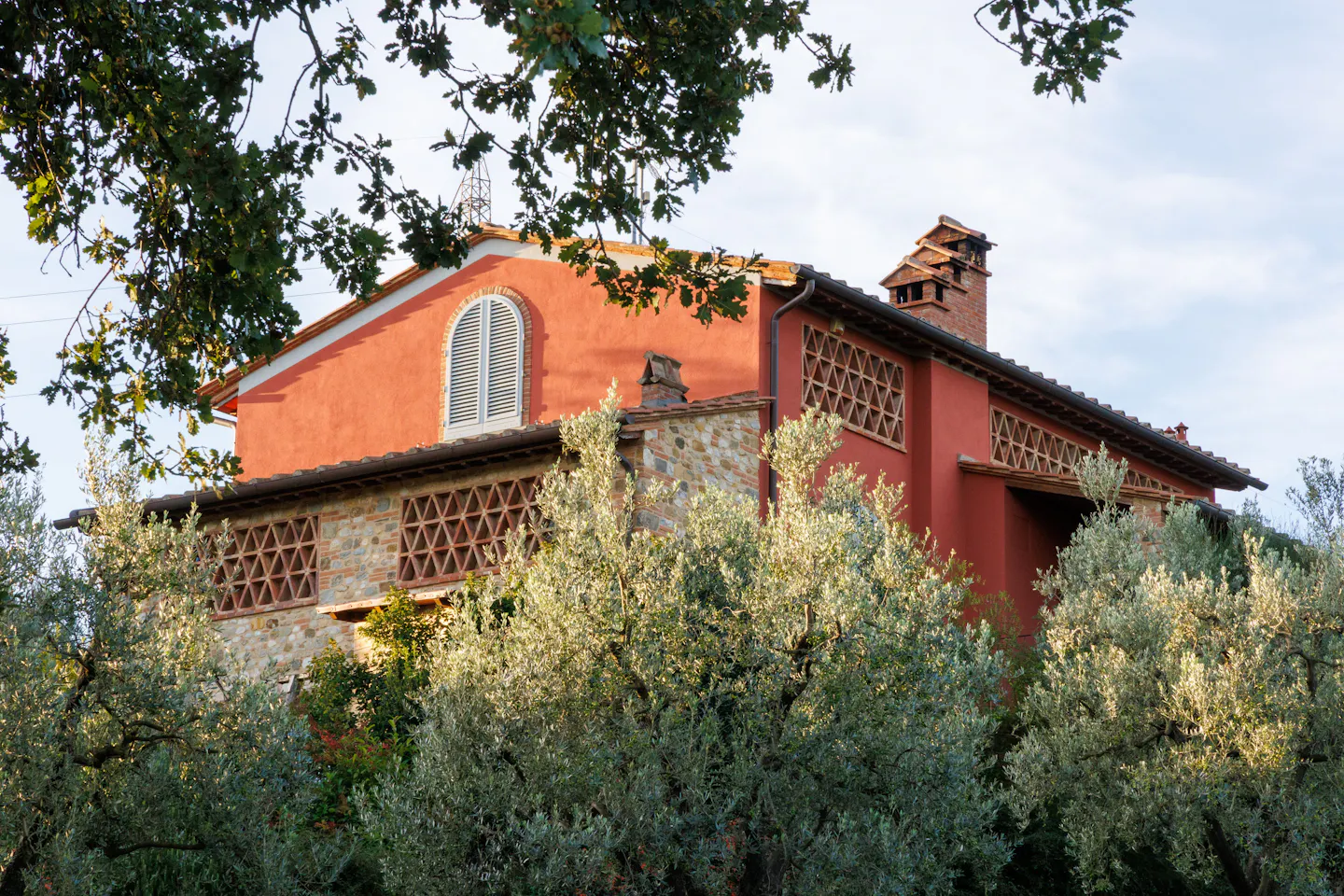
The destination matters, but the style of travel is changing just as much.
Private villas are replacing standard hotel stays
Wealthy travellers still book famous hotels, but villas and private residences are growing in popularity. They offer space, security, kitchens, pools, staff, and the ability to spend time together without sharing every area with other guests.
This is especially important for families, groups of friends, and longer stays in Puglia, Ibiza, Mallorca, Lake Como, the French Riviera, and the Greek islands.
Summer is moving into May, June, September, and October
Peak-season Europe remains popular, but more luxury travellers are choosing the shoulder season. The weather is often pleasant, the best hotels and restaurants are open, and destinations feel easier to navigate.
September is particularly strong for the Mediterranean because the sea is warm and the most intense summer crowds have begun to leave.
Cool destinations are becoming a status choice
Norway, Iceland, Finland, Scotland, and Arctic routes are attracting travellers who want dramatic nature and mild temperatures. A cool summer is no longer seen as a compromise. For many people, it is the more comfortable and distinctive choice.
Privacy matters more than obvious extravagance
The most expensive option is not always the loudest one. A small hotel with 20 rooms, a private island villa, an estate surrounded by olive groves, or a guided trip through the fjords can feel more luxurious than a famous hotel in the middle of a crowd.
Travellers are also paying for easier logistics: private transfers, restaurant reservations, boats, guides, and realistic itineraries that remove unnecessary waiting and travel time.
Food and local access are becoming central
Luxury trips are increasingly built around experiences that would be difficult to organise independently. This might mean visiting a private winery, eating with a local chef, entering a museum before opening hours, joining a truffle hunt, learning from an artisan, or booking a boat to a beach that cannot be reached by road.
The goal is not only to spend more. It is to gain access, comfort, and a stronger connection to the place.
How to choose the right luxury destination in Europe
For classic summer glamour
Choose Saint-Tropez, Monaco, Costa Smeralda, Capri, Ibiza, or Marbella. These places have the strongest social scenes, famous hotels, marinas, shopping, and beach clubs.
For privacy and a slower pace
Choose Puglia, Antiparos, Menorca, the Bay of Kotor, Islay, or a private estate in Mallorca. These destinations work best when the property and surrounding landscape are part of the experience.
For couples
Choose Lake Como, Capri, Puglia, Mallorca, Paros, or the French Riviera outside peak summer. They combine beautiful hotels, restaurants, scenery, and easy romantic activities such as boat trips and long dinners.
For families
Choose Crete, Marbella, Mallorca, Sardinia, or a large villa in Puglia or Ibiza. These places offer enough activities and space for different ages without requiring the group to move hotels every two nights.
For winter luxury
Choose Courchevel, Gstaad, St. Moritz, Cortina, Verbier, Lech, or Mégève. Book early for Christmas, New Year, school holidays, and major events.
For a less obvious 2026 trip
Choose the Norwegian fjords, Islay, Montenegro, Paros, or inland Puglia. These destinations reflect the move toward cooler weather, privacy, local culture, and quieter luxury.
FAQ: where do rich people travel in Europe in 2026?
Where do millionaires vacation in Europe?
Millionaires and other wealthy travellers commonly visit the French Riviera, Monaco, Lake Como, Capri, the Amalfi Coast, Costa Smeralda, Ibiza, Marbella, Mykonos, Courchevel, Gstaad, and St. Moritz.
In 2026, more are also choosing Puglia, Paros, Antiparos, Mallorca, Crete, Montenegro, Norway, and Scotland for quieter and more private trips.
What is the most exclusive summer destination in Europe?
Saint-Tropez and the surrounding French Riviera remain among Europe's most exclusive summer destinations because of their villas, yachts, beach clubs, hotels, restaurants, and private aviation access.
Costa Smeralda, Capri, Ibiza, and Lake Como are also major luxury summer destinations. The best choice depends on whether you want beaches, nightlife, privacy, or a romantic lake setting.
Where do rich people go in Italy?
The best-known luxury destinations in Italy are Lake Como, Capri, the Amalfi Coast, Portofino, Tuscany, Venice, Florence, Rome, and Costa Smeralda in Sardinia.
Puglia is one of the strongest rising choices in 2026, especially for travellers who want private estates, excellent food, countryside, and beaches with fewer crowds than Italy's classic routes.
Where do rich people go in Greece?
Mykonos remains the most famous luxury Greek island, but wealthy travellers increasingly choose Paros and Antiparos for a calmer experience. Crete, especially Elounda and the western coast, is also becoming more important for high-end resorts, food, and wellness.
Other luxury choices include Porto Heli, the Peloponnese, Spetses, Hydra, and selected parts of Santorini outside the busiest periods.
Where do rich people ski in Europe?
The most famous luxury ski destinations include Courchevel 1850, Gstaad, St. Moritz, Verbier, Zermatt, Lech, Mégève, and Cortina d'Ampezzo.
Courchevel is best for highly polished service and restaurants. Gstaad is known for discretion, St. Moritz for events and social life, and the Dolomites for scenery, design, and food.
Do wealthy travellers still visit Ibiza and Mykonos?
Yes. Ibiza and Mykonos remain major luxury destinations. However, many wealthy travellers now experience them through private villas, yachts, quieter beaches, and visits in June or September rather than spending the whole trip in the busiest clubs and towns.
Some also divide the trip between a lively island and a calmer neighbour, such as Ibiza with Formentera or Mykonos with Paros and Antiparos.
What is the best time for a luxury trip to Europe?
For Mediterranean destinations, May, June, September, and early October usually offer the best balance of weather, open hotels and restaurants, and lower crowd levels.
July and August are best for the strongest social scene, but prices and demand are highest. For ski trips, January and March can be more comfortable than Christmas, New Year, or February school holidays.
What do rich travellers pay for that other travellers often do not?
They often pay for privacy, access, flexibility, and time. This includes private villas, boats, drivers, guides, airport transfers, restaurant reservations, early entry, childcare, staff, and itineraries designed to avoid unnecessary queues and long transfers.
The biggest luxury is often not a more expensive room. It is a trip where every part works together smoothly.
Plan your European trip with EasyMiles
Choosing a luxury destination is only the beginning. A trip can include a beautiful hotel and still feel frustrating when restaurants are fully booked, places are closed, or every day requires too much driving.
EasyMiles creates a complete travel itinerary based on your destination, dates, interests, food preferences, and preferred travel pace.
It takes into account opening hours, realistic travel time, nearby places that work well together, and the experiences that match the way you actually want to travel. Instead of giving you the same list as everyone else, EasyMiles helps plan where to go, where to eat, what to order, and how to structure each day.
Whether you are planning a long weekend on Lake Como, a villa holiday in Puglia, a yacht trip through the Greek islands, or a cool summer in Norway, EasyMiles can organise the whole trip into a practical itinerary that still feels personal.