
The best travel destinations in Europe in November are Tenerife, Madeira, Seville, Lisbon, Valletta, Athens, Palermo, Rome, Budapest, Vienna, Prague, and Tromsø.
November is a very different kind of Europe trip. The summer crowds are gone, many cities are easier to explore, and you can choose between mild southern weather, cozy city breaks, early Christmas markets, thermal baths, or a proper Arctic escape.
At a glance, these are the best places to visit in Europe in November:
- Tenerife, Spain: best for winter sun, beaches, volcanic landscapes, and outdoor days.
- Madeira, Portugal: best for hiking, ocean views, levada walks, and mild island weather.
- Seville, Spain: best for warm sightseeing, tapas, flamenco, and beautiful architecture.
- Lisbon, Portugal: best for a relaxed city break, food, viewpoints, and day trips.
- Valletta, Malta: best for Mediterranean sunshine, history, and a compact long weekend.
- Athens, Greece: best for ancient sights without summer heat and crowds.
- Palermo, Sicily: best for food, markets, architecture, and a warmer Italian city break.
- Rome, Italy: best for classic sightseeing, museums, and fewer visitors at major landmarks.
- Budapest, Hungary: best for thermal baths, cafés, nightlife, and a cozy city break.
- Vienna, Austria: best for museums, coffeehouses, concerts, and early Christmas markets.
- Prague, Czechia: best for atmospheric streets, historic architecture, and a late-November festive mood.
- Tromsø, Norway: best for northern lights, Arctic scenery, snow, and winter activities.
Why Travel to Europe in November?
November is one of Europe’s most underrated travel months because it sits between two much busier periods. Summer is long over, but the main Christmas rush has not fully started yet.
That usually means fewer people at major sights, easier restaurant reservations, and more flexibility with hotels than you would have in July, August, or late December. It can also be a good month for travelers who care more about food, culture, museums, neighborhoods, and atmosphere than guaranteed beach weather.
The trade-off is simple: days are shorter, rain is more likely in many parts of Europe, and some seasonal attractions may have reduced hours. The key is choosing a destination that actually works in November rather than forcing a summer-style trip into the wrong month.
Tenerife, Spain: Best for Winter Sun

If your main question is “where is still warm in Europe in November?”, Tenerife is one of the easiest answers.
The Canary Islands have some of the mildest November weather connected to Europe, and Tenerife usually sees daytime temperatures in the low 20s Celsius, with warmer days still possible. The south of the island is generally sunnier and drier than the north, so areas around Costa Adeje, Los Cristianos, and Playa de las Américas are popular for a late-autumn sun trip.
But Tenerife is much more than sitting by a hotel pool. Drive through Teide National Park, walk around La Laguna, explore the dramatic Anaga mountains, stop in small coastal towns, and spend a day around Mount Teide. The island works especially well if you want a mix of good weather and things to do.
Best for: couples, families, active travelers, winter-sun seekers, and anyone who is not ready for cold weather.
Madeira, Portugal: Best for Hiking and Ocean Scenery
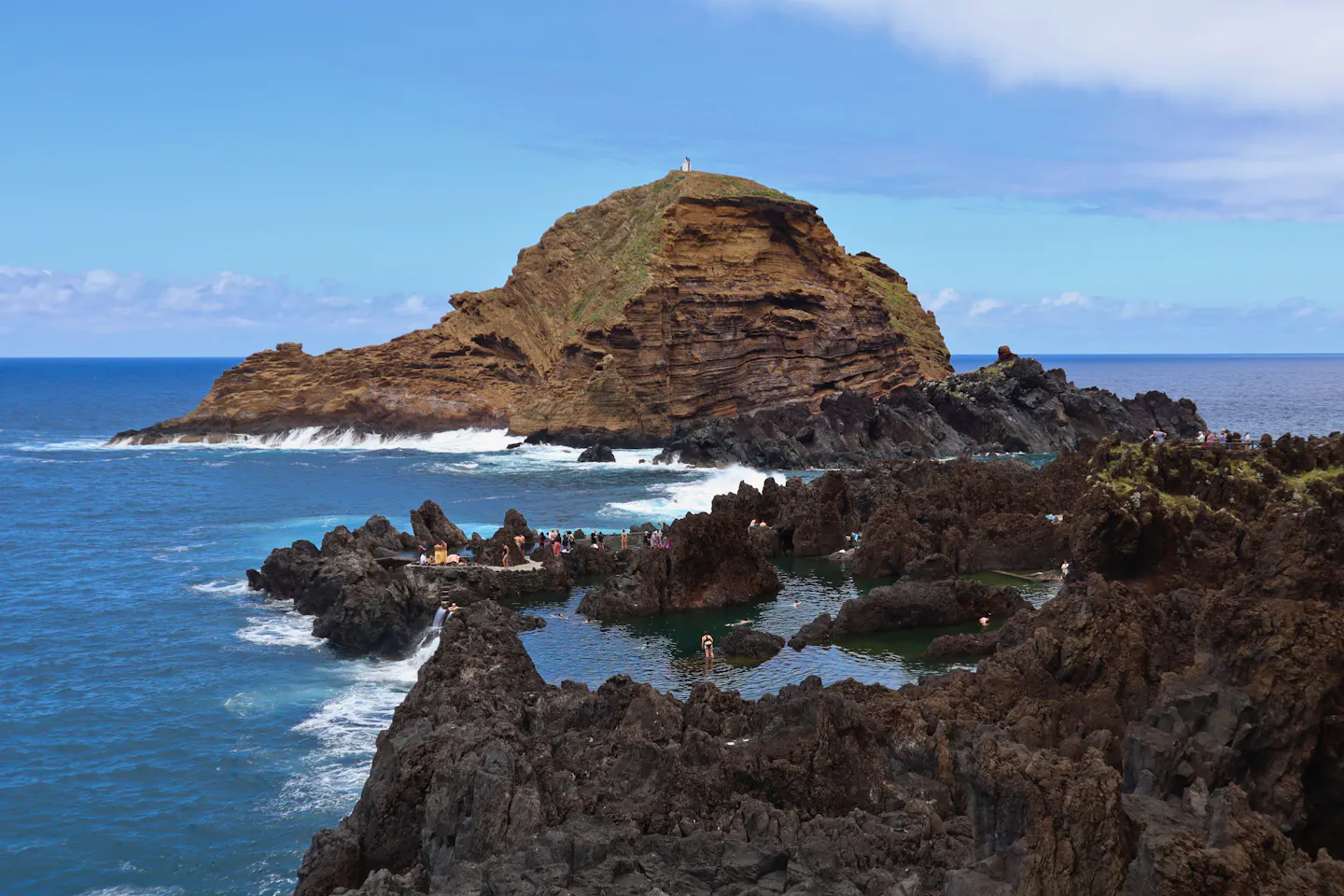
Madeira is one of the strongest November destinations in Europe if you prefer hiking, viewpoints, nature, and road trips to classic beach holidays.
The island stays mild through autumn, especially around Funchal and the southern coast. Weather can change quickly because Madeira has strong microclimates, so a sunny morning by the sea can turn into fog or rain higher in the mountains. That is part of the experience, and it is also why flexible planning matters here.
Spend time in Funchal, visit Monte Palace Tropical Garden, drive to Cabo Girão, explore the volcanic pools around Porto Moniz, and walk one of the island’s famous levada trails. Popular mountain routes can be affected by weather, so always check trail conditions before heading out.
November is particularly good if you like green landscapes and do not mind carrying a light rain jacket. It is quieter than peak summer, while the island still feels very alive.
Best for: hikers, photographers, couples, road trippers, and travelers who want an active island holiday.
Seville, Spain: Best for Warm Sightseeing and Food
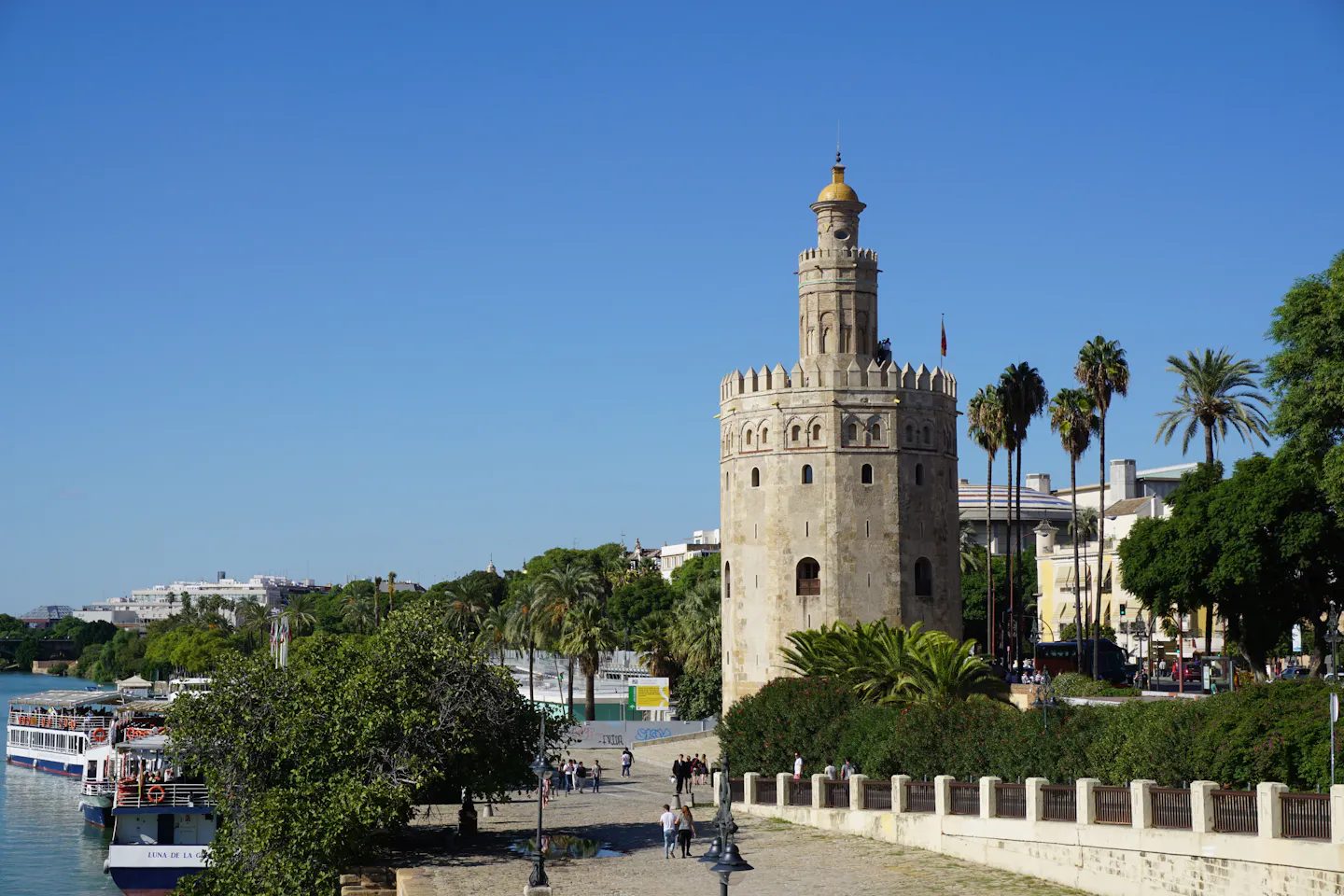
Seville can be exhausting in the middle of summer. In November, it becomes much easier to enjoy.
Typical daytime highs are around 20°C, which is far more comfortable for walking between the Real Alcázar, Seville Cathedral, Plaza de España, Triana, and the narrow streets of Santa Cruz. You may get some rain, but you are also likely to have many days that feel pleasantly mild by northern European standards.
This is a city where the slower moments matter. Have a long tapas lunch, stop for coffee in a sunny square, watch a flamenco show, and walk along the Guadalquivir in the late afternoon. November gives you more space to enjoy the city rather than constantly trying to escape the heat.
Seville also works well as part of a wider Andalusia trip. Córdoba, Cádiz, Jerez, and Granada can all be added depending on how much time you have.
Best for: food lovers, couples, architecture fans, first-time visitors to Spain, and anyone who wants a warm city break.
Lisbon, Portugal: Best for a Relaxed City Break
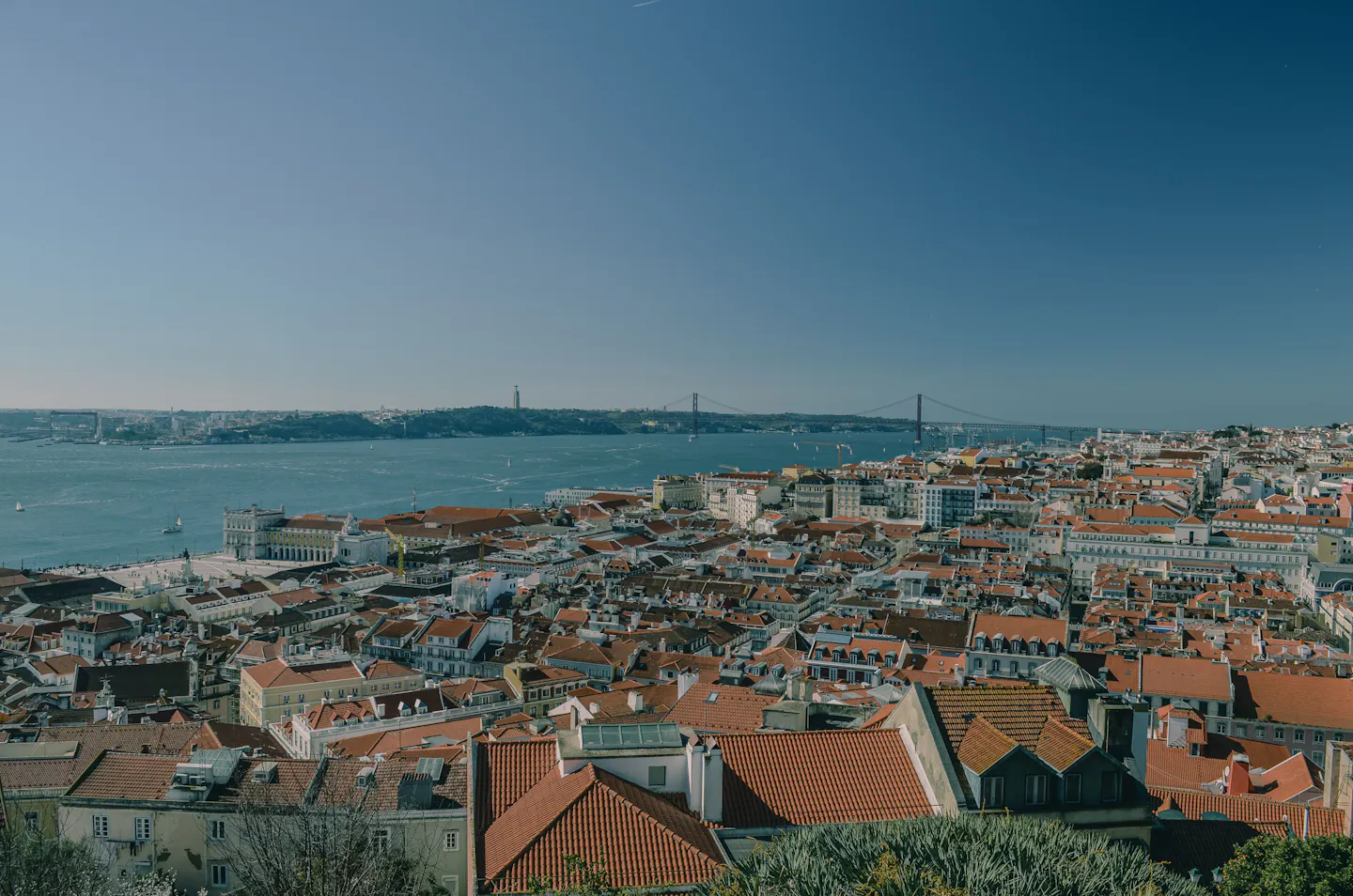
Lisbon in November is cooler and wetter than in early autumn, but it can still be a very good time to visit if you are coming for food, neighborhoods, viewpoints, and city life.
Typical daytime highs are around 18°C. You should expect the possibility of rain, so this is not the month to build an itinerary that depends on perfect weather every day. Instead, mix outdoor time with museums, cafés, food markets, and flexible day trips.
Walk through Alfama, ride the tram early before it gets busy, spend time in Belém, explore Príncipe Real and Chiado, and make room for pastries, seafood, and long dinners. Sintra is still possible as a day trip, but fog and rain can completely change the mood, sometimes in a good way.
Lisbon is especially good for a three- or four-day November escape because the city still feels lively even when the weather is not perfect.
Best for: couples, food travelers, solo travelers, long weekends, and people who like exploring cities on foot.
Valletta, Malta: Best for Mediterranean History and Sunshine

Malta is a smart November choice when you want something warmer than most of continental Europe but do not need a full beach holiday.
Valletta typically reaches around 20°C during the day in November, and the sea can still be relatively mild. Rain is possible, and November is one of Malta’s wetter months, but you still get a Mediterranean climate with much more outdoor potential than in many northern destinations.
Valletta itself is compact and easy to explore. Visit St John’s Co-Cathedral, walk the old streets, enjoy the view from the Upper Barrakka Gardens, and take the ferry across the Grand Harbour. Add Mdina for a quieter historic atmosphere and spend a day on Gozo if the weather works.
The big advantage is variety. In a short trip, you can combine history, sea views, food, fortifications, small towns, and coastal walks without spending hours moving between places.
Best for: history lovers, couples, short breaks, photographers, and travelers who want mild Mediterranean weather.
Athens, Greece: Best for Ancient Sights Without Summer Crowds
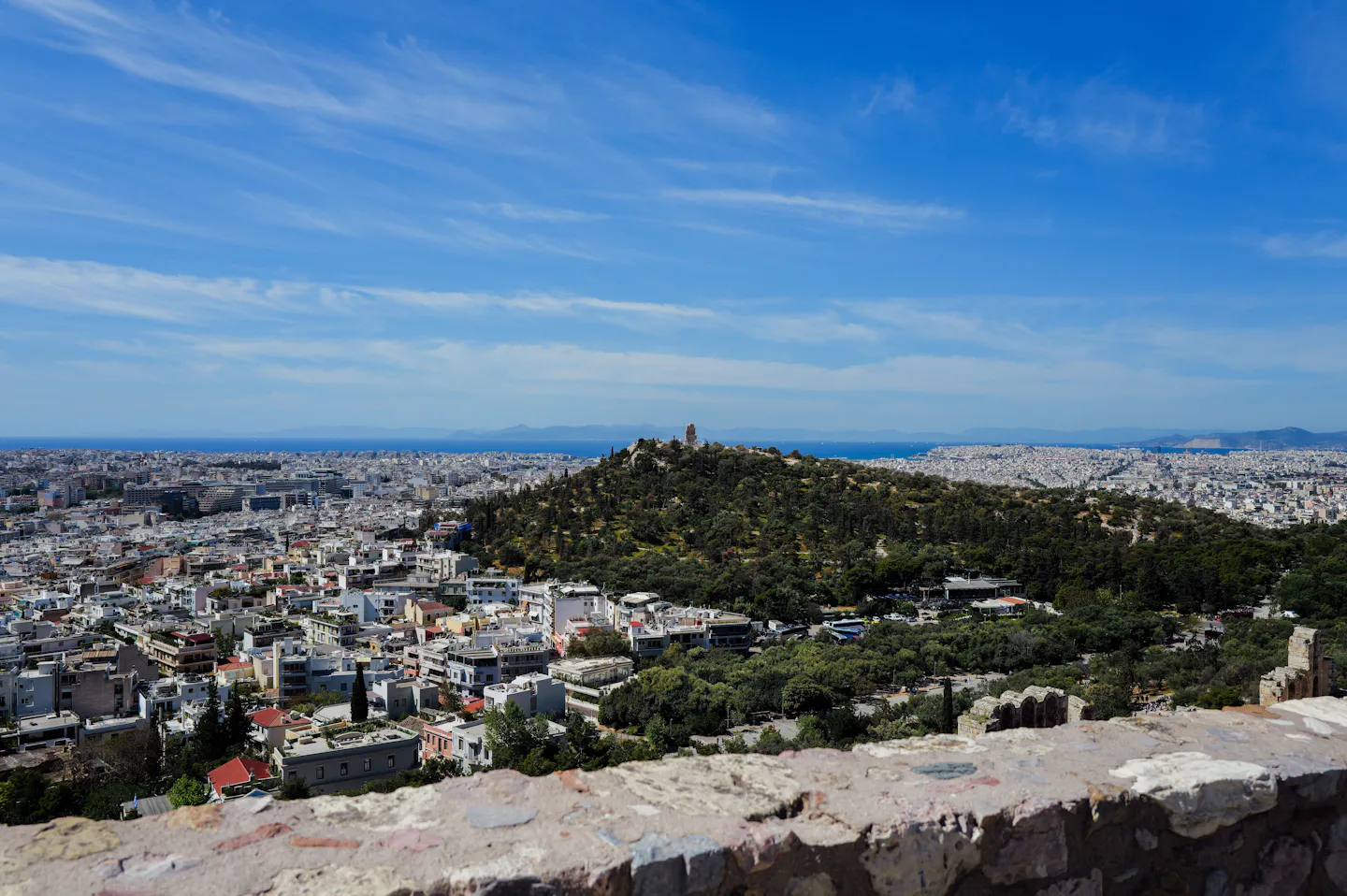
Athens is much easier to explore in November than during the hottest part of the year.
Typical daytime temperatures are around 18°C, which makes climbing the Acropolis and walking between neighborhoods far more comfortable. There are fewer visitors than in summer, and the city feels more like a real working capital than a huge tourism machine.
Start with the Acropolis and Acropolis Museum, then spend time in Plaka, Monastiraki, Psyrri, and around Syntagma. Climb Lycabettus Hill if the sky is clear, eat your way through local tavernas, and do not treat Athens as only a base for the islands. The city deserves a few full days on its own.
November is not the best month for a classic Greek island holiday, but it is excellent for travelers whose priority is archaeology, food, neighborhoods, and culture.
Best for: history fans, food lovers, couples, solo travelers, and anyone who wants Greece without summer heat.
Palermo, Sicily: Best for Food and a Warmer Italian City Break

If you want Italy in November but would rather stay farther south, Palermo is a very good choice.
Daytime temperatures are often around 18°C, and the city has the kind of trip that still works when the weather changes. Markets, churches, palaces, street food, cafés, and neighborhood wandering are the main events here, not beach time.
Visit Palermo Cathedral, the Norman Palace and Palatine Chapel, Teatro Massimo, and the city’s historic markets. Try arancine, panelle, sfincione, cannoli, and whatever looks good at a market stall. If you have extra time, Monreale is an easy addition, while Cefalù can work as a day trip when the weather is pleasant.
November suits Palermo because you can actually slow down. The city is intense enough without peak-summer heat and crowds.
Best for: food travelers, architecture lovers, couples, photographers, and anyone looking for a less obvious Italian city break.
Rome, Italy: Best for Classic Sightseeing With Fewer People
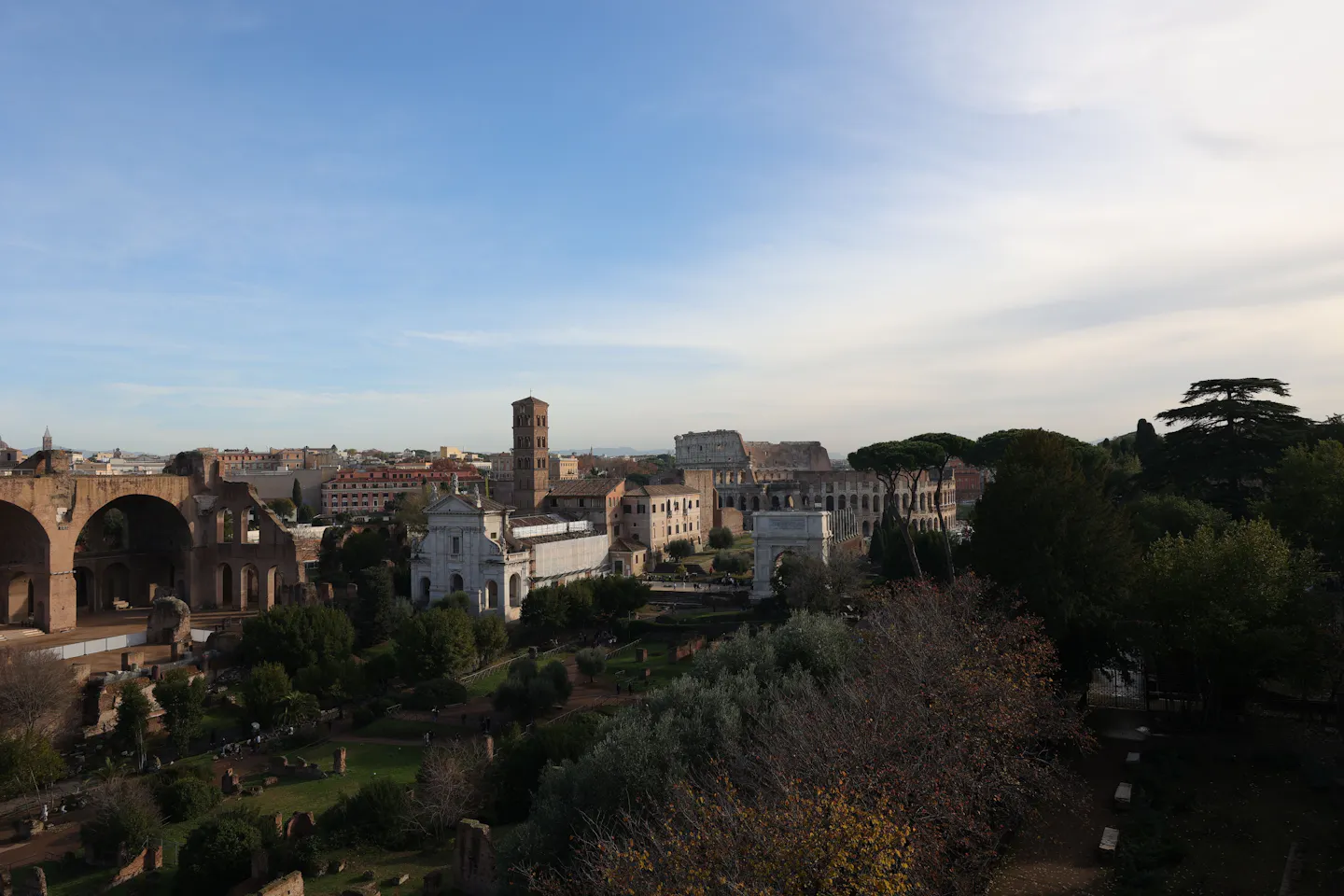
Rome can be rainy in November, but it is still one of the best months for travelers who care about museums, historic sites, restaurants, and long days of sightseeing.
Typical daytime highs are around 17°C. You will want a jacket and an umbrella, but you may also find the Colosseum, Roman Forum, Vatican Museums, and central streets noticeably easier to enjoy than during the busiest parts of the year.
Build your trip around a mix of outdoor and indoor plans. Walk through Trastevere, stop at the Pantheon, explore the Capitoline Museums, visit churches that are easy to ignore in summer, and keep room for slow lunches when the rain arrives.
Rome is not “empty” in November. It is one of the world’s most visited cities, so popular places still attract crowds. But the overall pace can feel far more manageable. If it is your first visit, our guide to what to see in Rome on a first trip covers the essentials.
Best for: first-time visitors to Italy, history lovers, food travelers, couples, and museum-heavy city breaks.
Budapest, Hungary: Best for Thermal Baths and Cozy City Energy

Budapest makes sense in November precisely because the weather is cold.
Typical daytime highs are around 8°C, evenings can be chilly, and the city can feel gray. Then you step into a hot thermal bath, find a cozy café, order something warm, or head into a ruin bar, and suddenly the weather feels like part of the trip.
Visit the Parliament area, walk along the Danube, explore Castle Hill, see the city from Fisherman’s Bastion, and spend several hours at one of Budapest’s thermal baths. Széchenyi is the famous choice, while Gellért is known for its historic interiors.
November is also a good month for Hungarian comfort food. Look for goulash, paprikash, lángos, chimney cake, and the city’s growing modern restaurant scene.
Best for: couples, spa lovers, nightlife, food, affordable city breaks, and travelers who enjoy cold-weather cities.
Vienna, Austria: Best for Early Christmas Markets and Culture

Vienna is one of the best European destinations in the second half of November because the city starts shifting into Christmas mode while still offering all the things that make it a strong city break year-round.
The weather is cold, with typical daytime highs around 8°C, so this is a coat-and-coffeehouse trip. Spend time at the Kunsthistorisches Museum, Belvedere, Schönbrunn Palace, and the historic center, then warm up with coffee and cake.
Vienna’s Christmas markets begin opening from early to mid-November, with more joining later in the month. That means you can combine museums and classical city sightseeing with festive lights, hot punch, food stalls, and evening walks without waiting until December.
If the Christmas atmosphere is your priority, aim for the second half of November rather than the very beginning.
Best for: Christmas-market trips, couples, art lovers, classical music fans, and elegant city breaks.
Prague, Czechia: Best for Atmosphere and Late-November Christmas Markets
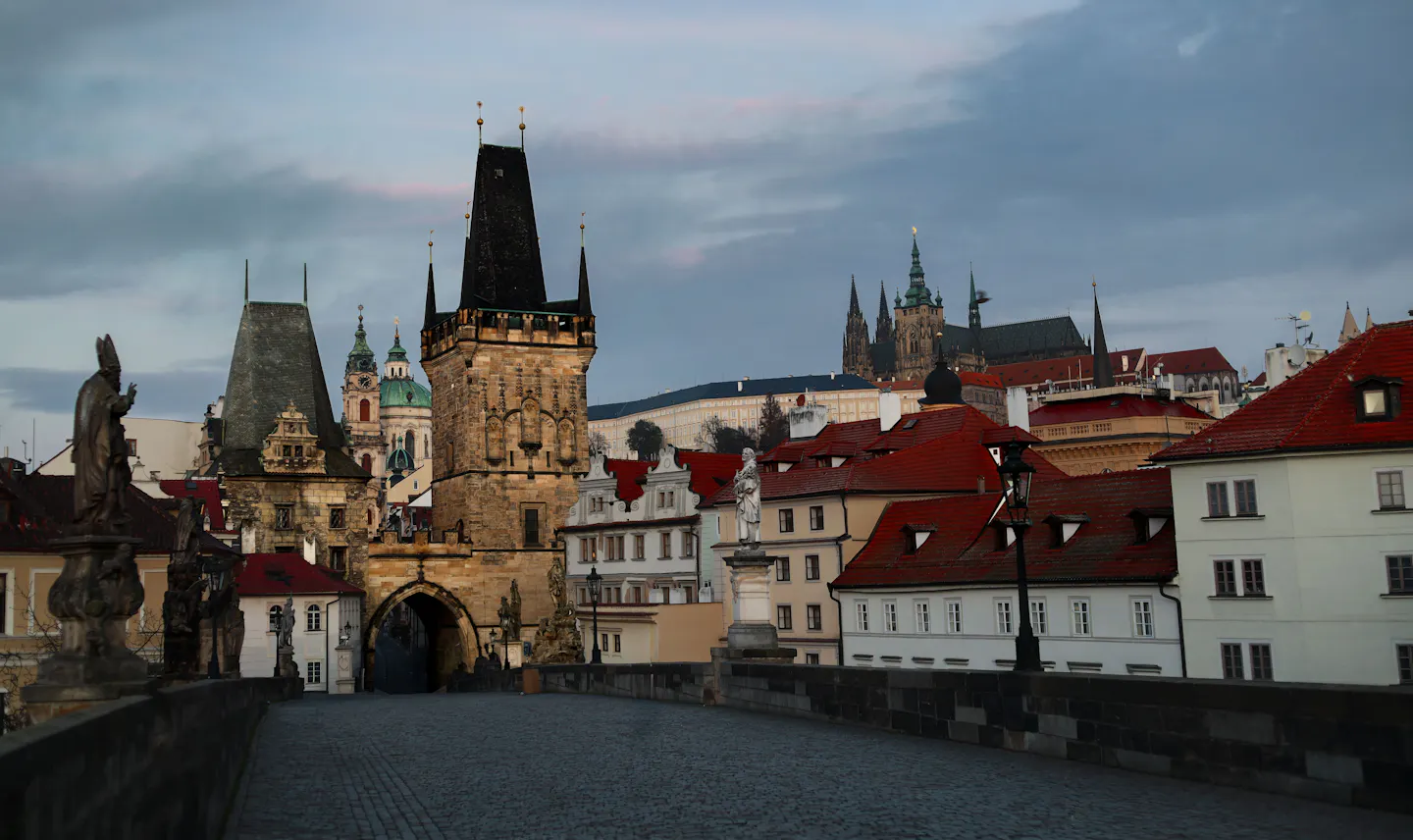
Prague is cold in November, but the city wears cold weather well.
Typical daytime highs are around 7°C, and the combination of Gothic architecture, narrow streets, stone bridges, warm cafés, beer halls, and early sunsets creates exactly the kind of atmosphere many people want from a late-autumn European trip.
Walk across Charles Bridge early, explore Prague Castle, spend time in Malá Strana, visit the Jewish Quarter, and leave space for cafés and Czech food. The city is still popular year-round, but November is generally less intense than the summer peak.
For Christmas markets, timing matters. Some smaller Prague markets begin during the second half of November, while the biggest central markets usually open closer to the end of the month. If festive Prague is the goal, late November is the safer choice.
Best for: couples, architecture lovers, photographers, beer and food trips, and travelers who want a cozy historic city.
Tromsø, Norway: Best for the Northern Lights
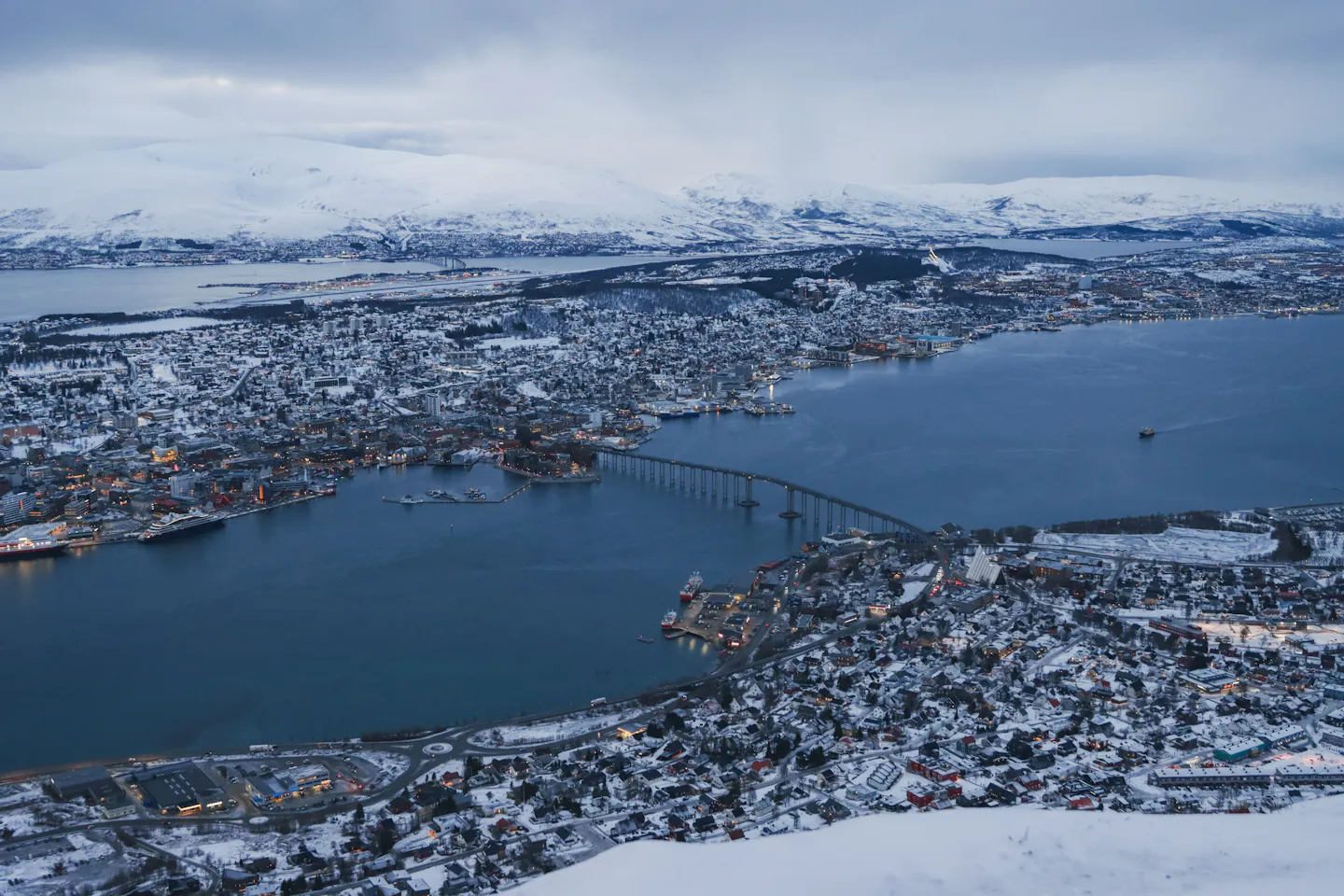
Tromsø is not the place to choose if you want mild weather. It is the place to choose if you want November to feel like winter.
Daytime temperatures can hover around freezing, snow is possible, and daylight becomes very limited as the month progresses. In return, November sits firmly inside the northern lights season. The Tromsø region is located under the auroral oval, and the dark nights give you long windows to look for clear skies.
Join a northern lights chase, ride the Fjellheisen cable car when conditions allow, visit the Arctic Cathedral, try a fjord or wildlife tour, and consider dog sledding or other winter activities if enough snow is available.
Aurora sightings are never guaranteed. Cloud cover matters as much as solar activity, so a longer stay gives you a better chance than flying in for one night. For other bases, see our guide to the best places to see the Northern Lights.
Best for: northern lights, winter lovers, photographers, bucket-list trips, and travelers who want a completely different side of Europe.
How to Choose the Best November Destination in Europe

The right destination depends much more on what kind of November you want than on finding one “best” place.
- For the warmest weather: choose Tenerife first, then Madeira, Malta, or Seville.
- For mild city sightseeing: choose Seville, Lisbon, Athens, Palermo, or Rome.
- For Christmas atmosphere: choose Vienna in the second half of November, or Prague closer to the end of the month.
- For thermal baths and cozy evenings: choose Budapest.
- For food: choose Palermo, Seville, Lisbon, Rome, or Athens.
- For hiking and nature: choose Madeira or Tenerife.
- For the northern lights: choose Tromsø and stay several nights if possible.
FAQ: Europe in November
Is November a good time to visit Europe?
Yes, November can be a very good time to visit Europe if you choose the destination around the season.
It is especially good for city breaks, museums, food trips, thermal spas, southern Europe, and early festive travel. It is less reliable for beach holidays, hiking in high mountains, or trips where every day depends on long daylight and dry weather.
The biggest advantage is that November often gives you a more relaxed version of major European cities. The biggest disadvantage is unpredictability, so keep your itinerary flexible.
Where is the warmest place in Europe in November?
The Canary Islands are among the warmest European travel destinations in November. Tenerife is one of the most practical choices, with daytime temperatures usually in the low 20s Celsius and a good chance of sunshine, especially in the south.
Madeira and Malta are also mild, while Seville is a strong choice if you want a warmer mainland city break rather than an island holiday. For a full comparison, see our guide to where it is still warm in Europe in November.
Where are the best Christmas markets in Europe in November?
Vienna is one of the best choices because several Christmas markets begin opening from early to mid-November, and the city becomes increasingly festive as the month continues.
Prague is better later in November. Smaller markets start first, while the major central markets tend to open near the end of the month.
If Christmas markets are the main reason for the trip, always check the current year’s opening schedule before booking flights.
Can you see the northern lights in Europe in November?
Yes. November is within the northern lights season in northern Norway, and Tromsø is one of Europe’s best-known bases for aurora trips.
You still need clear skies and the right solar conditions, so there is never a guarantee. Staying at least three or four nights gives you more chances to work around cloud cover.
Plan Your November Europe Trip With EasyMiles
November is a month where good planning matters more than usual. The weather can change, daylight is shorter, opening hours may be seasonal, and the best plan for a sunny afternoon might be completely different from the best plan for a rainy one.
EasyMiles helps you plan the whole trip around your dates, interests, pace, food preferences, opening hours, weather, and travel time between places. Instead of building a trip from dozens of tabs, maps, saved videos, and notes, you get one personalized plan that keeps the days realistic.
And once the trip starts, EasyMiles can help you adjust when something changes, whether the weather turns, a place is closed, you are tired, or you simply decide you want a different kind of day.
If you already know where you want to go this November, start planning your trip with EasyMiles.