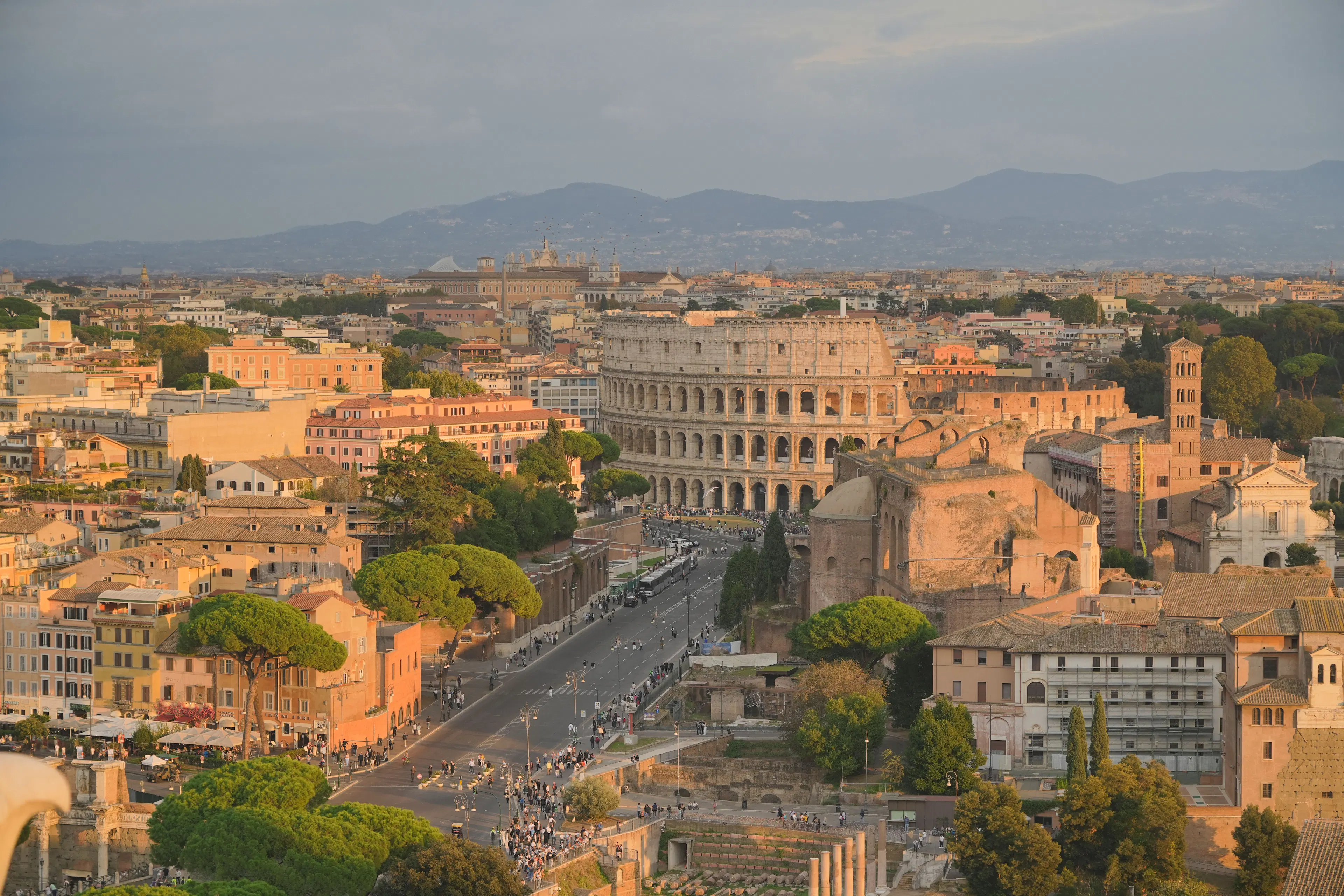
The must-see places on a first trip to Rome are the Colosseum and the Roman Forum, the Vatican Museums and St. Peter’s Basilica, the Pantheon, the Trevi Fountain, Piazza Navona, the Spanish Steps, Trastevere, Castel Sant’Angelo, Galleria Borghese and Capitoline Hill. Together they cover the four sides of the city a first visit should include: ancient Rome, the Vatican, the Baroque historic center, and at least one neighborhood where you can slow down instead of only moving between monuments.
Three full days are enough to see the main Rome highlights at a comfortable pace. Four days are better if you want time for museums, longer meals and wandering without constantly checking the clock.
A good first trip to Rome should include:
- The Colosseum, Roman Forum and Palatine Hill — for ancient Rome, all in one archaeological area.
- The Vatican Museums, Sistine Chapel and St. Peter’s Basilica — for art, architecture and the scale of Vatican City.
- The Pantheon — one of the most impressive surviving buildings from ancient Rome.
- The Trevi Fountain — the classic Rome moment that is still worth seeing despite the crowds.
- Piazza Navona — for Baroque Rome, Bernini’s Fountain of the Four Rivers and the atmosphere of the historic center.
- The Spanish Steps, Piazza del Popolo and the Pincio Terrace — for a beautiful walk and city views.
- Trastevere — for narrow streets, evening atmosphere and a more lived-in side of central Rome.
- Castel Sant’Angelo and Ponte Sant’Angelo — for river views and a great stop between the Vatican and the historic center.
- Galleria Borghese and Villa Borghese — for sculpture, painting and quieter green spaces.
- Capitoline Hill — for one of the best views over the Roman Forum.
Below is how to see each of them without turning your first trip into a race.
Colosseum, Roman Forum and Palatine Hill
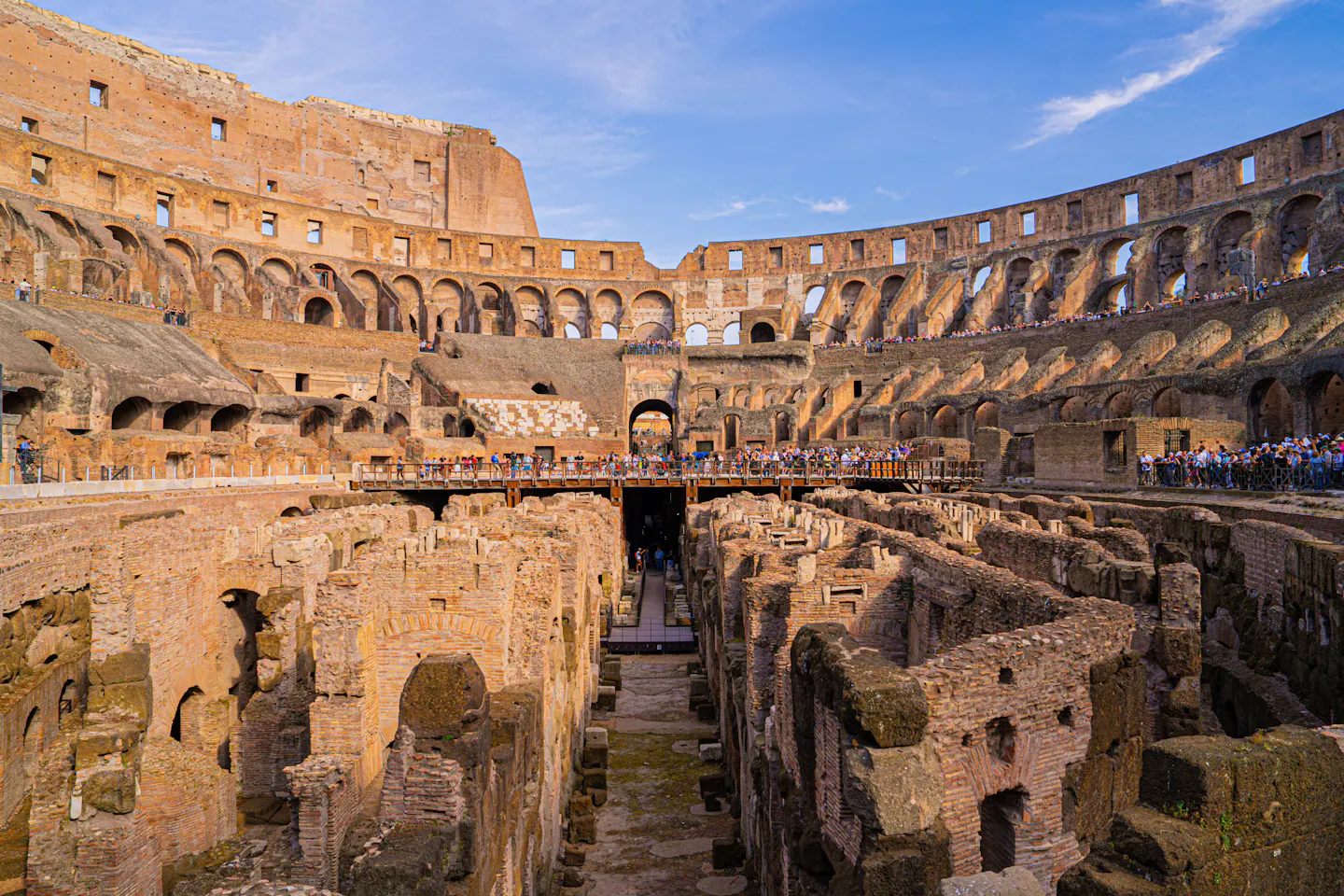
For most first-time visitors, the Colosseum is the obvious place to start. It is one of those famous sights that still feels different when you see it in person, especially when you remember that the entire area around it was the political, religious and social heart of ancient Rome.
Do not treat the Colosseum as a separate quick photo stop. The Roman Forum and Palatine Hill are part of the same archaeological area and make the visit much more interesting. The Forum helps you understand how ancient Rome actually worked, while Palatine Hill gives you wider views over the ruins and the city.
A good rule is to reserve around three to four hours for the whole area. Book a timed Colosseum ticket in advance, especially if you want access to the Arena or Underground sections. The official Colosseum ticket options include combinations with the Roman Forum and Palatine Hill.
What should you look for?
Inside the Colosseum, take time to understand the arena floor and the underground structure rather than only walking around the upper levels. In the Roman Forum, look for the Arch of Septimius Severus, the Temple of Saturn and the Via Sacra. On Palatine Hill, the views over the Forum are almost as memorable as the ruins themselves.
If you are visiting in warm weather, go early or later in the afternoon. There is a lot of exposed walking here, and doing the archaeological area in the middle of a hot day can make even a great visit feel exhausting.
Best for: ancient history, first-time visitors, photography, and anyone who wants to start with the Rome they came for.
Vatican Museums, Sistine Chapel and St. Peter’s Basilica
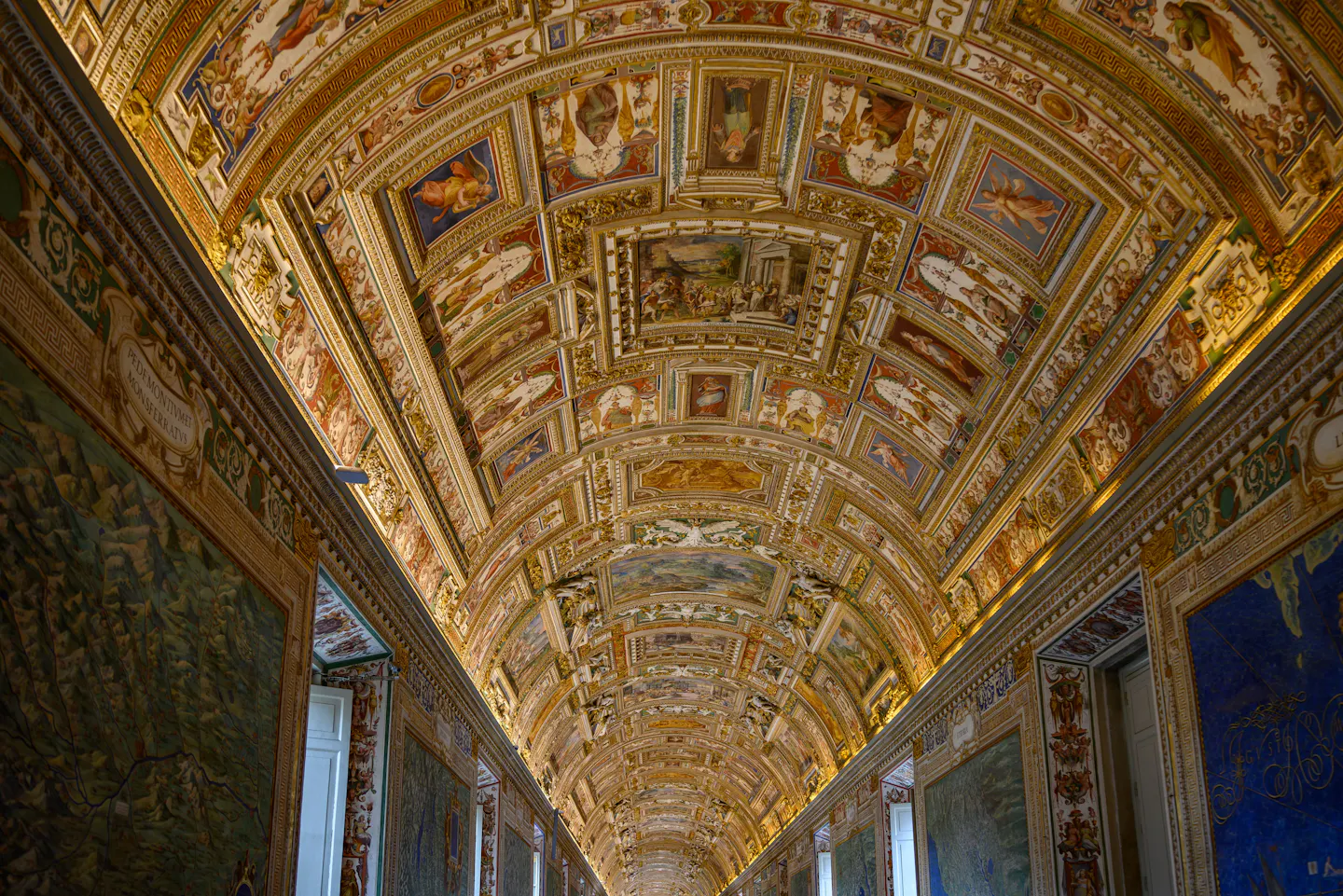
The Vatican deserves at least half a day on a first trip to Rome. The main mistake is trying to squeeze the Vatican Museums, St. Peter’s Basilica and several major Rome sights into the same morning. The museums alone are enormous, and even a focused visit takes time.
Vatican Museums and Sistine Chapel
You do not need to see every room. For a first visit, focus on the highlights that make the route worth it: the classical sculpture collections, the Gallery of Maps, the Raphael Rooms if they fit your route, and the Sistine Chapel.
Buy tickets from the official Vatican Museums website and book ahead. The Vatican Museums specifically warn visitors about look-alike reseller sites, and official timed tickets make planning the rest of your day much easier.
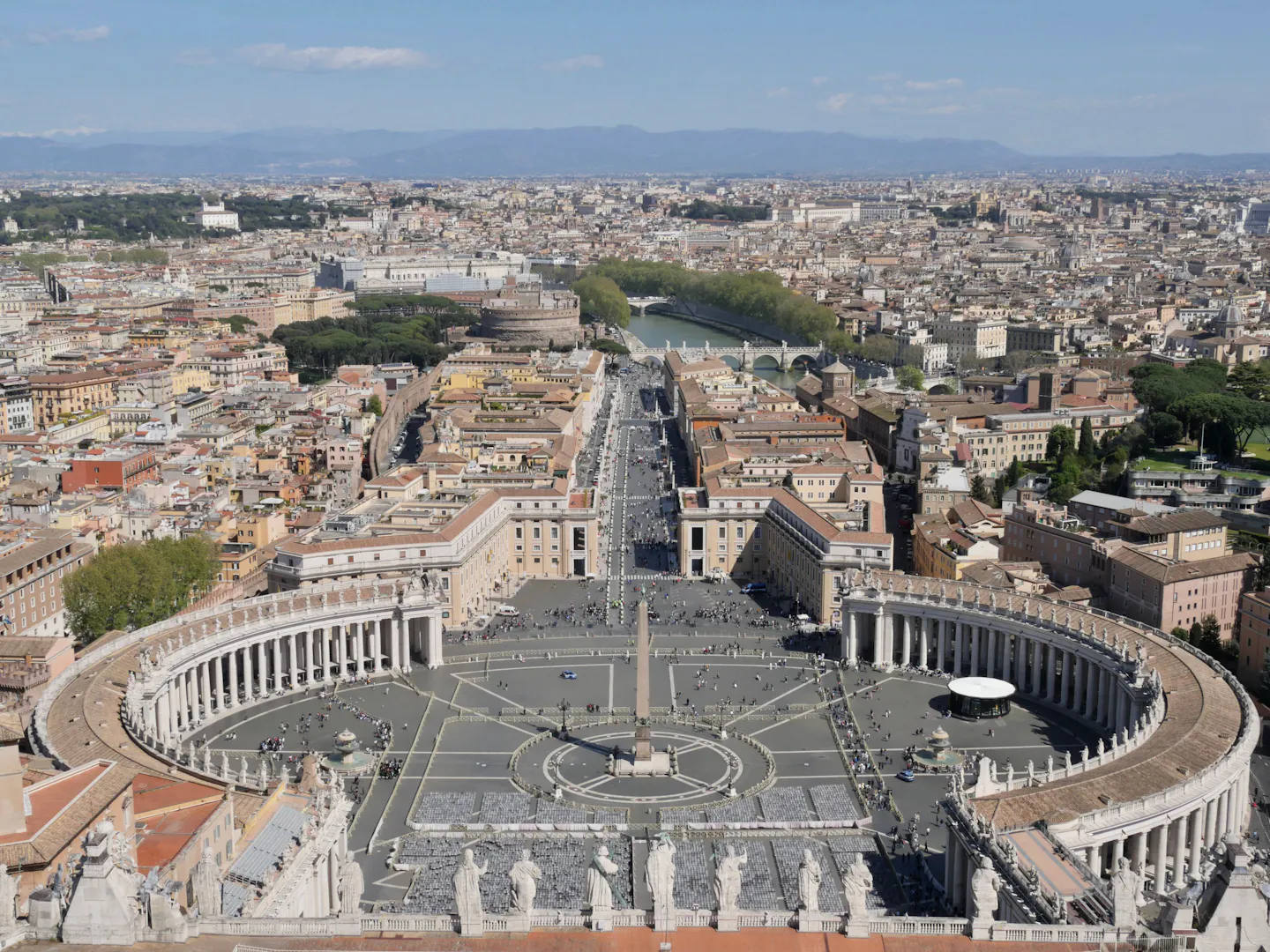
St. Peter’s Basilica
St. Peter’s Basilica is separate from the Vatican Museums. Entry to the basilica itself is free, but you still pass through security and queues can be long. If you want one of the best panoramic views in Rome, add the climb to St. Peter’s Dome.
Remember the dress code: shoulders and knees should be covered when visiting the basilica. This matters even in very hot weather, so plan what you wear before you leave your hotel.
After the Vatican, walk toward Castel Sant’Angelo and cross Ponte Sant’Angelo. It is an easy way to transition from Vatican City back into central Rome without immediately jumping on public transport.
Best for: art, Renaissance masterpieces, architecture, and travelers happy to give one morning to a single enormous site.
Pantheon
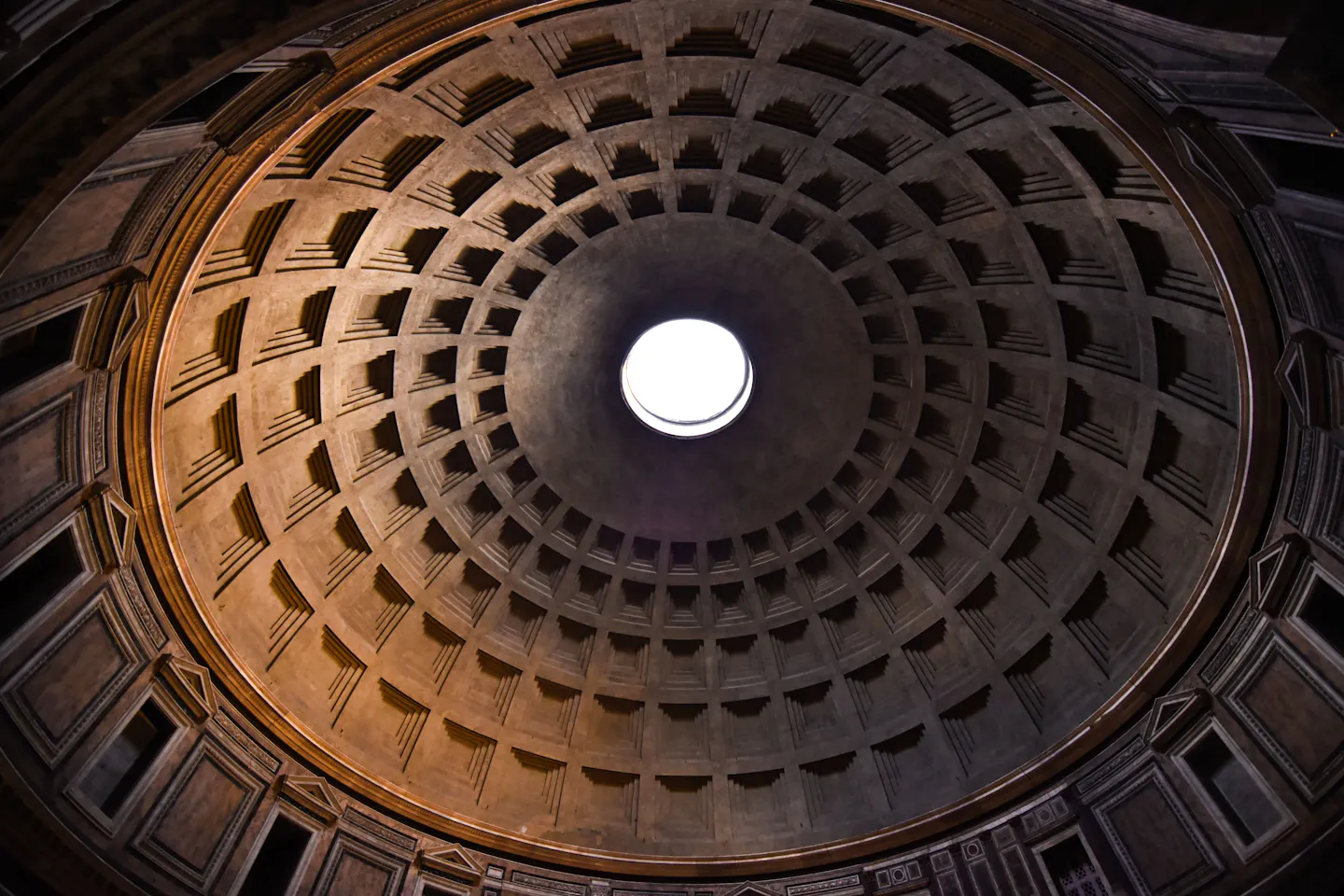
The Pantheon is one of the easiest major sights to fit into a Rome itinerary because it sits right in the historic center and does not require half a day. Even so, do not rush through it. The huge concrete dome and central oculus are the reason this building still feels extraordinary nearly two thousand years after the original Roman structure was rebuilt.
The Pantheon is now a ticketed monument. If you want to buy ahead, use the official Italian museum ticketing channels rather than the many reseller sites that appear in search results.
Combine the Pantheon with Piazza Navona, Campo de’ Fiori and the Trevi Fountain. They are close enough that this part of Rome works best as a walk rather than a sequence of separate trips.
Best for: architecture, short visits, mixed-weather days, and anyone already walking around the historic center.
Trevi Fountain
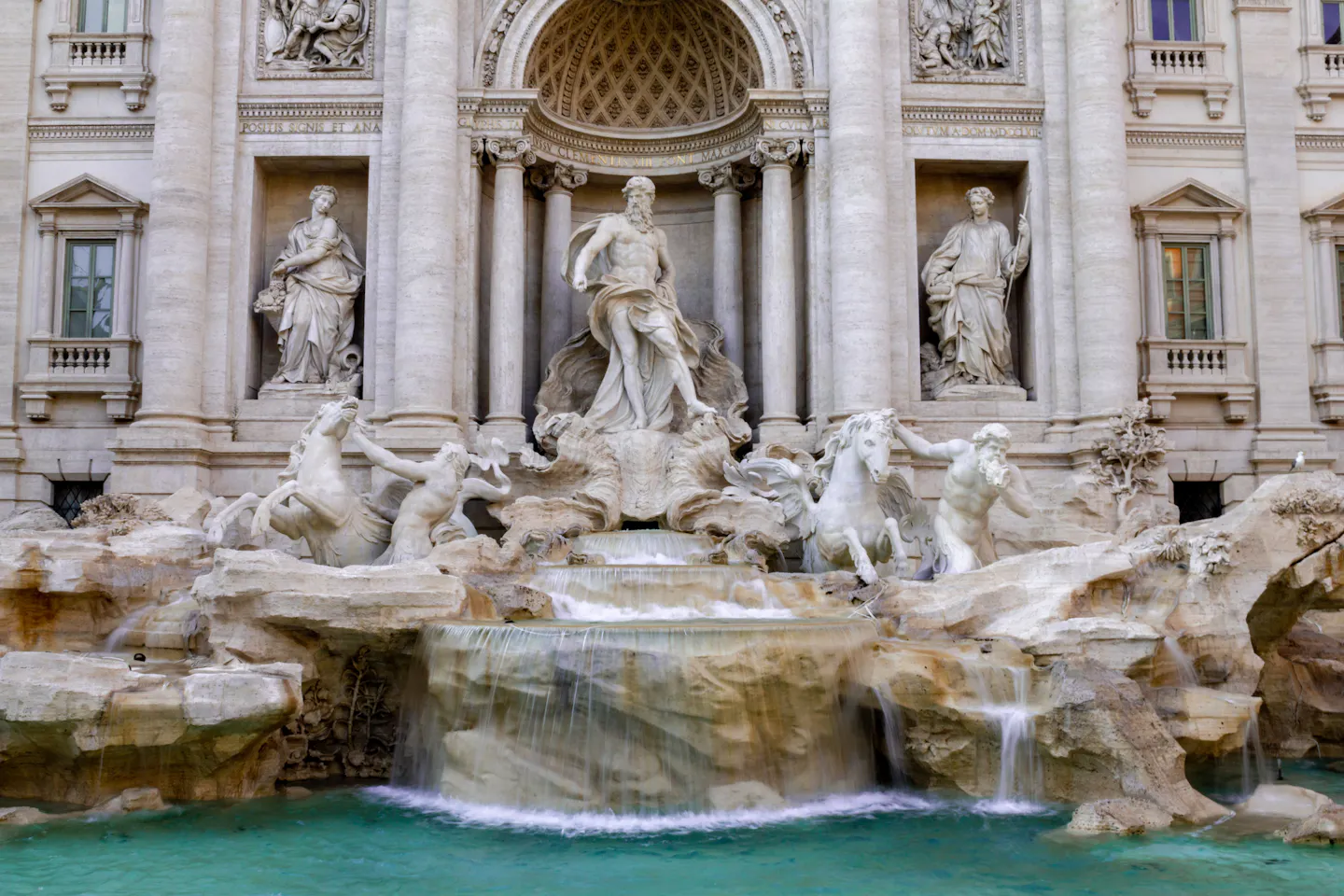
Yes, the Trevi Fountain is crowded. Yes, you should still see it on your first trip to Rome. The scale, sound and detail of the fountain are much more impressive in person than they look in photos.
Go early in the morning if you want a calmer experience, or come back after dinner when the fountain is illuminated and the city feels completely different. The area immediately around the fountain gets busy throughout the day.
There is now a small paid access system for tourists who want to enter the closest basin area during regulated visiting hours. You can still see the fountain from the surrounding square without paying for that closest access zone.
A simple first-time walking route is Spanish Steps → Trevi Fountain → Pantheon → Piazza Navona. It covers several famous Rome sights without wasting time crossing the city back and forth.
Best for: first-time visitors, early risers, evening walks, and the one Rome photo everyone comes home with.
Piazza Navona
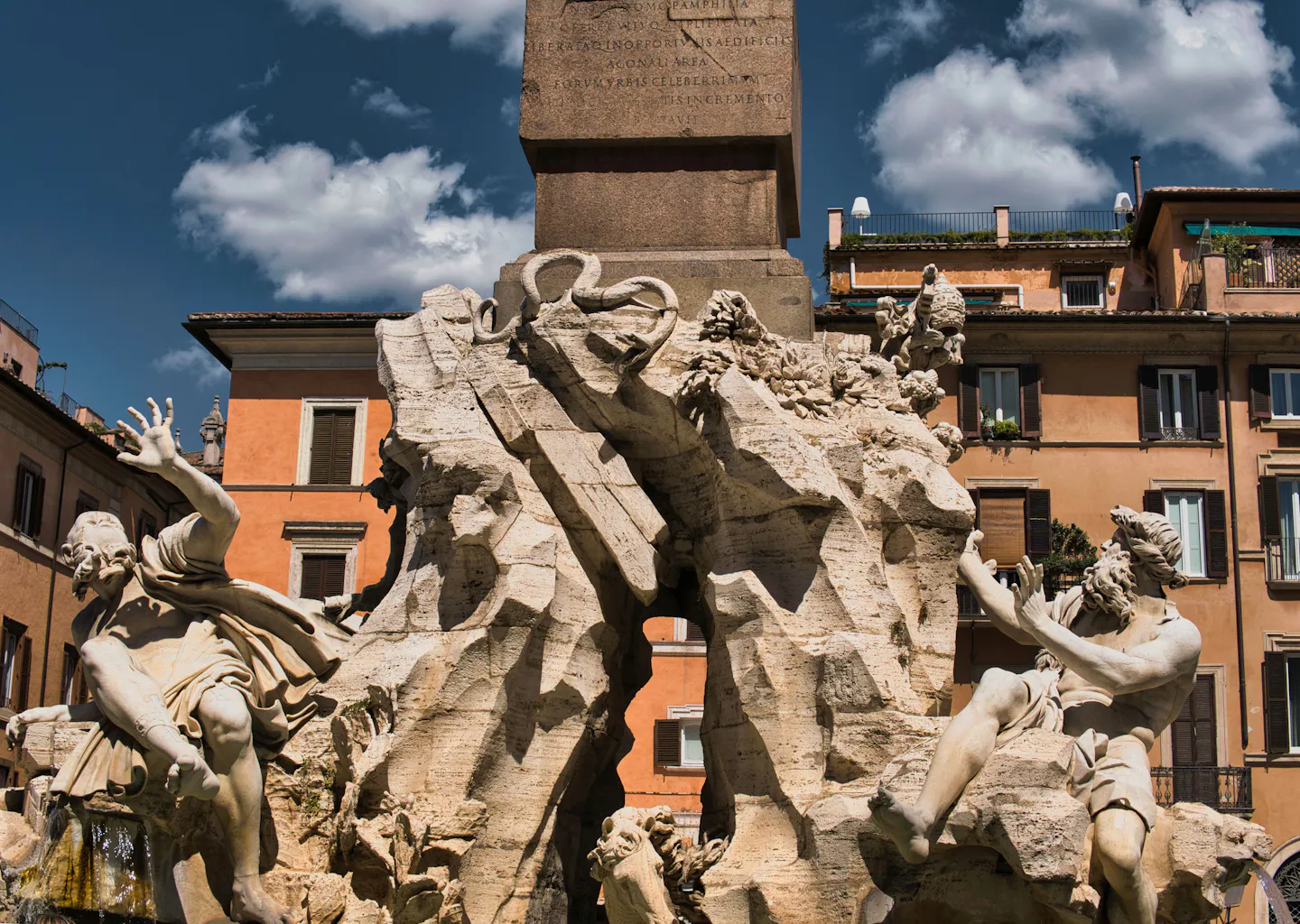
Piazza Navona is where Rome starts to feel less like a list of monuments and more like a city you want to stay in. The square is built over the shape of the ancient Stadium of Domitian, but today its character is unmistakably Baroque.
The centerpiece is Bernini’s Fountain of the Four Rivers. Around it, you have Sant’Agnese in Agone, palaces, street artists and plenty of places to stop for coffee or an aperitivo.
A few minutes away, the Church of San Luigi dei Francesi holds three famous Caravaggio paintings. It is a perfect example of why leaving a little unscheduled time in Rome pays off: some of the best art is hidden inside churches you can simply walk into when they are open.
Best for: Baroque architecture, coffee stops, people-watching, and unplanned hours in the historic center.
Spanish Steps, Piazza del Popolo and the Pincio Terrace
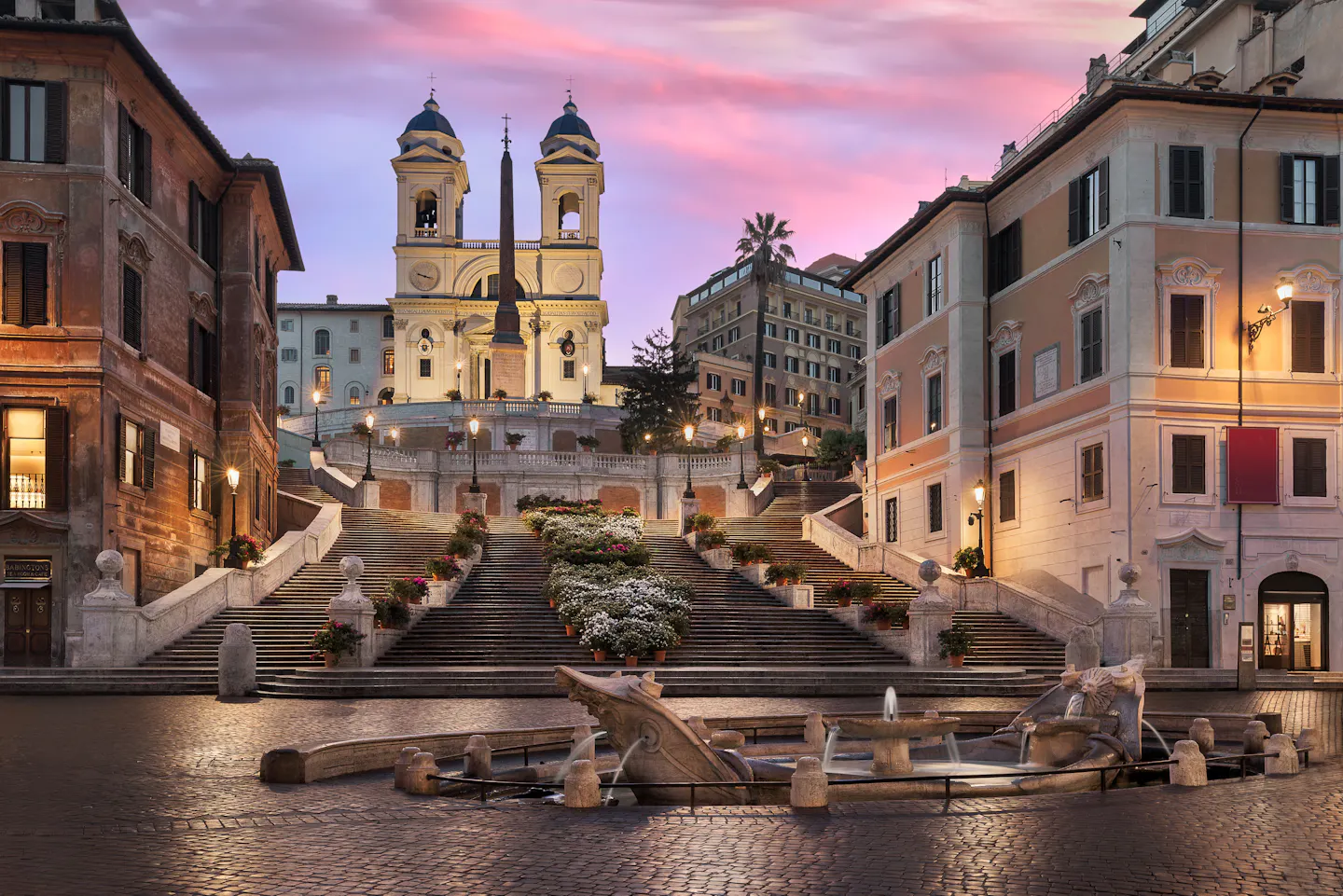
The Spanish Steps are worth seeing, but they do not need a long visit on their own. The better idea is to make them part of a walk through this elegant side of central Rome.
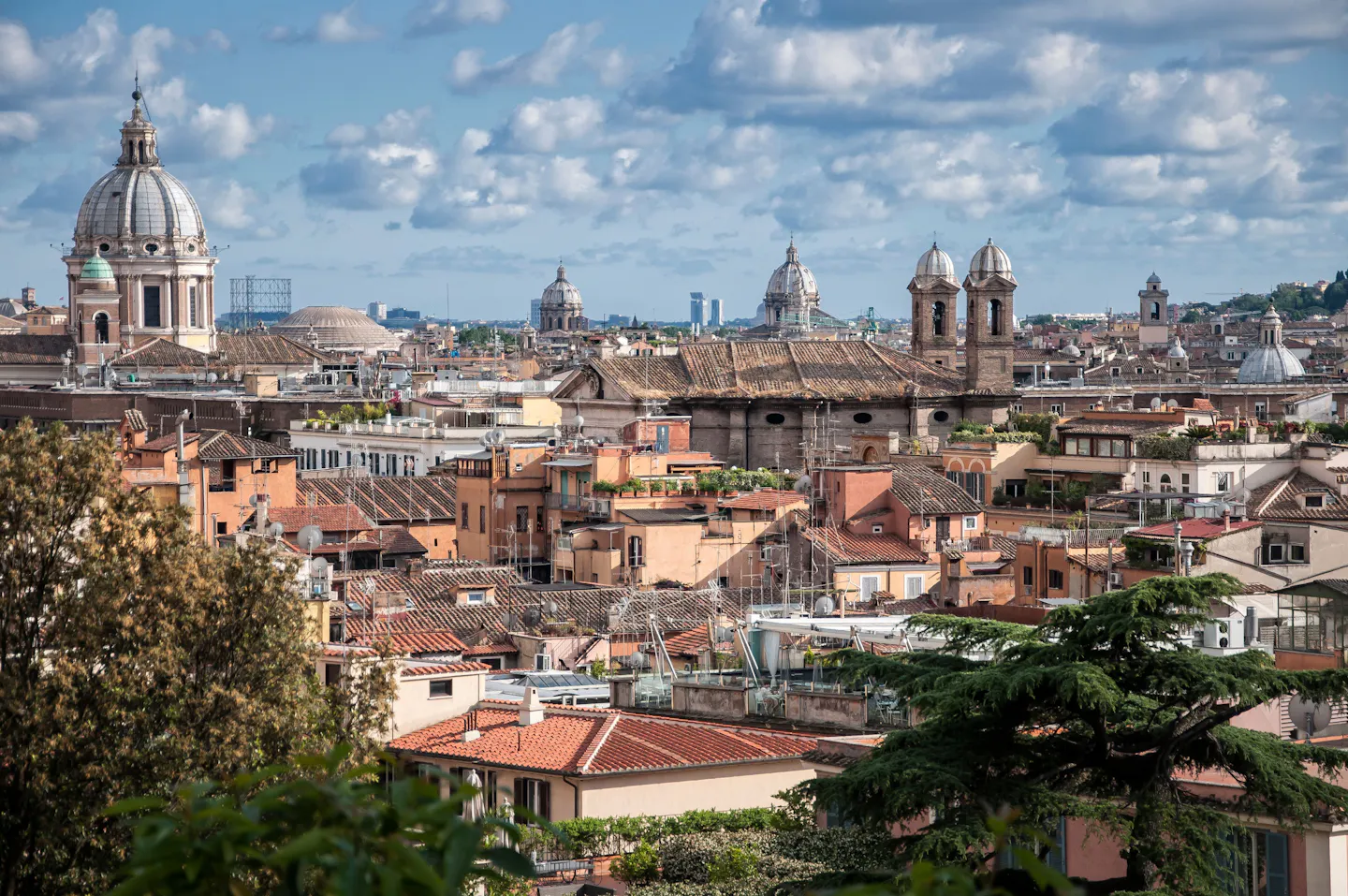
Start around Piazza di Spagna, walk up toward the top of the steps, continue toward Villa Borghese and finish at the Pincio Terrace above Piazza del Popolo. Around sunset, the view over Rome is one of the best free experiences in the city.
If you like shopping, Via dei Condotti and the surrounding streets are right here. If you would rather escape the crowds, move into Villa Borghese instead and give yourself an hour with no specific destination.
Best for: walking, sunset views, shopping, and a more elegant side of central Rome.
Trastevere
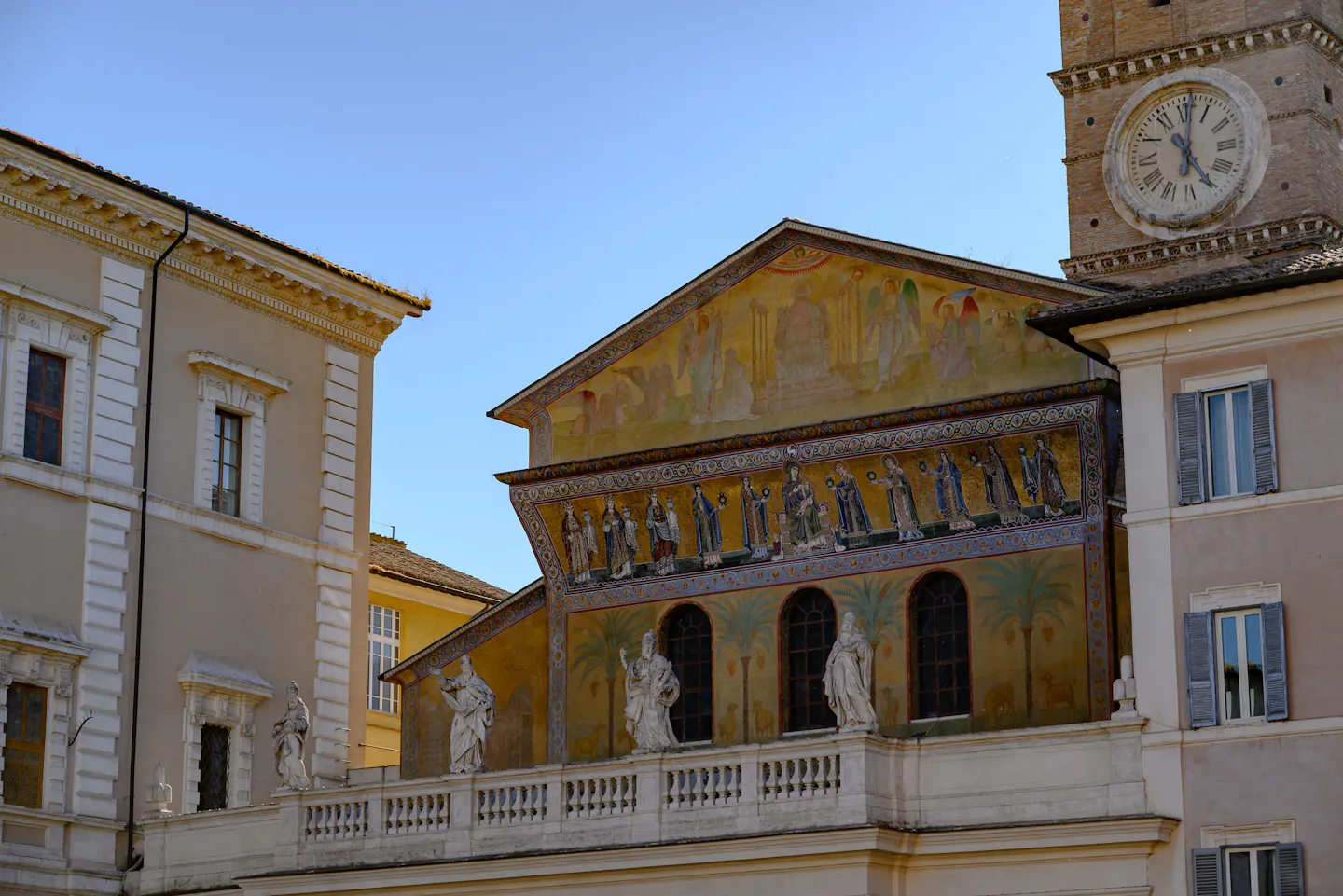
Trastevere is not one single attraction, and that is exactly why it belongs in a first-time Rome itinerary. After a couple of days of museums and ancient ruins, the neighborhood gives you space to walk, eat and see a more relaxed side of the city.
Come in the late afternoon, wander around Piazza di Santa Maria in Trastevere and the smaller streets around it, then stay for dinner. The neighborhood becomes much livelier in the evening.
Do not choose a restaurant only because it has tables on the busiest street. Walk a little farther from the main flow and look for a place that specializes in Roman dishes rather than a menu trying to serve everything to everyone.
Best for: dinner, evening atmosphere, aimless wandering, and a break from museums and ruins.
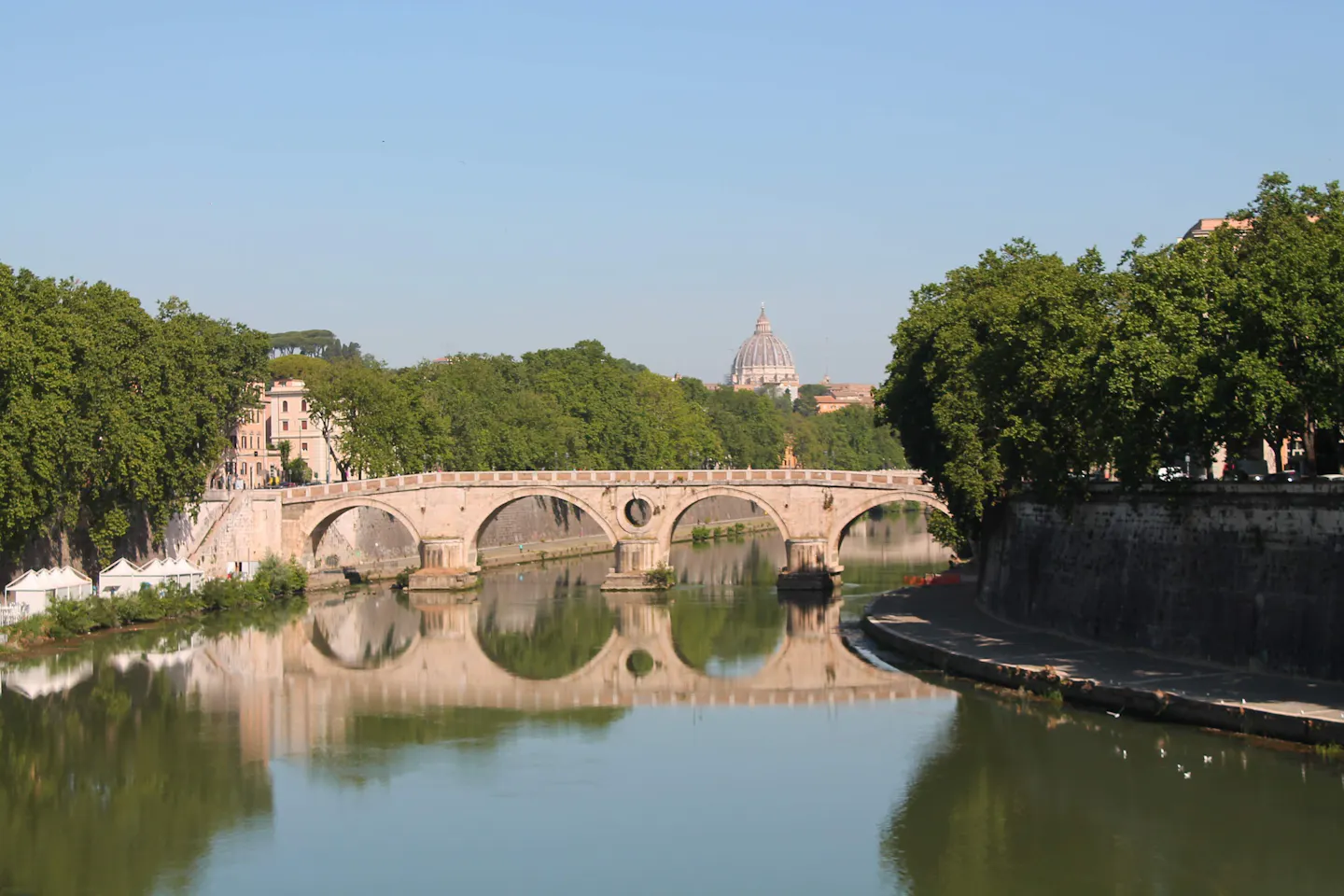
Castel Sant’Angelo and Ponte Sant’Angelo
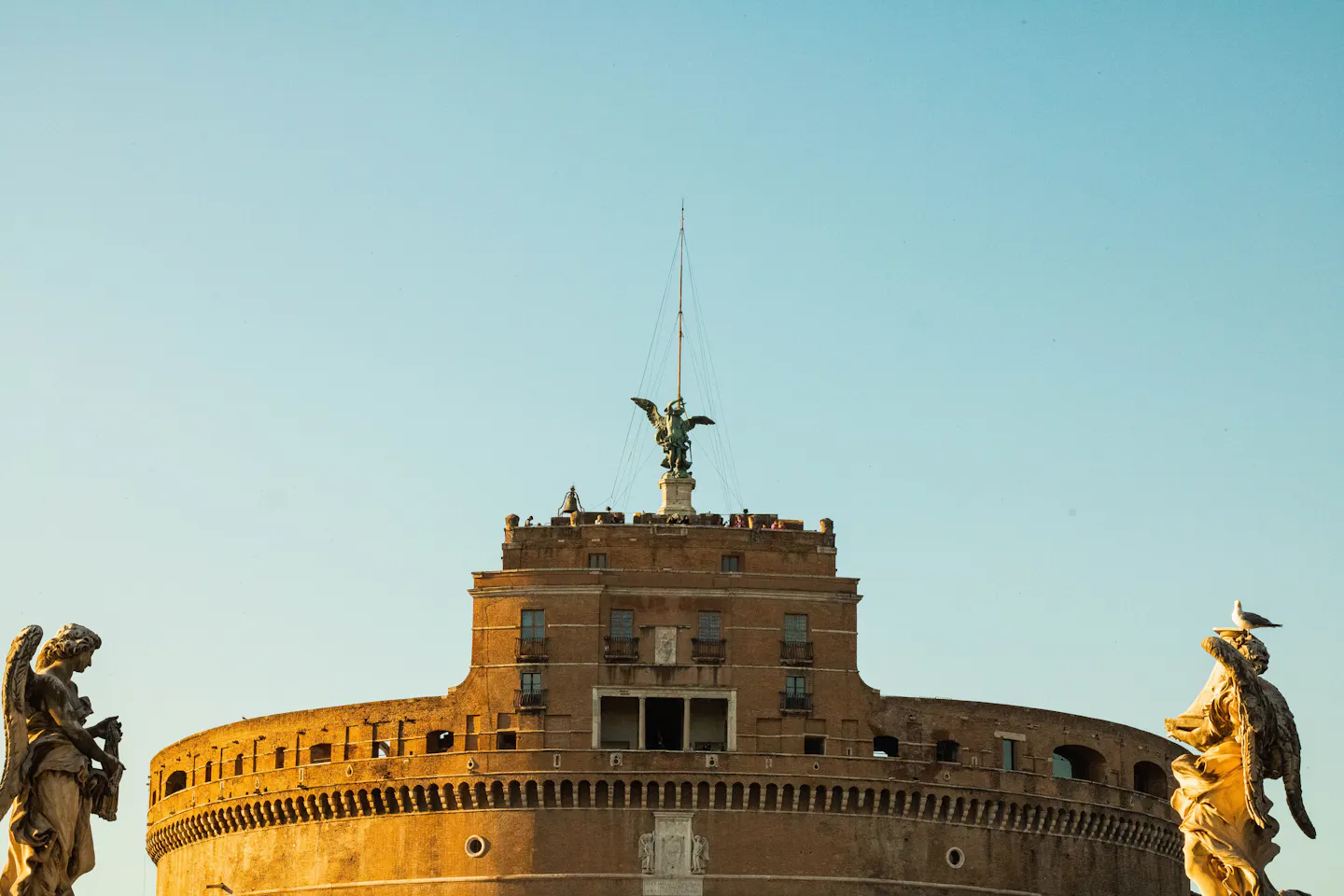
Castel Sant’Angelo is one of the best optional additions for a first trip, especially if you have four days or you want something to do after the Vatican. The building started as Emperor Hadrian’s mausoleum and later became a fortress and papal refuge.
The upper terraces give you excellent views toward St. Peter’s Basilica, the Tiber and central Rome. Even if you do not go inside, the walk across Ponte Sant’Angelo with its line of angel statues is worth including on your route.
Best for: river views, an easy Vatican add-on, and travelers with four days or more.
Galleria Borghese and Villa Borghese
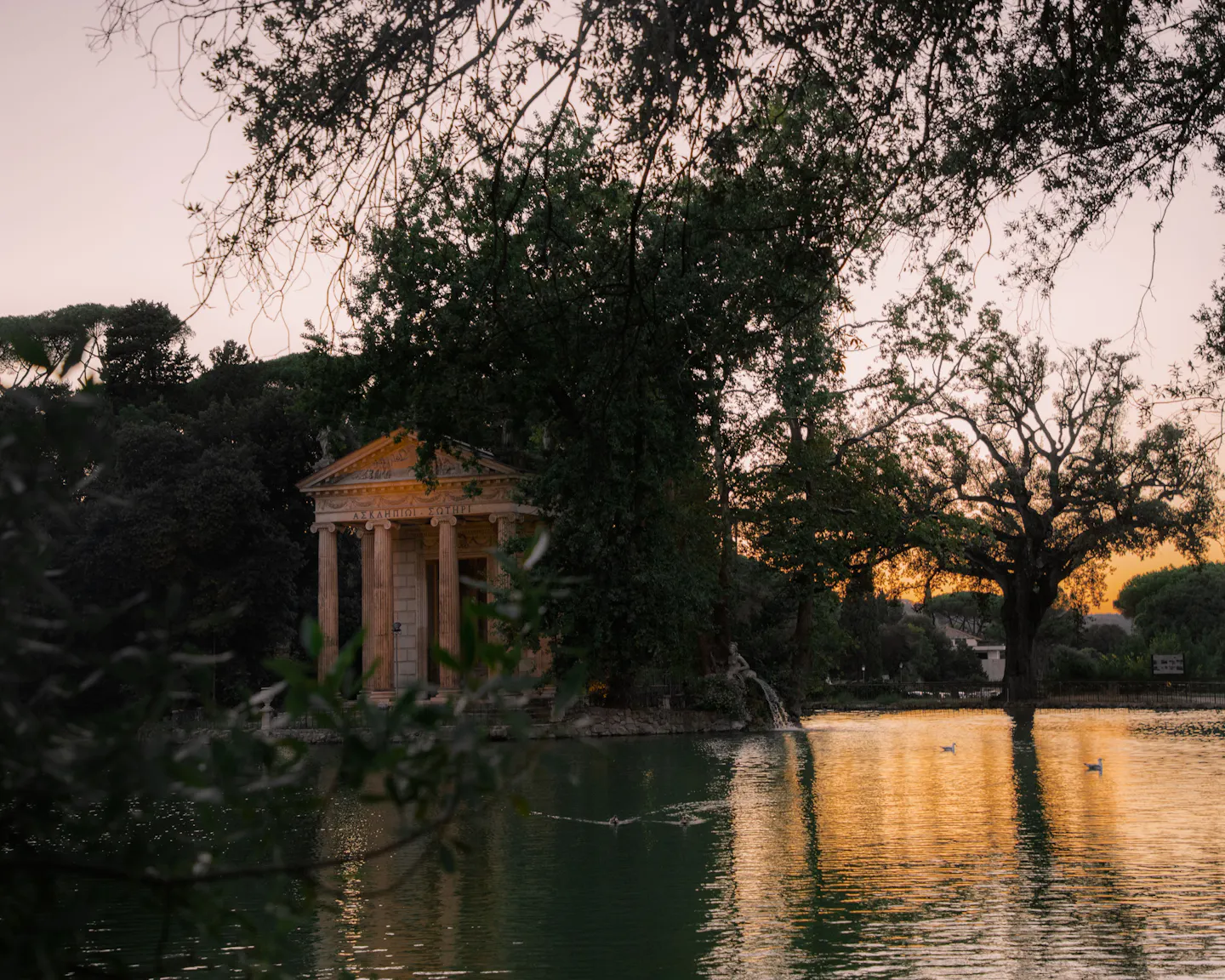
If you love art, Galleria Borghese should move very high on your Rome list. It is much smaller than the Vatican Museums, which makes the experience feel more focused, but the collection is exceptional: Bernini sculpture, Caravaggio, Raphael, Canova and more.
Reservations are mandatory for all ticket categories, so this is not a museum to leave until the last minute. If the gallery is not a priority for you, Villa Borghese is still worth visiting as a break from the dense historic center.
Best for: art lovers, sculpture, quieter mornings, and green space when the historic center starts to feel dense.
Capitoline Hill and the view over the Roman Forum
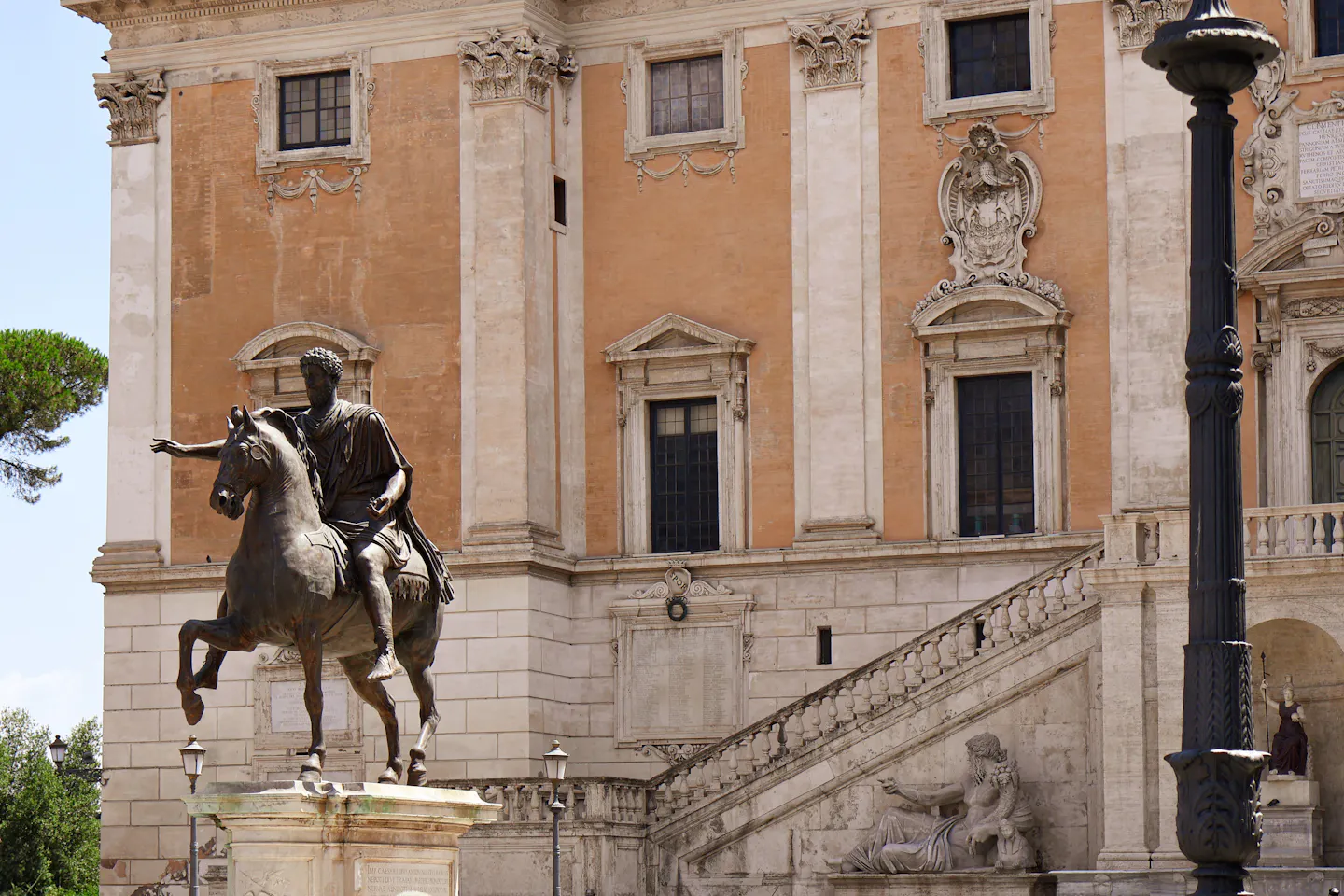
Capitoline Hill is easy to miss because it sits between bigger-name attractions, but it is one of the best places to understand how many versions of Rome exist on top of each other.
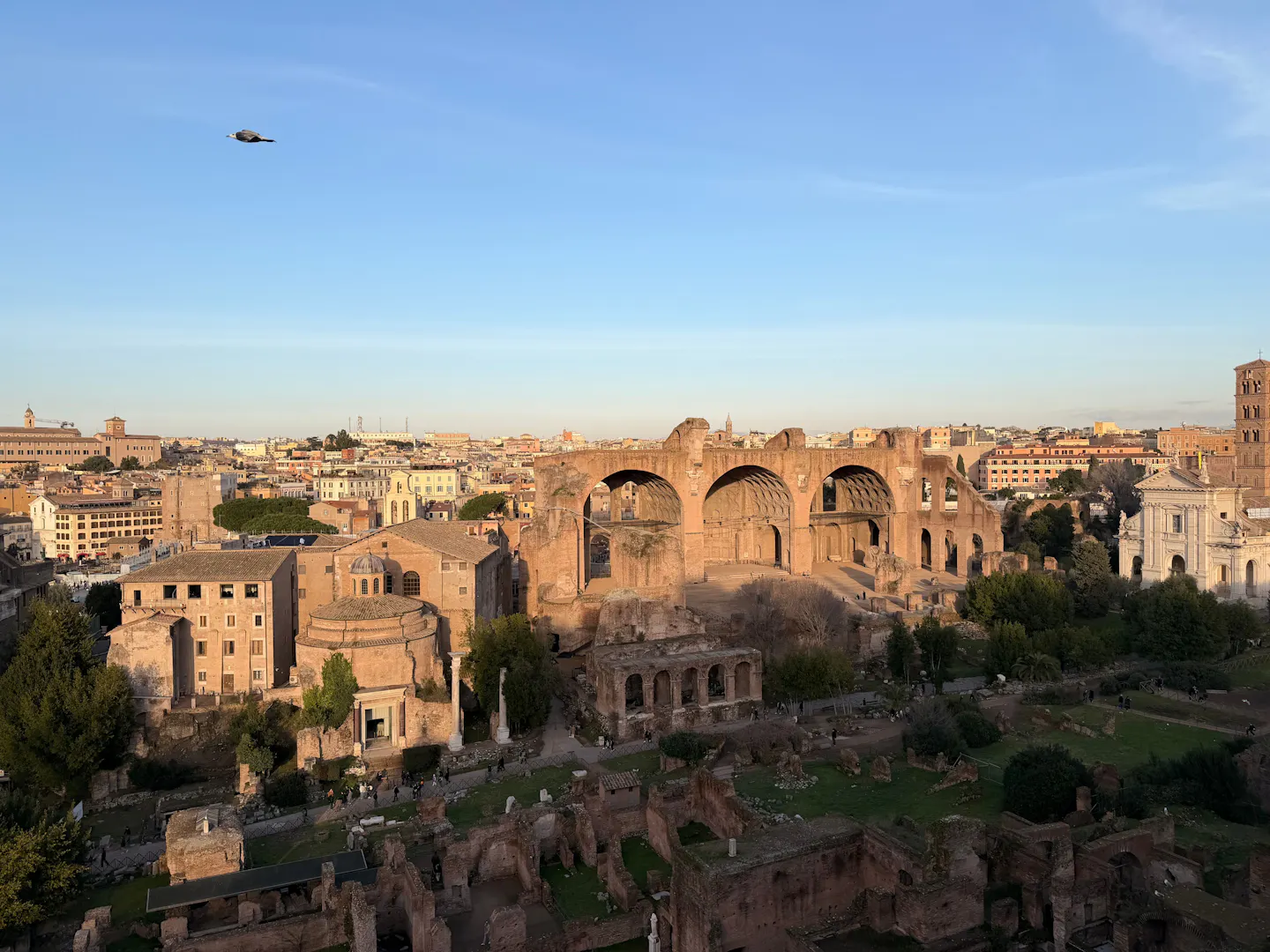
Walk up to Piazza del Campidoglio, designed by Michelangelo, then continue around the back toward the viewpoint over the Roman Forum. It is especially good near sunset, when the ruins below start catching warmer light.
If you want more history, the Capitoline Museums are here too. If not, the square and viewpoint still make a very worthwhile stop between Piazza Venezia and the ancient center.
Best for: viewpoints, sunset, Renaissance architecture, and one more layer of Roman history.
What is the best 3-day Rome itinerary for a first trip?
A good Rome itinerary groups sights by area instead of trying to visit them in order of fame. You will walk a lot anyway, so the goal is to avoid unnecessary journeys across the city.
Day 1: Ancient Rome and the historic center
Start with the Colosseum, Roman Forum and Palatine Hill. Have lunch in Monti, then walk toward Capitoline Hill and Piazza Venezia. Continue to the Trevi Fountain in the late afternoon or evening. If you still have energy, finish around the Spanish Steps.
Day 2: Vatican City, Castel Sant’Angelo and Piazza Navona
Book the Vatican Museums for the morning, then visit St. Peter’s Basilica. Walk along Via della Conciliazione to Castel Sant’Angelo and cross the river. Continue toward Piazza Navona and the Pantheon, then have dinner somewhere in the historic center.
Day 3: Borghese, central Rome and Trastevere
Start around the Spanish Steps or Piazza del Popolo, walk through Villa Borghese and visit Galleria Borghese if you booked it. Later, head toward Campo de’ Fiori and the Jewish Ghetto, then cross the river into Trastevere for the evening.
This plan covers the main first-time Rome attractions while still giving you time for coffee, lunch and unplanned stops. That is important in Rome. A schedule that looks efficient on a map can become miserable if every hour has a reservation.
What should you book in advance in Rome?
For a first trip, the attractions most worth planning before you arrive are:
- The Colosseum, especially if you want Arena or Underground access.
- The Vatican Museums and Sistine Chapel.
- Galleria Borghese, where reservations are mandatory.
- The Pantheon if you want a fixed visit time and do not want to deal with ticketing on the day.
- St. Peter’s Dome if climbing it is a priority for you and you prefer a scheduled option.
For the Colosseum, Vatican Museums and Galleria Borghese, use the official websites whenever possible. Rome has a huge market of resellers, and search results can make it surprisingly easy to pay much more than the official price.
How many days do you need in Rome for a first trip?
Three full days are enough for a strong first visit to Rome. You can see the Colosseum, Vatican, Pantheon, Trevi Fountain, major squares and Trastevere without racing through every stop.
Four days are ideal if you enjoy art, long lunches or slower travel. The extra day lets you add Galleria Borghese, Castel Sant’Angelo, the Capitoline Museums or simply more time in neighborhoods.
With only two days, you can still see the main highlights, but you will need to choose carefully. Do one day around ancient Rome and the historic center, and one day around the Vatican and central squares.
If you have five days or more, consider adding the Appian Way, Ostia Antica or a day trip to Tivoli rather than filling every extra hour with another central Rome museum.
What should you eat in Rome on your first trip?

Rome is one of those cities where food should be part of the itinerary, not something you fit in between attractions. Try a few classic Roman dishes rather than ordering the same familiar Italian food every day.
- Carbonara: pasta with egg, pecorino, guanciale and black pepper.
- Cacio e pepe: simple pasta with pecorino and black pepper.
- Amatriciana: tomato, guanciale and pecorino.
- Gricia: a rich pasta built around guanciale, pecorino and pepper, without tomato or egg.
- Supplì: fried rice croquettes, usually with tomato and mozzarella.
- Carciofi alla romana or carciofi alla giudia when artichokes are in season.
- Maritozzo: a soft sweet bun filled with whipped cream.
- Pizza al taglio and proper gelato for easy snacks while sightseeing.
The biggest practical tip is to give meals enough time. A three-hour museum visit followed by a twenty-minute sprint to a restaurant reservation is exactly the kind of planning that makes Rome feel stressful.
Where should a first-time visitor stay in Rome?
For the easiest first trip, stay somewhere that lets you walk to at least part of the historic center.
- Centro Storico is best if you want to walk to the Pantheon, Piazza Navona, Trevi Fountain and many restaurants.
- Monti is great for the Colosseum, a neighborhood feel and easy access to central Rome.
- Prati is a good choice for the Vatican and a slightly calmer, more organized atmosphere.
- Trastevere is best if the evening atmosphere, restaurants and nightlife matter more than being next to the biggest monuments.
There is no perfect area for every sight, so choose based on how you actually like to spend mornings and evenings. Rome is much easier when your hotel location matches your priorities.
FAQ: What to see in Rome on your first trip
What are the five must-see sights in Rome for a first-time visitor?
If you only want the absolute essentials, see the Colosseum and Roman Forum, the Vatican Museums and St. Peter’s Basilica, the Pantheon, the Trevi Fountain and Piazza Navona. Together, they give you the clearest introduction to ancient, Renaissance and Baroque Rome.
Is three days enough for Rome?
Yes. Three full days are enough for the main highlights if you group attractions by area and reserve the most popular ticketed sights before you arrive. Four days feel noticeably more relaxed.
Which famous Rome attractions are free?
St. Peter’s Basilica, the Spanish Steps, Piazza Navona, Trastevere’s streets and many churches can be visited without an admission ticket. The Trevi Fountain can still be viewed from the surrounding square for free, although the closest regulated basin area now has a small fee for tourists.
Should I choose the Colosseum or the Vatican if I only have time for one?
Choose the Colosseum if ancient history is the main reason you came to Rome. Choose the Vatican if you care more about Renaissance art, Michelangelo, grand church architecture and museum collections. On a normal three-day trip, make time for both.
Can you see central Rome mostly on foot?
Yes. Many of the historic-center highlights are close enough to connect on foot, especially the Spanish Steps, Trevi Fountain, Pantheon and Piazza Navona. The Vatican and Colosseum sit farther apart, so plan them as separate areas rather than walking back and forth between them.
Plan your whole Rome trip with EasyMiles
Knowing what to see in Rome is the easy part. The harder part is turning all of these places into a realistic day-by-day plan around ticket times, opening hours, weather, travel time, meals and how much you actually want to walk.
EasyMiles does that planning for you. Enter your destination, dates and travel preferences, and EasyMiles builds a personalized itinerary with sights, museums, restaurants and local recommendations. It plans the days around practical constraints such as opening hours, weather and travel time, so you are not sent across Rome for a reservation that does not fit your route.
You can also use EasyMiles to find restaurants, book sights and museums, and keep the whole trip in one place. Instead of manually combining Colosseum tickets, Vatican timing, dinner ideas and neighborhood routes, you get one plan built around the way you want to travel.
Plan your Rome trip with EasyMiles.