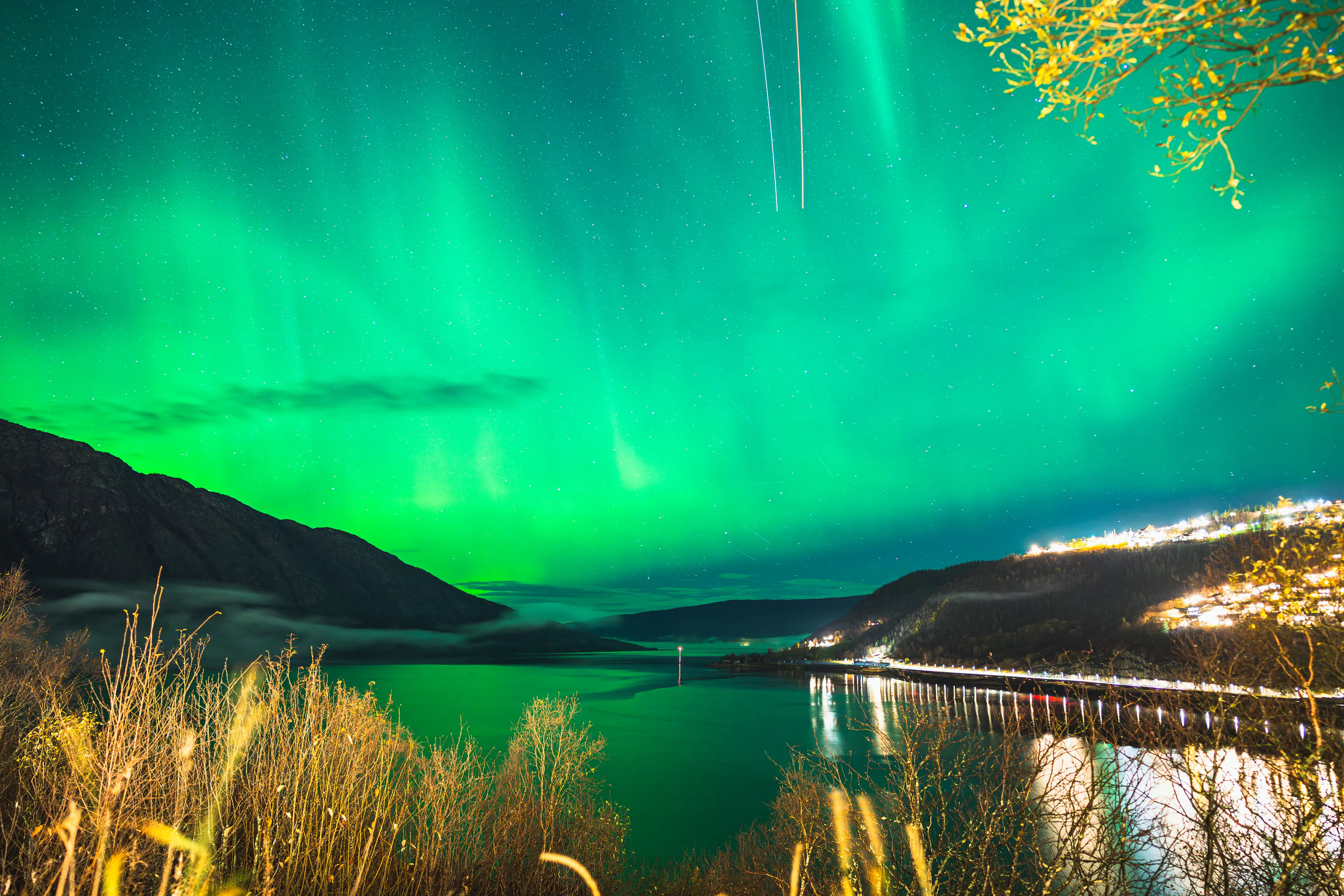
The best places to see the Northern Lights are Tromsø in Norway, Abisko in Sweden, Finnish Lapland, Iceland, Fairbanks in Alaska, Yellowknife in Canada, and Greenland. All of them sit in or close to the auroral zone, but they offer very different trips.
- Tromsø, Norway: best overall for first-time aurora travelers.
- Abisko, Sweden: best for clear skies and serious aurora chasing.
- Finnish Lapland: best for a romantic or family winter holiday.
- Iceland: best for combining the Northern Lights with a full sightseeing trip.
- Fairbanks, Alaska: best Northern Lights destination in the United States.
- Yellowknife, Canada: best for dry, clear conditions in North America.
- Greenland: best for wilderness, photography, and a once-in-a-lifetime Arctic trip.
The most important thing to remember is that the Northern Lights are never guaranteed. You need darkness, enough aurora activity, and, most importantly, a clear sky. A four- or five-night trip gives you much better odds than trying to catch the lights on one evening.
When Is the Best Time to See the Northern Lights?
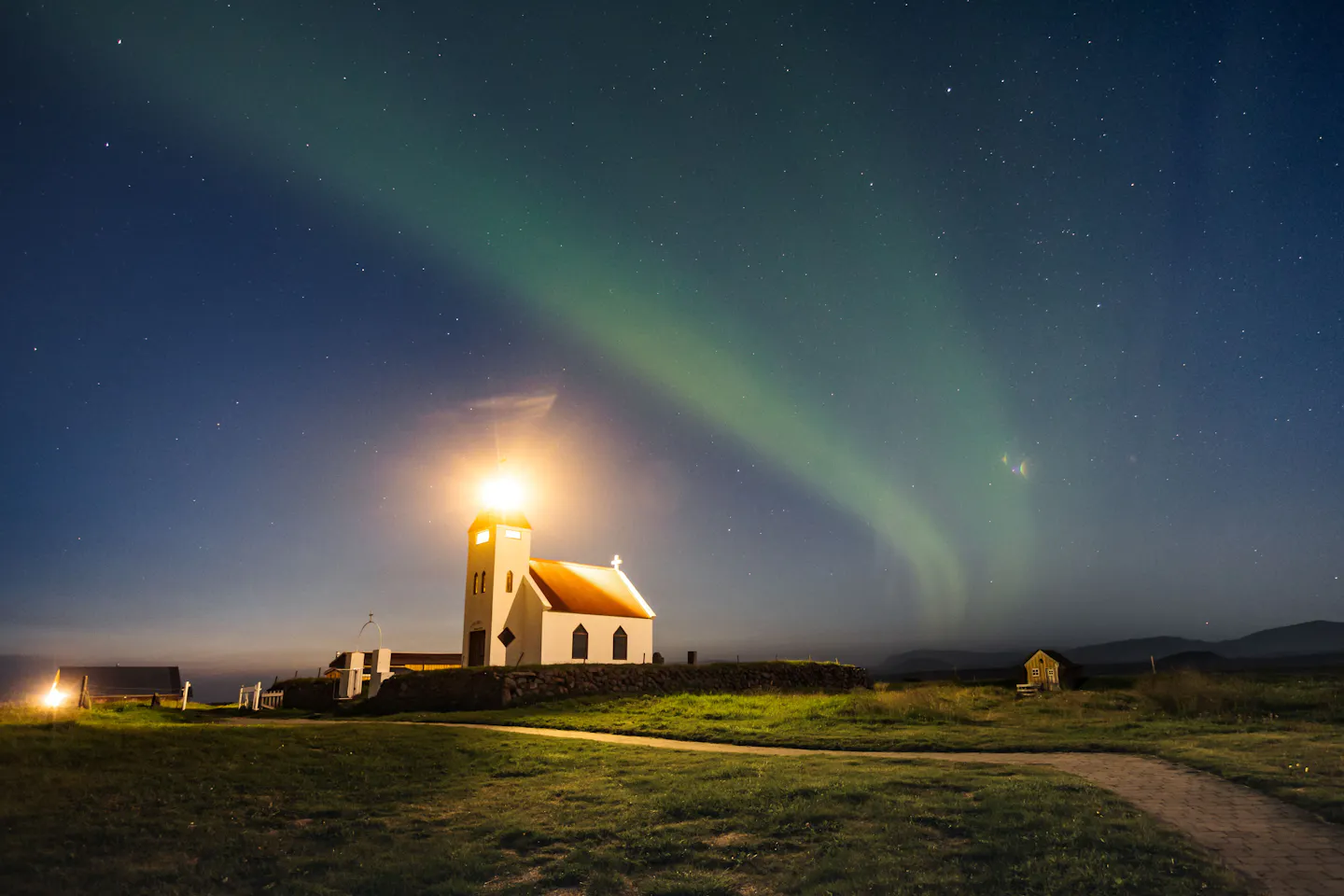
For most Northern Lights destinations, the main viewing season runs from late August or September until early April. Summer is generally too bright in the far north because of the midnight sun.
Deep winter gives you the longest nights and the classic snowy Arctic scenery, but December and January are not automatically the “best” months everywhere. Autumn and early spring can be excellent because the nights are still dark, aurora activity can be strong, and temperatures may be easier to handle.
For many travelers, September to October and February to March are especially practical windows. You still get dark skies, but you may avoid some of the deepest winter cold and the Christmas-season crowds.
Cloud cover matters more than most first-time travelers expect. A powerful aurora happening above a thick layer of clouds is still invisible. That is why flexible plans, several nights in one region, and the ability to move to a clearer area can matter more than chasing the highest forecast number.
Tromsø, Norway: Best Overall Northern Lights Destination
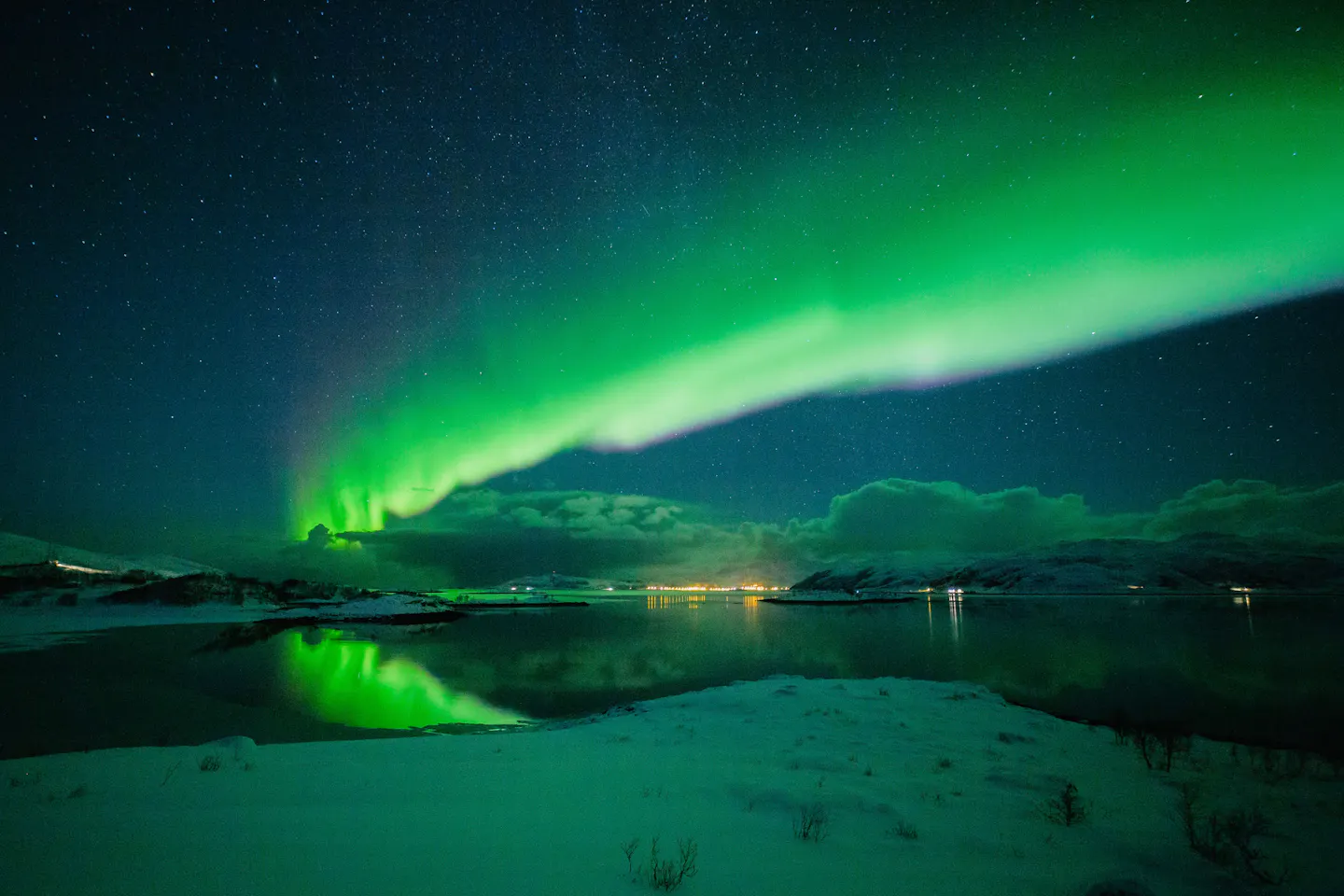
Tromsø is one of the easiest places to recommend for a first Northern Lights trip. It sits directly under the auroral oval, has a proper city center with restaurants and hotels, and gives you easy access to dark fjords, valleys, islands, and mountain landscapes.
The official Tromsø tourism board says the Northern Lights can usually be seen in the region from late August to early April when the sky is dark and clear. Tours commonly run from September into early April.
Why Tromsø is such a good choice
The biggest advantage is flexibility. You can spend the day exploring the city, visiting Arctic museums, taking a fjord cruise, going whale watching in season, riding a dog sled, or trying a sauna. At night, you can join an aurora chase that drives away from cloud cover and city lights.
This makes Tromsø a strong choice if you do not want the entire holiday to depend on whether the sky performs.
Best time to visit Tromsø
September to March is the easiest window for most travelers. December and January offer very long periods of darkness, while February and March give you more daylight for daytime activities and still-dark nights for aurora hunting.
Who should choose Tromsø?
Choose Tromsø if this is your first Northern Lights trip, if you want good tourism infrastructure, or if you want restaurants and city comforts alongside Arctic nature.
Abisko, Sweden: Best for Clear Skies
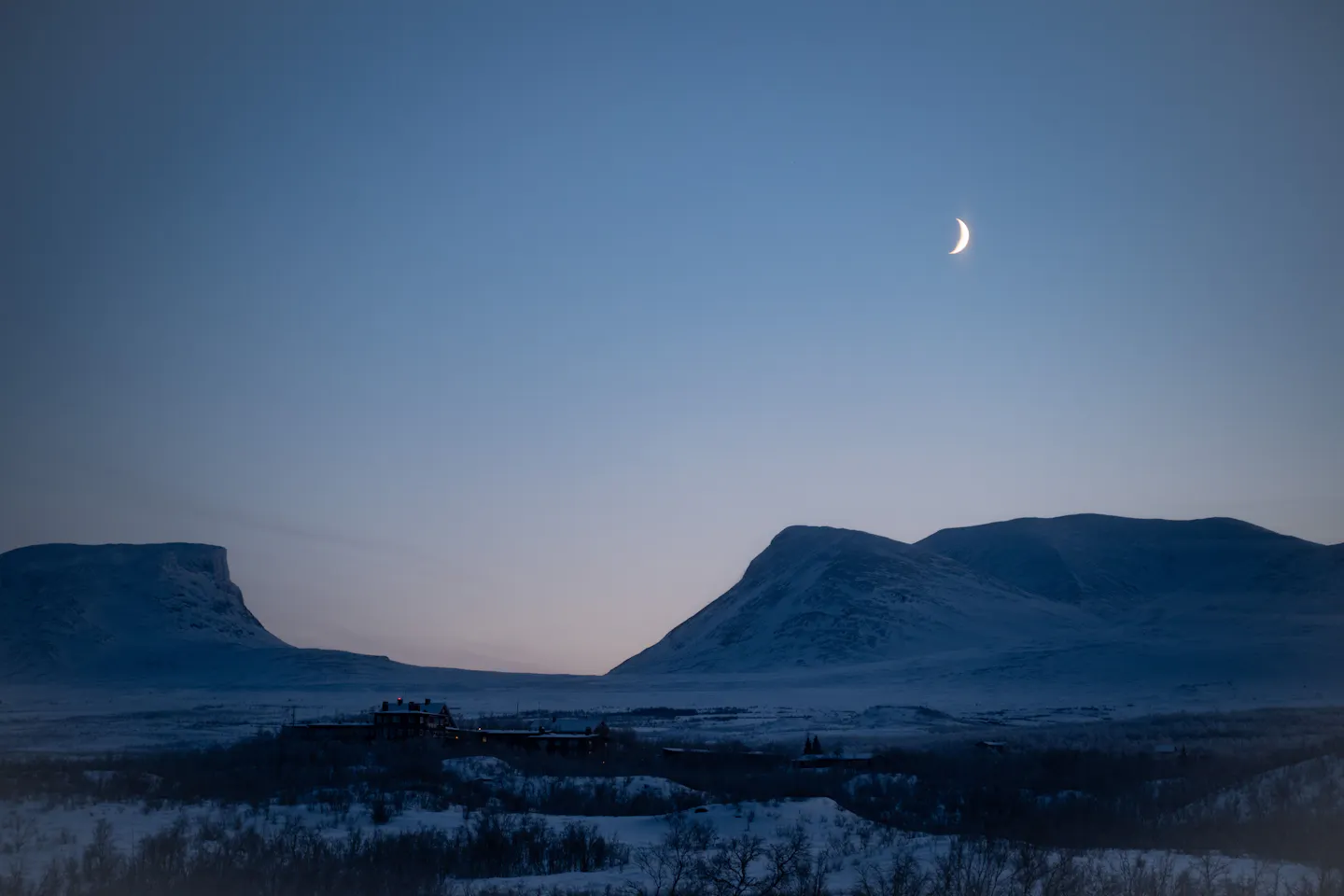
Abisko is one of the most famous aurora destinations in Swedish Lapland, and its reputation is closely linked to weather.
The area sits in a relatively dry microclimate near the Scandinavian mountains. It is often associated with the “blue hole,” a local pattern where skies around Abisko can remain clearer than surrounding areas. The village is also far from major city light pollution and frequently sits within the auroral oval.
Why Abisko stands out
Abisko feels more focused than Tromsø. You are not coming for a big-city break. You are coming for mountains, snow, dark skies, Lake Torneträsk, Abisko National Park, and the possibility of watching the aurora from a genuinely wild setting.
One of the best-known experiences is the Aurora Sky Station on Mount Nuolja, reached by chairlift when conditions allow. You can also see the lights from around the national park or join photography-focused aurora tours.
Best time to visit Abisko
Auroras can be visible from late August into April, but October through March is the easiest period if the Northern Lights are the main reason for your trip.
Who should choose Abisko?
Choose Abisko if seeing the aurora is the number-one goal and you are happy with a quieter, more nature-focused trip.
Finnish Lapland: Best for a Cozy Winter Holiday
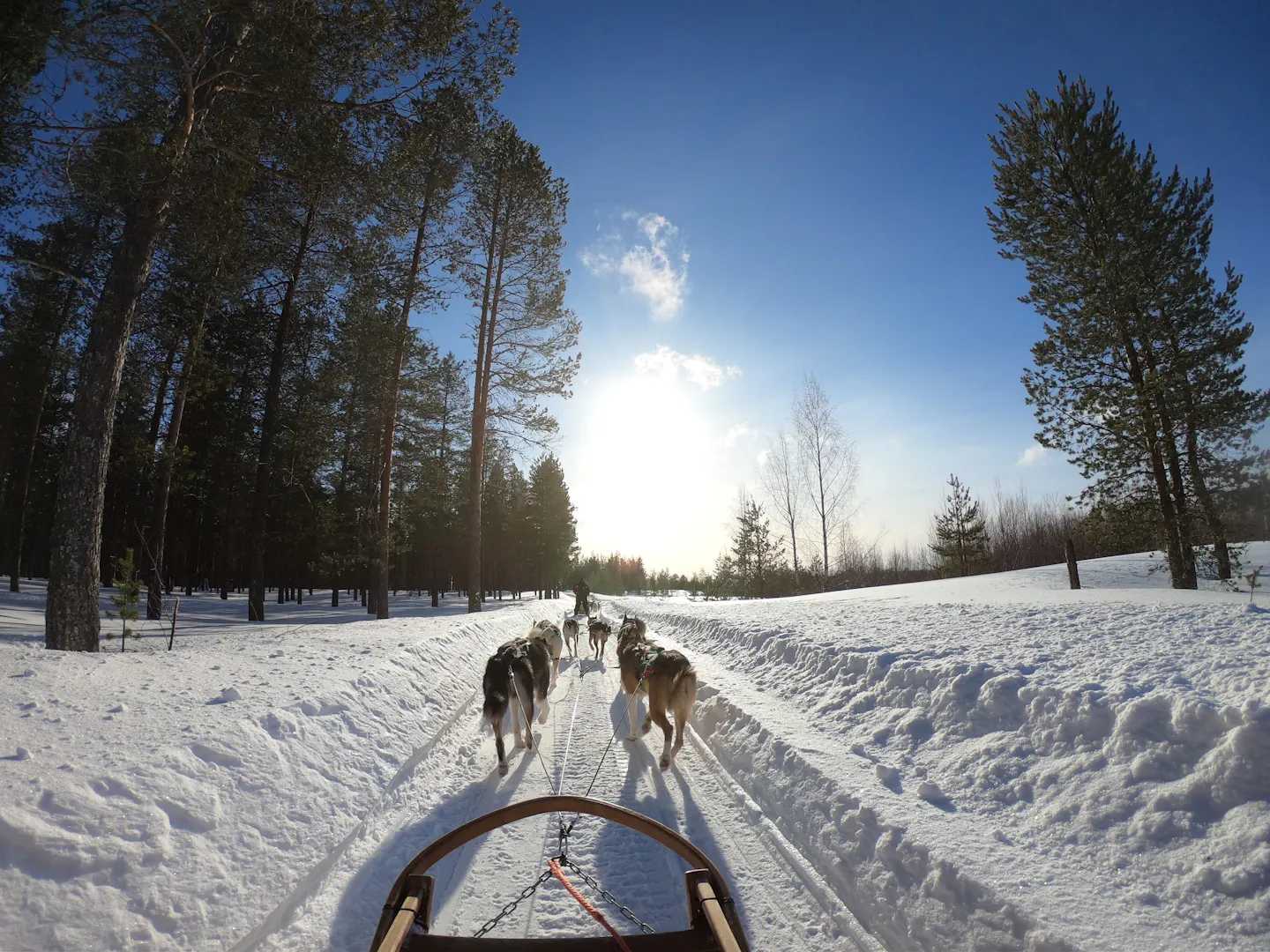
Finnish Lapland is the classic answer if your ideal Northern Lights trip includes snow-covered forests, saunas, reindeer, huskies, glass-roof cabins, fireplaces, and a slower winter pace.
You have several bases to choose from. Rovaniemi is the easiest and most famous. Inari and Saariselkä feel more remote and are farther north. Levi and Ylläs combine winter activities with ski-resort infrastructure.
Why Finnish Lapland works so well
The official Visit Finland guidance puts the main aurora season in Lapland from late August to early April. It also notes that northern Finland can experience auroras on roughly 200 nights a year, although visibility still depends on clear skies.
The real advantage of Lapland is that the Northern Lights fit naturally into a broader winter trip. You can go cross-country skiing, snowshoeing, dog sledding, ice fishing, visit a sauna, or spend an evening at a wilderness cabin. If the lights appear, they become the highlight rather than the only thing you did that day.
Best time to visit Finnish Lapland
September and October are great if you like autumn colors and slightly milder temperatures. December is magical but busy and expensive around Christmas. February and March are excellent for snow, longer daylight hours, and continued aurora opportunities.
Who should choose Finnish Lapland?
Choose Finnish Lapland for a romantic trip, family holiday, comfortable Arctic experience, or if you want the Northern Lights to be part of a full winter vacation.
Iceland: Best for a Northern Lights Road Trip
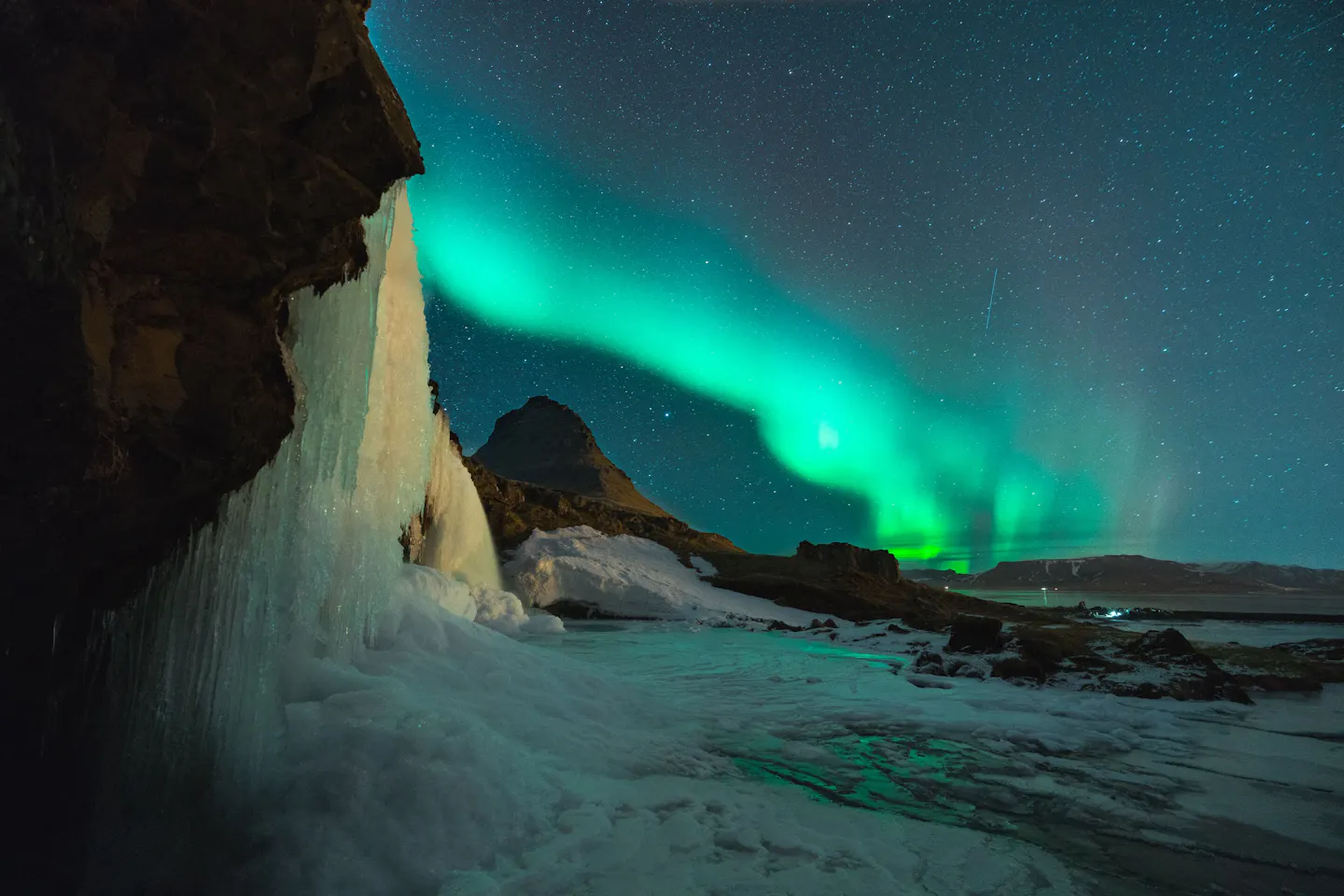
Iceland is one of the best choices if you want a trip that would still feel worth it even if you never saw the aurora.
You can spend your days visiting waterfalls, geothermal areas, lava fields, black-sand beaches, glaciers, hot springs, and small coastal towns. Then, when the forecast looks good, you head out after dark.
The official Iceland tourism board describes the aurora season as running from late August until late April. Darkness and sufficiently clear skies are the essentials.
Where to see the Northern Lights in Iceland
You do not need to go to one specific place. The key is getting away from bright lights and finding open sky.
Good bases include Reykjavík for convenience, the South Coast for waterfalls and black-sand beaches, the Snæfellsnes Peninsula for dramatic landscapes, and North Iceland if you want a quieter route.
You can sometimes see the lights from Reykjavík, but the experience is usually better outside the city. A rental car gives you flexibility, although winter driving conditions need to be taken seriously.
Best time to visit Iceland
September to March is the easiest choice. September and October are good for travelers who want road-trip conditions without the deepest winter, while February and March can combine snow, longer daytime sightseeing, and dark evenings.
Who should choose Iceland?
Choose Iceland if you want the Northern Lights plus a big nature itinerary and do not want to spend the whole trip waiting for the sky to clear.
Fairbanks, Alaska: Best Northern Lights Destination in the United States
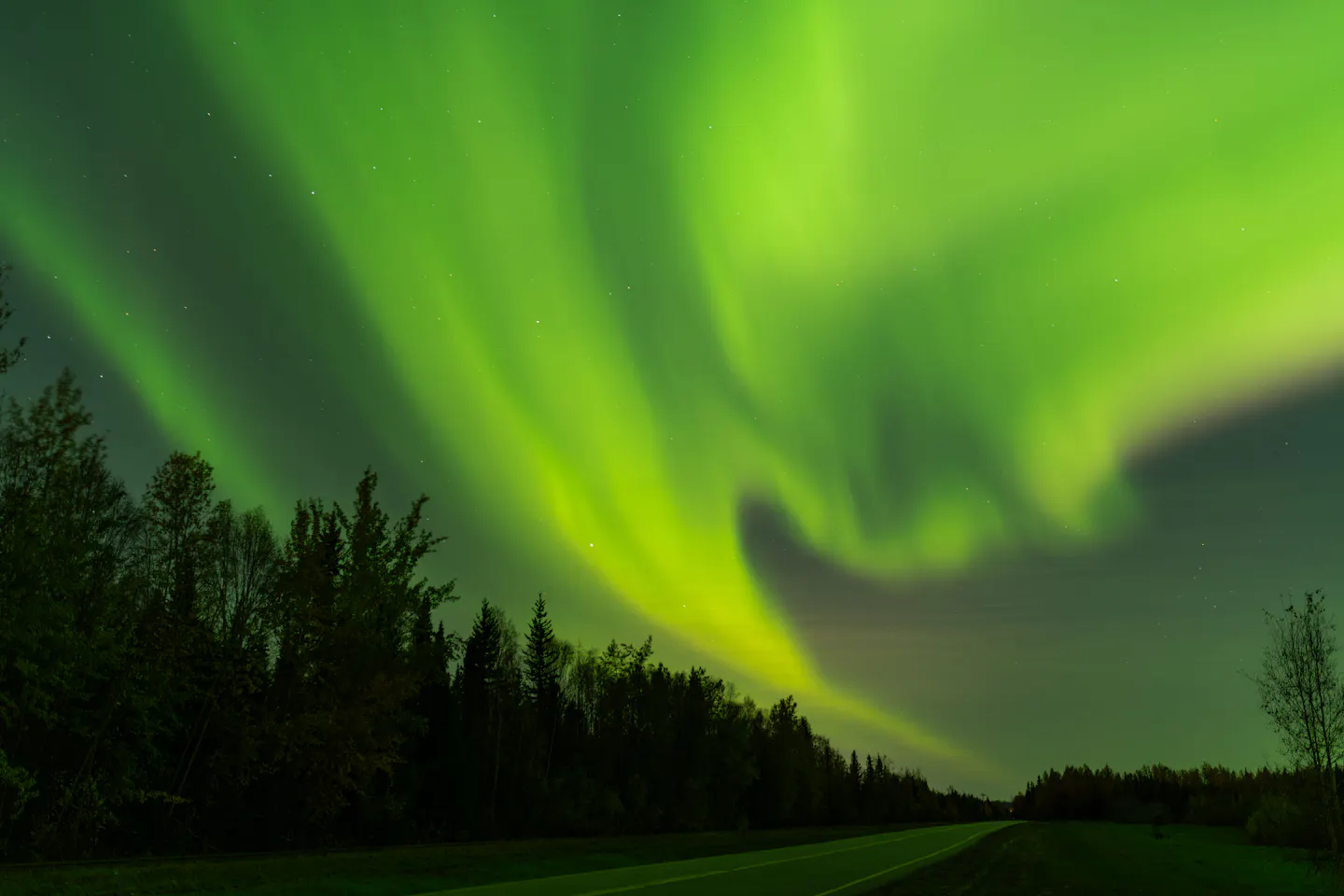
Fairbanks is one of the strongest aurora bases in North America. It lies under the auroral oval and has a long, well-established Northern Lights season.
Explore Fairbanks defines its official Aurora Season as August 21 to April 21. The local tourism board says the aurora is visible on an average of four out of five nights when skies are clear and dark enough, and that visitors staying at least three nights and actively looking in the late evening can have a very high chance of seeing it.
Why Fairbanks is a strong choice
Fairbanks has dedicated aurora lodges, heated viewing cabins, guided drives, hot springs, dog-sled trips, and easy access to darker landscapes outside the city.
It is also practical for travelers in the United States who want a serious Northern Lights trip without traveling to Europe.
Best time to visit Fairbanks
Late August and September give you autumn colors and milder weather. February and March are excellent if you want snow, winter activities, and more manageable daylight hours. Deep winter is beautiful but can be extremely cold.
Who should choose Fairbanks?
Choose Fairbanks if you are traveling from North America, want strong aurora infrastructure, or prefer a destination where aurora chasing is a major part of the local tourism scene.
Yellowknife, Canada: Best for Dry, Clear Conditions
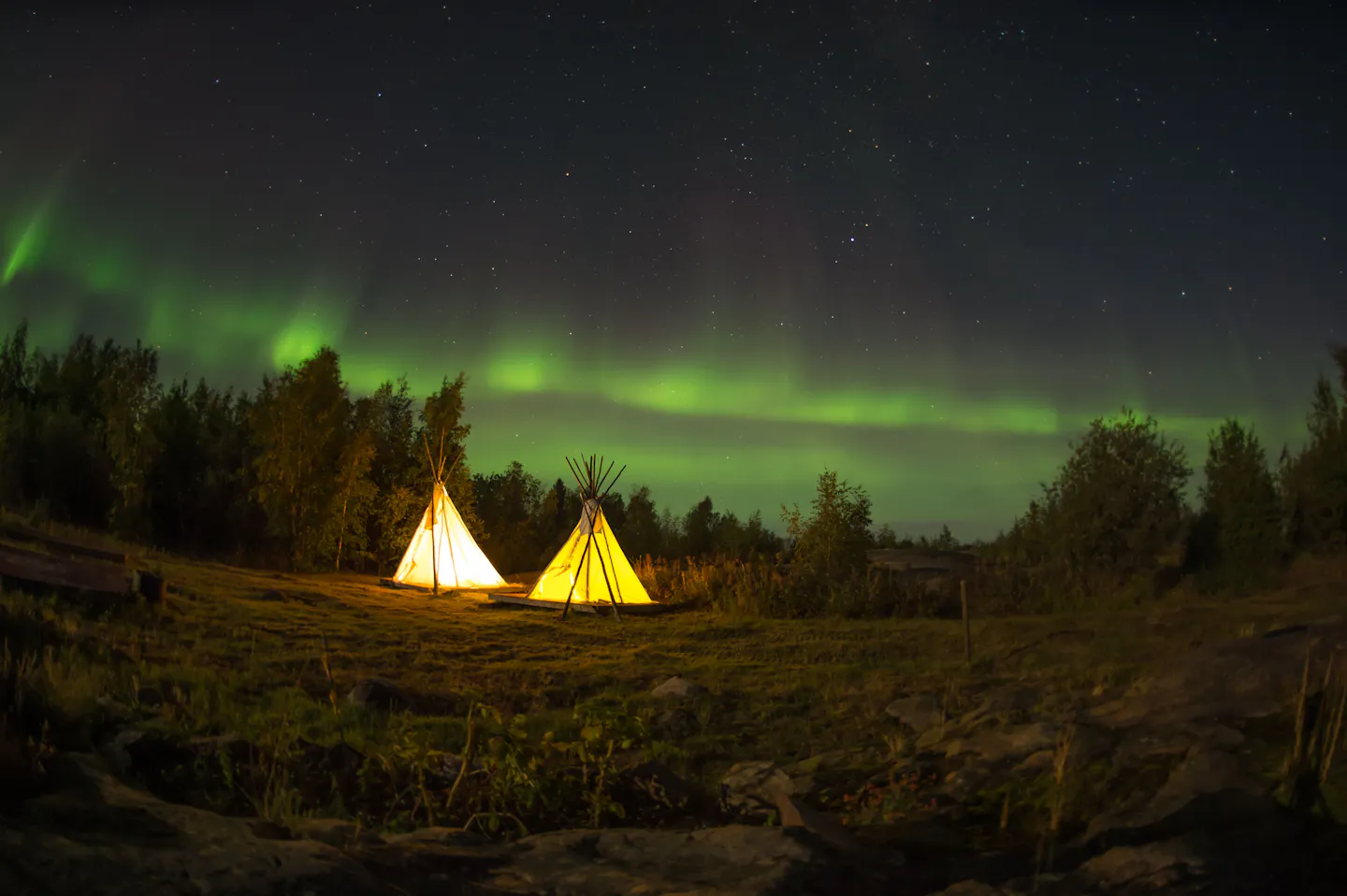
Yellowknife is one of the world’s best-known Northern Lights destinations because it sits directly beneath the auroral oval and has a relatively dry climate with many clear nights.
The Northwest Territories tourism board highlights two main aurora seasons: late summer into early autumn, and winter into early spring. Fall viewing usually starts around mid-August, while the winter season runs from roughly mid-November into early April.
Why Yellowknife stands out
The landscape around Yellowknife is open, dark, and full of lakes, which creates excellent viewing conditions and beautiful reflections before the lakes freeze.
In winter, dedicated aurora tours take travelers outside the city to heated cabins, camps, or viewing areas. You can also combine the trip with Indigenous cultural experiences and other winter activities.
Best time to visit Yellowknife
Late August to September is a great choice if you want less extreme temperatures and possible reflections over open water. January to March gives you the classic snowy experience, but expect serious cold.
Who should choose Yellowknife?
Choose Yellowknife if your priority is maximizing the chance of clear skies and you are comfortable planning a trip around aurora viewing.
Greenland: Best for Wilderness and Photography
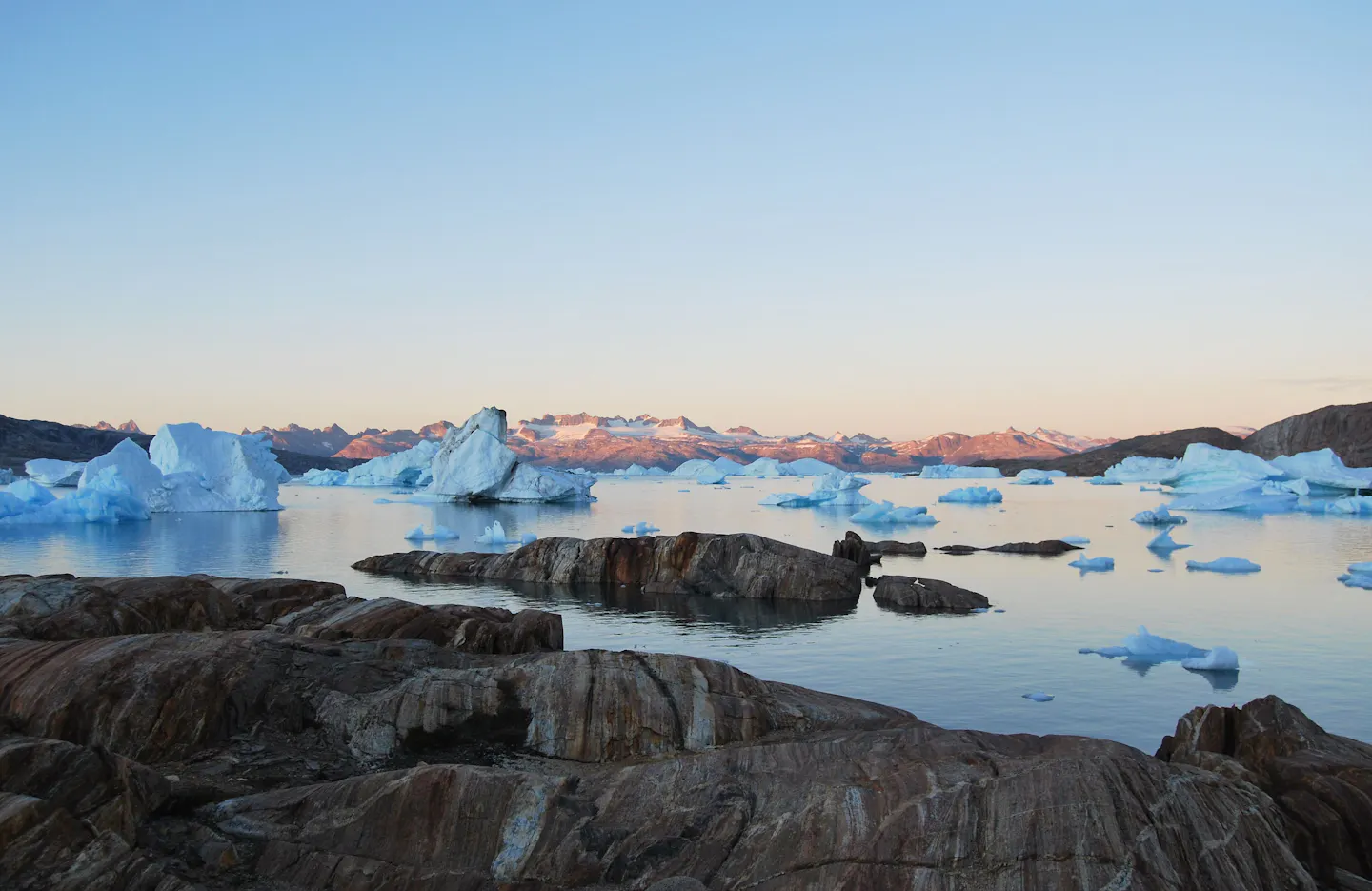
Greenland is not the easiest Northern Lights destination, but it may be the most memorable.
The official Visit Greenland site puts the main Northern Lights period from late August to April. Low light pollution, huge open landscapes, icebergs, fjords, mountains, and tiny settlements create an incredible setting when the aurora appears.
Where to go in Greenland
Ilulissat is one of the most dramatic choices because you can combine the Northern Lights with the Ilulissat Icefjord and enormous icebergs.
Kangerlussuaq is known for inland conditions and access to broad Arctic landscapes. In East Greenland, places such as Tasiilaq and Kulusuk give you jagged mountain scenery and a much more expedition-like atmosphere.
Why Greenland is different
A Greenland aurora trip requires more flexibility. Flights, weather, and local logistics can shape the route more than they do in Norway or Finland. This is not the best destination if you want a simple long weekend.
It is the right choice if you want the Northern Lights to happen in a place that already feels extraordinary without them.
Best time to visit Greenland
September can be beautiful for autumn conditions, while February to April works well for snowy landscapes, winter activities, and still-dark nights.
Who should choose Greenland?
Choose Greenland if you are an experienced traveler, photographer, or nature lover who values wilderness more than convenience.
Which Northern Lights Destination Is Best for You?
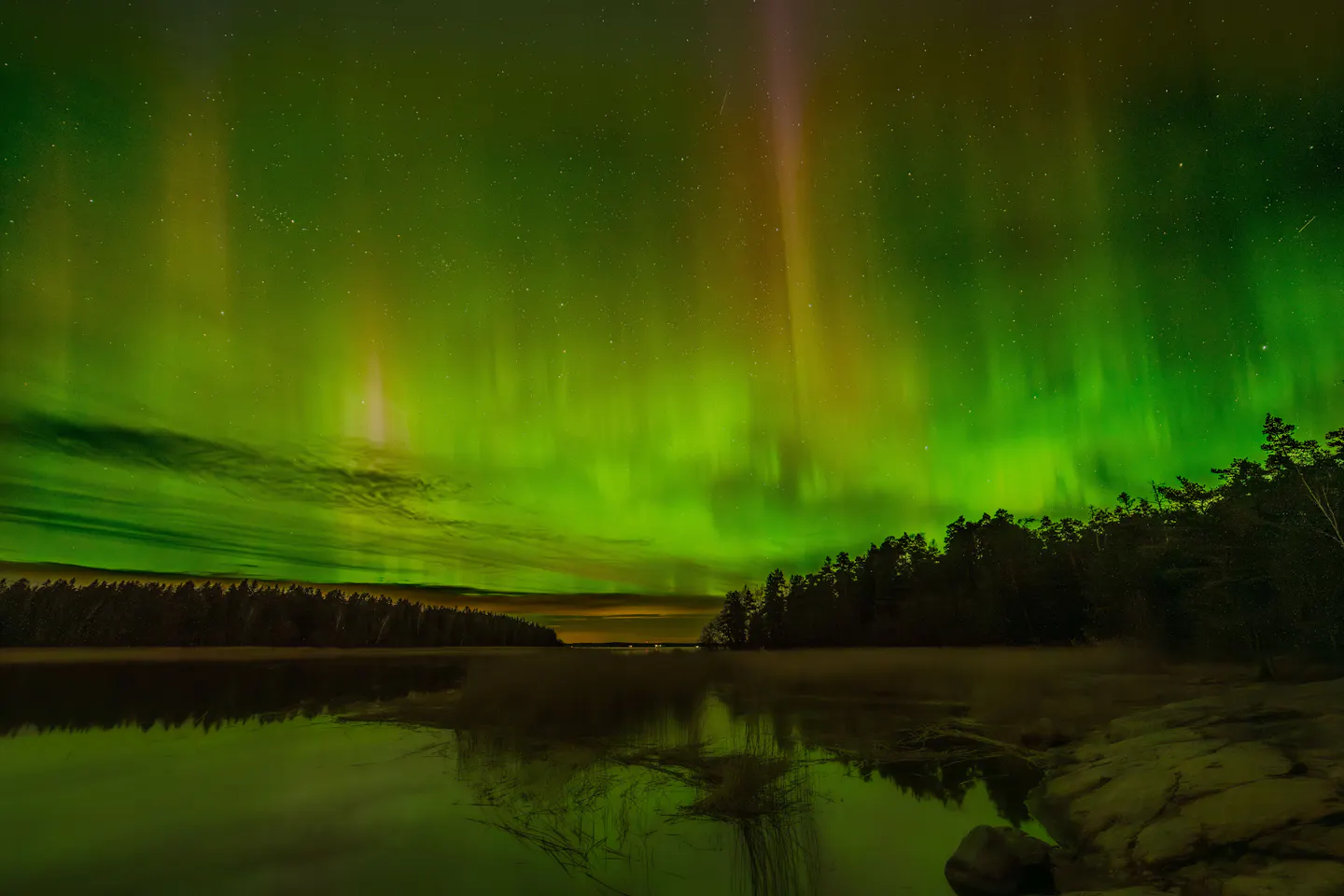
There is no single best destination for every traveler.
- Choose Tromsø if you want the easiest first trip with good restaurants, hotels, tours, and plenty to do during the day.
- Choose Abisko if aurora visibility is the main goal and you are happy with a quieter mountain base.
- Choose Finnish Lapland if you want the cozy winter fantasy: cabins, saunas, huskies, snow, and Northern Lights.
- Choose Iceland if you want a road trip where waterfalls, glaciers, geothermal areas, and hot springs matter just as much as the aurora.
- Choose Fairbanks if you are traveling from the United States and want a serious aurora destination without crossing the Atlantic.
- Choose Yellowknife if clear skies and dedicated aurora viewing are your top priorities.
- Choose Greenland if you want the most remote and visually dramatic trip on the list.
How Many Nights Should You Stay to See the Northern Lights?
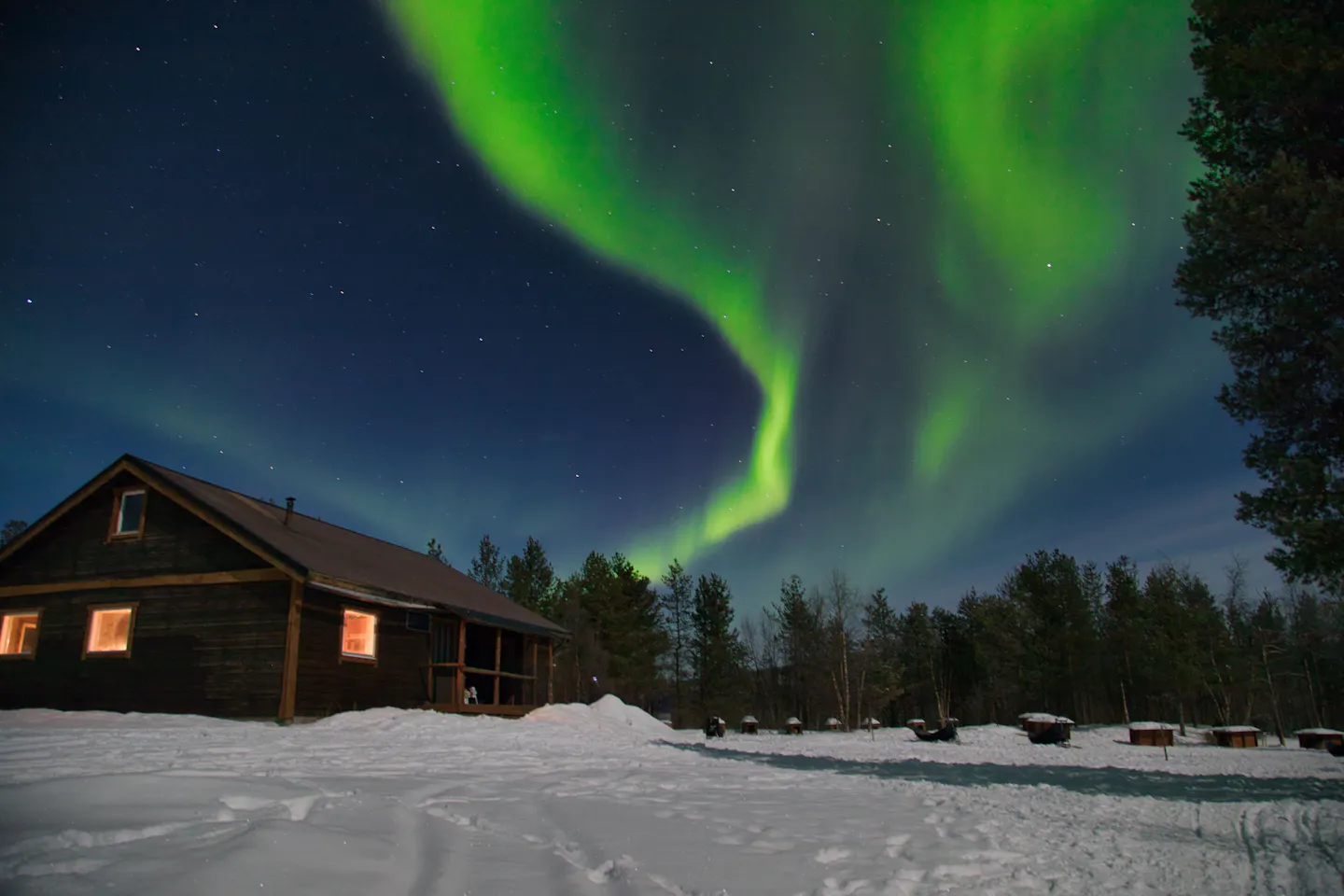
Plan at least three nights, and ideally four or five, in a good aurora region.
A one-night stop is risky because a single cloudy evening can ruin your chance completely. Staying several nights gives you more opportunities to work around weather changes.
If seeing the Northern Lights is one of your main travel goals, it is usually better to spend four nights in one strong location than rush between several Arctic towns.
How to Increase Your Chances of Seeing the Northern Lights
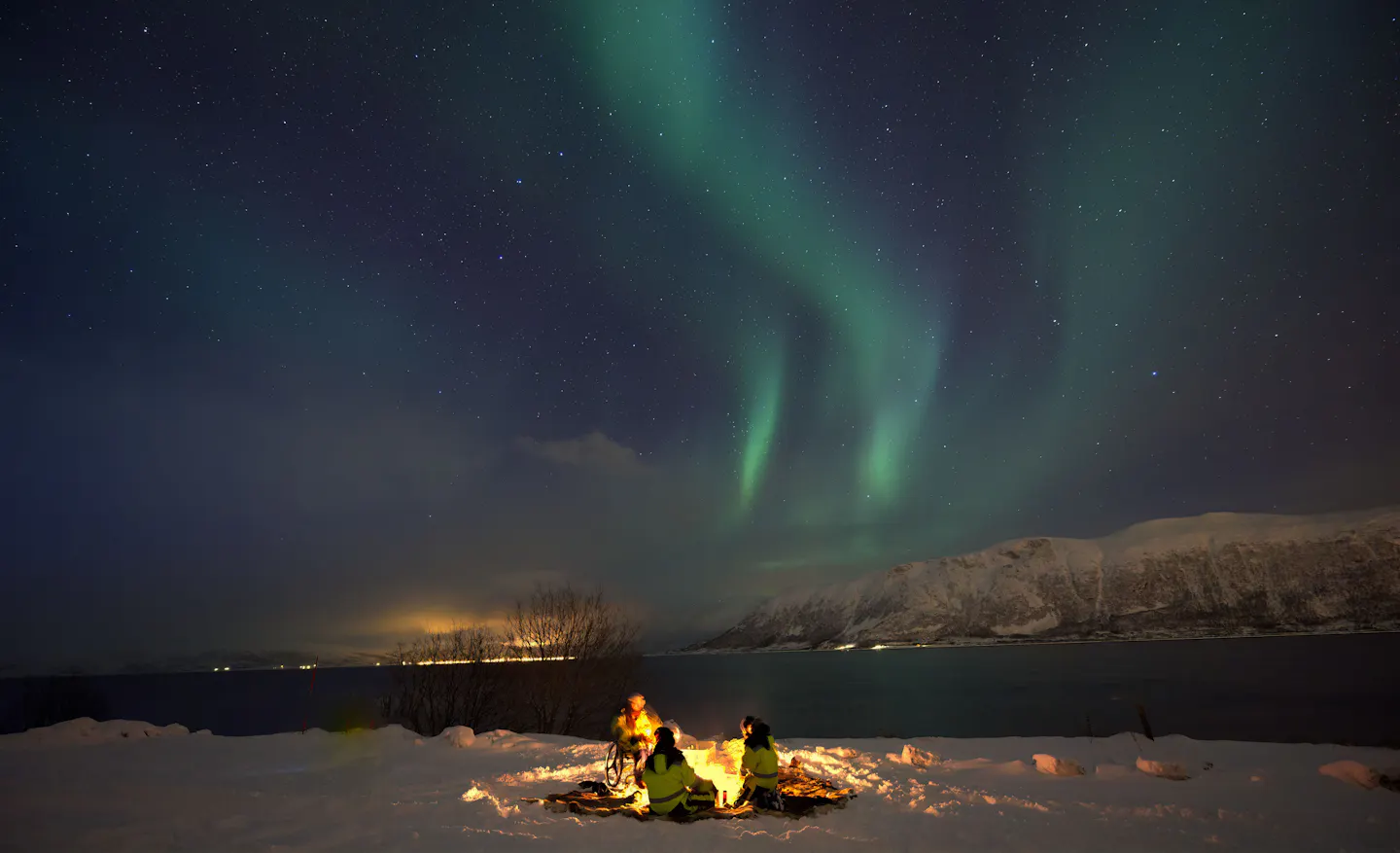
Stay several nights
Weather changes quickly. Four nights give you four chances instead of one.
Prioritize clear skies
Aurora forecasts matter, but clouds can block even a strong display. Check normal weather and cloud cover alongside space-weather forecasts.
Get away from bright city lights
A strong aurora can be visible from town, but darker skies make faint displays easier to see and improve photography.
Be patient
Aurora activity can change fast. A quiet sky at 9 p.m. can become completely different later in the evening.
Dress warmer than you think
Watching the Northern Lights often means standing still outside for a long time. That feels much colder than walking or skiing.
Do not plan every evening too tightly
If the sky clears unexpectedly, you want to be able to change plans and go outside.
FAQ: Seeing the Northern Lights
Can you see the Northern Lights with the naked eye?
Yes, absolutely. A strong aurora can look bright, textured, and obviously green to the naked eye, and sometimes you can also see hints of pink, purple, or red.
However, cameras are more sensitive to color than human eyes. A weak aurora may look pale gray or milky at first and appear much greener in a phone photo.
That does not mean the real experience is disappointing. When the aurora becomes active and starts moving, curtains and arcs can shift across the sky in a way that photographs cannot fully reproduce.
What is the best month to see the Northern Lights?
There is no universal best month because weather varies by destination, but September, October, February, and March are excellent months to consider.
September and early October can bring milder temperatures, open water, and autumn scenery. February and March give you snow, longer daytime hours for activities, and continued dark nights.
December and January can also be fantastic, but they come with deeper cold, very short days, and higher holiday-season demand in places such as Finnish Lapland.
Are the Northern Lights guaranteed on a tour?
No. No legitimate operator can guarantee a natural phenomenon.
A good tour improves your odds by using local weather knowledge, aurora forecasts, transport, and experience. Some operators may offer a free second attempt if you do not see the lights, but policies vary.
If the Northern Lights are the main reason for your trip, build in enough nights rather than depending on one booked excursion.
Plan Your Northern Lights Trip With EasyMiles
A Northern Lights trip is harder to plan than a normal city break because your itinerary needs to stay flexible.
You may have a dog-sled tour booked in the morning, a museum or sauna in the afternoon, dinner at a specific time, and then suddenly discover that the clearest aurora window is two hours away in another direction. Weather can change, winter travel takes longer, and many Arctic attractions have limited opening hours.
EasyMiles can help you build the whole trip around your destination, dates, interests, preferred pace, restaurants, activities, opening hours, weather, and realistic travel time between places.
Instead of planning the Northern Lights separately from everything else, you can create a trip where daytime activities, meals, local recommendations, and aurora nights fit together naturally. You can also book sights and experiences through the app and adjust the plan when conditions change.
That means less time juggling maps, opening hours, restaurant tabs, weather forecasts, and tour bookings, and more time actually enjoying the Arctic trip you came for.