
The best Christmas markets in Europe in 2026 are Vienna, Strasbourg, Nuremberg, Prague, Budapest, Dresden, Cologne, Tallinn, Salzburg, Colmar, Brussels, Basel, Innsbruck, and Ljubljana.
If you want one easy first Christmas-market trip, choose Vienna. For the most traditional German market experience, go to Nuremberg or Dresden. Strasbourg and Colmar are the strongest picks for storybook Alsace, Tallinn is brilliant for a snowy medieval atmosphere, Salzburg and Innsbruck add mountain scenery, and Prague, Brussels, Tallinn, and Ljubljana are especially useful if you want festive markets that continue beyond Christmas Day.
- Vienna, Austria — best overall for first-time Christmas market travelers.
- Strasbourg, France — best for classic Christmas atmosphere and Alsatian food.
- Nuremberg, Germany — best for tradition, gingerbread, and a historic market.
- Prague, Czechia — best for a beautiful old-town setting and a market that runs into January.
- Budapest, Hungary — best for food, lights, and an energetic city break.
- Dresden, Germany — best for one of Europe’s oldest market traditions and Christmas crafts.
- Cologne, Germany — best for combining several different markets in one city.
- Tallinn, Estonia — best for a medieval winter atmosphere and a good chance of real cold-weather mood.
- Salzburg, Austria — best for romance, music, and an Alpine Christmas trip.
- Colmar, France — best for a small-town fairytale look.
- Brussels, Belgium — best for a big festive event with food, rides, and entertainment.
- Basel, Switzerland — best for Swiss food, crafts, and a polished old-town setting.
- Innsbruck, Austria — best for Christmas markets with mountain views.
- Ljubljana, Slovenia — best for a relaxed, social Christmas city break that continues after New Year.
This guide covers what makes each one worth the trip, the official 2026 dates where they have been published, what to eat, and how to choose the right city for your travel style.
Vienna, Austria: Best Overall Christmas Market City
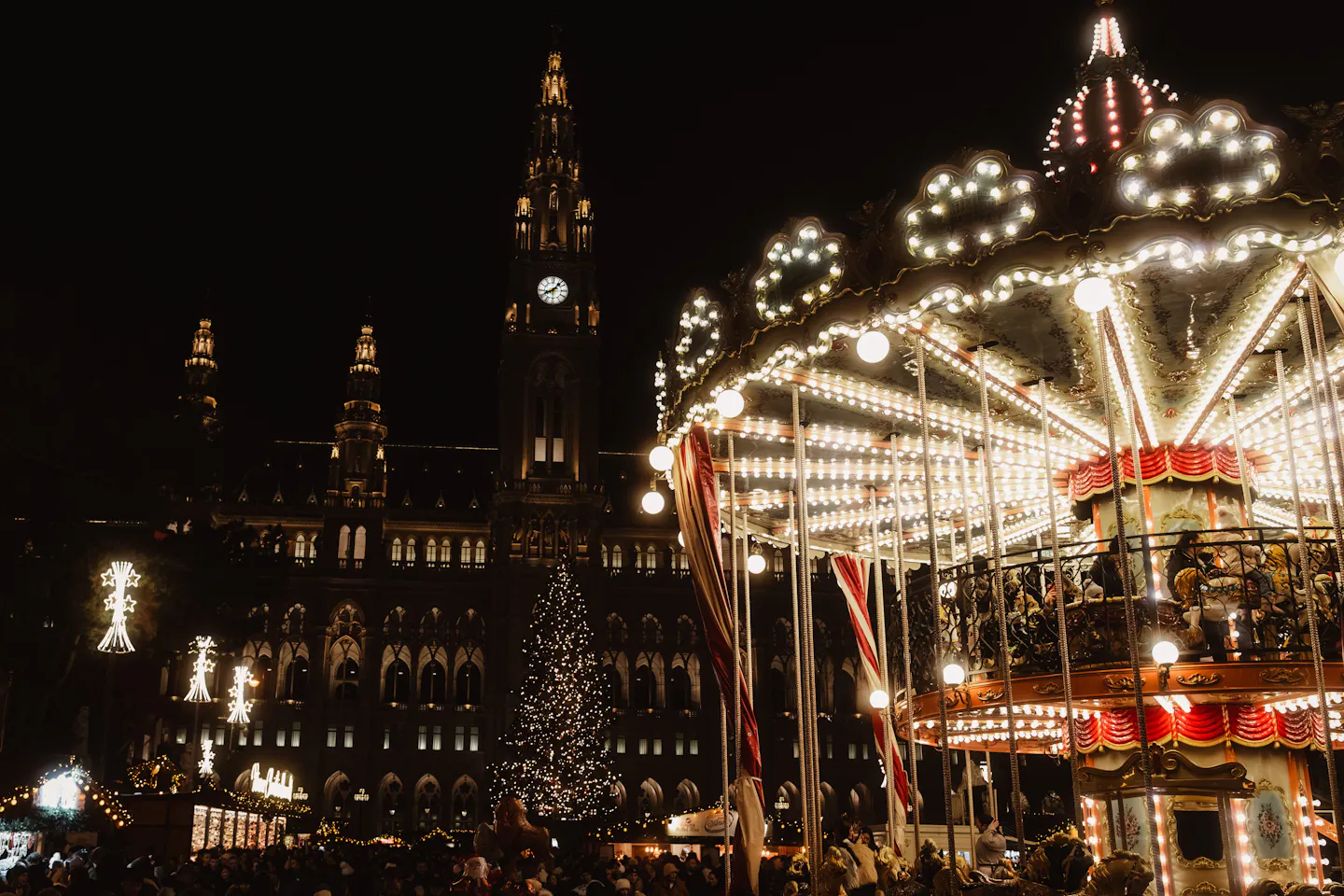
2026 dates: Nov 13, 2026 to Dec 26, 2026 for the main Christmas Market at Rathausplatz.
Vienna is the easiest recommendation if you want a proper European Christmas-market trip and do not want to choose just one market. The city has several strong markets within a relatively small central area, so every neighborhood feels slightly different.
Start at Rathausplatz for the big, classic version: lights, stalls, festive food, decorations, and the impressive City Hall backdrop. Then go to Spittelberg for narrow streets and a more local feel, Karlsplatz for arts and crafts, and Schönbrunn Palace if you want the most elegant setting.
Vienna works particularly well for a three-day winter city break because the market is only part of the trip. You can add coffee houses, museums, concerts, palaces, and long dinners without needing a complicated route.
What to try: punch or mulled wine, roasted chestnuts, sausages, Kaiserschmarrn, and Austrian pastries.
Strasbourg, France: Best for Classic Christmas Atmosphere

2026 dates: Nov 26, 2026 to Dec 24, 2026.
Strasbourg calls itself the Capital of Christmas, and the city really commits to the theme. The historic center fills with markets, lights, decorated facades, giant ornaments, and one of the most recognizable Christmas trees in Europe on Place Kléber.
The best part is that the market is not limited to one square. You can move between Place de la Cathédrale, Place Broglie, Place Kléber, and smaller streets and squares while still feeling like you are inside one continuous Christmas district.
This is one of the best Christmas markets in Europe if atmosphere matters more to you than rides or entertainment. Strasbourg feels especially good after dark, when the half-timbered buildings and cathedral are lit up.
What to try: vin chaud, bredele Christmas cookies, tarte flambée, pretzels, and Alsatian sausages.
Nuremberg, Germany: Best Traditional German Christmas Market
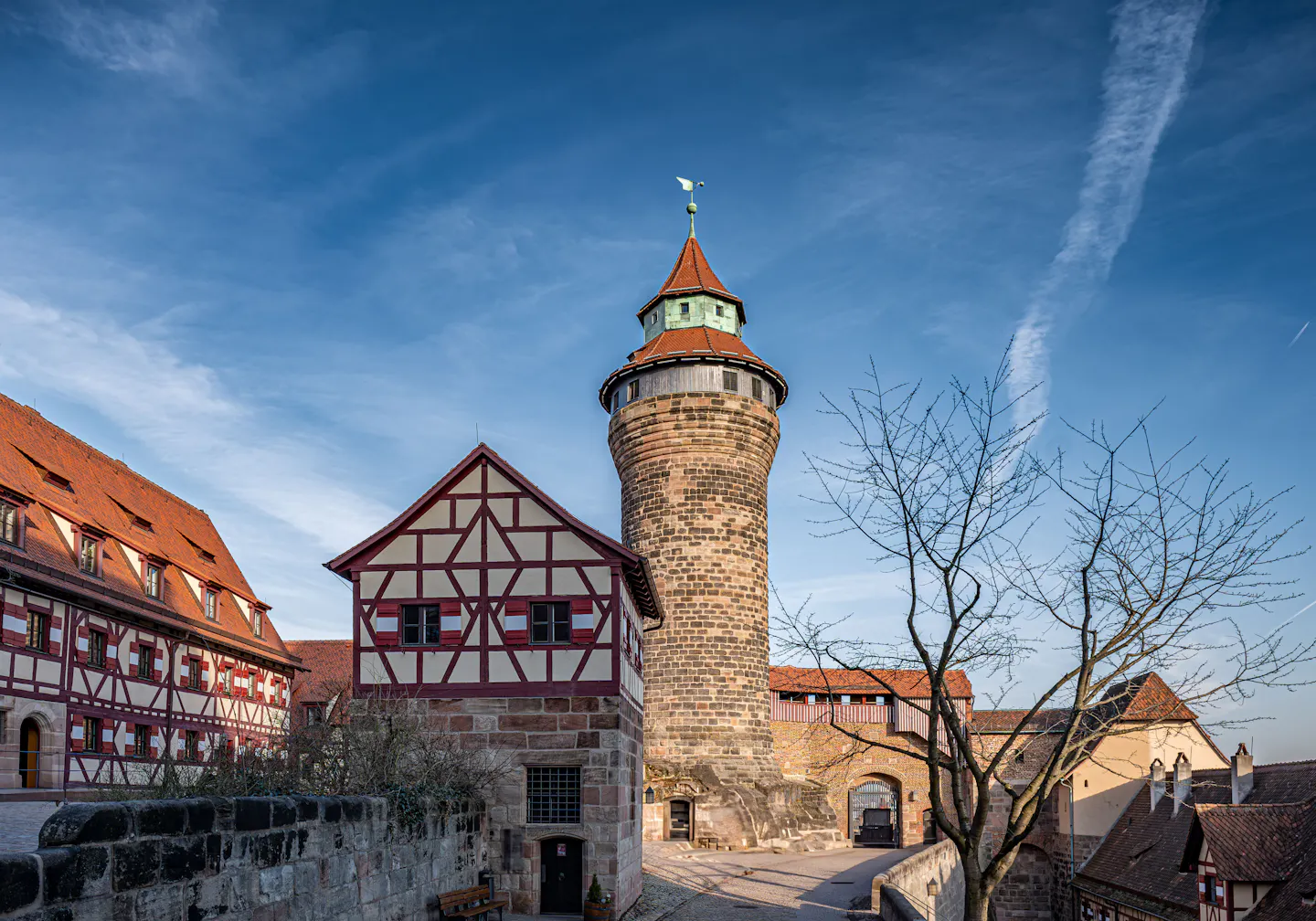
2026 dates: Nov 27, 2026 to Dec 24, 2026.
Nuremberg Christkindlesmarkt is one of the most famous Christmas markets in the world, but the reason to go is not just the name. It still feels strongly connected to local Christmas traditions.
Around 180 wooden stalls fill the Hauptmarkt with red-and-white roofs. You will find handmade decorations, wooden figures, famous Nuremberg gingerbread, grilled sausages, mulled wine, and the traditional opening ceremony led by Christkind.
This is a good choice if you want the classic German Christmas market idea rather than a giant winter festival. Nuremberg is less about flashy attractions and more about food, craftsmanship, tradition, and the Old Town around the market.
What to try: Nürnberger Rostbratwürste, Lebkuchen, Glühwein, and roasted almonds.
Prague, Czechia: Best Christmas Market for a Beautiful Old Town
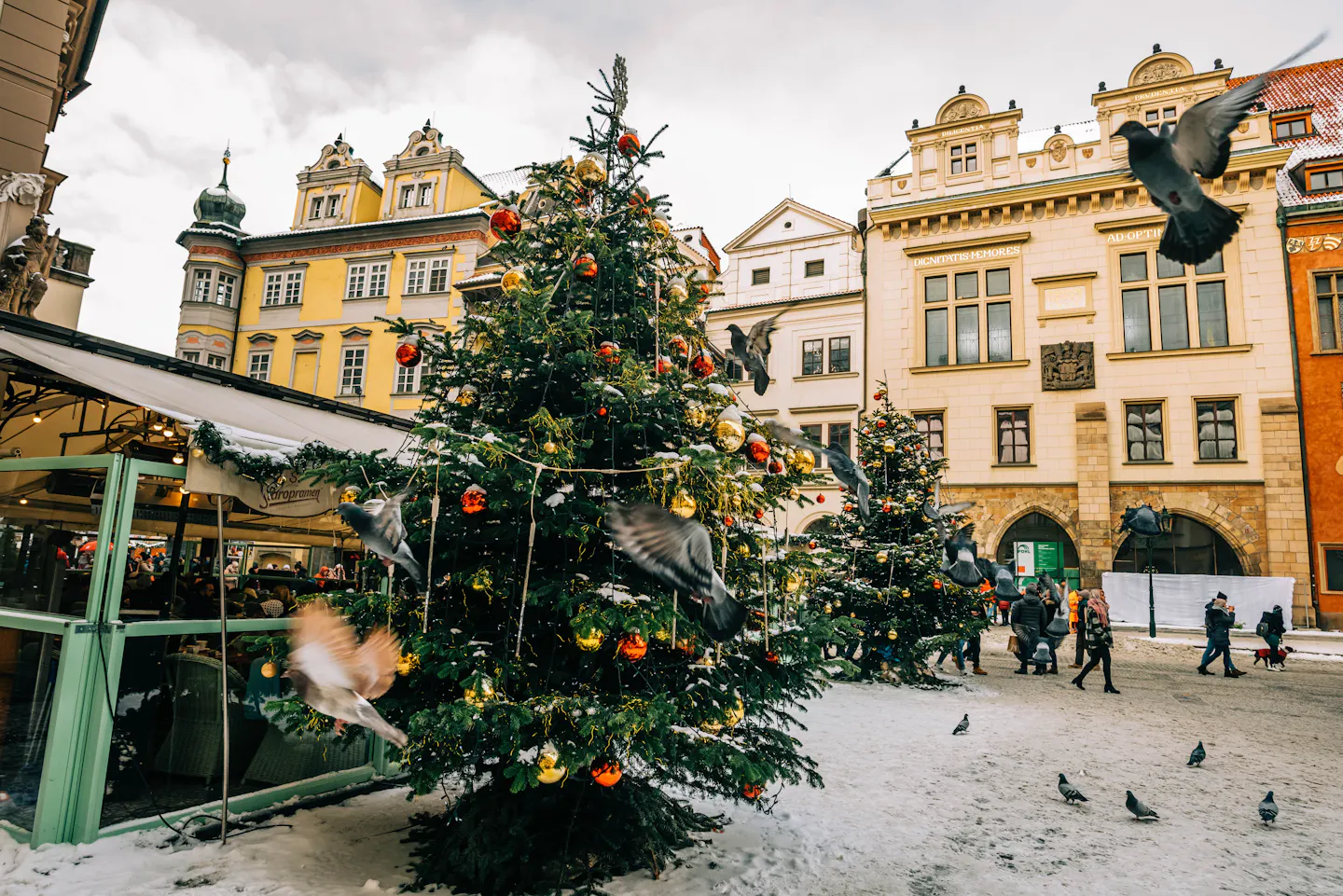
2026 dates: Nov 28, 2026 to Jan 6, 2027 for the Old Town Square and Wenceslas Square markets.
Prague is already one of Europe’s most atmospheric cities, and Christmas makes the Old Town even better. The main market on Old Town Square sits between Gothic towers, Baroque facades, and the Astronomical Clock area, with a large Christmas tree in the middle.
Wenceslas Square is only a short walk away, so you can combine both markets easily. There are also smaller festive markets around the city if you want something quieter.
One big advantage of Prague is timing. The main Christmas markets continue into early January, so it works well for travelers arriving after Christmas or combining Christmas and New Year in one trip.
What to try: svařák, grilled sausages, ham, Czech pastries, and hot chocolate. Trdelník is everywhere in the tourist center, but do not make it your only food stop.
Budapest, Hungary: Best for Food, Lights, and a Lively City Break
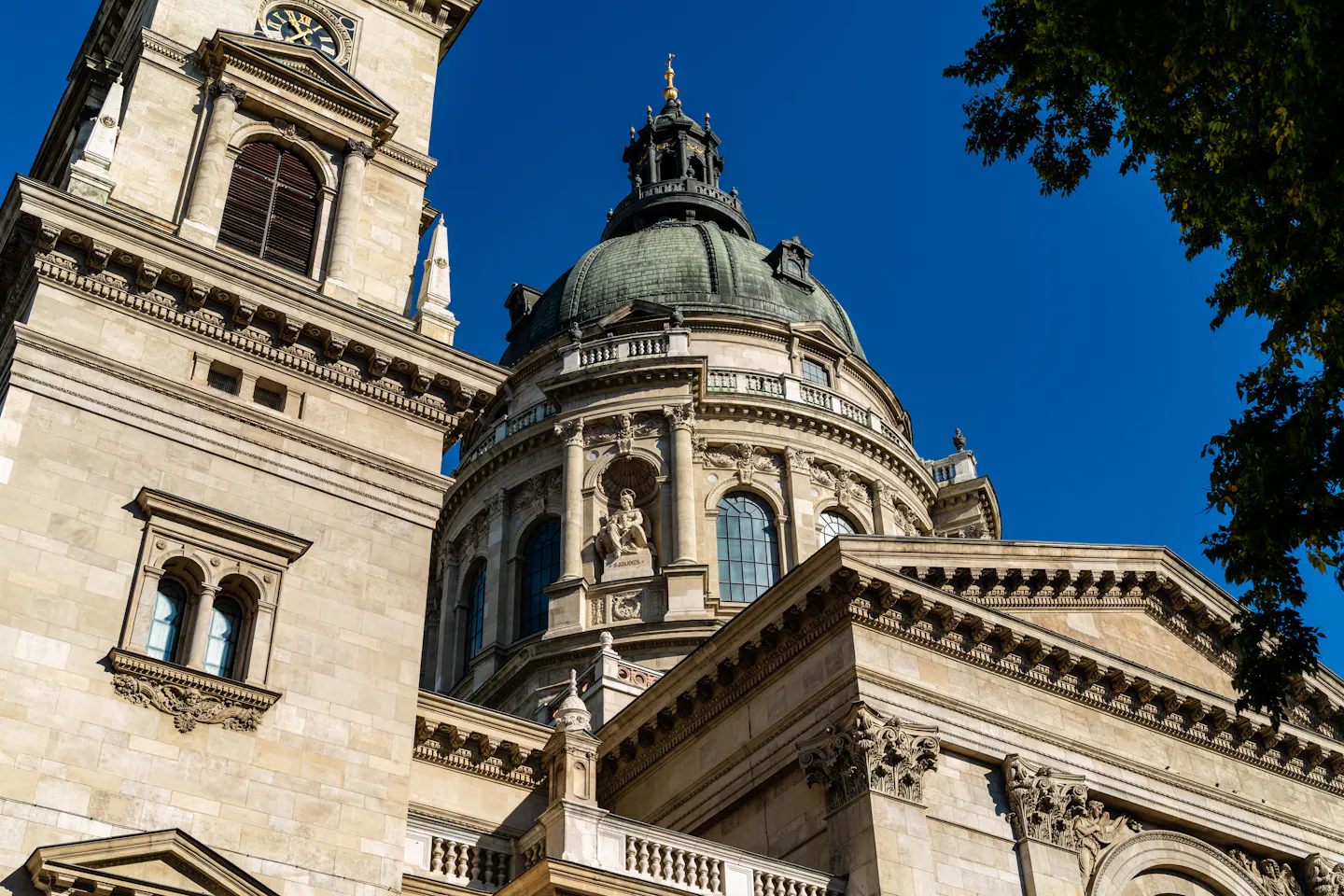
2026 dates: the official Advent Basilica website had not yet published its 2026–27 dates at the time of writing in late August 2026.
Budapest deserves a place on this list even while the new season dates are still pending. The Advent Basilica market in front of St. Stephen’s Basilica is one of the city’s biggest festive draws, with craft stalls, Hungarian food, a large Christmas tree, and light projections on the basilica facade.
You can also combine it with the market around Vörösmarty Square, then warm up in a thermal bath or spend the evening in one of Budapest’s restaurants and bars.
Budapest feels more energetic than some of the smaller traditional Christmas-market towns. That makes it a strong choice if you want the markets to be one part of a full city break rather than the entire reason for traveling.
What to try: chimney cake, goulash, lángos, sausages, hot wine, and Hungarian sweets.
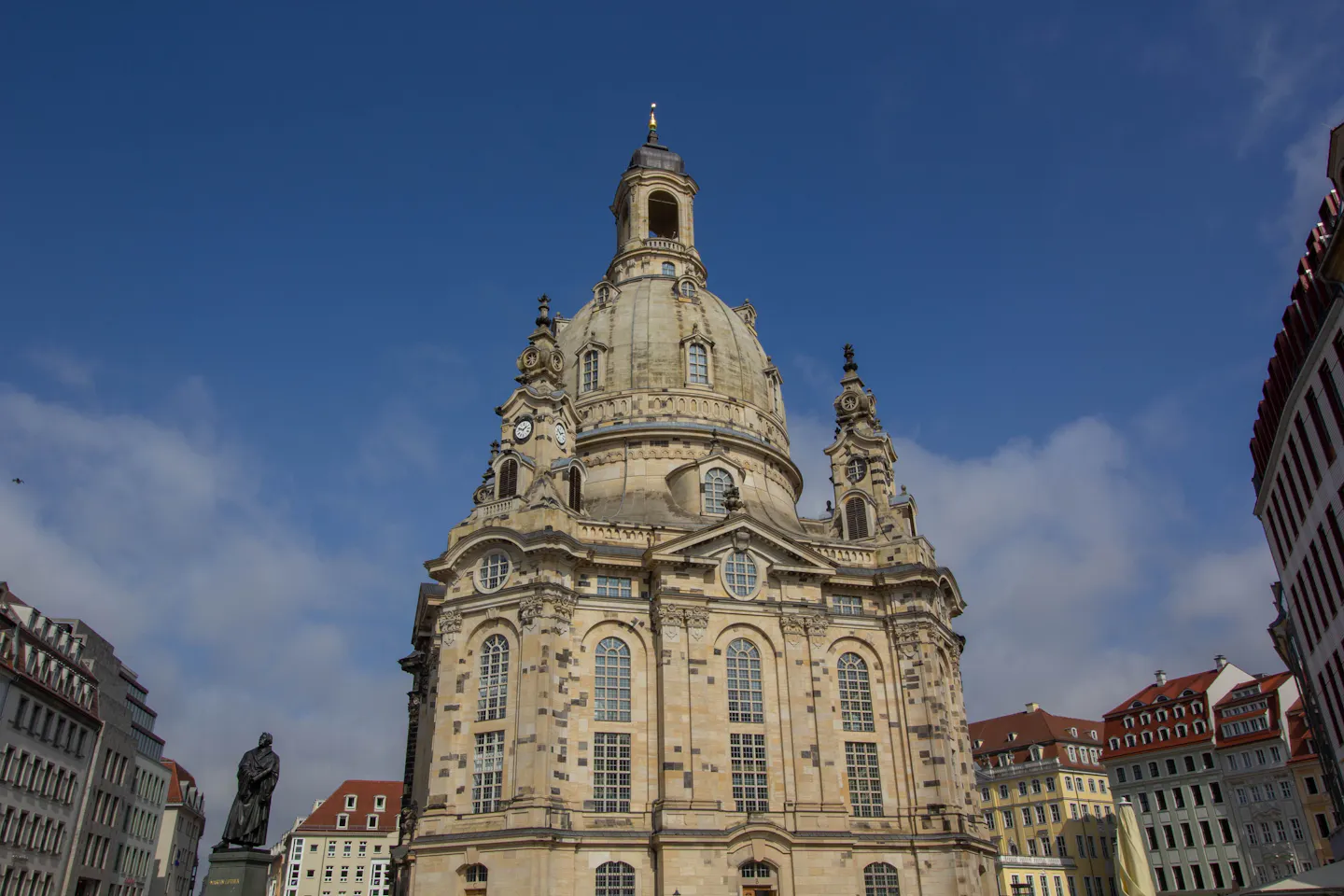
Dresden, Germany: Best for Historic Christmas Traditions
2026 dates: Nov 25, 2026 to Dec 24, 2026.
Dresden’s Striezelmarkt dates back to the 15th century and is widely presented as Germany’s oldest Christmas market. In 2026, the city is holding the 592nd edition on Altmarkt.
The market is strongly tied to Saxon Christmas traditions. Expect regional crafts from the Ore Mountains, wooden decorations, nutcrackers, pyramid displays, and Dresden Christstollen. More than 200 traders are expected around the market area.
Dresden is a particularly good choice if you care about the history behind Christmas markets and want to buy decorations or gifts that feel connected to the region.
What to try: Dresdner Christstollen, Pulsnitzer gingerbread, Glühwein, sausages, and roasted nuts.
Cologne, Germany: Best for Visiting Several Markets in One Trip
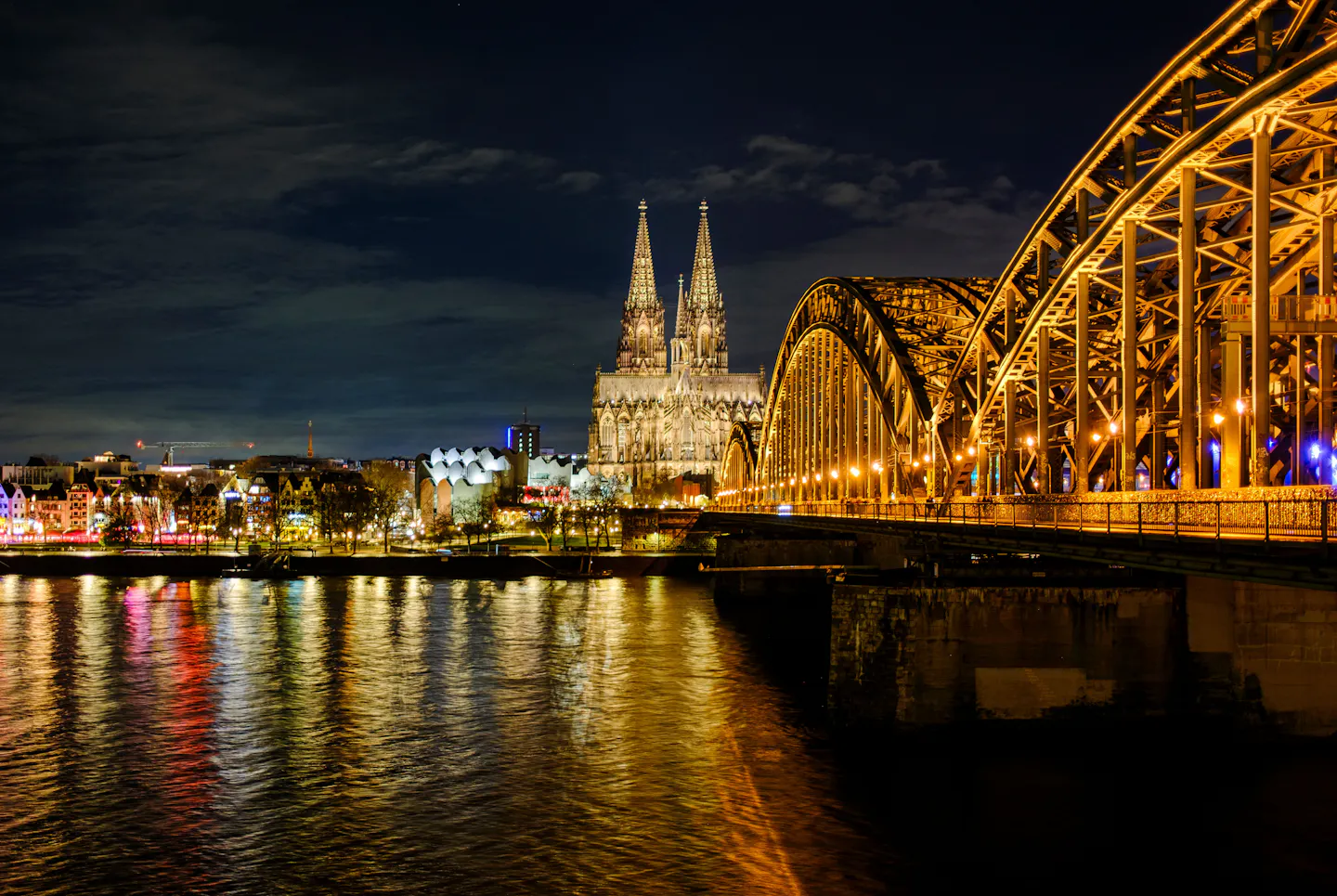
2026 dates: Nov 16, 2026 to Dec 23, 2026 for the Christmas Market at Cologne Cathedral. The organizer currently lists these dates as provisional.
Cologne is a smart choice if you get bored after one market. The city usually runs several Christmas markets with different themes, and you can move between them on foot or by public transport.
The most famous is the market beside Cologne Cathedral, where the Gothic cathedral creates one of the most dramatic backdrops on this list. But the city also has markets with a more local, romantic, or playful feel, so it is worth planning a route instead of spending the whole evening in one place.
Cologne is also easy to combine with other German cities by train, which makes it useful for a longer Christmas-market route.
What to try: Reibekuchen potato pancakes, bratwurst, roasted almonds, gingerbread, and Glühwein.
Tallinn, Estonia: Best Medieval Winter Atmosphere
2026 dates: Nov 20, 2026 to Jan 6, 2027.
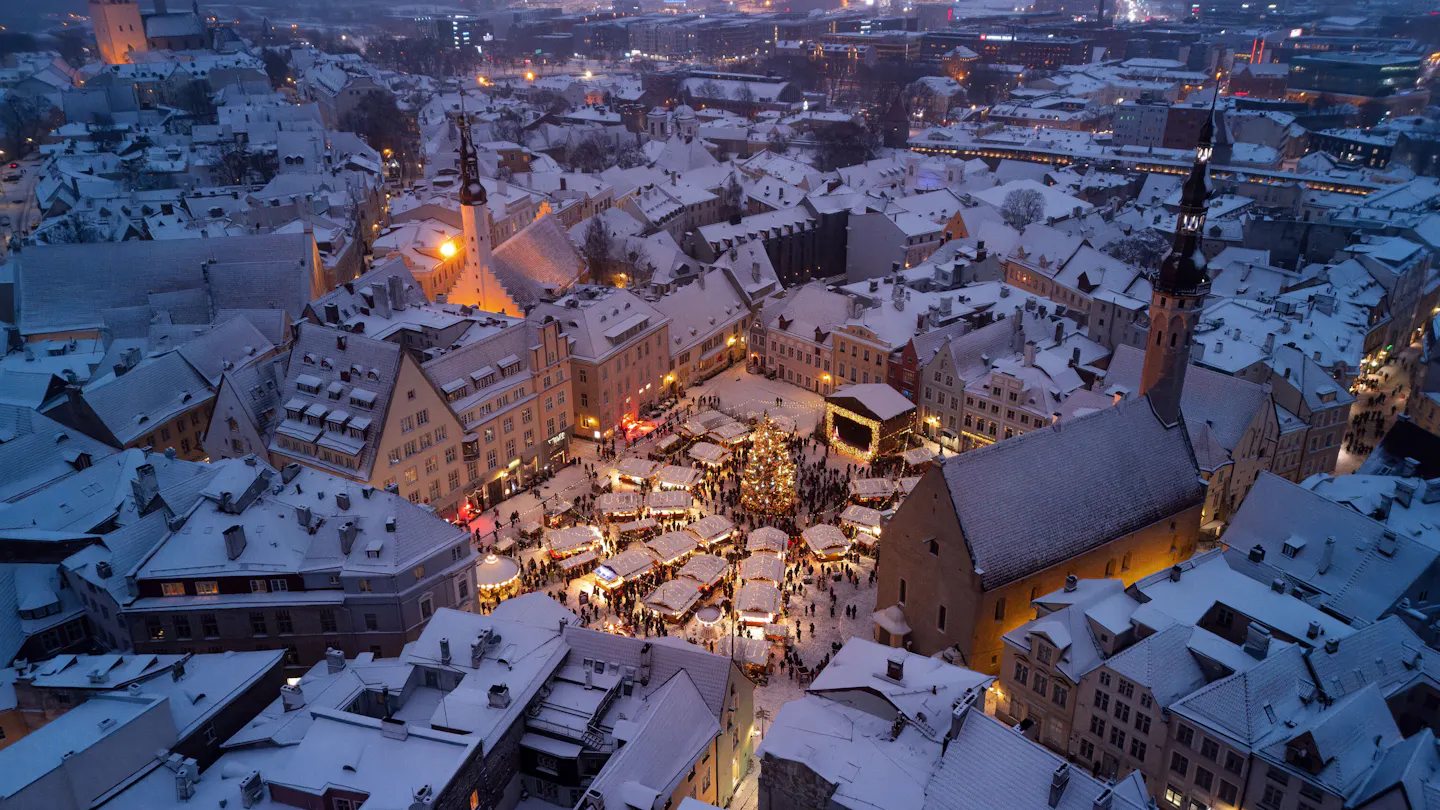
Tallinn has one of the most convincing Christmas settings in Europe because the market sits directly in its medieval Town Hall Square. Small wooden stalls surround the Christmas tree, with old facades, church towers, and cobbled streets in every direction.
Visit Tallinn traces the city’s public Christmas-tree tradition on Town Hall Square back to 1441. Today, the market mixes that historic setting with local crafts, Estonian Christmas food, hot drinks, children’s attractions, and a festive program.
Tallinn is also one of the better picks if you want a market that stays open after Christmas and into the first week of January.
What to try: black pudding, sauerkraut, gingerbread, sausages, and hot spiced drinks.
Salzburg, Austria: Best Romantic Christmas Market

2026 dates: Nov 19, 2026 to Jan 1, 2027 for the main Christkindlmarkt on Domplatz and Residenzplatz.
Salzburg is hard to beat for a romantic Christmas trip. The main market sits between the cathedral and historic squares in the Old Town, with church bells, choirs, Alpine architecture, and the fortress above the city.
The market itself is traditional rather than huge, which is part of the appeal. You can wander for a while, stop for a hot drink, then continue through the Old Town without feeling like you have entered a separate festival zone.
If you have more time, add the Hellbrunn Advent market outside the center. It is especially good for families and travelers who want a more theatrical Christmas setting.
What to try: Bosna sausage, roasted chestnuts, punch, gingerbread, and Austrian pastries.
Colmar, France: Best Fairytale Christmas Market
2026 dates: Nov 23, 2026 to Dec 29, 2026 for several of Colmar’s main Christmas markets.
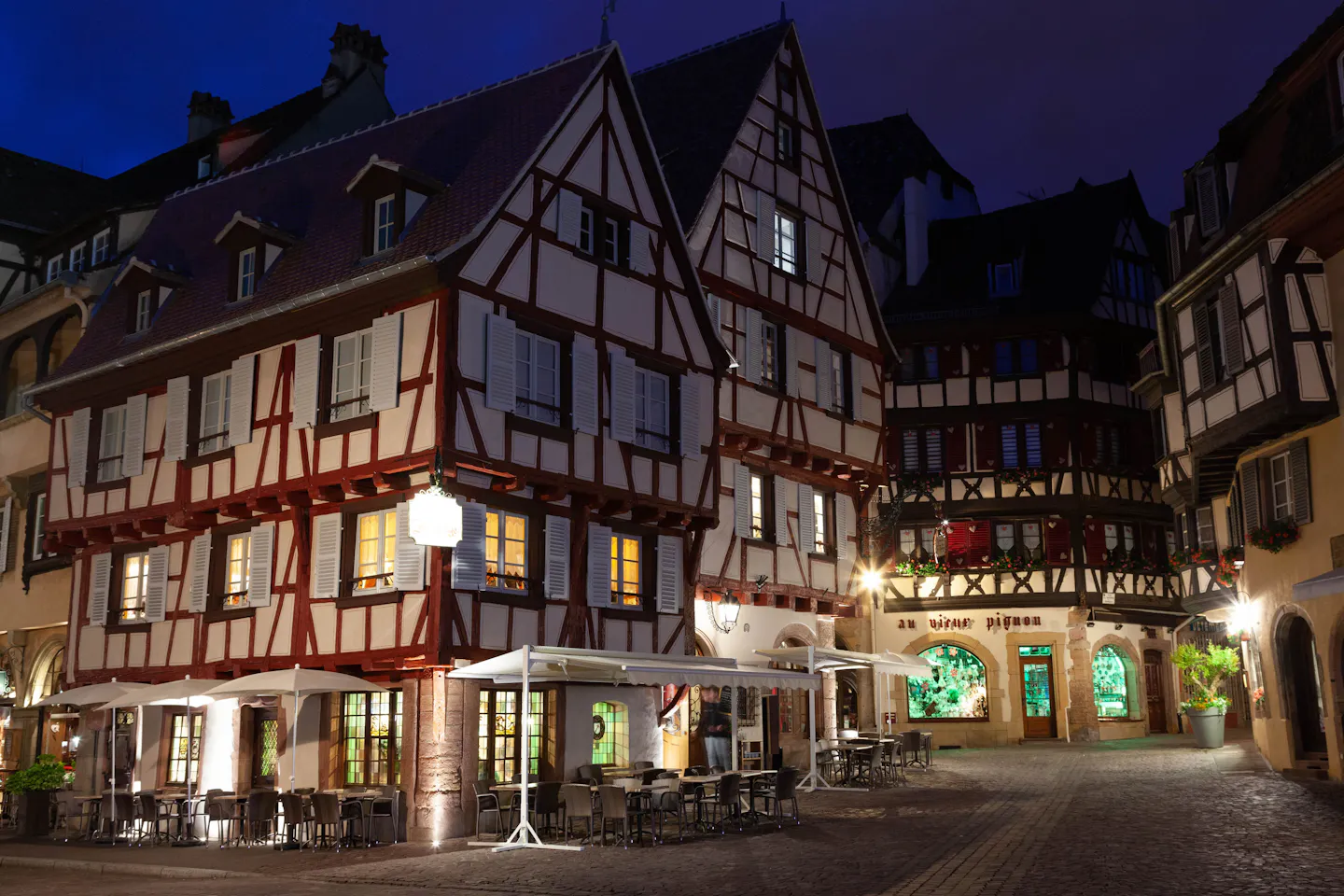
Colmar looks almost unreal in December. Half-timbered houses, canals, pastel facades, tiny streets, lights, garlands, and wooden stalls make the whole old center feel like a Christmas illustration.
Instead of one central market, Colmar spreads festive stalls across several squares and neighborhoods. Place des Dominicains, Place Jeanne d’Arc, the Koïfhus area, and Petite Venise each have a slightly different feel.
The downside is that Colmar can become extremely busy, especially on weekends. If you can, stay overnight and walk around early in the morning or later in the evening when day visitors have left.
What to try: Alsatian wine, bredele cookies, gingerbread, tarte flambée, local cheeses, and regional charcuterie.
Brussels, Belgium: Best Big Christmas Festival
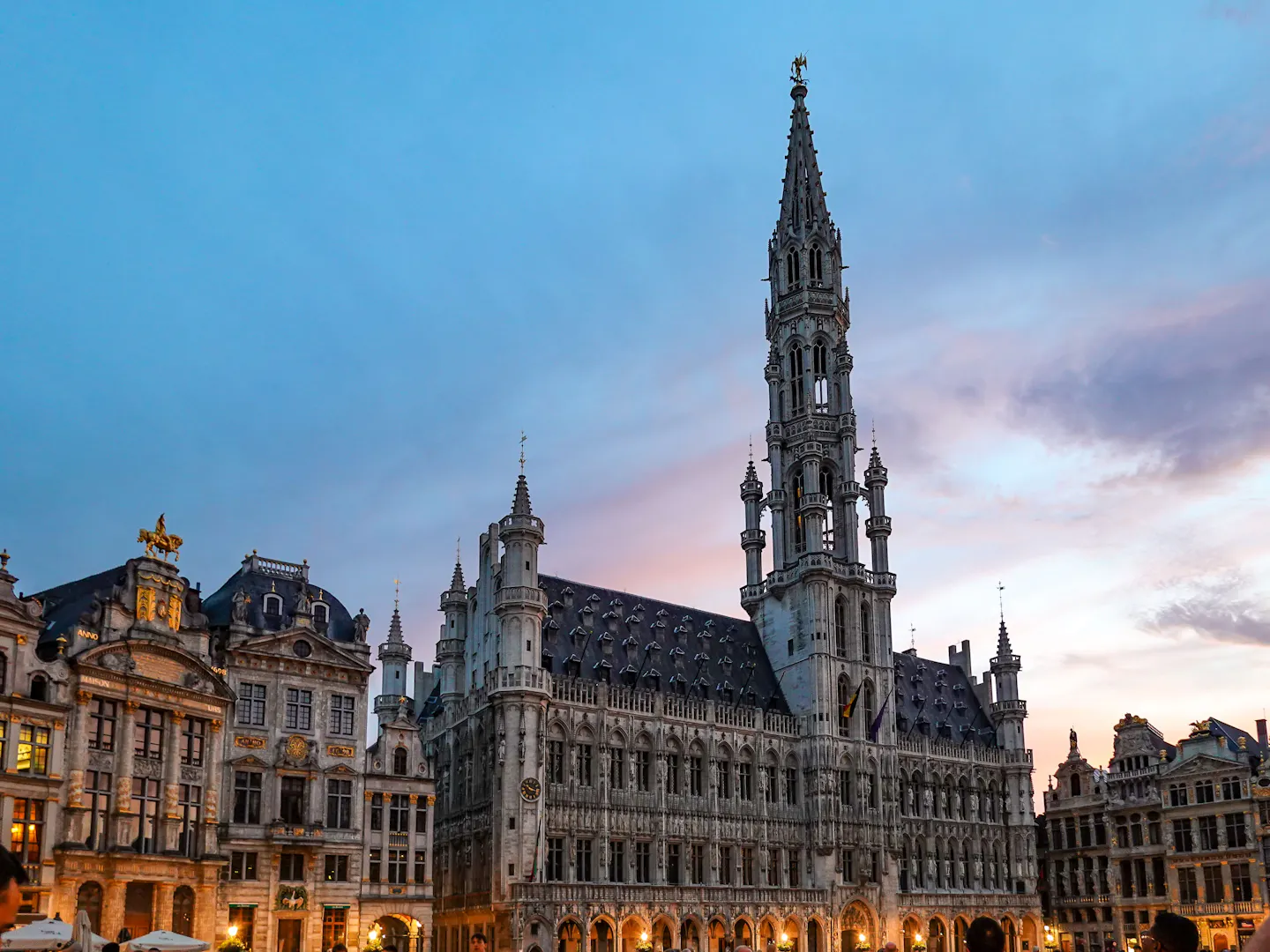
2026 dates: Nov 27, 2026 to Jan 3, 2027.
Brussels Winter Wonders is bigger than a traditional single-square Christmas market. The event spreads through central Brussels from Grand-Place toward Bourse, Sainte-Catherine, the fish market area, and Place de Brouckère.
The 2026 program includes more than 200 chalets, a Ferris wheel, an ice rink, rides, a Christmas tree on Grand-Place, and a sound-and-light show. That makes Brussels a good choice if you are traveling with people who want more than shopping and mulled wine.
Food is another reason to come. You can mix market snacks with Belgian fries, waffles, chocolate, beer, and the city’s restaurant scene.
What to try: waffles, fries, chocolate, raclette, hot drinks, and Belgian winter specialties.
Basel, Switzerland: Best Swiss Christmas Market
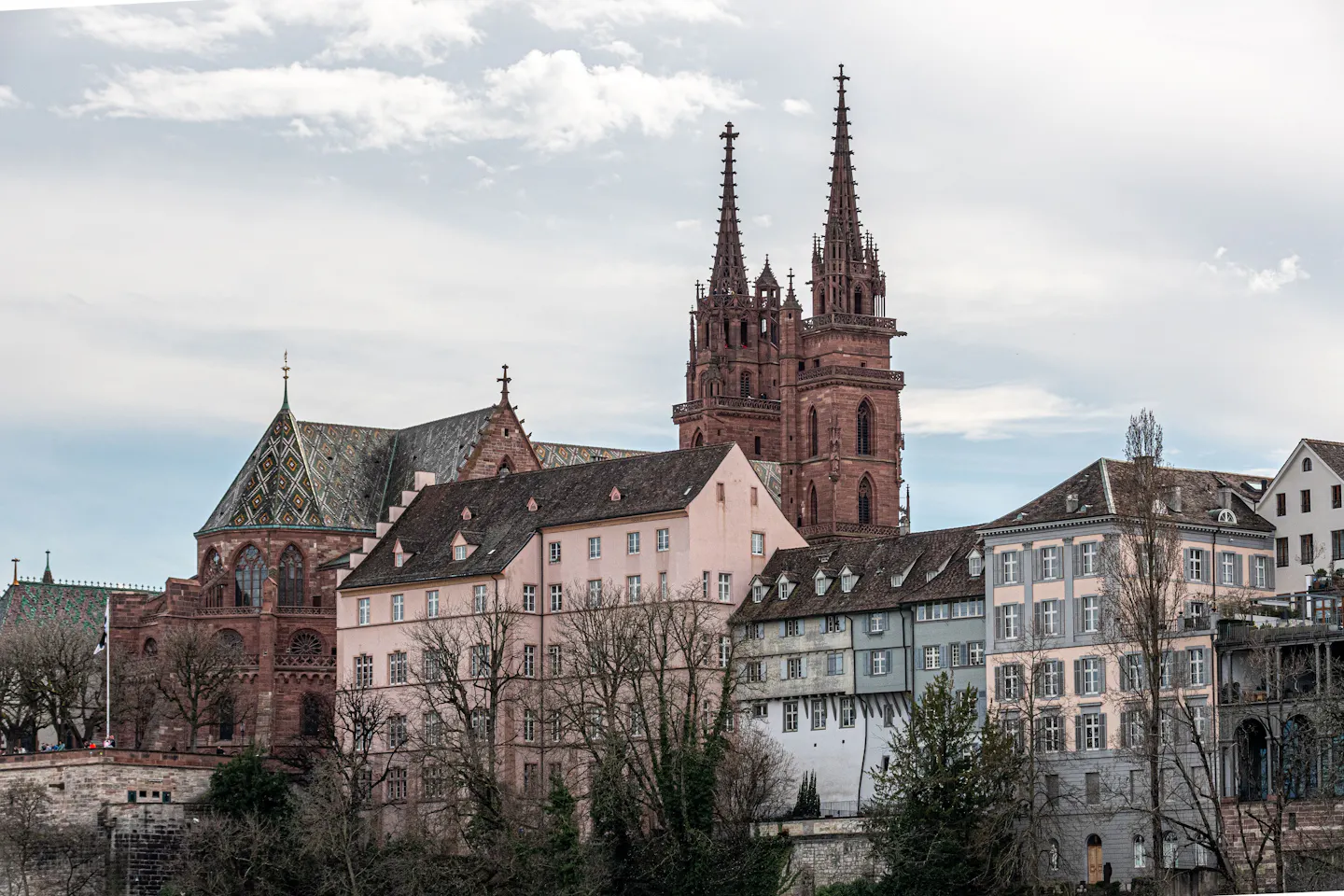
2026 dates: Nov 26, 2026 to Dec 23, 2026.
Basel runs its main Christmas market across Barfüsserplatz and Münsterplatz in the historic center. Around 150 rustic chalets sell food, gifts, decorations, and crafts, with the cathedral and decorated Old Town creating a polished Swiss Christmas atmosphere.
Basel is smaller and calmer than Vienna or Brussels, which can be a positive if you want a relaxed two-night trip. It is also easy to combine with Alsace if you are building a longer route through Basel, Colmar, and Strasbourg.
Prices are higher than in many Central and Eastern European destinations, so Basel makes most sense if you value atmosphere, convenience, and quality over a low-cost trip.
What to try: Swiss raclette, waffles, sausages, Basel Läckerli gingerbread, and mulled wine.
Innsbruck, Austria: Best Christmas Markets With Mountain Views

2026 dates: Nov 13, 2026 to Dec 23, 2026 for the Old Town market. Some Innsbruck Christmas markets continue until early January.
Innsbruck gives you something most city Christmas markets cannot: a dramatic wall of mountains behind the lights and stalls.
The Old Town market in front of the Golden Roof is the classic starting point, but Innsbruck runs seven Christmas markets across the city. You can visit the family market on Marktplatz, quieter St. Nikolaus, modern Maria-Theresien-Strasse, or take the funicular up toward Hungerburg for views over the city.
This is one of the best choices if you want to combine Christmas markets with a proper winter trip. Add a cable-car ride, mountain viewpoint, or a few days in a nearby ski area.
What to try: Kiachl fried dough, sausages, Tyrolean specialties, roasted nuts, and Glühwein.
Ljubljana, Slovenia: Best Relaxed Christmas City Break
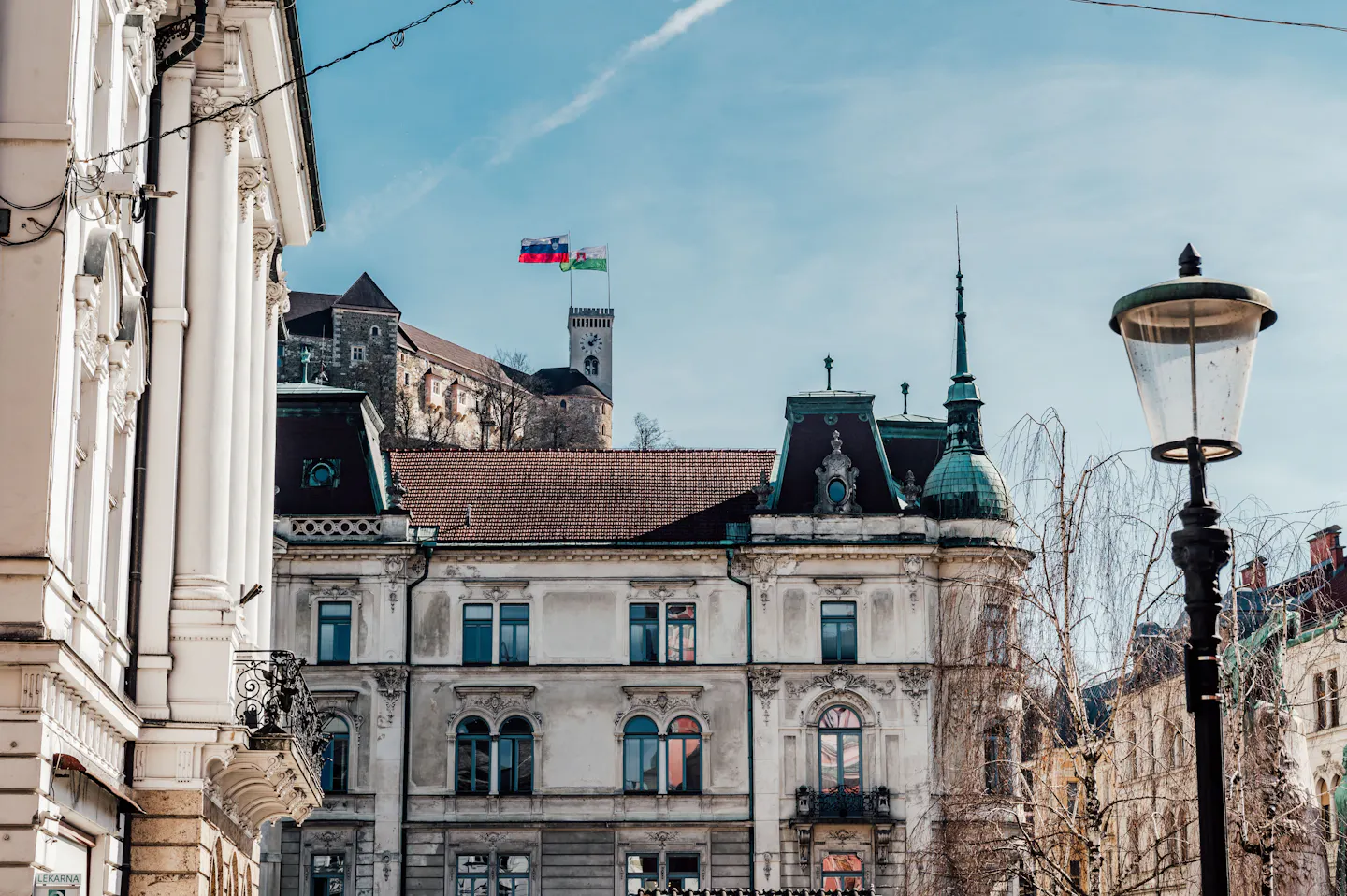
2026 dates: Nov 27, 2026 to Jan 15, 2027 for Ljubljana’s Festive December season.
Ljubljana is a very different Christmas-market trip from Vienna or Nuremberg. The city center is compact, social, and easy to walk, with festive stalls along the river, imaginative light installations, outdoor events, and free concerts around the historic center.
It is a good choice if you want Christmas atmosphere without building the whole trip around one famous market. You can spend the day in cafes and museums, walk along the Ljubljanica River, eat at the festive stalls, and stay out for the evening program.
The long season also makes Ljubljana useful for trips around New Year and early January.
What to try: local sausages, štruklji, pastries, hot wine, and Slovenian dishes from seasonal food stalls.
Which Christmas Market in Europe Should You Choose?
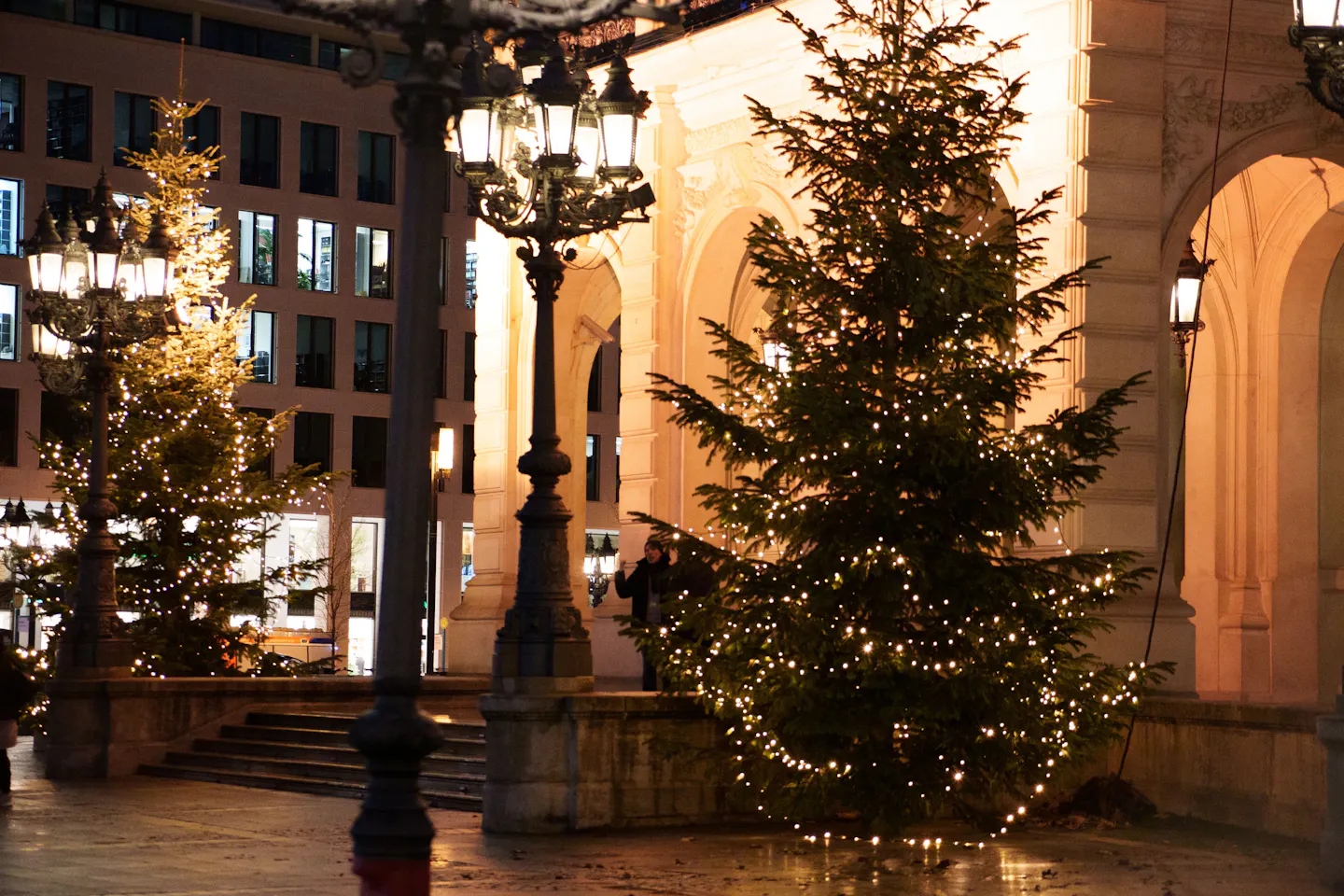
If this is your first Christmas-market trip, choose Vienna. It has the widest mix of markets, sightseeing, food, museums, and easy public transport.
For the most traditional German experience, choose Nuremberg or Dresden. Nuremberg is the more famous classic, while Dresden is especially strong for regional crafts and Christmas history.
For the most beautiful storybook setting, choose Strasbourg or Colmar. Strasbourg is larger and gives you more to do, while Colmar feels smaller and more romantic.
For mountains, choose Salzburg or Innsbruck. Salzburg is better for music and the Old Town atmosphere. Innsbruck is better if you want mountain viewpoints, skiing, or an active winter trip.
For a trip after Christmas Day, look at Prague, Tallinn, Brussels, Innsbruck, Salzburg, or Ljubljana. Their festive seasons extend beyond December 25, although individual stalls and programs can vary around public holidays.
For a lively city break, choose Budapest, Prague, Brussels, or Cologne. You will have plenty to do after the markets close.
When Is the Best Time to Visit European Christmas Markets in 2026?
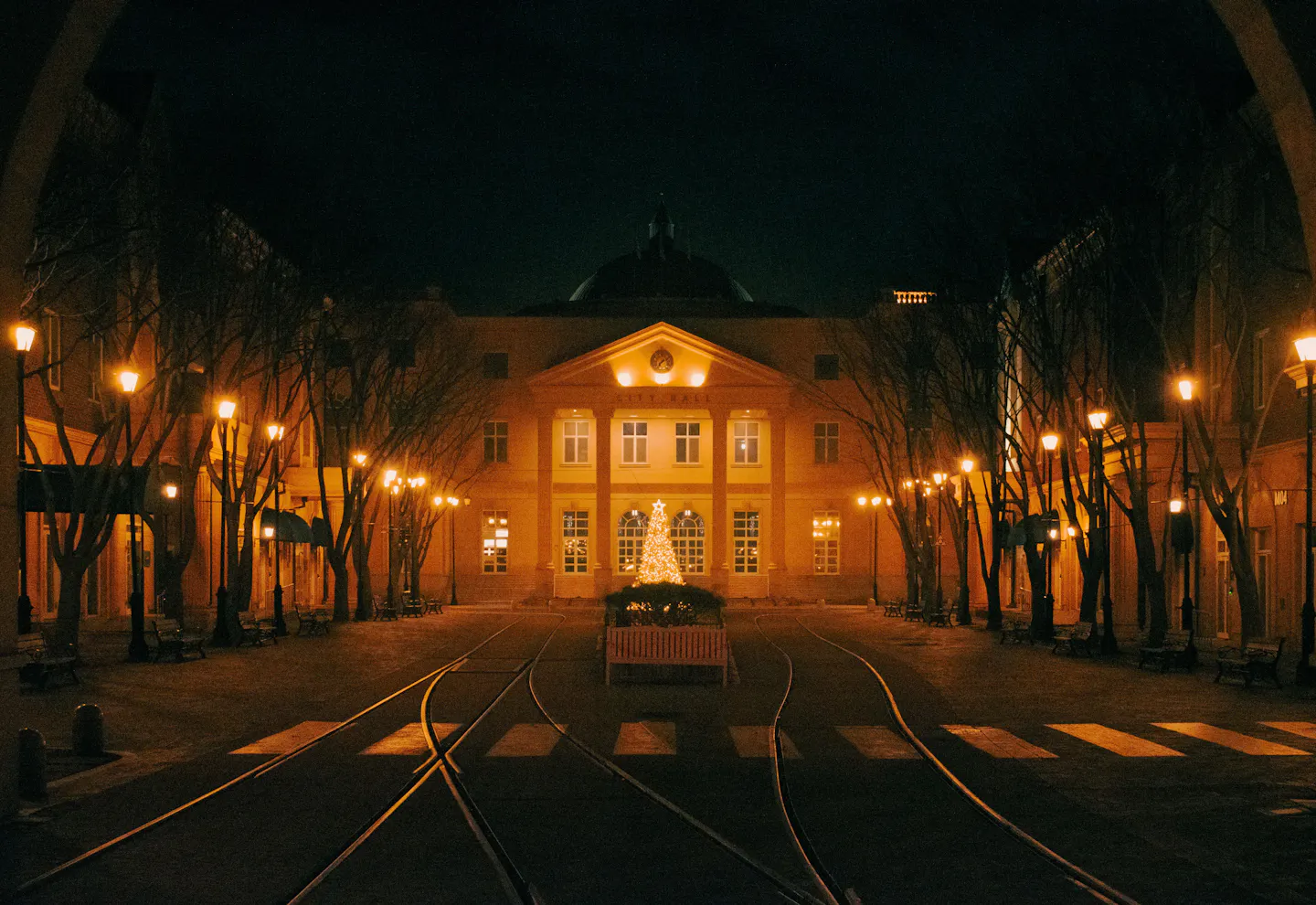
For most travelers, the sweet spot is a weekday in early or mid-December.
By then, almost every major Christmas market is open, the cities are fully decorated, and you avoid some of the opening-weekend rush. Monday to Thursday is usually calmer than Friday evening or Saturday.
Try to see the market twice: once in daylight, when it is easier to look at crafts and food stalls, and once after dark, when the lights create the atmosphere you actually came for.
If you are visiting Strasbourg, Colmar, Vienna, Nuremberg, or another famous market city, book accommodation early. December weekends can become expensive long before the market opens.
How Many Days Do You Need for a Christmas Market Trip?
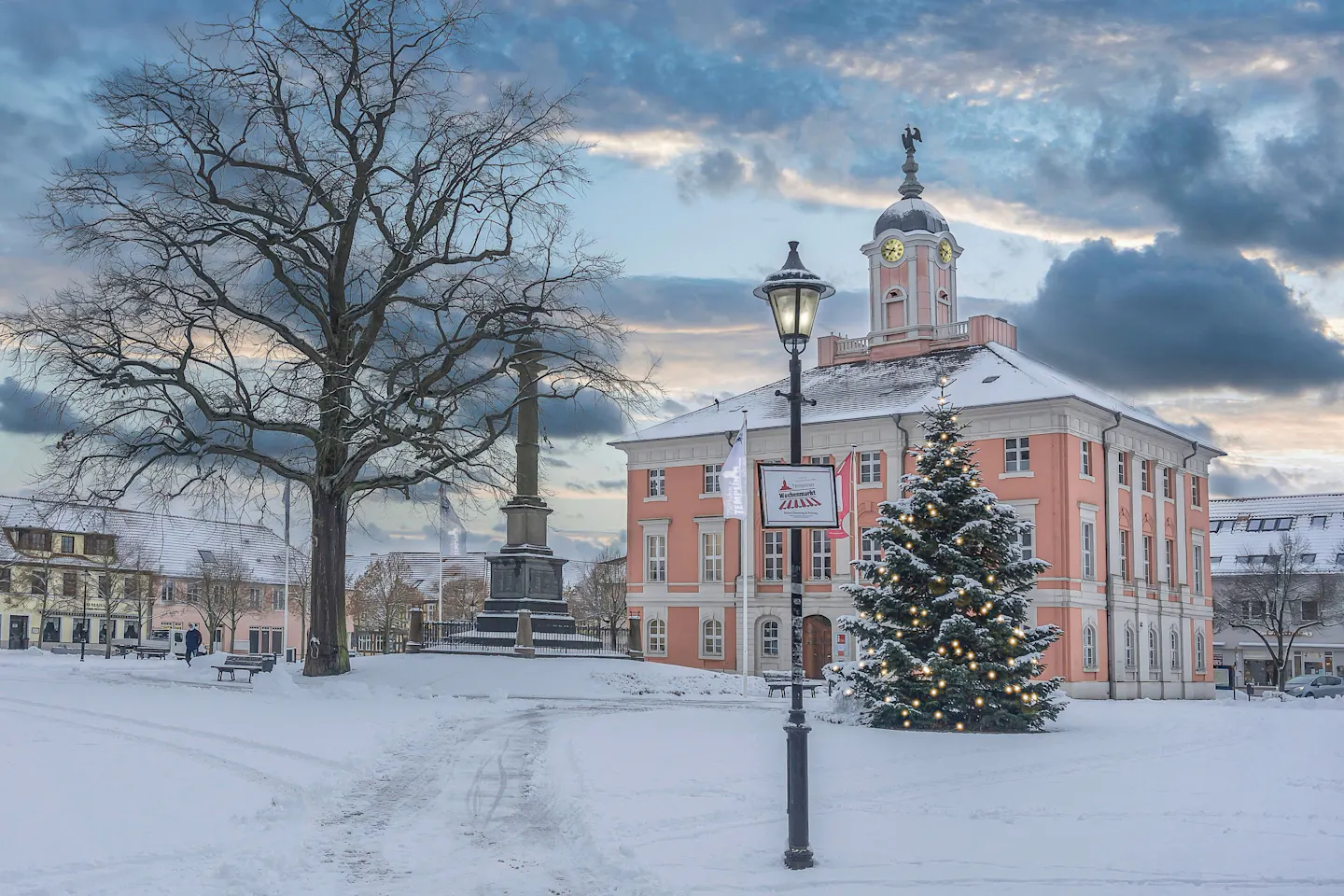
For a small city such as Colmar or Tallinn, two nights can be enough for the market plus the main sights.
For Vienna, Prague, Brussels, Budapest, or Cologne, three nights is more comfortable because the markets are spread across the city and there is much more to do outside them.
If you want a longer Christmas-market route, combine cities that naturally fit together instead of collecting markets for the sake of it. Strasbourg and Colmar work very well together. Salzburg and Innsbruck make a strong Austrian winter route. Basel can be combined with Alsace. Prague, Dresden, and Nuremberg can also fit into a Central European rail trip if you have enough time.
The goal is not to visit the highest possible number of stalls. After the third market in one day, even the best Glühwein starts to feel suspiciously familiar.
FAQ: Best Christmas Markets in Europe in 2026
What is the best Christmas market in Europe in 2026?
Vienna is the best all-round choice for most first-time visitors because it offers several high-quality markets, excellent public transport, beautiful architecture, museums, cafes, and plenty to do beyond the Christmas stalls.
What is the most traditional Christmas market in Europe?
Nuremberg is one of the strongest choices for a traditional German Christmas market. Dresden is another excellent option, especially if you care about historic market traditions and regional Christmas crafts.
Which Christmas market is the most beautiful?
Strasbourg and Colmar are two of the strongest picks if your priority is a fairytale Christmas setting. Salzburg and Tallinn are also exceptionally atmospheric because of their historic architecture and winter surroundings.
Which European Christmas markets stay open after Christmas?
Prague, Tallinn, Brussels, Salzburg, Innsbruck, and Ljubljana all have major festive markets or Christmas programs that continue after December 25 in the 2026 season. Always check the exact market you plan to visit because individual stalls and special events can have different schedules.
Where is the best place for Christmas markets and snow?
Tallinn and Innsbruck are among the best options if you want a stronger winter atmosphere, while Salzburg can also be beautiful in snowy weather. Snow is never guaranteed in a European city, so choose the destination for the market and overall trip rather than booking only for the forecast.
Are European Christmas markets worth visiting?
Yes, if you choose the city around the kind of trip you actually want. The best Christmas-market trips combine the market with local food, neighborhoods, museums, winter scenery, or nearby day trips instead of spending every hour moving between stalls. For more on building the wider trip, see our guide to the best places to visit in Europe in winter.
Plan Your Christmas Market Trip With EasyMiles
Choosing the Christmas market is the easy part. The harder part is turning it into a trip that actually works: deciding which markets to visit, what time to go, where to eat nearby, how much sightseeing to fit around them, and what to do when the weather changes or a place closes earlier than expected.
EasyMiles creates a complete itinerary around your destination, dates, interests, food preferences, and travel pace. For a Christmas-market trip, that means you can combine the best festive markets with local restaurants, neighborhoods, museums, viewpoints, and the right amount of free time instead of spending hours building the route yourself.
It can also help you plan multi-city trips such as Strasbourg and Colmar, Salzburg and Innsbruck, or Basel and Alsace, while keeping travel time and opening hours realistic.
Use EasyMiles to plan the whole trip, not just the market. You choose where and when you are going, and EasyMiles turns it into a day-by-day plan with places worth visiting, food stops, local tips, and easy adjustments when your plans change.