If it’s your first trip to Europe and you want one easy answer, go to Italy. A route through Rome, Florence, and Venice gives you many of the things people imagine when they picture Europe: ancient history, beautiful streets, famous art, great food, lively piazzas, and easy train connections between cities.
But Italy is not the only good choice. The best place for your first Europe trip depends on what you want most:
- Best overall first trip: Italy for Rome, Florence, Venice, food, art, and simple train travel.
- Best for famous European cities: Paris and Amsterdam.
- Best for sunshine, food, and nightlife: Spain.
- Best for a relaxed and easy trip: Portugal.
- Best for beautiful cities on a lower budget: Prague, Vienna, and Budapest.
- Best for mountains and scenery: Switzerland.
- Best for a classic three-capital route: London, Paris, and Amsterdam.
The most important rule is simple: do not try to “see Europe” in one trip. Europe is a continent, not a checklist. For a first visit, two or three well-chosen bases usually make a much better trip than racing through five countries.
Why Is Italy the Best Choice for a First Trip to Europe?
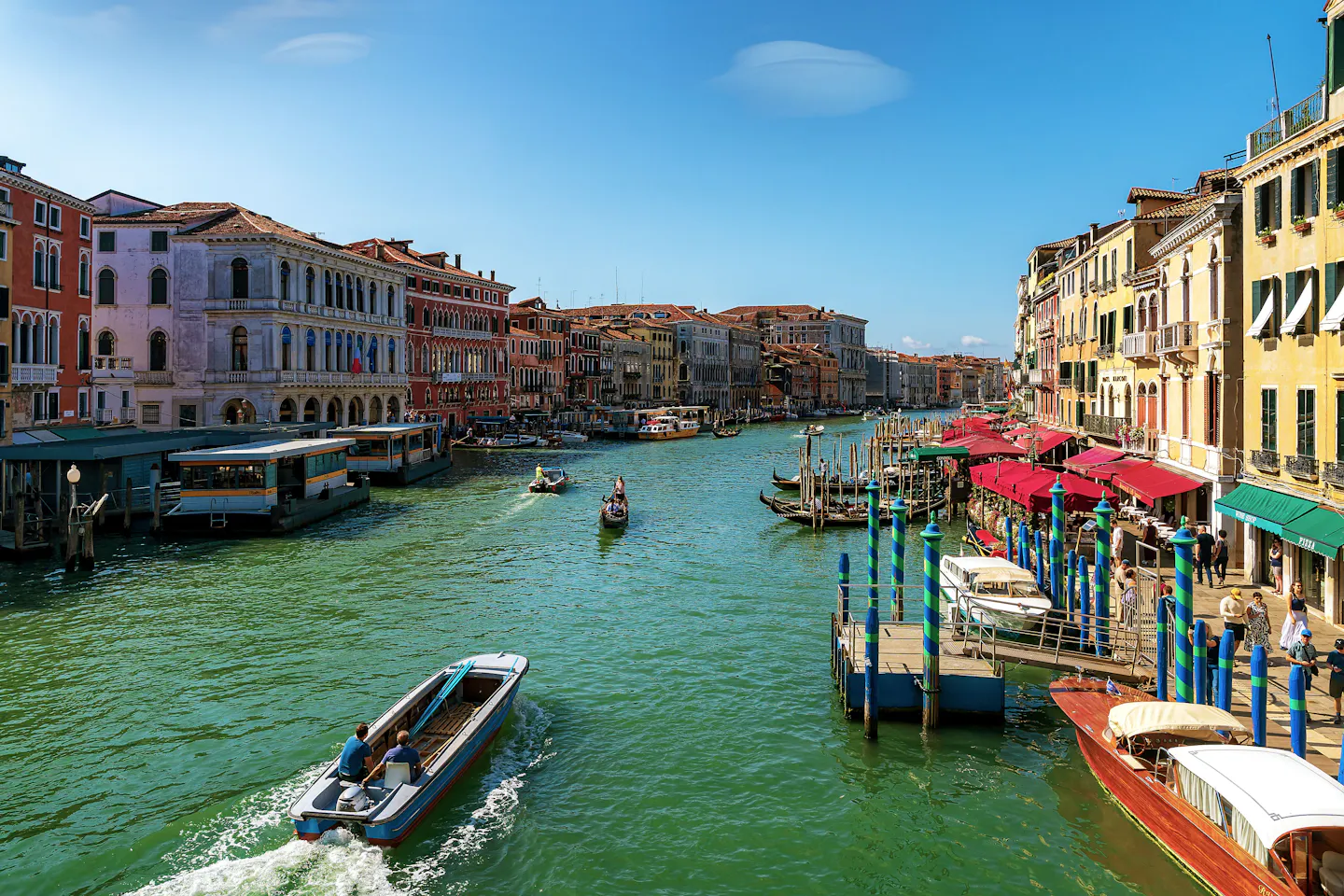
For most first-time visitors, Italy is the easiest place to recommend because it gives you variety without complicated logistics. You can spend the morning inside the Colosseum, eat pasta in a small Roman trattoria at lunch, see Renaissance art in Florence a few days later, and finish the trip beside the canals of Venice.
You also do not need to rent a car for the classic route. Rome, Florence, and Venice are connected by fast trains, and the historic centers are made for walking.
Why Italy works so well for first-time visitors
Italy feels immediately “European” in the way many travelers hope their first trip will feel. There are old streets, churches, ruins, markets, fountains, cafes, museums, and long dinners that easily become one of the best parts of the day.
It also gives you clear choices. You can focus on big cultural cities, add the coast, slow down in Tuscany, or build a food-focused trip without changing countries every two days.
A simple first-time Italy itinerary
For 7 days, choose Rome and Florence. Give Rome four nights and Florence three, or reverse it if art and Tuscany matter more to you.
For 10 days, the classic route is Rome → Florence → Venice. Three or four nights in Rome, three in Florence, and two or three in Venice is a comfortable pace for most travelers.
For 14 days, add one slower stop such as Bologna, Tuscany, Lake Garda, or the Amalfi Coast. The key is to add depth, not just another airport.
What should you see on your first trip to Italy?
In Rome, prioritize the Colosseum and Roman Forum, the Pantheon, Trevi Fountain, Piazza Navona, and the Vatican Museums if they are high on your list. Leave time for Trastevere or another neighborhood where the evening is more about walking and eating than sightseeing.
In Florence, see the Duomo, Ponte Vecchio, Piazza della Signoria, and one major museum such as the Uffizi or Accademia. A day trip into Tuscany can be a nice break from museums and city streets.
In Venice, spend time around St. Mark’s Square, but do not stay only on the most crowded route. Venice is much better when you let yourself wander into quieter canals, stop for cicchetti, and see the city early in the morning or later in the evening.
Paris and Amsterdam: Best for Iconic European Cities
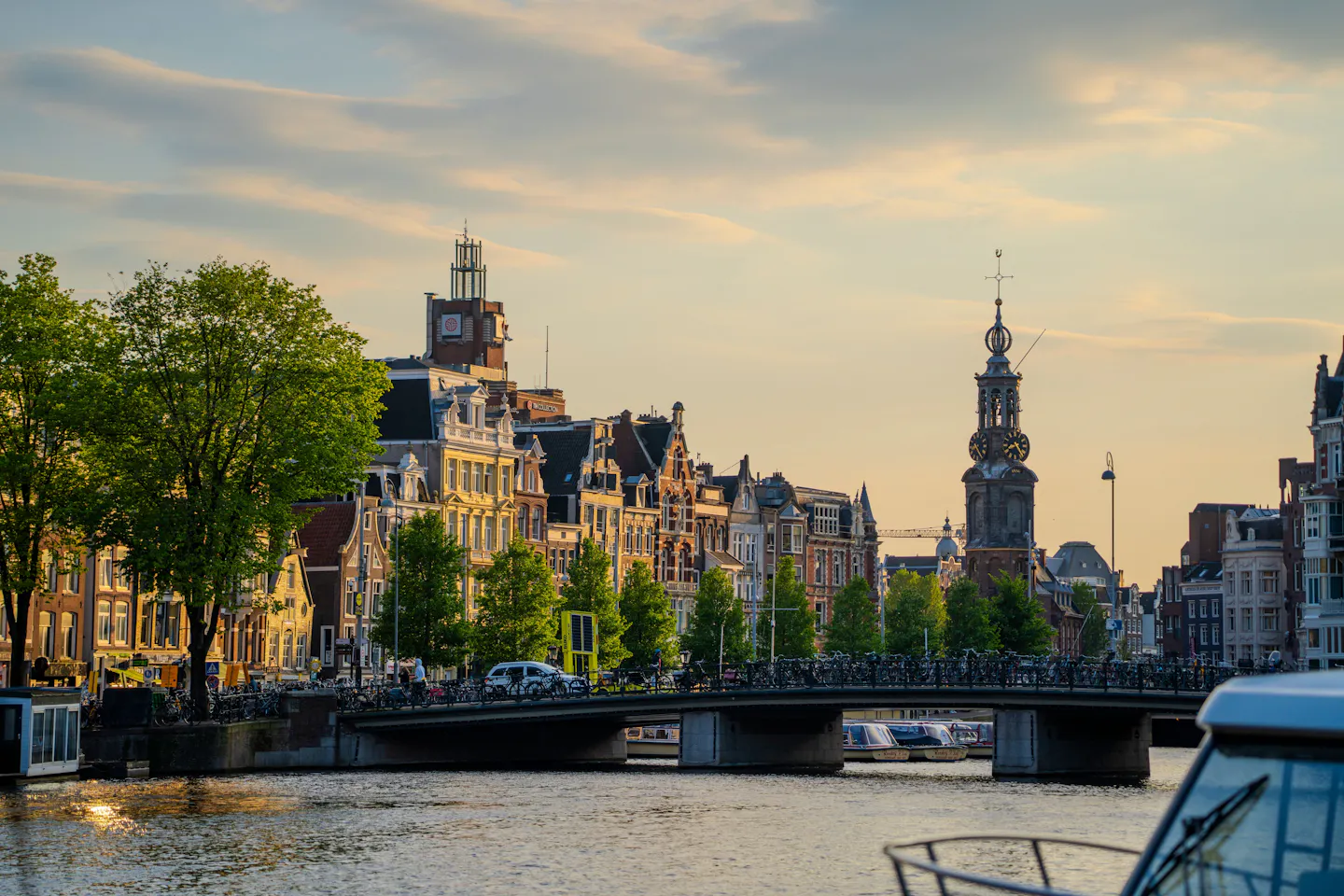
If your idea of a first trip to Europe is Eiffel Tower views, museums, cafes, canals, beautiful architecture, and easy city exploring, Paris and Amsterdam are a strong combination.
The cities feel very different, which makes the trip interesting, but they also work well together. You can go from Paris to Amsterdam by direct train, so you do not need to lose half a day dealing with airports.
Why choose Paris and Amsterdam?
Paris gives you the big first-Europe moment. The Eiffel Tower, the Louvre, Montmartre, the Seine, the Marais, bakeries, terraces, and elegant streets are all part of the experience.
Amsterdam is smaller and easier to settle into after Paris. You can walk or cycle along the canals, visit the Rijksmuseum or Van Gogh Museum, explore Jordaan, and take a slower day trip to a smaller Dutch city.
How long should you stay?
For one week, spend four nights in Paris and three in Amsterdam.
For 10 days, you can add a day trip from each city, or add Brussels, Antwerp, or another nearby stop. You do not need to add a third country just because you have extra time.
Best for: first-time travelers who want famous landmarks, museums, cafes, walkable neighborhoods, and a classic European city trip.
Spain: Best for Food, Sunshine, and Late Nights
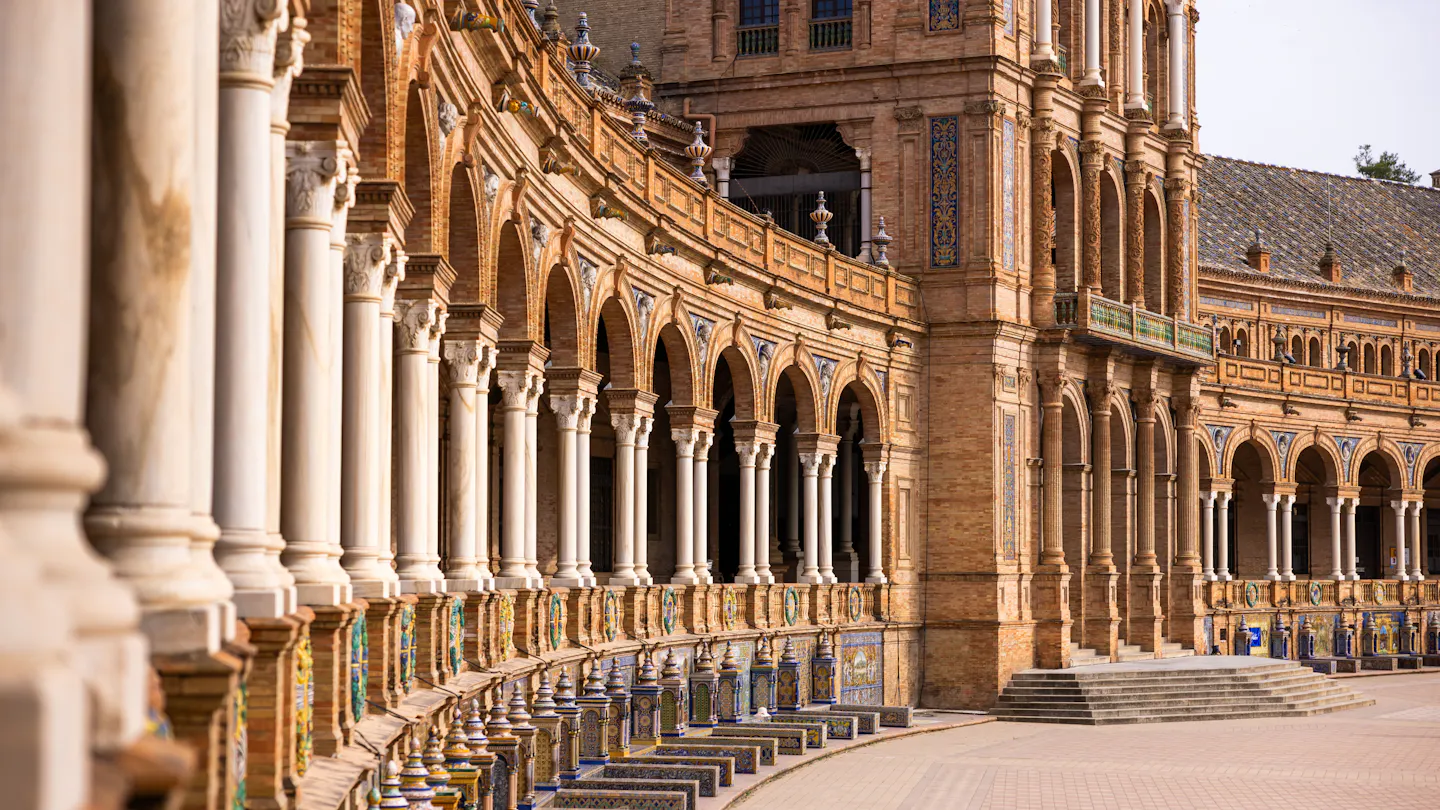
Spain is one of the best places to visit in Europe for the first time if you want your trip to feel social, energetic, and food-focused.
Barcelona gives you Gaudí architecture, beaches, markets, neighborhoods, and Mediterranean energy. Madrid gives you major museums, grand streets, parks, and some of the best evenings for tapas and bar hopping. Seville adds orange-tree courtyards, flamenco, Moorish architecture, and a completely different southern atmosphere.
A good first Spain itinerary
For 7 days, choose Barcelona and Madrid.
For 10 days, add Seville and connect the cities by train.
For 14 days, slow down and add Granada, Córdoba, Valencia, or a few days by the sea instead of trying to cover the whole country.
Why Spain is easy for a first Europe trip
The big cities have good public transport, high-speed trains make several classic routes simple, and there is plenty to do without constantly booking expensive tours.
Spain also works well if you like late dinners and a less rigid daily schedule. Just remember that the rhythm of the day can be different from what you are used to. A restaurant that feels empty at 6:30 p.m. may be busy a few hours later.
Best for: food lovers, couples, friends, nightlife, architecture, and travelers who want a warmer first trip.
Portugal: Best for a Relaxed First Trip to Europe
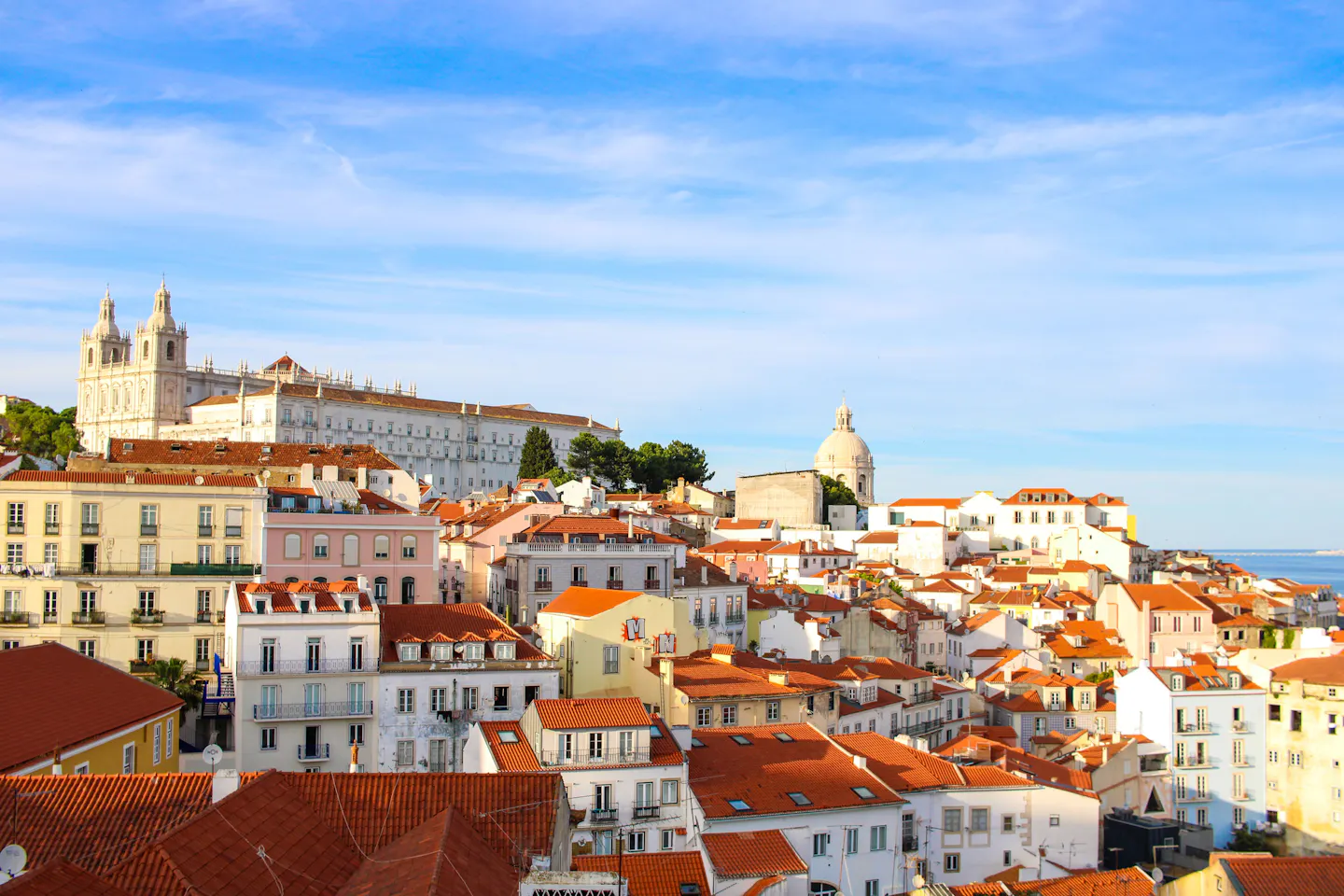
Portugal is a great first-Europe choice if you want beautiful cities and coast without feeling like every day needs to be a major sightseeing mission.
Lisbon has tiled streets, viewpoints, trams, seafood, historic neighborhoods, and easy day trips to Sintra or Cascais. Porto is smaller, atmospheric, and easy to combine with Lisbon. If you have more time, you can head south to the Algarve or spend a few days in the Douro Valley.
A simple Portugal itinerary
For 7 days, combine Lisbon and Porto.
For 10 days, add Sintra and a slower coastal stop.
For 14 days, combine Lisbon, Porto, and the Algarve, or keep the trip in the north and add the Douro Valley.
Why Portugal is good for first-time travelers
The country is relatively compact, English is widely used in tourism, and you can create a varied trip without spending every second day in transit.
Portugal can be hilly, especially Lisbon and Porto, so comfortable shoes matter more than people expect.
Best for: couples, food, ocean views, city breaks, slower travel, and travelers who do not want a very intense itinerary.
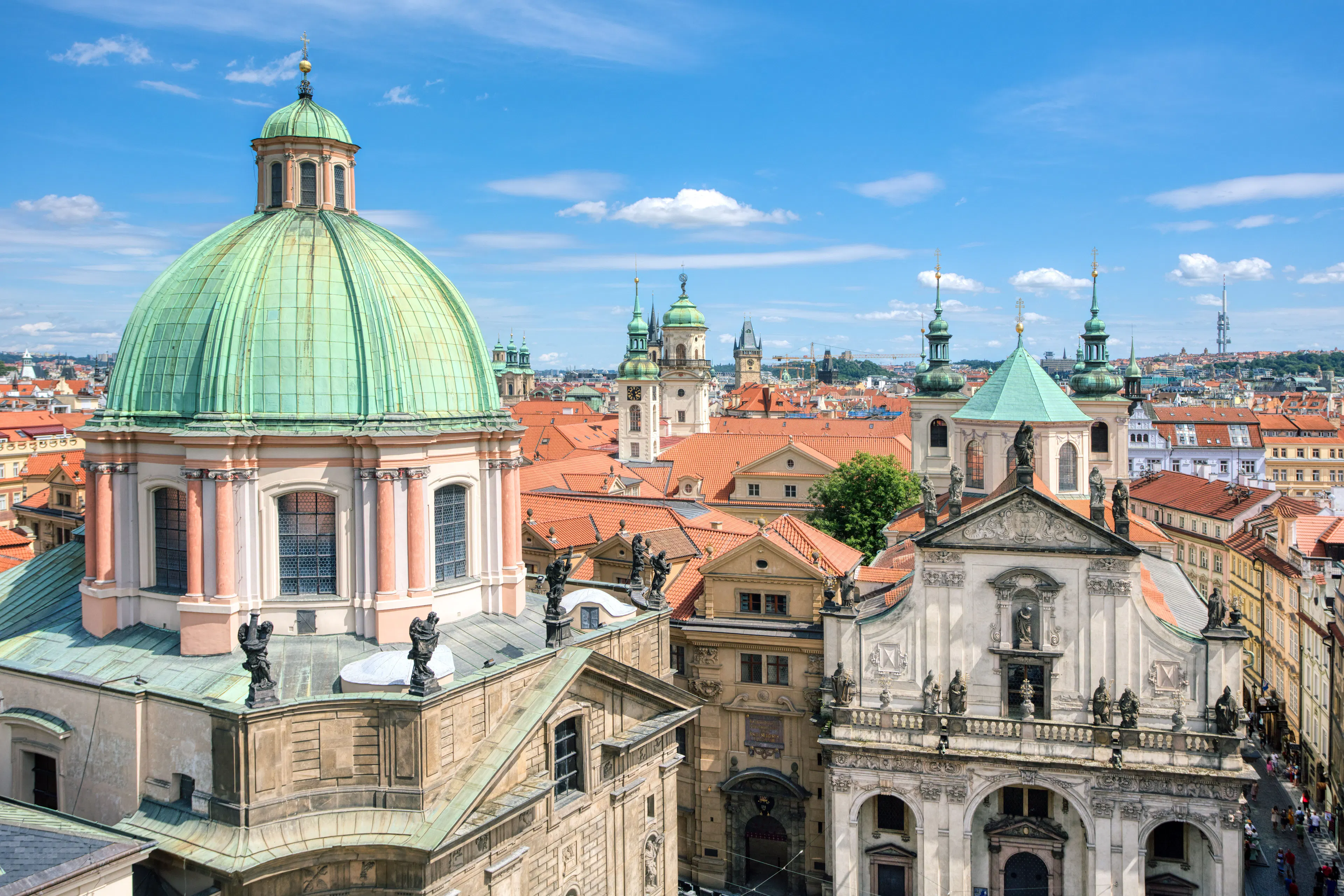
Prague, Vienna, and Budapest: Best for Beautiful Cities and Better Value
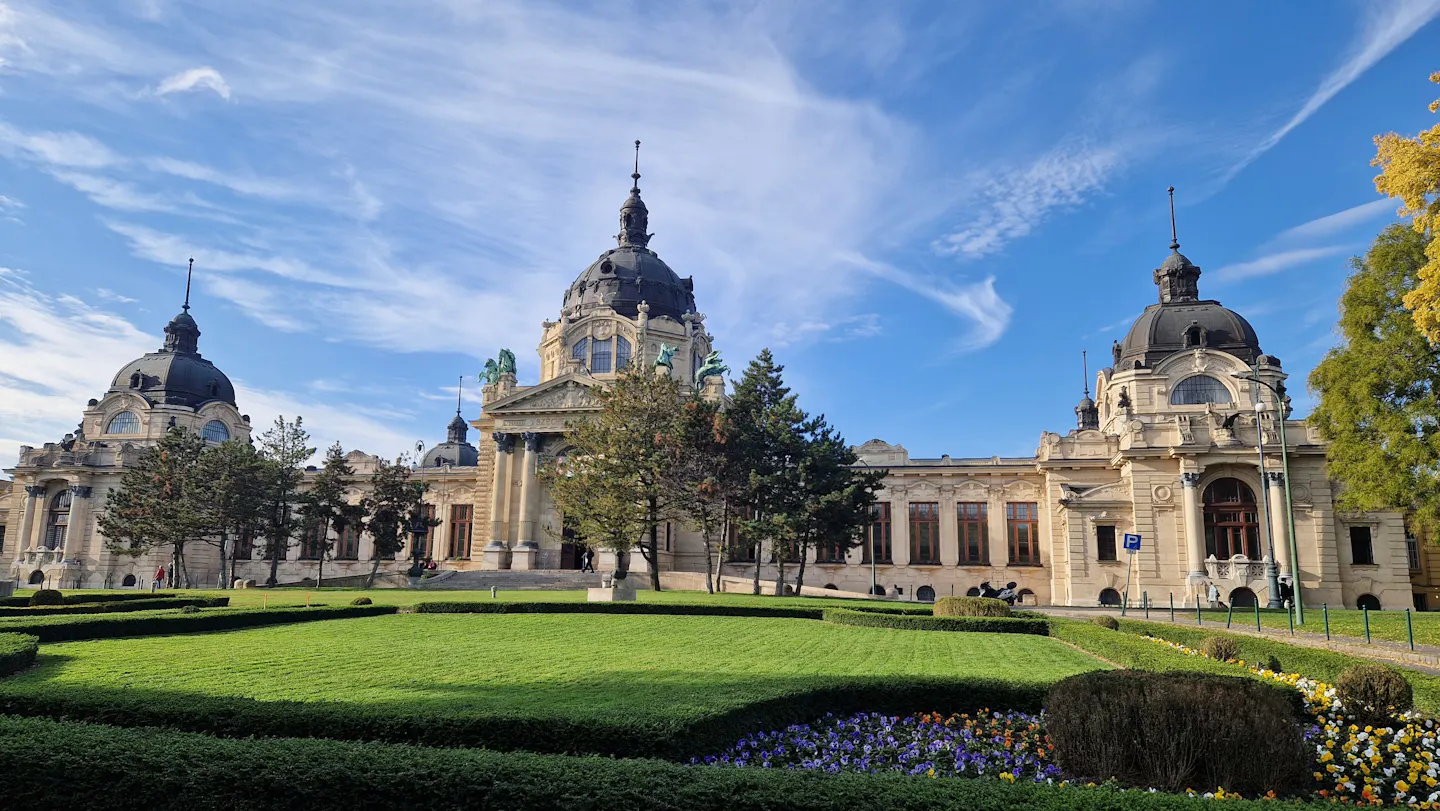
If you want castles, palaces, old towns, cafes, river views, classical architecture, and a trip that can often cost less than Paris, London, or Switzerland, look at Central Europe.
Prague, Vienna, and Budapest make one of the best Europe itineraries for first-time visitors because the cities are different but easy to combine.
What makes this route special?
Prague has a compact historic center, Prague Castle, Charles Bridge, and a storybook feel that is easy to enjoy on foot.
Vienna is more elegant and polished, with palaces, museums, coffeehouses, and classical music history. It is a good place to slow down for a day instead of packing the schedule.
Budapest brings thermal baths, the Danube, grand architecture, ruin bars, and a livelier late-night side.
How long do you need?
Ten days works very well: three nights in Prague, three in Vienna, and four in Budapest, or a similar split.
With two weeks, add Bratislava as a day trip, spend more time outside the capitals, or add a quieter stop rather than squeezing in two more countries.
Best for: architecture, history, couples, friends, city breaks, and travelers who want strong value.
Switzerland: Best for Mountains and Scenery

Switzerland is not the cheapest place for a first trip to Europe, but it is one of the best if the reason you want to visit Europe is the scenery.
Think mountain trains, clear lakes, alpine villages, cable cars, hiking paths, and postcard views that are actually real.
Where should you go in Switzerland for the first time?
Lucerne is a good starting point because it combines an attractive old town and lake with easy access to mountains.
The Bernese Oberland, including places around Interlaken, Lauterbrunnen, and Grindelwald, is the classic choice for dramatic mountain scenery.
Zurich works well as an arrival or departure city, but if nature is your priority, do not spend most of the trip there.
How long should you stay?
A week is enough for one city base plus one mountain region. Ten days gives you more room for weather changes and slower scenic days.
Switzerland is especially good as part of a two-week first Europe trip combined with Paris, northern Italy, or eastern France.
Best for: nature, hiking, couples, photography, scenic train trips, and travelers with a higher budget.
London, Paris, and Amsterdam: Best Classic Three-City First Trip
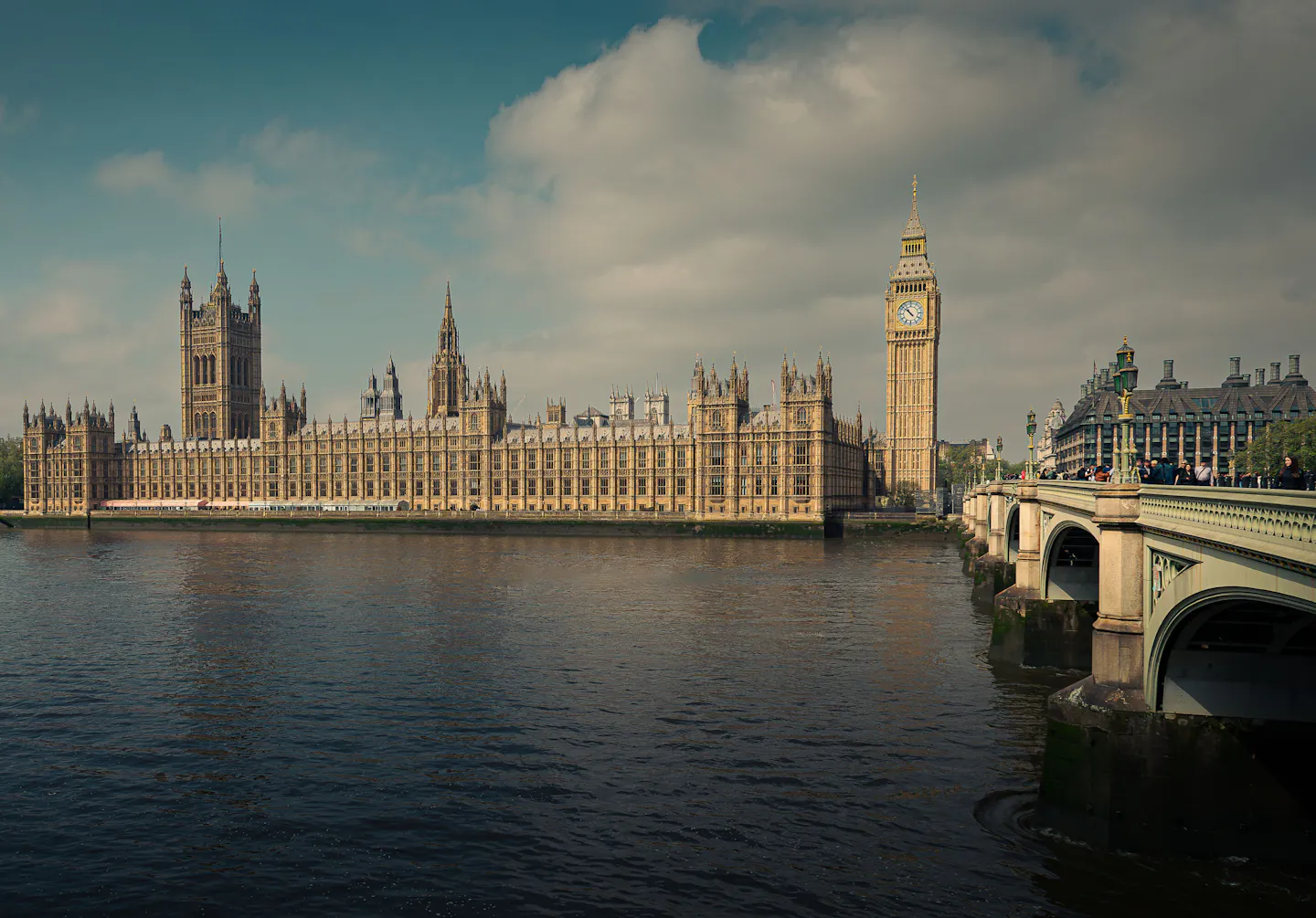
If you want to visit several countries on your first Europe trip, London, Paris, and Amsterdam is one of the cleanest routes.
Each city feels distinct. London gives you royal landmarks, pubs, theater, markets, and huge museums. Paris brings art, architecture, food, and iconic streets. Amsterdam finishes the trip with canals and a smaller, more relaxed scale.
The big advantage is that you can connect the cities by train instead of building the whole trip around airports.
How long do you need?
Ten days is possible, but 12 to 14 days is better. Give London three or four nights, Paris four, and Amsterdam three. Use any extra days for a slower neighborhood day or a day trip.
Remember that the United Kingdom has its own entry rules, so check the requirements for your passport before booking the route.
Best for: first-time visitors who want famous capitals, museums, shopping, food, and easy train travel.
What Are the Best Europe Itineraries for First-Time Visitors?

There is no single perfect route, but some itineraries are easier and more satisfying than others because they keep travel time under control.
Best 7-day Europe itineraries
- Rome + Florence: the easiest first taste of Italy.
- Paris + Amsterdam: two famous cities with a simple train connection.
- Lisbon + Porto: a relaxed one-country trip with food, views, and manageable travel.
- Barcelona + Madrid: a lively combination of architecture, museums, food, and nightlife.
For one week, two bases are usually enough. Three cities can work if they are very close, but it often turns the trip into packing, checking out, traveling, checking in, and repeating.
Best 10-day Europe itineraries
- Rome → Florence → Venice: probably the strongest first-time Europe route for most travelers.
- Barcelona → Madrid → Seville: warm, energetic, food-focused, and easy to understand.
- Prague → Vienna → Budapest: three beautiful capitals with good rail connections.
- Paris → Amsterdam → London: iconic cities and no need for a rental car.
Ten days is a sweet spot for three cities. You get enough variety to feel like you have really traveled, but you can still spend a few nights in each place.
Best 14-day Europe itineraries
- Paris → Switzerland → Northern Italy: big-city culture, mountains, lakes, and Italian food in one trip.
- London → Paris → Amsterdam: take the same classic route but give every city more breathing room.
- Rome → Florence → Bologna → Venice: stay in one country and experience it more deeply.
- Lisbon → Seville → Madrid → Barcelona: a sunny Iberian route with a strong mix of food, culture, and nightlife.
- Prague → Vienna → Budapest plus one slower regional stop: a good balance of capitals and a less rushed final week.
Two weeks is enough to visit three or four bases comfortably. You can visit more, but that does not mean you should.
How Many Countries Should You Visit on Your First Europe Trip?
For most people, fewer than they initially think.
- In 7 days, stay in one country or choose two nearby cities.
- In 10 days, plan two or three bases.
- In 14 days, three or four bases is usually comfortable.
- In 3 weeks, you can combine four to six places without turning every other day into a transfer day.
The number of countries matters less than the geography. Rome and Florence are in the same country but feel very different. Vienna and Bratislava are in different countries but are close together. A good route follows the map instead of chasing passport stamps.
When Is the Best Time for a First Trip to Europe?

For many first-time travelers, spring and early autumn are the easiest seasons. April, May, late September, and October can offer a good balance of comfortable sightseeing weather and fewer peak-summer crowds in many popular cities.
June can also be excellent, especially if you want long evenings, but demand starts rising quickly in famous destinations.
July and August are popular for a reason: long days, festivals, beaches, and school holidays. They can also mean higher hotel prices, heat, and heavy crowds in places such as Rome, Barcelona, Paris, Venice, and the Mediterranean coast.
Winter can be a great choice for city trips, Christmas markets, museums, food, and lower-season travel in some destinations. The trade-off is shorter daylight and colder or wetter weather.
There is no perfect month for the whole continent. Europe stretches from Mediterranean beaches to the Arctic, so check the weather for your exact route, not for “Europe” in general.
First Trip to Europe Tips That Will Make the Trip Better
Do not change hotels every night
A route can look short on a map and still consume half a day. Even a two-hour train ride usually includes packing, getting to the station, waiting, arriving, finding the hotel, and checking in.
Stay longer in fewer places and your trip will feel much bigger.
Use trains when the route makes sense
Trains are often the easiest way to move between nearby European cities because you usually travel from city center to city center. They are especially useful on routes such as Rome–Florence–Venice, Paris–Amsterdam, Barcelona–Madrid, and Prague–Vienna–Budapest.
For very long distances, a flight may still save time. Compare the whole journey, not just the time in the air.
Book the most popular attractions early
If the Colosseum, Vatican Museums, Sagrada Família, Louvre, Anne Frank House, or another major attraction is a must for you, do not assume you can always decide on the day.
Reserve the things you would be genuinely upset to miss, then keep the rest of the schedule flexible.
Do not plan every meal around the main square
The most famous square is often a good place for a drink and a view, but not always the best place for dinner. Walk a few streets away, check neighborhoods where people actually live, and make restaurants part of the trip rather than an emergency decision when everyone is hungry.
Check opening days before building your itinerary
Museums, markets, restaurants, churches, and attractions can have weekly closing days, seasonal schedules, timed entry, or special holiday hours.
A realistic itinerary should be built around when places are actually open, not just around a list of things you want to see.
Leave room for weather and energy
A first Europe trip often looks perfect in a spreadsheet and exhausting in real life. You may be jet-lagged. It may rain. A museum may take longer than expected. You may decide the long lunch is more fun than the next attraction.
Leave a little space in every day so the trip can still feel like a holiday.
FAQ: First Trip to Europe
What is the best country in Europe for first-time visitors?
Italy is the best all-round choice for many first-time visitors. Rome, Florence, and Venice offer history, food, art, architecture, and straightforward train travel in one country. Spain, France, Portugal, and the Netherlands are also very easy first-trip options depending on your travel style.
What is the best European city to visit first?
Rome is a strong first choice if you want history and food. Paris is best if you want iconic landmarks and museums. Barcelona is excellent for architecture, food, and a more relaxed Mediterranean feel. Lisbon is a good choice if you want a smaller, slower first city.
How many days do you need for your first trip to Europe?
Ten to fourteen days is ideal for many travelers because it gives you enough time for two to four bases without rushing. A one-week trip can still be excellent if you focus on one country or two nearby cities.
How many countries should I visit in 10 days?
Usually one or two countries, with no more than three main bases. The goal is not to collect countries. It is to spend enough time in each place to actually experience it.
Should I visit one country or several countries on my first Europe trip?
If you have one week, one country is usually better. With 10 to 14 days, two or three countries can work if the route is geographically logical. Italy is particularly good for a one-country first trip because Rome, Florence, Venice, Bologna, Tuscany, and the lakes can create very different experiences without border crossings.
Is it easy to travel around Europe without a car?
Yes, for many classic first-time routes. Major cities are well connected by trains, public transport, and short flights. A car is more useful for rural areas, small villages, islands, or road trips where public transport is limited.
Is Europe expensive for a first trip?
It can be, but costs vary a lot. Switzerland, London, Paris, and some famous Italian or Mediterranean destinations can be expensive, especially in peak season. Portugal, parts of Spain, Poland, Hungary, Czechia, Romania, and the Balkans can offer better value. Your travel dates and hotel location often matter as much as the country.
What is the easiest Europe itinerary for a first-time traveler?
Rome → Florence → Venice is one of the easiest. You stay in one country, the cities are connected by fast trains, and each stop feels different. Paris → Amsterdam is another simple route for travelers who prefer northern European cities.
Plan Your First Europe Trip with EasyMiles
Choosing the cities is the fun part. Turning them into a realistic day-by-day trip is where planning usually gets messy.
EasyMiles can build a personalized Europe itinerary around your destination, dates, interests, pace, food preferences, and the way you actually like to travel. It recommends sights, museums, restaurants, and local places, then plans the days around practical details such as opening hours, weather, and travel time between stops.
You can also book sights and museums through the app, so you do not have to keep a separate list of tickets, saved places, restaurant tabs, and map pins.
That matters even more on a first trip to Europe, when it is easy to underestimate distances or put three attractions into the same afternoon even though they are on opposite sides of the city.
Pick the route that sounds most like your kind of trip, then let EasyMiles turn it into a plan you can actually enjoy.