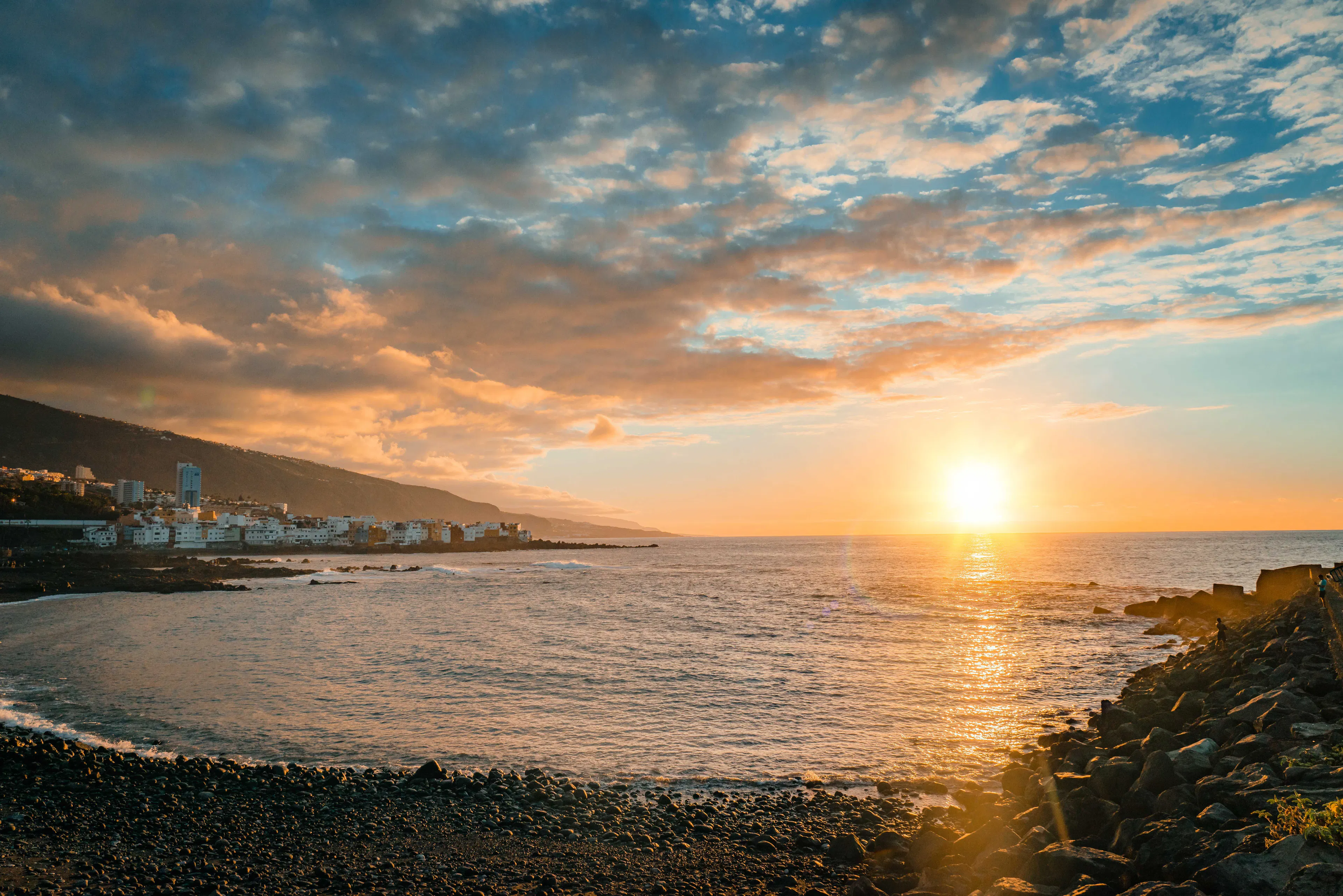
If you want the warmest weather in Europe in December, start with the Canary Islands. Tenerife, Gran Canaria, Lanzarote, and Fuerteventura usually have daytime highs around 22°C, plenty of sunshine, and the best chance of actual beach weather without leaving Europe.
Madeira is another strong choice, especially if you care more about hiking, ocean views, and mild weather than lying on a sandy beach. Cyprus, Málaga and the Costa del Sol, Malta, the Algarve, and Crete are cooler, but still much milder than most of Europe.
Here is the quick answer:
- Tenerife, Spain: around 23°C by day in the south; best overall for reliable winter sun.
- Gran Canaria, Spain: around 22°C; best for beaches, resorts, and Las Palmas.
- Lanzarote, Spain: around 22°C; best for volcanic landscapes and dry, sunny weather.
- Fuerteventura, Spain: around 22°C; best for long beaches and a quiet winter escape.
- Madeira, Portugal: usually around 18–21°C on the coast; best for hiking and green scenery.
- Cyprus: around 18°C on the coast; best for history, road trips, and mild Mediterranean days.
- Málaga and the Costa del Sol, Spain: around 17–18°C; best for a mainland European winter-sun break.
- Malta: around 17°C; best for a sunny city break with history and food.
- The Algarve, Portugal: around 16–18°C; best for coastal walks, cliffs, and a relaxed road trip.
- Crete, Greece: around 15–16°C; best for culture, food, and exploring without summer crowds.
The important thing is to set the right expectation. “Warm in Europe in December” does not usually mean tropical heat. Outside the Canary Islands, think sunny lunches, coastal walks, light layers in the afternoon, and a jacket after sunset rather than guaranteed swimsuit weather all day.
What Does “Warm” Mean in Europe in December?

December is winter across Europe, so there is a big difference between “warm for Europe” and “hot.”
If your priority is the highest chance of sitting on a beach in a T-shirt, choose the Canary Islands. Their position off the northwest coast of Africa gives them a much milder winter climate than mainland Europe. The official Canary Islands tourism board describes December temperatures around 22°C, and the southern coasts of Tenerife and Gran Canaria are especially popular for winter sun.
Madeira is mild and green, but its weather changes quickly between the coast and the mountains. Cyprus, Malta, southern Spain, the Algarve, and Crete can all give you beautiful sunny days, but rain, wind, and cool evenings are normal too.
So choose based on what you actually want from the trip. If you need proper beach weather, go south to the Canaries. If you mainly want to escape freezing temperatures and spend your days outside, you have many more options.
If you are still choosing between sunshine and a classic cold-weather trip, see our guide to the best places to visit in Europe in winter. Traveling a month earlier? We also have a guide to the best places to visit in November.
Tenerife, Spain: Best Overall for Winter Sun

Typical December daytime high: around 23°C in the south
Tenerife is probably the easiest answer to the question “Where is warm in Europe in December?”
The south of the island is the safest choice for sunshine. Costa Adeje, Los Cristianos, Playa de las Américas, and the coast around El Médano tend to be warmer and drier than the greener north. Long-term climate data for Tenerife South puts the average December maximum close to 23°C.
That is warm enough for pool days, terrace lunches, and beach time when the sun is out. The Atlantic is cooler than in summer, but plenty of people still swim, especially on calm days.
Tenerife also works well if you do not want to spend a whole week inside a resort. You can drive through Teide National Park, walk through the forests and mountain villages of Anaga, visit La Laguna, stop in Garachico, and eat your way through smaller Canarian towns.
December is also a good month for active days because you can hike without summer heat. Just remember that Mount Teide and the higher parts of the island can be dramatically colder than the coast.
Best for: couples, families, first-time winter-sun trips, hiking, beaches, and road trips.
Where to stay: choose Costa Adeje or Los Cristianos for the most reliable sunshine and easy resort infrastructure. Stay in the north if you prefer greener scenery and a more local feel, but expect more cloud and cooler weather.
Gran Canaria, Spain: Best Mix of Beaches and City Life
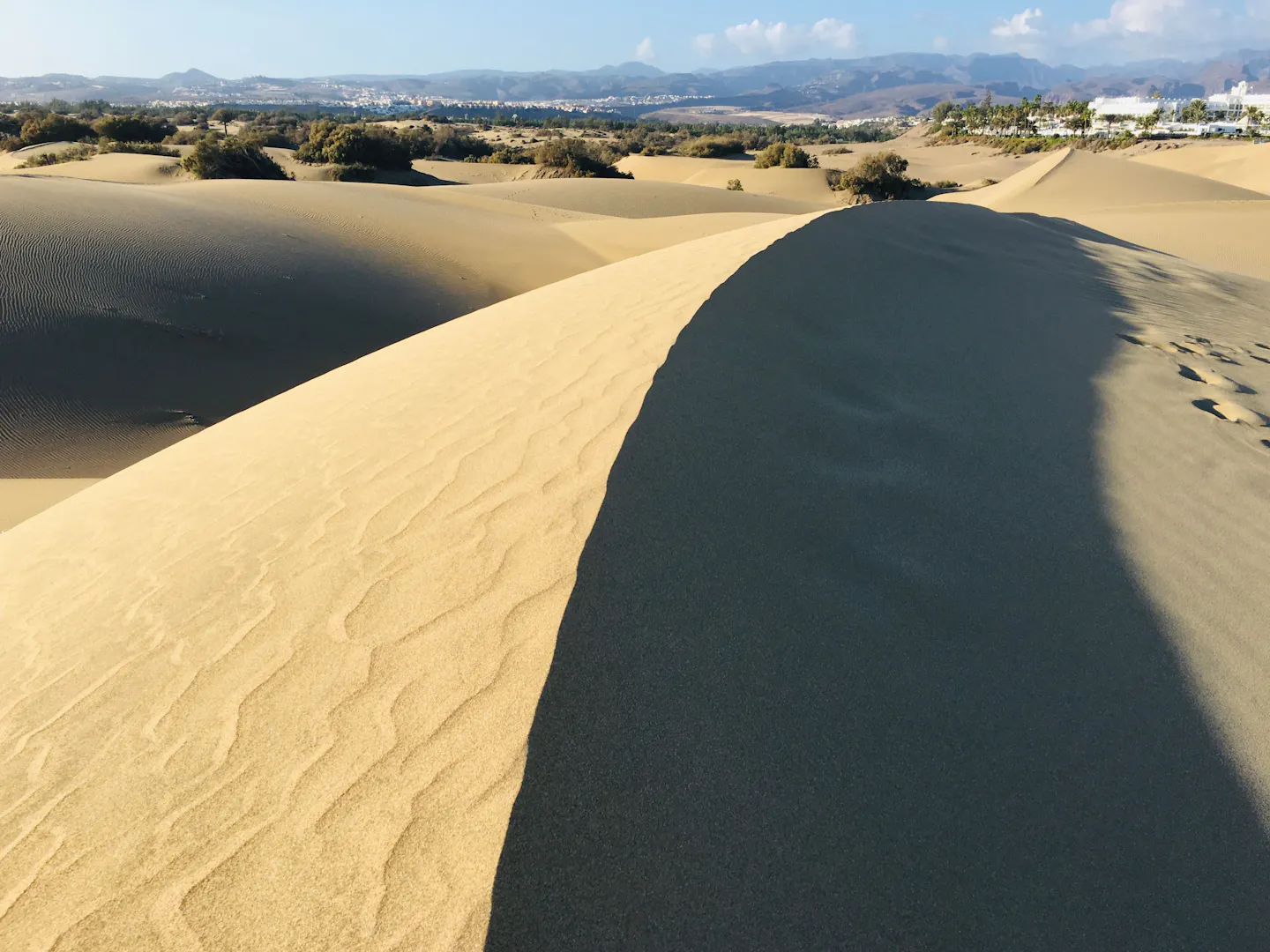
Typical December daytime high: around 22°C
Gran Canaria is another of the warmest places in Europe in December, and it gives you more variety than the classic beach-resort image suggests.
If sunshine is the main goal, look at the south and southwest of the island. Maspalomas, Meloneras, Puerto Rico, and Puerto de Mogán are popular in winter because this side of Gran Canaria is generally dry and sunny. The island’s official tourism site notes that the south coast has a particularly dry and sunny microclimate.
For a more urban trip, spend time in Las Palmas. Las Canteras is one of Europe’s best city beaches, and in December you can combine beach walks with markets, restaurants, museums, and normal city life.
Gran Canaria is also much more mountainous than many visitors expect. Drive inland and the scenery changes quickly from dry coast to pine forest, deep valleys, and high viewpoints.
Best for: travelers who want beaches without giving up restaurants, nightlife, and city life.
Where to stay: Maspalomas or Puerto de Mogán for winter sun; Las Palmas for a city-and-beach trip.
Lanzarote, Spain: Best for Volcanic Landscapes
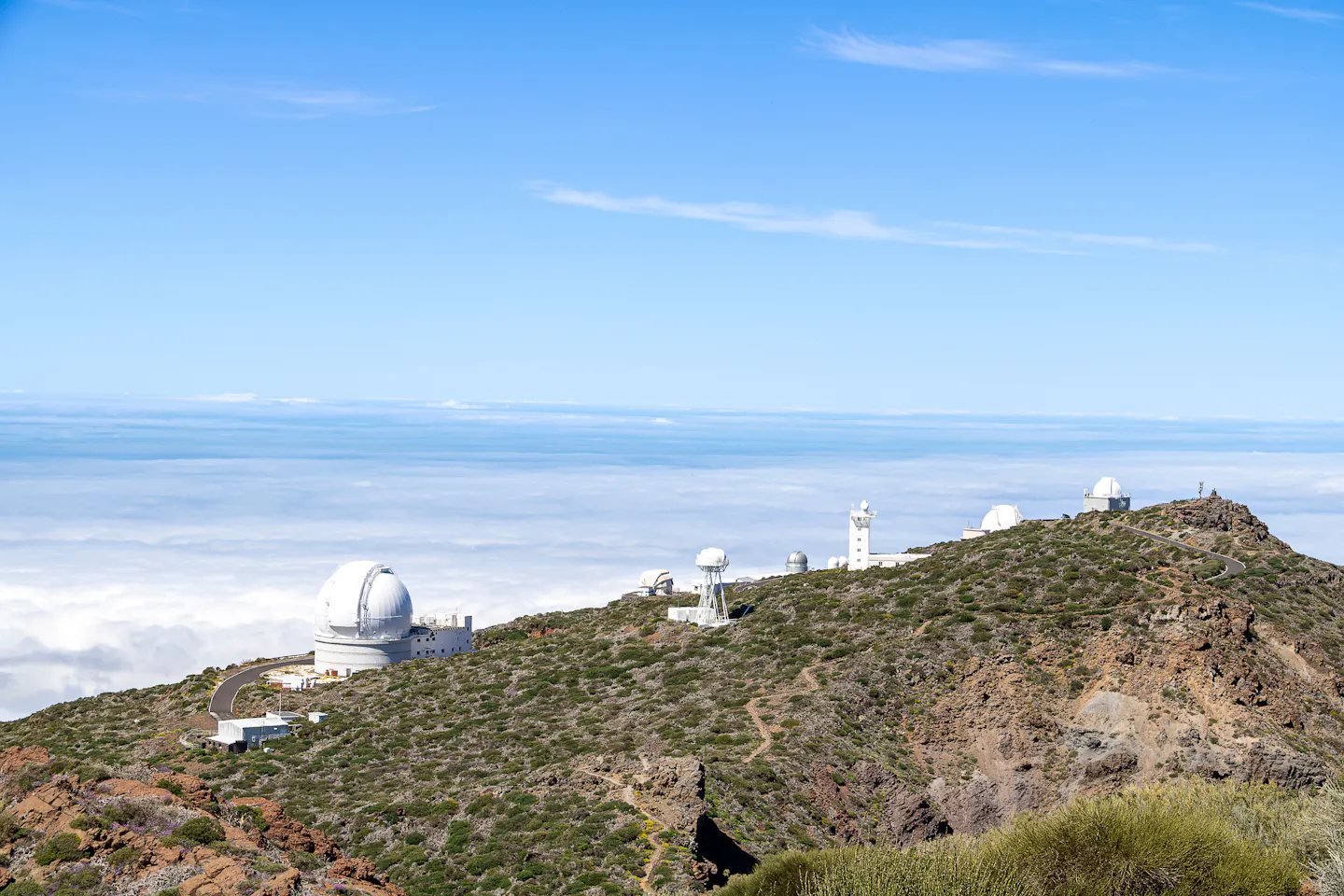
Typical December daytime high: around 22°C
Lanzarote is warm, dry, and visually completely different from most winter destinations in Europe.
Official climate data for Lanzarote shows an average December maximum of about 22°C and a sea temperature around 20°C. It is not guaranteed summer weather, but it is one of the strongest European options if you want sun without flying long-haul.
The real reason to choose Lanzarote, though, is the landscape. Timanfaya National Park feels almost lunar, with black lava fields and volcanic cones stretching across the island. César Manrique’s architecture and art spaces make the island feel unusually coherent and designed, while La Geria’s vineyards grow out of dark volcanic soil.
For a beach base, Playa Blanca is relaxed and well placed for the south of the island. Puerto del Carmen has more restaurants and nightlife. Costa Teguise is convenient for exploring the north and central areas.
Best for: couples, design lovers, road trips, volcanic scenery, and travelers who want a sunny island that feels distinctive.
Do not miss: Timanfaya, Jameos del Agua, Mirador del Río, La Geria, Papagayo beaches, and a slow lunch in one of the smaller villages.
Fuerteventura, Spain: Best for Beaches

Typical December daytime high: around 22°C
If your perfect December trip is mostly about sand, ocean, and doing very little, Fuerteventura is hard to beat.
The island has more than 150 kilometers of beaches, and its official tourism board describes the climate as mild and warm throughout the year. Climate normals at Fuerteventura Airport put average December daytime highs at about 22°C.
Corralejo is a good choice if you want restaurants, bars, boat trips, and easy access to the dunes of Corralejo Natural Park. In the south, the Jandía Peninsula has long sandy beaches and a more resort-focused feel.
Fuerteventura is windier than Tenerife or Gran Canaria, which is one reason it is so popular for surfing, windsurfing, and kitesurfing. On a calm sunny day, that breeze feels great. On a cloudier December day, it can make the temperature feel cooler than the number on the forecast.
Best for: beaches, surfing, relaxed couples’ trips, long walks, and anyone who wants the least complicated winter escape possible.
Choose Fuerteventura over Tenerife if your priority is beach space. Choose Tenerife if you want more sightseeing and variety.
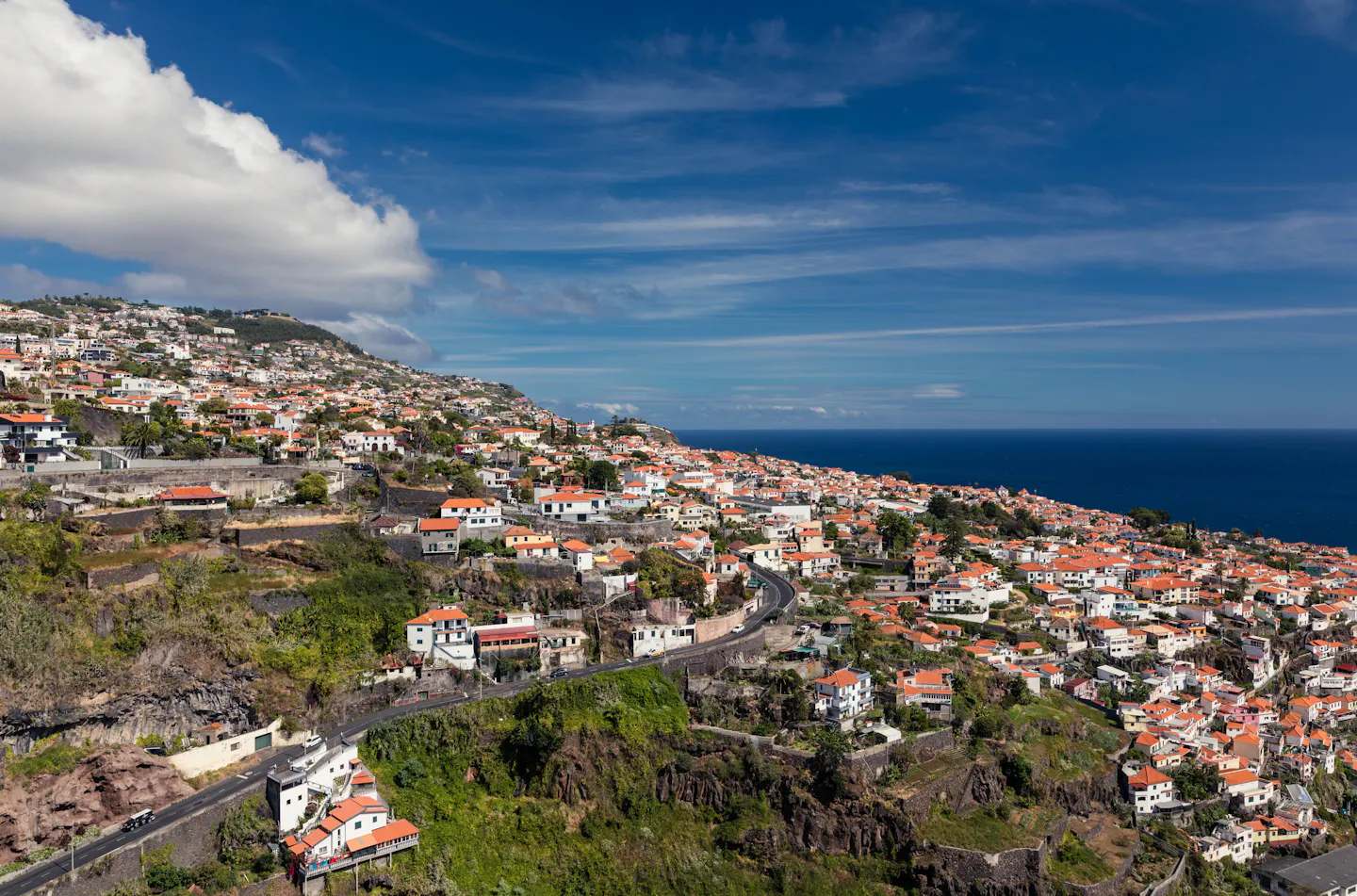
Madeira, Portugal: Best for Hiking and Green Scenery
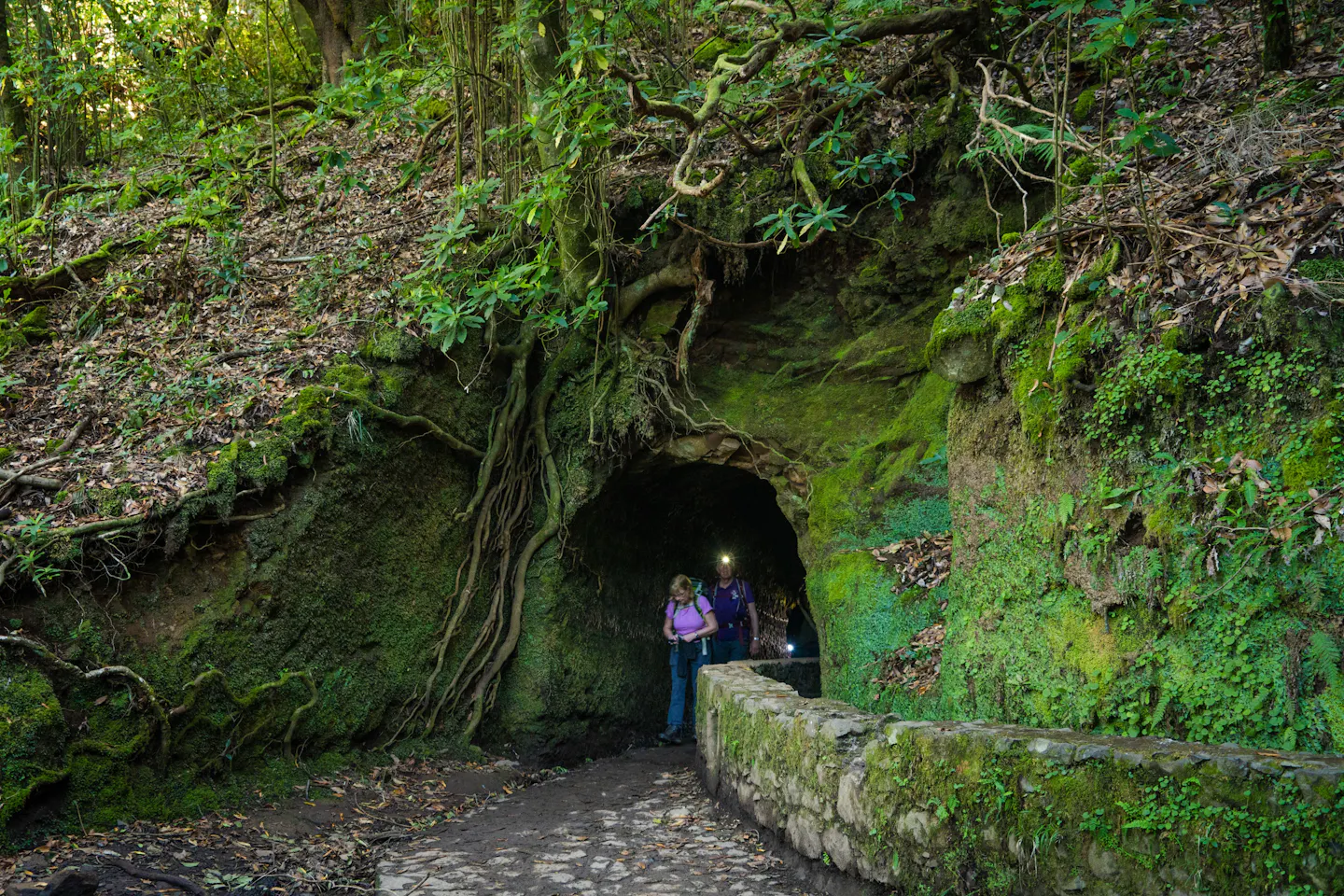
Typical December temperature on the coast: roughly 18–21°C during mild daytime weather
Madeira is not the place to choose if your only goal is a classic sandy-beach holiday. It is one of the best December destinations in Europe if you want mild weather, dramatic scenery, hiking, good food, and a trip that still feels active.
The island’s tourism board describes Madeira as mild all year, with winter temperatures generally staying comfortable on the coast. The big thing to understand is that Madeira has strong microclimates. Funchal can be sunny while the mountains are cloudy, cool, and wet.
That is part of the experience. You can spend the morning walking a levada through green forest, stop at a viewpoint above the clouds, and return to Funchal for dinner by the sea.
December is also one of Madeira’s most atmospheric months. Funchal is heavily decorated for Christmas, and the island is famous for its New Year’s Eve celebrations and fireworks.
Best for: hiking, nature, couples, food, scenic drives, and Christmas or New Year trips.
Where to stay: Funchal is easiest for restaurants and transport. Ponta do Sol and Calheta are good choices if you want a quieter base and often sunnier conditions on the south coast.
Cyprus: Best for History and Mild Mediterranean Sun
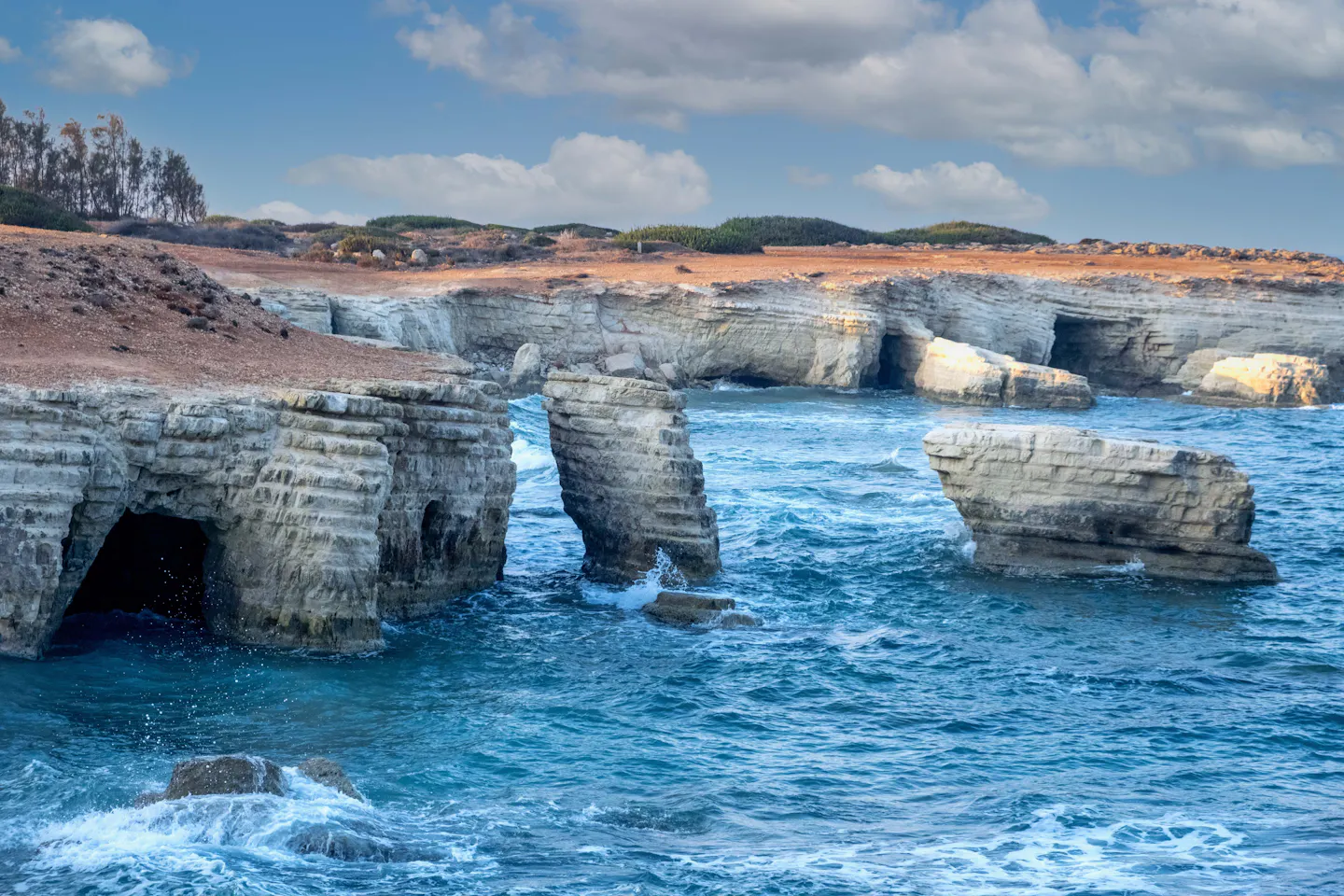
Typical December daytime high on the coast: around 18°C
Cyprus is not beach-hot in December, but it can feel wonderfully mild compared with northern and central Europe.
Official tourism data for coastal Cyprus puts the average December maximum at about 18°C, with several hours of sunshine per day. You should still pack a jacket, especially for evenings, and December is part of the wetter season.
Paphos is one of the best bases for a winter trip because you can combine archaeological sites, coastal walks, restaurants, and road trips into the countryside. Limassol is more urban and lively, with a long seafront and good access to villages and wineries.
Winter is also a much better time than midsummer for exploring ruins and hiking. You can visit archaeological sites without dealing with 35°C heat or peak-season crowds.
Best for: history, road trips, couples, food, archaeological sites, and travelers who want mild weather rather than a pure beach holiday.
Can you swim? The sea is cool in December. Some people do, but plan the trip around sightseeing and outdoor time rather than guaranteed swimming.
Málaga and the Costa del Sol, Spain: Best Mainland Europe Option
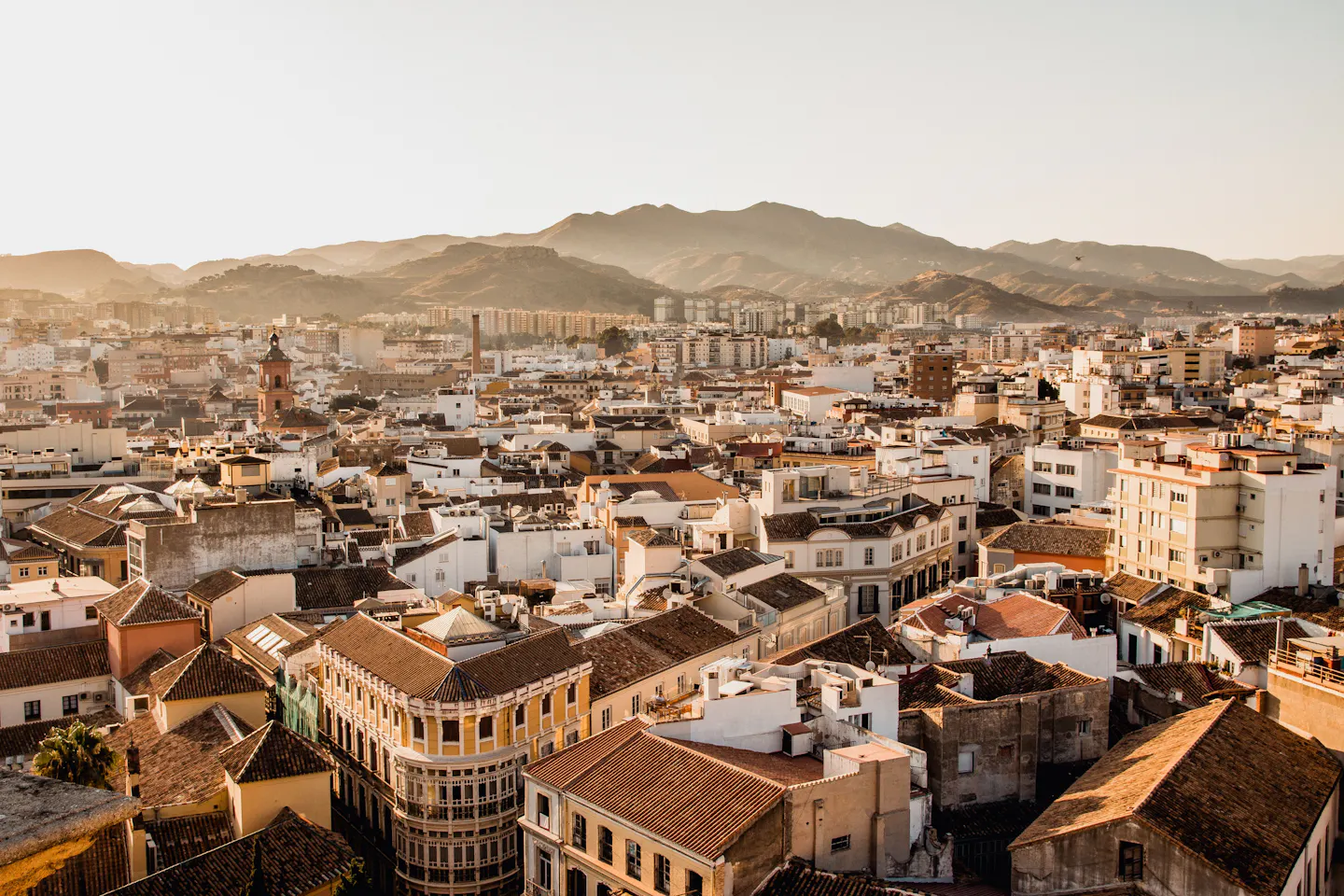
Typical December daytime high: around 17–18°C
If you want winter sun without flying to an island, Málaga is one of the best choices in mainland Europe.
December daytime highs average around 17–18°C, which is not hot, but sunny afternoons can feel very pleasant. You can eat outside, walk along the waterfront, explore the old town, and take day trips without the intense heat of summer.
Málaga is also one of the strongest choices on this list for travelers who care about restaurants, museums, and city life as much as weather. You have the Picasso Museum, the Alcazaba, the cathedral, food markets, tapas bars, and a long seafront all within a compact city.
If you want more of a resort break, continue along the Costa del Sol to Marbella, Estepona, or Nerja. December is quiet, though, so some seasonal beach businesses may reduce their hours.
Best for: city breaks, food, culture, couples, and travelers looking for the warmest practical mainland-Europe option.
A good route: spend three or four nights in Málaga, then rent a car for Nerja, Frigiliana, Ronda, or the white villages of Andalusia.
Malta: Best for a Warm December City Break
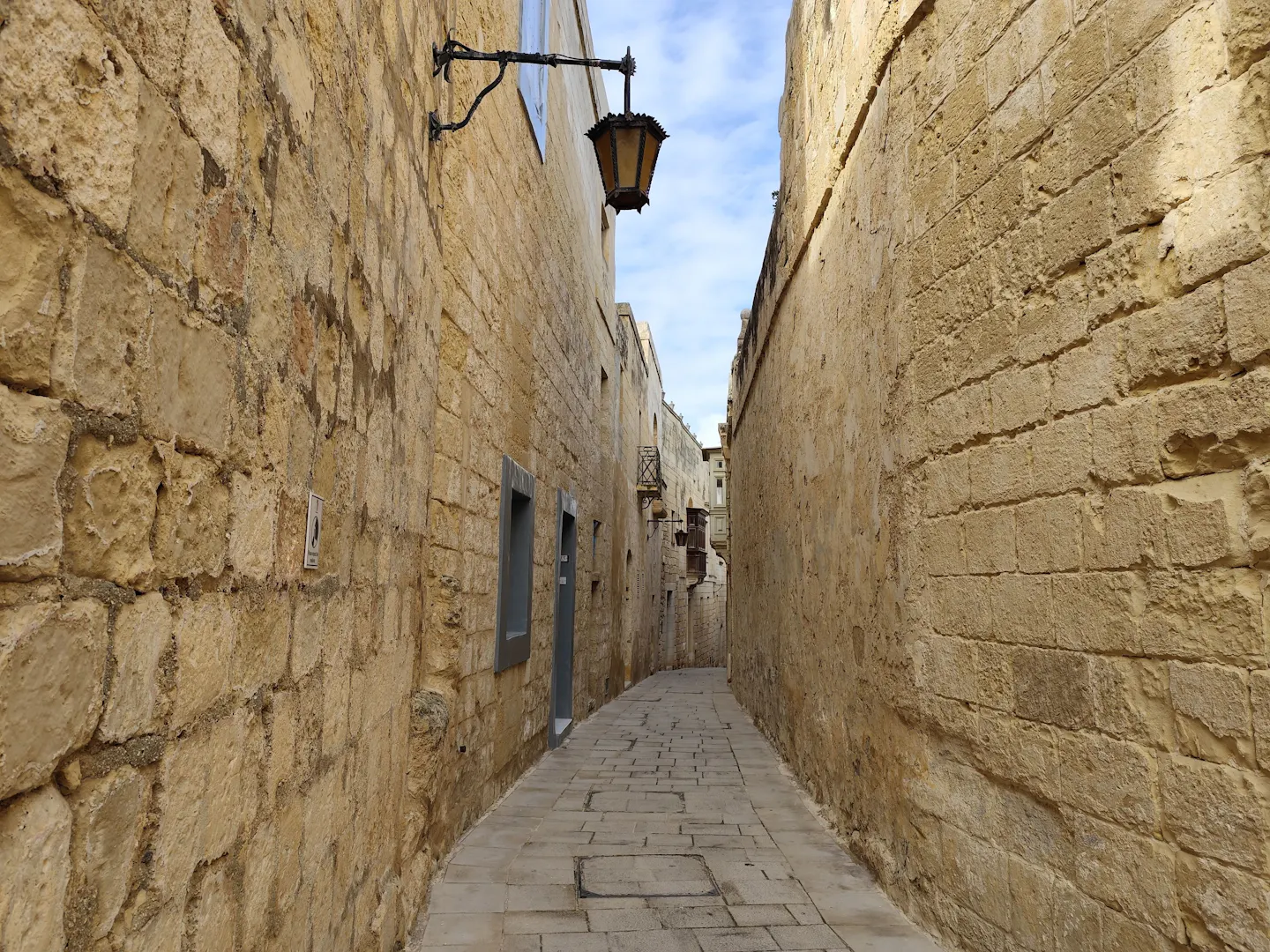
Typical December daytime high: around 17°C
Malta works best in December when you stop thinking of it as a beach holiday and start treating the whole island as one compact historical city break.
Long-term climate data gives Malta an average December maximum of about 17°C. There are sunny days, but December can also be rainy and windy, so this is a destination for light layers rather than guaranteed T-shirt weather.
The advantage is that cooler temperatures make sightseeing much easier. Walk through Valletta, take the ferry across the Grand Harbour, explore the Three Cities, spend an afternoon in Mdina, and take a day trip to Gozo.
Because Malta is small, you can see a lot without constantly changing hotels. It is also a good December option if you only have three or four days and want somewhere that feels noticeably brighter and milder than northern Europe.
Best for: short breaks, history, architecture, food, couples, and travelers who want sunshine without needing a beach.
Where to stay: Valletta for atmosphere and sightseeing, Sliema for easier hotel choice and transport, or the Three Cities for something quieter.
The Algarve, Portugal: Best for Coastal Walks and a Relaxed Road Trip
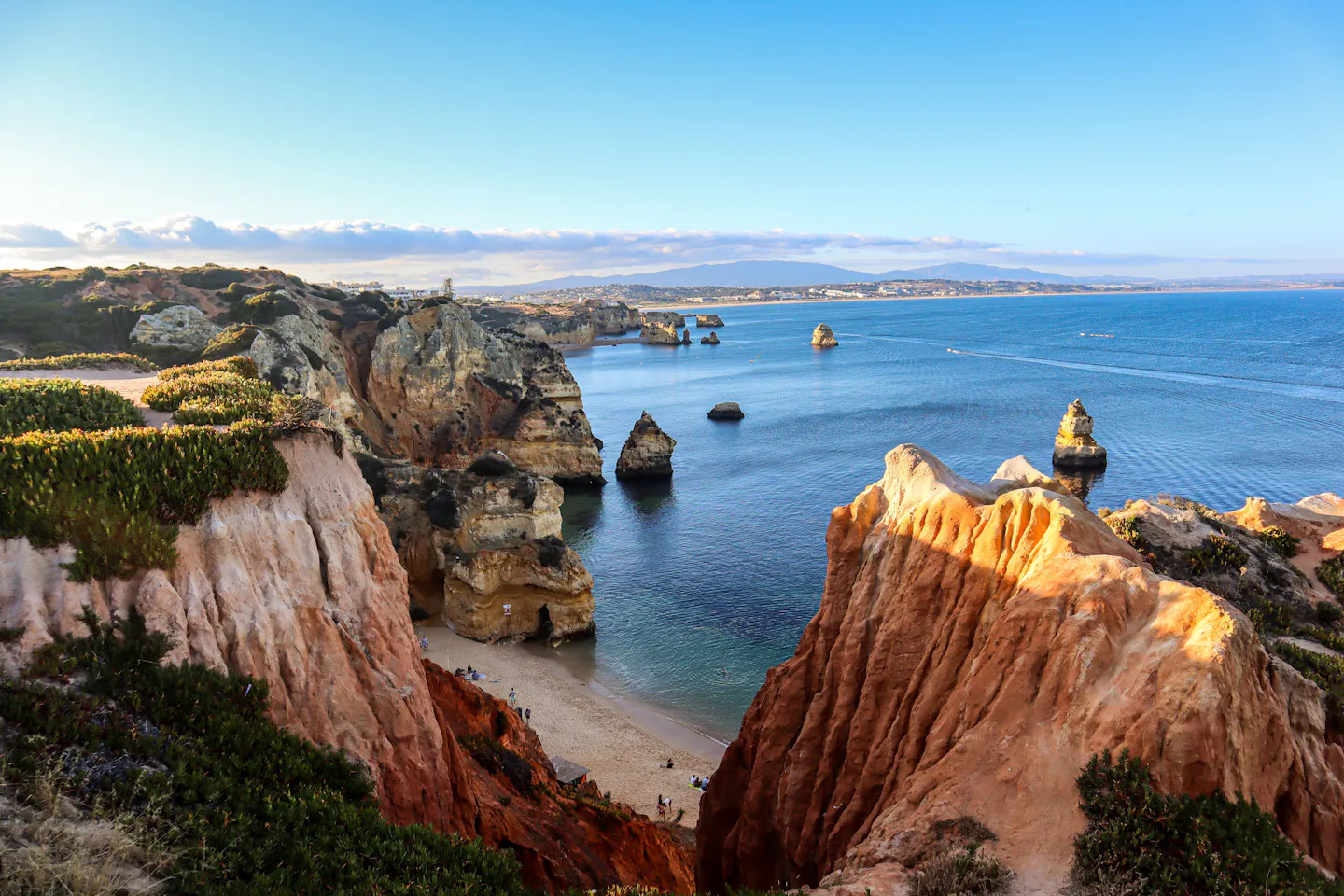
Typical December daytime high: around 16–18°C
The Algarve in December is quiet, bright, and much more local than in summer.
Portugal’s tourism information describes winter air temperatures in the Algarve as typically around 15–18°C. You will not get reliable beach weather, but you can get excellent conditions for walking, cycling, golf, and road trips along the coast.
Lagos is a great base if you want cliffs, sea views, restaurants, and easy access to the western Algarve. Tavira is quieter and more traditional. Faro works well for a short trip or as a starting point if you are renting a car.
The best part of coming in winter is being able to walk the coast without summer heat. Trails around Ponta da Piedade, Praia da Marinha, Carvoeiro, and the Seven Hanging Valleys route are much more comfortable in mild weather.
Best for: road trips, hiking, photography, seafood, golf, and travelers who want calm rather than nightlife.
One warning: December is part of the wetter season, and Atlantic wind can make cool days feel colder. Build some flexibility into the itinerary.
Crete, Greece: Best for an Off-Season Greek Island
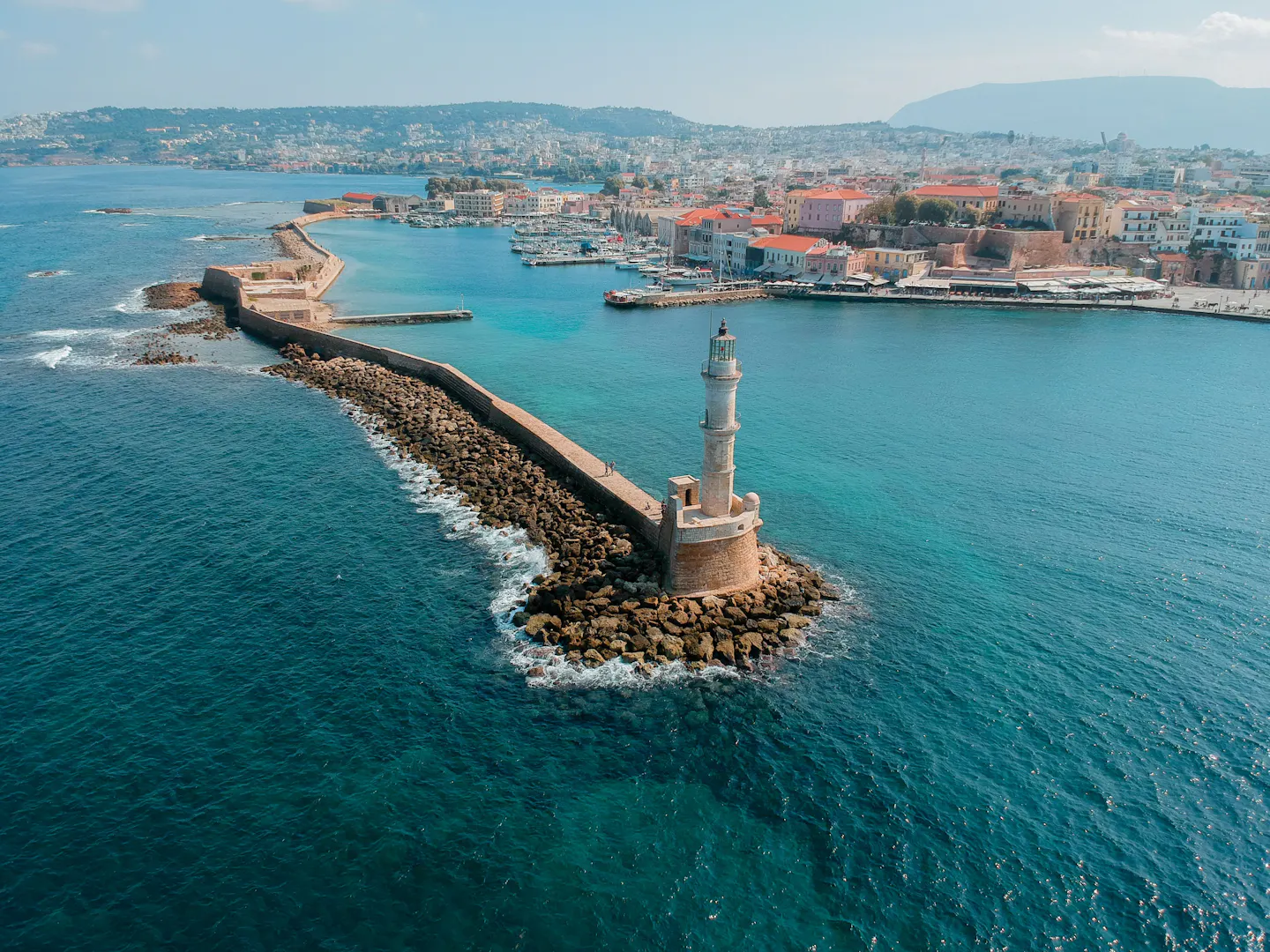
Typical December daytime high: around 15–16°C
Crete is the coolest destination on this list, so do not choose it if your definition of winter sun means spending every day on the beach.
Choose it if you want a Greek island with mild winter temperatures, excellent food, history, mountain scenery, and far fewer visitors than in summer.
Chania and Heraklion are the most practical bases because they remain real working cities outside the tourist season. You can explore Chania’s Venetian harbor, visit Knossos near Heraklion, drive through villages, eat in local tavernas, and see a much quieter side of the island.
December weather is changeable. You can get sunny afternoons that feel beautifully mild, but also rain, wind, and cool evenings. Many summer resorts and seasonal businesses are closed, which is exactly why it is better to stay in a proper town rather than a beach resort.
Best for: food, history, slower travel, local life, road trips, and travelers who care more about atmosphere than beach weather.
Can You Swim in Europe in December?
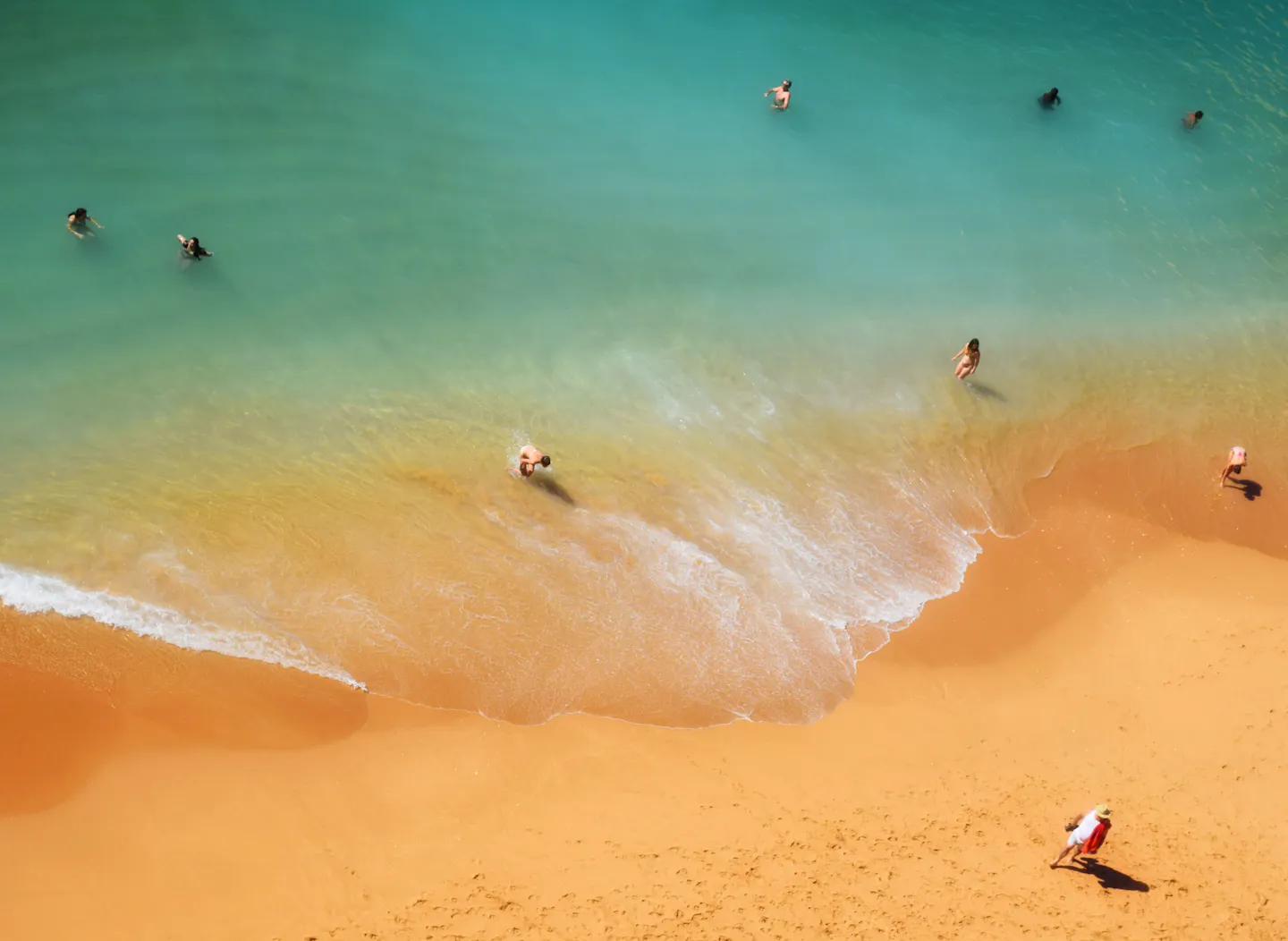
Yes, but the Canary Islands are the best bet.
In Tenerife, Gran Canaria, Lanzarote, and Fuerteventura, December sea temperatures are generally around the high teens to roughly 20°C, depending on the island and location. Some travelers find that perfectly swimmable, while others will strongly prefer a heated pool.
Madeira can also work for swimming on a mild day, especially in natural pools or sheltered areas, but it is not a guaranteed beach trip.
In Cyprus, Malta, Málaga, the Algarve, and Crete, treat swimming as a bonus rather than the reason to book. The air can be pleasant while the sea still feels cold.
If swimming matters a lot, check whether your hotel has a genuinely heated outdoor pool. In December, that small detail can make a huge difference.
Which Warm European Destination Should You Choose in December?
Choose Tenerife if you want the safest all-round winter-sun option.
Choose Gran Canaria if you want warm weather plus a good mix of beaches, resorts, and city life.
Choose Lanzarote if scenery, design, and road trips matter more than nightlife.
Choose Fuerteventura if beaches are the whole point of the trip.
Choose Madeira if you want hiking, dramatic nature, and mild weather rather than a classic beach holiday.
Choose Cyprus if you want history, food, and outdoor sightseeing with some winter sun.
Choose Málaga if you want the easiest mainland city break with mild weather.
Choose Malta if you only have a few days and want history, architecture, and a compact island.
Choose the Algarve if you want coastal walks, cliffs, and a quiet road trip.
Choose Crete if you want Greece without summer crowds and you do not mind cooler, less predictable weather.
Frequently Asked Questions About Warm Places in Europe in December
Where is the warmest place in Europe in December?
The Canary Islands are the warmest and most reliable winter-sun destination in Europe in December. Southern Tenerife is one of the strongest choices, with average daytime highs close to 23°C. Gran Canaria, Lanzarote, and Fuerteventura are very similar.
Where in Europe is it hot in December?
Europe does not have many places that are truly hot in December. The Canary Islands are the closest thing to dependable warm beach weather, with daytime temperatures commonly around 20–23°C. Elsewhere in southern Europe, expect mild rather than hot conditions.
Where can I go for winter sun in Europe in December?
The best winter-sun options are Tenerife, Gran Canaria, Lanzarote, Fuerteventura, Madeira, Cyprus, Málaga and the Costa del Sol, Malta, the Algarve, and Crete.
What is the warmest part of Spain in December?
The Canary Islands are much warmer than mainland Spain in December. If you want mainland Spain, Málaga and the wider Costa del Sol are among the best mild-weather choices.
Is Portugal warm in December?
Madeira is the warmest Portuguese option and stays mild through winter. The Algarve is cooler, usually around the mid-to-high teens during the day, but is still good for outdoor trips, coastal walks, and road trips.
Is Greece warm in December?
Southern Greece and the islands are milder than northern Europe, but December is still winter. Crete is one of the better options, with typical daytime highs around 15–16°C. It is better for sightseeing, food, and road trips than for a guaranteed beach holiday.
Where is warm in Europe at Christmas?
For the best chance of sunshine and 20°C-plus daytime weather around Christmas, choose the Canary Islands. Madeira is another excellent festive option, especially if you want Christmas lights, hiking, and New Year celebrations in Funchal.
Plan Your December Winter-Sun Trip With EasyMiles
Choosing the warmest destination is the easy part. The harder part is turning a few December days into a trip that actually works.
Winter opening hours can be shorter. Some beach businesses close for the season. Weather can change between the coast and the mountains. And the best plan for a sunny day may be completely different from the best plan for a rainy one.
EasyMiles builds your trip around your destination, dates, interests, food preferences, and travel pace. It combines activities, restaurants, local tips, opening hours, weather, and realistic travel time into one itinerary, so you do not have to spend hours moving places between Maps, Notes, screenshots, and saved posts.
That is especially useful for a December trip: you can keep the sunny days for beaches, viewpoints, and hikes, then use museums, food stops, and city plans when the weather changes.
Pick your winter-sun destination, tell EasyMiles how you like to travel, and get the whole trip planned around you.