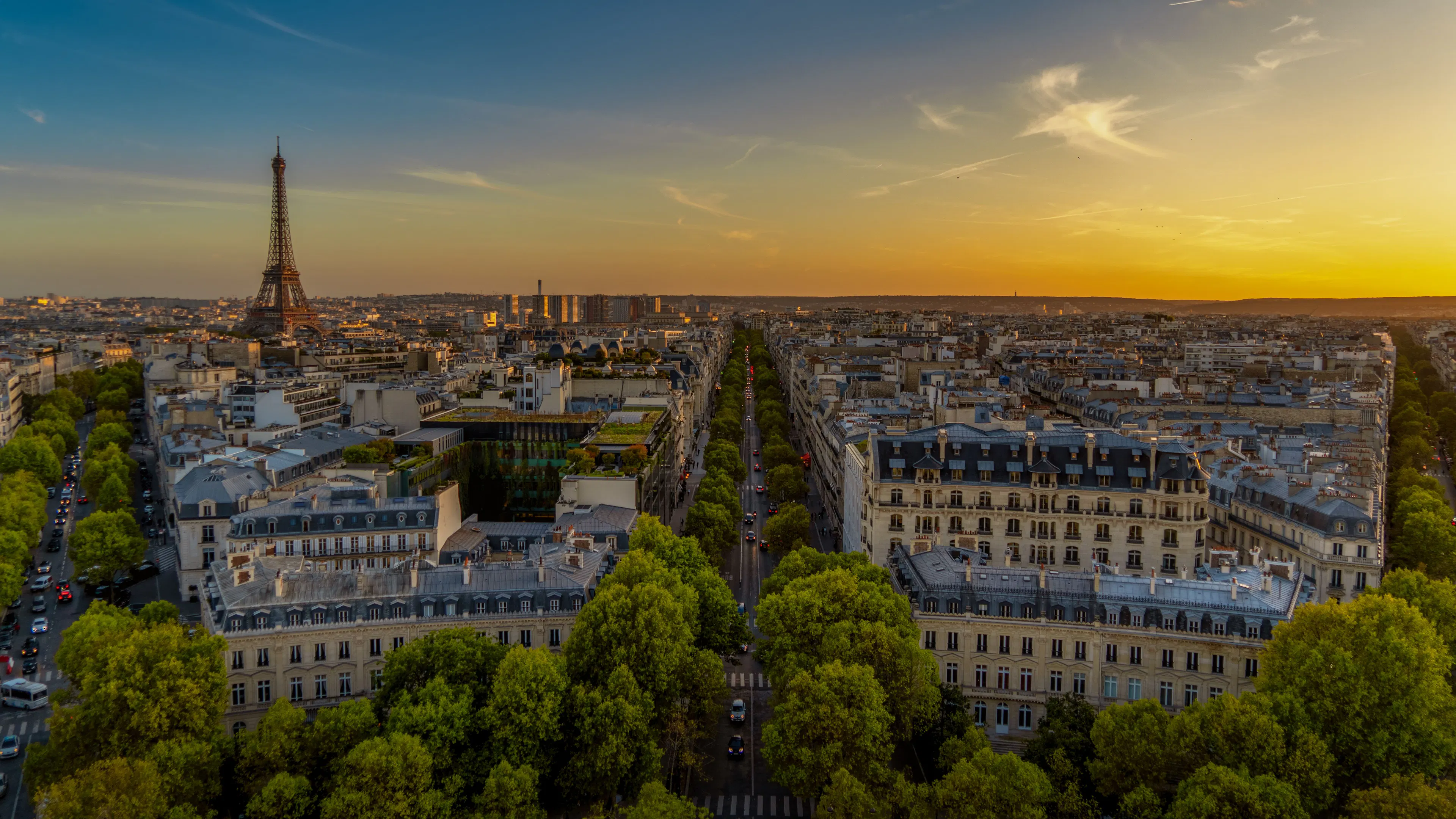
The must-see places on a first trip to Paris are the Eiffel Tower, the Louvre, Notre-Dame, Sainte-Chapelle, the Seine, Montmartre and Sacré-Cœur, the Musée d’Orsay, Le Marais, the Latin Quarter and Luxembourg Gardens, and the Arc de Triomphe. Together they give you the best mix of famous landmarks, beautiful neighborhoods, art, food, and those very Parisian moments you came for in the first place.
If you have three full days, you can see most of them without turning the trip into a race. With four or five days, you can slow down, spend more time in neighborhoods, and add a day trip to Versailles.
A good first Paris trip should include:
- Eiffel Tower — for the classic Paris view and the feeling of finally being there.
- Louvre Museum — for the world-famous art, but also for the palace itself.
- Notre-Dame and Île de la Cité — for medieval Paris and one of the city’s most important landmarks.
- Sainte-Chapelle — for spectacular stained glass.
- A walk along the Seine — one of the easiest and best ways to experience central Paris.
- Montmartre and Sacré-Cœur — for hilltop views, cobbled streets, cafés, and old Paris atmosphere.
- Musée d’Orsay — for Monet, Van Gogh, Renoir, Degas, and one of the most beautiful museum buildings in the city.
- Le Marais — for small streets, shops, galleries, cafés, and an easy afternoon of wandering.
- Latin Quarter and Luxembourg Gardens — for historic streets, bookshops, cafés, and a slower side of central Paris.
- Arc de Triomphe — for one of the best panoramic views over Paris.
Below is how to experience each place without trying to squeeze everything into one exhausting day.
The 10 best places to see in Paris on your first trip
Eiffel Tower
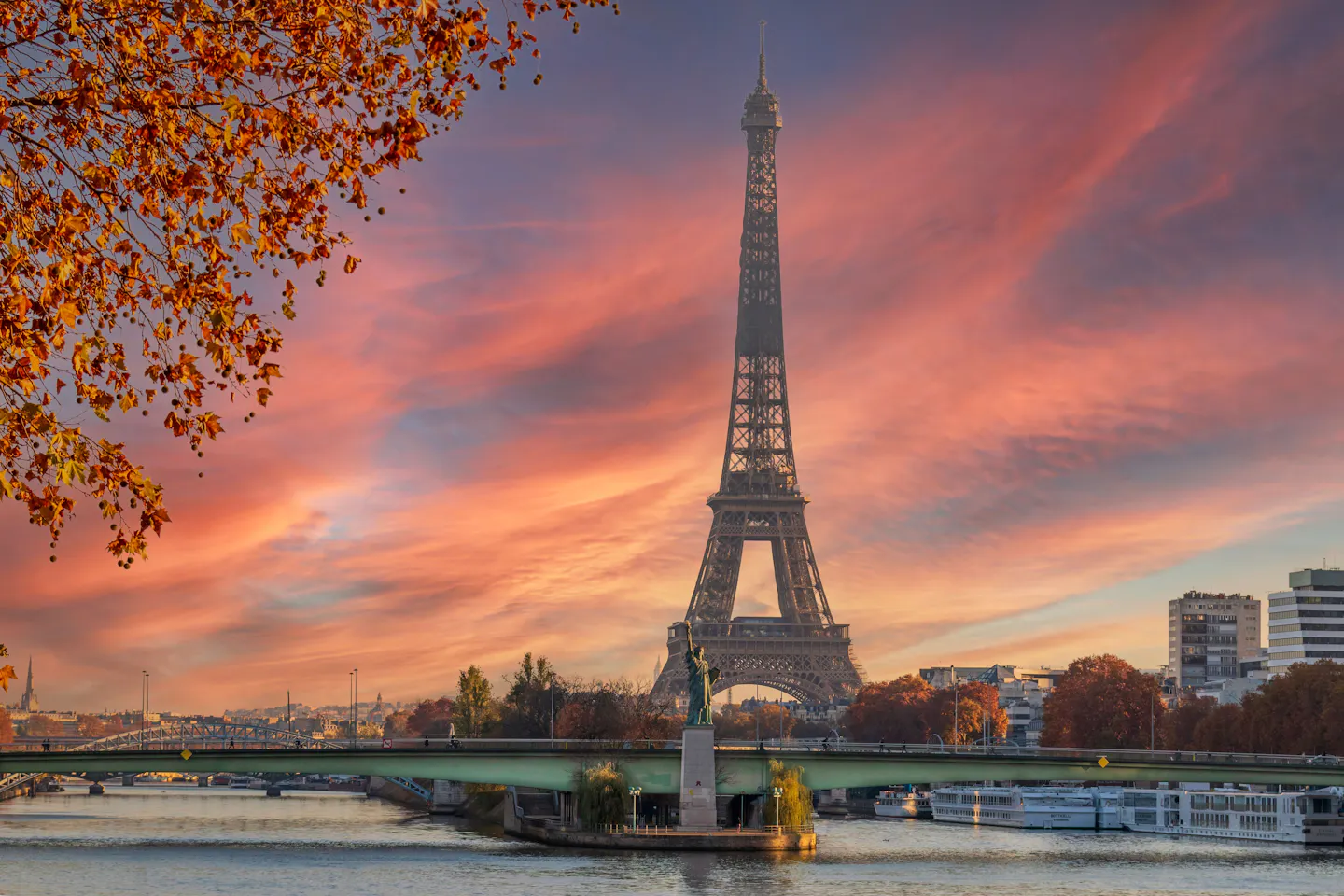
Yes, you should see the Eiffel Tower on your first trip to Paris. It is obvious for a reason.
The best part is that “seeing the Eiffel Tower” can mean several different things. You can go up the tower, have a picnic nearby, see it from across the Seine, or come back after dark when the tower is illuminated.
If you want the classic view, start around Trocadéro and walk toward the tower. Another beautiful angle is from the Champ de Mars. For a more relaxed moment, walk along the Seine nearby instead of spending the whole visit standing at the busiest photo spots.
Going to the top is worth it if this is a once-in-a-lifetime trip or you simply love viewpoints. If you only have a short stay, though, you do not have to go up. Paris also has excellent city views from the Arc de Triomphe, Sacré-Cœur, and several other viewpoints.
Planning tip: Eiffel Tower tickets can sell out, especially in busy months. If going up is important to you, book it before you arrive rather than building your day around the hope of getting a last-minute slot.
Best for: first-time visitors, couples, photographers, sunset views, and anyone who wants the classic Paris moment.
Louvre Museum
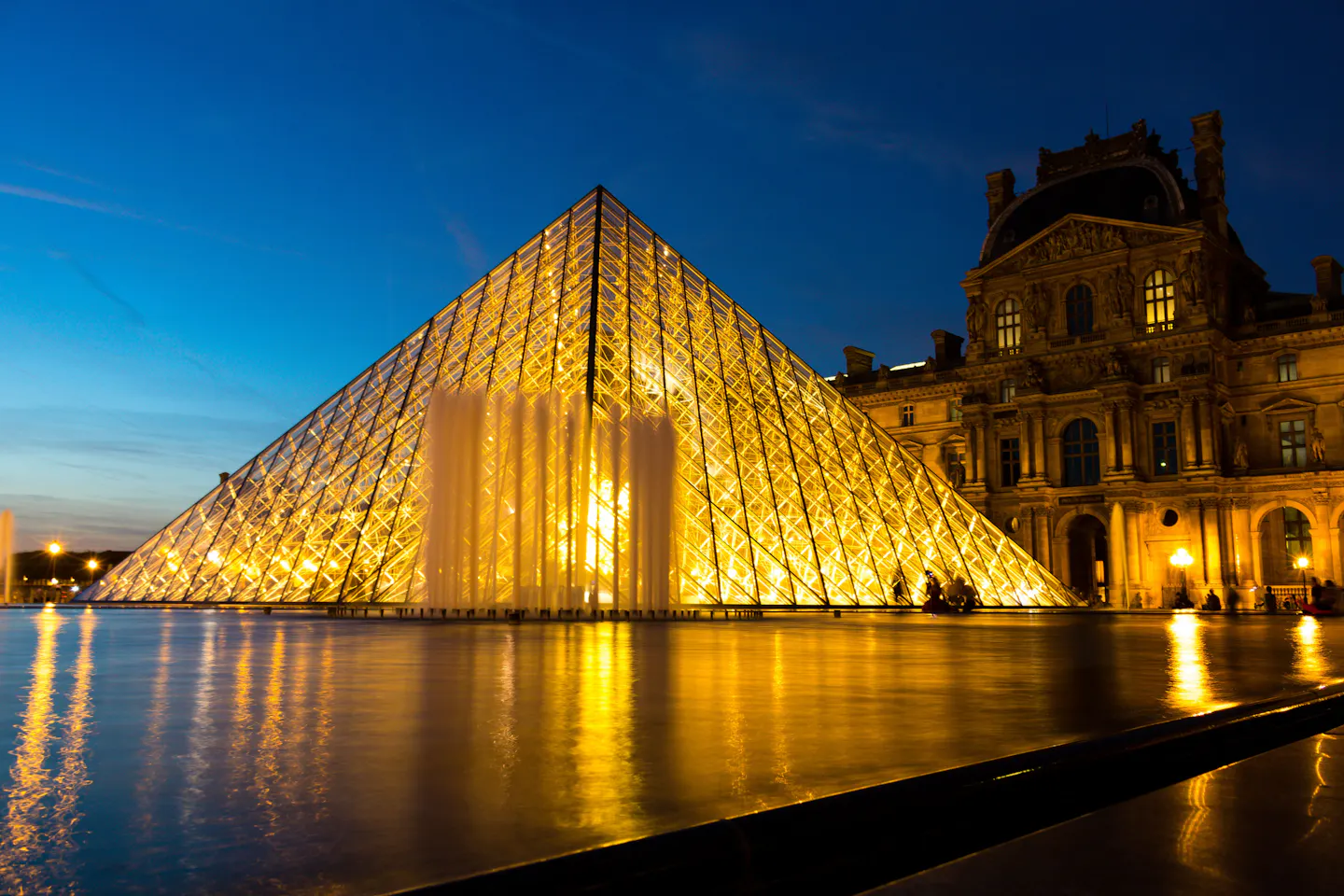
The Louvre is one of those places that can either be a highlight of your trip or make you feel like you have accidentally signed up for a six-hour endurance event.
Do not try to see everything.
For a first visit, choose a few priorities before you go. You may want to see the Mona Lisa, the Winged Victory of Samothrace, the Venus de Milo, the French crown jewels, the Egyptian collections, or Napoleon III’s apartments. Pick what genuinely interests you and let the rest be a bonus.
The building itself is also part of the experience. The Louvre was a royal palace long before it became a museum, so even if you are not someone who usually spends hours looking at art, the rooms and architecture are worth seeing.
Give yourself around two to three hours for a first visit. Longer is possible, but there is no prize for museum exhaustion.
Afterward, walk through the Tuileries Garden instead of immediately jumping onto the Metro. It is an easy way to reset after the crowds and continue toward Place de la Concorde.
Planning tip: the Louvre is closed on Tuesdays. Timed reservations are especially important during busy periods, so check the official schedule before building your itinerary.
Best for: art, history, architecture, rainy days, and first-time Paris trips.
Notre-Dame and Île de la Cité
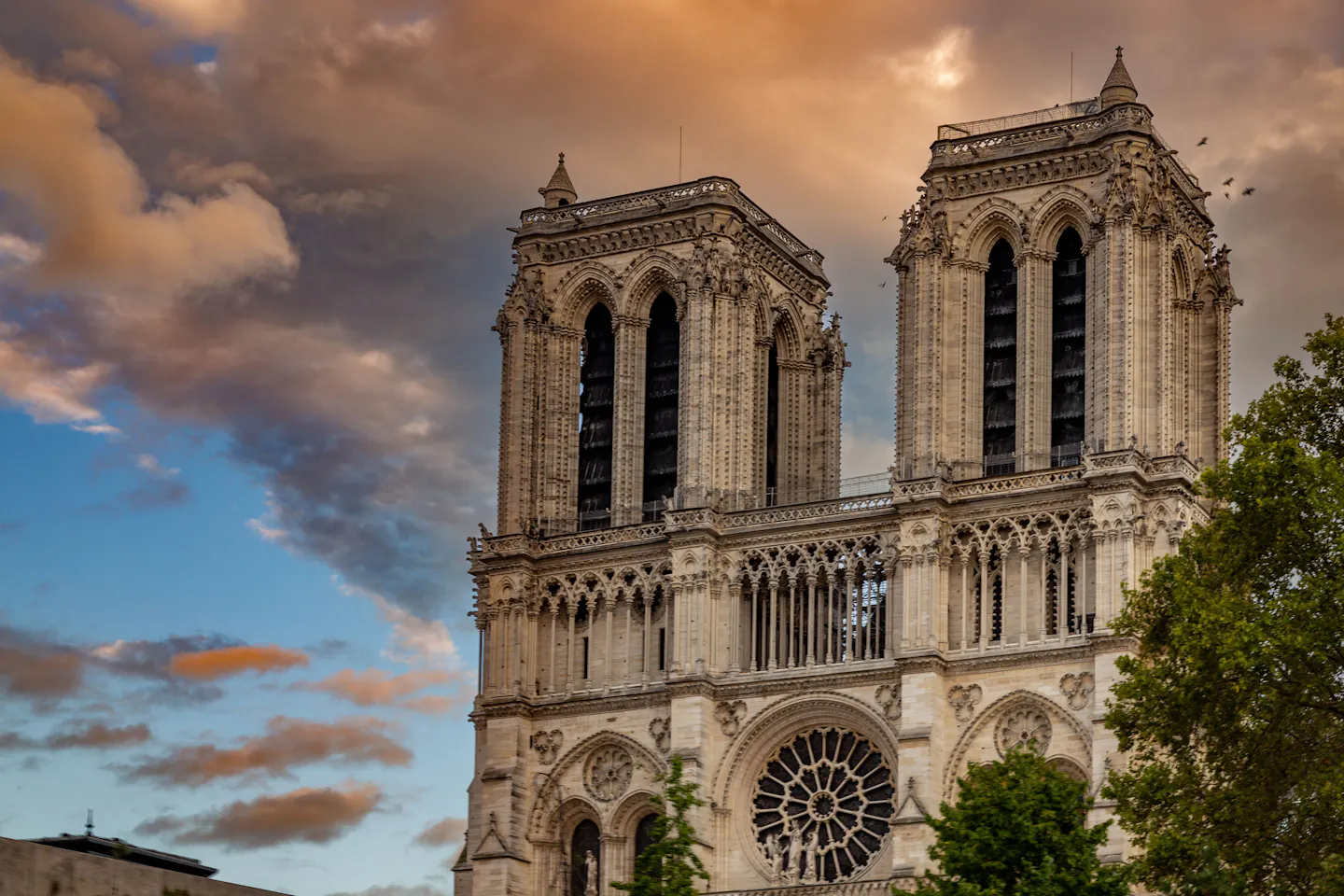
Notre-Dame is once again one of the essential stops in Paris after reopening following its major restoration.
The cathedral is on Île de la Cité, the historic island in the middle of the Seine, and the whole area works well as the starting point for a first day in Paris.
Go inside Notre-Dame, then take time to walk around the cathedral and along the river. From here, you are close to Sainte-Chapelle, the Conciergerie, the Latin Quarter, and the booksellers along the Seine.
Entry to Notre-Dame Cathedral is free. Free reservations are available through the cathedral’s official system and can help reduce waiting, but individual time slots are released close to the visit rather than months in advance.
This is a good area to slow down. Paris becomes much more enjoyable when every hour is not attached to a ticket.
Best for: history, architecture, first-time visitors, and an easy walking route through central Paris.
Sainte-Chapelle
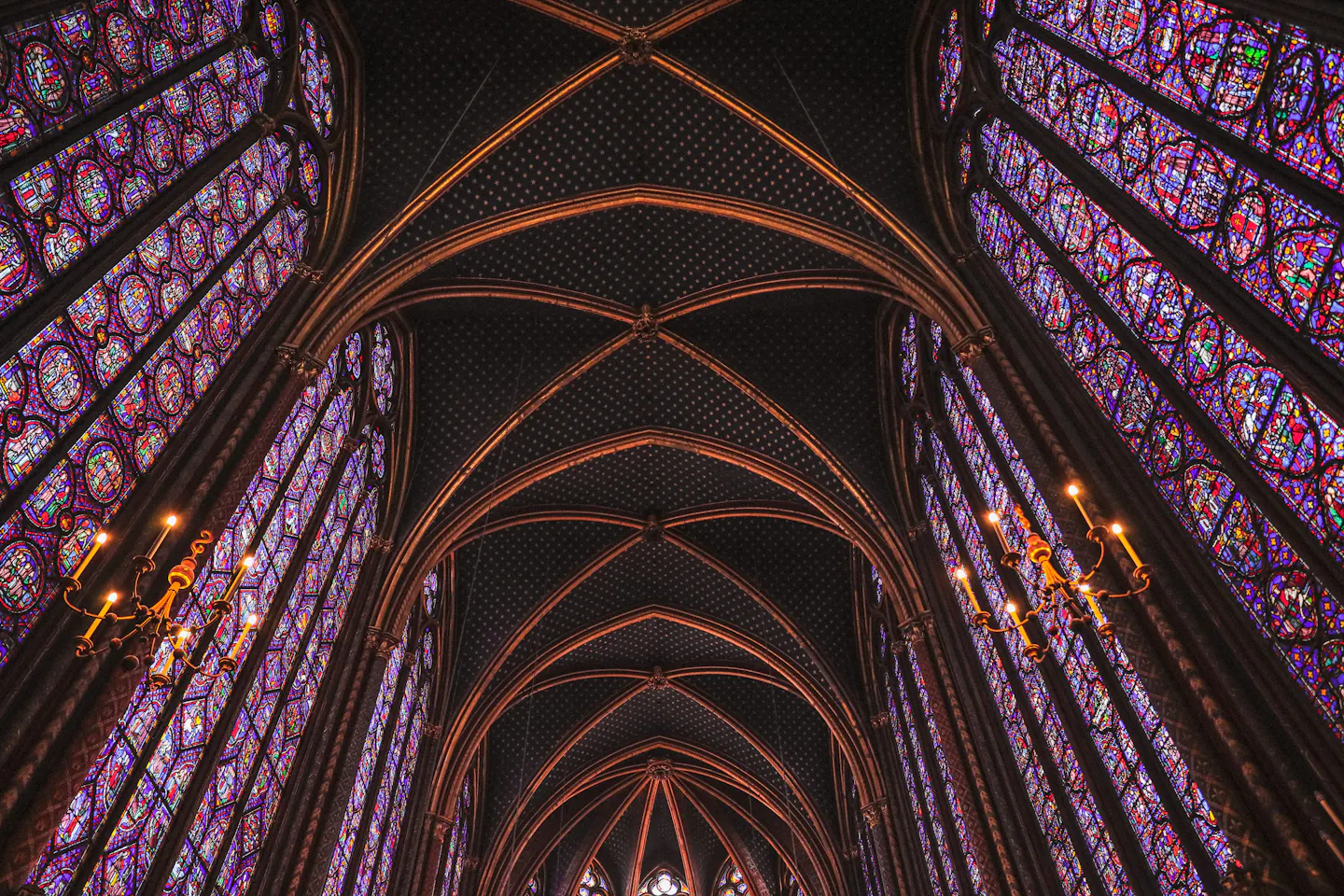
Sainte-Chapelle is smaller than Notre-Dame and much easier to underestimate before you see it.
Then you walk upstairs.
The upper chapel is surrounded by enormous stained-glass windows, with more than a thousand individual scenes. On a bright day, the whole space seems to glow.
Because Sainte-Chapelle is very close to Notre-Dame, it makes sense to combine the two rather than returning to the same area on another day. You can also add the Conciergerie if you are interested in French history.
You do not need several hours here. Around 45 minutes to one hour is enough for most first-time visitors, which makes it one of the easiest major sights to fit into a realistic itinerary.
Best for: architecture, photography, history, rainy or mixed-weather days, and people who want something genuinely beautiful without spending half a day in a museum.
Walk along the Seine
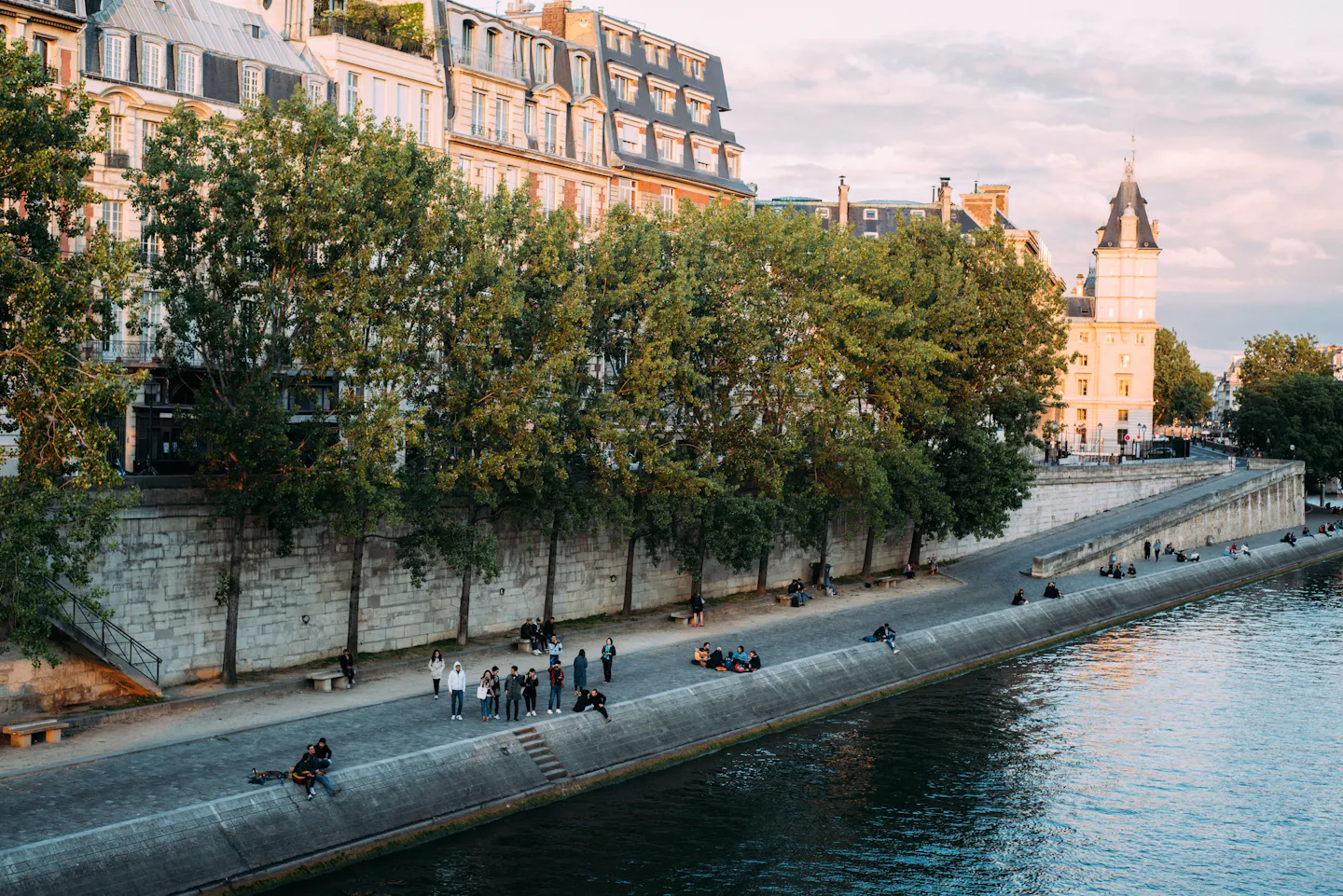
Some of the best time you will spend in Paris does not require a ticket.
A great first-time route runs from Île de la Cité toward the Louvre, through the Tuileries, and farther west if you still have energy. Another option is to walk on the Left Bank around Saint-Germain-des-Prés and the Musée d’Orsay.
You will pass bridges, bookstalls, monuments, museum façades, cafés, and plenty of places where you suddenly stop because the city looks exactly like you hoped it would.
A Seine cruise is also a good first-day or first-evening activity, especially if you are tired after traveling. It gives you an easy overview of many central landmarks without making you walk another 15,000 steps.
If you have to choose between rushing to one more attraction and spending an hour walking along the river, choose the river more often than you think.
Best for: everyone, especially on your first day, at sunset, or when you want a break from timed attractions.
Montmartre and Sacré-Cœur
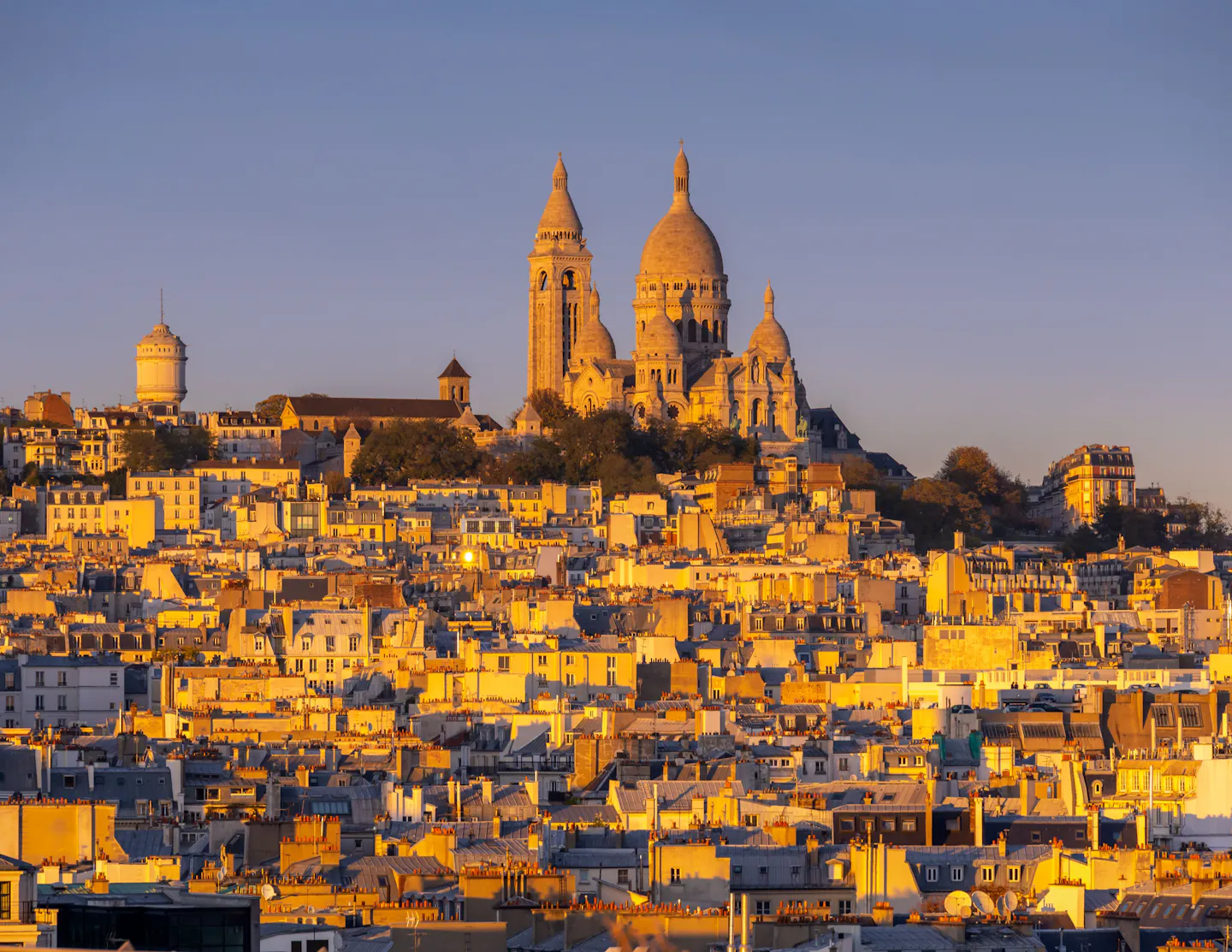
Montmartre feels different from the monumental center of Paris.
It sits on a hill in the 18th arrondissement and is known for Sacré-Cœur, steep streets, old apartment buildings, artists, cafés, and views across the city.
Start near Sacré-Cœur, but do not make the basilica the only thing you see. Walk around the smaller streets behind and around it. Place du Tertre is famous for portrait artists and can be busy, but the wider neighborhood becomes much more enjoyable when you move away from the main tourist flow.
Montmartre is particularly nice in the morning before the busiest crowds arrive, or later in the afternoon when you can stay for dinner and see the city change toward evening.
Wear comfortable shoes. The hills and stairs are very real.
Best for: couples, photographers, cafés, neighborhood walks, views, and anyone looking for the romantic version of Paris.
Musée d’Orsay
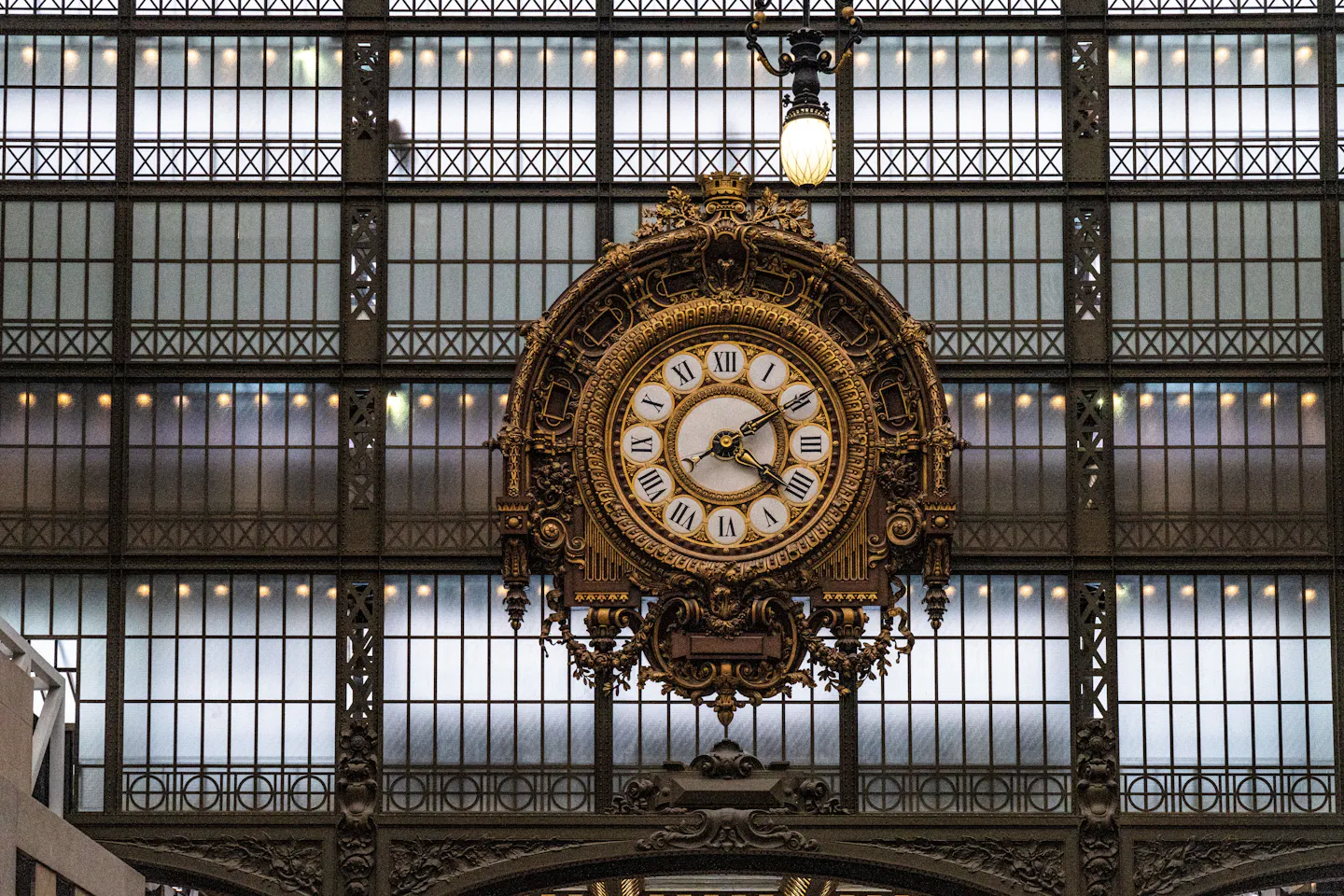
If you like Impressionist art, the Musée d’Orsay may be the best museum in Paris for you.
The collection includes major works by Monet, Renoir, Degas, Van Gogh, Cézanne, and other artists from the 19th and early 20th centuries. It is also much more manageable than the Louvre for most visitors.
The museum is inside a former railway station, so the building is part of the appeal. Do not miss the huge clock faces and the views across the Seine.
For many first-time visitors, two hours is enough for a satisfying visit. If you are genuinely into art, give it longer.
The Musée d’Orsay is closed on Mondays and currently has a late opening on Thursdays. The museum is also renovating parts of its reception areas through 2028, so check access information before your visit.
Best for: Impressionist art, Van Gogh fans, architecture, rainy afternoons, and travelers who prefer a more focused museum visit.
Le Marais
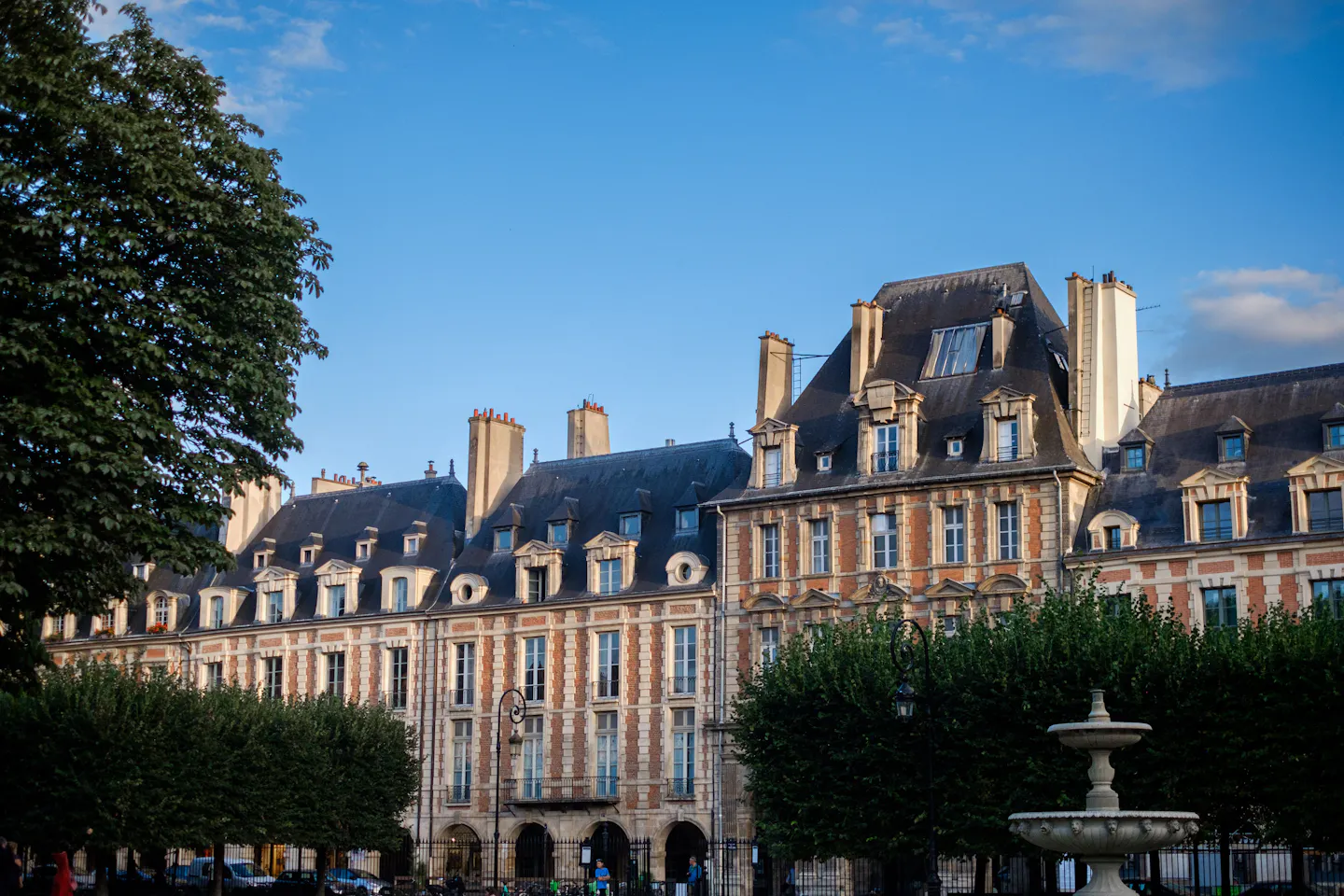
Le Marais is where you go when you want to stop “doing sights” for a while and just enjoy Paris.
It is one of the best neighborhoods for wandering without a strict plan. Expect narrow streets, historic buildings, small boutiques, galleries, bakeries, cafés, bars, and a mix of old Paris and modern city life.
Place des Vosges is an easy landmark to include. From there, let yourself explore the side streets instead of following the fastest route on your phone.
Le Marais is especially good for lunch, an afternoon coffee, shopping, or an early evening before dinner. It also pairs naturally with the Picasso Museum, the Centre Pompidou area, or a walk toward the Seine.
Best for: food, shopping, cafés, architecture, relaxed afternoons, and travelers who want to experience Paris beyond its biggest monuments.
Latin Quarter and Luxembourg Gardens
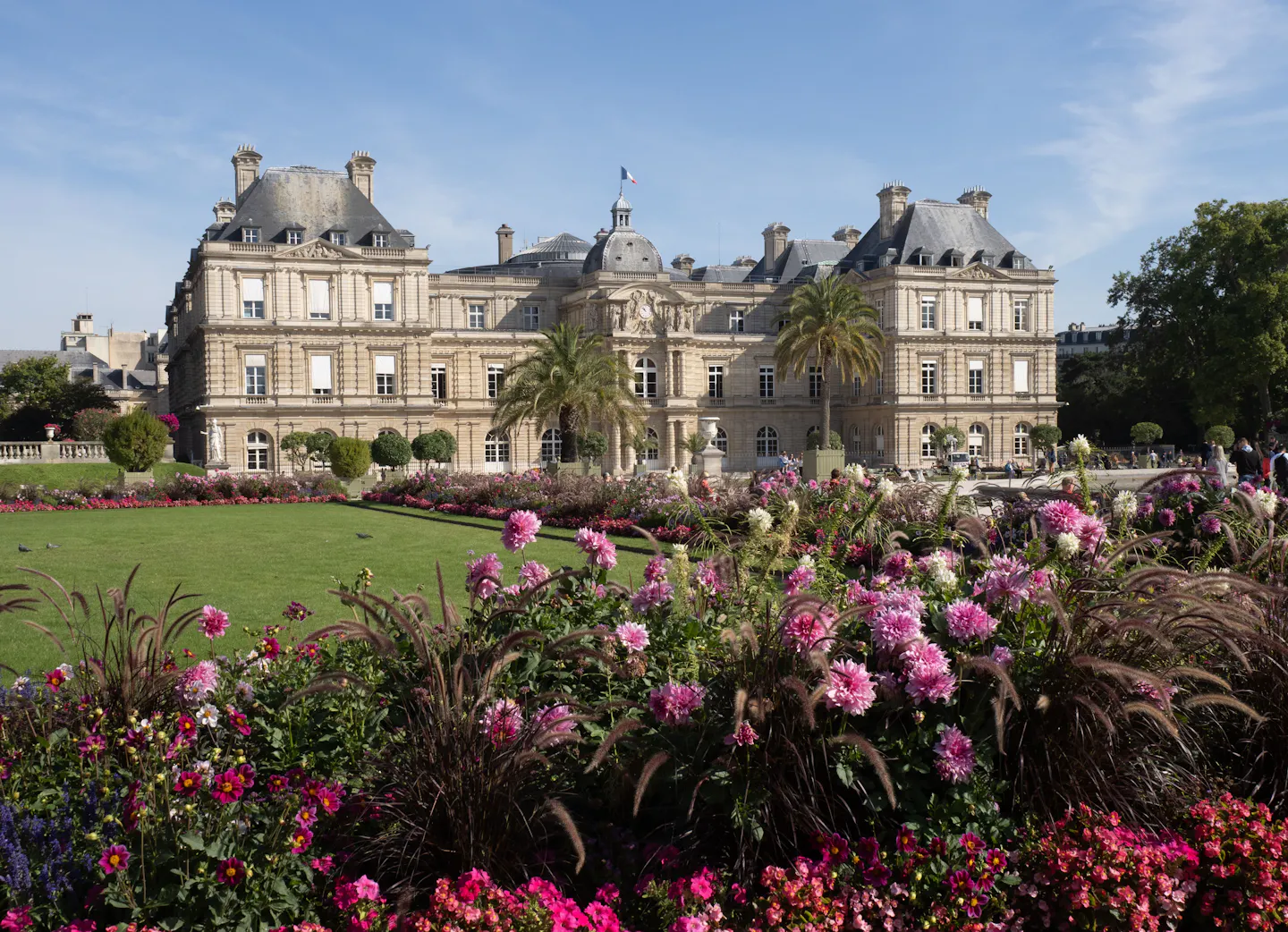
The Latin Quarter is one of the oldest parts of Paris and still has the lively student energy created by the universities around it.
This is a good neighborhood for a slower walk after Notre-Dame. Cross to the Left Bank and explore around the Sorbonne, Panthéon, Rue Mouffetard, small bookshops, and side streets before continuing to Luxembourg Gardens.
The gardens are exactly the kind of place that makes a busy sightseeing day feel better. Sit down. Get a coffee. Watch people read, talk, run, or move the little sailing boats on the pond.
Nearby Saint-Germain-des-Prés is also worth adding if you like cafés, bookstores, galleries, and elegant streets.
Best for: first-time visitors, book lovers, cafés, historic streets, gardens, and a calmer afternoon.
Arc de Triomphe
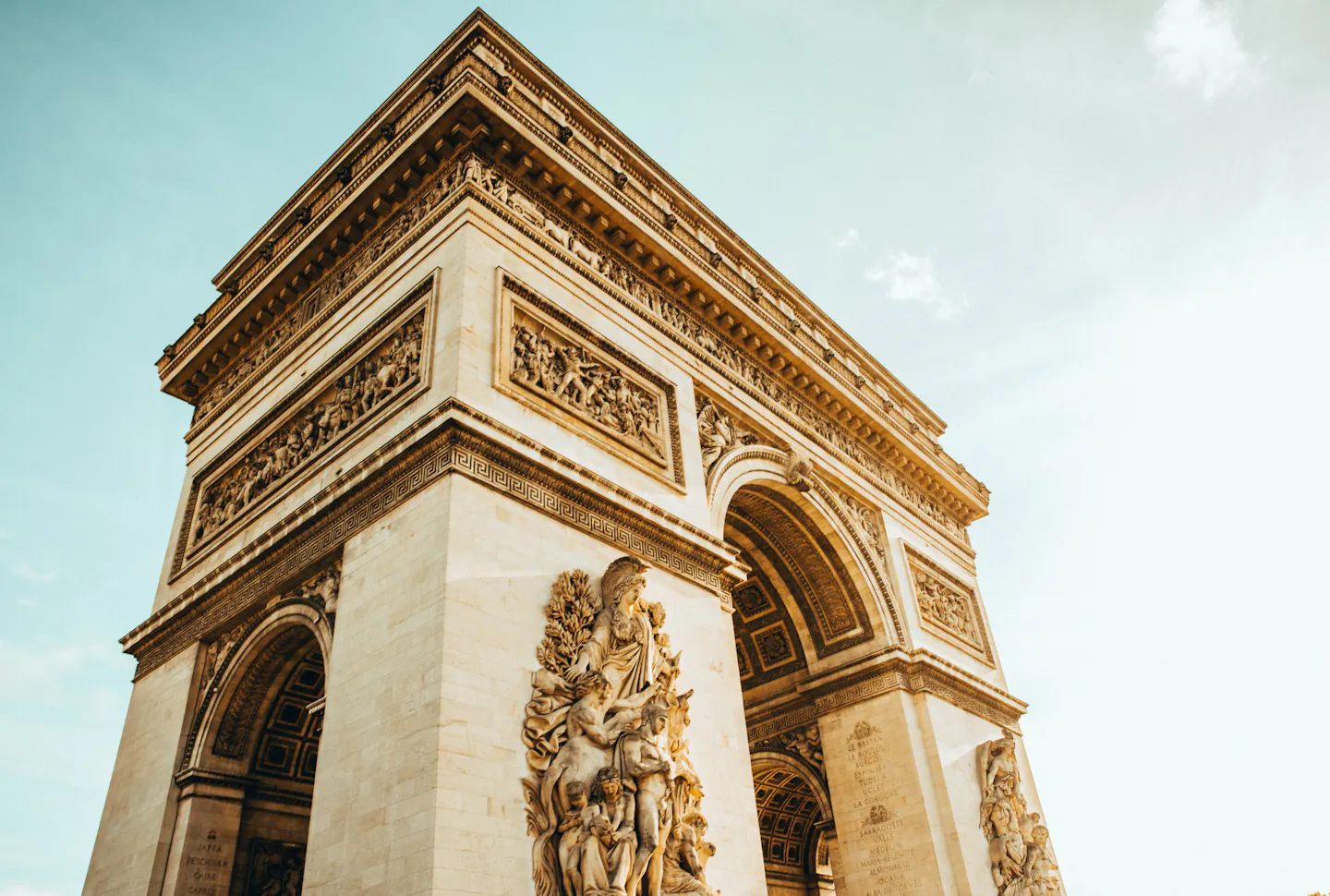
The Arc de Triomphe is worth seeing from the ground, but the rooftop is the real reason to include it.
From the top, Paris spreads out in a surprisingly clear pattern, with twelve avenues radiating from the monument. You get a direct view down the Champs-Élysées and, importantly, a great view of the Eiffel Tower with the Eiffel Tower actually in it.
That is one reason some travelers prefer the Arc de Triomphe viewpoint to going up the Eiffel Tower itself.
Go near sunset if the timing works. You will see Paris in daylight, then watch the city lights start to appear.
Use the pedestrian underpass to reach the monument. Do not try to cross the traffic circle.
Best for: panoramic views, sunset, photography, and a first trip to Paris.
What else is worth seeing if you have more time?
Once you have covered the main first-time highlights, Paris still has plenty of excellent options.
Palais Garnier
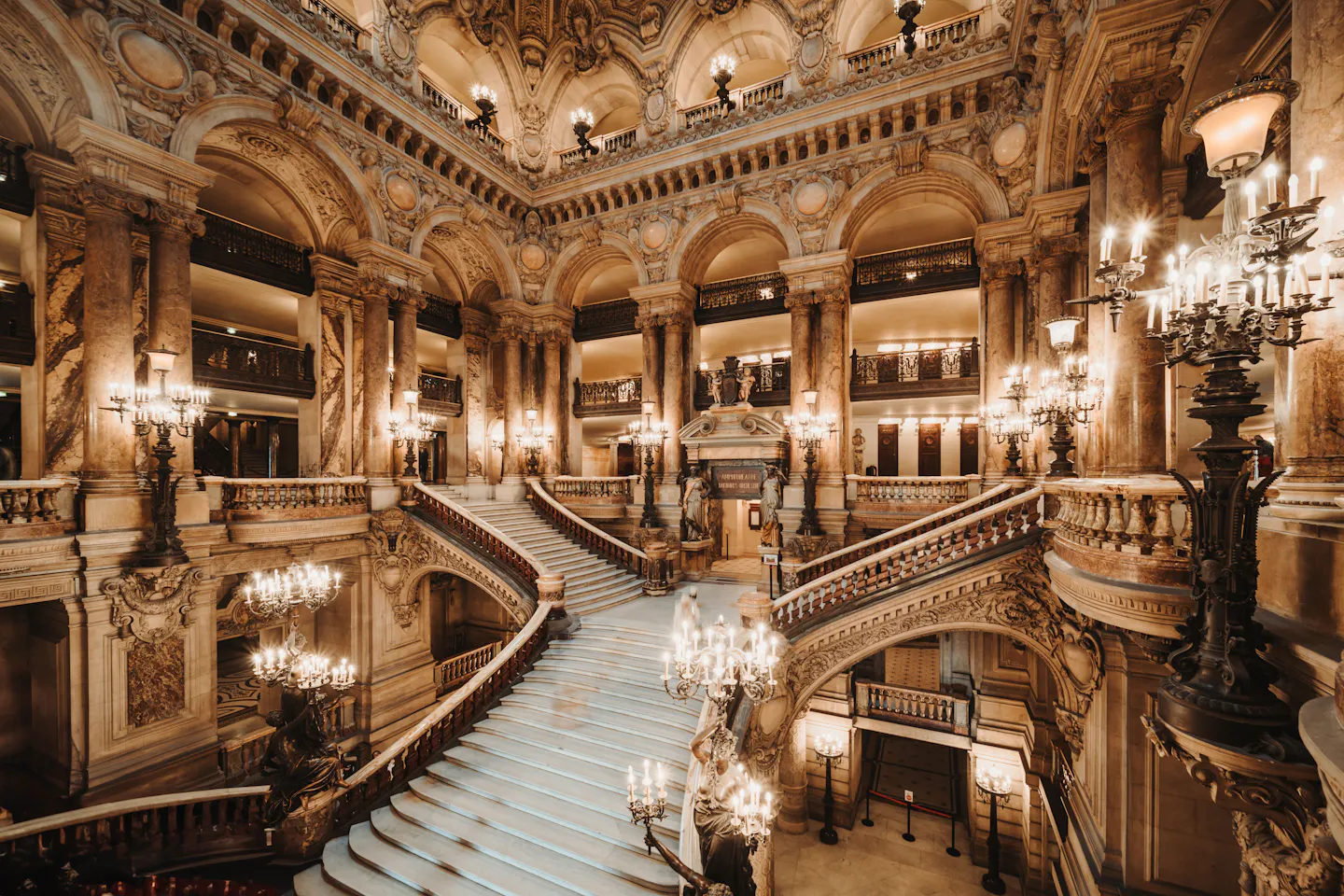
Even if you are not seeing an opera or ballet, the Palais Garnier is worth visiting for its grand staircase, chandeliers, painted ceilings, and over-the-top interiors. It is a good addition if you like architecture or want something indoors.
Musée de l’Orangerie
This smaller museum in the Tuileries is famous for Monet’s Water Lilies. It works well if you want great art without committing to another huge museum.
Canal Saint-Martin
For a more local-feeling afternoon, walk around Canal Saint-Martin. It is good for cafés, casual food, drinks, and a less monumental side of the city.
Père Lachaise Cemetery
It may sound like an unusual sightseeing stop, but Père Lachaise is atmospheric, green, historic, and full of famous graves, including Oscar Wilde, Édith Piaf, and Jim Morrison.
Versailles
Versailles is the obvious day trip if you have at least four or five days in Paris.
Do not squeeze it into an already packed city day. The palace, gardens, transport, security, and walking make this a proper half-day at minimum and usually a full-day experience.
The Palace of Versailles is closed on Mondays, and timed booking is required to enter the Palace. If Versailles matters to you, plan it first and build the rest of your Paris itinerary around it.
How many days do you need in Paris for a first trip?
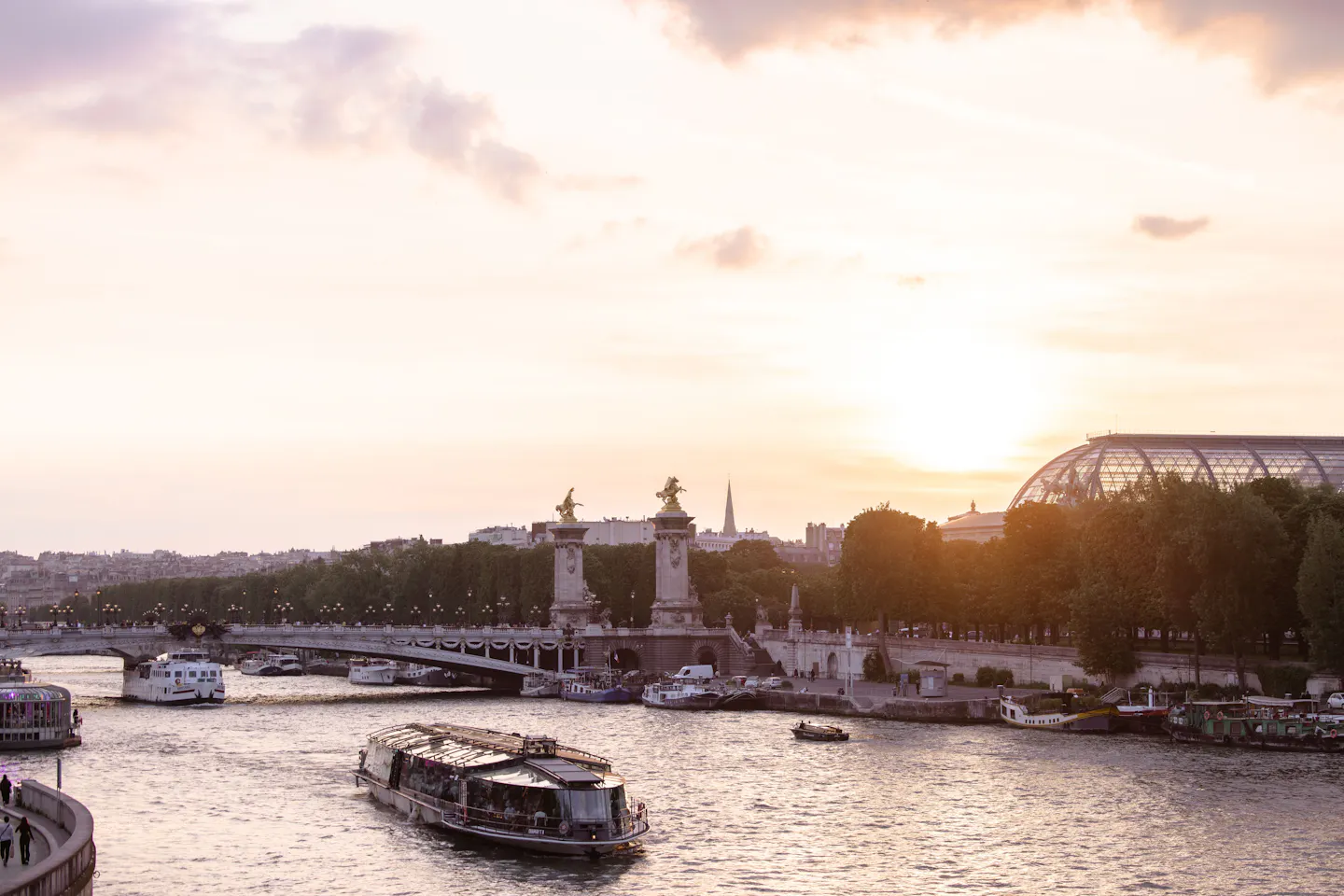
Three days is the realistic minimum for a first trip to Paris if you want to see the main sights without spending the entire visit checking the time. Four days is better. Five days is excellent if you want a slower trip or a day at Versailles.
Here is a realistic way to think about it:
- 2 days: Eiffel Tower, Louvre or Musée d’Orsay, Notre-Dame, a Seine walk, and one neighborhood. You will need to choose.
- 3 days: enough for the major highlights plus Montmartre, Le Marais, and the Latin Quarter.
- 4 days: a comfortable first trip with more room for museums, long meals, shopping, and spontaneous stops.
- 5 days: ideal if you want Versailles or another day trip without sacrificing time in Paris itself.
A simple 3-day Paris itinerary for first-time visitors
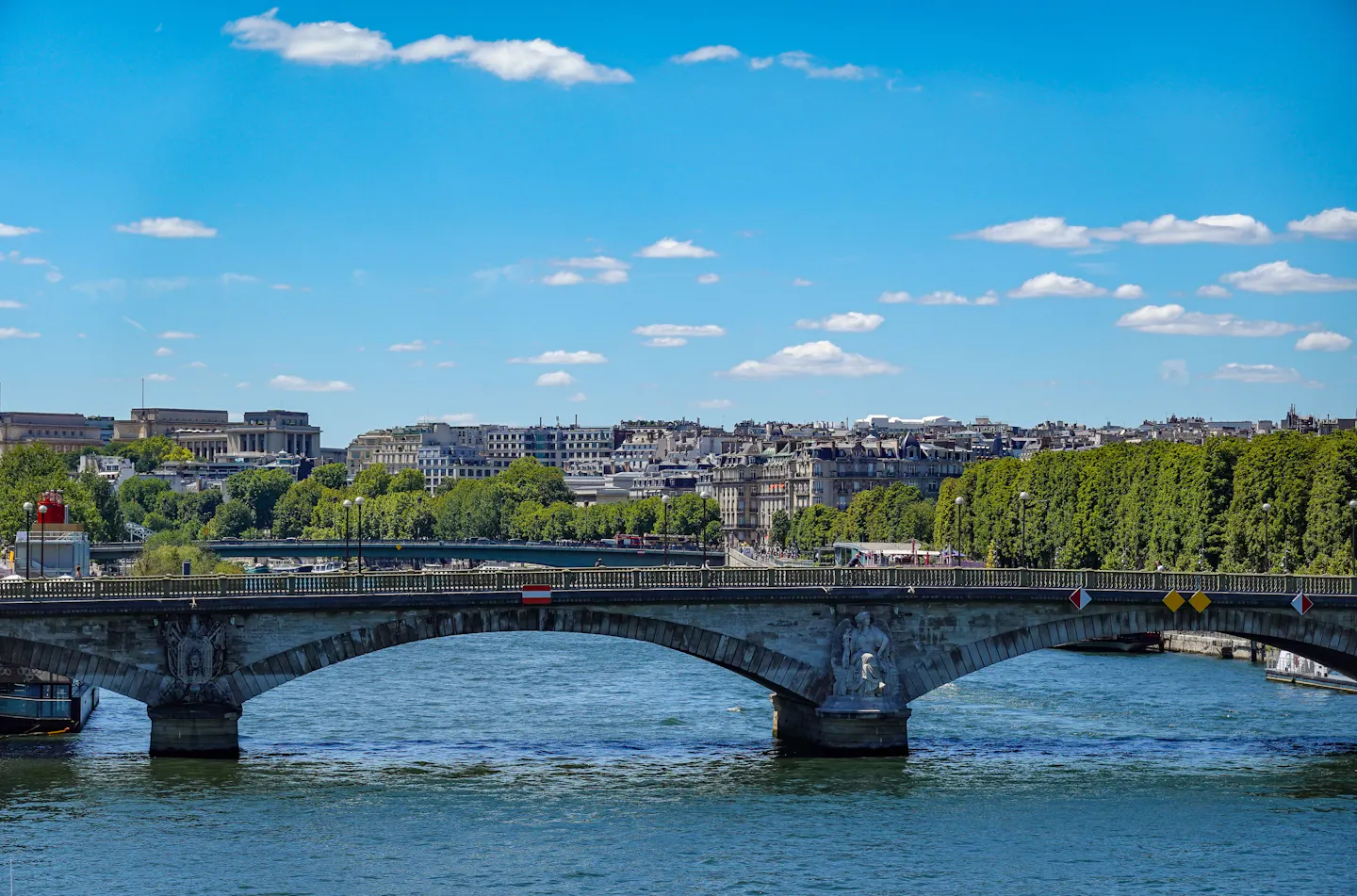
Day 1: Historic Paris
Start with Notre-Dame and Île de la Cité. Visit Sainte-Chapelle, cross into the Latin Quarter, have lunch nearby, and continue toward Luxembourg Gardens. Finish with a walk along the Seine or a river cruise.
Day 2: Louvre to the Eiffel Tower
Visit the Louvre in the morning. Walk through the Tuileries afterward, then continue west toward Place de la Concorde. Later, head toward the Eiffel Tower and plan your tower visit or viewpoint for the late afternoon or evening.
Do not force yourself to walk the entire route if you are tired. Paris distances look smaller on a map than they feel after several museum hours.
Day 3: Montmartre and the best Paris views
Go to Montmartre in the morning and explore around Sacré-Cœur. In the afternoon, choose between the Musée d’Orsay, Le Marais, or a slower café-and-shopping block depending on what you enjoy most. Finish at the Arc de Triomphe around sunset if you still have energy.
The exact order should depend on museum closing days, your ticket times, the weather, and where you are staying.
What should you book in advance in Paris?
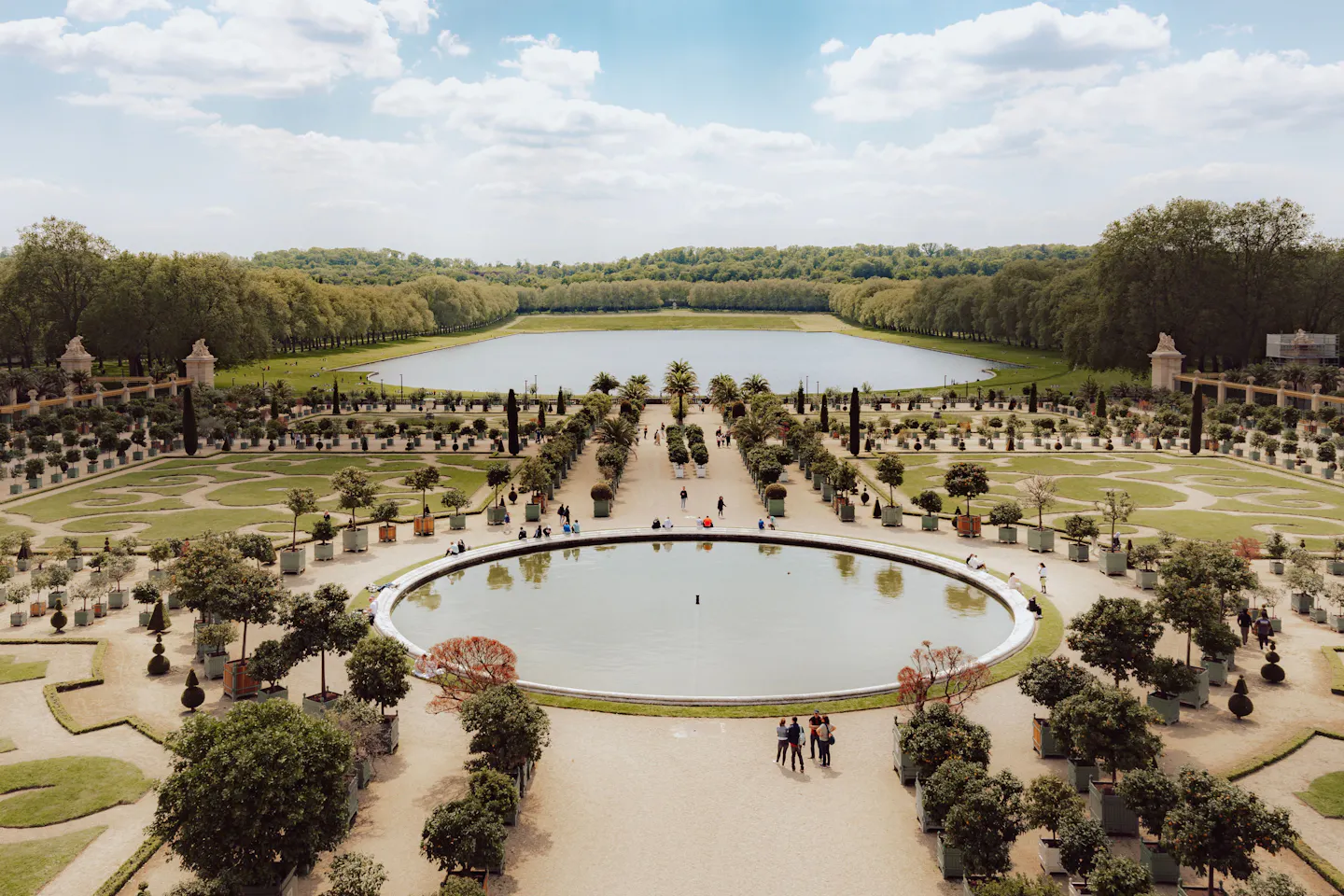
You do not need to pre-book every minute of Paris, but a few popular attractions are much easier when you have a timed ticket. Prioritize advance planning for:
- The Eiffel Tower, especially if you want the summit.
- The Louvre during busy travel periods.
- Sainte-Chapelle if your schedule is tight.
- The Musée d’Orsay during popular exhibitions or peak weekends.
- The Arc de Triomphe if you specifically want sunset.
- Versailles, which requires a timed slot for the Palace.
Notre-Dame is free to enter. The cathedral offers optional free reservations, but individual slots are released close to the visit, so it works differently from attractions you book weeks ahead.
The bigger rule is simple: book the things that would genuinely disappoint you if you missed them. Leave the rest flexible.
What should I skip on my first trip to Paris?
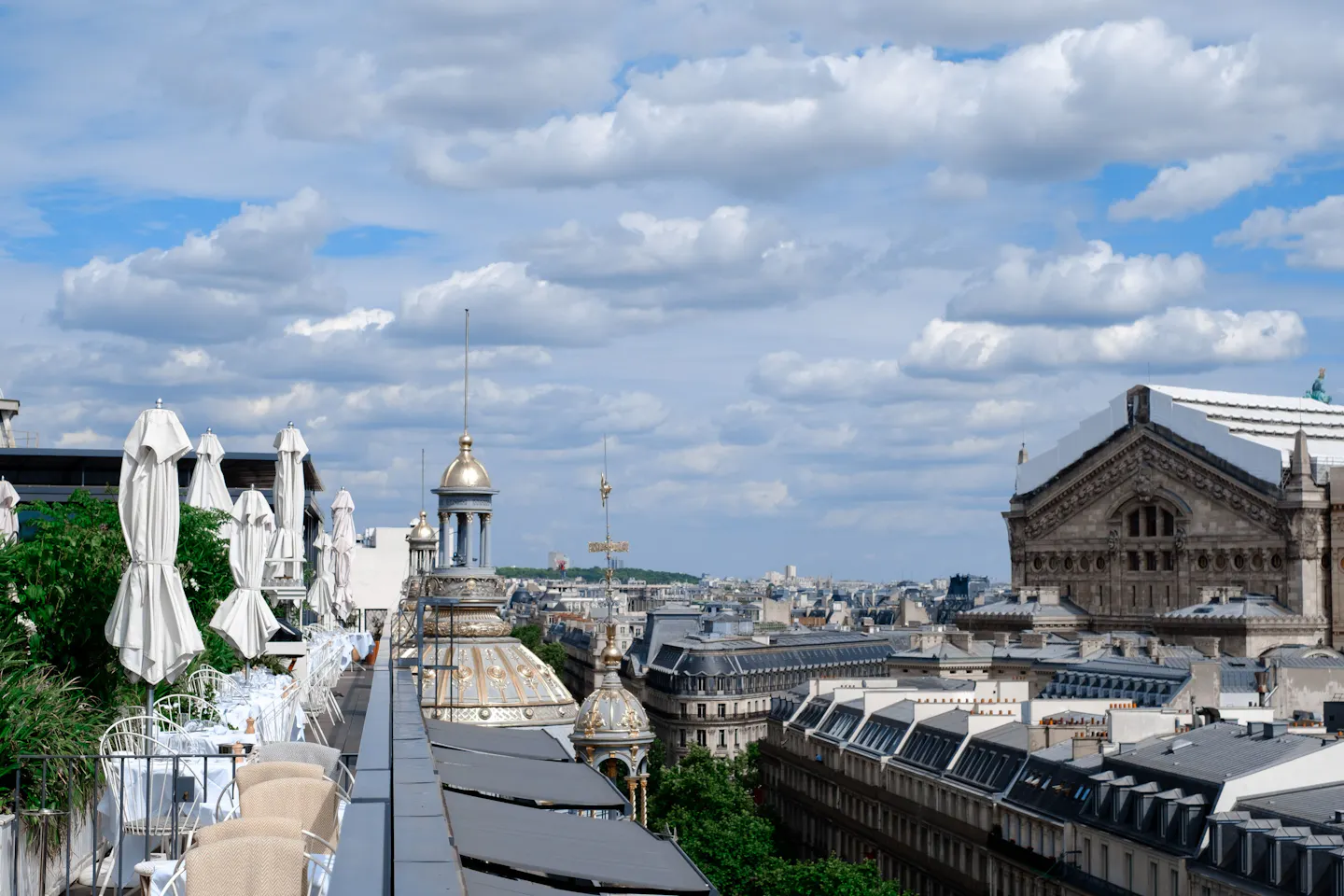
You do not need to skip the famous places just because they are touristy. It is your first trip. See the Eiffel Tower. Go to the Louvre if you want to. Walk around Montmartre.
What you should skip is trying to do everything.
Do not plan the Louvre, Eiffel Tower, Montmartre, Notre-Dame, and a fancy dinner on the same day just because Google Maps technically says the travel time is possible.
Do not schedule a museum every morning and another attraction every afternoon if that is not how you normally enjoy traveling.
And do not spend most of your trip crossing the city back and forth. Group places by area and give yourself time for lunch, queues, Metro changes, security checks, bad weather, and the random shop or bakery you will inevitably want to stop at.
Paris is better when there is room between the bookings.
FAQ: What to see in Paris on your first trip
Is 3 days enough for a first trip to Paris?
Yes. Three full days are enough to see the biggest Paris highlights if you group attractions by neighborhood and avoid overbooking. Four days is more comfortable, especially if you want museums and long meals without rushing.
Should I go up the Eiffel Tower on my first trip?
If it is important to you, yes. But it is not mandatory. You can enjoy beautiful Eiffel Tower views from Trocadéro, the Seine, Champ de Mars, or the top of the Arc de Triomphe. The Arc is particularly good if you want a skyline photo that includes the Eiffel Tower itself.
Is the Louvre worth it if I do not love museums?
It can be. The building is impressive and you can focus on a short list of famous works rather than trying to cover the entire museum. If art museums are really not your thing, spend the time on neighborhoods, the Seine, or another sight you will enjoy more.
What is the best neighborhood to walk around in Paris?
For a first trip, Le Marais, Montmartre, the Latin Quarter, and Saint-Germain-des-Prés are all excellent. Le Marais is best for shops and cafés, Montmartre for views and atmosphere, and the Latin Quarter for historic streets and bookish Paris.
Should I visit Versailles on my first trip to Paris?
Yes, if you have at least four or five days and you are interested in French history, palaces, or gardens. With only two or three days, it is usually better to stay in Paris and save Versailles for a longer visit.
Plan your whole Paris trip with EasyMiles
Knowing what to see in Paris is the easy part. The annoying part is turning all of it into a trip that actually works.
Tell EasyMiles your destination, dates, travel style, interests, food preferences, and pace, and it builds a personalized day-by-day Paris itinerary around real practical constraints such as opening hours, weather, and travel time between places.
It can help you combine the sights that make sense together, recommend restaurants around your route, surface local places you might otherwise miss, and help you book museums and attractions without turning your trip into a spreadsheet.
You still get to enjoy Paris your way. You just do not have to spend six tabs, three Maps lists, and an entire Sunday figuring out how everything fits together.