The must-see places on a first trip to Madrid are the Prado Museum, Retiro Park, the Royal Palace, Plaza Mayor, Puerta del Sol, Gran Vía, and one or two neighborhoods such as La Latina or Barrio de las Letras. Add the Reina Sofía if you love modern art, the Santiago Bernabéu if you are a football fan, and the Temple of Debod for sunset.
A good first visit is not about trying to see every famous attraction. Madrid is at its best when you leave time between the big sights for coffee, tapas, long walks, and sitting on a terrace. Three full days is enough for the main highlights without rushing; four days gives you more time for neighborhoods, museums, and a slower evening or two.
A good first Madrid trip should include:
- Prado Museum — for Velázquez, Goya, and the best of Spanish art.
- Retiro Park — for a slow walk once the museums are done.
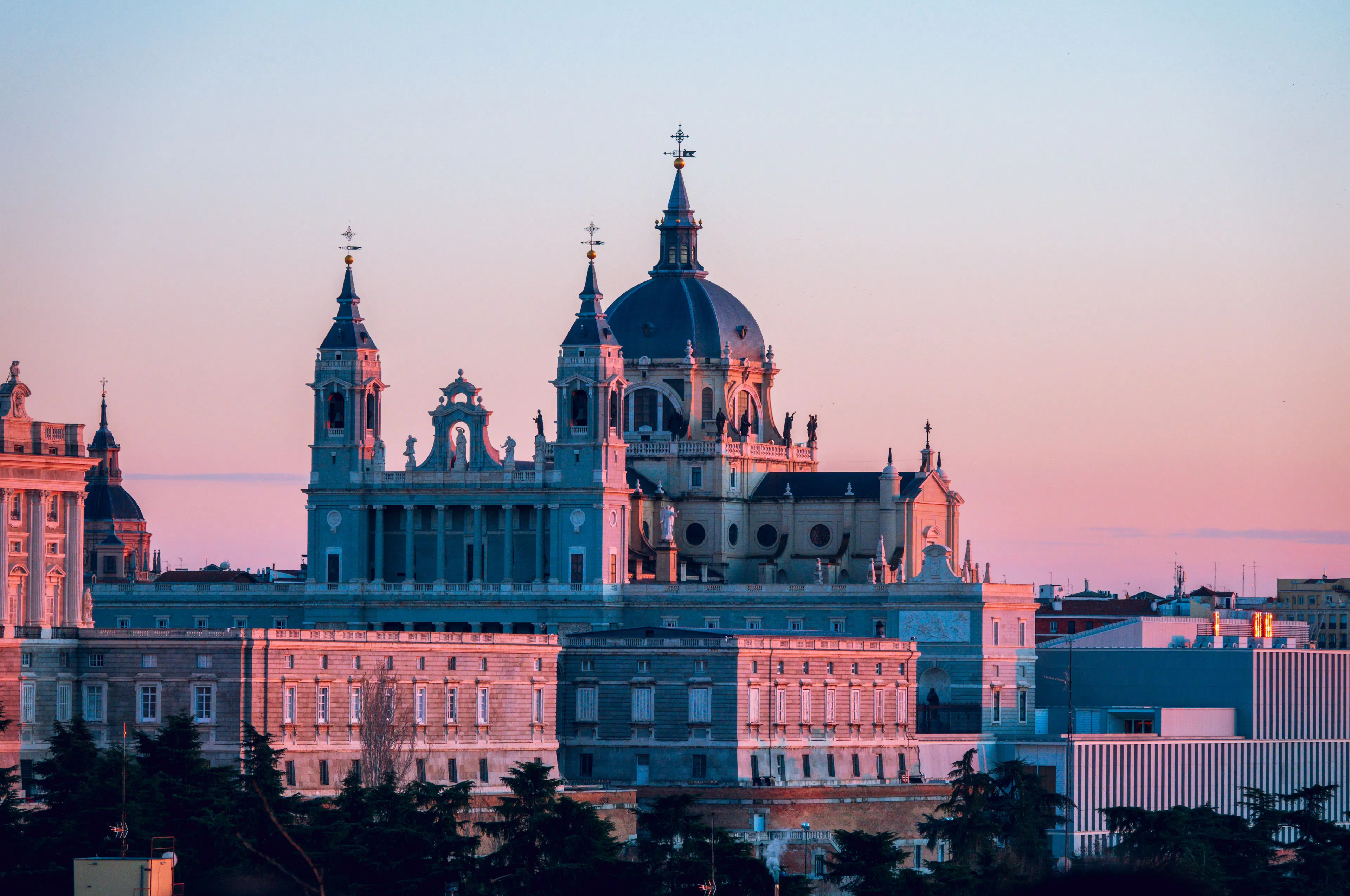
- Royal Palace and Almudena Cathedral — for Madrid’s royal side, side by side.
- Plaza Mayor and Puerta del Sol — for the historic center.
- Gran Vía — for architecture, shopping, rooftops, and evening energy.
- La Latina — for tapas and old Madrid streets.
- Barrio de las Letras — for literary history, cafés, and an easy walk.
- Reina Sofía — for Picasso’s Guernica and modern Spanish art.
- Temple of Debod — for sunset views.
- Santiago Bernabéu — if Real Madrid is part of the reason you came.
Below is how to decide what is actually worth your time, how to group the sights together, and how to make a first trip to Madrid feel like a trip rather than a checklist.
The best things to see in Madrid on your first trip
Prado Museum
If you only visit one art museum in Madrid, make it the Prado. The collection is enormous, so trying to “do the whole museum” is a quick way to get tired. A better first visit is to choose a few artists or famous works and give yourself two or three hours.
The painting most first-time visitors look for is Diego Velázquez’s Las Meninas. You will also find major works by Goya, El Greco, Bosch, Rubens, and other European masters. Even if you are not usually a museum person, the Prado is one of the places that explains why art is such a big part of Madrid’s identity.
The easiest way to enjoy it is to go earlier in the day, choose a short must-see list, and stop before museum fatigue starts. Retiro Park is nearby, so the two work naturally together.
Retiro Park
Retiro is where Madrid gives you room to slow down. After a morning of churches, museums, and busy streets, it is the perfect place to walk without much of a plan.
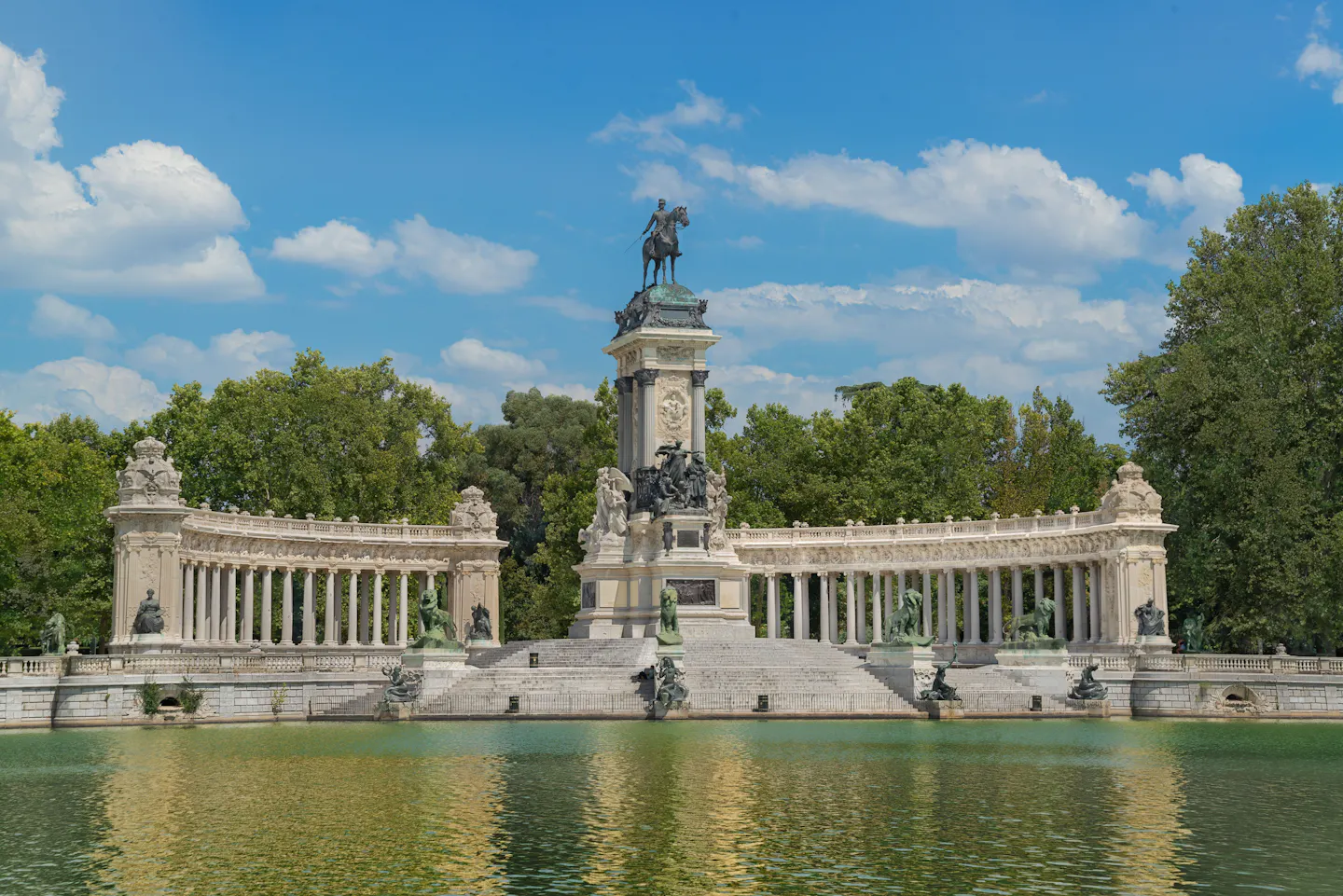
Head toward the lake, the Monument to Alfonso XII, the gardens, and the wide tree-lined paths. The Palacio de Cristal is one of the park’s most recognizable buildings, although it is currently closed for restoration, so treat it as something to see from outside rather than a stop you can enter.
The Prado, Retiro Park, and the Paseo del Prado area are easy to combine into one half-day. If the weather is good, leave yourself extra time here instead of squeezing in another attraction.
Royal Palace of Madrid
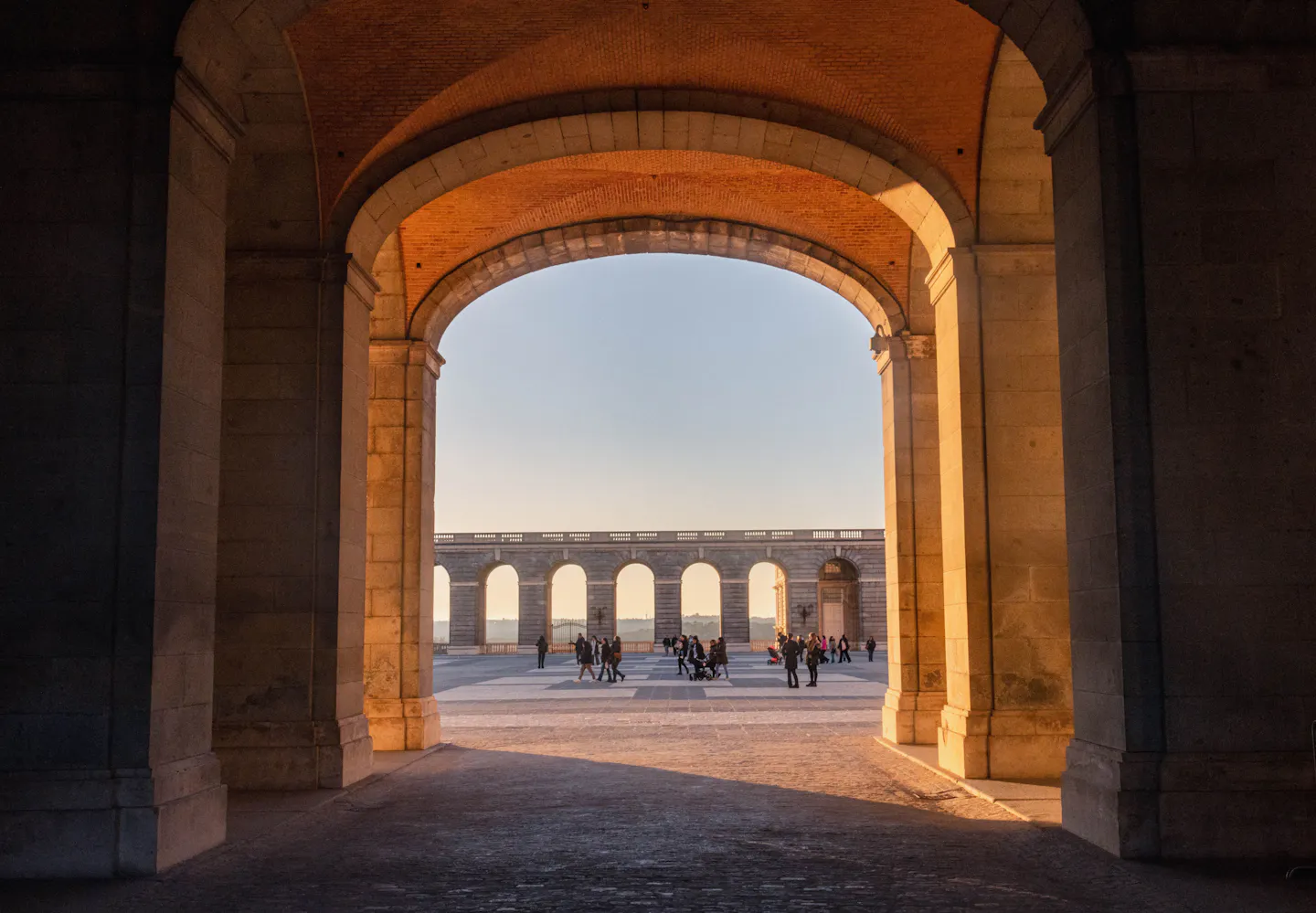
The Royal Palace is one of the best places to understand Madrid as a royal capital. The interiors are much more impressive than you might expect from simply walking past the building, with ceremonial rooms, decorated ceilings, historic furniture, and royal collections.
Give yourself around one to two hours depending on how much detail you like. Opening times can change for official events, so check the official schedule before you go rather than building your entire day around an assumed time.
When you finish, walk to Plaza de Oriente and then over to Almudena Cathedral. This whole area is especially beautiful in late afternoon when the light softens over the palace.
Almudena Cathedral
Almudena Cathedral stands directly beside the Royal Palace, so there is little reason to skip it on a first trip. Madrid has older churches, but the cathedral’s location makes it part of one of the city’s strongest landmark combinations.
Take a look inside, then walk around the palace side toward the viewpoint over the western part of the city. You do not need to spend a long time here. Think of it as part of the Royal Palace walk rather than a separate half-day attraction.
Plaza Mayor
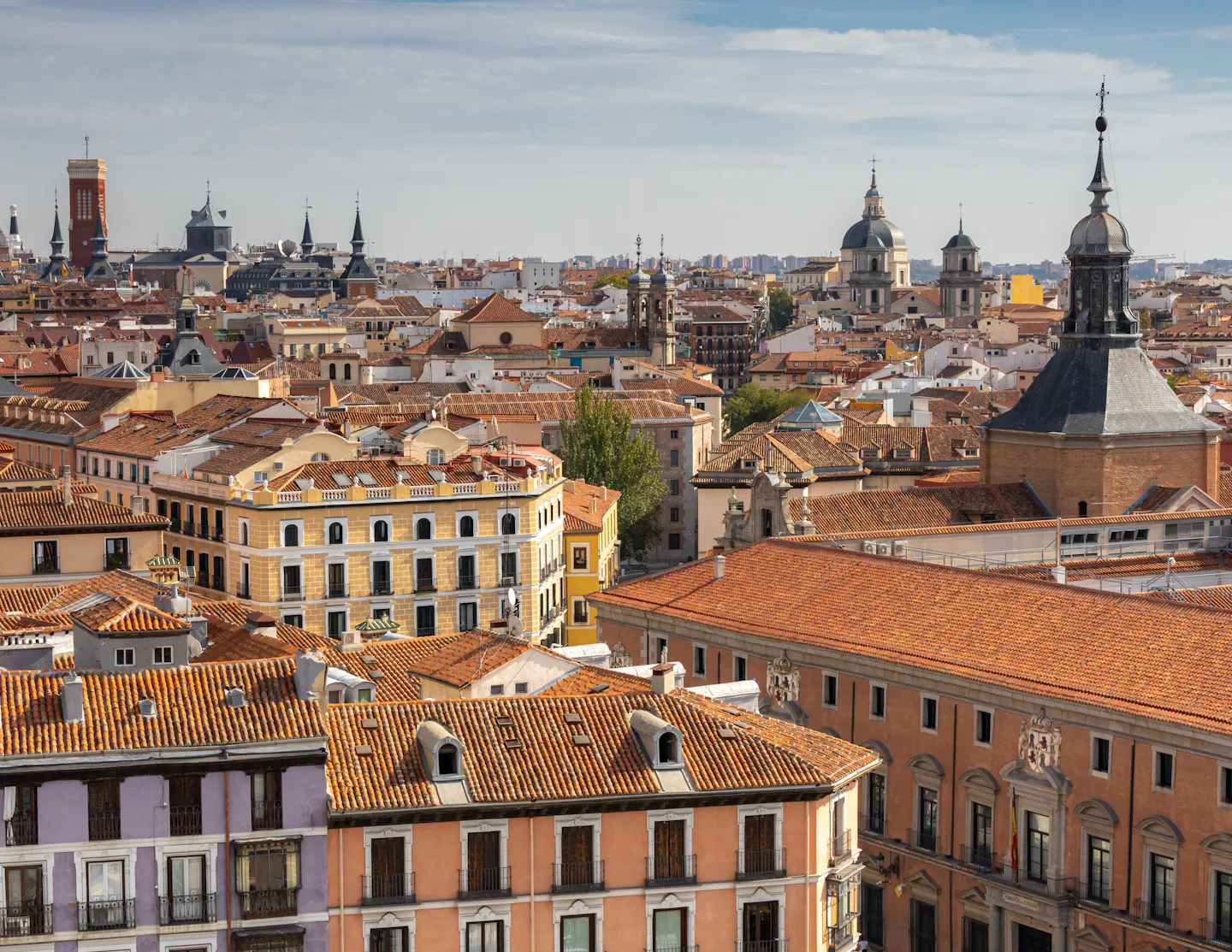
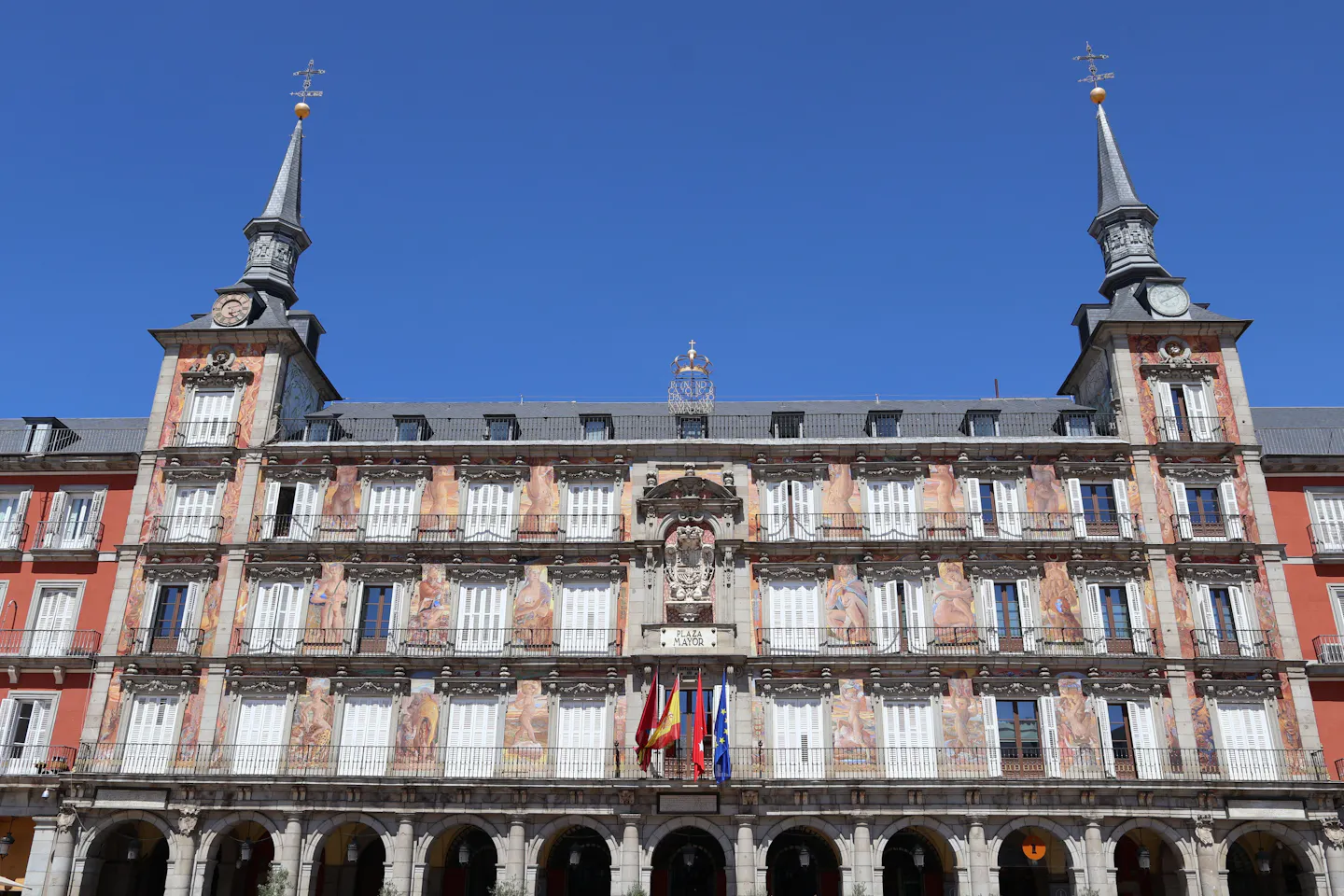
Plaza Mayor is one of the classic Madrid sights that is touristy for a reason. The enclosed square, red façades, arcades, and surrounding old streets make it one of the easiest places to feel that you are in historic Madrid.
Walk through the square, then explore the smaller streets around it. Mercado de San Miguel is next door and works well for a quick look or a snack. It is polished and popular with visitors, so if your goal is a more local meal, save your appetite for La Latina, Lavapiés, Chamberí, or another neighborhood later.
You can connect Plaza Mayor with Puerta del Sol in a few minutes on foot, which makes this one of the easiest parts of Madrid to explore without a detailed route.
Puerta del Sol
Puerta del Sol is not a place where you need to spend an hour. It is a central square and a useful point on a walking route through the old center.
Look for the famous clock on the Real Casa de Correos, the Bear and the Strawberry Tree statue, and Kilometer Zero, then keep moving toward Gran Vía, Plaza Mayor, or Barrio de las Letras.
Sol makes more sense as part of a walk than as a destination by itself. That is true of a lot of central Madrid: the experience comes from connecting the sights through the streets between them.
Gran Vía
Gran Vía is one of Madrid’s most recognizable streets, lined with grand early-20th-century buildings, theaters, shops, hotels, and rooftop bars. It is busy during the day, but the street feels especially alive after dark when the signs and façades light up.
Start around the Círculo de Bellas Artes or the lower end near Calle de Alcalá and walk toward Plaza de España. If you like city views, choose one rooftop along the way rather than trying to visit several.
Gran Vía is also a good reminder that Madrid is not only palaces and old squares. It feels big, energetic, urban, and very much alive.
Barrio de las Letras
Barrio de las Letras, the Literary Quarter, is one of the best neighborhoods to add to a first Madrid itinerary because it is central but feels more intimate than the major avenues.
Wander along Calle de las Huertas and the surrounding streets, stop for coffee or vermouth, and look for references to writers such as Cervantes, Quevedo, and Lope de Vega. The neighborhood sits close to the Prado and the rest of the Art Walk, so it is easy to add before or after a museum visit.
Do not over-plan this part of the trip. The point is to walk slowly, choose a place that looks good, and let the neighborhood fill the gap between bigger attractions.
Reina Sofía
If you enjoy modern art, the Reina Sofía deserves a place on your first trip. Its most famous work is Picasso’s Guernica, but the museum also helps you understand Spanish art in the 20th century through artists including Dalí and Miró.
The Prado and Reina Sofía are very different experiences. The Prado is the choice for classical European and Spanish masters; Reina Sofía is the better fit if you prefer modern art and 20th-century history.
You can visit both on the same trip, but doing two major museums back-to-back can be exhausting. If you have three or four days, spread them across separate mornings.
La Latina
La Latina is one of the best areas to experience Madrid beyond monuments. Its old streets, small squares, tapas bars, and terraces make it easy to spend an evening without a fixed plan.
Cava Baja is the famous tapas street, but do not feel you have to eat only there. Walk a few blocks, check what looks lively, and order a couple of dishes in one place before moving to another.
If you are in Madrid on a Sunday, El Rastro flea market takes over streets nearby. It can get crowded, so go earlier if you want to browse rather than simply move with the crowd.
Temple of Debod
The Temple of Debod is one of Madrid’s most unusual sights: an ancient Egyptian temple set in a park near Plaza de España. The surrounding viewpoint faces west, which is why the area becomes especially popular around sunset.
Come for the atmosphere and the view rather than expecting a long visit. You can pair it with Plaza de España, Gran Vía, or the Royal Palace area.
On a clear evening, it is one of the nicest ways to finish a day of sightseeing without booking another formal activity.
Madrid after dark
Madrid is a city where evenings matter. Do not finish sightseeing at 6 p.m. and assume the day is over. Give yourself at least one night when the only plan is a neighborhood, dinner, and somewhere for a drink.
Malasaña is a good choice for casual bars, cafés, independent shops, and younger energy. Chueca is central, lively, stylish, and strong for restaurants and nightlife. Chamberí feels more residential and works well if you want a less tourist-heavy evening.
You do not need to see all three. Pick the one that matches your mood and spend a few hours there.
What else is worth seeing in Madrid?
Santiago Bernabéu
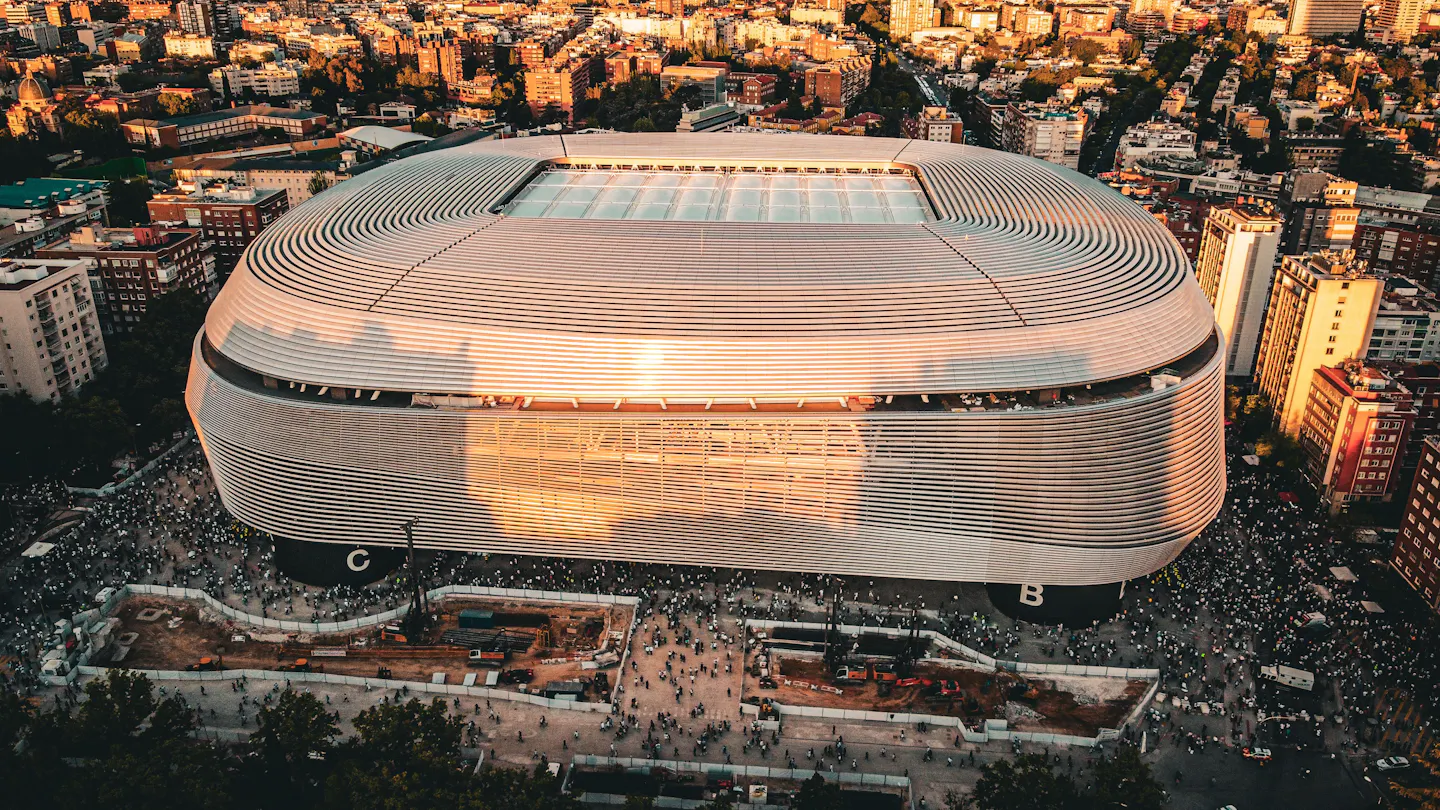
For football fans, the Santiago Bernabéu can easily be one of the highlights of the trip. If you do not care about football, you can skip it without feeling that you missed the essence of Madrid.
The stadium is outside the tight historic-center sightseeing cluster, so plan it as a separate stop rather than trying to squeeze it between the Prado and the Royal Palace.
Thyssen-Bornemisza Museum
The Thyssen sits between the artistic worlds of the Prado and Reina Sofía and completes Madrid’s famous Art Triangle. It is a great choice for people who genuinely enjoy museums, but on a short first trip you do not need to visit all three major collections.
If you have only two days, choose the Prado plus either the Reina Sofía or the Thyssen based on your taste.
Plaza de Cibeles and Puerta de Alcalá
These are easy architectural stops rather than long visits. Cibeles is one of Madrid’s most recognizable intersections, while Puerta de Alcalá sits beside Retiro Park.
Both fit naturally into a walk between Gran Vía, Paseo del Prado, and Retiro.
Royal Collections Gallery
The Royal Collections Gallery is next to the Royal Palace and focuses on works connected to the Spanish monarchy. It is a strong addition if you are especially interested in history, decorative arts, and royal collections.
For a first trip, think of it as an optional extension of the palace visit rather than a must for everyone.
What should I eat on my first trip to Madrid?
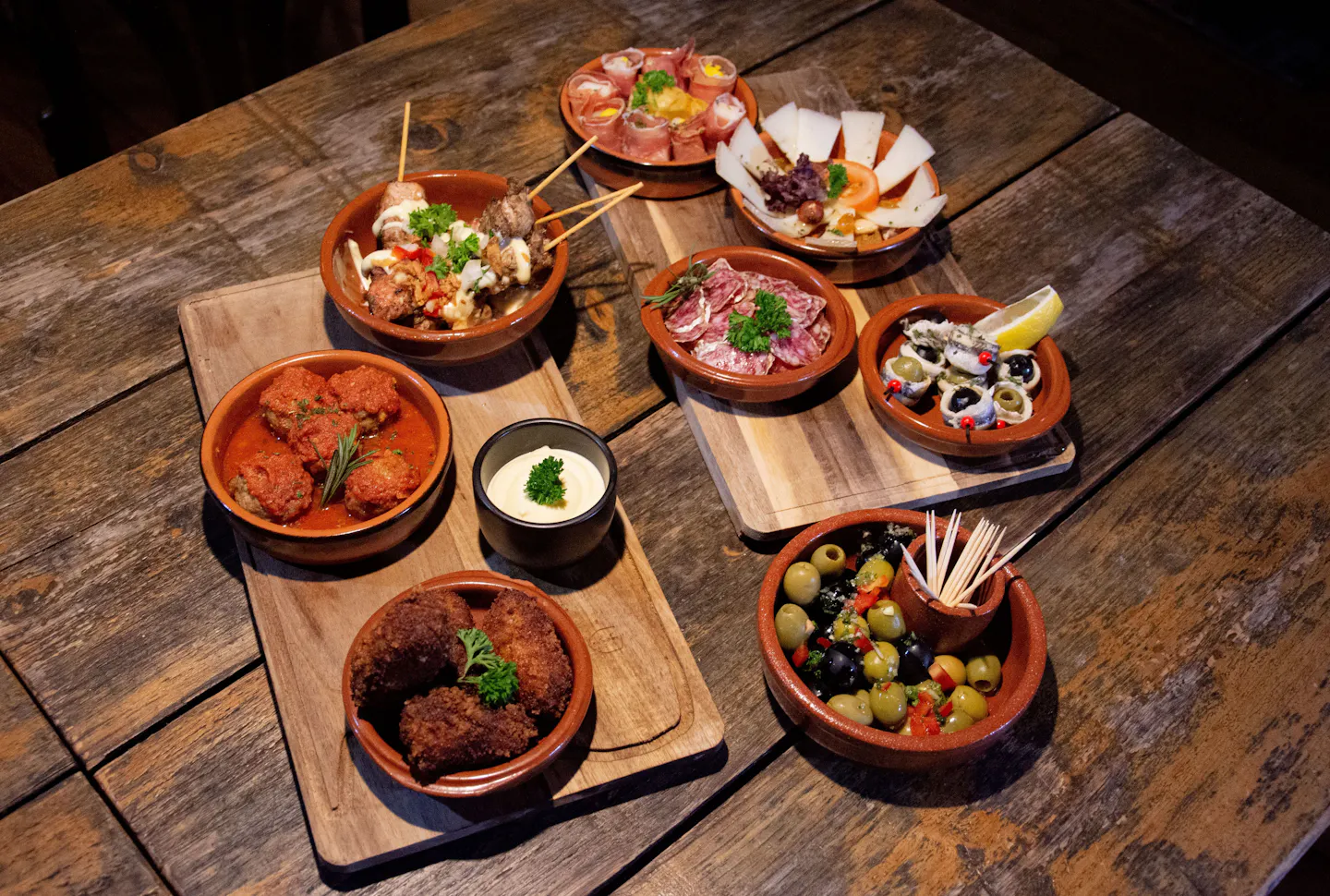
Food should be part of the itinerary, not something you solve at the last minute between attractions. Madrid is an easy city to build days around a mix of sightseeing and eating.
Try a bocadillo de calamares, the classic fried calamari sandwich associated with the area around Plaza Mayor. Order tortilla española somewhere that takes it seriously. Have jamón ibérico, croquetas, patatas bravas, and a glass of vermouth. If you want a heavier traditional meal, look for cocido madrileño.
And at least once, have churros with thick hot chocolate. Chocolatería San Ginés is the famous historic option near the center, but you will find plenty of other churrerías around the city.
The best approach is not to make every meal a “top-rated restaurant reservation.” Mix one or two places you really want to try with spontaneous tapas stops. Madrid is much more fun when you can change the plan because a terrace looks good.
How many days do you need in Madrid for a first trip?
Three days is the sweet spot for most first-time visitors. It gives you enough time for the Prado, Retiro, the Royal Palace, the historic center, Gran Vía, tapas, and at least one neighborhood without turning the trip into a race.
With two days, focus on the essentials and choose one major museum. With four days, add the Reina Sofía or the Thyssen, spend more time in neighborhoods, visit the Bernabéu if you are interested, or simply build in a slower afternoon.
A simple 3-day Madrid itinerary for first-time visitors
Day 1: Historic Madrid and the Royal Palace
Start around Puerta del Sol, walk to Plaza Mayor, then continue toward Mercado de San Miguel, the Royal Palace, and Almudena Cathedral. Take a break before sunset at the Temple of Debod.
For dinner, head toward La Latina and spend the evening moving between tapas bars rather than booking yourself into another attraction.
Day 2: Prado, Retiro, and Barrio de las Letras
Start with the Prado Museum while your energy is high. Afterward, walk through Retiro Park and continue toward Puerta de Alcalá.
Later, explore Barrio de las Letras, have dinner nearby, and walk toward Gran Vía once the city lights come on.
Day 3: Modern Madrid and your personal pick
Use the morning for the Reina Sofía if you love modern art, the Bernabéu if you love football, or the Thyssen if you want more art.
Spend the afternoon in Malasaña, Chueca, or Chamberí. Keep the evening loose: a long dinner, rooftop drink, flamenco show, or simply another tapas crawl is a better final night than trying to force in three more monuments.
Where should a first-time visitor stay in Madrid?
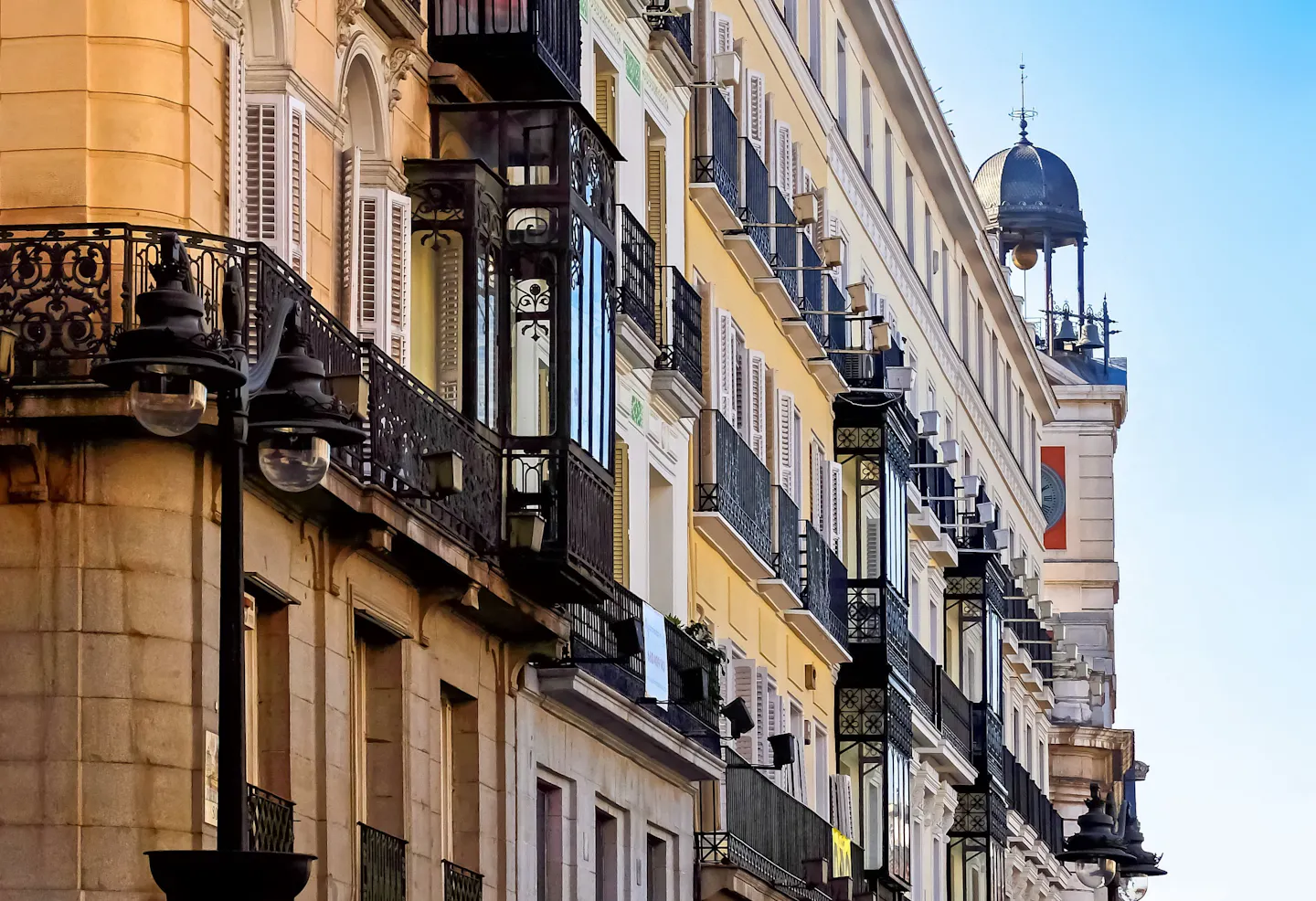
For a short first trip, staying central makes Madrid much easier. Sol and Gran Vía put you close to the biggest sights and make it simple to walk almost everywhere. Barrio de las Letras is a good option if you want something central with more neighborhood character.
Malasaña works well for cafés, bars, and a younger atmosphere. Chueca is lively and extremely convenient. Salamanca is more polished and upscale, but it is less ideal if your main goal is walking out of the hotel directly into the historic center.
The best area depends less on which neighborhood is “best” and more on what you want your evenings to feel like.
When is the best time to visit Madrid?
Spring and autumn are usually the easiest seasons for a city trip because you can spend much more time walking comfortably. Madrid summers can be very hot, especially in the middle of the day, while winter is cooler but still works well for museums, food, and a shorter city break.
Whatever the season, plan around the weather rather than pretending every day needs the same schedule. On a hot day, do museums and indoor sights during the hottest hours. On a beautiful mild day, give Retiro, terraces, and neighborhood walks more space.
First-time Madrid tips that make the trip better
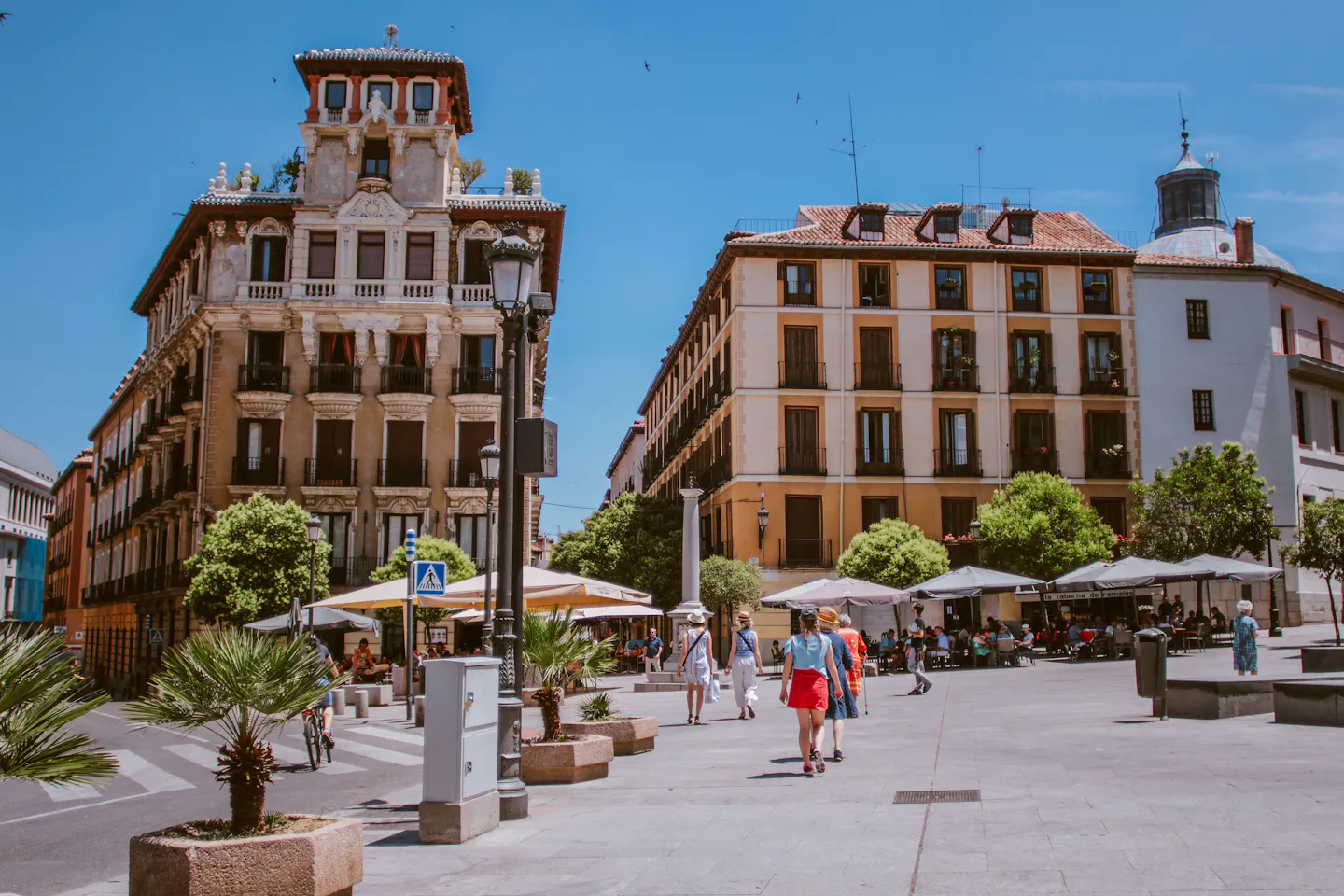
Do not schedule every hour. Madrid is a city where the best part of the day might be the hour you did not plan.
Walk whenever the route makes sense. Many of the central sights are close enough that moving between them on foot becomes part of the experience.
Book your true priorities in advance. If the Prado, Royal Palace, a football match, a popular restaurant, or a flamenco show would be disappointing to miss, reserve it. Leave the rest flexible.
Check opening hours before you go. Museums, palaces, churches, markets, and attractions do not all follow the same schedule, and special events can change access.
Eat later than you might at home. Madrid’s daily rhythm runs later than in many other European cities, especially for dinner.
Do not spend the whole trip in Sol. The center is convenient, but neighborhoods like La Latina, Malasaña, Chueca, Chamberí, Lavapiés, and Barrio de las Letras show different sides of the city.
FAQ: What to see in Madrid on a first trip
What are the absolute must-see attractions in Madrid?
For most first-time visitors, the essentials are the Prado Museum, Retiro Park, the Royal Palace, Plaza Mayor, Puerta del Sol, Gran Vía, and one evening in La Latina or another central neighborhood. Add the Reina Sofía if modern art interests you.
Is Madrid walkable for tourists?
Yes, especially in the center. Sol, Plaza Mayor, the Royal Palace, Gran Vía, Barrio de las Letras, the Prado area, and Retiro can all be connected through walks. You will still use the Metro for some trips, but you do not need to spend the whole visit underground.
Is two days enough for Madrid?
Two days is enough for a strong introduction, but you will need to prioritize. Choose one major museum, see the Royal Palace and historic center, walk Retiro, and leave one evening for tapas and a neighborhood.
Is three days enough for Madrid?
Yes. Three full days is a very comfortable length for a first trip because you can see the main attractions without giving up the slower parts of Madrid that make the city enjoyable.
What should I skip if I have limited time?
Skip attractions that do not match your interests. If you do not care about football, skip the Bernabéu. If you are not a big museum person, do not force yourself through all three Art Triangle museums. Madrid rewards a focused itinerary much more than a long checklist.
Should I visit both the Prado and Reina Sofía?
Visit both if you enjoy art and have at least three days. If you only want one museum, choose the Prado for classical and Spanish masters or Reina Sofía for modern art and Picasso’s Guernica.
Plan your whole Madrid trip with EasyMiles
Knowing what to see is only the first step. The harder part is turning all those saved places into days that actually work: which museum to visit first, when a restaurant fits the route, whether an attraction is open, how long it takes to get across the city, and what to change when the weather shifts.
EasyMiles plans the whole trip around you. Enter your destination, dates, and travel preferences, and it builds a personalized day-by-day itinerary with sights, museums, restaurants, and local recommendations. The plan takes practical details such as opening hours, weather, and travel time into account, so you are not sent across Madrid for a place that is closing when you arrive.
You can also book sights and museums through the app, keep restaurant recommendations inside the same trip, and use the itinerary as your plan while you travel.
Instead of spending hours turning saved TikToks, Google Maps pins, museum tabs, restaurant lists, and notes into one realistic route, you can start with a Madrid trip that is already organized around the way you want to travel.