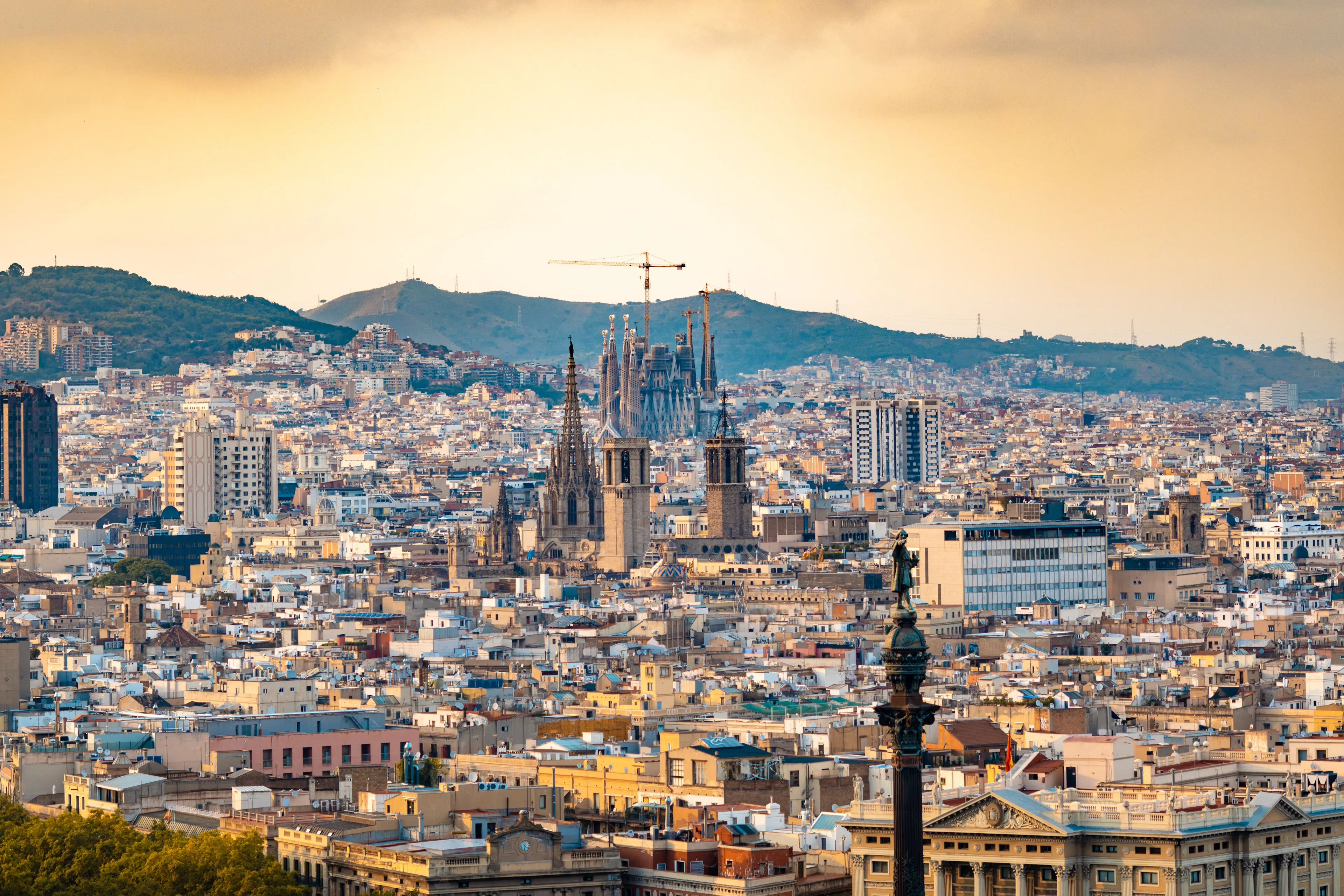
If it is your first trip to Barcelona, focus on the places that show the city at its best: Sagrada Família, Park Güell, the Gothic Quarter, Passeig de Gràcia and Casa Batlló, El Born, La Rambla and La Boqueria, Montjuïc, and the Barceloneta waterfront. With three full days, you can see the main highlights without turning the trip into a race. If you have four days, add more time in Gràcia, a museum, or a slower afternoon by the sea.
Here is the short version of what to prioritize:
- Sagrada Família: the one major sight you should absolutely see inside.
- Park Güell: Gaudí, mosaics, greenery, and wide city views.
- Gothic Quarter: narrow medieval streets, small squares, Roman history, and Barcelona Cathedral.
- Passeig de Gràcia: one of the best streets for Modernisme architecture, including Casa Batlló and La Pedrera.
- El Born: historic streets, cafés, boutiques, the Picasso Museum area, and an easy walk toward Parc de la Ciutadella.
- La Rambla and La Boqueria: worth seeing once, but not where you should spend most of your day.
- Montjuïc: gardens, museums, Olympic landmarks, the castle, and some of the best views over Barcelona.
- Barceloneta and the waterfront: the easiest way to add the Mediterranean to a city sightseeing day.
Below is how to experience each place, what is genuinely worth your time, and how to combine everything into a realistic first-time Barcelona itinerary.
Sagrada Família: the must-see sight in Barcelona
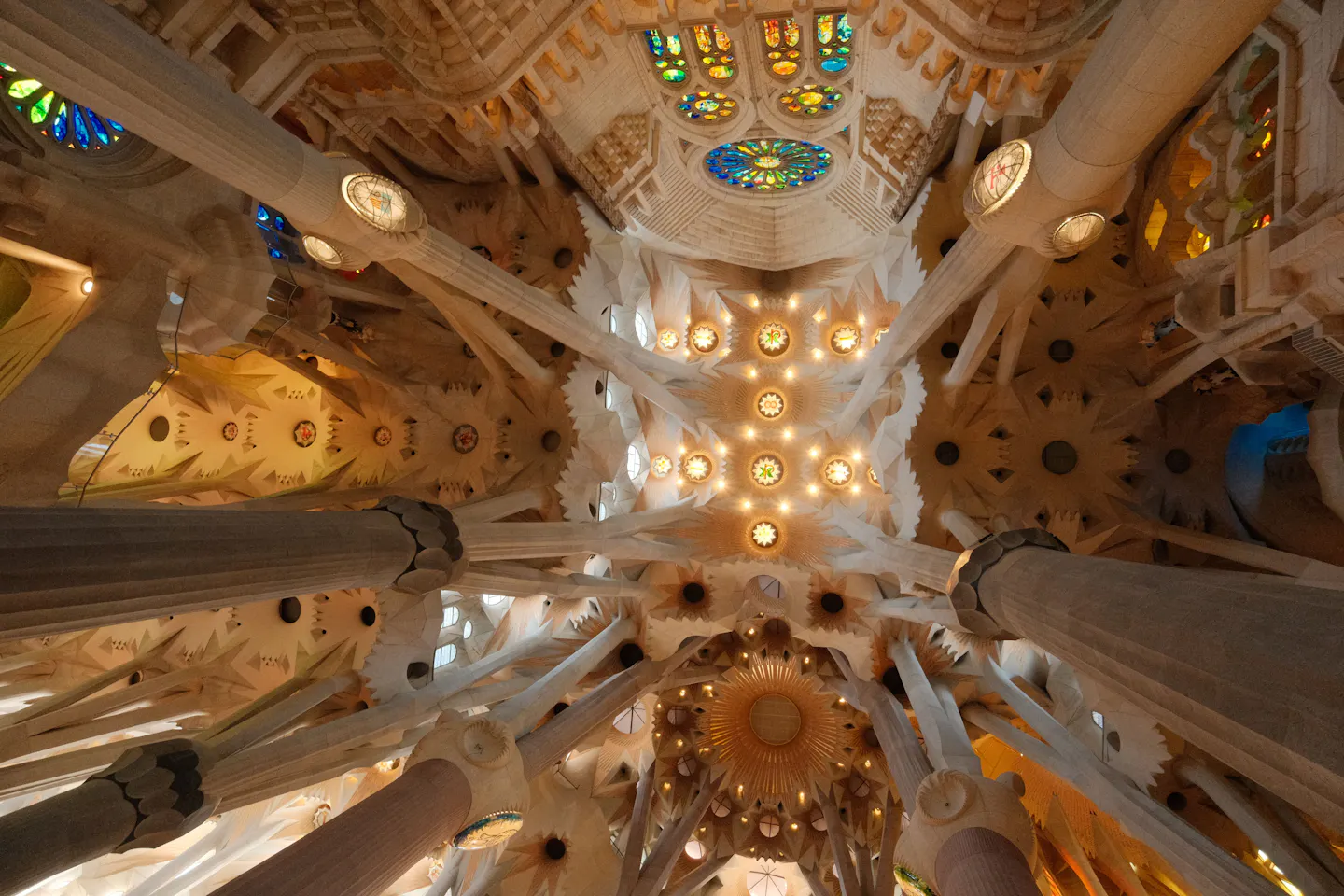
If you only pay to enter one famous attraction in Barcelona, make it Sagrada Família.
The outside is impressive, but the interior is what makes the visit feel completely different from seeing photos online. Gaudí designed the basilica around light, height, nature, and movement. Inside, the columns rise like trees and the stained glass changes the mood of the space depending on the time of day.
Sagrada Família is still an active basilica as well as one of Barcelona’s biggest visitor attractions. In 2026, the completion of the Tower of Jesus Christ marks a major milestone in the long construction story, exactly one hundred years after Gaudí’s death.
How much time do you need at Sagrada Família?
Plan around 1 to 1.5 hours for a normal visit. If you add a tower, allow extra time and remember that visitors go up by lift and come down by stairs.
First-trip tip: book a timed ticket in advance. Do not build your day around the idea that you will simply arrive and buy whatever is available. Put Sagrada Família at a fixed time in your itinerary, then plan flexible stops around it.
If you like architecture, continue afterward to the Recinte Modernista de Sant Pau. It is close enough to combine naturally with Sagrada Família and gives you another side of Catalan Modernisme without crossing the city.
Park Güell: Gaudí with a view
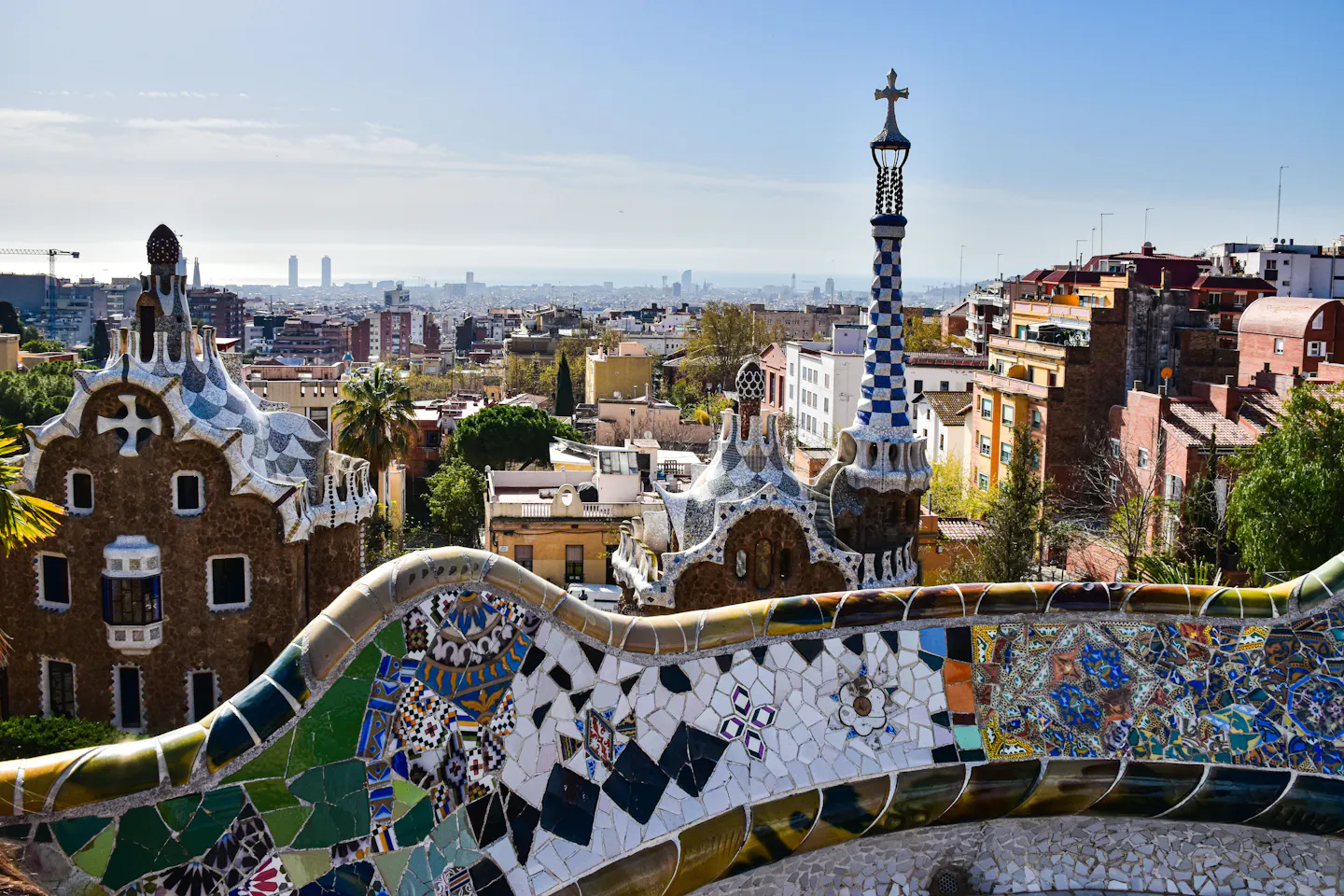
Park Güell is the other Gaudí experience that belongs on a first Barcelona trip. It feels completely different from Sagrada Família. Instead of a monumental interior, you get curved stone paths, colorful mosaics, unusual architecture, greenery, and views across the city.
The most famous part is the Monumental Zone, where you will find the serpentine mosaic bench, the Hypostyle Room, the grand staircase, and some of the park’s best-known Gaudí details.
Park Güell works best when you give it time. It is not a place to rush through in 30 minutes, take one photo, and leave.
How much time do you need at Park Güell?
Allow around 1.5 to 2 hours. The park is hilly, so comfortable shoes matter more here than they do at many central Barcelona sights.
First-trip tip: tickets use timed entry and the official park recommends buying them online in advance. Once inside, slow down. The best part is not just the famous mosaic terrace, but the way the architecture, landscape, and city views fit together.
A good plan is to combine Park Güell with Gràcia. After the park, head downhill into the neighborhood for lunch, coffee, or a drink around one of its smaller squares.
The Gothic Quarter: the Barcelona you should explore on foot
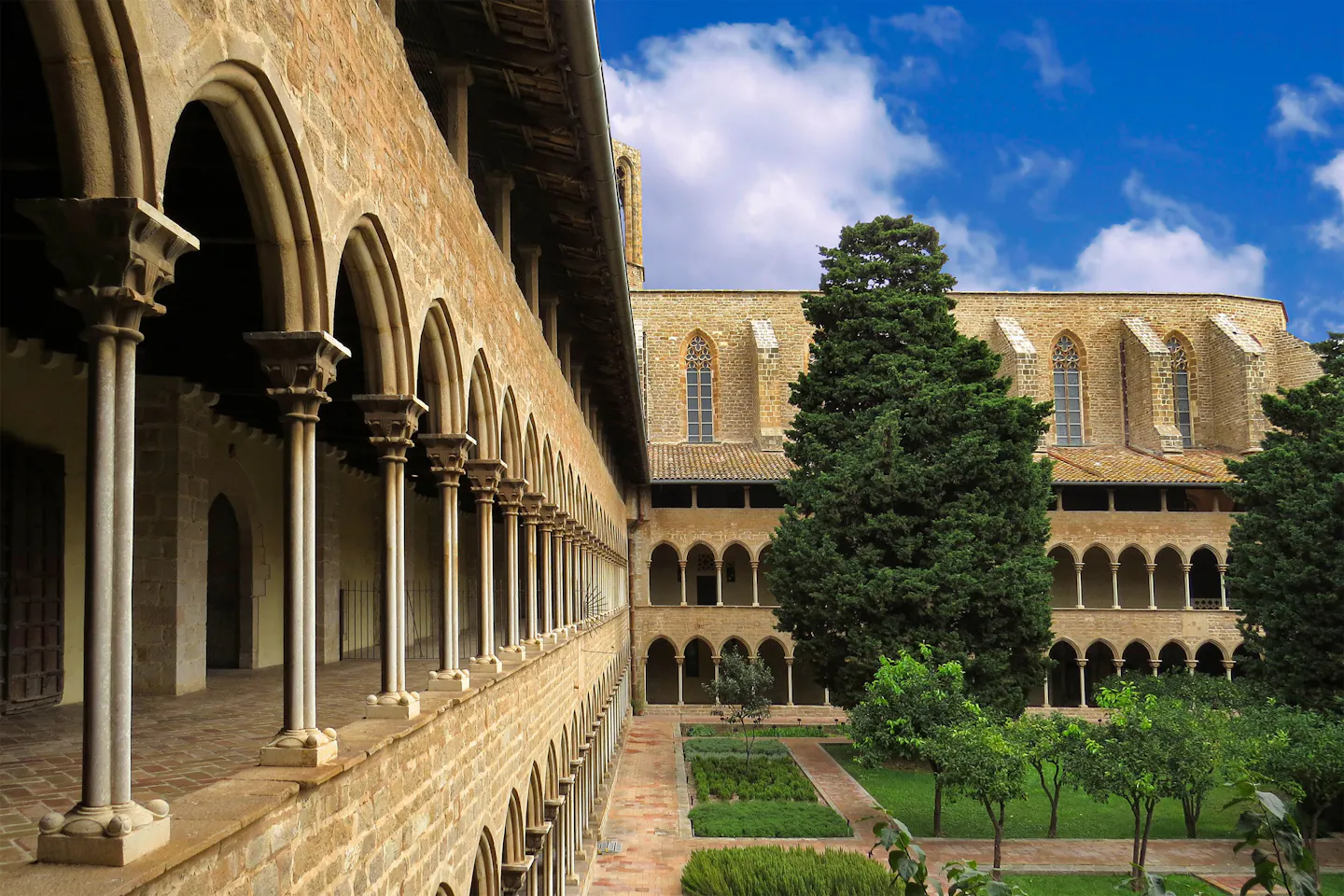
Barcelona’s Gothic Quarter, or Barri Gòtic, is where you should stop following a strict route for a while.
The neighborhood is a maze of old streets and small squares in the historic center. You will find Barcelona Cathedral, Plaça del Rei, Plaça Sant Jaume, hidden courtyards, Roman remains, old shops, and narrow lanes that suddenly open into busy plazas.
The best way to see the Gothic Quarter is on foot. Choose a few anchors, then let yourself wander between them.
What should you see in the Gothic Quarter?
Start around Barcelona Cathedral, then walk toward Plaça del Rei and Plaça Sant Jaume. Continue through the smaller lanes toward Plaça Reial or the edge of El Born. If you enjoy history, the Museu d’Història de Barcelona can give useful context to the Roman and medieval city.
First-trip tip: visit in the morning if you want quieter streets, then return to the area in the evening for a completely different atmosphere. The Gothic Quarter is much better when it is treated as a neighborhood, not one attraction with a start and finish time.
Passeig de Gràcia, Casa Batlló, and La Pedrera
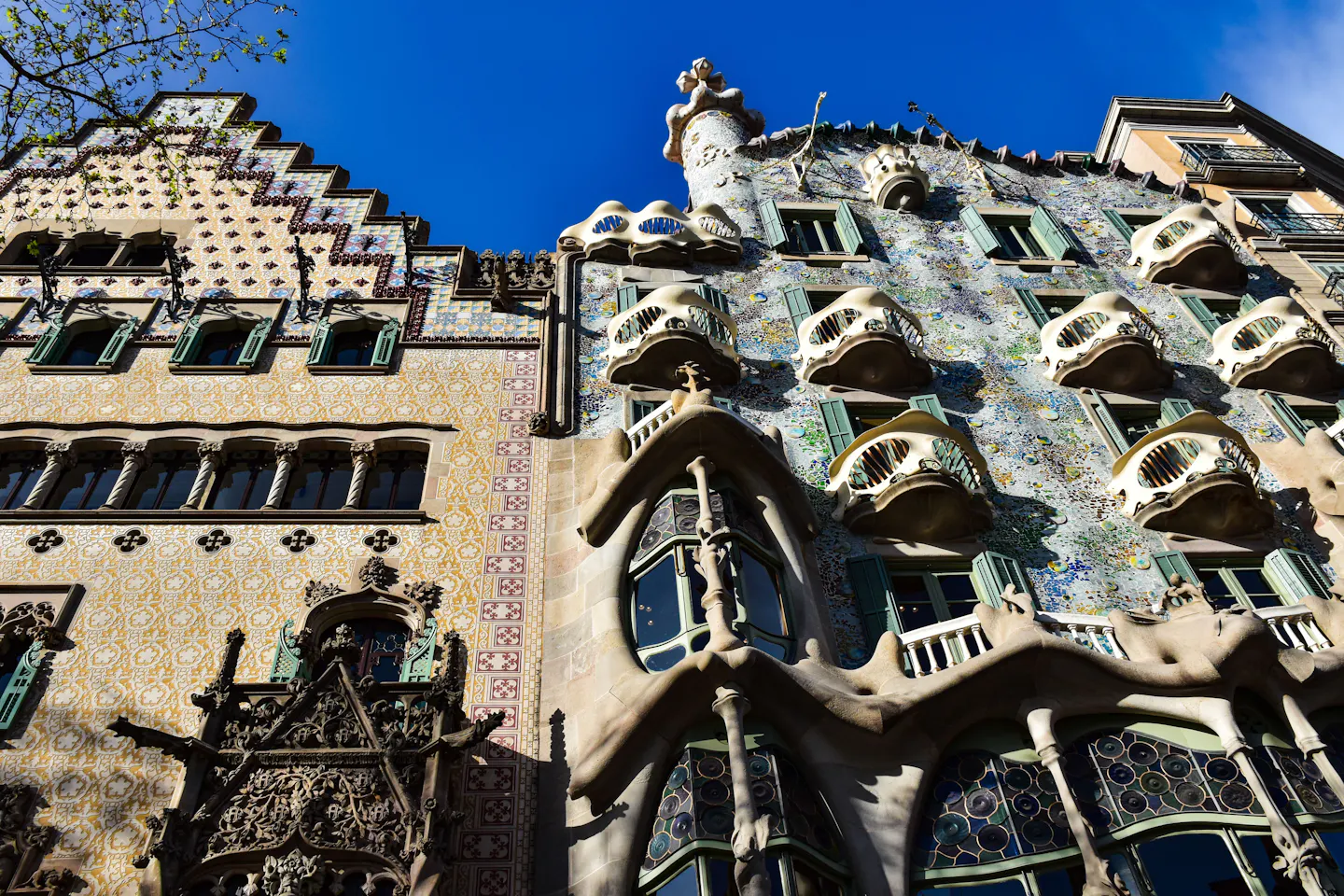
Passeig de Gràcia is the easiest place to understand how much Gaudí and Catalan Modernisme shaped Barcelona.
The avenue is lined with grand buildings, shops, restaurants, and some of the city’s most famous architecture. Casa Batlló is the obvious star. Its colorful façade, mask-like balconies, flowing interiors, blue-tiled light well, and dragon-like rooftop make it one of Gaudí’s most imaginative works.
A standard Casa Batlló visit takes roughly an hour to 1 hour 15 minutes. If you love architecture or design, it is worth going inside. If you are already spending heavily on Sagrada Família and Park Güell and want to save money, seeing the exterior is still worthwhile.
A little farther along Passeig de Gràcia is Casa Milà, better known as La Pedrera. Its stone façade and sculptural rooftop are completely different from Casa Batlló.
Should you visit both Casa Batlló and La Pedrera?
For most first-time visitors, no. Pick one interior unless Gaudí is a major reason for your trip. Casa Batlló is usually the more playful and immersive choice. La Pedrera is a strong alternative if you are especially interested in architecture and rooftop design.
First-trip tip: walk the full central stretch of Passeig de Gràcia even if you do not enter either house. It connects naturally with Plaça de Catalunya and gives you one of Barcelona’s best architecture walks.
El Born: historic streets, culture, and a better place to linger
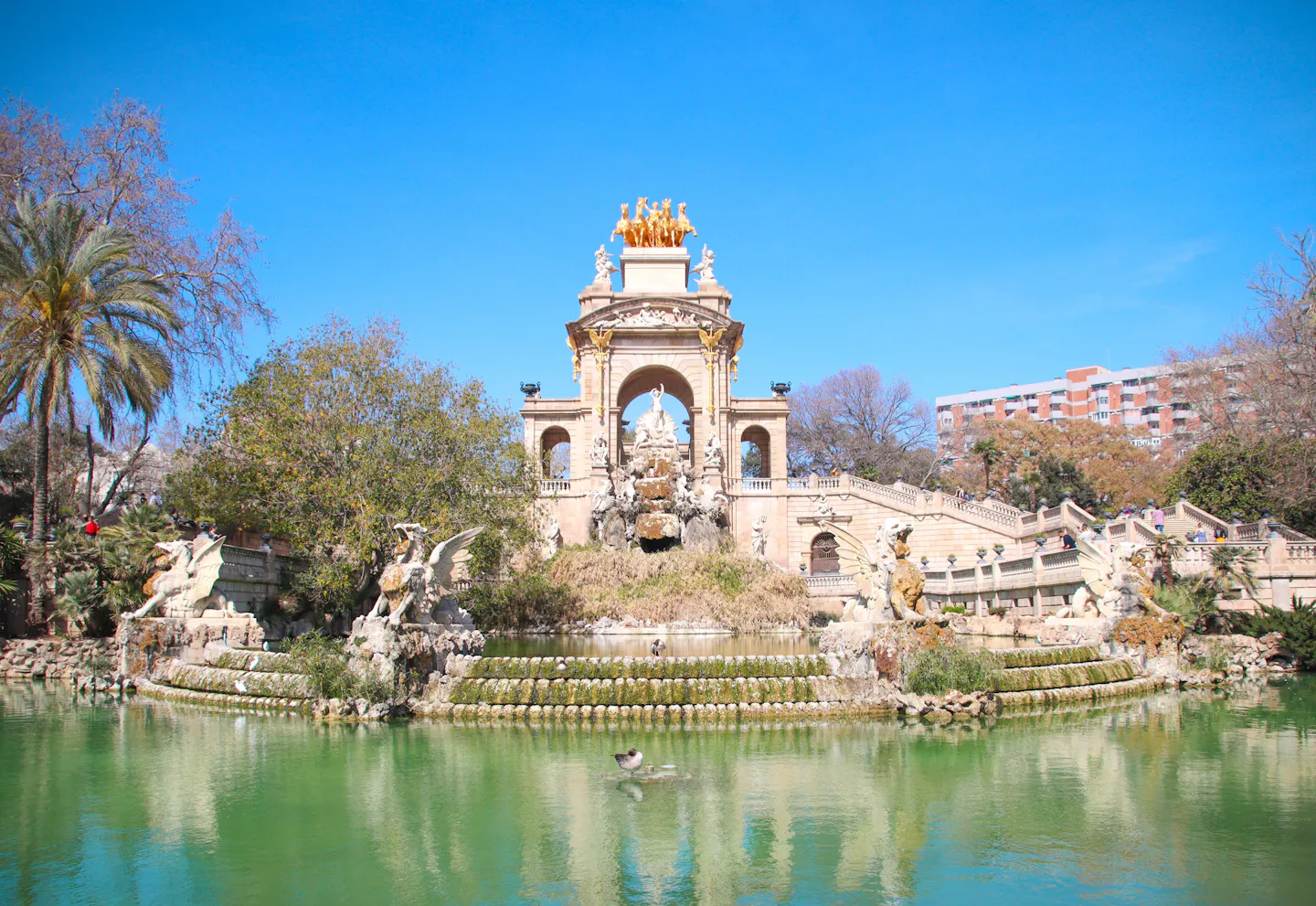
El Born is one of the best areas to visit after the Gothic Quarter because the two neighborhoods sit beside each other but feel different.
The streets are still old and atmospheric, but El Born has a slightly more relaxed mix of cafés, wine bars, boutiques, galleries, and cultural spaces. It is the kind of neighborhood where lunch can easily turn into a long afternoon.
Highlights include the Basilica of Santa Maria del Mar, the Picasso Museum area, El Born Centre de Cultura i Memòria, and the streets leading toward Parc de la Ciutadella.
If you want a break from churches and architecture, walk through Parc de la Ciutadella. It is one of the easiest green spaces to add to a central sightseeing day.
First-trip tip: combine the Gothic Quarter and El Born in the same half day. There is no reason to cross the city between them.
La Rambla and La Boqueria: see them, then keep moving
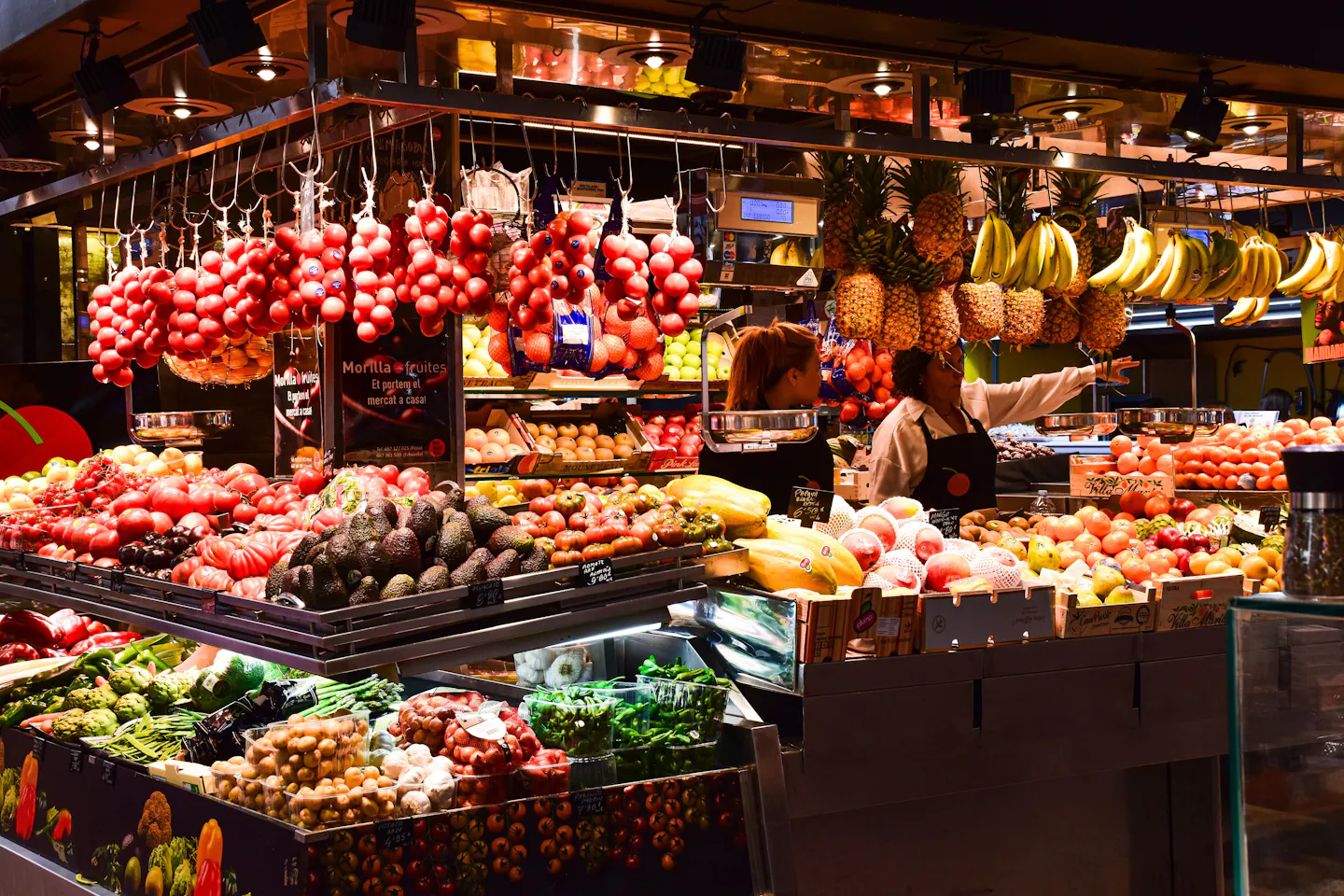
Yes, you should see La Rambla on your first trip to Barcelona. No, you do not need to spend half a day there.
The famous pedestrian boulevard runs from Plaça de Catalunya toward the waterfront. It is busy, touristy, and still part of the classic Barcelona experience. Walk it once, look at the buildings and street life, then use it as a route into more interesting streets on either side.
Mercat de la Boqueria sits just off La Rambla and is worth a stop for its displays of fruit, seafood, cured meats, sweets, and prepared food.
How should you visit La Boqueria?
Go because you enjoy markets and food, not because you need to turn it into a formal attraction. Walk through, try something small, and then have your proper meal somewhere that fits the rest of your route.
First-trip tip: do not build your food plan around the most obvious restaurants directly on La Rambla. Barcelona has much better reasons to sit down for lunch in the Gothic Quarter, El Born, Gràcia, Eixample, Poble-sec, and Barceloneta.
Montjuïc: views, gardens, museums, and a slower afternoon
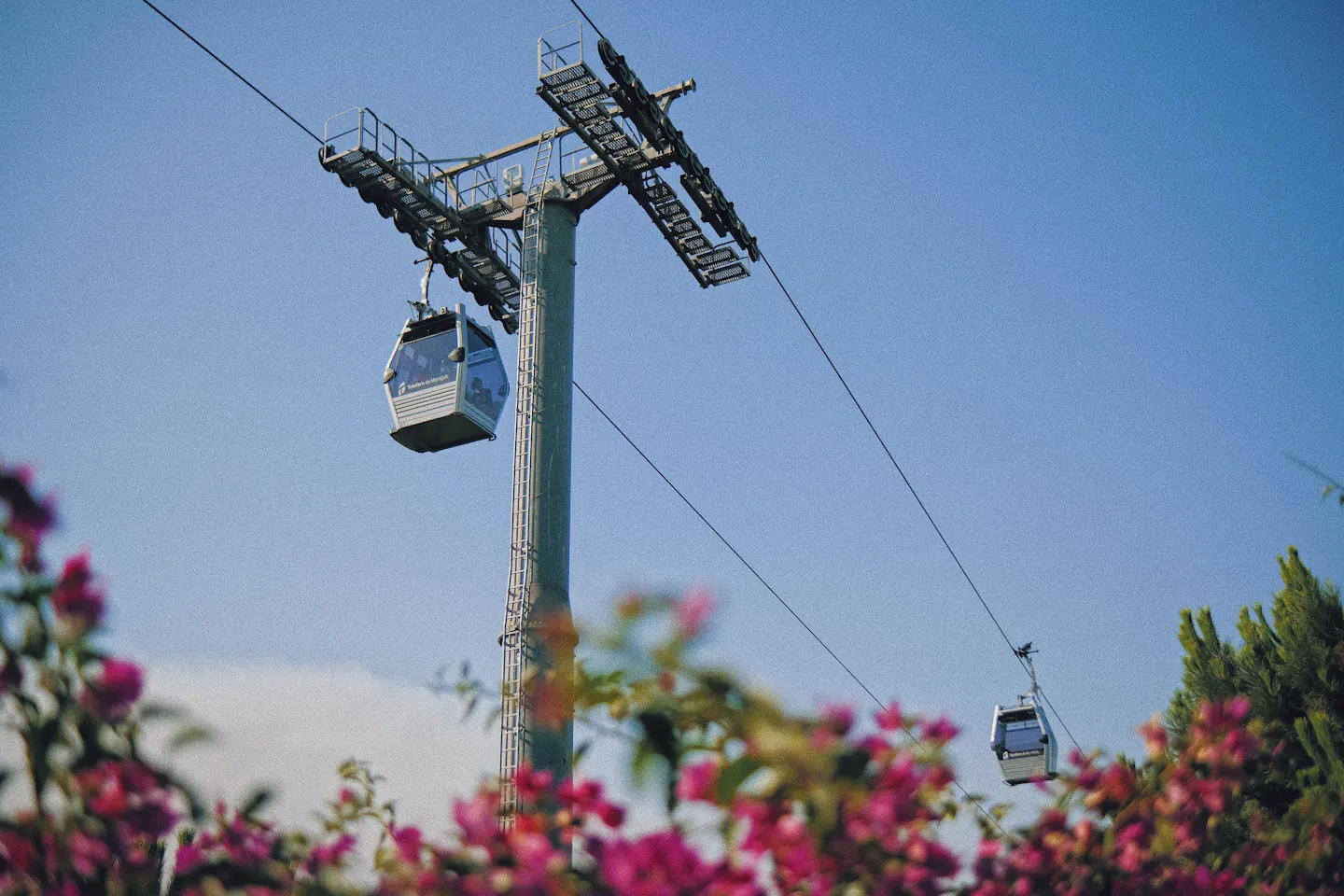
Montjuïc is the best answer when you want a break from dense old streets.
The hill rises above the port and contains gardens, cultural venues, Olympic sites, viewpoints, and Montjuïc Castle. From the upper areas, you can look across the city, harbor, and Mediterranean.
The Montjuïc cable car is part transport, part experience. Its glass cabins run between the lower station and the castle, giving you panoramic views on the way up.
What should you do on Montjuïc?
You do not need to see everything. Choose the version that fits you:
- For art, visit the Museu Nacional d’Art de Catalunya or Fundació Joan Miró.
- For views, take the cable car toward the castle and walk through the gardens.
- For Olympic history, explore the Anella Olímpica and the area around the Olympic Stadium.
- For a slower afternoon, mix one museum or landmark with a long walk and a viewpoint.
First-trip tip: give Montjuïc at least half a day if you include a museum. It looks close to the center on a map, but the hill, gardens, and different attractions take time.
Barceloneta and the waterfront: add the Mediterranean to your city break
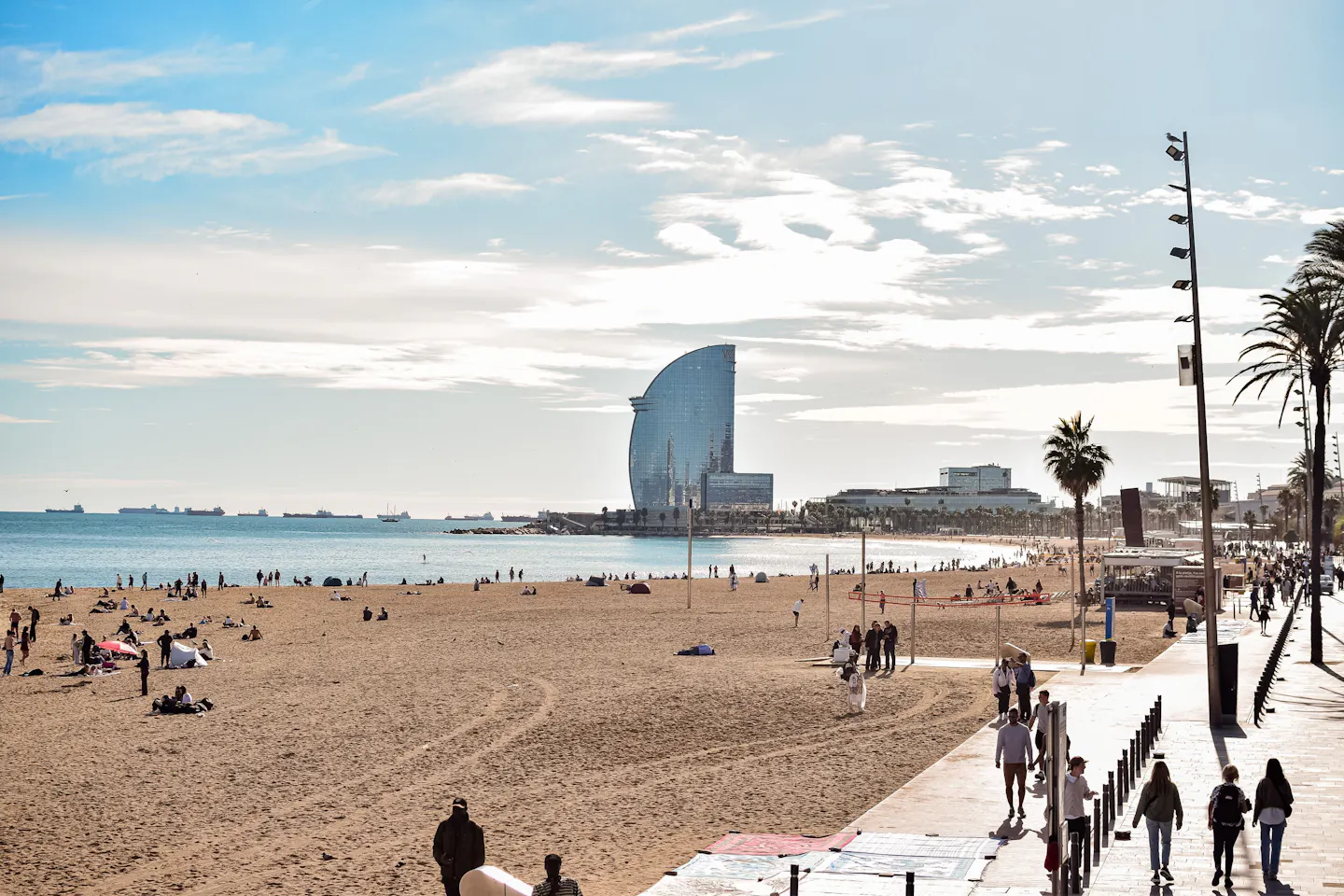
One of Barcelona’s biggest advantages is that a major European city and the sea are part of the same trip.
Barceloneta is the traditional waterfront neighborhood beside the old harbor and city beaches. The main Barceloneta Beach is easy to reach from the center and has a long promenade that works for a walk even if you are not planning to swim.
Should you spend a full beach day in Barcelona?
Only if that is what you actually want. On a short first trip, a better plan is often to spend the morning sightseeing, then walk or take the metro toward the waterfront for a late lunch, sunset, or a few hours by the sea.
In summer, the central beaches can be very busy. If you mainly want to experience the Barcelona coastline, you do not need to fight for the perfect patch of sand. A long walk along the promenade can be enough.
First-trip tip: Barceloneta fits naturally after the Gothic Quarter and El Born because you can keep moving toward the sea rather than doubling back across the city.
What is the best Barcelona itinerary for a first trip?
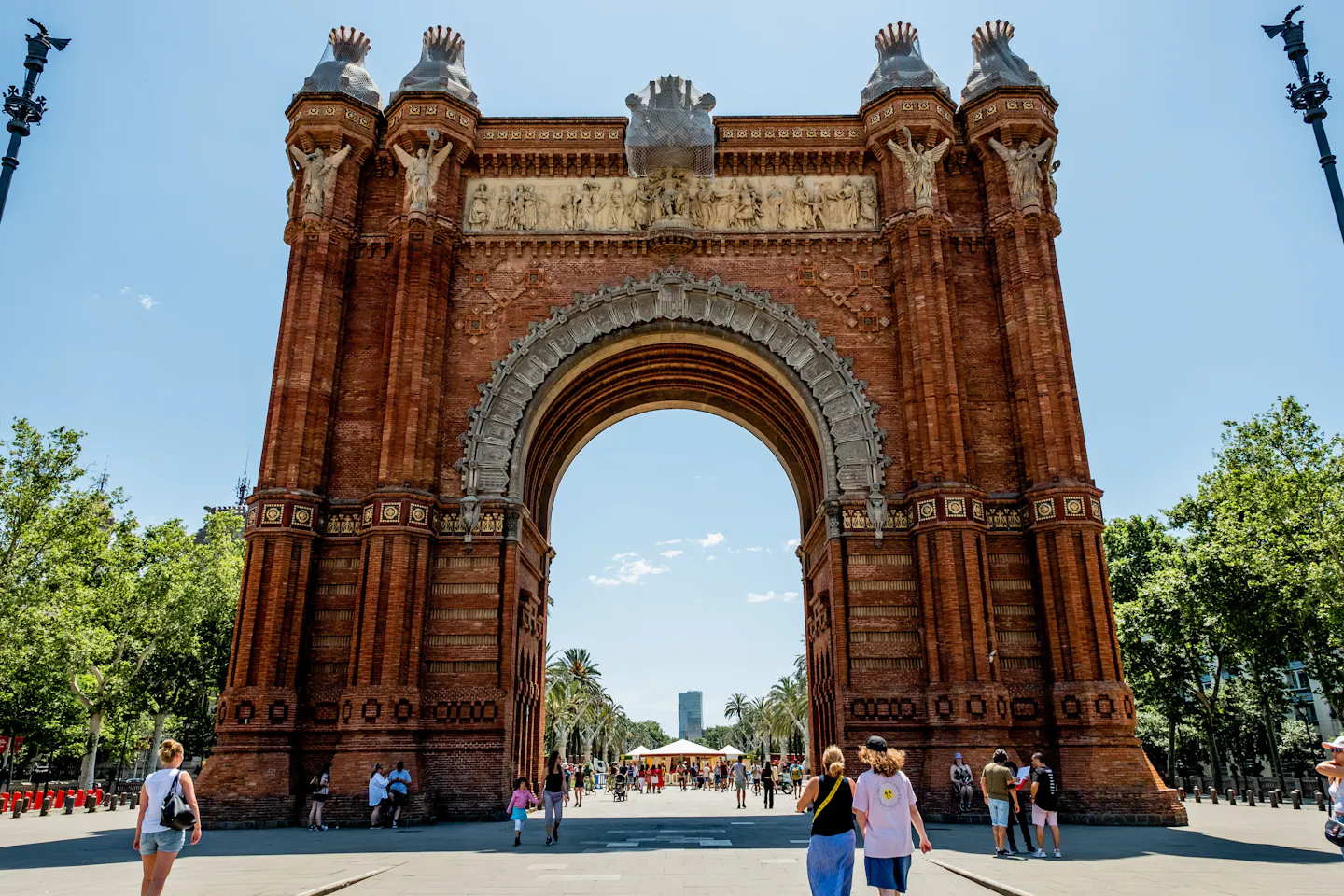
For most travelers, three full days is the sweet spot for a first Barcelona trip. You can see the essential sights, eat properly, and still leave room for unplanned stops.
Barcelona itinerary for Day 1: Gothic Quarter, El Born, and the waterfront
Start in the Gothic Quarter while the streets are still relatively calm. See Barcelona Cathedral, Plaça del Rei, Plaça Sant Jaume, and the smaller lanes around them.
Continue into El Born for Santa Maria del Mar, coffee, shops, or the Picasso Museum if that is a priority for you. Have lunch in the area instead of rushing to your next attraction.
In the afternoon, walk through Parc de la Ciutadella or continue toward the waterfront. Finish around Barceloneta with a seaside walk and dinner.
Barcelona itinerary for Day 2: Sagrada Família, Park Güell, and Gràcia
Make this your main Gaudí day.
Visit Sagrada Família at a pre-booked time in the morning. If architecture is a big interest, add Sant Pau nearby. Otherwise, leave some space for coffee and a slower start before heading toward Park Güell.
Book Park Güell for the afternoon. Afterward, walk down toward Gràcia and spend the evening around the neighborhood’s squares, restaurants, and bars.
This day involves hills and plenty of walking, so do not add three more paid attractions just because they fit on a map.
Barcelona itinerary for Day 3: Passeig de Gràcia, Montjuïc, and central Barcelona
Start around Passeig de Gràcia. See Casa Batlló and La Pedrera, and go inside one if it is high on your list.
Then move toward Montjuïc for the afternoon. Choose a museum, gardens, the cable car, the castle, or Olympic sites rather than trying to do all of them.
Finish the trip with dinner in Poble-sec, Eixample, El Born, or another neighborhood you already liked enough to revisit.
If you have a fourth day
Use it to make the trip more personal.
Spend more time in Gràcia, visit the Picasso Museum or Fundació Joan Miró, explore Sant Antoni and Poble-sec, take a slower beach morning, see Palau de la Música Catalana, or revisit the neighborhood where you most enjoyed simply walking around.
A fourth day is also useful if you prefer one major attraction per day instead of stacking timed tickets.
What should I skip on a first trip to Barcelona?
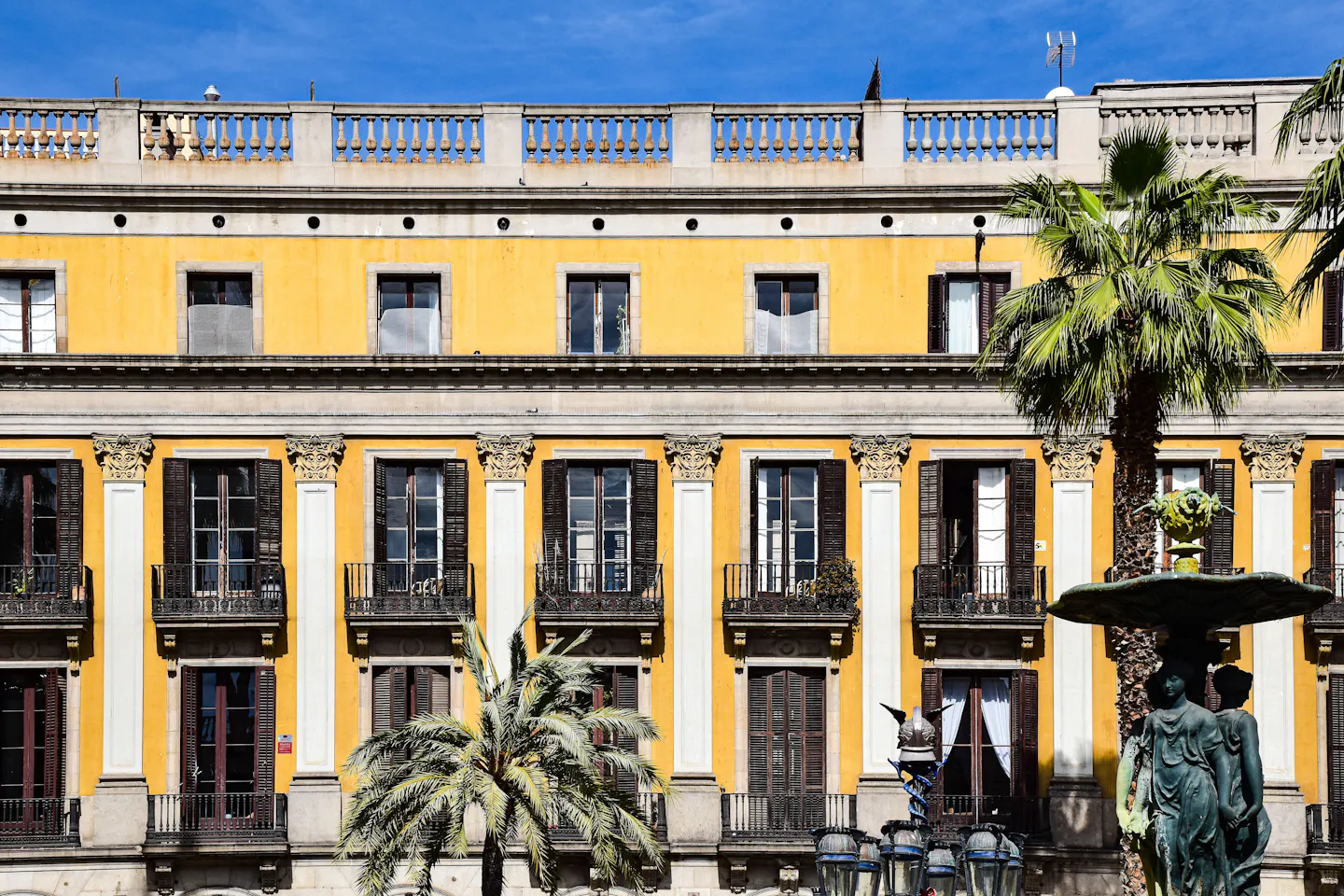
You do not need to skip famous sights just to prove you are avoiding touristy places. Sagrada Família and Park Güell are popular because they are genuinely distinctive.
What you should skip is overplanning.
Do not book Sagrada Família, Park Güell, Casa Batlló, a museum, a food tour, and a rooftop experience on the same day. You will spend the trip checking the time instead of enjoying Barcelona.
You can also avoid:
- Spending hours on La Rambla when the surrounding neighborhoods are more interesting.
- Visiting both Casa Batlló and La Pedrera interiors unless Gaudí is a major interest.
- Crossing the city repeatedly instead of grouping nearby sights.
- Treating Barceloneta as a compulsory full beach day on a short city break.
- Eating every meal beside the biggest attractions because it is convenient.
Barcelona works best when every day has one or two anchors and enough space between them.
How many days do you need in Barcelona for the first time?
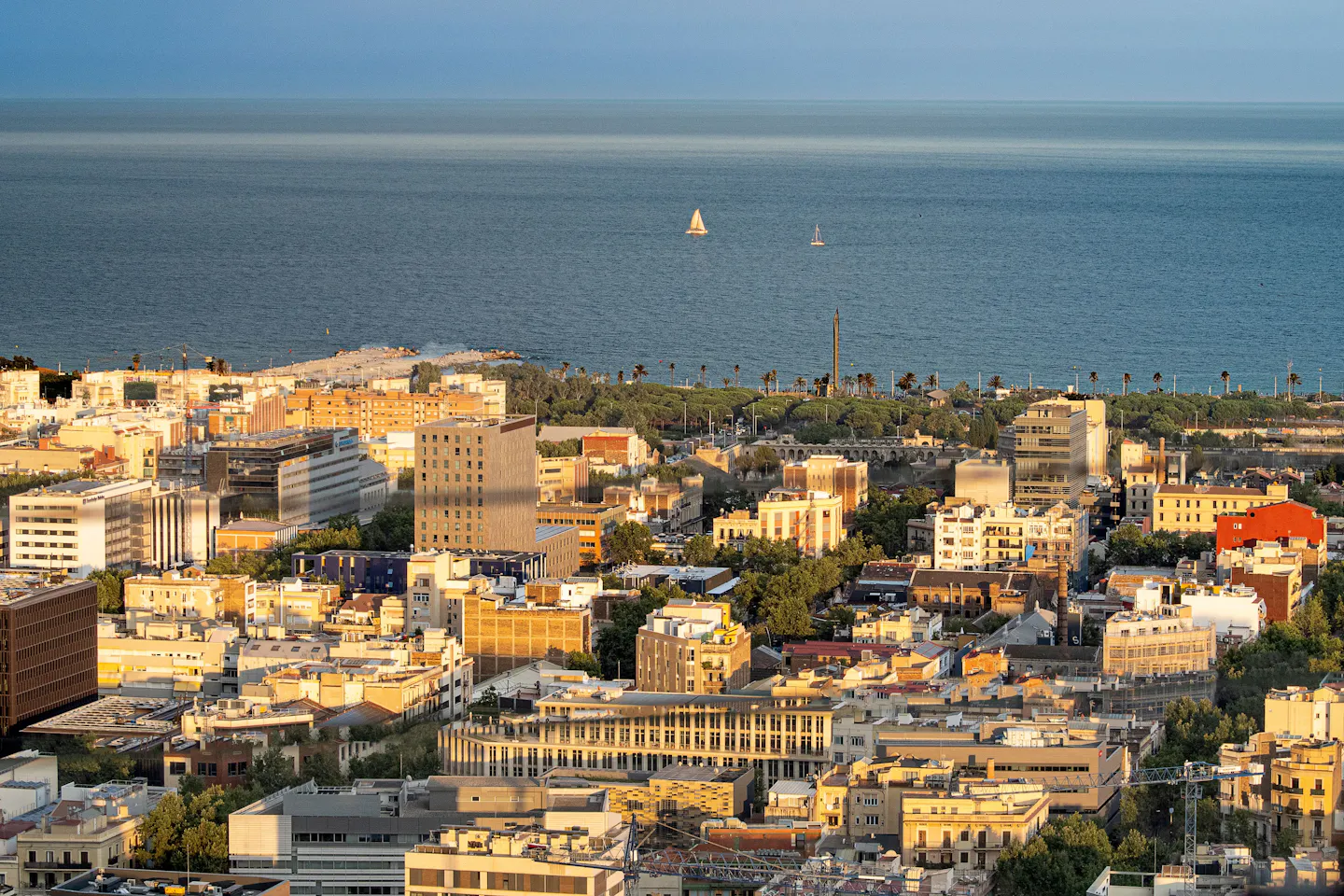
Three full days is enough for the essential first-time Barcelona experience.
With three days, you can comfortably cover Sagrada Família, Park Güell, the Gothic Quarter, El Born, Passeig de Gràcia, Montjuïc, and the waterfront.
Four days is better if you like museums, food, slower mornings, or neighborhoods more than checklists. Five days lets you add a day trip, spend more time by the sea, or explore less central parts of the city without sacrificing the main sights.
If you only have two days, focus on Sagrada Família, Park Güell, the Gothic Quarter, Passeig de Gràcia, and either El Born or the waterfront. Do not try to compress a four-day itinerary into 48 hours.
FAQ: What to see in Barcelona for the first time
What are the top five must-see places in Barcelona?
For a first trip, the five essentials are Sagrada Família, Park Güell, the Gothic Quarter, Passeig de Gràcia with Casa Batlló, and Montjuïc. Add El Born and the waterfront if you have at least three days.
Is Sagrada Família worth going inside?
Yes. The interior is one of the main reasons Sagrada Família deserves to be at the top of a first-time Barcelona itinerary. Seeing only the exterior misses the light, scale, columns, and stained glass that define the experience.
Is Park Güell worth visiting?
Yes, especially on a first trip. It gives you a very different side of Gaudí from Sagrada Família and combines architecture with an outdoor walk and city views.
Is La Rambla worth visiting?
Yes, but treat it as a walk rather than a destination for half a day. See it once, visit La Boqueria if you enjoy markets, then continue into the Gothic Quarter, El Raval, or toward the waterfront.
Is three days enough in Barcelona?
Three full days is enough to see the main attractions at a reasonable pace. Four days is better if you want museums, more neighborhood time, or a less scheduled trip.
What is the best area to walk around in Barcelona?
For a first visit, the Gothic Quarter and El Born are the easiest historic areas to explore on foot. Gràcia is better when you want a more neighborhood-focused afternoon with squares, cafés, and less emphasis on major monuments.
Should I visit the beach on my first trip to Barcelona?
Yes, but it does not have to be a full beach day. Even a walk through Barceloneta and along the Mediterranean at the end of a sightseeing day adds something important to the Barcelona experience.
Plan your whole Barcelona trip with EasyMiles
Knowing what to see in Barcelona is the easy part. The harder part is fitting Sagrada Família, Park Güell, neighborhoods, meals, museums, viewpoints, and the beach into days that actually make sense.
EasyMiles plans the whole trip around your dates, interests, food preferences, and travel pace. It builds a realistic day-by-day itinerary, recommends places and restaurants that fit you, and takes practical details such as opening hours, weather, and travel time between stops into account.
You can use EasyMiles to decide which Barcelona sights are worth your time, discover local places between the famous attractions, find restaurants that fit naturally into your route, and book tickets to sights and museums without turning trip planning into a second job.
Instead of starting with a generic list and trying to force everything into a map, you get a Barcelona itinerary built around how you actually like to travel. That means fewer unnecessary crossings of the city, better-timed meals, realistic sightseeing days, and more time to enjoy the places you came for.