
The best way to plan a two-week trip around Europe is to choose one region, limit yourself to about three or four main bases, and build the route so you spend more time exploring than moving. For most travelers, that means staying three to four nights in major cities, using trains for shorter connections, flying only when it saves a lot of time, and leaving a little room for slow mornings, weather changes, and spontaneous plans.
- Pick three or four main bases rather than six or seven.
- Choose a region first, then the individual cities inside it.
- Write down the places you would genuinely be disappointed to miss.
- Build the route in one direction and fly home from a different city.
- Take the train when the journey is around five hours or less.
- Count full days instead of nights when you divide up the time.
- Book the things that sell out first, then leave the rest loose.
- Leave space for food, neighborhoods, and doing nothing.
- Start from a sample route if you want an itinerary that already works.
A good two-week Europe itinerary could be Paris, Amsterdam, Berlin, and Prague; Rome, Florence, Bologna, and Venice; or Barcelona, Valencia, Madrid, and Seville. The exact route matters less than the rhythm. If you try to squeeze six or seven cities into fourteen days, Europe can quickly turn into a trip made mostly of stations, airports, hotel check-ins, and packing.
The simplest rule is this: choose fewer places and experience them properly. You will still see a lot, but the trip will feel much better.
How Many Places Should You Visit in Two Weeks in Europe?

For most travelers, three or four main destinations is the sweet spot for a two-week Europe trip.
You can technically visit more, especially if the cities are close together, but every move costs time. Even a two-hour train ride can take half a day once you include packing, getting to the station, waiting, finding your hotel, checking in, and getting oriented again.
A useful starting point is:
- 3 destinations if you want a relaxed trip with day trips and slower mornings.
- 4 destinations if you want a balanced first trip and enjoy seeing different cities.
- 5 destinations only if the connections are short and you do not mind moving often.
- 6 or more destinations if the goal is specifically a fast-paced highlights trip.
For a first trip to Europe, four bases usually gives you enough variety without making the itinerary exhausting.
Step 1: Pick a Region Before You Pick Individual Cities
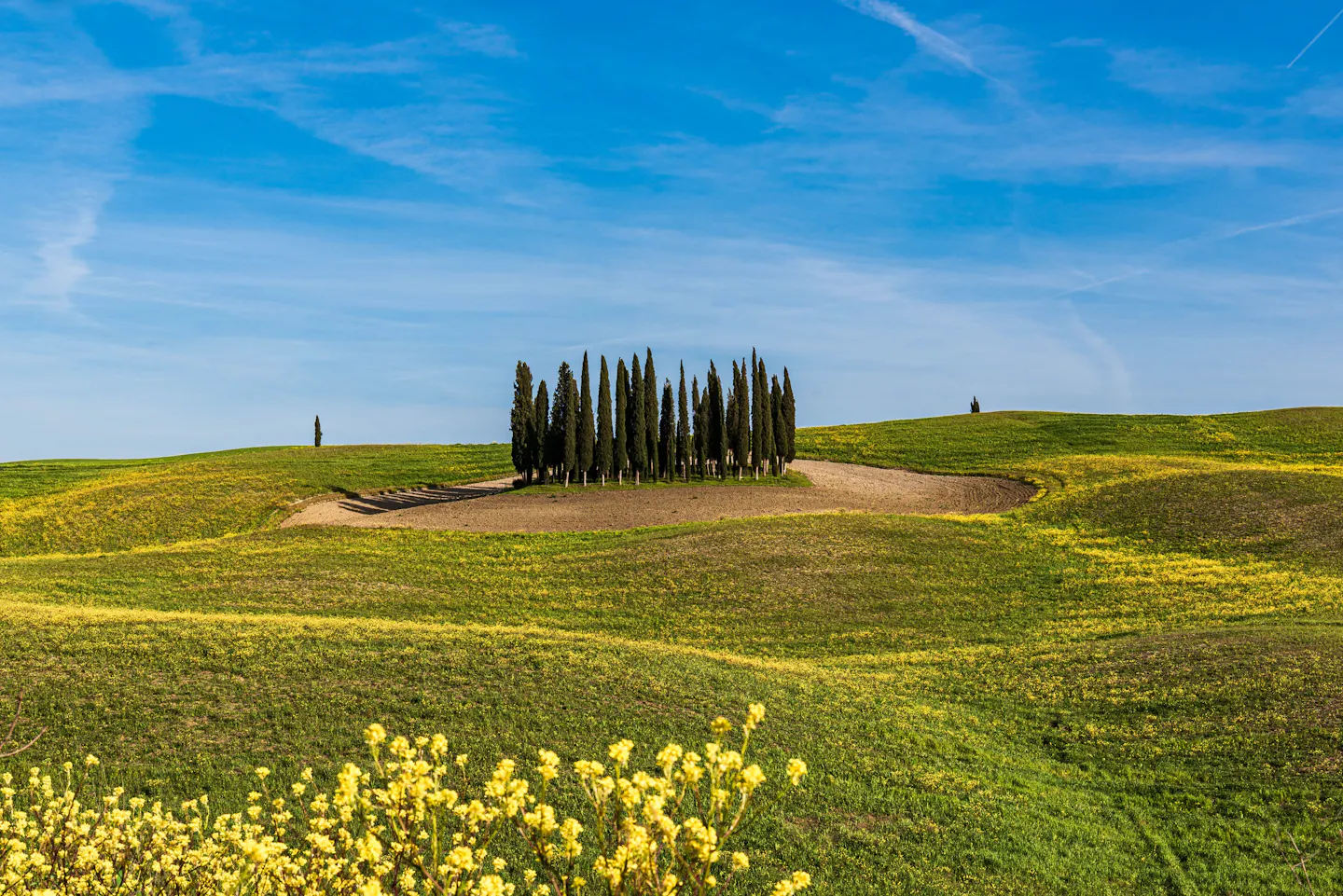
Europe looks compact on a map, but it is still a continent. Lisbon, Paris, Rome, Prague, and Athens may all be on your wish list, but combining them in one two-week trip usually creates unnecessary flights and long travel days.
Start by choosing a region or a natural travel corridor. This makes the route easier, cheaper, and more enjoyable.
Good regions for a two-week Europe itinerary
- Western Europe: Paris, Amsterdam, Brussels, London, or nearby cities in Germany.
- Central Europe: Prague, Vienna, Budapest, Salzburg, Krakow, or Bratislava.
- Italy: Rome, Florence, Bologna, Venice, Milan, Naples, or smaller Tuscan towns.
- Spain: Barcelona, Valencia, Madrid, Seville, Granada, or Malaga.
- Portugal and Spain: Lisbon, Porto, Madrid, Seville, or Barcelona, with one longer connection where needed.
- The Balkans: Ljubljana, Zagreb, Split, Sarajevo, Kotor, Belgrade, or nearby coastal stops.
You do not need to stay inside one country. The important thing is that your destinations connect logically.
Step 2: Choose Your Must-See Places

Before you start booking hotels, write down the places you would genuinely be disappointed to miss. Keep this list short.
If Paris has been your dream for years, build around Paris. If the Colosseum and Florence are the reason you are going to Europe, start with Italy. If you mainly want food, beaches, and late evenings, Spain may make more sense than trying to force several famous capitals into the same trip.
A useful method is to divide destinations into three groups:
- Must see: places that define the trip for you.
- Would love to see: places that fit if the route works.
- Nice in theory: places you can save for another trip.
That last category is important. A good Europe itinerary usually becomes better when you remove one destination.
Step 3: Build the Route in One Direction

Once you know your main stops, put them on a map and connect them in the simplest possible order. Avoid zigzagging across the continent or returning through the same city unless there is a good reason.
Whenever possible, fly into one city and home from another. These are often called open-jaw or multi-city flights. For example, you might fly into Paris, travel overland through Amsterdam and Berlin, then fly home from Prague. That can save an entire day compared with returning to Paris just to catch your flight.
The ideal route feels like one continuous line rather than a collection of separate weekend trips.
Step 4: Decide When to Take the Train and When to Fly

Europe is especially easy to combine by train when your route includes major cities in the same region. Trains usually take you from city center to city center, so a journey that looks longer on paper can still be easier than flying.
As a simple rule, trains are usually worth checking first when the journey is around five hours or less. For longer routes, compare the full door-to-door time rather than the flight duration alone.
A one-hour flight can still involve a trip to the airport, arriving early, security, boarding, baggage rules, landing, and another transfer into the city. On the other hand, an eight-hour train may not be the best use of a short trip if there is a convenient flight.
If you plan to use a Eurail or Interrail pass, check reservations before you commit to the route. Many high-speed trains and night trains require a separate seat reservation, and popular summer services can sell out.
Use these questions for every travel leg
- How long is the train from city center to city center?
- How far are both airports from the places I am staying?
- Do I need to pay extra for luggage or seat reservations?
- Will I lose most of a sightseeing day by traveling at this time?
- Could an early morning, evening, or night train protect more of the day?
Step 5: Give Each Destination Enough Time

One of the easiest mistakes is counting nights instead of usable days. Arriving in Rome at 9 p.m. technically gives you one night in Rome, but it does not give you a day to explore.
Think in terms of full days. For major cities such as Paris, Rome, London, Barcelona, or Berlin, three full days is a strong starting point for a first visit. Smaller cities can work with two full days, while one-night stops should be used carefully.
Also remember that day trips can make one base feel much bigger. Four nights in Florence can include Florence itself plus a day in Siena, Lucca, Pisa, or the Tuscan countryside without another hotel change.
Step 6: Plan the Big Things First, Not Every Hour

A two-week Europe trip needs structure, but it does not need to be scheduled like a military operation.
Start with the things that can sell out, have fixed entry times, or strongly affect the shape of your day. That may include major museums, famous monuments, popular restaurants, football matches, concerts, special tours, or timed-entry attractions.
Then build the rest of the day around the location. If you are visiting the Vatican Museums in the morning, it makes sense to explore nearby parts of Rome afterwards instead of crossing the city three times.
A realistic day usually has one or two major anchors, meals in areas that fit naturally into the route, and smaller stops nearby. This is much easier to enjoy than a list of twelve attractions spread across the city.
Step 7: Leave Space for Food, Neighborhoods, and Doing Nothing

The famous sights are only part of why Europe is fun. Some of the best moments are usually much smaller: coffee at a neighborhood cafe, a market you did not plan to visit, a long lunch, a river walk, a local wine bar, a bakery you pass twice and finally enter, or simply sitting in a square for an hour.
If every day is packed from 8 a.m. to 10 p.m., you will probably start skipping things halfway through the trip anyway. Build breathing room on purpose.
This is especially important around day six or seven. Two weeks is long enough for travel fatigue to appear, even if you are having a great time. A slower afternoon, beach day, spa visit, park, cafe morning, or flexible evening can make the second week much more enjoyable.
Sample Two-Week Europe Itineraries

There is no single best route for everyone, but these itineraries are practical starting points because the destinations connect reasonably well and give you different versions of Europe.
Option 1: Paris, Amsterdam, Berlin, and Prague
Best for: a classic first trip with famous cities, museums, nightlife, architecture, and easy public transport.
- Days 1-4: Paris.
- Days 5-7: Amsterdam.
- Days 8-10: Berlin.
- Days 11-14: Prague.
This route gives you four distinct cities without needing a flight between every stop. Paris and Amsterdam are especially easy to combine by high-speed train, and Berlin and Prague also make a natural pair. Amsterdam to Berlin is the longest travel leg, so treat it as a real travel block rather than pretending it will take no time.
Option 2: Rome, Florence, Bologna, and Venice
Best for: food, art, history, beautiful city centers, and one of the easiest first-time rail trips in Europe.
- Days 1-4: Rome.
- Days 5-8: Florence, with an optional Tuscany day trip.
- Days 9-10: Bologna.
- Days 11-14: Venice.
Italy works extremely well for two weeks because the major cities are connected by fast trains and each stop feels different. Rome gives you ancient history and big-city energy. Florence is art, architecture, and Tuscany. Bologna is about food and portico-lined streets. Venice gives you a completely different ending.
Option 3: Barcelona, Valencia, Madrid, and Seville
Best for: food, warm evenings, architecture, beaches, nightlife, and high-speed train travel.
- Days 1-4: Barcelona.
- Days 5-7: Valencia.
- Days 8-11: Madrid.
- Days 12-14: Seville.
This route mixes the Mediterranean coast with Spain's biggest inland city and Andalusian culture. It also avoids the mistake of trying to add Portugal, the French Riviera, and three Spanish regions to the same two-week trip.
Option 4: Prague, Vienna, Budapest, and One Slower Stop
Best for: architecture, cafes, history, nightlife, thermal baths, and good rail connections.
- Days 1-4: Prague.
- Days 5-7: Vienna.
- Days 8-11: Budapest.
- Days 12-14: choose Bratislava, a countryside stay, or simply add the extra time to your favorite city.
Central Europe is a good choice if you want variety without huge distances. The final three days are intentionally flexible. You can add another destination, but you may enjoy the trip more by slowing down.
How Far in Advance Should You Plan a Two-Week Europe Trip?
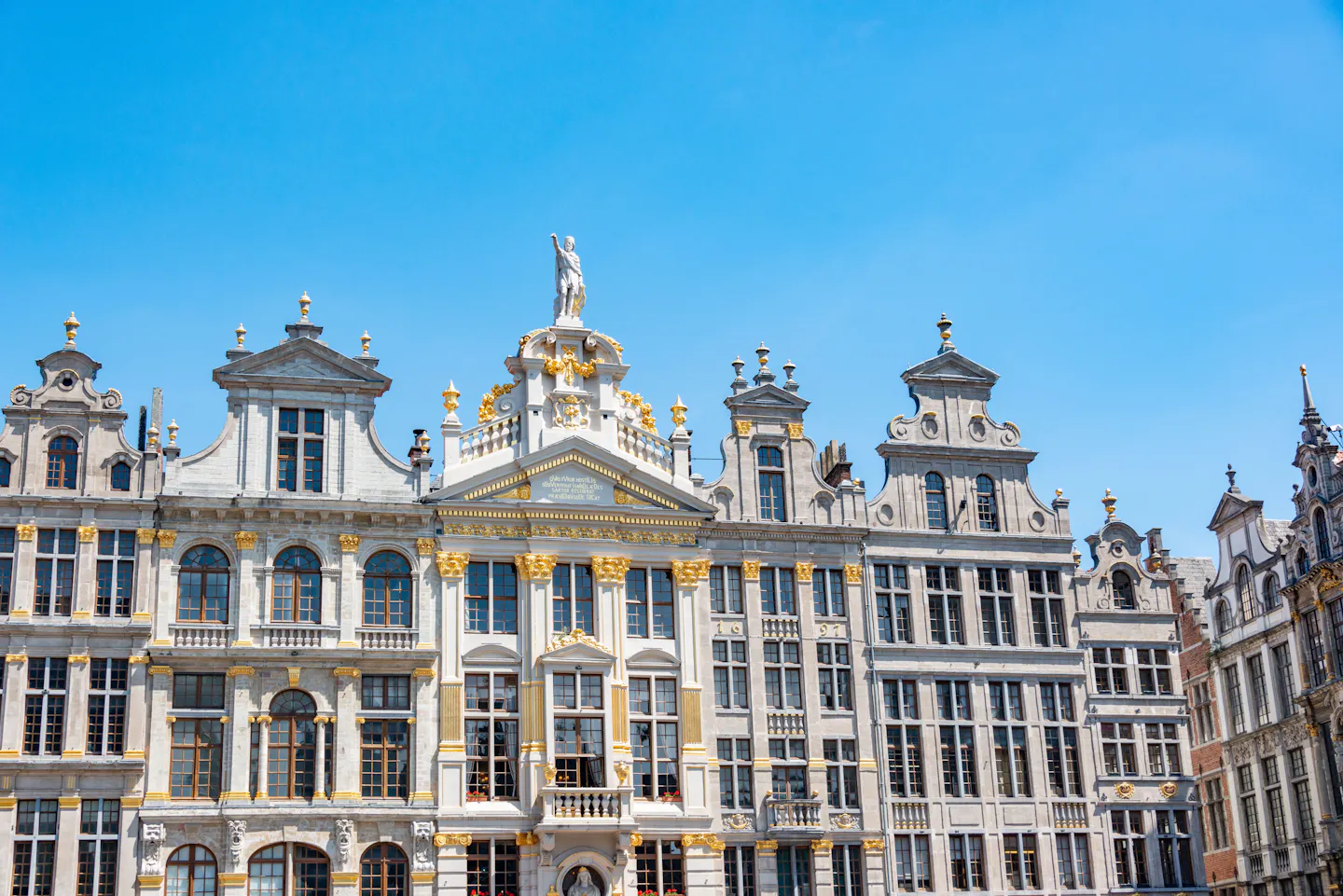
You do not need to book every detail months in advance, but the most important parts are worth securing early if you are traveling in summer, during school holidays, around Christmas markets, or during a major event.
A sensible order is:
- Book international flights first once your route is clear.
- Book accommodation in the cities where location matters most.
- Reserve important long-distance trains or flights between stops.
- Book a few must-do attractions with fixed entry times.
- Add restaurants and smaller activities after the skeleton of the trip is set.
Leave flexible parts flexible. There is little value in locking yourself into a specific cafe at 10:15 a.m. three months before the trip.
How to Budget for Two Weeks in Europe

There is no useful single price for a two-week Europe trip because the cost changes dramatically depending on the countries, season, accommodation style, and how often you move.
Instead of starting with one daily number, divide your budget into five parts:
- Flights to and from Europe.
- Accommodation.
- Transport between destinations.
- Food and local transport.
- Attractions, tours, nightlife, shopping, and extras.
The route itself affects the budget more than many people expect. Four cities connected by short train rides can cost less than six cities linked by low-cost flights once you add airport transfers, luggage fees, and extra hotel nights.
Traveling in late spring or early autumn can also make a big difference. You often get good weather and long enough days without the highest summer prices and crowds.
Common Mistakes to Avoid on a Two-Week Europe Trip

Trying to visit too many countries
Crossing a border is easy in much of Europe, so it is tempting to count countries. But a trip is better measured by what you actually experience. Four meaningful stops are usually better than eight rushed ones.
Choosing destinations only because flights are cheap
A cheap flight can create an expensive detour. Look at the entire route, not one ticket. Sometimes paying a little more to start in the right city saves money and time across the rest of the trip.
Ignoring check-in and travel time
Moving cities is not just the train or flight. Add packing, getting to the station, storing luggage, hotel check-in, and finding your way around a new place.
Booking hotels too far from the areas you actually want to explore
A cheaper hotel outside the center may look like a bargain, but if you spend an extra hour commuting every day, the trade-off may not be worth it. In a short multi-city trip, location is often one of the most valuable things you can pay for.
Planning every day at maximum intensity
A two-week trip is long enough that you need recovery time. The itinerary should still work if you sleep late one morning, stay too long at lunch, or decide you love one neighborhood and want to remain there.
What Should You Book Before You Arrive?
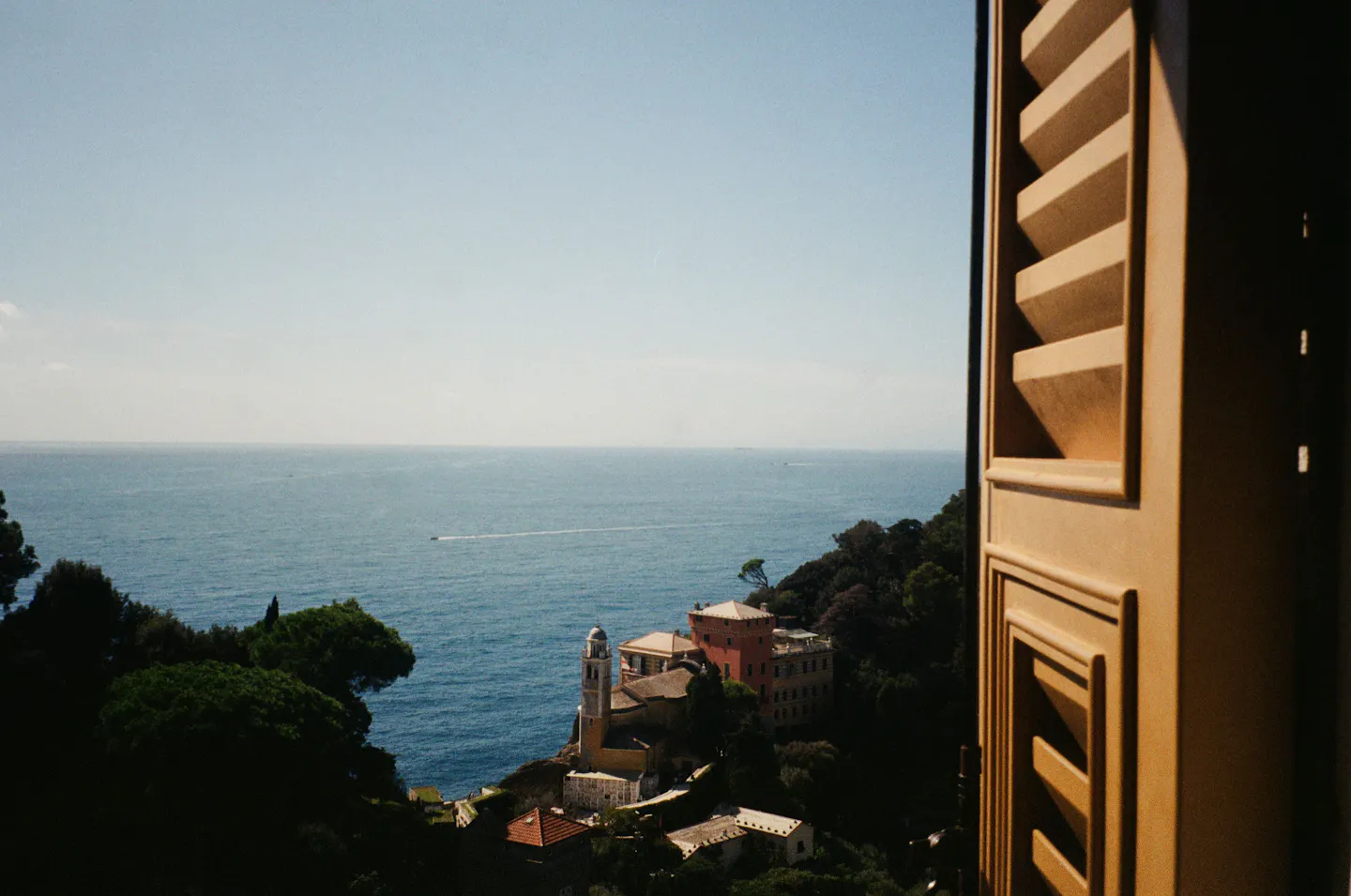
For most two-week Europe trips, you should arrive with the basic structure already solved but not every hour decided.
Book these in advance when they are important to you:
- International flights.
- Hotels or apartments.
- Long-distance trains, flights, or ferries on fixed travel days.
- Very popular timed-entry attractions.
- Special restaurants, tours, concerts, or events you would be disappointed to miss.
You can usually decide smaller museums, neighborhood walks, cafes, casual restaurants, viewpoints, markets, and spontaneous stops closer to the day.
FAQ: Planning a Two-Week Trip Around Europe
Is two weeks enough for Europe?
Yes. Two weeks is enough for an excellent Europe trip if you focus on one region or a logical route. It is not enough to see the whole continent, but it is plenty of time for three or four destinations.
How many countries should I visit in two weeks?
For most travelers, two to four countries is realistic. The number matters less than the distance between stops. Four cities across three neighboring countries can be easier than three cities spread across opposite sides of Europe.
Is it better to travel Europe by train or plane?
Use trains for short and medium-distance city connections when they are convenient, and flights for long jumps where rail would consume most of a day. Always compare total door-to-door time, not just the advertised journey time.
Should I buy a Eurail or Interrail pass for two weeks?
It depends on your route. A pass can be useful if you have several longer rail journeys and want flexibility, but individual tickets can be cheaper on routes you book early. Compare both before buying, and remember that some high-speed and night trains require reservations even when you have a pass.
What is the best two-week Europe itinerary for a first-time visitor?
A strong first trip is usually built around four well-connected cities that give you different experiences. Paris, Amsterdam, Berlin, and Prague is one option. Rome, Florence, Bologna, and Venice is another. If you prefer warmer weather and Spanish food and culture, Barcelona, Valencia, Madrid, and Seville works very well.
Should I rent a car for a two-week Europe trip?
Not usually if your itinerary is mostly major cities. Trains and public transport are often easier. A rental car becomes more useful for countryside routes, islands, small villages, mountain areas, or regions where rail connections are limited.
Plan Your Whole Two-Week Europe Trip With EasyMiles
Planning the route is only the first part. You still need to decide what to do each day, which attractions fit together, where to eat, how long it takes to move between places, what is actually open, and what to change if the weather does not cooperate.
EasyMiles can plan the whole trip around your destination, dates, interests, food preferences, and preferred pace. It builds a day-by-day itinerary with sights, museums, local experiences, and restaurant recommendations, then arranges them into realistic days based on opening hours, weather, and travel time between places.
You can also book sights and museums through the app, so the trip is not just a list of ideas. The goal is to give you a plan you can actually follow without spending hours switching between maps, saved posts, booking sites, and notes.
For a two-week Europe trip, that means less time trying to make dozens of pieces fit together and more time enjoying the places you came to see.