
If you are visiting Paris in 2026, the best things to do are a mix of the classics and the neighborhoods that make the city feel alive. Start with the Eiffel Tower, the Louvre, Notre-Dame, Sainte-Chapelle, a Seine cruise, Montmartre, the Musée d’Orsay, and the Arc de Triomphe. Then leave room for Le Marais, Saint-Germain, local markets, gardens, small museums, covered passages, and long walks along the river.
Paris is at its best when you do not try to turn every day into a checklist. For a first trip, five to seven days is ideal. That gives you enough time for the major Paris attractions without spending the whole trip moving between ticket lines. If you only have three days, focus on the first ten places in this guide and group them by neighborhood.
Here is the quick answer:
- Go up the Eiffel Tower for the clearest view of how the city fits together.
- See the Louvre without trying to see everything in one visit.
- Visit Notre-Dame, open again and free to enter after its restoration.
- See the stained glass at Sainte-Chapelle on a sunny morning.
- Take a Seine river cruise for an instant overview of central Paris.
- Wander through Montmartre beyond the crowded streets around Place du Tertre.
- Visit the Musée d’Orsay for Impressionist art in a former railway station.
- Watch Paris from the Arc de Triomphe, where the Eiffel Tower is in the view.
- Spend a few hours in Le Marais for old mansions, shops, and bakeries.
- Swim in the Seine in summer 2026 at one of the supervised bathing sites.
What is different in Paris in 2026?
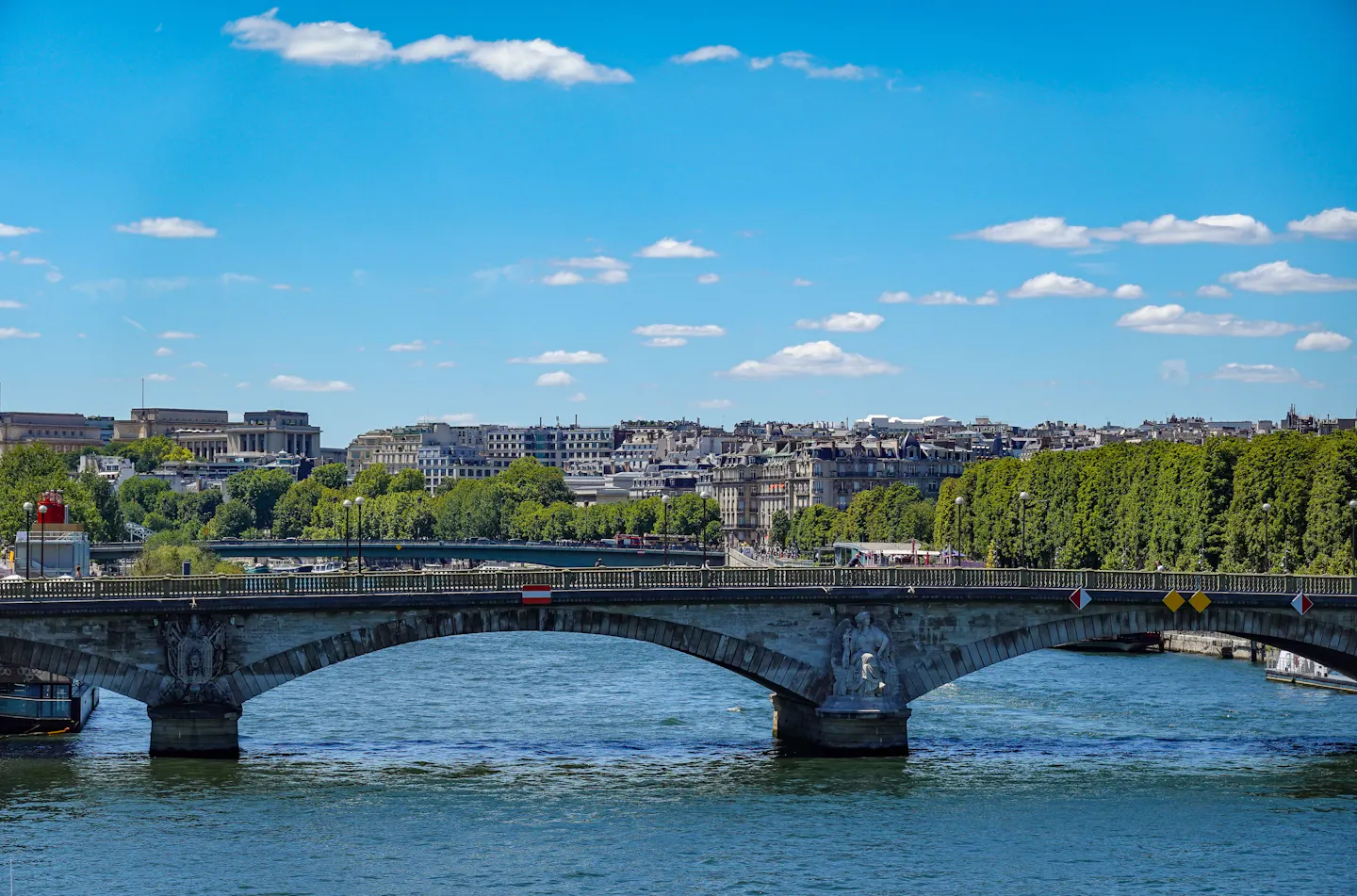
A few important things have changed. Notre-Dame is open again and free to enter, although booking a free time slot can help you avoid a long queue. The Grand Palais is fully back after its major restoration and is once again one of the city’s best exhibition spaces.
The main Centre Pompidou building in Beaubourg is closed for renovation in 2026, so do not build your day around visiting its permanent collection there. The institution is still running exhibitions and cultural programming in partner venues.
If you visit in summer, Paris has an experience that would have sounded strange a few years ago: swimming in the Seine. In summer 2026, supervised swimming areas operate at Bras Marie, Grenelle, and Bercy on scheduled dates, subject to water quality and weather conditions.
The Louvre is also busier than ever, and timed reservations are especially important in peak season. For the Eiffel Tower, online elevator tickets are usually released up to around 60 days ahead, so this is one of the few Paris activities worth planning early.
1. Go up the Eiffel Tower
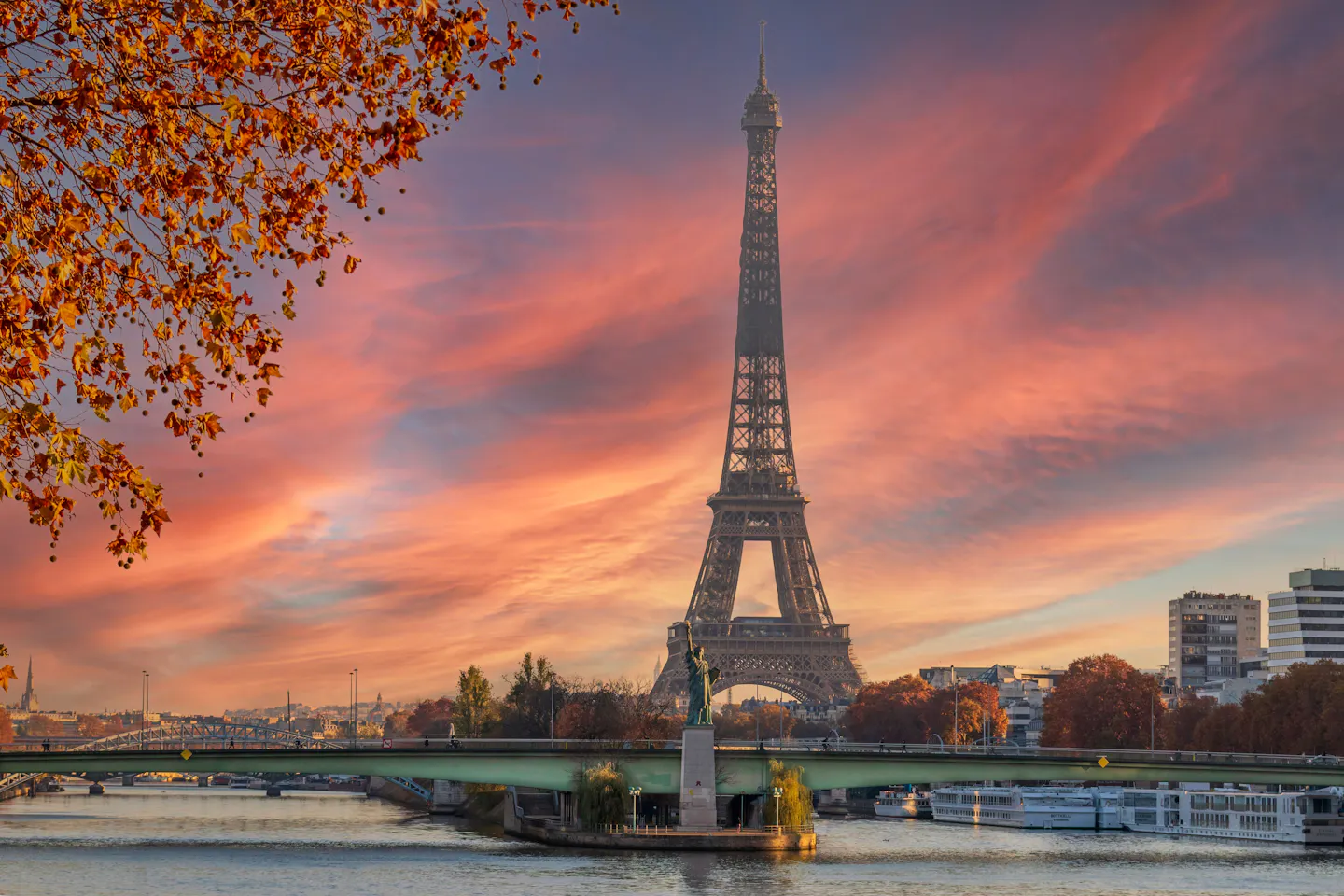
Yes, it is obvious. It is also worth doing at least once.
The Eiffel Tower gives you the clearest sense of how Paris fits together, with the Seine curving through the city and landmarks spreading out in every direction. If it is your first visit, go to the second floor or summit. If you have already been, consider coming back after dark instead. The atmosphere changes completely when the tower lights up.
Best tip: reserve a timed ticket before your trip, especially for sunset slots and weekends.
2. See the Louvre without trying to see everything
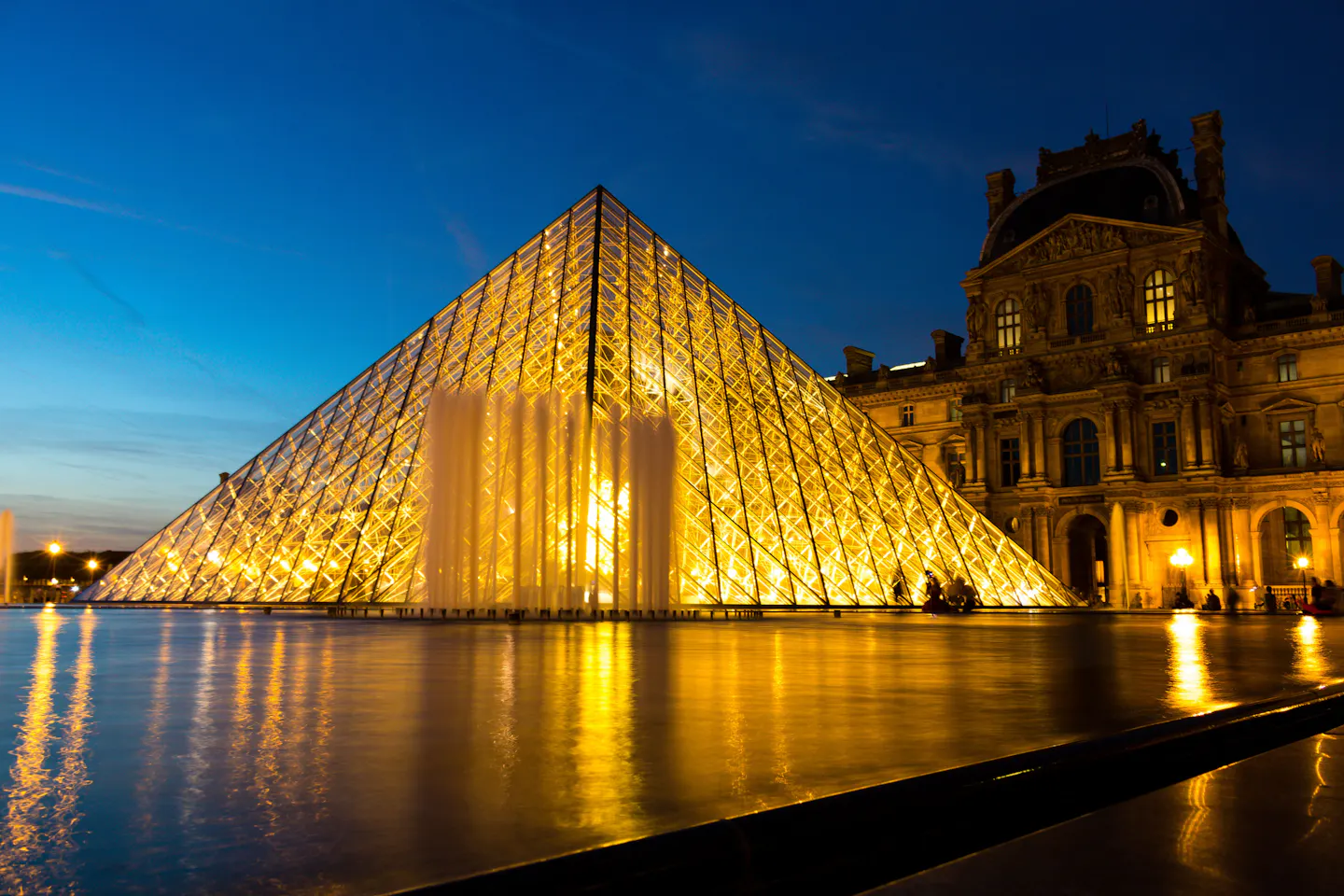
The Louvre is enormous, and the fastest way to ruin the experience is to treat it like a challenge you need to complete.
Pick a few priorities before you go. The Mona Lisa is the obvious one, but the Winged Victory of Samothrace, the Venus de Milo, the Apollo Gallery, Egyptian antiquities, and the Napoleon III Apartments are all worth your time. Two or three focused hours can feel much better than an exhausted full day.
Best tip: book a timed entry and choose the works or departments you care about before you arrive.
3. Visit Notre-Dame Cathedral
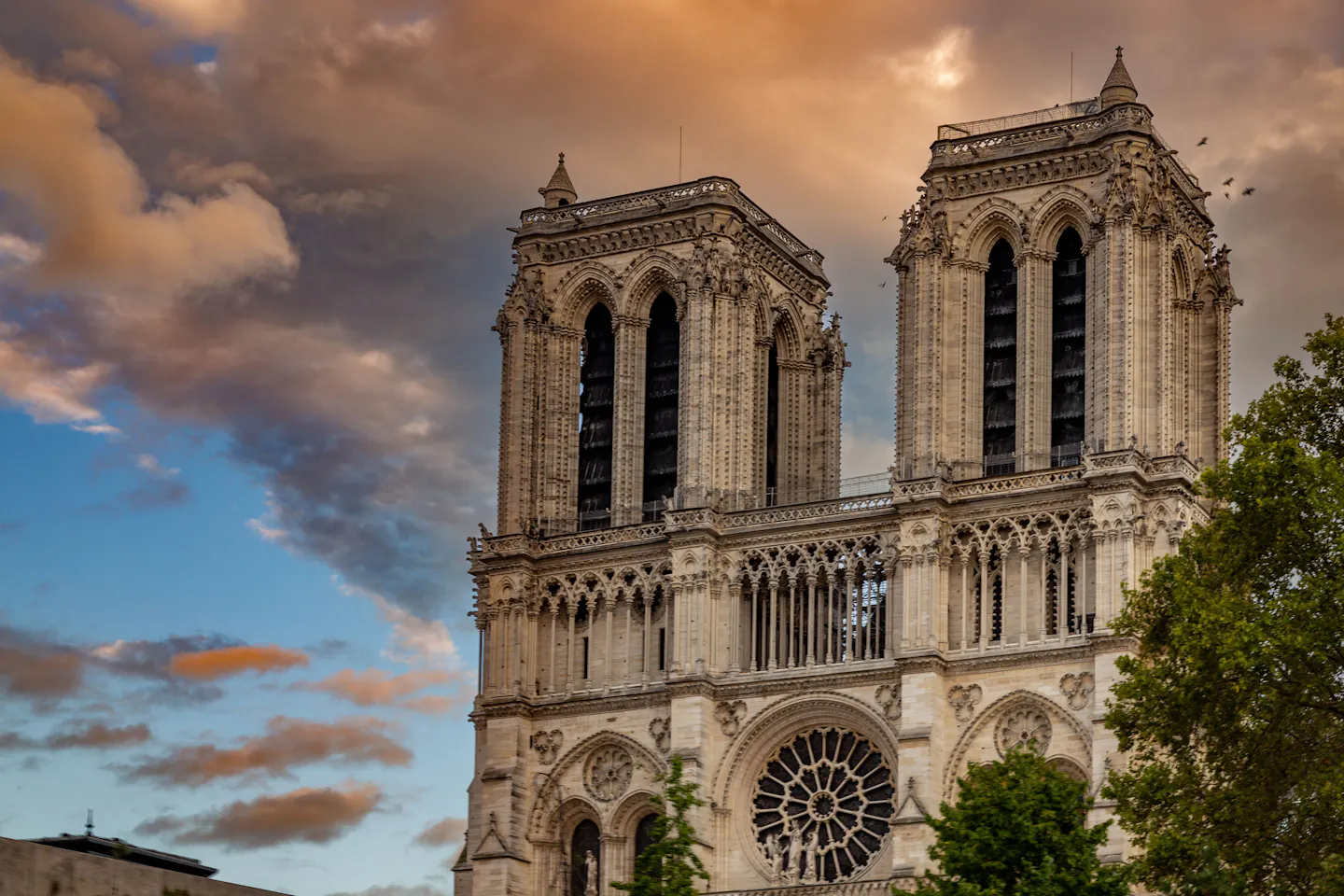
Notre-Dame is once again one of the essential things to do in Paris.
The restored cathedral reopened to visitors in late 2024, and seeing the interior after years of restoration is a major reason to include Île de la Cité in a 2026 itinerary. Entry to the cathedral is free. You can visit without a reservation, but a free timed slot is useful when demand is high.
Afterward, walk around the island rather than leaving immediately. The view of Notre-Dame from the Seine is part of the experience.
4. See the stained glass at Sainte-Chapelle
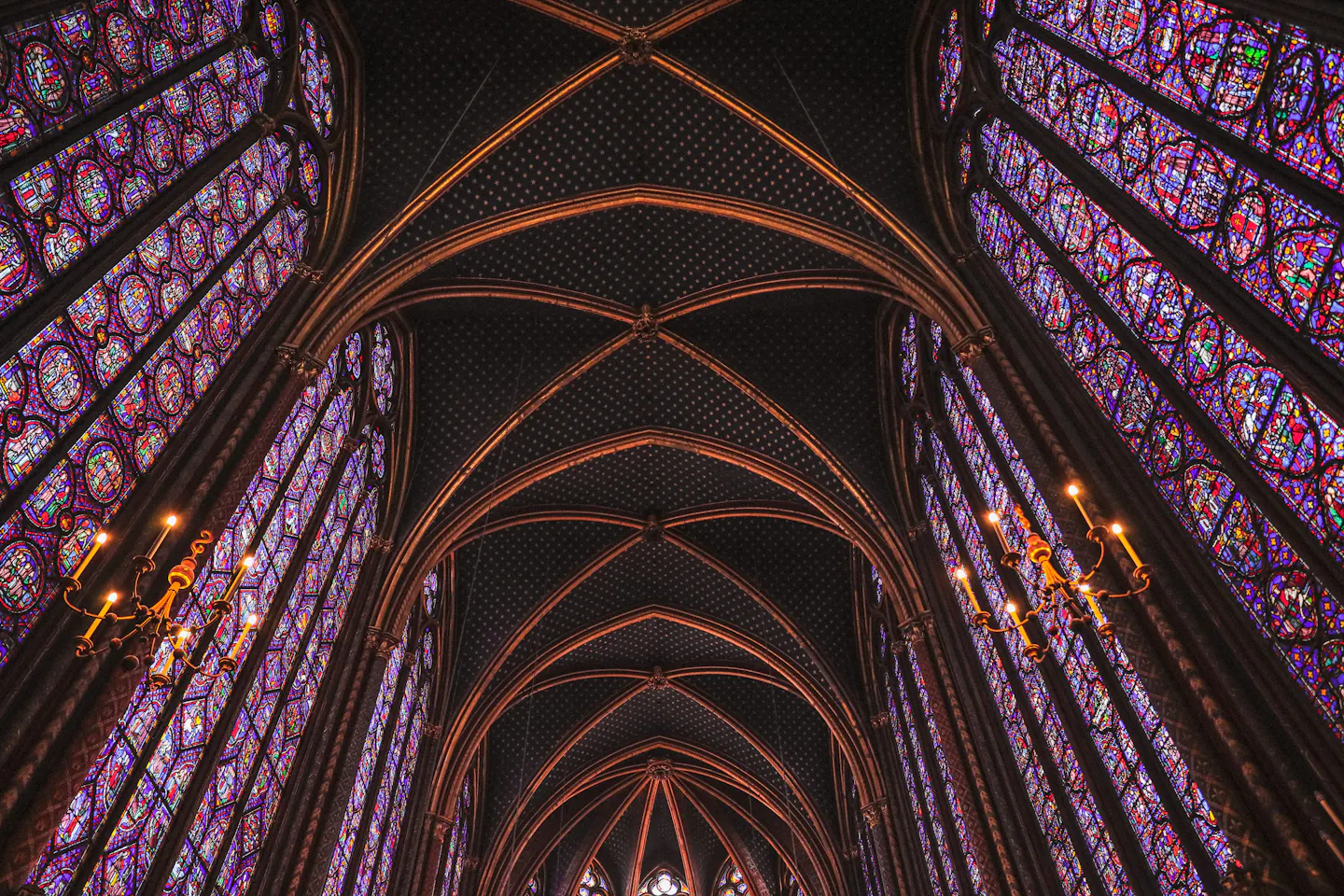
Sainte-Chapelle is smaller than Notre-Dame, but it often leaves a bigger impression than first-time visitors expect.
The upper chapel is surrounded by towering stained-glass windows, and sunny days make the whole room glow. It is an easy stop to combine with Notre-Dame and the Conciergerie because all three are close together on Île de la Cité.
Best tip: visit in the morning or late afternoon when the light is strong but the crowds can be a little calmer.
5. Take a Seine river cruise
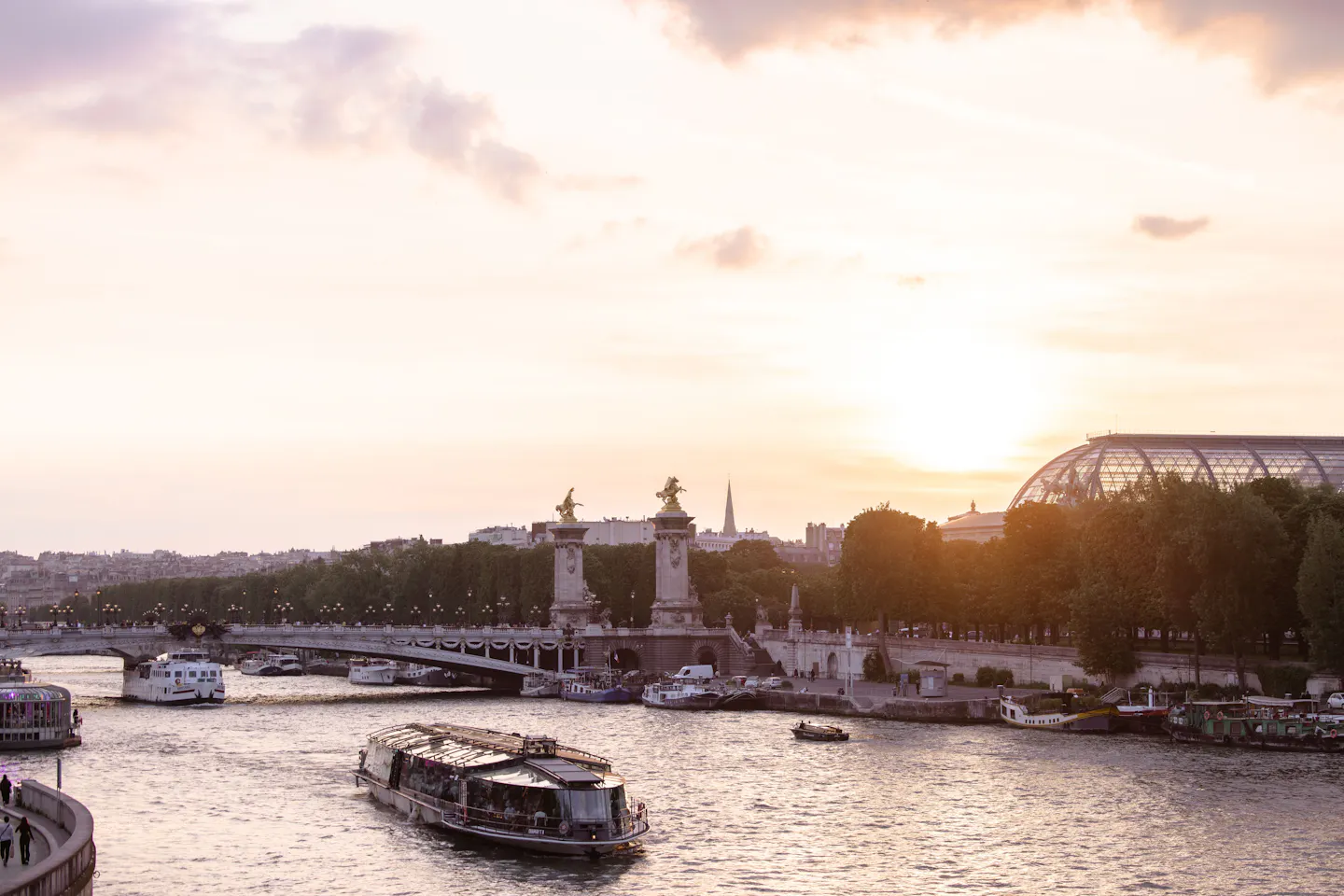
A Seine cruise is touristy in the best possible way.
From the water, you pass many of Paris’s biggest landmarks without traffic, metro stairs, or navigation. It is especially good on your first evening because it gives you an instant overview of the city. Evening cruises are more atmospheric, while daytime cruises are better if you want to see architectural details.
For a more relaxed version, choose a simple sightseeing boat instead of a formal dinner cruise.
6. Wander through Montmartre
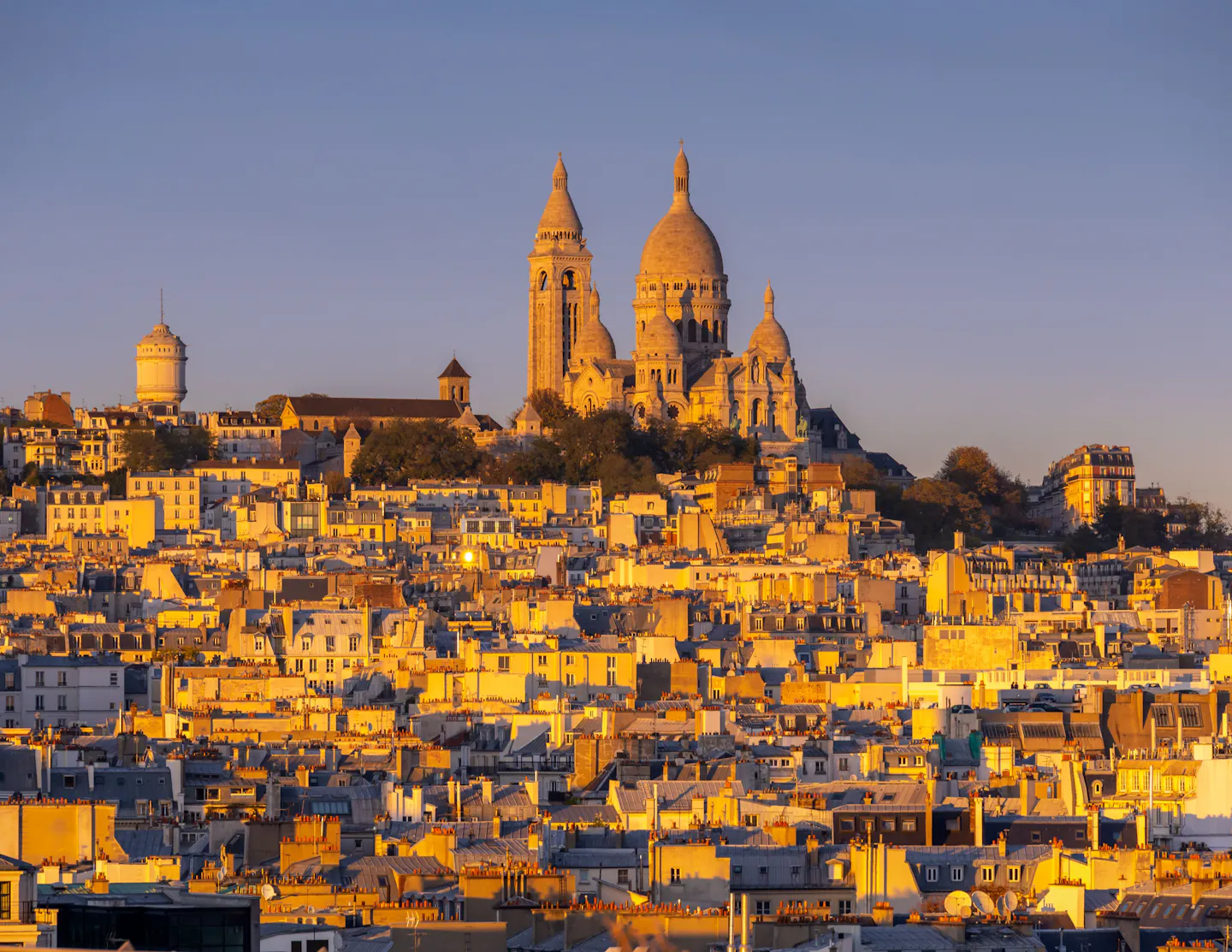
Montmartre is much more than the few crowded streets around Place du Tertre.
Start around Abbesses, walk uphill through the smaller lanes, see the Sacré-Cœur Basilica, and then keep walking away from the busiest souvenir shops. Rue de l’Abreuvoir is famous for a reason, but streets around Lamarck-Caulaincourt can feel calmer and more local.
Go early if you want quiet photos. Go in the evening if you want cafés, wine bars, and a livelier atmosphere.
7. Visit the Musée d’Orsay
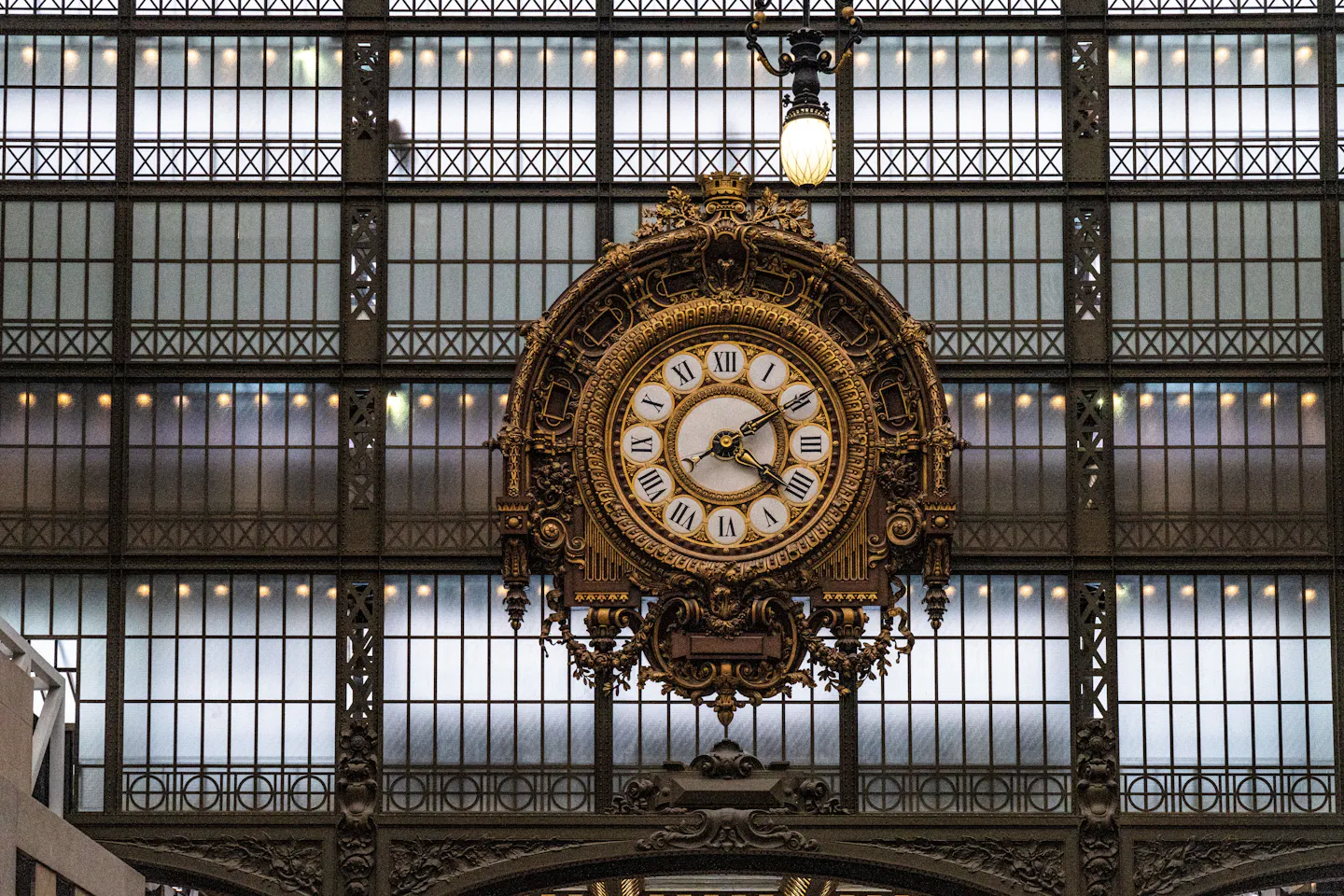
If you only have time for one art museum after the Louvre, make it the Musée d’Orsay.
The museum is inside a former railway station and is especially strong for Impressionist and Post-Impressionist art. You will find Monet, Renoir, Degas, Van Gogh, Cézanne, and many more in a space that is easier to navigate than the Louvre.
Do not miss the giant clock windows and the view across the Seine toward the Tuileries.
8. Watch Paris from the Arc de Triomphe
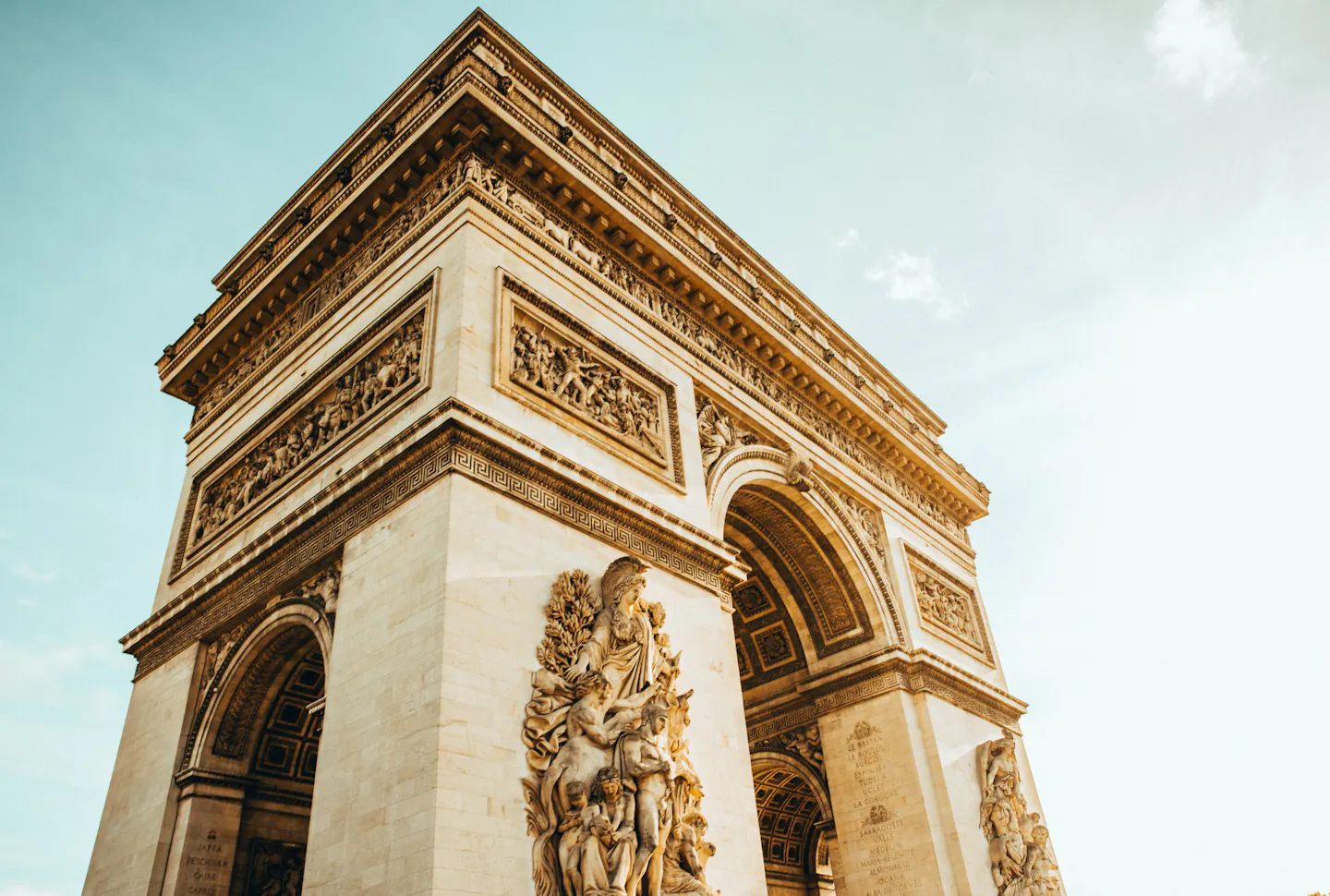
The Arc de Triomphe has one of the best city views in Paris because the Eiffel Tower is actually in your view instead of underneath you.
From the rooftop, you can see the avenues radiating from Place Charles de Gaulle, the Champs-Élysées, La Défense, Montmartre, and the Eiffel Tower. Sunset is beautiful, but it is also the busiest time.
Best tip: use the underground passage to reach the monument. Do not try to cross the traffic circle.
9. Spend a few hours in Le Marais
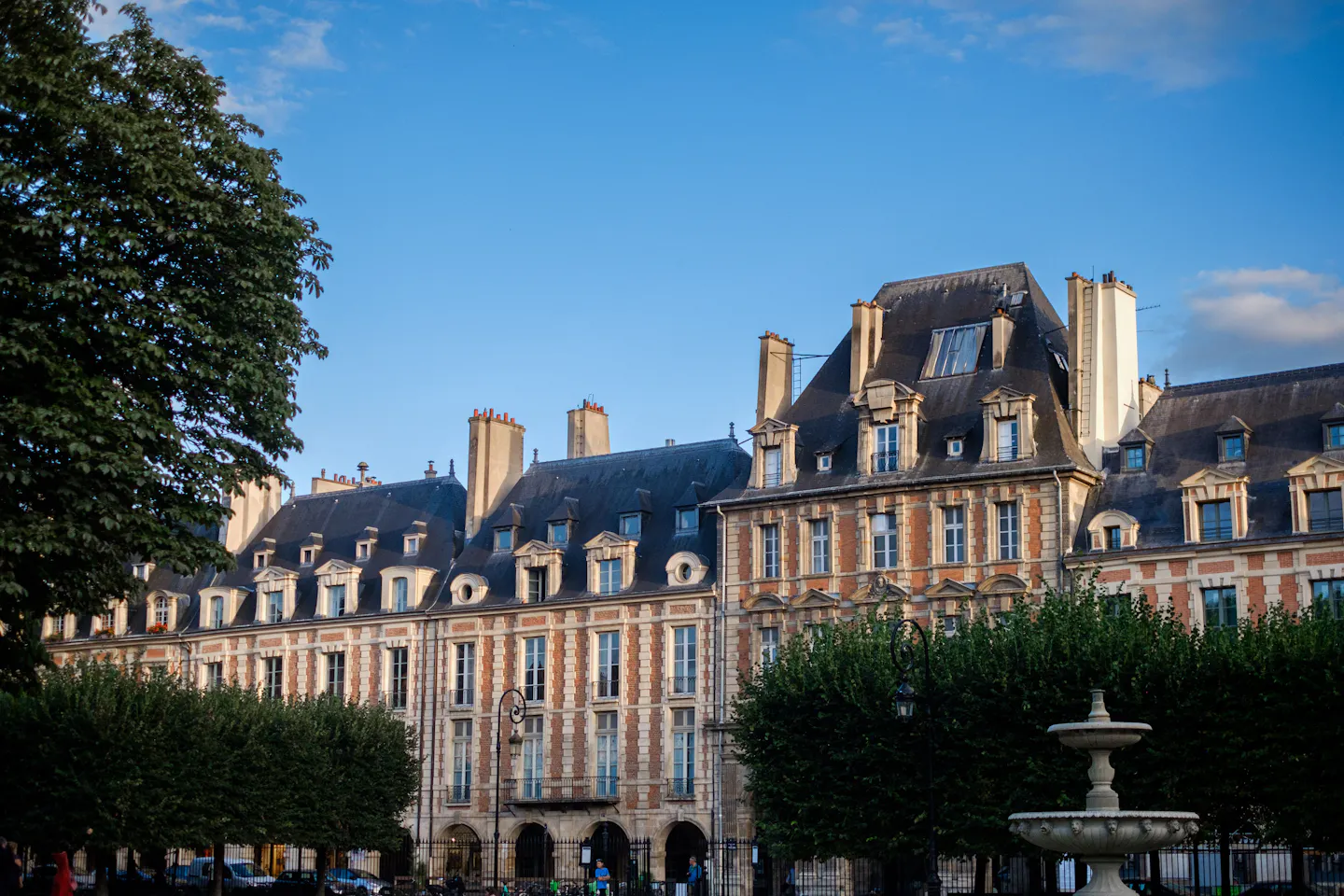
Le Marais is one of the easiest neighborhoods to love on a first trip.
Come for old mansions, narrow streets, independent shops, bakeries, galleries, cafés, and some of the best people-watching in Paris. Place des Vosges is a natural anchor, but the fun is mostly in wandering.
The neighborhood also works well for a food-focused afternoon. Mix one planned restaurant or bakery with unplanned stops instead of booking every hour.
10. Slow down in the Luxembourg Gardens
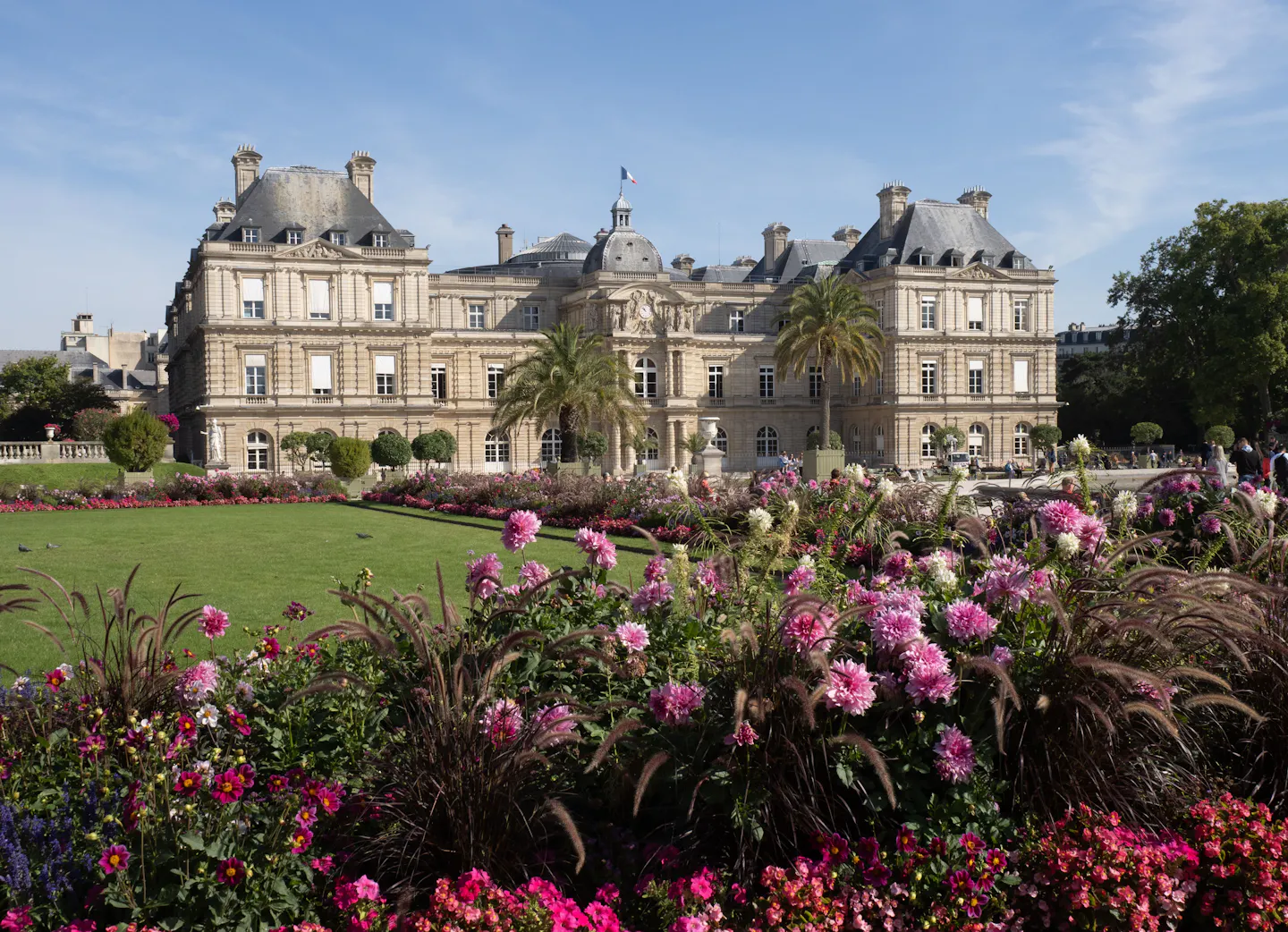
Paris trips involve a lot of walking. The Luxembourg Gardens are where you should deliberately stop.
The gardens are beautiful in every season, with formal lawns, fountains, statues, tree-lined paths, and the Luxembourg Palace as a backdrop. In warmer months, grab one of the green chairs and do absolutely nothing for half an hour.
It is one of the best free things to do in Paris and easy to combine with Saint-Germain or the Latin Quarter.
11. Explore the Latin Quarter and the Panthéon

The Latin Quarter gives you old Paris, student Paris, bookshop Paris, and café Paris in one compact area.
Walk around the Sorbonne, Rue Mouffetard, Place de la Contrescarpe, and the smaller streets toward the Seine. Then visit the Panthéon for its grand interior, famous tombs, and impressive dome.
This is a good neighborhood to explore without a strict route. The side streets are often more memorable than the main sights.
12. Tour the Palais Garnier
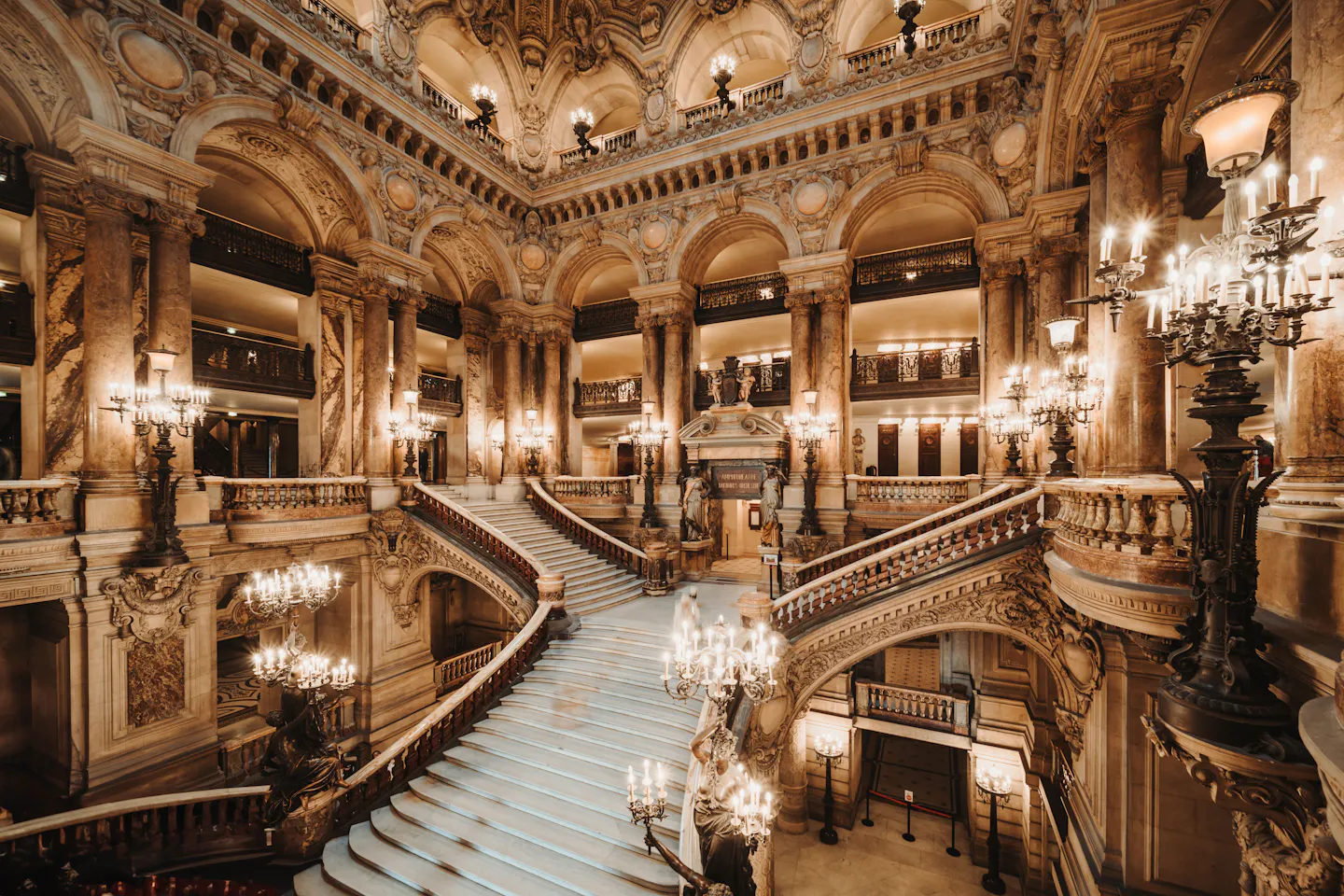
The Palais Garnier is one of the most dramatic interiors in Paris.
Even if you are not seeing an opera, the building is worth visiting for its marble staircases, gold details, painted ceilings, chandeliers, and grand public rooms. It feels closer to walking through a palace than a modern theater.
If you enjoy architecture, fashion history, or anything slightly over-the-top, put it high on your list.
13. See Monet’s Water Lilies at Musée de l’Orangerie

Musée de l’Orangerie is small enough to fit into a relaxed afternoon and memorable enough to deserve its own stop.
Its most famous rooms were designed around Monet’s large Water Lilies paintings, displayed in curved white galleries that let you sit and take them in slowly. The museum also has works by artists including Renoir, Cézanne, Matisse, Picasso, and Modigliani.
Combine it with the Tuileries Garden and Place de la Concorde.
14. Visit the Musée Rodin and its garden

The Musée Rodin is one of the best museums in Paris if you want major art without a huge crowd or a huge building.
You can see The Thinker, The Kiss, and other sculptures inside the Hôtel Biron and throughout the garden. The outdoor setting makes this especially good in spring and early autumn.
It is also easy to pair with Les Invalides or a walk toward the Eiffel Tower.
15. See what is on at the Grand Palais

The Grand Palais is one of the strongest additions to a 2026 Paris itinerary because the building is fully active again after its restoration.
Its glass roof and enormous nave are part of the attraction, but the real reason to visit is the rotating program of exhibitions, art fairs, performances, fashion events, and large-scale cultural projects. Check what is happening during your dates before you go.
Even if you have visited Paris before, the restored Grand Palais makes 2026 feel different.
16. Visit the Bourse de Commerce
The Bourse de Commerce is a strong choice for contemporary art and architecture.
The circular historic building was redesigned by architect Tadao Ando for the Pinault Collection, creating a striking mix of old stone, painted interiors, and clean concrete forms. Exhibitions change, so the experience can be very different from one visit to the next.
It is centrally located near Les Halles, the Louvre, and Rue Montorgueil.
17. Go to Fondation Louis Vuitton

Fondation Louis Vuitton is worth visiting for the building as much as the exhibitions.
Frank Gehry’s glass structure sits beside the Bois de Boulogne and feels completely different from central Paris. The museum hosts major modern and contemporary art exhibitions, and the terraces offer unusual views over western Paris.
Give yourself extra travel time because it is outside the usual historic-center route.
18. Walk along Canal Saint-Martin

When central Paris starts to feel too polished or crowded, head to Canal Saint-Martin.
The area is good for slow afternoons, coffee shops, casual restaurants, small boutiques, and sitting by the water with locals. Footbridges and locks give the canal a completely different feel from the Seine.
It is especially nice in late afternoon and early evening.
19. Explore the covered passages

Paris’s covered passages are an easy way to see a quieter, slightly hidden side of the city.
Galerie Vivienne is the most elegant, with mosaic floors and old storefronts. Passage des Panoramas feels busier and more eclectic. Passage Jouffroy is good to combine with the Grands Boulevards area.
They are especially useful on a rainy day when you still want to walk around.
20. Eat at Marché des Enfants Rouges
Marché des Enfants Rouges is one of the oldest covered markets in Paris and a good stop when you want lunch without another formal restaurant reservation.
You will find a mix of food counters and small vendors, with French, North African, Italian, Japanese, and other options depending on the day. It can get busy at peak lunch time, so go slightly early or late.
Pair it with a walk through the northern part of Le Marais.
21. Spend an afternoon in Saint-Germain-des-Prés

Saint-Germain is classic Paris without needing a specific attraction.
Walk around the church of Saint-Germain-des-Prés, browse galleries and bookshops, stop for coffee, and continue toward the Seine. The neighborhood is polished and expensive in places, but you do not need to spend much to enjoy it.
It works especially well as a slower afternoon after a busy museum morning.
22. Go underground in the Paris Catacombs

The Catacombs are one of the most unusual things to do in Paris.
The route takes you through underground tunnels and former quarries lined with the remains of millions of Parisians. It is fascinating, slightly unsettling, and very different from the city above.
Tickets are limited and the route includes many stairs, so this is another attraction to book ahead rather than leave to chance.
23. Walk through Père Lachaise Cemetery

Père Lachaise is both a cemetery and one of the city’s most atmospheric places to walk.
You can visit the graves of Oscar Wilde, Jim Morrison, Édith Piaf, Frédéric Chopin, and many other famous figures, but the appeal goes beyond the names. The tree-lined paths, sculptures, old tombs, and quiet corners feel almost like an open-air museum.
Download or save a map before you go because the cemetery is larger and more confusing than it looks.
24. Get a free view from Galeries Lafayette
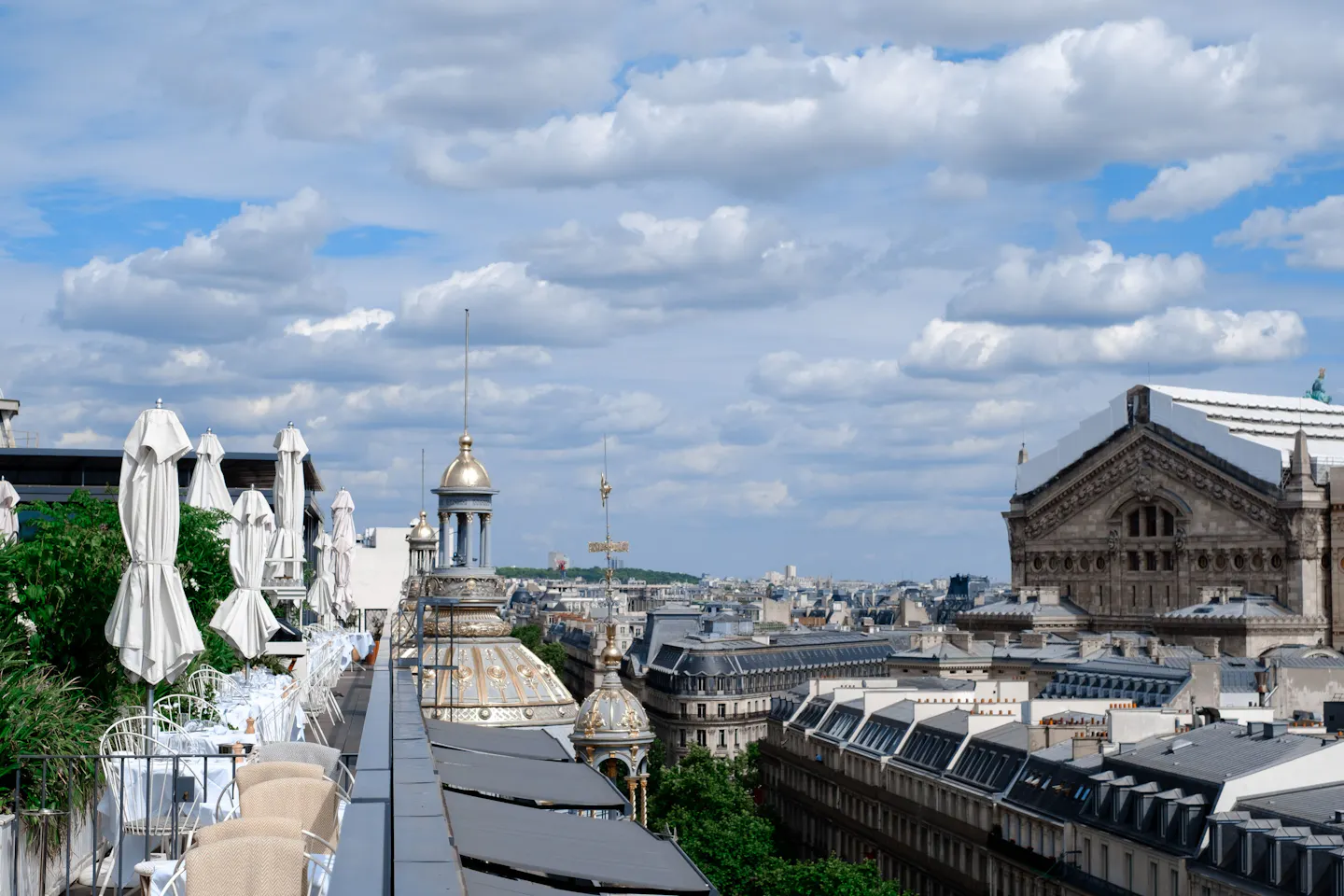
You do not need to pay for every good view in Paris.
The rooftop terrace at Galeries Lafayette Haussmann gives you a wide view over the Opéra Garnier, rooftops, and Eiffel Tower. It is an easy stop if you are already around Opéra or the department stores.
Go close to sunset for softer light, but expect more people at that time.
25. Walk the Coulée Verte René-Dumont

The Coulée Verte is an elevated green walkway built on a former railway line and is one of the best alternatives to another monument-heavy afternoon.
It starts near Bastille and runs through the 12th arrondissement, with planted sections, city views, tunnels, and quieter residential streets. If you have visited Paris before, this is a good way to see a different side of the city.
It is free and works well in spring, summer, and early autumn.
26. Walk around Île Saint-Louis

Île Saint-Louis is small, central, and perfect for a slow hour.
Walk along the quays, look at the old buildings, stop for ice cream or a pastry, and enjoy the quieter streets after visiting Notre-Dame. The island feels surprisingly calm considering how close it is to some of Paris’s busiest sights.
For one of the prettiest routes, continue across the river into the Marais.
27. Spend sunset on the Seine
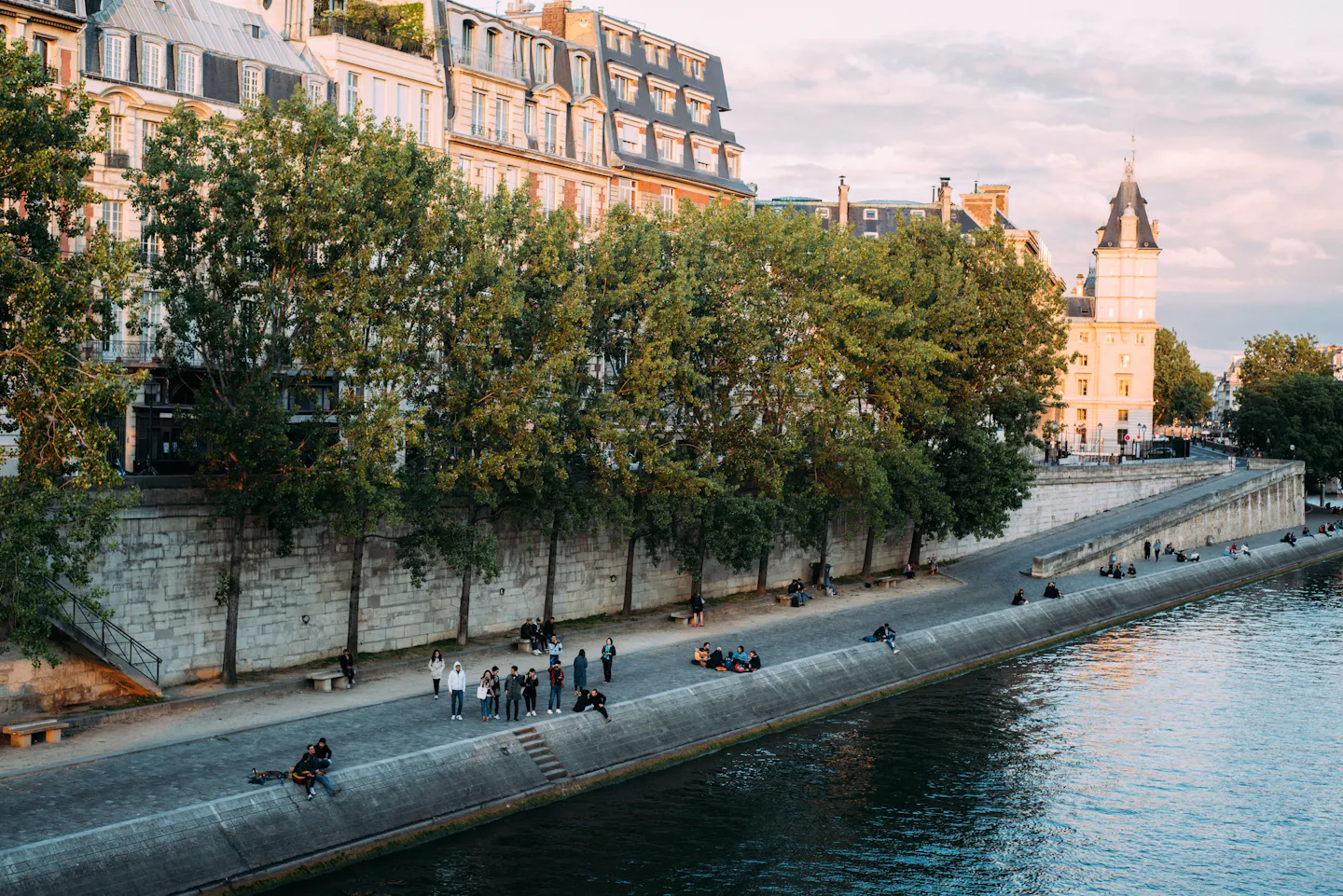
One of the best Paris experiences costs nothing.
Buy something simple to eat, find a spot along the pedestrian riverbanks, and stay through sunset. Good areas include the stretch near Pont Alexandre III, the quays around Île Saint-Louis, and sections near the Louvre and Pont des Arts.
This is the kind of evening that makes Paris feel better than a schedule full of reservations.
28. See a Paris cabaret

A cabaret is not essential for everyone, but it can be a great Paris night if you choose the style that matches you.
Moulin Rouge is the most famous and leans into big traditional showmanship. Crazy Horse is more intimate, polished, and adult. There are also smaller live-performance venues if you want something less tourist-focused.
Book ahead for weekends and popular dates.
29. Swim in the Seine in summer 2026

If you are in Paris between early July and late August 2026, swimming in the Seine is one of the most unusual things you can do this year.
The city operates supervised swimming areas at Bras Marie, Grenelle, and Bercy. Access is free, but opening depends on daily water-quality checks, currents, and weather. Only swim at the official designated sites.
For a first-time visitor, Bras Marie is especially memorable because you are right in the historic center near Île Saint-Louis.
30. Visit the Musée Carnavalet
Musée Carnavalet is one of the best places to understand Paris itself.
The museum tells the story of the city through paintings, furniture, signs, decorative objects, reconstructed rooms, and material from the French Revolution. It is set across two historic mansions in the Marais, so the buildings are part of the visit.
Much of the permanent collection is free, making it a good addition when you want something cultural without another expensive ticket.
How many days do you need in Paris?

Three days is enough for a highlights trip, but it will feel fast. Four to five days is better for a first visit because you can see the major attractions and still spend time in neighborhoods. Six or seven days gives you room for smaller museums, markets, long lunches, and a slower pace.
A good rule is to plan one major timed attraction in the morning, one neighborhood or museum in the afternoon, and keep at least part of the evening flexible. Paris becomes exhausting when every day has four or five reservations.
Best things to do in Paris by travel style

For first-time visitors, prioritize the Eiffel Tower, Louvre, Notre-Dame, Sainte-Chapelle, Seine cruise, Montmartre, Musée d’Orsay, Arc de Triomphe, Le Marais, and Luxembourg Gardens.
For couples, focus on sunset by the Seine, Saint-Germain, Montmartre in the evening, Musée Rodin, Île Saint-Louis, a cabaret, and a slower dinner rather than squeezing in another attraction.
For art lovers, add Musée de l’Orangerie, Bourse de Commerce, Fondation Louis Vuitton, Grand Palais, Musée Rodin, and Musée Carnavalet. Remember that the main Centre Pompidou building is closed for renovation in 2026.
For travelers on a budget, build your days around neighborhoods, gardens, churches, river walks, Galeries Lafayette’s rooftop, the Coulée Verte, Père Lachaise, and the free permanent collection at Musée Carnavalet.
FAQ: Things to do in Paris in 2026
What should I not miss in Paris on my first trip?
Do not miss the Eiffel Tower, Louvre, Notre-Dame, Sainte-Chapelle, Seine, Montmartre, Musée d’Orsay, and at least one neighborhood afternoon in Le Marais or Saint-Germain. Those experiences give you a good mix of landmarks, art, architecture, and everyday Paris.
Is Paris worth visiting in 2026?
Yes. Notre-Dame is open again, the Grand Palais is active after its restoration, and summer swimming in the Seine gives 2026 visitors something genuinely new. The main exception to know about is the Centre Pompidou building in Beaubourg, which is closed for renovation.
What are the best free things to do in Paris?
Walk along the Seine, explore Le Marais and Montmartre, relax in the Luxembourg Gardens, visit Père Lachaise, walk the Coulée Verte, use the Galeries Lafayette rooftop, visit Notre-Dame, and see the permanent collection at Musée Carnavalet.
What should I book in advance in Paris?
Book the Eiffel Tower, Louvre, Sainte-Chapelle, Catacombs, popular cabaret shows, and any major temporary exhibition you care about. For Notre-Dame, entry is free and walk-ins are possible, but a free timed reservation can reduce waiting.
What is the best area to explore on foot in Paris?
Le Marais is one of the easiest areas for a first-time visitor because you can combine historic streets, Place des Vosges, shops, food, galleries, and Musée Carnavalet. Saint-Germain, Montmartre, the Latin Quarter, and Canal Saint-Martin are also excellent walking areas.
Plan your Paris trip with EasyMiles
The hardest part of Paris is not finding things to do. It is deciding what actually fits into the same day.
EasyMiles can turn the places you want to see into a practical day-by-day itinerary, with restaurants, activities, travel time, opening hours, and the pace of the trip considered together. Instead of crossing the city three times in one afternoon, you can group places that make sense geographically and leave room for the spontaneous parts that make Paris fun.
Add Paris, your dates, and what you actually enjoy, then use EasyMiles to plan the whole trip in one place. That way, this list becomes a trip instead of another tab you save and never organize.