
To plan a trip abroad for the first time, start with the basics in this order: choose a destination that fits your budget and comfort level, check passport and visa rules before you book anything non-refundable, decide how much you can spend, book your main transport and accommodation, plan a realistic itinerary, arrange travel insurance, prepare money and mobile data, organize your documents, and leave some free time in the schedule.
For a first international trip, simpler is usually better. One country or one main city is often enough. You do not need to see everything, understand every local rule in advance, or build a minute-by-minute itinerary. You just need the important pieces covered so you can arrive feeling prepared instead of overwhelmed.
A simple first-trip-abroad checklist looks like this:
• Choose where and when you want to travel.
• Check passport validity, visa or electronic travel authorization requirements, and entry rules.
• Set a total trip budget, including an emergency buffer.
• Book flights, trains, or other long-distance transport.
• Choose accommodation in a convenient, well-connected area.
• Plan the main sights, restaurants, and activities you care about.
• Prepare cards, some backup money, and mobile data.
• Save copies of your important documents.
• Check airport, baggage, local transport, and arrival details before you leave.
Here is how to do each step without making your first trip abroad more complicated than it needs to be.
Step 1: Choose an easy destination for your first trip abroad

The best first international destination is not necessarily the most famous or the cheapest. It is a place that feels exciting but still manageable.
Think about flight length, language, local transport, weather, safety, cost, and how much planning the destination requires. A city with a direct flight, good public transport, lots of accommodation, and plenty to do in one area can be easier for a first trip than a complicated road trip across several regions.
If you already have a dream destination, you do not need to choose somewhere “easy” just because it is your first time. You can absolutely go farther. Just give yourself more time to prepare and avoid making the route too ambitious.
How many places should you visit on your first international trip?
For a trip of around one week, one or two bases are usually enough. Every hotel change takes more time than it seems: packing, checking out, getting to a station or airport, waiting, traveling, arriving, and checking in again.
If you have seven days, spending all seven in one city and adding a day trip can be a great first trip. If you have ten to fourteen days, you can usually add a second city or region without turning the trip into a race.
Step 2: Check your passport, visa, and entry requirements before booking

Do this early. Entry rules depend on your passport, destination, trip length, and sometimes the purpose of your visit.
Check three things before you pay for non-refundable flights or hotels:
• Whether your passport will still be valid for long enough. Some destinations require your passport to remain valid for a period after your planned departure.
• Whether you need a visa, electronic travel authorization, or another type of entry permission.
• Whether there are additional requirements such as proof of onward travel, accommodation, travel insurance, sufficient funds, or specific health documents.
Use the official immigration or government website for the destination whenever possible. Do not rely only on an old blog post, a social media video, or what a friend needed last year. Rules can change, and two travelers going to the same country can have completely different requirements because they hold different passports.
Also check whether you need a transit visa if your flight connects through another country. A short airport connection can still have separate rules.
If your passport is close to expiring, renew it before building the rest of the trip around fixed bookings.
Step 3: Decide your total budget, not just your flight budget

A cheap flight does not automatically mean a cheap trip. Before booking, estimate the whole cost.
Your international travel budget should include:
• Flights, trains, buses, or ferries.
• Airport transfers and local transport.
• Accommodation.
• Food and drinks.
• Attractions, tours, museums, and entertainment.
• Visa or entry authorization fees.
• Travel insurance.
• Mobile data or a local SIM/eSIM.
• Checked baggage or seat selection if needed.
• Shopping and personal spending.
• An emergency buffer.
You do not need an exact spreadsheet down to every coffee. A realistic range is enough.
One useful approach is to split your budget into fixed costs and daily costs. Fixed costs are things like flights, hotels, visas, and insurance. Daily costs are food, transport, activities, and small purchases.
Then add a buffer for the things you did not predict. First trips often include at least one unexpected taxi, meal, baggage fee, ticket change, pharmacy stop, or “we are too tired, let us just take the easy option” expense.
Step 4: Book your main transport

Once you know you can enter the country and the trip fits your budget, book the transport that gets you there.
For a first trip abroad, convenience can be worth paying slightly more for. A direct flight, a reasonable arrival time, or an airport with a simple route into the city can make the first day much easier.
When comparing flights, look beyond the headline price. Check:
• Which airport you are actually flying into.
• Cabin and checked baggage allowances.
• Whether seat selection costs extra.
• Connection times.
• The rules for changing or cancelling.
• Arrival time and how you will reach the accommodation.
• Whether a very cheap fare becomes expensive after add-ons.
If you have a connection, do not choose an extremely tight layover just to save a little money, especially on your first long international journey. Give yourself enough time to find the next gate and complete any required border or security procedures.
If your trip includes trains or buses between cities, check those routes early too. You do not always need to book every ticket months in advance, but knowing how the route works prevents you from creating an itinerary that looks simple on a map and is awkward in reality.
Step 5: Book accommodation in the right area

For your first international trip, location matters more than having the most beautiful hotel room.
A cheaper hotel far outside the center can cost you time and money every day. A slightly more expensive place near public transport or within walking distance of the neighborhoods you want to explore can make the whole trip easier.
Before booking, check:
• The exact neighborhood, not just the city name.
• Distance to public transport.
• How you will get there from the airport or station.
• Recent guest reviews.
• Check-in and check-out times.
• Whether reception is open when you arrive.
• Luggage storage.
• Cancellation conditions.
• Any local taxes or deposits paid at the property.
Open the hotel on a map and look at what is actually around it. If you want restaurants, evening walks, and easy sightseeing, staying in an isolated business district because the room looks stylish may not be the best trade-off.
For a first trip, a hotel, serviced apartment, or other accommodation with many recent reviews and clear check-in instructions is often less stressful than a place that requires complicated self-check-in in an unfamiliar neighborhood at midnight.
Step 6: Plan a realistic itinerary

You do not need to schedule every hour. You do need enough structure to avoid wasting half the trip deciding what to do next.
Start with the places you would genuinely be disappointed to miss. These might be a famous museum, a concert, a restaurant, a national park, a day trip, or one specific neighborhood.
Book time-sensitive experiences first, then build the rest of the day around them.
For most travelers, one or two major activities per day is enough. Add smaller things nearby: a market, viewpoint, café, park, local street, or dinner spot.
The easiest way to make an itinerary realistic is to group places by area. Do not put breakfast in one neighborhood, a museum on the other side of the city, lunch back near the hotel, and a sunset spot forty minutes away unless you actually enjoy spending the day in transit.
Check opening days and hours too. Museums can close on particular weekdays, restaurants may not serve all day, and attractions may require timed entry.
Leave space in the plan
This matters even more on your first international trip. You may be jet-lagged, your flight may arrive late, it may rain, or you may simply want to spend longer somewhere than expected.
A good itinerary gives you direction without making you feel like you failed because you skipped stop number nine.
Step 7: Buy travel insurance

Travel insurance is one of those things you hope to pay for and never use.
A good policy can cover different combinations of emergency medical treatment, trip cancellation or interruption, lost or delayed baggage, and other unexpected problems. Coverage varies, so read the policy instead of assuming every plan includes the same things.
Make sure the insurance is valid for your destination, the full length of your trip, and any activities you plan to do. If you are skiing, diving, renting a scooter, hiking at altitude, or doing another activity that may have exclusions, check specifically.
Save your policy number and the insurer's emergency contact details somewhere you can access even if your phone is lost.
Step 8: Prepare your money and payment methods
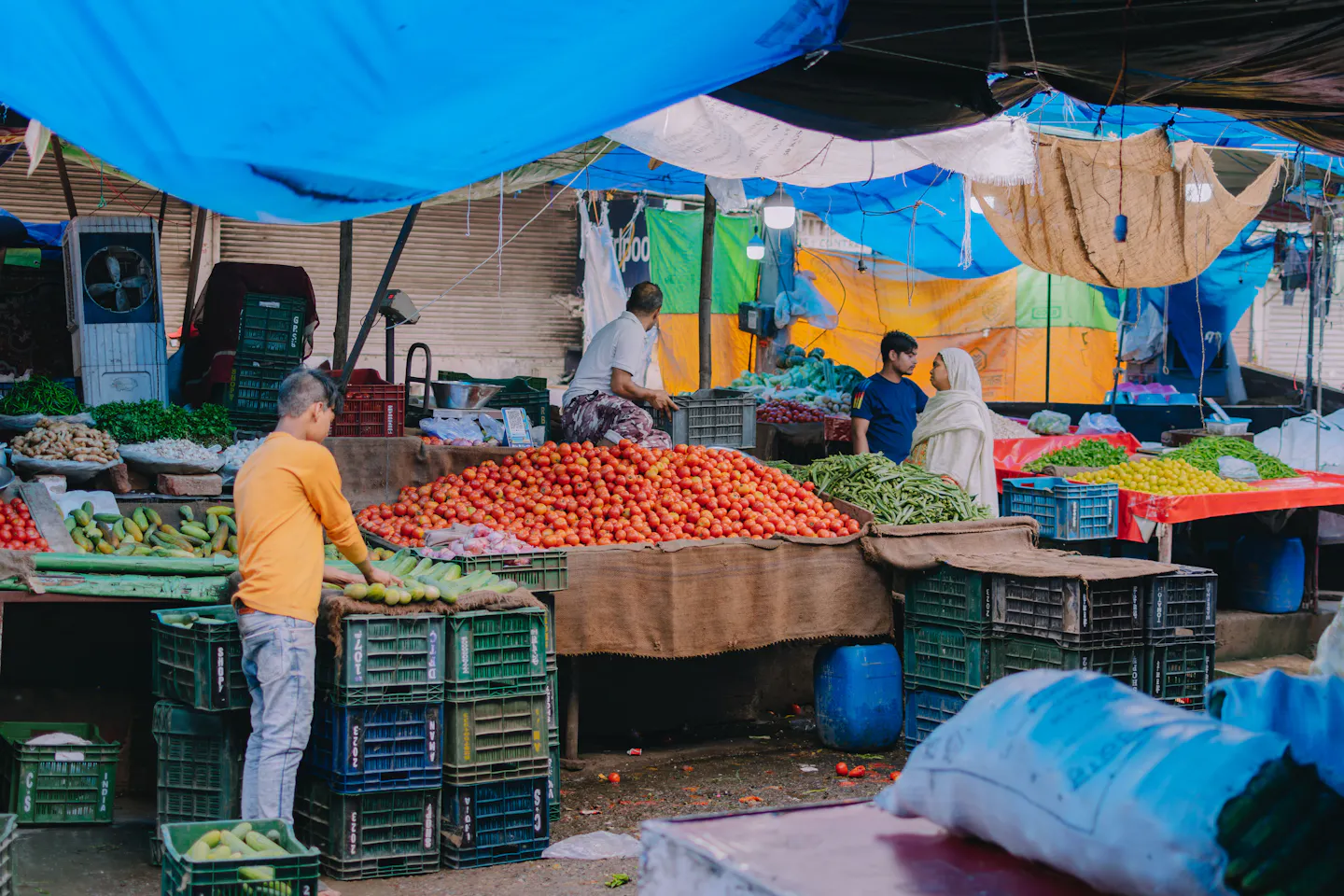
Do not rely on one card.
Bring at least two ways to access money and keep them in different places. For example, use one main card in your wallet and keep a backup card securely in your luggage or hotel safe.
Before the trip:
• Check whether your cards work internationally.
• Review foreign transaction and cash withdrawal fees.
• Make sure you can access your banking app abroad.
• Know what happens if your card is blocked or stolen.
• Keep enough backup funds for an emergency.
You usually do not need to carry a huge amount of cash, but having some local currency can be useful for small shops, markets, public toilets, tips, transport, or places where cards are not accepted.
Avoid exchanging large amounts at the airport without checking the rate first. Airports are convenient, but convenience can come with a worse exchange rate or higher fees.
Step 9: Sort out your phone, internet, and maps
Having mobile data makes a first trip abroad dramatically easier. You can check directions, translate menus, order transport, message your hotel, look up opening hours, and access tickets without hunting for Wi-Fi.
Before you go, check whether your mobile plan includes roaming in the destination and what it costs.
If roaming is expensive, compare a travel eSIM or local SIM. Set it up before departure when possible so you are not trying to solve mobile data while standing in an airport arrivals hall.
Also download a few things for offline use:
• Your hotel address.
• Airport transfer instructions.
• Boarding passes and important tickets.
• Offline maps for the main destination.
• Travel insurance details.
• Copies of important documents.
• Key phone numbers.
A portable charger is worth packing too. Navigation, photos, translation, and mobile tickets can drain your battery quickly on a full sightseeing day.
Step 10: Pack for the trip you are actually taking
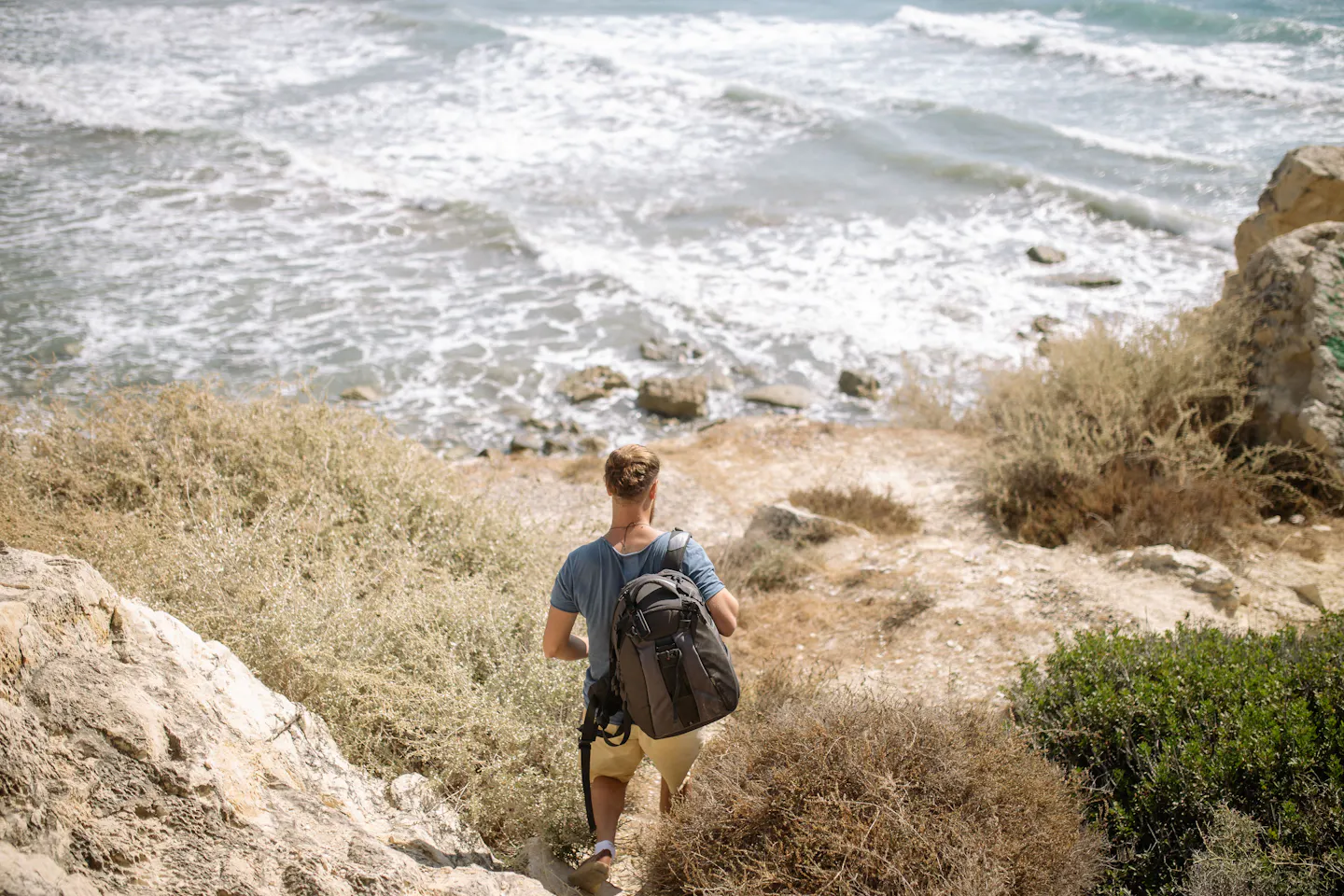
First-time international travelers often overpack because everything feels uncertain.
You probably need less than you think.
Check the weather close to departure and build outfits around what you will genuinely do. A city trip with restaurants and museums needs different packing from a beach holiday, mountain trip, or winter break.
Keep the most important items in your carry-on:
• Passport and travel documents.
• Wallet and cards.
• Phone and charger.
• Medication.
• One basic change of clothes if you are checking luggage.
• Valuable electronics.
• Essential toiletries that meet the rules for your journey.
If you take prescription medicine, check the destination's rules for bringing it into the country. Some medicines that are normal at home can be regulated elsewhere. Keep medication in appropriate packaging and bring any supporting documents required for your destination.
Do not pack your passport, cash, medication, or irreplaceable valuables in checked luggage.
Step 11: Organize your documents before departure

Create one simple travel folder on your phone or cloud storage.
Save:
• Passport copy.
• Visa or entry authorization if applicable.
• Flight or train confirmations.
• Accommodation confirmations.
• Travel insurance.
• Activity tickets.
• Airport transfer details.
• Emergency contacts.
• Any medical or prescription documents you may need.
It is also smart to have a backup that does not depend on your phone. That could be a printed copy of key details, secure cloud access from another device, or copies shared with someone you trust.
You do not need to print your entire itinerary. Just make sure losing your phone would be inconvenient, not catastrophic.
Step 12: Learn how your arrival will work

One of the easiest ways to reduce first-trip nerves is to know what happens between landing and reaching your hotel.
Before you leave home, know:
• Which terminal or airport you arrive at.
• Whether you will pass through immigration or passport control.
• Whether you need to collect checked luggage before customs.
• How you will get from the airport to the city.
• Where to buy a transport ticket if needed.
• The approximate travel time to your accommodation.
• What you will do if your flight is delayed and you miss normal check-in.
You do not need to memorize the airport. You just need the first few steps.
For your first evening, keep things easy. Check in, eat somewhere nearby, walk around the area, and sleep. Landing after a long journey and immediately racing to a major attraction usually sounds better in an itinerary than it feels in real life.
What happens at the airport when you travel abroad for the first time?
The exact process varies, but it usually looks something like this:
1. Check in online if your airline allows it.
2. Go to the airport and drop checked luggage if you have any.
3. Pass through security.
4. Complete passport control or exit formalities if your departure airport requires them.
5. Find your gate and board the flight.
6. After landing, follow signs for arrivals, immigration, or passport control.
7. Collect checked luggage.
8. Pass through customs if required.
9. Follow your planned route to the hotel.
If you are unsure where to go, ask airport staff. Airports are built for people who do not know the terminal.
Step 13: Check local safety, laws, and basic customs

You do not need to become an expert on the country before visiting it, but you should understand the basics.
Check your government's current travel advice for the destination and read about local laws, common scams, transport safety, and areas that may be better avoided.
A few simple habits help almost everywhere:
• Keep your passport and valuables secure.
• Do not carry every card and all of your cash in one place.
• Use official or well-known transport options, especially after arriving late.
• Be careful with public Wi-Fi when accessing sensitive accounts.
• Know the local emergency number.
• Tell someone you trust where you are staying and share your rough itinerary.
• Respect local rules around clothing, alcohol, photography, religious sites, and public behavior.
The goal is not to spend the trip expecting something bad to happen. It is to remove the obvious risks so you can relax more once you are there.
First international trip checklist: what to do before you leave

A few days before departure, run through this final checklist:
• Passport is valid and packed.
• Visa or electronic travel authorization is approved if required.
• Flights and accommodation are confirmed.
• Travel insurance is active.
• Cards work abroad and you have a backup payment method.
• Mobile data or eSIM is ready.
• Airport transfer is planned.
• Important tickets are saved offline.
• Hotel address is saved.
• Medication and required documents are packed.
• Baggage allowance has been checked.
• Weather forecast has been checked.
• Someone you trust has your basic trip details.
• You know what time you need to leave for the airport.
Then stop planning.
You will always find one more restaurant, travel hack, packing video, or “10 things you must know” post. At some point, more research stops making the trip better.
Frequently asked questions about traveling abroad for the first time
How far in advance should I plan my first international trip?
For a simple city break, a few months is usually comfortable, especially if you need time to check entry requirements and compare flights and hotels. Popular peak-season trips, major events, long-haul routes, or destinations requiring visas may need more lead time.
The most important thing is to check passport and entry requirements early. You can stay flexible with restaurants and smaller activities later.
How much money do I need for my first trip abroad?
There is no universal amount because flights, hotels, food, and transport vary hugely by destination. Calculate the big fixed costs first, estimate a realistic daily spending amount, and add an emergency buffer.
Do not choose your destination based only on the flight price. Compare the total trip cost.
What documents do I need to travel internationally?
At minimum, you will normally need a valid passport. Depending on your nationality and destination, you may also need a visa or electronic travel authorization, proof of accommodation or onward travel, insurance documents, or health-related paperwork.
Always check the current official entry requirements for your specific passport and destination.
Do I really need travel insurance?
It is strongly worth considering for international travel. Medical treatment, cancellations, missed connections, and other emergencies can be expensive. The right policy depends on the destination and what you plan to do, so check coverage and exclusions carefully.
Should I exchange money before traveling?
You usually do not need to exchange your entire travel budget before departure. Having a small amount of local currency can be useful, while cards and ATMs may handle most other spending depending on the destination.
Check your card and ATM fees before deciding which option is cheapest.
How early should I arrive at the airport for an international flight?
Follow your airline and airport's current recommendation for your specific route. International journeys can involve baggage drop, security, passport checks, and longer boarding procedures, so leave more time than you would for a simple domestic trip.
For a first international flight, being early is usually much more pleasant than testing the minimum possible arrival time.
What is the biggest mistake first-time international travelers make?
Trying to do too much.
The trip often becomes better when you visit fewer places, stay longer, plan only the important reservations, and leave room for meals, weather, delays, and spontaneous discoveries.
You are traveling to experience a place, not to complete it.
Plan your whole first trip abroad with EasyMiles
Planning your first international trip can feel like ten different jobs at once. You are checking maps, saving restaurants, comparing attractions, reading opening hours, figuring out transport, booking tickets, and trying to turn all of it into days that actually make sense.
EasyMiles brings that part together.
Tell EasyMiles where you are going, your dates, who you are traveling with, what you enjoy, your food preferences, and the pace you want. It builds a personalized day-by-day itinerary with sights, restaurants, local recommendations, routes, and practical timing.
The plan takes opening hours, travel time between places, and weather into account, so your itinerary is not just a nice list of saved places. It is a trip you can realistically follow.
EasyMiles can also help with bookings, local tips, nearby alternatives, and quick changes when the day does not go exactly as planned.
That is especially useful on your first trip abroad, when you already have enough to think about with passports, flights, money, luggage, and airports.
Do the essential preparation once. Then let EasyMiles organize the day-to-day trip so you can spend less time managing tabs and more time actually enjoying where you went.