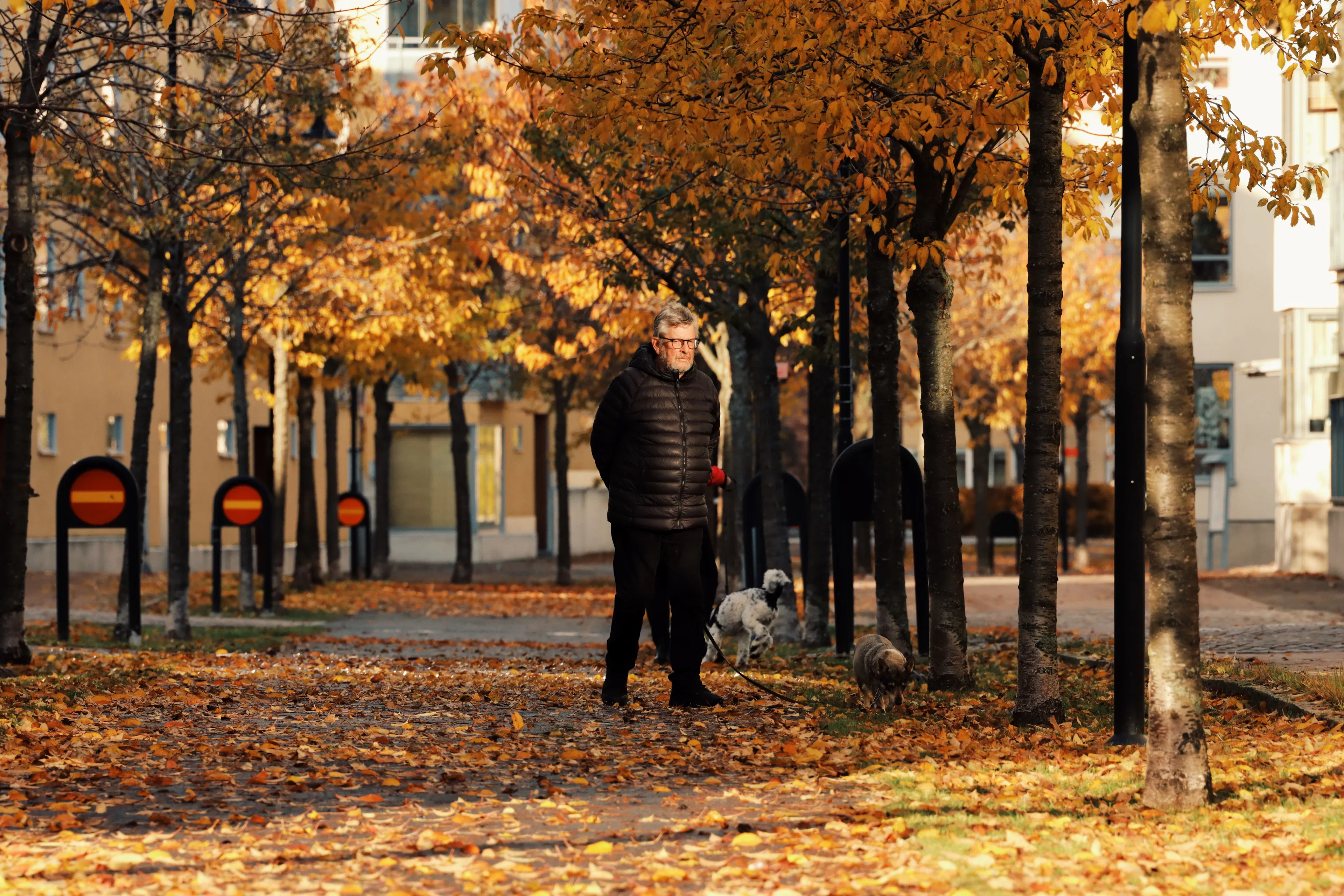
The best pet-friendly travel destinations in Europe are Berlin, Vienna, Amsterdam, Prague, Ljubljana, Milan, Zurich and Lucerne, Copenhagen, Paris, and Lisbon. These places stand out because they combine walkable neighborhoods, green spaces, pet-friendly transport options, and a good choice of hotels, cafés, or outdoor activities where traveling with a dog feels manageable rather than complicated.
If you want the easiest all-round city break with a dog, Berlin is one of the strongest choices. Choose Ljubljana for a smaller, greener city, Zurich and Lucerne for lakes and mountain day trips, Lisbon for milder weather, and Vienna or Prague if you want a classic European city break without leaving your pet behind.
- Berlin, Germany: best overall for a dog-friendly big-city trip
- Vienna, Austria: best for elegant city walks and green spaces
- Amsterdam, Netherlands: best for canals, neighborhoods, and easy public transport
- Prague, Czechia: best for a compact and affordable city break
- Ljubljana, Slovenia: best for a small, green, easygoing trip
- Milan, Italy: best for urban travel plus lakeside day trips
- Zurich and Lucerne, Switzerland: best for nature, trains, and mountain scenery
- Copenhagen, Denmark: best for parks, waterfront walks, and a relaxed city pace
- Paris, France: best for a classic city trip with improving dog access
- Lisbon, Portugal: best for mild weather, viewpoints, and outdoor dining
Most destination-specific pet rules in Europe are written with dogs in mind, so this guide focuses mainly on traveling with a dog. If you are traveling with a cat or another small pet, transport carriers, hotel policies, and entry paperwork will usually matter more than parks or dog exercise areas.
Berlin, Germany
Best for: the easiest all-round pet-friendly city break
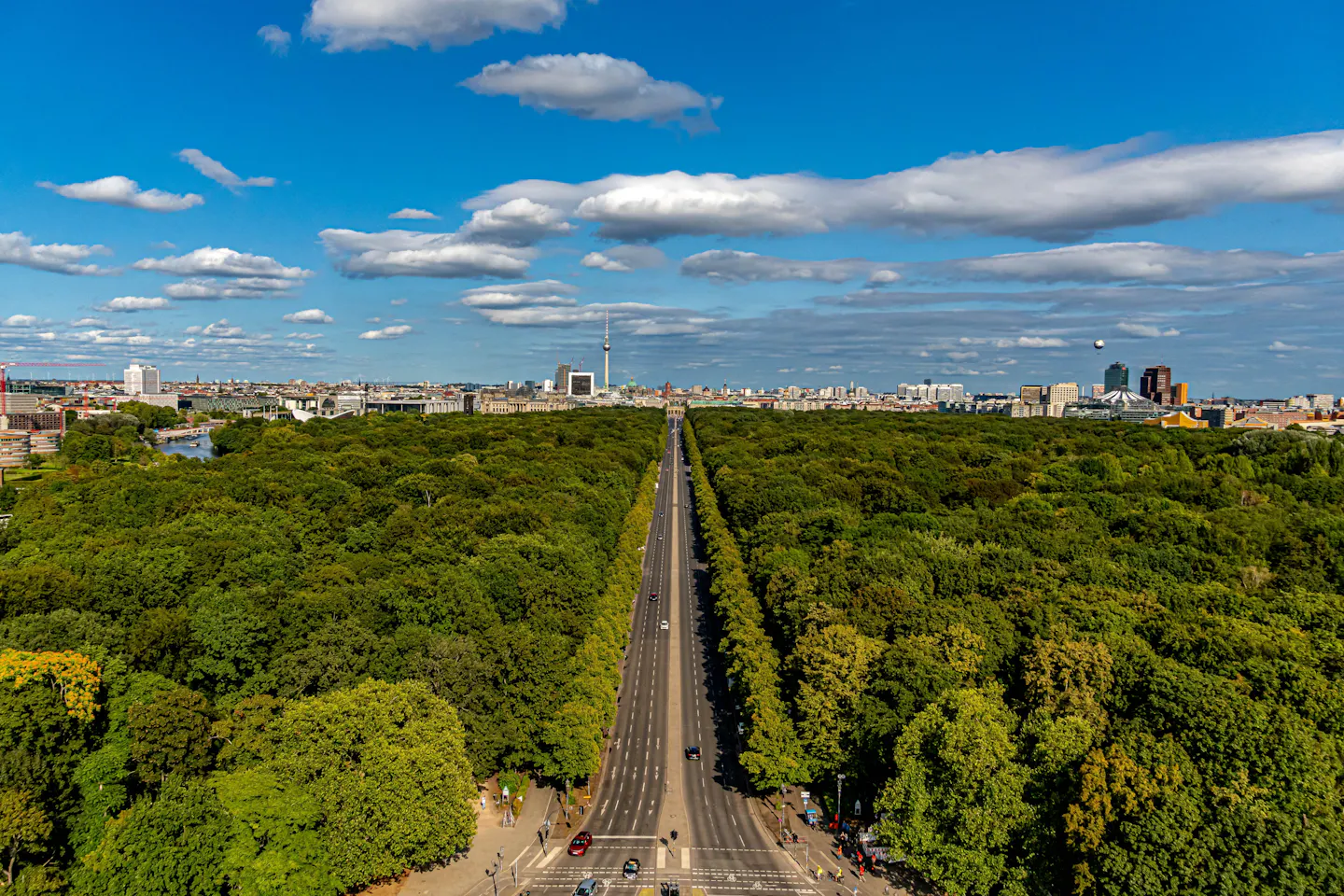
Berlin is one of the most practical European capitals to visit with a dog. It is large, but it is full of parks, lakes, quieter residential neighborhoods, and outdoor places where having a dog with you does not feel unusual.
The official Berlin tourism site actively promotes the city as a destination for dog owners. Dogs can use the public transport network, although rules depend on your ticket type. With a single ticket, a dog normally needs a reduced-fare ticket. With certain day or season tickets, one dog can travel free. Dogs outside a carrier must be on a lead and wear a muzzle on public transport.
What makes Berlin especially good is the amount of space. You can build a trip around long walks through Tiergarten, quieter streets in Prenzlauer Berg, the paths around Tempelhofer Feld, lakeside areas outside the center, and dog exercise zones across the city.
Berlin is also a good choice if your dog is not comfortable with crowded historic centers. You can stay outside Mitte and still reach the main sights easily by train or tram.
What to do with your dog in Berlin
Walk through Tiergarten early in the morning, explore the broad paths around Tempelhofer Feld, spend time along the Spree, and choose neighborhood cafés with outdoor seating. If you have more time, plan a half-day around one of Berlin's lakes or forest areas.
What to know before you go
Carry a muzzle even if your dog rarely wears one at home. Berlin's public transport rules require it for dogs that are not traveling in a closed carrier. Also check individual parks and attractions because dog access is not universal.
Vienna, Austria

Best for: elegant city walks, parks, and reliable transport
Vienna is a strong choice if you want a polished city break that still gives your dog plenty of room to move. The center is very walkable, the public transport system is excellent, and the city has a large network of parks and designated dog areas.
Vienna's tourism board says the city has around 140 designated dog zones and dog exercise areas. Dogs are allowed on Wiener Linien public transport, but dogs outside a closed carrier need their own discounted ticket and must be on a lead and muzzled.
That makes Vienna easy to plan once you know the rules. You can spend the morning walking around the Ringstrasse, stop for coffee on a terrace, then take public transport toward a larger green space instead of keeping your dog in the busiest central streets all day.
What to do with your dog in Vienna
Plan a long walk through the Prater, explore the Danube area, choose quieter residential districts for afternoon walks, and use designated dog areas when your dog needs more freedom. Vienna also works well as a base for short trips into the surrounding countryside.
What to know before you go
A muzzle is essential for public transport. Dogs in parks generally need to be on a lead outside designated dog zones. If your dog is small enough to travel in a suitable closed carrier, public transport is simpler and usually does not require an extra ticket.
Amsterdam, Netherlands
Best for: canals, neighborhood walks, and easy city transport
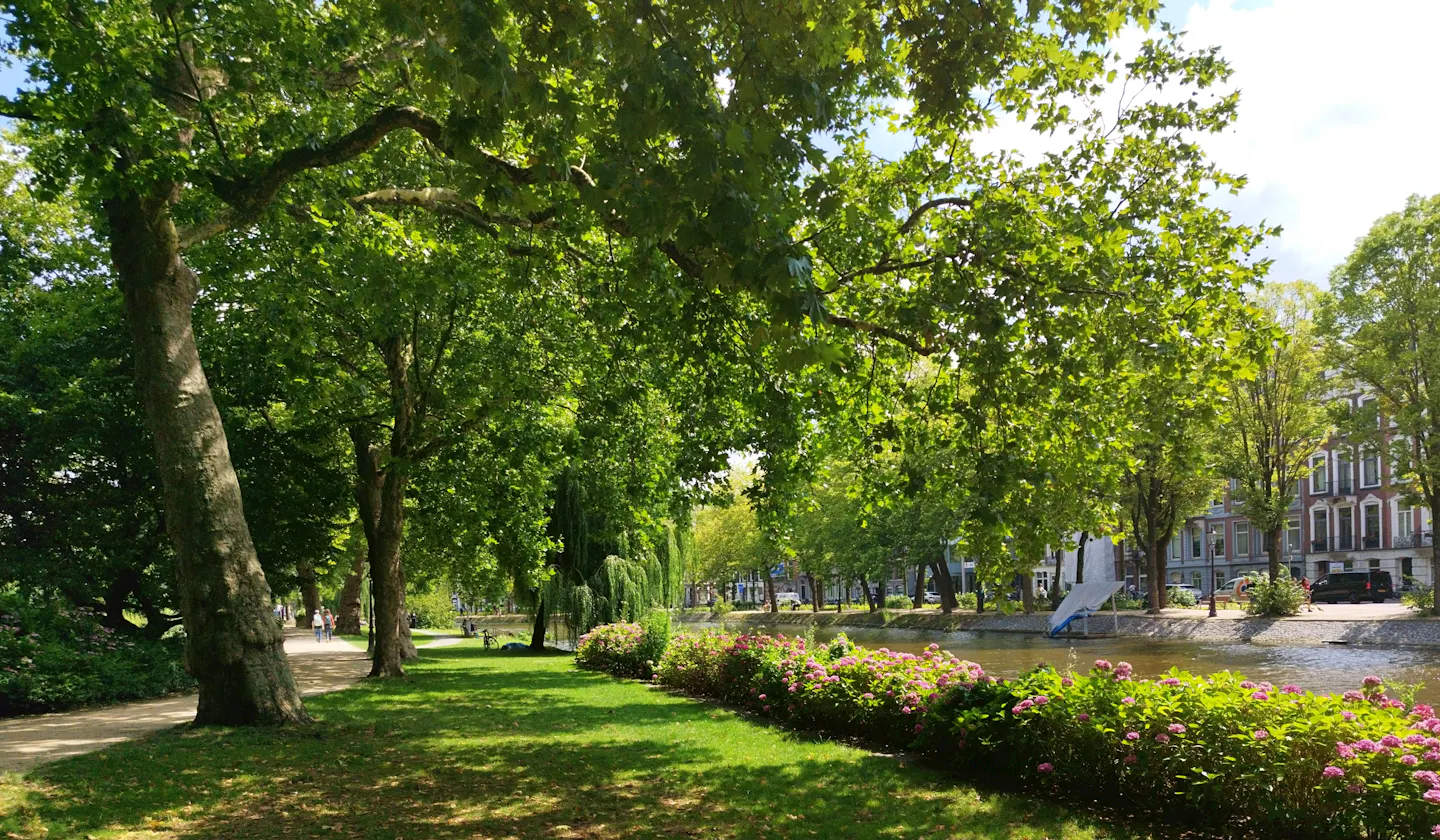
Amsterdam is a good pet-friendly destination because you can experience a lot of the city outdoors. Canal streets, neighborhood cafés, markets, parks, and waterfront walks make it possible to enjoy the trip without building every day around indoor attractions.
GVB allows pets on buses, trams, the metro, and ferries if they stay on your lap, in a bag, or on a short leash. That is useful in a city where public transport and walking work together so well.
The key to Amsterdam with a dog is choosing the right base. Instead of staying directly beside the busiest parts of the Red Light District or Dam Square, look at areas close to Vondelpark, Westerpark, De Pijp, or quieter canals where morning and evening walks are easier.
What to do with your dog in Amsterdam
Walk the canal belt before it gets busy, spend time in Vondelpark or Westerpark, take local ferries for a change of scenery, and plan slow neighborhood days around Jordaan, De Pijp, or Amsterdam Noord.
What to know before you go
Bike traffic is the biggest adjustment for many visiting dogs and owners. Keep your dog close when crossing cycle lanes and avoid retractable leads on busy streets. Check individual restaurant, museum, and hotel policies before assuming pets are allowed inside.
Prague, Czechia

Best for: a compact, beautiful, and relatively easy city break
Prague is one of the easiest European cities to explore on foot, which is already a big advantage when traveling with a dog. The historic center is compact, the river gives you long walking routes, and there are several large parks within easy reach of the main sights.
Prague's integrated public transport system welcomes dogs under specific conditions. Dogs outside a carrier must be on a leash and wear a secure muzzle. In Prague itself, dogs can travel free with a valid PID ticket under the current 2026 fare rules.
The city works best with a dog if you visit major tourist areas early, then move toward quieter neighborhoods and parks later in the day. Old Town Square and Charles Bridge can become extremely crowded, so do not build the entire trip around the busiest streets.
What to do with your dog in Prague
Walk along the Vltava, cross Charles Bridge early in the morning, explore Letná Park for views, spend time around Petřín, and walk through quieter neighborhoods such as Vinohrady.
What to know before you go
Bring a muzzle for public transport. Cobblestones can also be tiring for some dogs, especially older dogs, so mix historic-center sightseeing with softer park paths and regular breaks.
Ljubljana, Slovenia
Best for: a smaller, greener, low-stress city break
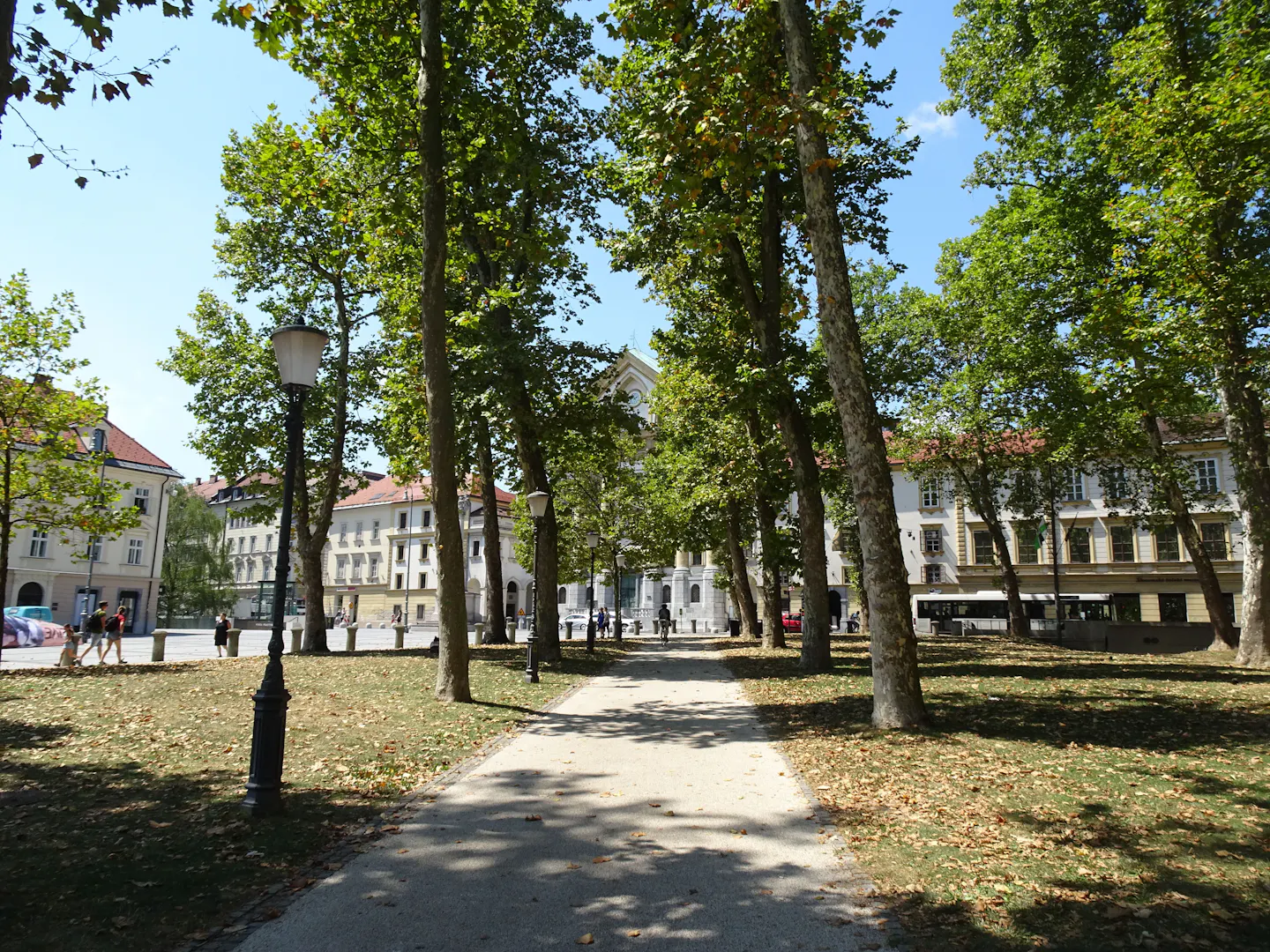
Ljubljana is one of the easiest places on this list if you want a European city that feels manageable with a dog. The center is compact, much of it is pedestrian-friendly, and green space is never far away.
Visit Ljubljana specifically recommends the city for travelers with dogs. Tivoli Park is close to the center, and the city also has fenced dog parks where dogs can run off leash. The tourism board also highlights dog-friendly cafés and the possibility of using city buses with a dog.
Ljubljana is especially good for travelers who do not want a packed itinerary. You can walk beside the Ljubljanica River, stop at outdoor cafés, explore the old town, and still give your dog proper park time without spending half the day moving across a huge city.
What to do with your dog in Ljubljana
Walk the riverfront in the morning, explore Tivoli Park, visit one of the city's dog parks, and take a slow afternoon through the pedestrian center. If you have a car, Ljubljana also works well as a base for a wider Slovenia road trip.
What to know before you go
Slovenia is ideal if you want to combine a city with nature, but rules can change between parks, lakes, protected areas, and transport operators. Check local leash requirements before day trips, especially in nature reserves.
Milan, Italy
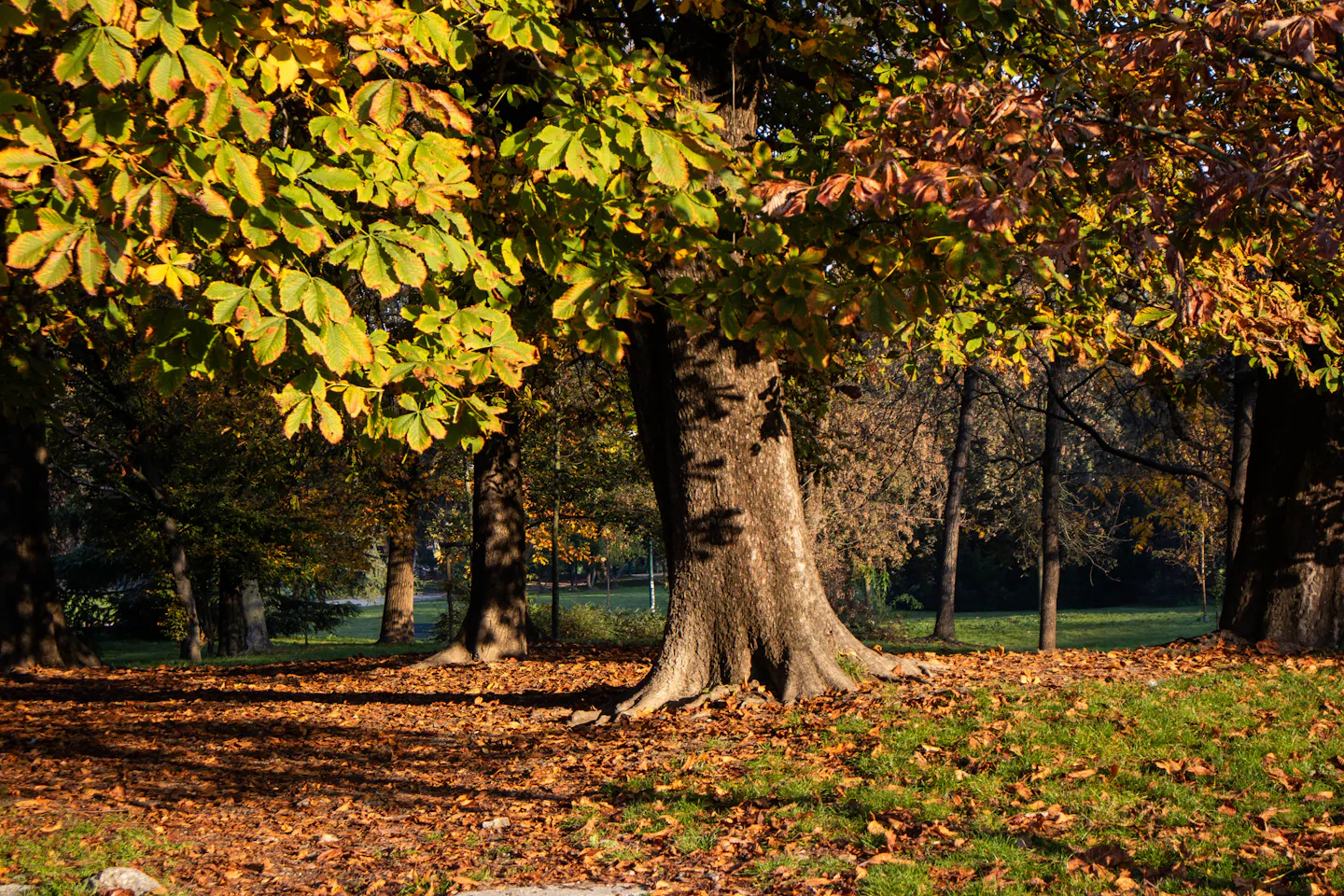
Best for: city life, parks, and easy access to northern Italian lakes
Milan might not be the first place people think of for a pet-friendly holiday, but it is one of Italy's most practical big cities for travelers with dogs.
The city's official tourism site says pets are welcome across many parts of Milan and highlights dog areas in major parks. Parco Nord has fenced canine areas, while several other city parks have dedicated spaces where dogs can exercise. Milan also has a strong culture of outdoor cafés and restaurants, which makes daily planning easier in good weather.
Italy is also convenient for longer pet-friendly routes by train. Trenitalia allows small pets in suitable carriers free of charge, while larger dogs can travel with a dog ticket if they are on a leash and wearing a muzzle.
What to do with your dog in Milan
Walk through Parco Sempione, explore the Navigli area earlier in the day, use one of the city's dedicated dog areas, and plan a slower café afternoon around Brera or Porta Venezia. For a longer trip, add a day or overnight stay around one of the Lombard lakes.
What to know before you go
Central Milan gets hot in summer and pavement temperatures can be uncomfortable for dogs. Spring, early summer, September, and autumn are usually easier for long city walks.
Zurich and Lucerne, Switzerland

Best for: lakes, mountain scenery, and public transport
Switzerland is one of the best choices in Europe if the main reason you are traveling with your dog is to spend more time outside. Zurich and Lucerne give you comfortable city bases, while trains, boats, and mountain routes make it easy to build nature into the same trip.
Swiss public transport is particularly useful for pet owners. Small dogs up to 30 cm at the withers can travel free in a suitable carrier. Larger dogs need a ticket, and SBB offers a day pass for dogs that works on trains, boats, PostBus routes, and most urban public transport.
This is a destination where you can spend very little time worrying about rental cars. You can stay in Zurich or Lucerne and use public transport to reach lakeside walks, mountain villages, and trailheads.
What to do with your dog in Zurich and Lucerne
Walk along Lake Zurich or Lake Lucerne, take a train to a nearby mountain area, choose an easy panoramic trail, and book a dog-friendly hotel close to the water or a station. Switzerland Tourism even maintains a dedicated collection of dog-friendly hotels.
What to know before you go
Switzerland is expensive, and dog fares add another cost. Check the SBB fare options before traveling each day. On hiking routes, keep an eye on livestock, seasonal trail restrictions, and local leash rules.
Copenhagen, Denmark

Best for: parks, waterfront walks, and a calm urban rhythm
Copenhagen is a great option if you want a city break where much of the fun happens outdoors. The city is full of parks, waterfront paths, neighborhood streets, and places where you can simply walk without rushing from attraction to attraction.
Fælledparken, one of Copenhagen's biggest parks, has designated dog areas. The wider city also has plenty of green space, and its compact layout makes it easy to alternate sightseeing with proper walks.
Copenhagen suits dogs that are comfortable in an urban environment but need regular green breaks. It is also a good summer destination because long daylight hours make it easy to avoid the busiest times and walk earlier or later.
What to do with your dog in Copenhagen
Walk around the lakes, explore the harbor, spend time in Fælledparken, and choose a neighborhood such as Østerbro or Frederiksberg if you want easier access to green spaces.
What to know before you go
Denmark has strict rules for certain dog breeds, so check national entry and breed legislation before booking. Local leash rules also vary by area. Do not assume every beach or park allows dogs off leash.
Paris, France

Best for: a classic European city break with more dog-friendly green space than many visitors expect
Paris is not as effortlessly dog-friendly as Berlin or Ljubljana, but it has become much easier to plan with a dog. In September 2026, the City of Paris reported that leashed pets were allowed in 165 designated green spaces, including selected parks and gardens across the city.
That matters because the biggest challenge in Paris is not finding beautiful places to walk. It is finding enough legal, comfortable green space between busy streets and sightseeing stops.
Paris works best with a dog if you plan the trip neighborhood by neighborhood. Choose accommodation close to a dog-friendly park, do famous sights early, and spend more time on river walks, terraces, and local streets instead of trying to enter museums all day.
What to do with your dog in Paris
Walk along the Seine, explore quieter streets in the Marais or Saint-Germain early in the day, use one of the city's designated dog-friendly green spaces, and plan a longer walk in Bois de Boulogne or Bois de Vincennes.
What to know before you go
Do not assume every Paris park accepts dogs. Even in dog-friendly green spaces, dogs may be restricted to paths and required to stay on a leash. Always check the current park rules before going.
Lisbon, Portugal

Best for: mild weather, viewpoints, river walks, and outdoor cafés
Lisbon is a good pet-friendly option if you want a warmer European city break outside the hottest summer months. The city has long waterfront walks, neighborhood squares, parks, and a strong outdoor dining culture.
Lisbon Metro permits animals under specific conditions. Dogs that are not in a carrier must be properly restrained, generally with a muzzle and short leash, and travelers should carry the required animal documentation. Portugal's tourism authorities also note that pet access varies across restaurants, shops, supermarkets, and beaches.
The biggest practical issue is Lisbon's terrain. The city is hilly, streets can be steep, and summer heat can make daytime walking difficult. A pet-friendly Lisbon trip is much more comfortable in spring, autumn, or winter.
What to do with your dog in Lisbon
Walk the Tagus riverfront, explore Belém early in the morning, choose quieter streets around Estrela or Campo de Ourique, and spend time in larger parks rather than keeping your dog on steep central streets all day.
What to know before you go
Avoid long midday walks in hot weather. Also check beach rules if you plan to add the coast, because dog access can be seasonal and varies between beaches.
Which pet-friendly European destination is best for your trip?
The best destination depends on how your pet travels and what kind of holiday you want.
For the easiest big-city trip
Choose Berlin. It has a strong combination of public transport, green space, dog exercise areas, and neighborhoods where you can avoid the busiest tourist zones.
For a smaller and calmer city
Choose Ljubljana. It is compact, green, and easy to explore without spending much time on transport.
For nature and hiking
Choose Zurich and Lucerne. Switzerland makes it easy to combine comfortable city stays with lakes, trains, boats, and mountain trips.
For a classic European city break
Choose Vienna or Prague. Both are beautiful, walkable, and manageable with a dog once you know the public transport rules.
For warmer weather
Choose Lisbon, especially in spring, autumn, or winter. Avoid the hottest summer weeks if your dog struggles with heat.
For food, cafés, and a longer route
Choose Milan. You can enjoy the city, use Italy's rail network, and then add lakes, smaller towns, or another northern Italian destination.
What do you need to travel with a pet in Europe?
For private travel between EU countries, dogs, cats, and ferrets generally need a microchip, a valid rabies vaccination, and a valid European pet passport.
If you are entering the EU from a non-EU country, you will normally need an EU animal health certificate, and some origin countries also require a rabies antibody titration test. The exact requirements depend on where you are traveling from.
Dogs entering Finland, Ireland, Malta, Norway, or Northern Ireland generally need treatment against the tapeworm Echinococcus multilocularis 24 to 120 hours before travel, with specific exceptions for direct travel between certain tapeworm-free areas.
Always check the official EU pet travel rules and the national rules of your destination before booking flights or trains. Airline, ferry, rail, hotel, and local transport policies are separate from border-entry rules, so a pet being legally allowed into a country does not automatically mean it can use every transport service or enter every hotel.
How to plan a pet-friendly trip in Europe
Choose accommodation based on walks, not just attractions
When traveling without a pet, staying beside the main sights can be convenient. With a dog, a hotel five minutes from a good park can be much more useful than a hotel directly beside the busiest square.
Check the full route before you book
A city may be pet-friendly, while the airline, airport transfer, train, ferry, or final bus is not. Check every transport segment individually.
Save pet-friendly places before the trip
Do not rely on finding a restaurant or park at the last minute. Save several cafés with terraces, green spaces, pet shops, veterinary clinics, and backup walking routes around your accommodation.
Plan fewer indoor attractions
A pet-friendly trip usually works better when the itinerary is built around neighborhoods, outdoor sights, parks, viewpoints, markets, waterfronts, and longer breaks. Trying to visit six museums in a day will create unnecessary logistics.
Think about your pet's normal routine
The best itinerary is not the one with the most attractions. It is the one that gives your pet enough time to walk, rest, drink, eat, and recover between busy places.
FAQ: pet-friendly travel in Europe
What is the most pet-friendly city in Europe?
Berlin is one of the best overall choices for travelers with dogs because it combines extensive green space, public transport access, dog exercise areas, and a large choice of neighborhoods where you can stay away from the busiest tourist streets.
Which European cities are easiest to visit with a dog?
Berlin, Vienna, Amsterdam, Prague, and Ljubljana are among the easiest city-break options. They are walkable, have strong public transport, and offer enough parks or green areas to plan dog-friendly days.
Can dogs travel on trains in Europe?
Often, yes, but the rules differ by country and train operator. Small dogs in carriers may travel free or at a lower cost, while larger dogs may need their own ticket, leash, and muzzle. Always check the specific operator before booking.
Do dogs need a pet passport to travel in Europe?
For travel between EU countries, dogs, cats, and ferrets generally need a valid EU pet passport showing identification and health information such as rabies vaccination. Travelers entering from outside the EU usually need different documentation, such as an EU animal health certificate.
What are the best European destinations for a dog-friendly nature trip?
Switzerland, Slovenia, Austria, and Germany are strong choices because you can combine cities with lakes, forests, mountain routes, and hiking. Local leash and wildlife rules still apply.
Is Paris pet-friendly?
Paris can work well with a dog if you plan carefully. The city now has many designated dog-friendly green spaces, but dogs are not allowed in every park, museum, shop, or restaurant. It is better for travelers who are happy to build the trip around walks, neighborhoods, terraces, and selected green spaces.
What is the best time to travel Europe with a dog?
Spring and early autumn are usually the easiest seasons. Temperatures are milder, pavements are cooler, and popular cities are often less crowded than in July and August. Winter can also work well for city breaks if your dog handles cold weather comfortably.
Plan your pet-friendly Europe trip with EasyMiles
Traveling with a pet changes the way you plan a trip. You cannot just save a list of famous attractions and decide where to go later. You need realistic walking distances, outdoor stops, places to eat, time for breaks, and backup options if a venue does not allow pets.
EasyMiles can help turn the destination into a practical day-by-day itinerary based on your dates, interests, food preferences, travel pace, and the places you actually want to visit. Instead of jumping between maps, saved posts, restaurant lists, and opening hours, you get one route that connects the day properly.
For a pet-friendly trip, that makes it easier to build slower days, keep parks and outdoor places close to the route, choose restaurants that fit your plans, and avoid wasting time crossing the city for places that do not work together.
Pick your destination, tell EasyMiles how you like to travel, and use it to plan the whole trip from the first morning walk to dinner.