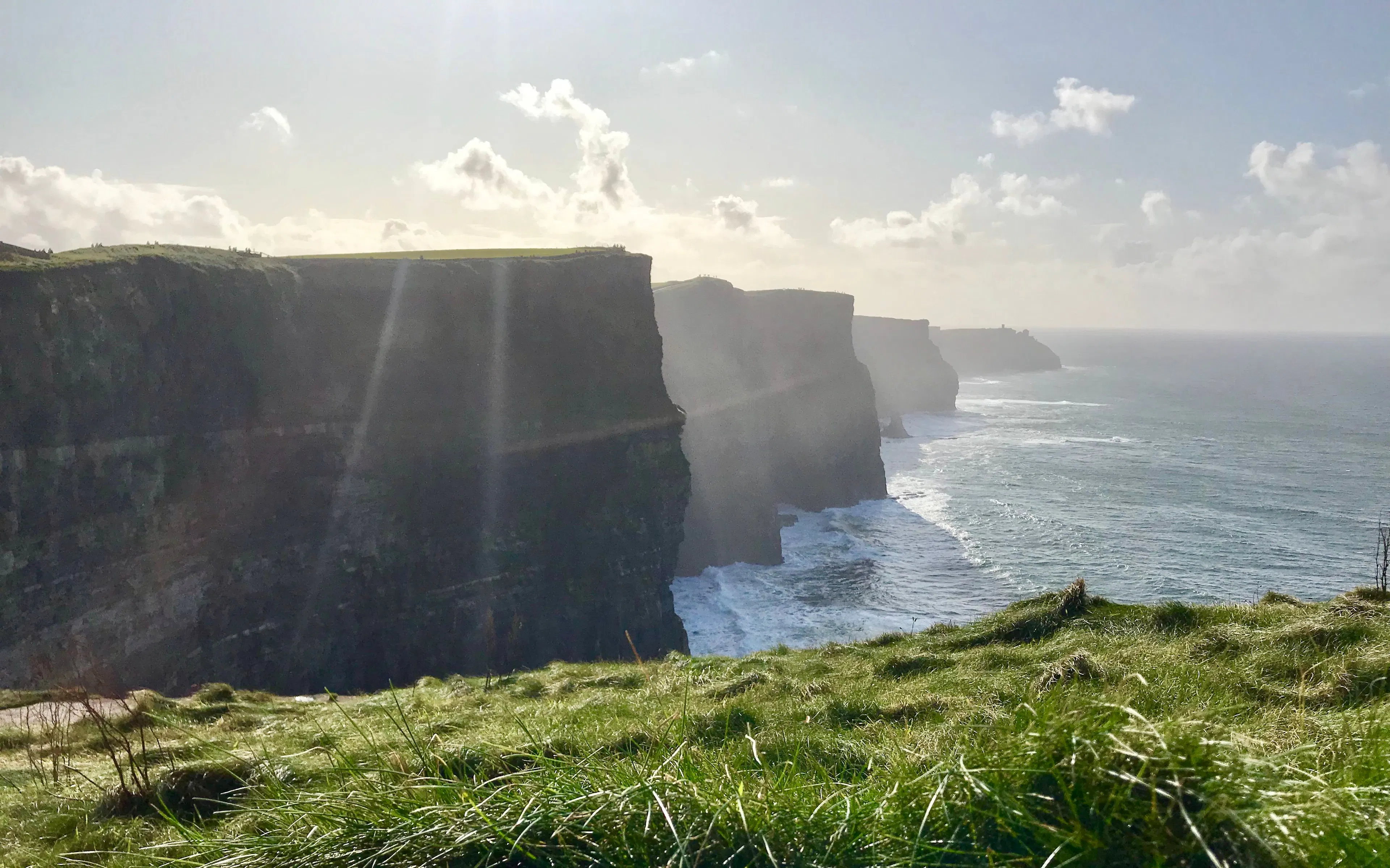
For a first trip to Ireland, the best one-week route is Dublin, Galway and Connemara, the Cliffs of Moher and the Burren, then Killarney National Park and the Ring of Kerry. It gives you a good mix of lively cities, traditional pubs, Atlantic scenery, small towns, mountains, lakes and some of the country’s most famous coastal views without trying to cover the entire island in a week.
A simple route looks like this:
- Day 1: Explore Dublin.
- Day 2: See more of Dublin, then travel to Galway.
- Day 3: Take a day trip through Connemara and spend the evening in Galway.
- Day 4: Visit the Cliffs of Moher and the Burren, then continue to Killarney.
- Day 5: Explore Killarney National Park.
- Day 6: Drive the Ring of Kerry.
- Day 7: Return to Dublin, with an optional stop at the Rock of Cashel if your schedule allows.
This itinerary works especially well for first-time visitors because you only need three main bases: Dublin, Galway and Killarney. You can use the train between Dublin and Galway, then rent a car from Galway onward for the scenic part of the trip. If you prefer not to drive at all, you can still build a similar trip with trains, coaches and organized day tours, but the west and southwest are much easier to explore with a car.
Ireland 7-day itinerary at a glance
- Best for: first-time visitors, couples, friends, road trips, scenery, food and traditional Irish atmosphere.
- Main stops: Dublin, Galway, Connemara, Cliffs of Moher, the Burren, Killarney National Park and the Ring of Kerry.
- Recommended transport: no car in Dublin, train to Galway, rental car from Galway to Dublin.
- Recommended pace: two city days, two west-coast days and three days around County Kerry.
- Overnight bases: Dublin for 1 night, Galway for 2 nights and Killarney for 3 nights. If you have a seventh night, spend it in Dublin before flying home.
Day 1: Arrive in Dublin and explore the city centre
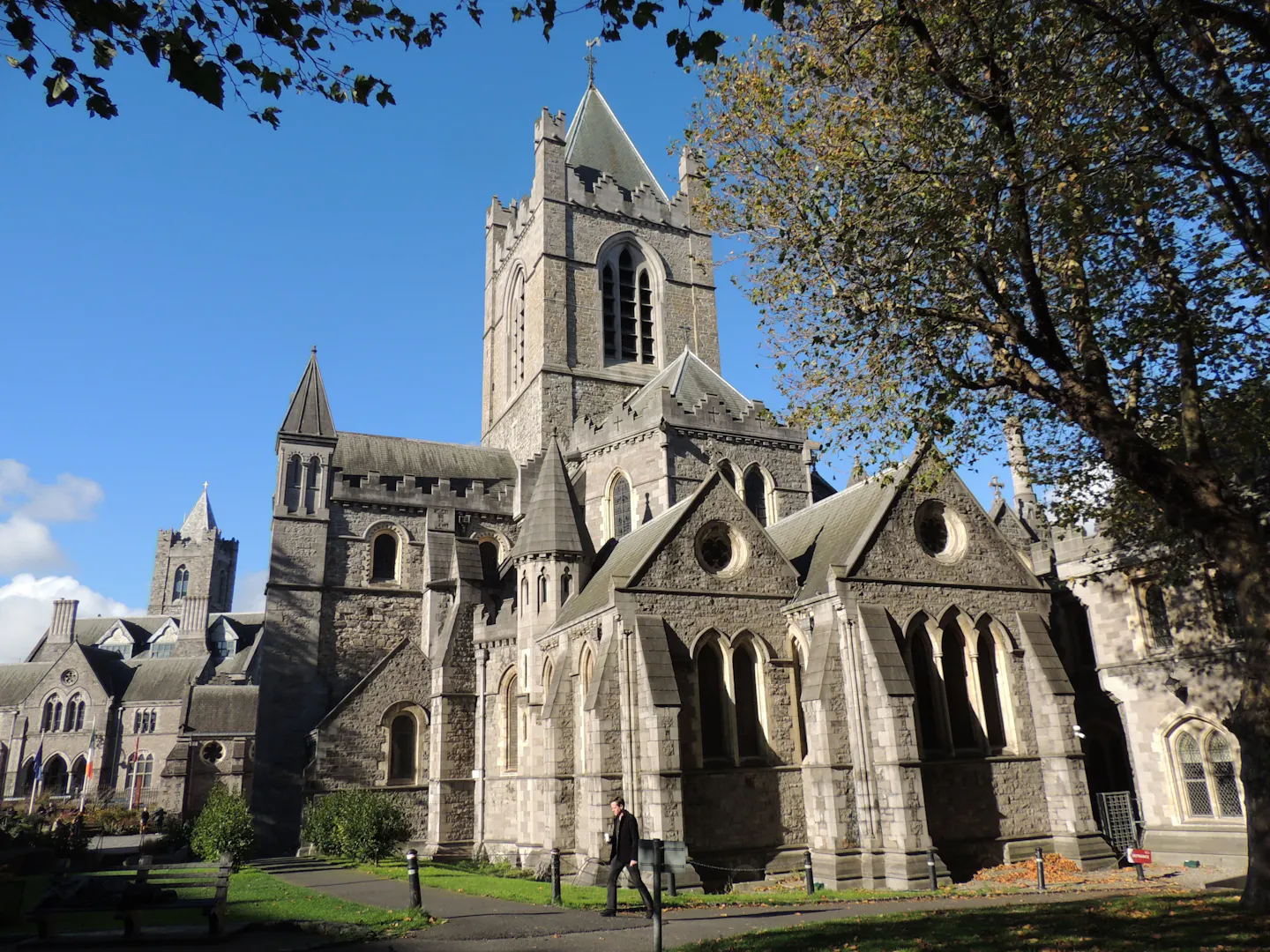
Start your week in Dublin. It is compact enough to explore on foot, easy to reach from the airport and a good place to recover from your flight before the road-trip part of the week begins.
Morning or early afternoon: Trinity College and central Dublin
Begin around Trinity College and Grafton Street. If the Book of Kells is high on your list, book a timed ticket before the trip, especially for a weekend or summer visit. From Trinity, walk through the city centre toward St Stephen’s Green and Merrion Square. This gives you an easy first look at Georgian Dublin without spending the whole day inside attractions.
If you arrive later in the day, skip one museum or attraction rather than trying to rush through everything. Dublin is much more enjoyable when you leave time to walk, stop for coffee and simply look around.
Afternoon: Dublin Castle, Temple Bar and the River Liffey
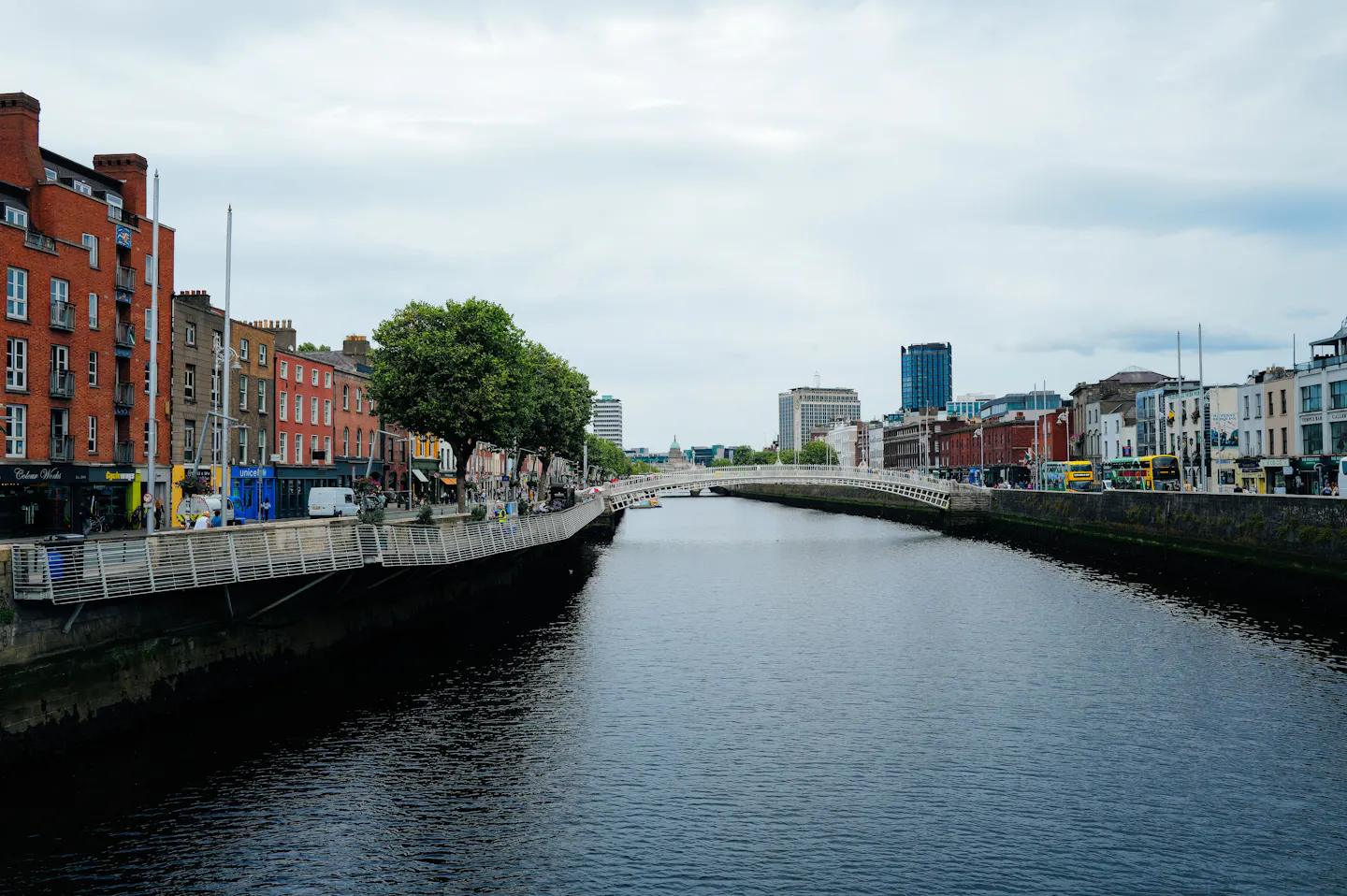
Walk toward Dublin Castle and the Chester Beatty area, then continue through the streets around Temple Bar. Temple Bar is worth seeing for the old lanes and atmosphere, but you do not need to spend your entire evening there. Cross the River Liffey, walk along the quays and take in the city from both sides of the river.
Evening: pub dinner and live music
For your first evening, look for a traditional pub outside the busiest part of Temple Bar. Order something simple and local, then stay for a music session if you find one. Dublin works best when your first night is relaxed rather than packed with reservations.
Where to stay in Dublin
For a short stay, choose somewhere central so you can walk most of the day. Areas around St Stephen’s Green, Merrion Square, Smithfield and the south side of the city centre are practical choices. You do not need a rental car while you are here.
Day 2: Finish Dublin, then take the train to Galway
Morning: choose one major Dublin attraction
Use the morning for one bigger attraction rather than three smaller ones. The Guinness Storehouse is a good choice if you want a classic Dublin experience and city views from the Gravity Bar. Kilmainham Gaol is better if you are most interested in Irish history, but tickets can sell out and should be booked early.
Another option is simply to spend the morning walking through Phoenix Park or exploring a neighborhood you did not see on Day 1. The point of this itinerary is not to complete a checklist. It is to see enough of Dublin to understand the city, then give yourself time for the landscapes that make the rest of the trip feel completely different.
Afternoon: travel from Dublin to Galway
Take an afternoon train from Dublin Heuston to Galway. The journey is usually around two and a half hours, which makes the train much easier than collecting a car and dealing with city traffic on your second day.
Once you arrive, check into your hotel and keep the rest of the day simple.
Evening: Galway’s Latin Quarter and West End
Walk through the Latin Quarter, around Quay Street and the Spanish Arch, then continue toward Galway’s West End. Galway is small, lively and very easy to enjoy without a plan. This is one of the best nights of the trip for live traditional music, seafood and a slow pub crawl.
Where to stay in Galway
Stay in or near the Latin Quarter, Eyre Square or the West End if you want to walk to dinner and pubs. If you prefer quieter evenings, look slightly outside the busiest centre while staying within walking distance.
Day 3: Explore Connemara and return to Galway
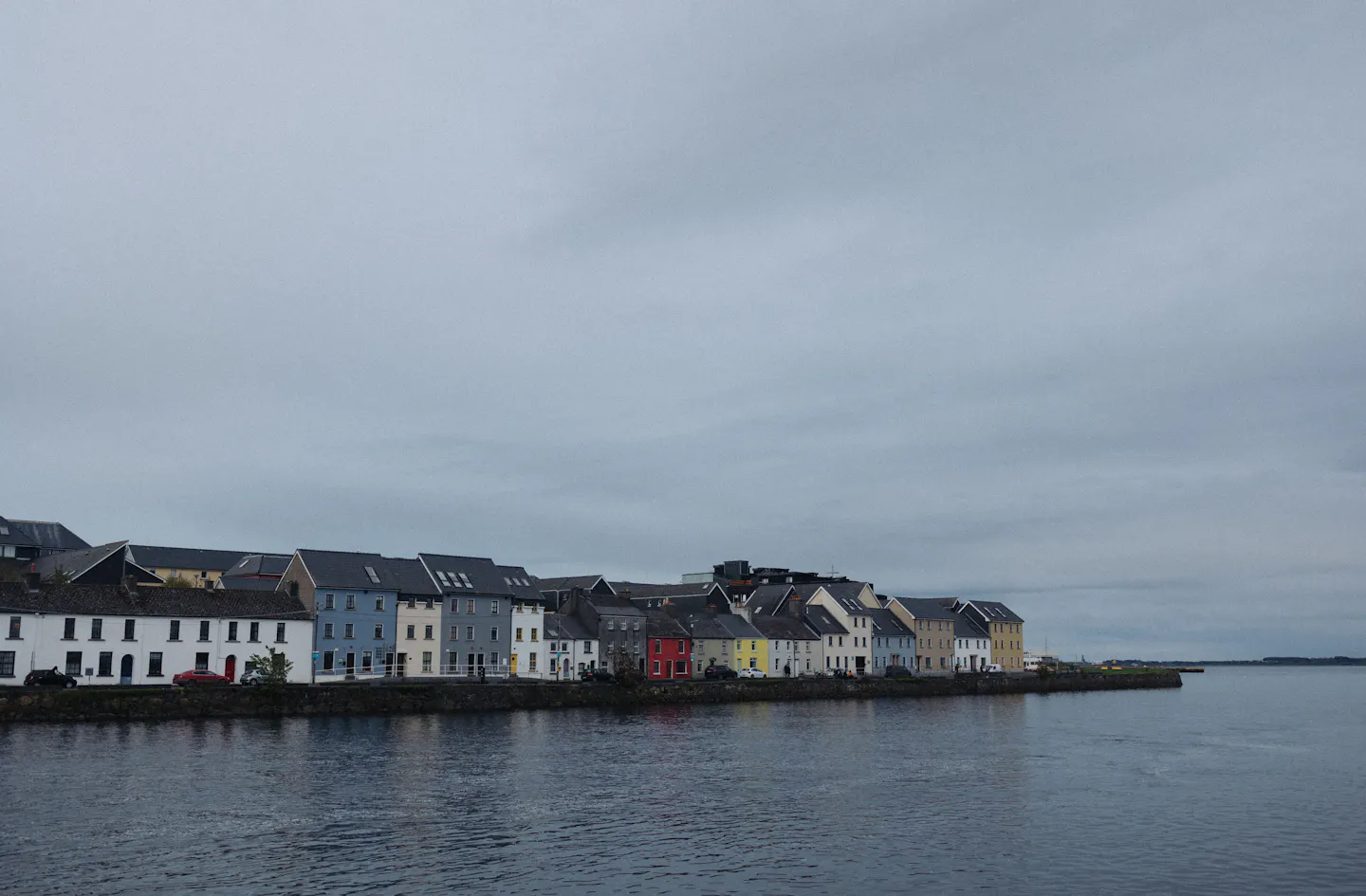
Today is your first proper landscape day. Connemara is west of Galway and feels dramatically different from Dublin, with lakes, mountains, peatland, stone walls and a rugged Atlantic coastline.
Morning: Galway to Kylemore Abbey
Leave Galway early and drive west through Connemara. Kylemore Abbey is a popular first stop because it combines mountain scenery, a lakeside setting, gardens and history in one place. If you are not renting a car until Day 4, you can take a guided Connemara day tour from Galway instead.
Afternoon: Clifden and the Sky Road
Continue toward Clifden for lunch, then drive part or all of the Sky Road for coastal views. Keep the schedule flexible. Connemara is one of those places where the best part of the day may be an unplanned viewpoint, a quiet beach or a short walk that looked interesting from the road.
Do not try to add every attraction in the region. A good Connemara day is about scenery and pace, not squeezing five stops into one loop.
Evening: back to Galway
Return to Galway for a second night. If the weather is clear and you still have energy, walk the Salthill Promenade around sunset. Otherwise, stay in the city centre for dinner and another music session.
Day 4: Cliffs of Moher, the Burren and Killarney

This is the longest travel day of the week, but it connects two of Ireland’s most rewarding regions. Leave Galway early and expect a full day with several stops.
Morning: Cliffs of Moher
Drive south toward the Cliffs of Moher and aim to arrive early. The official visitor experience recommends booking online in advance, and the busiest period is generally around the middle of the day. Give yourself at least two hours if you want time for the main viewpoints, O’Brien’s Tower and a relaxed walk along the paved paths.
Weather on the Atlantic coast can change quickly, so bring a waterproof layer even when the forecast looks fine. If the cliffs are covered in fog when you arrive, do not assume the whole visit is lost. Conditions can change surprisingly fast.
Late morning and lunch: Doolin and the Burren
After the cliffs, stop in Doolin for lunch or continue into the Burren. The landscape here is one of the most unusual in Ireland: pale limestone pavement, low stone walls and wide open views that feel almost lunar in places.
If time is limited, choose one or two short stops rather than turning the Burren into another full sightseeing day. You still have a long drive to Killarney.
Afternoon and evening: drive to Killarney
Continue south toward Killarney. Allow roughly three hours from the Cliffs of Moher area, depending on traffic and stops. Once you arrive, check in and walk into town for dinner. Killarney is busy with visitors, but it is a practical base with plenty of restaurants, pubs and easy access to the national park.
Where to stay in Killarney
Stay in Killarney town if you want restaurants and pubs within walking distance. Staying along Muckross Road is also convenient if you want faster access to Killarney National Park. Keep the same hotel for three nights so the second half of the trip feels much more relaxed.
Day 5: Spend the day in Killarney National Park
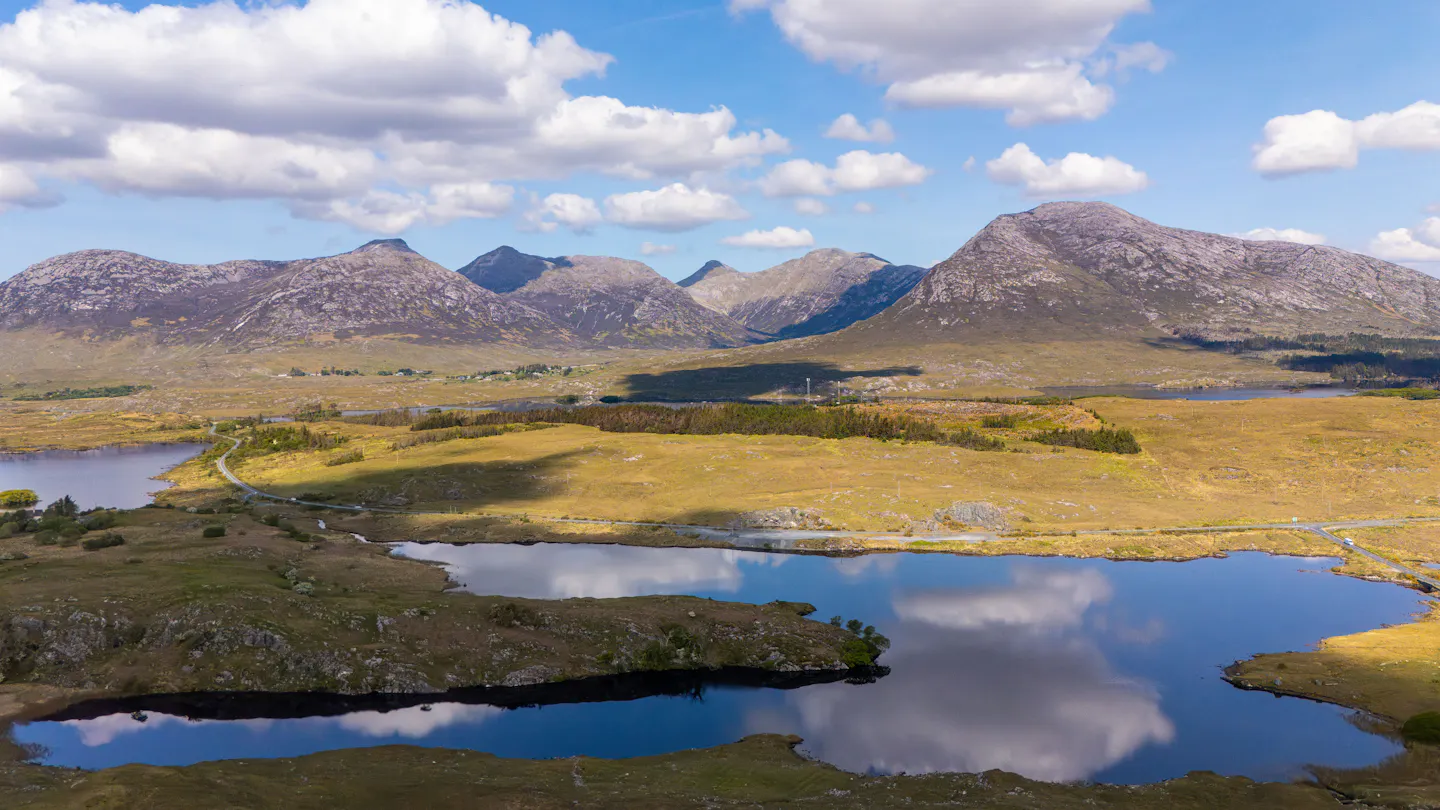
After the long drive on Day 4, this is a slower day with very little time in the car. Killarney National Park is one of the easiest places in Ireland to combine lakes, woodland, historic buildings and waterfalls in a single day.
Morning: Muckross House and gardens
Start around Muckross House. The house sits beside Muckross Lake and is surrounded by gardens, woodland and walking routes. If you want to tour the interior and the Traditional Farms, allow several hours. If you are more interested in nature, spend less time inside and move on to the trails.
Afternoon: Torc Waterfall and the lakes
Continue to Torc Waterfall, then choose a walk or bike ride around the Muckross area. The park is large enough to fill several days, so there is no need to see every viewpoint. A good afternoon can be as simple as Muckross House, Torc Waterfall, lakeside paths and a stop at one scenic viewpoint.
If you have a car and want a little more scenery without committing to a full drive, continue toward Ladies View before returning to Killarney.
Evening: relaxed night in Killarney
Keep the evening free. Eat in town, find a pub with live music or simply have an early night before the Ring of Kerry. This is also a good moment to check the weather for Day 6 and decide whether to start your scenic drive early.
Day 6: Drive the Ring of Kerry
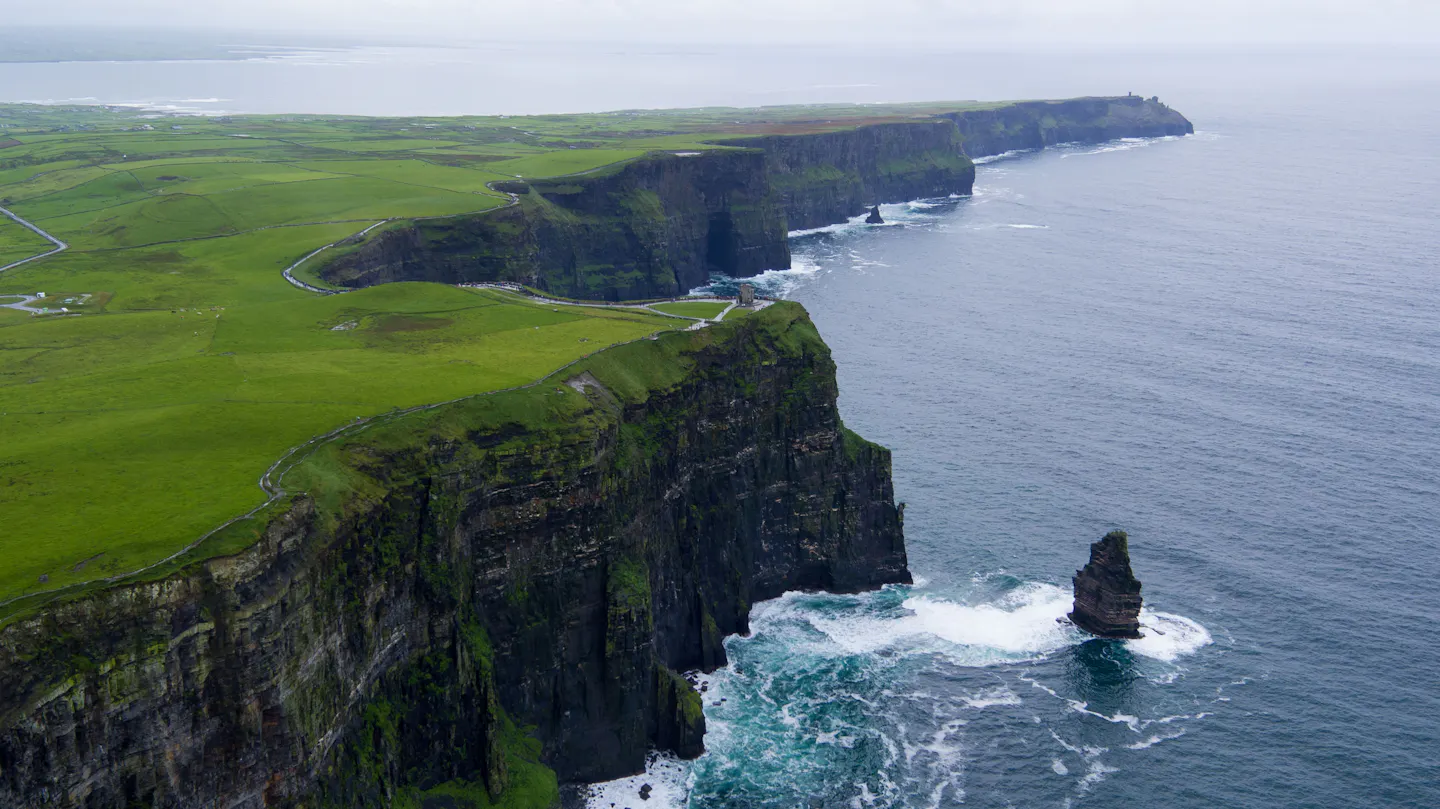
The Ring of Kerry is the biggest road-trip day of this itinerary. The full scenic circuit around the Iveragh Peninsula is about 179 kilometres, but the distance is not the difficult part. You will want to stop often, and some roads are narrow, so treat it as a full-day experience.
A simple Ring of Kerry route
- Leave Killarney early.
- Drive toward Killorglin and continue around the Iveragh Peninsula.
- Stop for coastal views around Glenbeigh or Cahersiveen.
- Continue toward Waterville for lunch or a coffee break.
- Take your time around the southern part of the peninsula.
- Return toward Killarney through Moll’s Gap and Ladies View.
There are endless possible detours, beaches, ruins and viewpoints. Resist the urge to turn the day into a race. The best Ring of Kerry trip is the one where you stop when the scenery looks good and still reach Killarney before you are exhausted.
Should you add the Skellig Ring?
If the weather is good, the days are long and you are comfortable driving narrow roads, the Skellig Ring can add even more dramatic coastal scenery. For a first one-week trip, however, it is completely fine to skip it. The standard Ring of Kerry already gives you a full day.
Evening: final night in Killarney
Spend your final Kerry evening in town. By this point you have seen Ireland’s capital, the west coast, Galway, Connemara, the Cliffs of Moher and two very different landscapes in County Kerry, which is a lot for one week without changing hotels every night.
Day 7: Return to Dublin
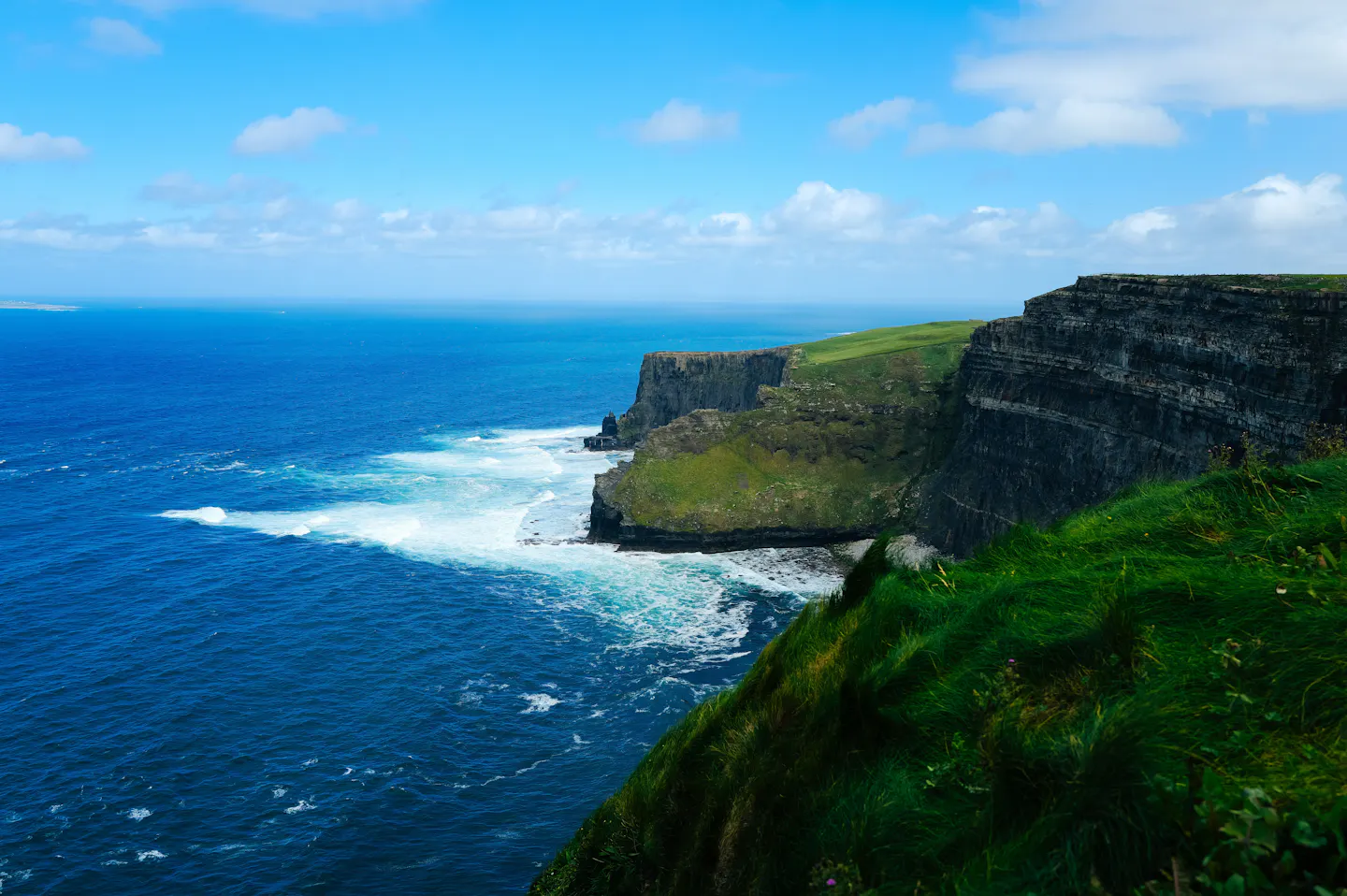
Your last day depends on your flight time. The drive from Killarney to Dublin is long enough that you should not plan a complicated sightseeing schedule before an early or midday flight.
If your flight is in the afternoon
Leave Killarney early and drive directly toward Dublin Airport. Build in extra time for traffic, fuel and returning the rental car. Do not plan a major stop.
If your flight is in the evening
You can add the Rock of Cashel as a stop on the way east. It breaks up the drive and gives you one final historic site before Dublin. Keep the visit short enough that you still have a comfortable buffer before your flight.
If you have seven nights instead of six
The easiest option is to return to Dublin on Day 7, spend the night near the city centre or airport and fly home on Day 8. This makes the final day much less stressful and gives you more flexibility if the weather or traffic changes.
Do you need a car for a one-week Ireland trip?

You do not need a car in Dublin, and you can travel from Dublin to Galway comfortably by train. For this exact route, however, a car is the easiest option from Galway onward because Connemara, the Burren, Killarney National Park and the Ring of Kerry are spread out.
A practical compromise is to take the train from Dublin to Galway, rent a car in Galway, then return it in Dublin or at Dublin Airport. Compare one-way rental fees before booking. If they are high, another simple option is to rent in Dublin and drive west after your city stay.
If you are not comfortable driving on the left, build the trip around Galway and Killarney and use organized day tours for Connemara, the Cliffs of Moher and the Ring of Kerry. You will have less flexibility, but you can still see most of the highlights.
How much driving is there in this Ireland itinerary?

This is a road trip, but it is not seven days of constant driving. The first two days are mostly car-free. Day 3 is a scenic Connemara loop, Day 4 is the longest transfer day, Day 5 is local, Day 6 is a full scenic drive and Day 7 is the return to Dublin.
The key is to avoid adding extra cities just because they look close on a map. Cork, Belfast, Dingle, Kilkenny and the Causeway Coast are all excellent, but adding several of them to this route would turn a balanced week into a rushed one.
What is the best time of year for this 7-day Ireland itinerary?

Late spring through early autumn gives you the longest daylight for driving, hiking and coastal stops. Summer also brings the biggest crowds and higher accommodation prices, especially around Dublin, Galway and Killarney.
May, June and September are especially good if you want a balance of useful daylight and slightly calmer travel. But Ireland’s weather is changeable in every season. Pack for rain, wind and sun on the same trip.
In winter, this route is still possible, but shorter daylight makes long scenic drives less forgiving. You may prefer to reduce the route and spend more time in Dublin and Galway rather than forcing the full Ring of Kerry into a short day.
What should you book in advance?

- Your first nights in Dublin, Galway and Killarney, especially for summer and weekends.
- Timed attractions in Dublin such as the Book of Kells Experience, Kilmainham Gaol and the Guinness Storehouse if they are priorities.
- Your Dublin to Galway train if you want a specific departure time.
- Your rental car, especially if you need an automatic transmission.
- Cliffs of Moher tickets. The official visitor experience recommends online booking, and early or later visits are usually calmer than the middle of the day.
- Any guided Connemara, Cliffs of Moher or Ring of Kerry tour if you are traveling without a car.
What should you pack for one week in Ireland?

- A proper waterproof jacket rather than only a small umbrella.
- Comfortable walking shoes with good grip.
- Layers that are easy to add or remove.
- A small day bag for city walks and scenic stops.
- A reusable water bottle.
- A power adapter if you are arriving from a country that does not use Type G plugs.
- Offline maps or downloaded routes for rural areas.
- Something slightly nicer for dinners, but there is no need to overpack. Most of this trip is casual.
How much should you try to see in 7 days?

Less than you think. Ireland looks small, but scenic roads take time and the best parts of the trip often happen between major attractions. A seven-day trip is much better when you choose three bases and explore around them than when you sleep in a different town every night.
This route is designed around that idea. Dublin gives you history and city energy. Galway and Connemara give you the west-coast atmosphere. The Cliffs of Moher and the Burren connect you to County Kerry, where Killarney National Park and the Ring of Kerry give you the classic road-trip scenery many first-time visitors imagine when they think of Ireland.
FAQ: 7 days in Ireland
Is 7 days enough for Ireland?
Yes. Seven days is enough for a strong first trip if you focus on one route. You will not see the whole island, but you can comfortably combine Dublin, Galway, the Cliffs of Moher and County Kerry without making every day a transfer day.
Should I visit Dublin, Galway and Killarney in one week?
Yes. They work well together because each base offers something different and they form a logical route from east to west and then south. This combination is one of the easiest ways to balance cities with nature on a first Ireland trip.
Can I add Belfast or Northern Ireland?
You can, but not without removing something else. If Belfast and the Causeway Coast are priorities, build a north-focused itinerary instead of adding them on top of Galway and Kerry. One week is too short to do both routes properly.
Is the Ring of Kerry worth it on a 7-day trip?
Yes, especially if dramatic scenery is one of your main reasons for visiting Ireland. Give it a full day and avoid adding another long drive that evening.
Is Galway worth staying overnight?
Yes. Galway is much better as an overnight base than as a quick stop. Staying two nights gives you time for the city itself and a full day in Connemara without rushing.
Can I do this Ireland itinerary without a car?
Mostly, but not as easily. Dublin and Galway are simple without a car. For Connemara, the Cliffs of Moher and the Ring of Kerry, organized tours are the easiest alternative. Killarney National Park can also be explored on foot, by bike, jaunting car and local tour options.
Plan your 7-day Ireland trip with EasyMiles
A one-week Ireland trip looks simple on a map, but the difficult part is turning all these places into days that actually work. Opening hours, weather, driving time, restaurant choices and your own travel pace can change what makes sense from one day to the next.
EasyMiles helps you plan the whole trip around your actual dates, interests, food preferences and preferred pace. It can build a realistic day-by-day itinerary, combine sights and restaurants that make sense together, suggest what to see and where to eat, and help you adjust the plan when the weather changes or your day does not go exactly as expected.
Instead of starting with a generic list of Ireland attractions and trying to connect them yourself, you can use EasyMiles to turn the route into a trip that feels personal and practical. That is especially useful in Ireland, where a rainy morning, a longer scenic stop or a spontaneous pub evening can easily change the rest of the day.
Plan your Ireland itinerary with EasyMiles and spend less time organizing the route and more time actually enjoying it.