
The cheapest places to visit in Europe in January are Skopje, Sarajevo, Sofia, Bucharest, Plovdiv, Belgrade, Tirana, Kotor, Kraków, Wrocław, Budapest, Vilnius, Riga, Bratislava, and Thessaloniki. They combine relatively low everyday costs with January’s low-season hotel rates, fewer tourists, and plenty to do even when the weather is cold.
If your main goal is to spend as little as possible, look first at the Balkans. Current European price-level data puts North Macedonia, Bosnia and Herzegovina, Bulgaria, Romania, Montenegro, Serbia, Albania, and Poland among the lower-price markets in Europe. January can make them even better value because demand falls sharply after the New Year holiday period.
For the lowest prices, try to travel after the first week of January. New Year’s Eve and the first few days of the month can still be expensive, while mid- and late January are usually much quieter.
The 15 best budget destinations for January are:
- Skopje, North Macedonia — best for the lowest overall costs and a short cultural city break.
- Sarajevo, Bosnia and Herzegovina — best for food, history, cafés, and winter atmosphere.
- Sofia, Bulgaria — best for an affordable capital with museums, nightlife, and nearby mountains.
- Bucharest, Romania — best for cheap city breaks with a big-city feel.
- Plovdiv, Bulgaria — best for a smaller, slower, very affordable old-town trip.
- Belgrade, Serbia — best for nightlife, restaurants, and a social winter weekend.
- Tirana, Albania — best for mild-ish Balkan weather, food, museums, and modern city energy.
- Kotor, Montenegro — best for dramatic scenery without summer prices.
- Kraków, Poland — best for a classic European old town at low-season rates.
- Wrocław, Poland — best for a beautiful, less obvious Polish city break.
- Budapest, Hungary — best for thermal baths, architecture, and strong January hotel value.
- Vilnius, Lithuania — best for a compact old town, cafés, and a quieter winter weekend.
- Riga, Latvia — best for Art Nouveau, markets, and a low-season Baltic break.
- Bratislava, Slovakia — best for a small capital that is easy to explore in two or three days.
- Thessaloniki, Greece — best for food and a milder January trip without summer crowds.
Why Is January a Good Month for Budget Travel in Europe?

January sits in a useful gap in the European travel calendar. Christmas markets are ending, New Year crowds go home, and the spring city-break season has not started yet. That usually means softer hotel demand, better flight deals on many routes, and much smaller crowds at major sights.
The exception is the first week of the month. If you are traveling around New Year or the January 6 holiday period, prices can still be elevated in popular cities. For the best value, mid-January is usually the sweet spot.
There is one important trade-off: weather. Northern and Central Europe can be very cold, days are short, and snow or rain can affect plans. The smartest January destinations are therefore cities where the trip still works indoors — with museums, historic cafés, markets, restaurants, thermal baths, galleries, and compact old towns.
Skopje, North Macedonia: One of Europe’s Cheapest January City Breaks
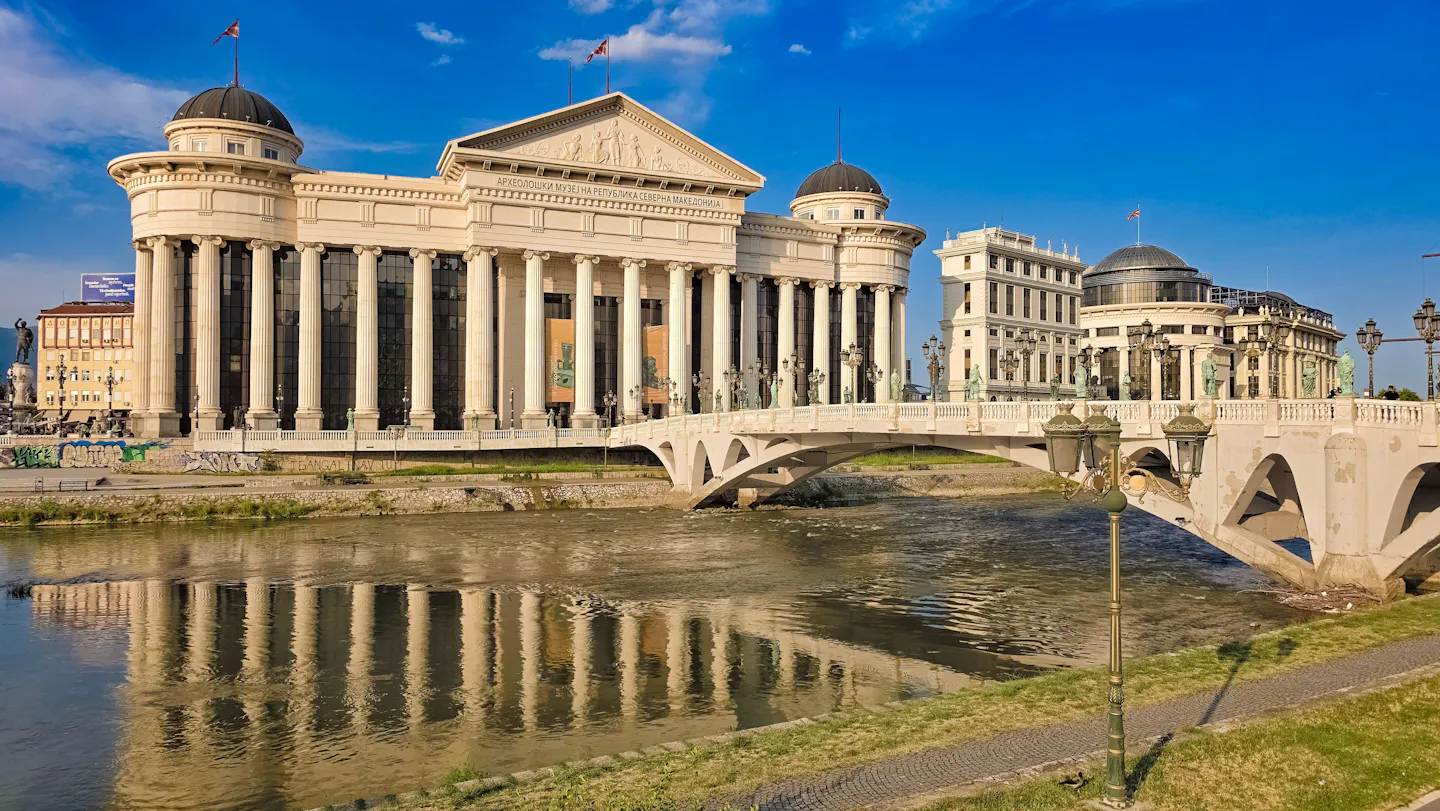
Skopje is one of the strongest choices if your priority is keeping the total cost low. North Macedonia has one of the lowest overall price levels in Europe, and January is far outside the main travel season.
Why Skopje is good value in January
Accommodation, local food, coffee, and public transport are usually easier on the budget here than in better-known Central European capitals. You also do not need a long list of expensive attractions to fill a weekend.
What to do in Skopje in January
Walk across the Stone Bridge, explore the Old Bazaar, visit the Kale Fortress, and spend time in the city’s cafés and traditional restaurants. If the weather is clear, Matka Canyon can work as a half-day trip, although winter conditions should always decide whether it makes sense.
Best for: solo travelers, couples, first-time Balkan trips, food lovers, and anyone trying to keep daily costs low.
Sarajevo, Bosnia and Herzegovina: Cheap Food, History, and Winter Atmosphere
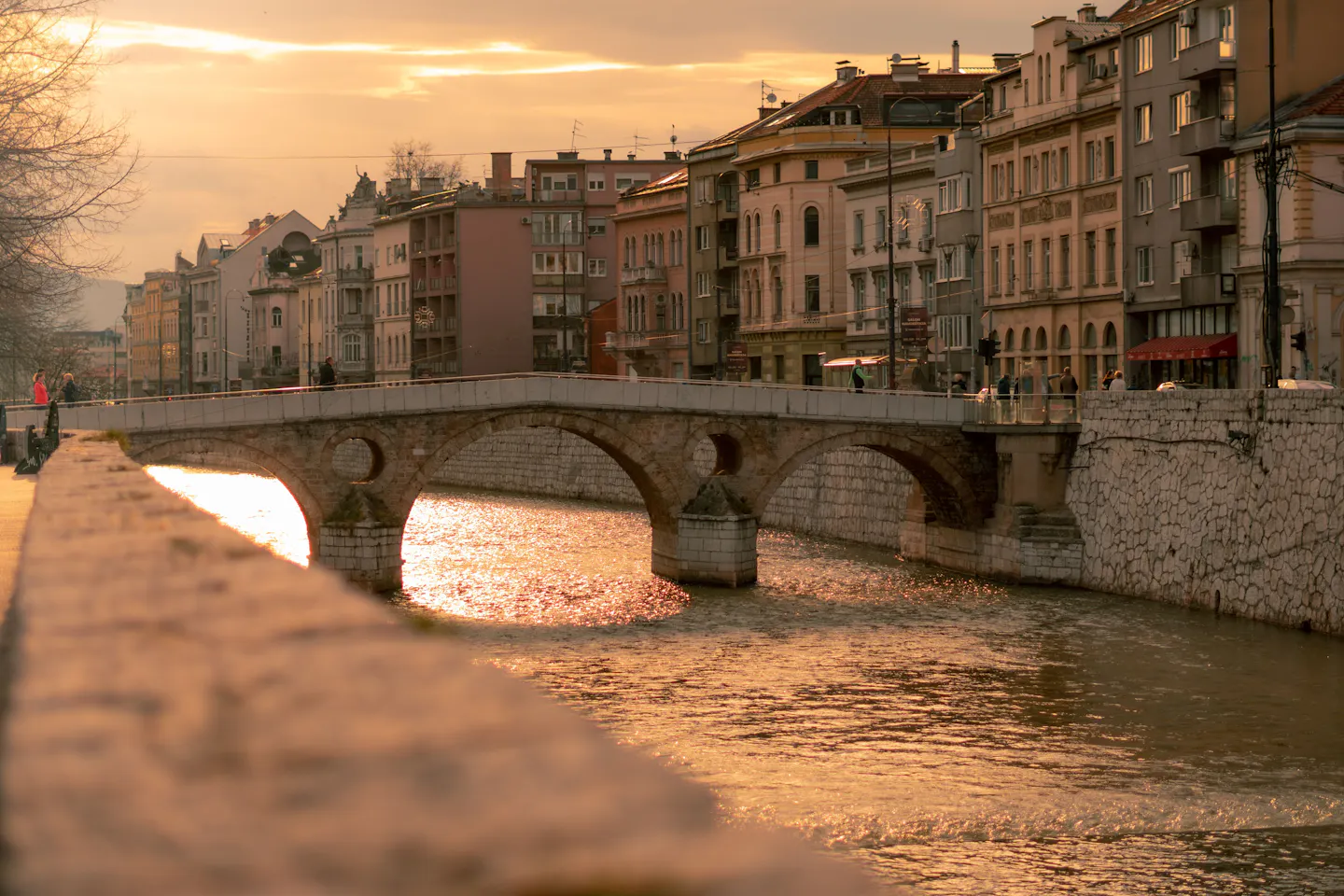
Sarajevo is one of the most interesting low-cost city breaks in Europe because the experience feels much bigger than the budget. Ottoman streets, Austro-Hungarian architecture, mountain views, Bosnian coffee, and twentieth-century history all sit within a compact city.
Why Sarajevo is affordable in January
Bosnia and Herzegovina remains one of Europe’s lower-price travel markets, especially for local meals, cafés, and simple accommodation. January is also quiet outside the ski areas in the surrounding mountains.
What to do in Sarajevo in January
Start in Baščaršija, walk toward the Latin Bridge, try ćevapi and burek, and spend a cold afternoon in the city’s museums. On a clear day, head up toward Trebević for views over Sarajevo. The mix of snow, smoke from chimneys, coffee shops, and old streets gives the city a particularly strong winter atmosphere.
Best for: history lovers, food travelers, couples, photographers, and travelers who want a distinctive winter city break.
Sofia, Bulgaria: A Budget Capital With Mountains Next Door
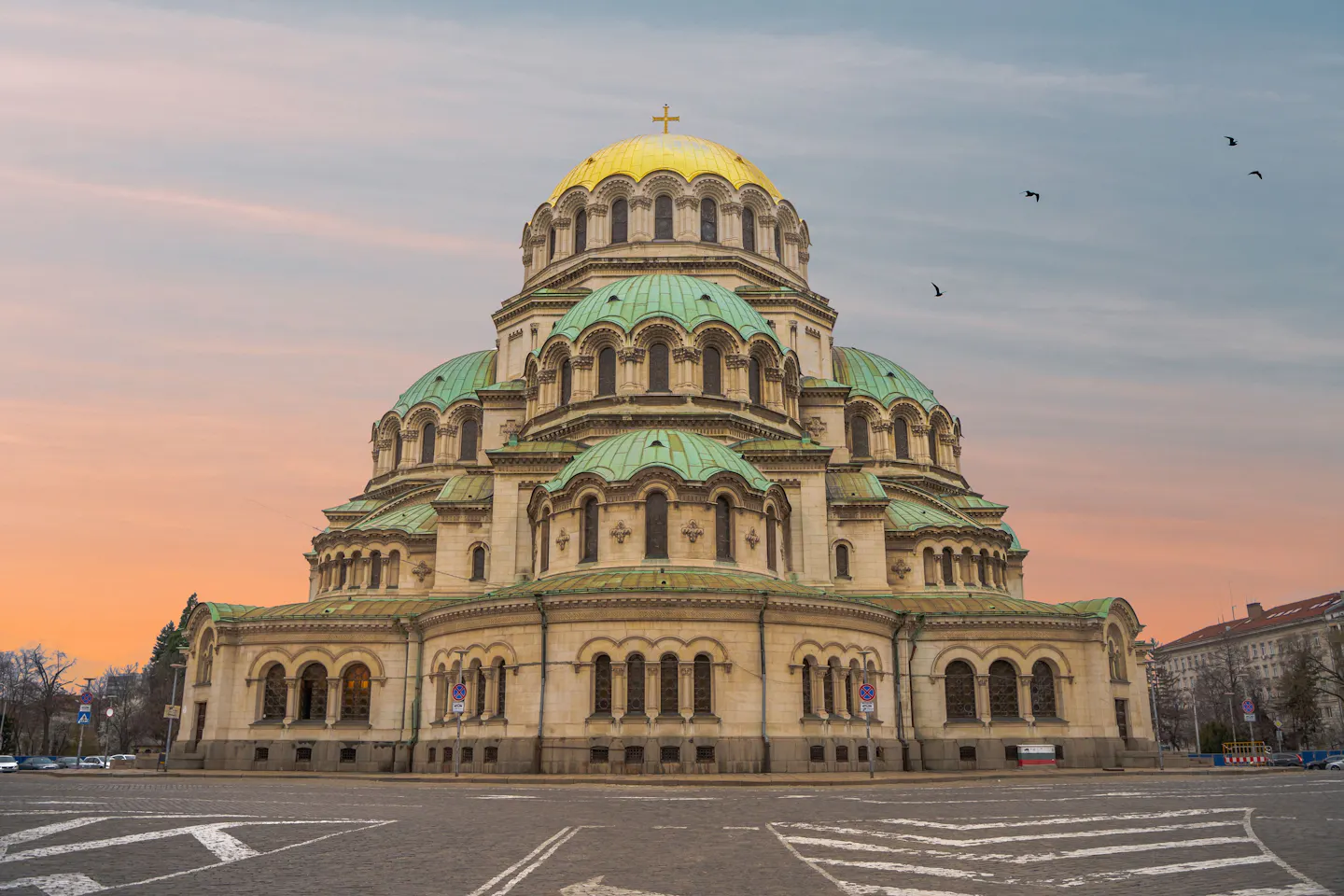
Sofia is one of the easiest affordable capitals to recommend in January. Bulgaria has the lowest overall consumer price level in the European Union in the latest comparable data, and Sofia gives you far more than a cheap hotel.
Why Sofia is cheap in January
Winter is low season for international city-break visitors, while restaurants, public transport, museums, and everyday services remain relatively affordable compared with Western European capitals.
What to do in Sofia in January
Visit Alexander Nevsky Cathedral, walk past the Roman ruins around Serdika, explore the National Archaeological Museum, and spend an evening around the cafés and bars near the center. If there is good snow and clear weather, Vitosha Mountain gives you an easy way to add a winter-nature day without changing hotels.
Best for: budget travelers, weekend trips, museum lovers, nightlife, and travelers who want city and mountain options together.
Bucharest, Romania: Big-City Energy Without Western European Prices

Bucharest works well if you want a proper capital-city trip but do not want to pay Paris, Amsterdam, or Copenhagen prices. Romania remains one of the lowest-price countries in the EU, particularly for food and everyday spending.
Why Bucharest is good value in January
January is a quiet period for leisure travel, so accommodation can be noticeably easier to find at reasonable rates than during busy spring and autumn weekends. Public transport is useful, local restaurants can still be affordable, and many of the city’s best experiences are inexpensive.
What to do in Bucharest in January
See the Romanian Athenaeum, walk through the historic center, explore the huge Palace of Parliament if that history interests you, and spend time in the city’s cafés, bookstores, and museums. If you want one bigger splurge, a winter day at Therme Bucharest can be a nice contrast to the cold.
Best for: couples, nightlife, architecture, first-time Romania trips, and travelers who want a large city on a smaller budget.
Plovdiv, Bulgaria: A Smaller and Even Slower Budget Break
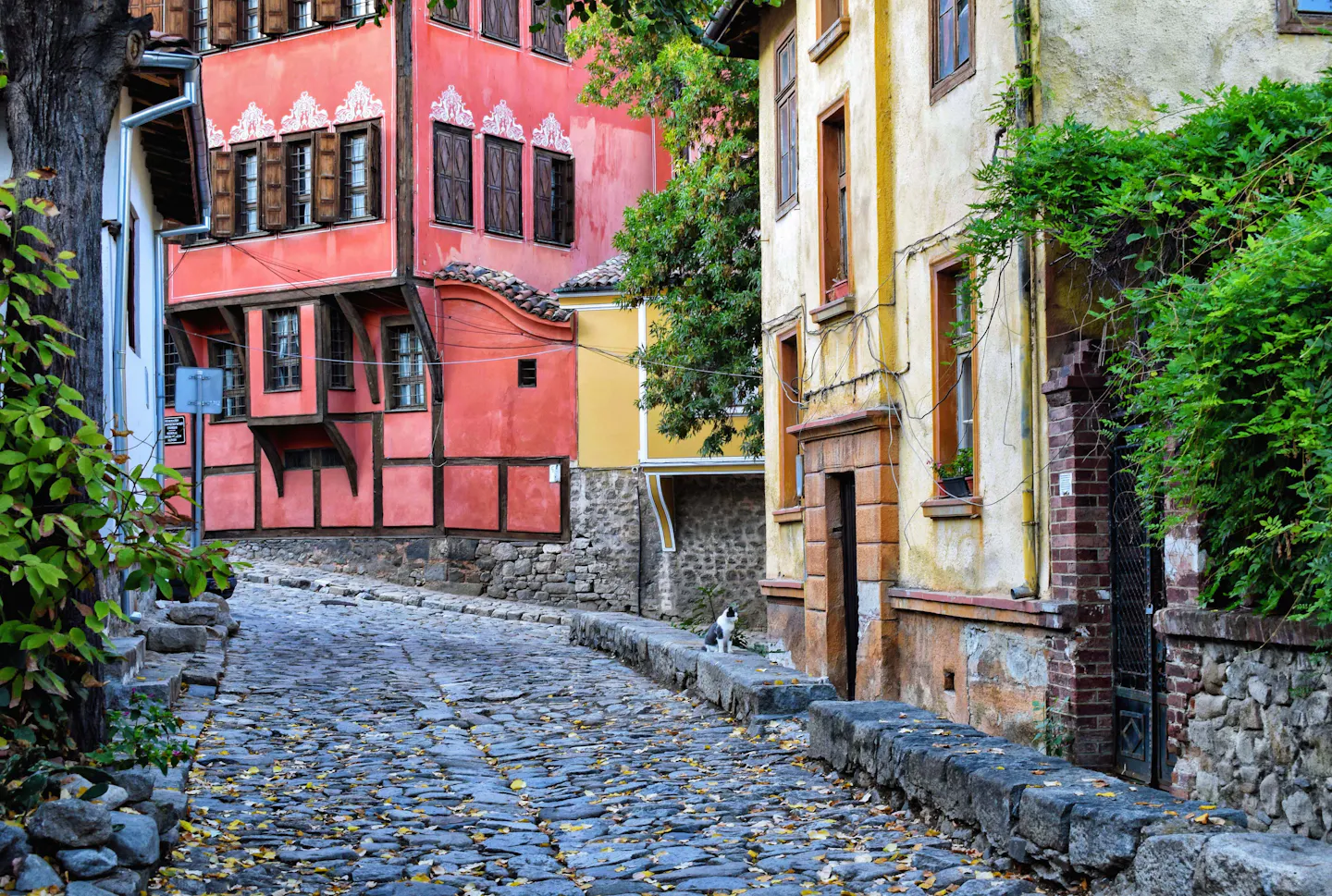
Plovdiv is a good answer when Sofia feels too big. It is one of Europe’s oldest cities, with a colorful old town, Roman ruins, galleries, and the creative Kapana district, all packed into a walkable center.
Why Plovdiv is cheap in January
You benefit from Bulgaria’s generally low price level and from a much quieter winter season. Because the center is compact, you can also keep transport spending close to zero once you arrive.
What to do in Plovdiv in January
Walk through the Old Town, see the Ancient Theatre, explore the Roman Stadium area, and spend the afternoon in Kapana’s cafés and small shops. Winter is not the time for long outdoor evenings, but Plovdiv works very well as a two- or three-day culture-and-food trip.
Best for: couples, slow travelers, architecture lovers, photographers, and travelers who prefer smaller cities.
Belgrade, Serbia: Best Cheap January Destination for Nightlife
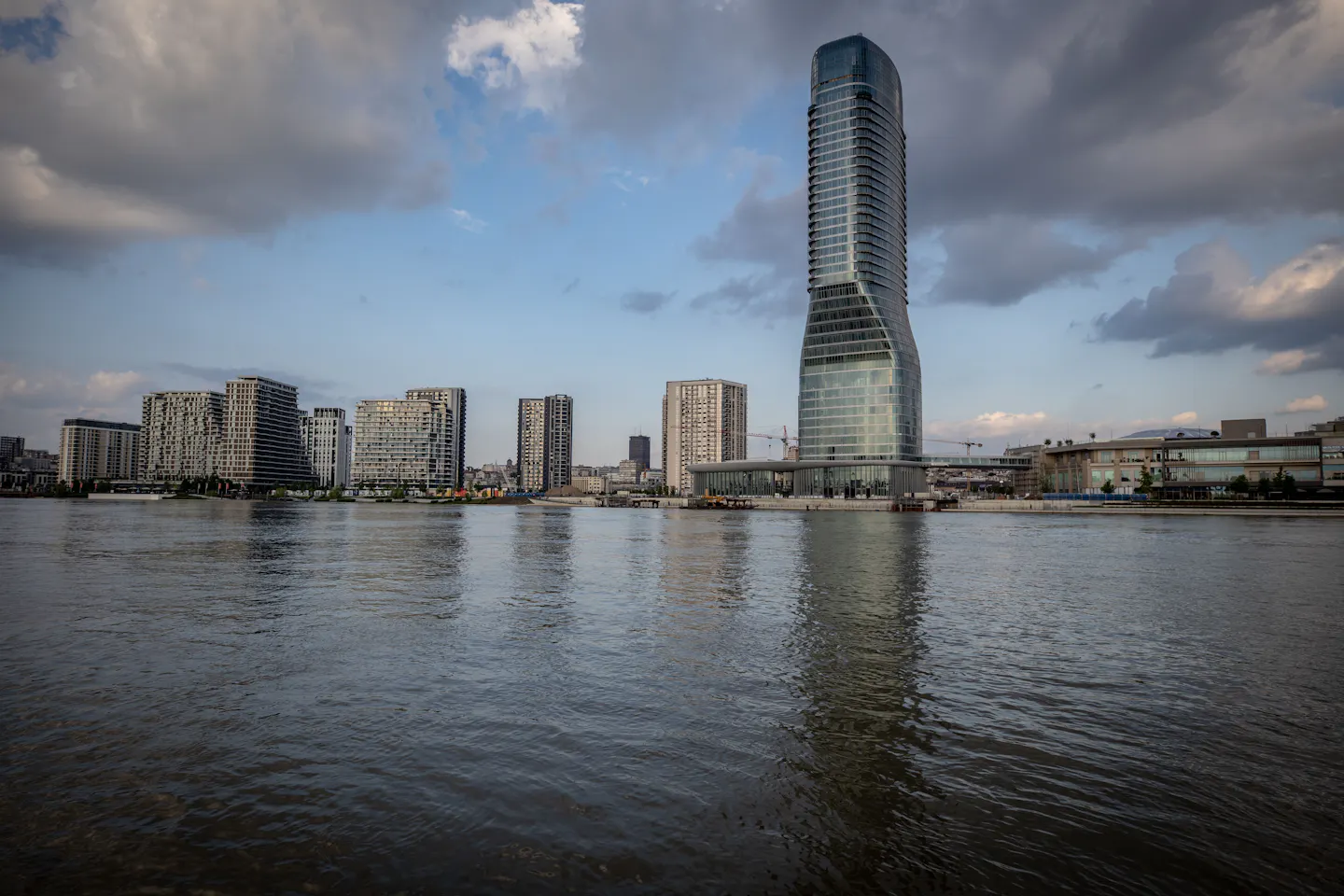
Belgrade is less polished than some famous European capitals, but that is part of the appeal. The city is lively, social, food-focused, and still relatively affordable for a major capital.
Why Belgrade offers good January value
Serbia’s overall price level remains well below the EU average. January also gives you lower leisure-travel demand, while Belgrade’s restaurants, bars, clubs, and cultural life continue through winter.
What to do in Belgrade in January
Walk through Kalemegdan Fortress, explore Knez Mihailova, have a long lunch in a traditional restaurant, and cross to Zemun for a different side of the city. Belgrade is especially good at night, so short winter days are less of a problem here than they are in destinations built mainly around outdoor sightseeing.
Best for: friends, solo travelers, nightlife, food, live music, and travelers who like energetic cities.
Tirana, Albania: Affordable Food, Museums, and a More Modern Side of the Balkans
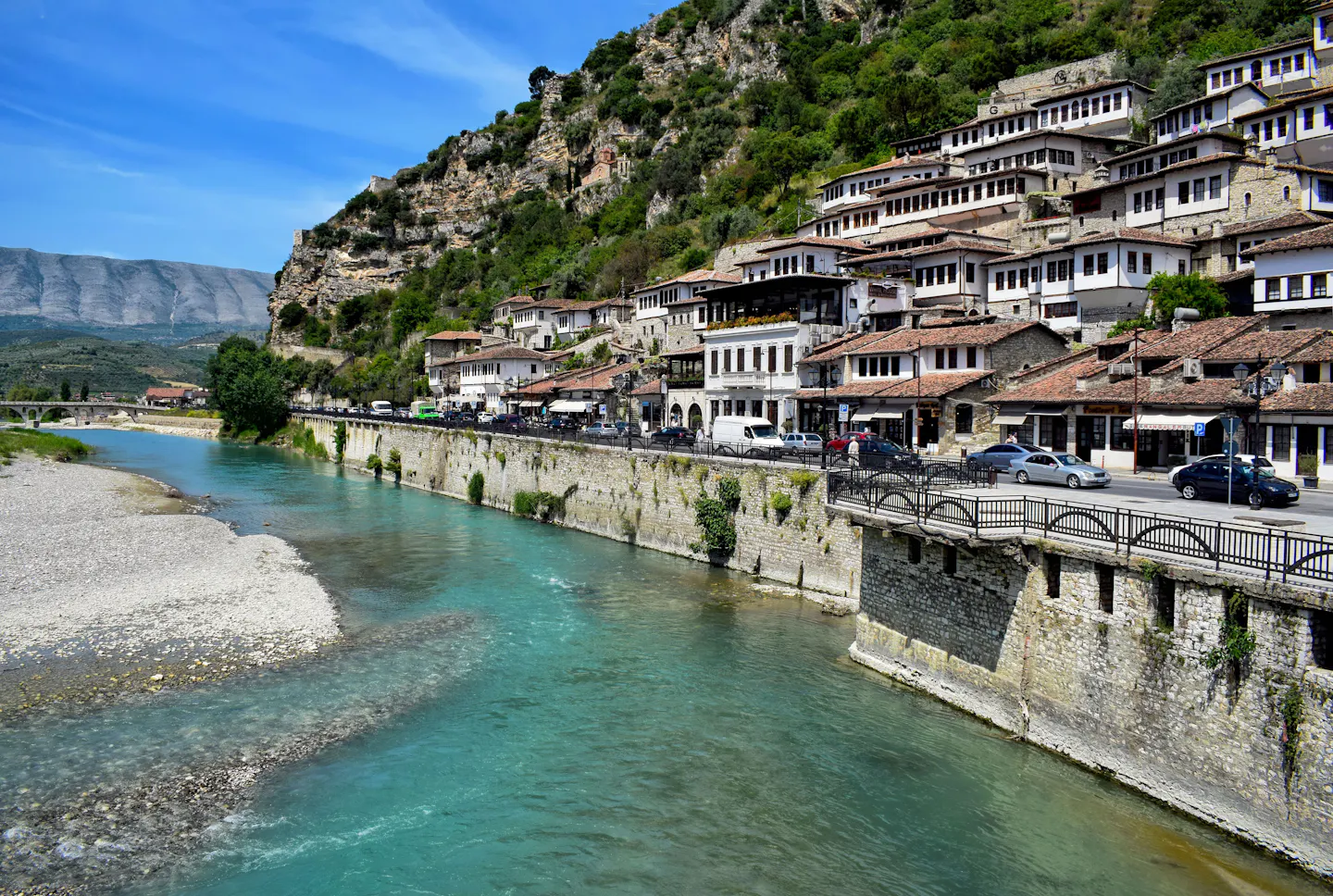
Tirana has changed quickly over the last few years. It is colorful, busy, café-heavy, and much more interesting than treating it as a simple airport stop on the way to the Albanian coast.
Why Tirana is a good January budget choice
Albania can be expensive on parts of the Riviera in summer, but Tirana in January is a completely different price environment. There is no beach-season demand, and local food, coffee, taxis, and everyday spending can remain reasonable.
What to do in Tirana in January
Start at Skanderbeg Square, visit Bunk’Art or Bunk’Art 2, explore the Blloku district, and eat your way through local restaurants and bakeries. On a clear day, the Dajti area can add a mountain view to the trip.
Best for: food travelers, couples, museum lovers, first-time Albania trips, and people who want a less traditional European capital.
Kotor, Montenegro: Dramatic Scenery at Off-Season Prices
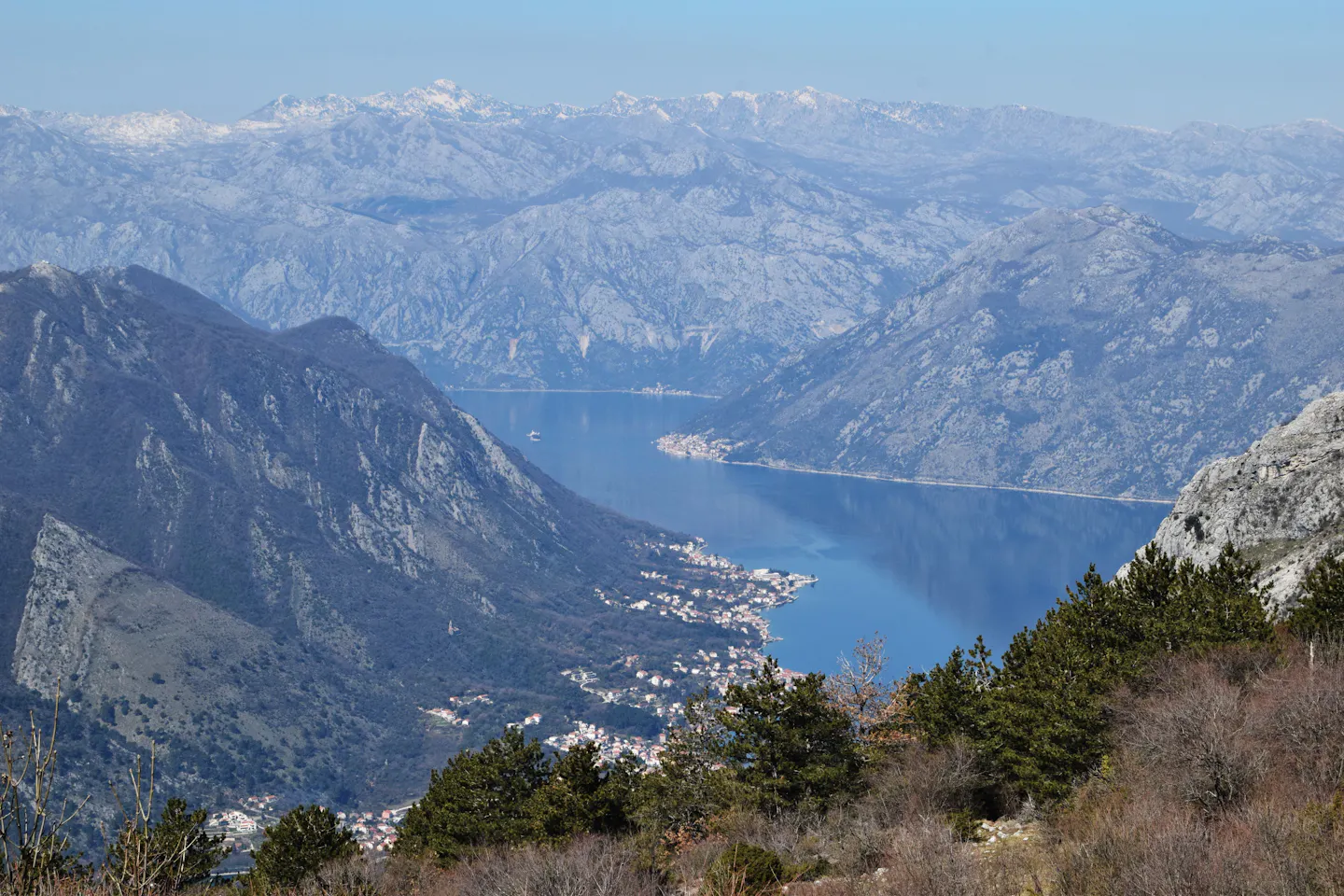
Kotor is not a budget destination in July or August. In January, it is a different story. The cruise crowds disappear, the bay becomes quiet, and accommodation can be much cheaper than in the peak Mediterranean season.
Why Kotor can be cheap in January
Montenegro remains below the EU average in general price levels, and Kotor has one of the strongest seasonal price swings on this list. The trade-off is that some restaurants, tours, and seasonal businesses close for winter.
What to do in Kotor in January
Explore the walled Old Town without summer crowds, walk along the bay, visit churches and small museums, and take a day trip toward Perast if transport and weather cooperate. Hiking above town can be beautiful on a clear day, but wet stone and winter conditions can make the climb unsafe, so do not force it.
Best for: couples, photographers, road trips, slow travel, and travelers who care more about atmosphere than nightlife.
Kraków, Poland: A Classic European City at Its Quietest
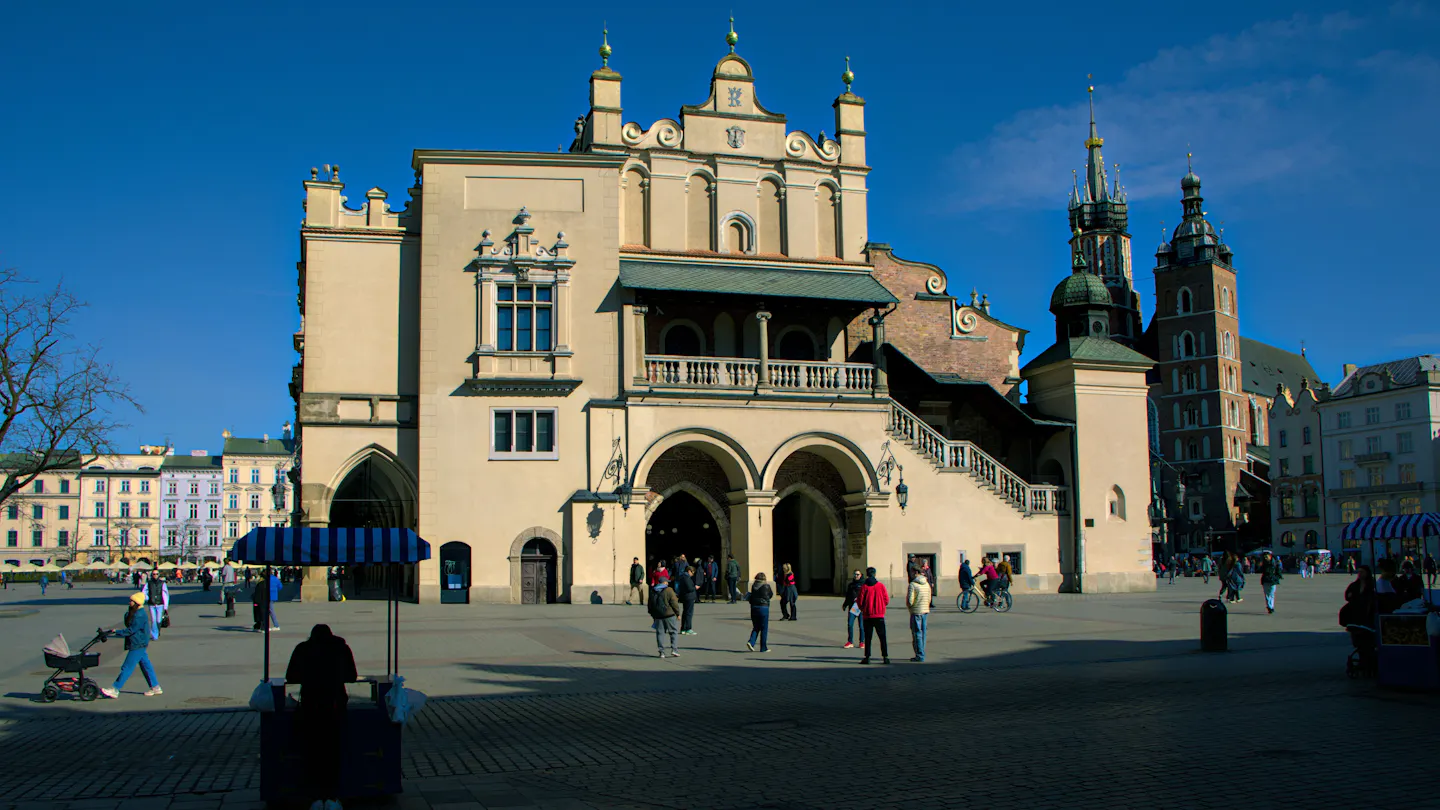
Kraków is one of the best January choices if you want the postcard-Europe experience without peak-season crowds. The Old Town, Wawel, Kazimierz, museums, cafés, and hearty Polish food all work well in winter.
Why Kraków is cheaper in January
After the New Year period and the January 6 holiday, visitor numbers fall sharply. Hotels and flights often become better value, while Poland remains one of the lower-price countries in the EU overall.
What to do in Kraków in January
Walk around Rynek Główny, visit Wawel, spend time in Kazimierz, and use cold or grey days for museums. The Wieliczka Salt Mine is an especially useful winter day trip because the main experience is underground. Expect real winter weather, and do not plan the entire trip around snow — January can also mean cold rain or slush.
Best for: first-time Europe trips, couples, history, food, museums, and travelers who want a beautiful old town on a budget.
Wrocław, Poland: A Cheaper Alternative to Europe’s Most Famous City Breaks
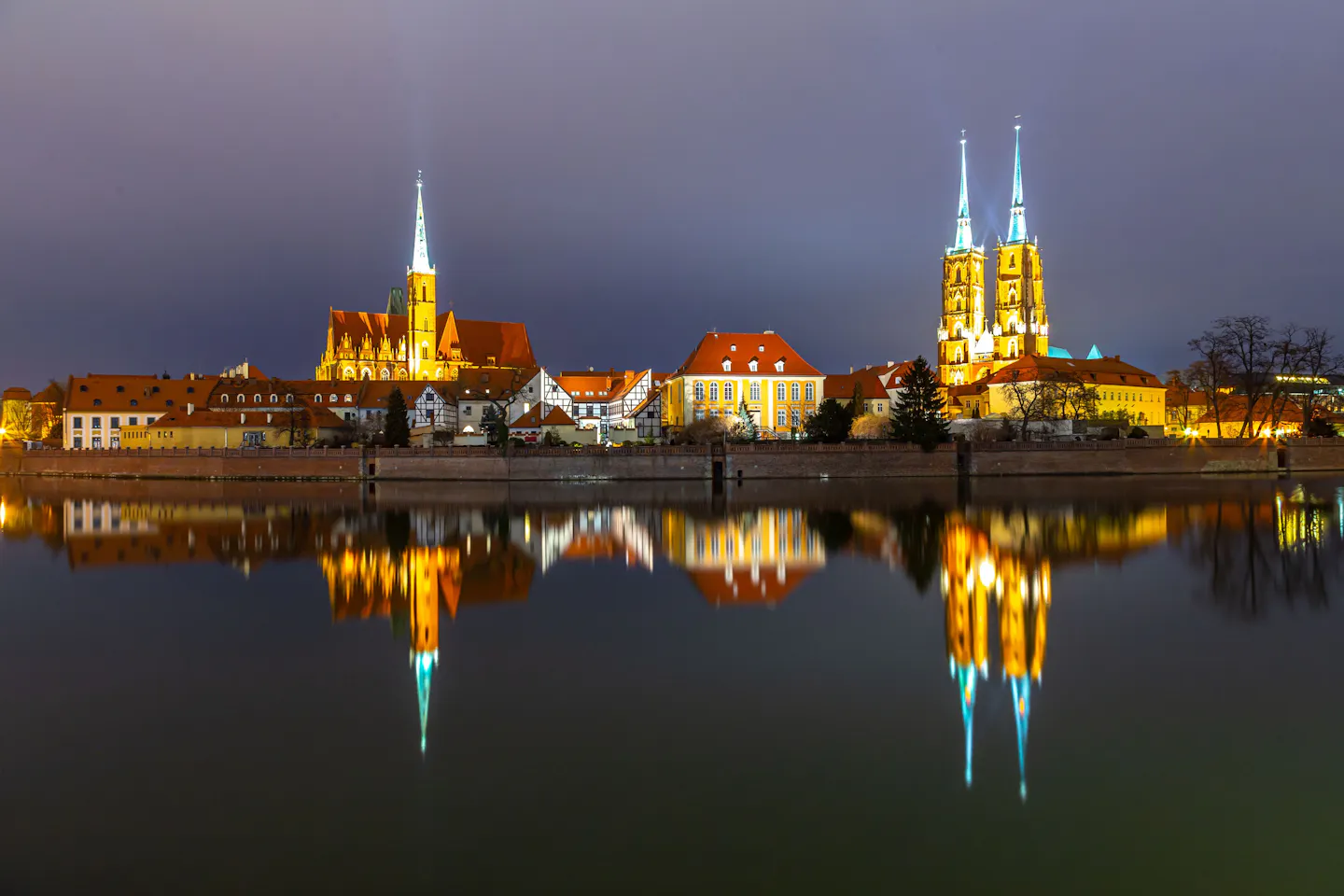
Wrocław is colorful, walkable, and full of character, but it still receives less international attention than Kraków or Prague. That can make it a smart January choice.
Why Wrocław works for a budget trip
Poland’s overall price level is below the EU average, and January avoids the busier spring, summer, and Christmas-market periods. The compact center also means you can do a lot on foot.
What to do in Wrocław in January
Explore the Market Square, walk to Cathedral Island, look for the city’s small bronze dwarf statues, and warm up in cafés and museums. If the weather is poor, the city has enough indoor attractions to fill a short break without relying on expensive tours.
Best for: couples, families, architecture, relaxed weekends, and travelers who have already seen Kraków.
Budapest, Hungary: Strong January Value for a Famous Capital

Budapest is not the rock-bottom bargain it once was, but January can still make it one of Europe’s best-value major capitals. The city has the advantage of feeling like a big trip even when you are only there for three days.
Why Budapest is cheaper in January
Hotel demand drops after New Year, and Hungary’s overall price level remains below the EU average. You can also build a good itinerary around walking, markets, inexpensive local food, and only one or two paid highlights.
What to do in Budapest in January
Walk along the Danube, explore Buda Castle and the city’s historic neighborhoods, visit the Central Market Hall, and spend an afternoon in a thermal bath. The baths are not necessarily the cheapest activity in the city, but in January they are one of the experiences most worth paying for.
Best for: couples, first-time city breaks, architecture, thermal baths, nightlife, and travelers who want a famous destination at a better time of year.
Vilnius, Lithuania: A Compact Old Town With Winter Prices
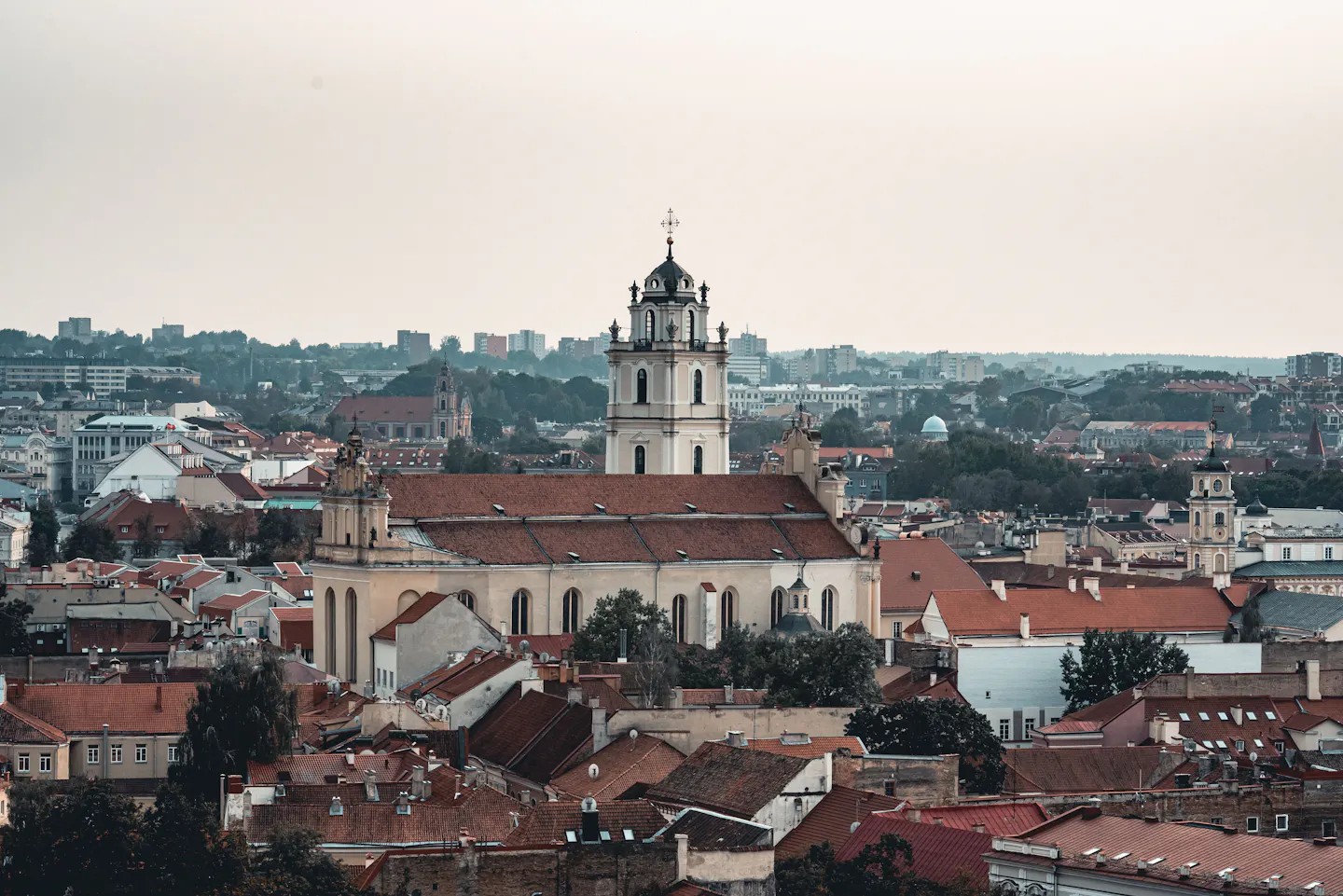
Vilnius is a good January option if you do not mind cold weather. The historic center is compact, café culture is strong, and you can build a weekend around walks, churches, museums, and food without needing expensive transport.
Why Vilnius can be affordable in January
Lithuania is not as cheap as the Balkans, but January is firmly low season. Local tourism guides currently put a basic budget traveler’s daily costs well below those of many Western European capitals when using hostels, inexpensive meals, and public transport.
What to do in Vilnius in January
Walk through the Old Town, explore Užupis, climb to a viewpoint if conditions are safe, and spend the colder hours in museums, churches, cafés, and restaurants. If you have an extra day, Trakai can look beautiful in winter, although weather and ice conditions matter.
Best for: couples, quiet weekends, café lovers, history, and travelers who like small walkable capitals.
Riga, Latvia: Budget-Friendly Baltic Architecture and Markets

Riga is another city where January changes the value equation. It is not an ultra-cheap destination anymore, but winter accommodation and a strong selection of low-cost things to do can make the total trip very reasonable.
Why Riga is good value in January
January is deep low season, and current local budget guides still show that a careful traveler can keep costs moderate with hostels, public transport, market food, and neighborhood restaurants. Riga is also cheaper than many Nordic capitals just across the Baltic Sea.
What to do in Riga in January
Explore the Old Town, walk through the Art Nouveau district, visit Riga Central Market, and plan one or two museums for the coldest part of the day. The city is especially good for a slow winter weekend built around architecture, cafés, bakeries, and long dinners.
Best for: architecture lovers, couples, photographers, markets, and travelers comparing the Baltics with Scandinavia.
Bratislava, Slovakia: A Small Capital That Works for a Short Budget Trip

Bratislava is often treated as a day trip from Vienna, but staying two or three nights can make more sense in January, when hotel prices are softer and the center is quiet.
Why Bratislava is a smart January choice
Slovakia’s overall price level is lower than Austria’s, and Bratislava is compact enough that you rarely need taxis or a complicated transport plan. It is not the cheapest city on this list, but it can offer good total-trip value.
What to do in Bratislava in January
Walk through the Old Town, visit Bratislava Castle, see the Blue Church, and stop in local cafés and pubs. On a clear winter day, the Danube views are lovely. Devín Castle can also be worth the trip if it is open and conditions are comfortable.
Best for: couples, short city breaks, Central Europe rail trips, and travelers who want a quieter alternative to Vienna or Prague.
Thessaloniki, Greece: The Best Budget Pick for Milder January Weather

If you want to avoid deep winter, Thessaloniki is one of the most useful destinations on this list. It will not feel like summer, but daytime sightseeing is usually easier than in Poland, the Baltics, or Slovakia.
Why Thessaloniki can be good value in January
Greece is not among Europe’s absolute cheapest countries, but Thessaloniki in January avoids the demand of summer and the islands. Hotels can be better value, there are few crowds, and the city’s best experience — eating — can be adapted to almost any budget.
What to do in Thessaloniki in January
Walk the waterfront, visit the White Tower, explore Ano Poli, see the Rotunda and Roman sites, and spend serious time in bakeries, markets, tavernas, and coffee shops. January is also a good month to experience the city as a real working city rather than a summer stop.
Best for: food lovers, couples, history, milder winter weather, and travelers who do not want snow.
Which January Destination Is Best for Your Budget Travel Style?

For the absolute lowest everyday costs
Start with Skopje, Sarajevo, Sofia, Plovdiv, or Bucharest. These destinations combine lower national price levels with plenty of inexpensive local food and relatively affordable accommodation.
For a famous European city without peak prices
Choose Kraków, Budapest, or Bratislava. You get recognizable architecture, museums, historic centers, and easy transport, but January is usually much less expensive than spring or summer.
For food
Sarajevo, Belgrade, Tirana, Thessaloniki, and Budapest are excellent choices. The key budget advantage is that eating locally is part of the experience, so you do not need to spend heavily on attractions to feel like you are having a full trip.
For a romantic winter weekend
Choose Kraków, Kotor, Vilnius, Riga, or Budapest. Kraków and the Baltic capitals give you classic winter atmosphere, Kotor gives you quiet scenery, and Budapest adds thermal baths.
For milder weather
Tirana, Kotor, and Thessaloniki are your best bets on this list. January can still be rainy and cool, but you are less likely to spend the whole trip dealing with snow and sub-zero temperatures.
How to Keep a January Europe Trip Cheap

Travel after the first week of January
The biggest mistake is assuming every day in January is equally cheap. New Year travel can still be expensive. Once the holiday period ends, prices and crowds often fall quickly.
Compare the total trip, not only the flight
A €25 flight can lead to an expensive weekend if the airport transfer, hotel, restaurants, and attractions cost a lot. A €60 flight to a cheaper city can easily produce a lower total trip cost.
Choose cities that work on foot
Compact places such as Plovdiv, Kraków, Vilnius, Riga, Kotor, and Bratislava let you spend less on transport while still seeing a lot.
Use lunch menus, bakeries, markets, and local restaurants
January budget travel becomes much easier when local food is affordable and good. Bakeries in the Balkans, Polish milk bars and casual restaurants, Romanian lunch menus, Baltic markets, and Greek bakeries can all keep daily food costs under control.
Do not over-plan paid attractions
You do not need three ticketed attractions every day. Mix one museum or major sight with neighborhood walks, markets, churches, viewpoints, cafés, and local food.
Pack for the weather
A cheap trip stops feeling cheap if you have to buy a coat, waterproof shoes, gloves, or an umbrella after arrival. For Central and Northern Europe, proper winter shoes matter more than another outfit.
FAQ: Cheapest Places to Visit in Europe in January
What is the cheapest country in Europe to visit in January?
For travelers choosing within Europe, North Macedonia, Bosnia and Herzegovina, Bulgaria, Romania, Montenegro, Serbia, and Albania are among the strongest low-cost choices. The exact cheapest destination depends on your flight route and accommodation dates, but the Balkans are the best place to start.
What is the cheapest EU country to visit in January?
Bulgaria is the clearest answer based on the latest comparable EU price-level data. Romania and Poland are also among the EU’s lower-cost countries and have several good January city-break options.
Is January the cheapest month to travel in Europe?
January is one of the cheapest periods for many European city breaks, especially after the first week. It is not universal: ski resorts can be expensive, and some winter-sun destinations stay popular. But for cities, January often brings some of the year’s best accommodation value.
Where is cheap and warm in Europe in January?
Truly warm weather is hard to find in mainland Europe in January. Thessaloniki, Tirana, and Kotor are milder than Central and Northern Europe, but you should still expect cool or rainy days. If warmth matters more than the lowest possible budget, the Canary Islands or southern Spain usually offer better weather but often at a higher overall cost.
Is Kraków cheap in January?
Yes, January is one of the best-value times to visit Kraków, particularly after the first week of the month. Accommodation demand falls, the city is quieter, and Poland remains relatively affordable compared with many Western European countries.
Is Budapest cheap in January?
Budapest is no longer one of Europe’s absolute cheapest capitals, but January can make it very good value. Hotel rates are often softer after New Year, and you can keep costs under control with public transport, local food, free walks, markets, and selective paid attractions.
Plan Your Budget January Trip With EasyMiles
Finding a cheap destination is only the first step. A low-cost trip can still become expensive if you choose the wrong area to stay in, cross the city several times a day, book attractions that do not match your interests, or end up eating only in the most touristy streets.
EasyMiles helps you plan the whole trip around your destination, dates, interests, food preferences, and travel pace. It combines the places you actually want to see into realistic days, suggests where to eat and what to do nearby, and helps you avoid wasting time and money on a route that does not make sense.
So whether you choose a snowy weekend in Kraków, cheap food and history in Sarajevo, thermal baths in Budapest, or a milder January break in Thessaloniki, you can use EasyMiles to turn the destination into a complete trip.