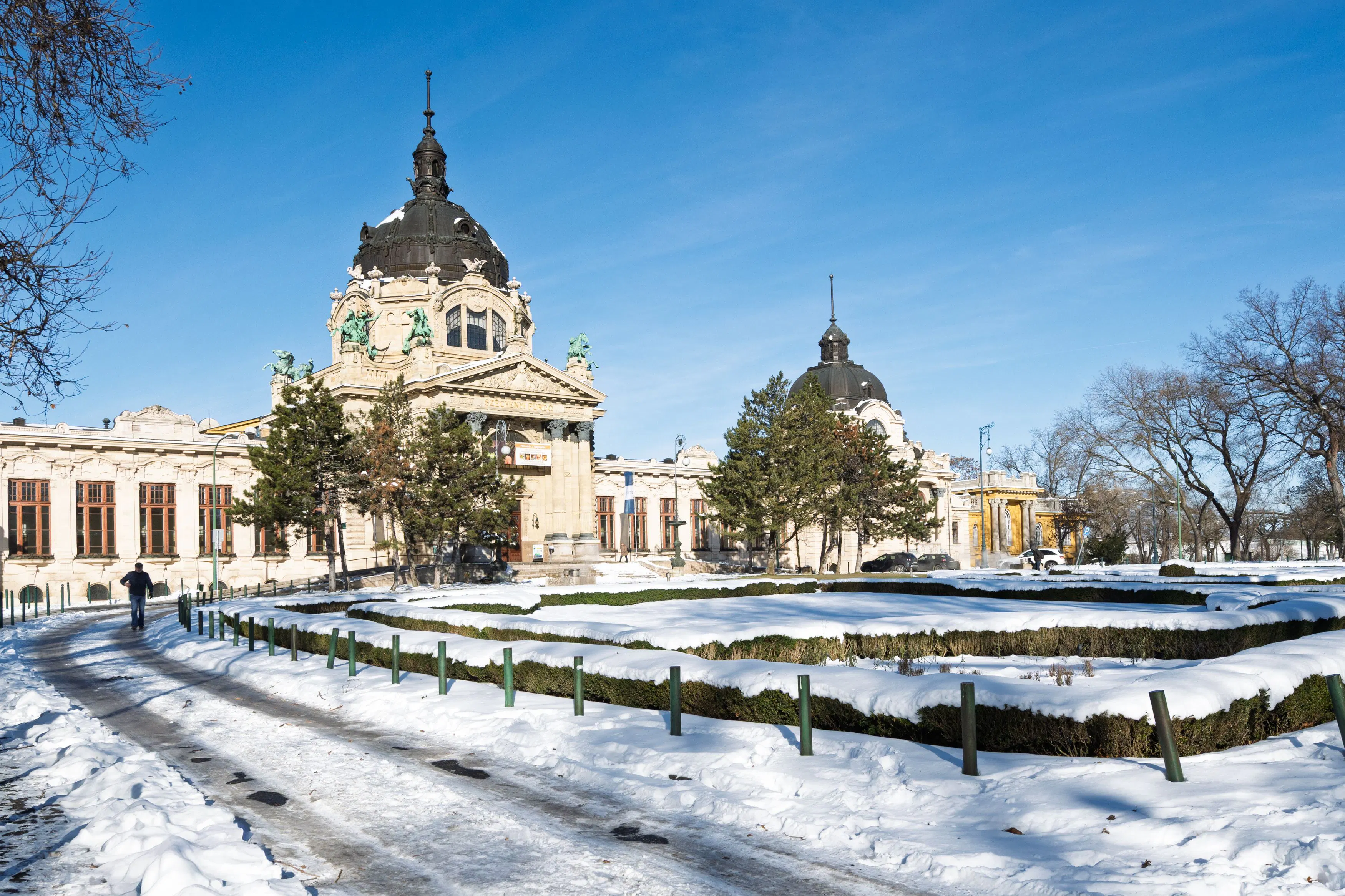
The best winter spa destinations in Europe are Budapest, Reykjavík, Bormio, Baden-Baden, Leukerbad, Längenfeld, Rovaniemi, Hévíz, Karlovy Vary, Saturnia, São Miguel in the Azores, and Andorra.
They are all good winter choices, but for very different reasons:
- Budapest, Hungary — best overall for historic thermal baths and an easy city break.
- Reykjavík, Iceland — best for geothermal pools, ocean views, and Icelandic bathing culture.
- Bormio, Italy — best for combining skiing with natural hot springs in the Alps.
- Baden-Baden, Germany — best for an elegant European spa-town weekend.
- Leukerbad, Switzerland — best for outdoor thermal pools surrounded by snowy mountains.
- Längenfeld, Austria — best for a modern Alpine thermal spa experience.
- Rovaniemi, Finland — best for Finnish sauna, ice swimming, and a real Arctic winter.
- Hévíz, Hungary — best for bathing in a natural thermal lake.
- Karlovy Vary, Czechia — best for old-world spa culture and a quieter winter break.
- Saturnia, Italy — best for natural hot springs in the Tuscan countryside.
- São Miguel, Portugal — best for volcanic hot springs without a freezing winter.
- Andorra — best for combining skiing, mountains, and a large thermal spa.
If you want one easy answer, choose Budapest for your first winter spa trip in Europe. It has several famous baths, plenty to do outside the spa, good public transport, and a winter atmosphere that works just as well for a weekend as for a longer stay. If you want snow and mountains, Bormio, Leukerbad, or Längenfeld are stronger choices. For sauna rather than thermal water, go to Finnish Lapland. And for natural hot springs with milder weather, choose Saturnia or São Miguel.
Why Europe Is So Good for a Winter Spa Trip

Europe has several very different bathing traditions in a relatively small area. In Hungary and Czechia, thermal-water culture is built into historic spa towns. In Iceland and the Azores, geothermal energy rises directly from volcanic landscapes. In Finland, the experience is less about thermal springs and more about moving between a hot sauna and very cold air or water.
Winter makes these places better, not worse. Outdoor pools steam in the cold. Alpine spas look out over snow-covered peaks. Historic bathhouses become somewhere you actually want to spend half a day. And a sauna feels much more memorable when the next step is an icy lake or a walk through fresh snow.
Here are 12 of the best winter spa destinations in Europe and what each one is actually best for.
Budapest, Hungary: Best Overall Winter Spa City in Europe
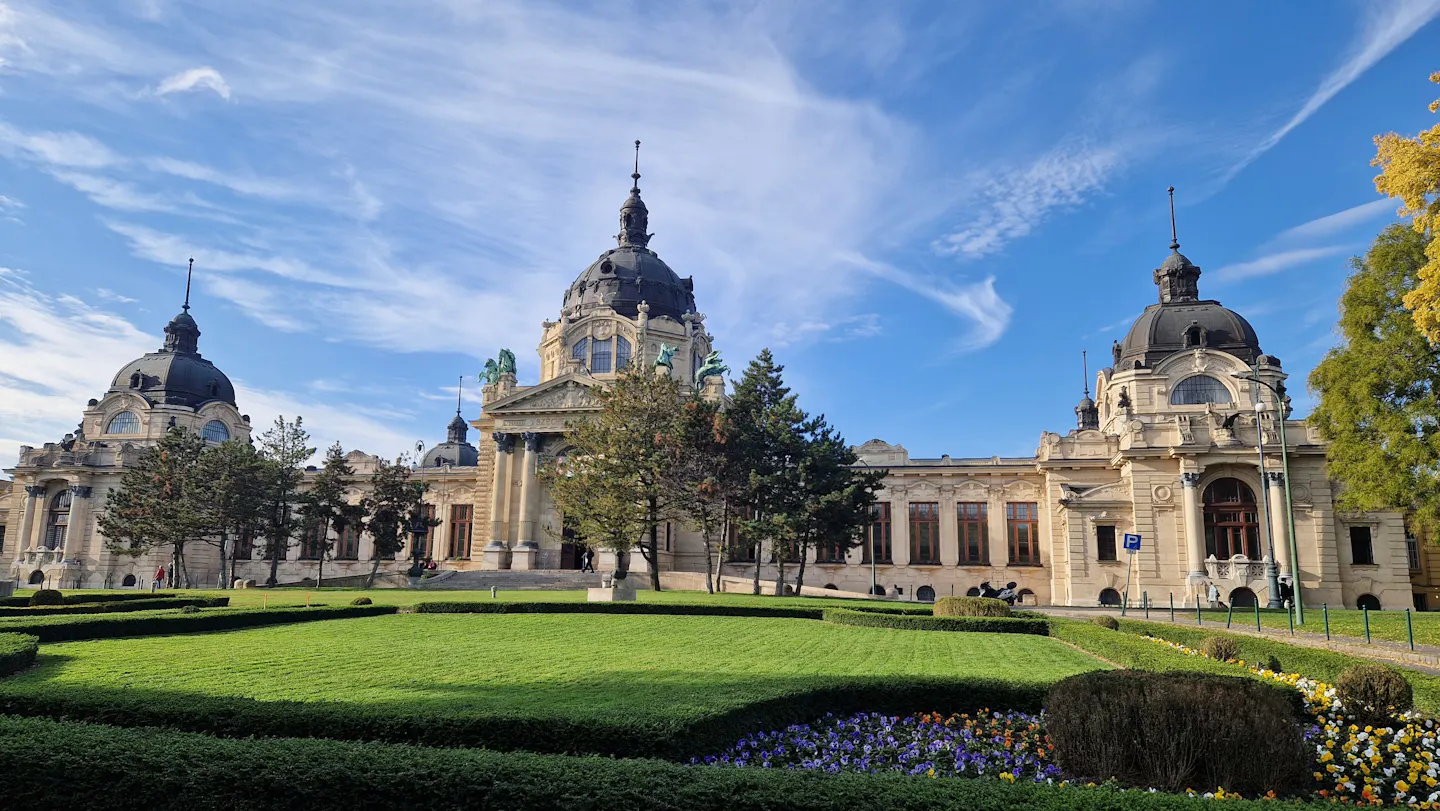
Best for: first-time spa trips, couples, city breaks, historic baths, and good value.
Budapest is probably the easiest place to recommend if you want a proper European city break built around thermal baths.
The city sits over a network of hot springs, and bathing is part of its identity rather than a luxury add-on. Széchenyi Thermal Bath is the classic winter experience: large outdoor pools, steam rising into cold air, Neo-Baroque architecture, saunas, and plenty of space to spend several hours.
Rudas Bath is a different experience. Its Ottoman-era core feels more historic, while the rooftop pool gives you views over the Danube and the city. Gellért, another famous Budapest bath, is currently closed for a major renovation, with reopening planned for 2028, so build a winter trip around Széchenyi, Rudas, Lukács, or one of the smaller Turkish baths instead.
The big advantage of Budapest is that the spa does not need to be the whole holiday. You can spend the morning at a bath, have lunch in a traditional Hungarian restaurant, walk along the Danube, visit Buda Castle, and still have bars, cafés, and museums for the evening.
How long to stay: 3 to 4 days.
Reykjavík, Iceland: Best for Geothermal Pools and Ocean Views
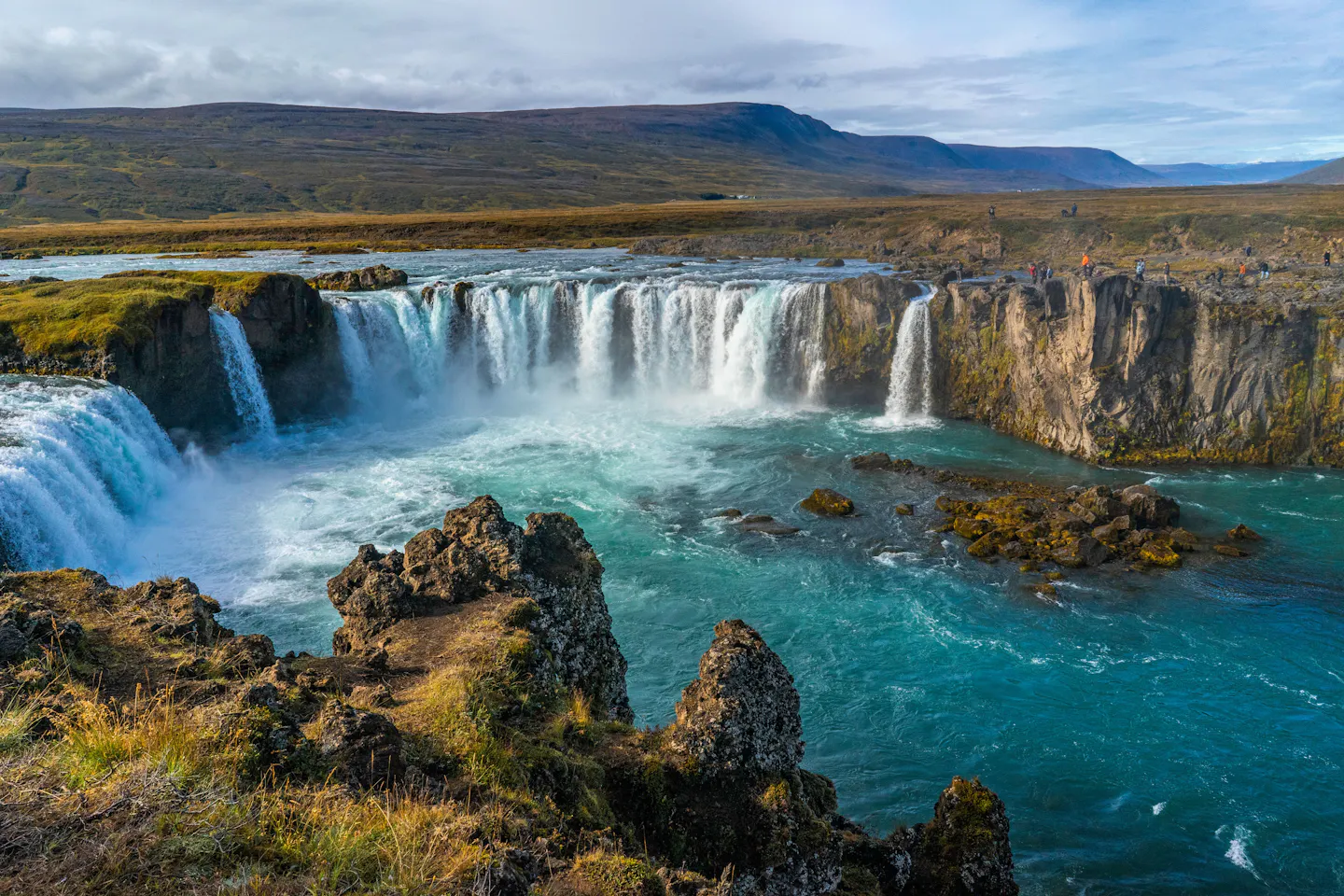
Best for: geothermal bathing, couples, winter landscapes, Northern Lights trips, and travelers who want spa time without staying in a resort.
Iceland is one of the most obvious places in Europe for geothermal bathing, but you do not need to build the whole trip around one famous lagoon.
Reykjavík has a strong everyday pool culture, with geothermal outdoor pools and hot tubs used by locals throughout the year. That makes it easy to combine a more affordable neighborhood pool with one premium spa experience.
Sky Lagoon is the most convenient luxury option near the city. Its warm infinity lagoon faces the North Atlantic, and the bathing ritual combines warm water, cold exposure, sauna, steam, and fresh air. In winter, the contrast is exactly the point.
You can also use Reykjavík as a base for a larger Iceland trip, adding waterfalls, black-sand beaches, hot springs, and possibly the Northern Lights. Conditions can change quickly in winter, so keep the itinerary realistic rather than trying to drive the entire island in a few days.
How long to stay: 3 to 5 days in Reykjavík, longer if you add a road trip.
Bormio, Italy: Best for Skiing and Hot Springs in the Alps
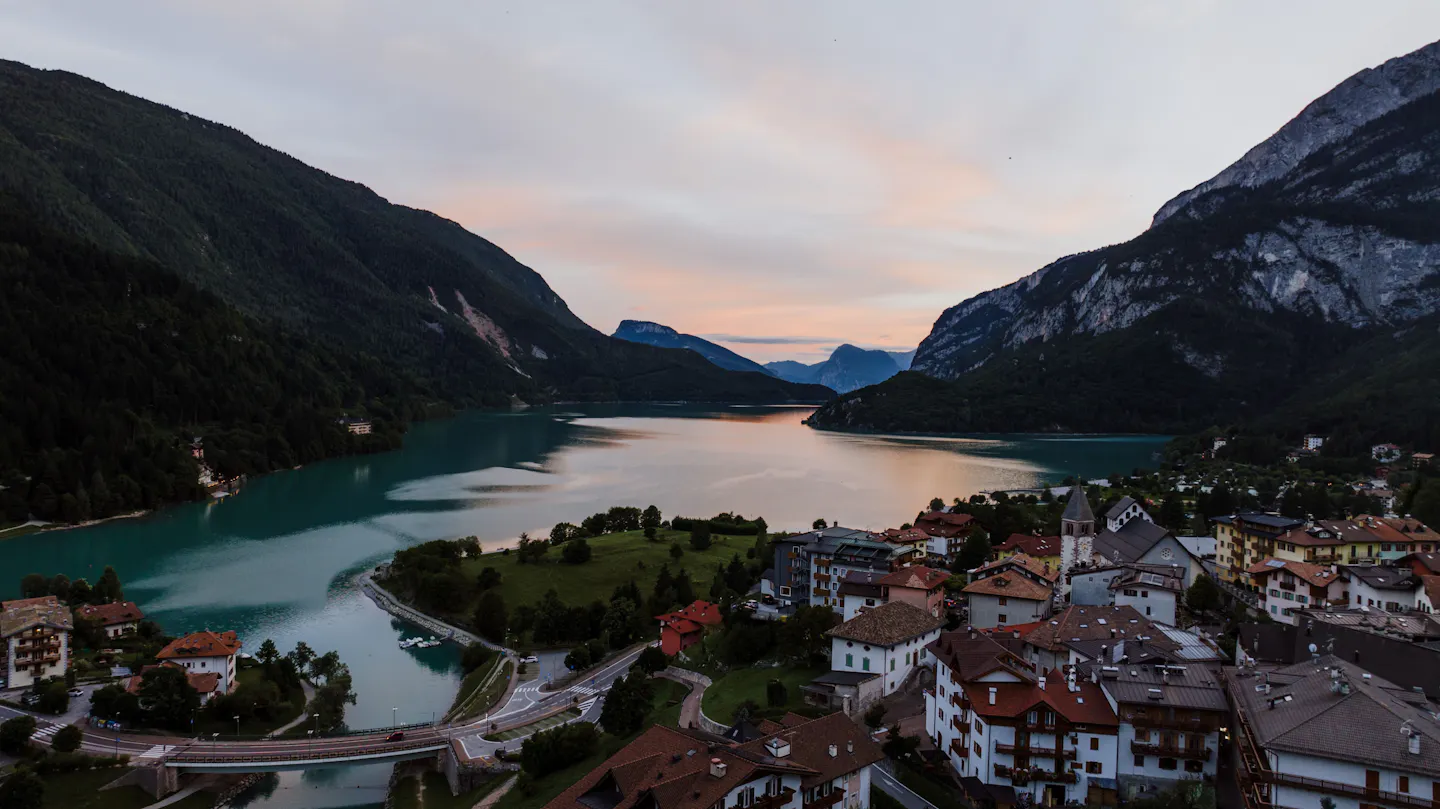
Best for: ski-and-spa holidays, couples, mountain scenery, luxury wellness, and active winter trips.
Bormio gives you one of the best combinations of skiing and thermal water in Europe.
The mountain town in northern Italy is fed by nine natural hot springs and has three main thermal spa experiences. Bormio Terme is the easiest family-friendly option in town, with indoor and outdoor pools, saunas, steam rooms, and wellness facilities.
For a more romantic experience, go to QC Terme Bagni Vecchi. The historic baths sit above the valley and include panoramic outdoor pools, Roman-era bathing spaces, rock-carved areas, and a naturally heated cave. Bagni Nuovi is the more polished nineteenth-century option.
Winter is when Bormio makes the most sense. You can ski during the day, spend the late afternoon in hot water with snowy mountain views, then head into the old town for pizzoccheri, bresaola, and a glass of Valtellina wine.
How long to stay: 4 to 6 days if you want both skiing and spa time.
Baden-Baden, Germany: Best for a Classic European Spa-Town Weekend
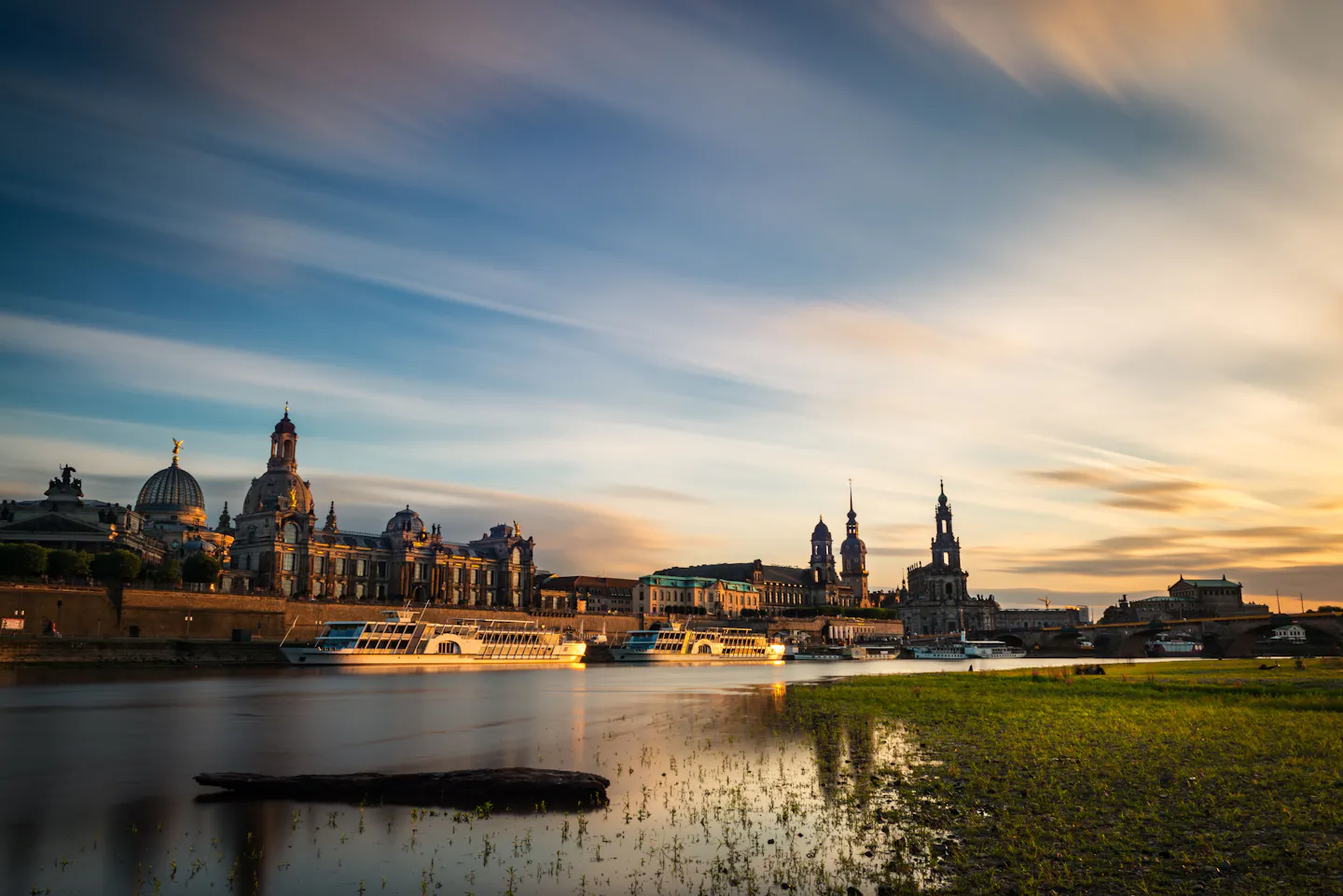
Best for: architecture, traditional spa culture, couples, slower travel, and elegant weekend breaks.
Baden-Baden has been a spa destination for centuries, and it still feels like one.
Thermal water rises from 12 springs beneath the city, reaching temperatures of up to around 68°C before being cooled for bathing. The two main places to experience it are Caracalla Spa and Friedrichsbad.
Caracalla is the easier choice if you want a modern spa day with thermal pools and a large sauna area. Friedrichsbad is more traditional and ritual-focused, inside a historic bathhouse with elaborate architecture.
Baden-Baden also works well in winter because the town itself is compact and calm. You can combine the baths with walks in the Black Forest, the old town, cafés, museums, and the famous casino. It is a good choice when you want a spa weekend that feels grown-up rather than resort-like.
How long to stay: 2 to 3 days.
Leukerbad, Switzerland: Best for Thermal Pools Surrounded by Snowy Mountains
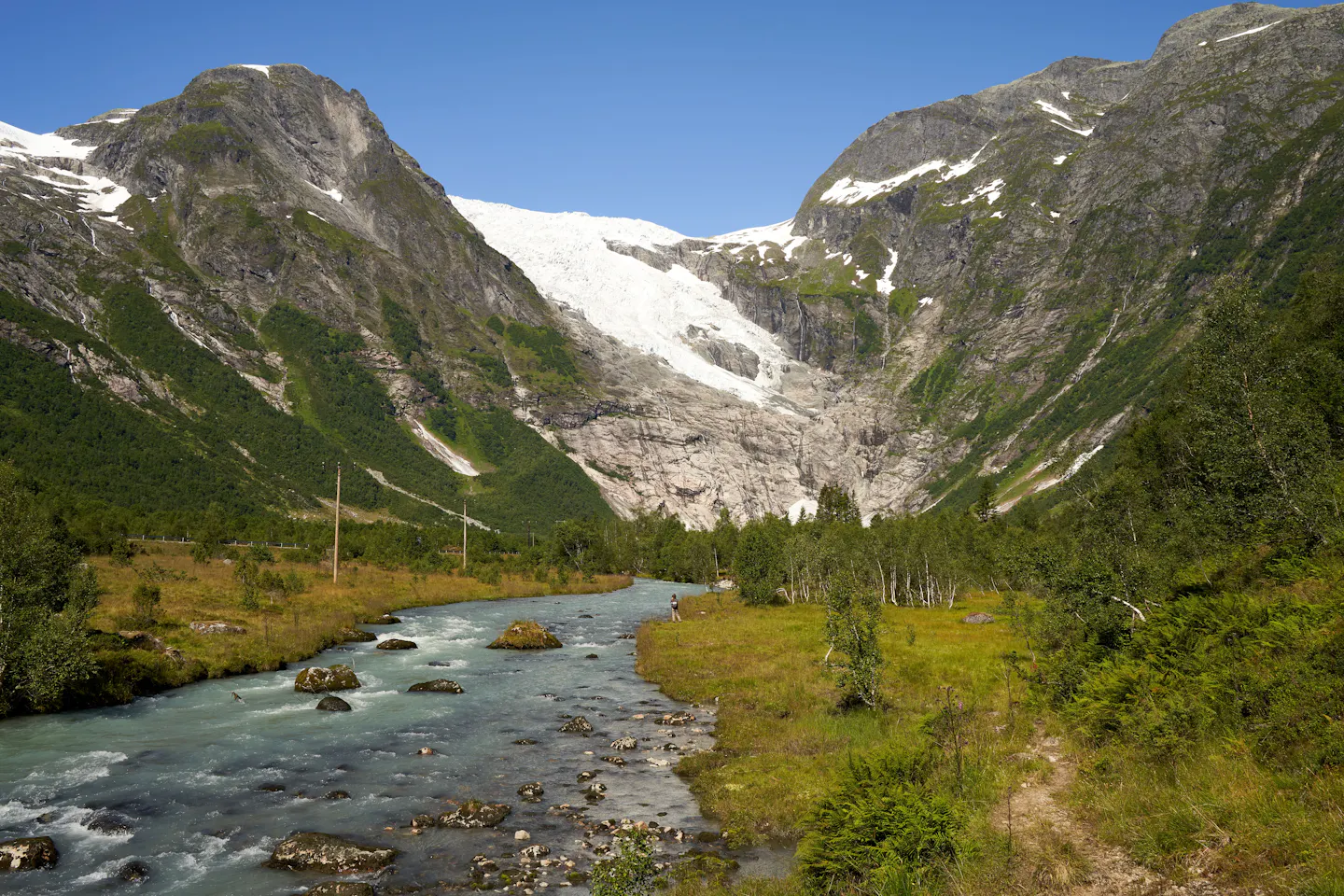
Best for: Alpine scenery, couples, families, spa weekends, and travelers who want to spend a lot of time in the water.
Leukerbad is one of Europe’s strongest pure thermal-bath destinations.
The Swiss mountain village is known for its naturally warm mineral water and has multiple spa complexes. Leukerbad Therme is the largest thermal bath complex in the Alpine region, with ten pools and more than 2,600 square meters of water, plus sauna and wellness areas.
The experience is especially good in winter because the outdoor pools sit beneath steep Alpine cliffs. You can be in warm water while the village and mountains around you are covered in snow.
Leukerbad also has winter hiking, skiing, snowshoeing, and cable cars, but it works perfectly well if you do not want an active holiday. You can come here simply to alternate between thermal baths, long lunches, and mountain views.
How long to stay: 3 to 4 days.
Längenfeld, Austria: Best Modern Alpine Thermal Spa
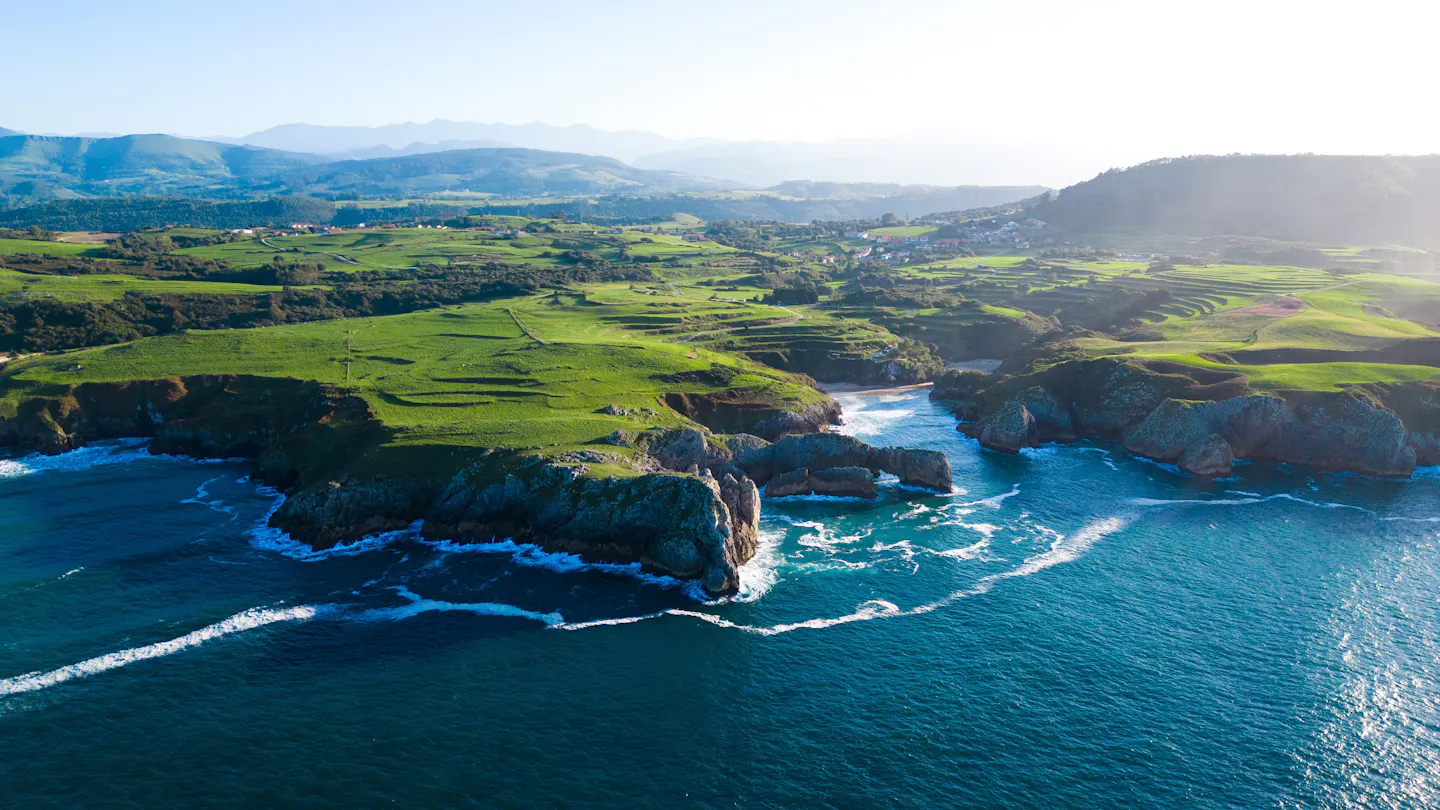
Best for: couples, design-focused spa trips, skiing nearby, and travelers who want a full resort-style wellness experience.
Längenfeld in Austria’s Ötztal valley is home to AQUA DOME, one of the most recognizable modern thermal spas in the Alps.
Its outdoor bowl-shaped pools appear to float against the mountain backdrop, and the complex includes indoor and outdoor thermal pools, a large sauna area, relaxation spaces, restaurants, and a hotel connected directly to the spa.
This is less about exploring a historic spa town and more about giving yourself a proper wellness break. In winter, that works very well. You can spend a day skiing in the wider Ötztal region, then come back to warm outdoor pools while the temperature drops around you.
Choose Längenfeld over Bormio if you want a sleek, self-contained spa resort. Choose Bormio if you want more history, an old town, and a stronger Italian food-and-culture element.
How long to stay: 2 to 4 days, or longer if you are skiing.
Rovaniemi, Finland: Best for Sauna and Ice Swimming

Best for: Finnish sauna culture, Arctic winter, Northern Lights, ice swimming, and travelers who want something very different from a thermal spa.
Rovaniemi is not a hot-spring destination, and that is exactly why it deserves a place on this list.
Finnish winter wellness is built around sauna. The experience is often simple: get properly warm, step outside into cold air, cool down in snow or icy water, then return to the sauna.
Around Rovaniemi, you can book traditional wood-fired saunas, riverside sauna sessions, ice swimming, hot tubs, and even snow or ice saunas. Some winter experiences run specifically during the coldest months.
This is one of the best choices if the spa itself is only part of the trip. You can also add reindeer farms, husky rides, frozen forests, snowmobiling, and Northern Lights tours.
If your idea of wellness is quiet, heat, nature, and getting very far away from normal city life, Finnish Lapland is difficult to beat.
How long to stay: 4 to 5 days.
Hévíz, Hungary: Best Natural Thermal Lake in Winter
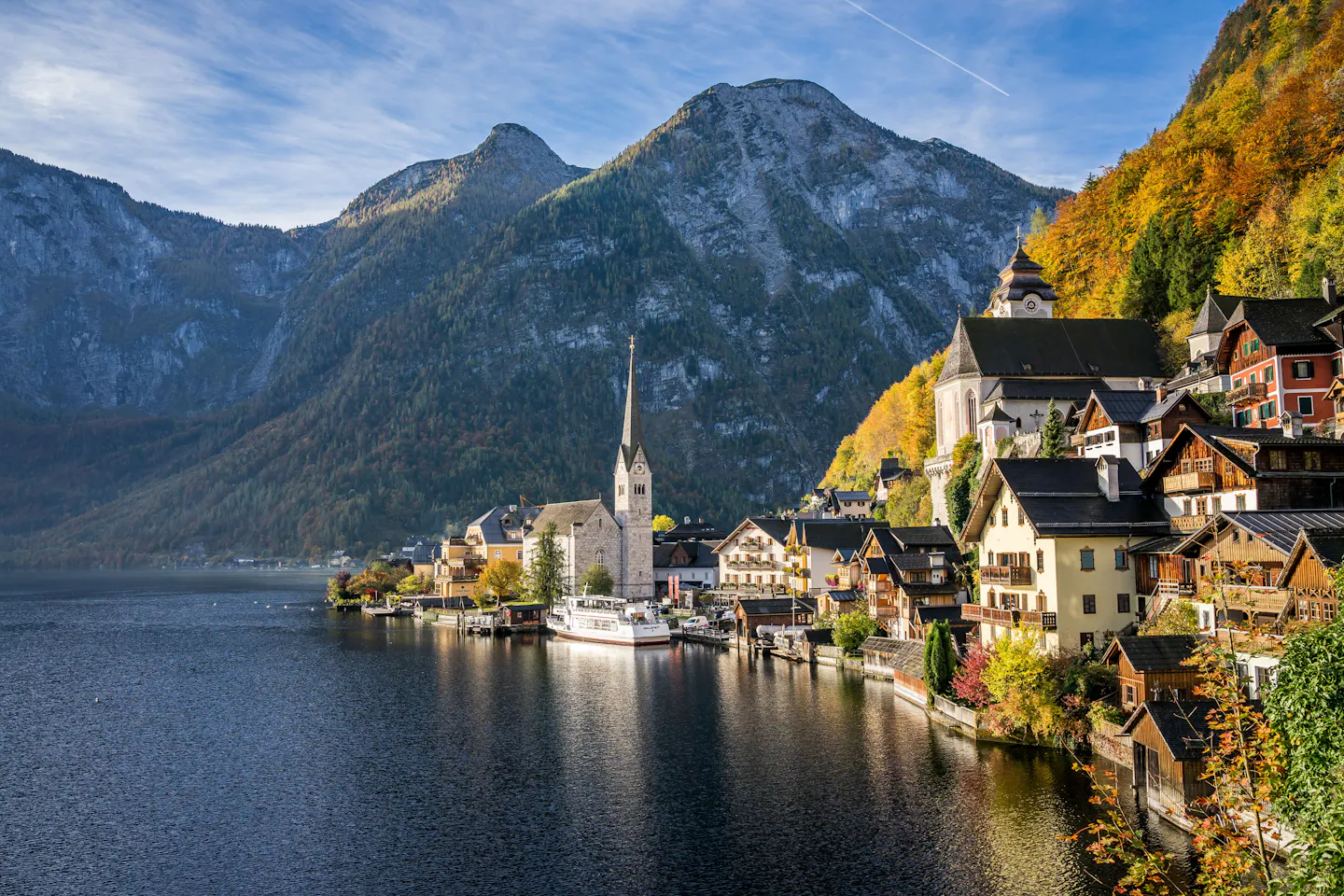
Best for: unusual thermal experiences, slow wellness trips, adults, and travelers who want something quieter than Budapest.
Hévíz is built around a natural thermal lake rather than a traditional bathhouse.
Lake Hévíz is the world’s largest biologically active natural thermal lake, and it stays warm enough for bathing through winter. The water is naturally replenished and remains above roughly 22°C even during the cold season.
Winter bathing here is very different from sitting in a hot spa pool. The lake can feel almost surreal when cold air and mist sit above the water.
Current renovation works mean some central bath buildings and areas may be closed even while outdoor lake bathing continues, so check the latest access information before traveling. That is worth doing anyway because opening hours are shorter in winter.
Hévíz can be combined with nearby Lake Balaton, although the spa town itself is the main reason to come during the cold months.
How long to stay: 2 to 3 days.
Karlovy Vary, Czechia: Best for Old-World European Spa Culture
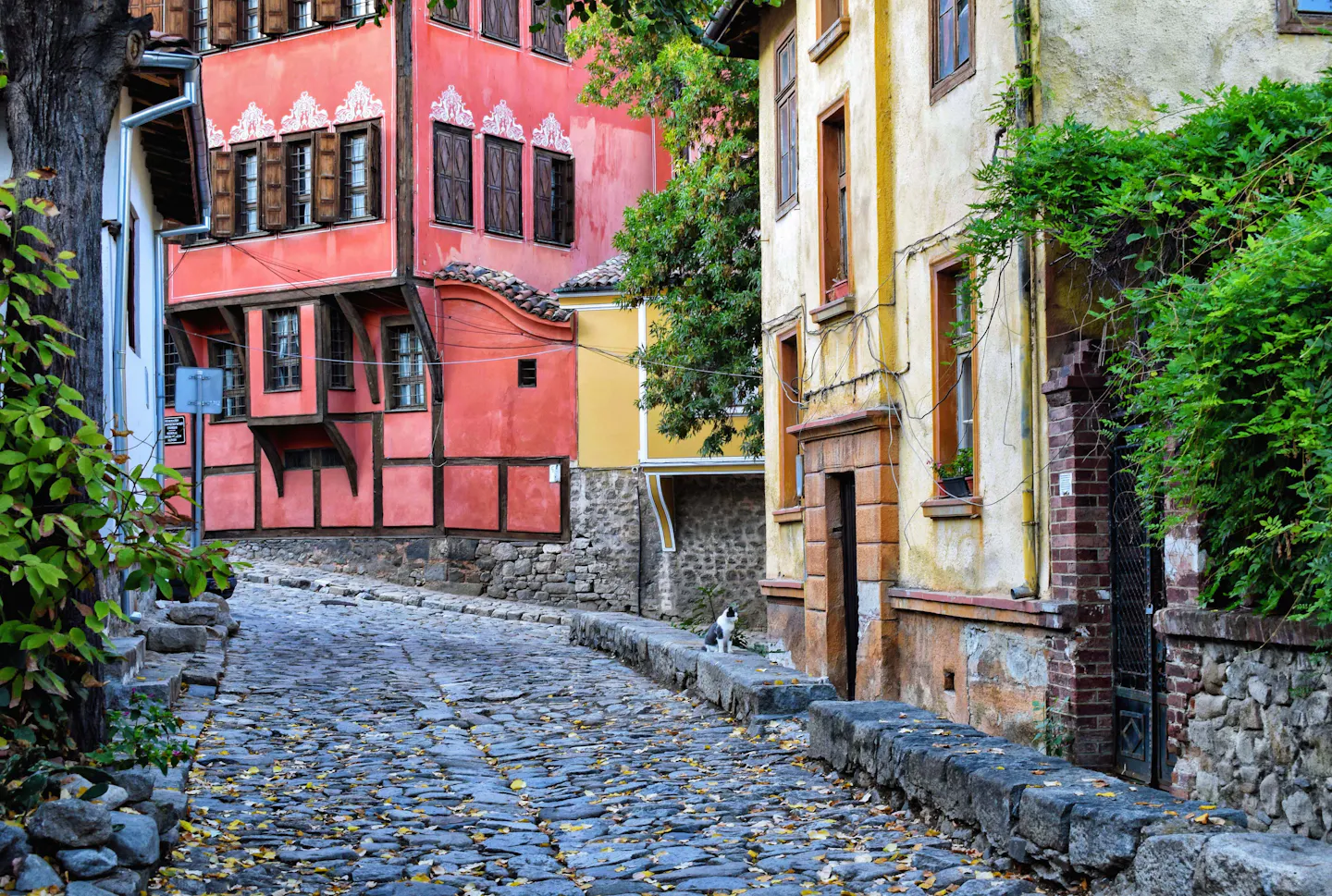
Best for: historic spa towns, architecture, wellness hotels, couples, and a quiet winter city break.
Karlovy Vary is one of Europe’s classic spa towns.
Its identity is built around mineral springs, colonnades, grand hotels, and a long tradition of spa treatments. The city has 15 main healing springs and several public spa and wellness facilities, including year-round thermal pools and sauna areas.
This is not the place to come for a wild natural hot spring in the middle of nowhere. The appeal is the atmosphere: walking between elegant colonnades, trying the mineral water, booking a treatment, sitting in a thermal pool, and staying in a hotel where wellness is part of the whole experience.
Winter suits Karlovy Vary because the city becomes quieter and more atmospheric. It also works well as part of a longer Czech trip with Prague.
How long to stay: 2 to 3 days.
Saturnia, Italy: Best Natural Hot Springs in the Tuscan Countryside
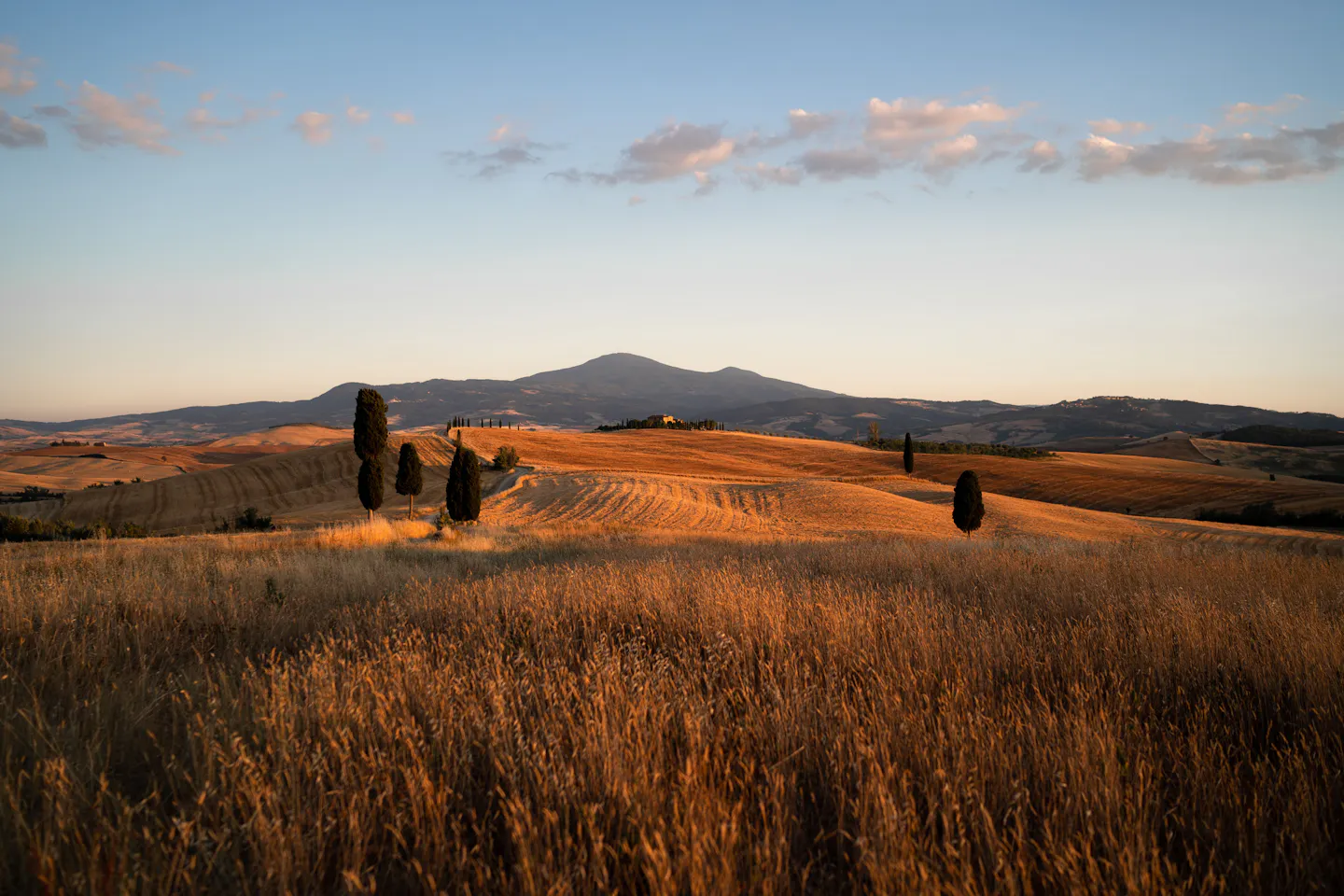
Best for: natural hot springs, couples, road trips, Tuscany, and travelers who want outdoor bathing without Alpine snow.
Saturnia is one of the best places in Europe if you want hot water that still feels connected to the landscape.
The thermal water in Saturnia emerges at roughly 37.5°C and feeds both dedicated spa resorts and the famous Cascate del Mulino, where warm water flows over travertine rock into natural outdoor pools. Access to the Cascate del Mulino is free and available throughout the year.
Winter is a smart time to visit. Southern Tuscany is cooler and quieter, but the water stays warm. You also avoid some of the heat and crowds that can make the area less relaxing in summer.
This is best done as a road trip. Stay near Saturnia, then add Pitigliano, Sorano, wineries, countryside restaurants, or a few days elsewhere in Tuscany.
How long to stay: 2 nights in the area, or 4 to 6 days as part of a Tuscany road trip.
São Miguel, Azores: Best for Volcanic Hot Springs and a Milder Winter
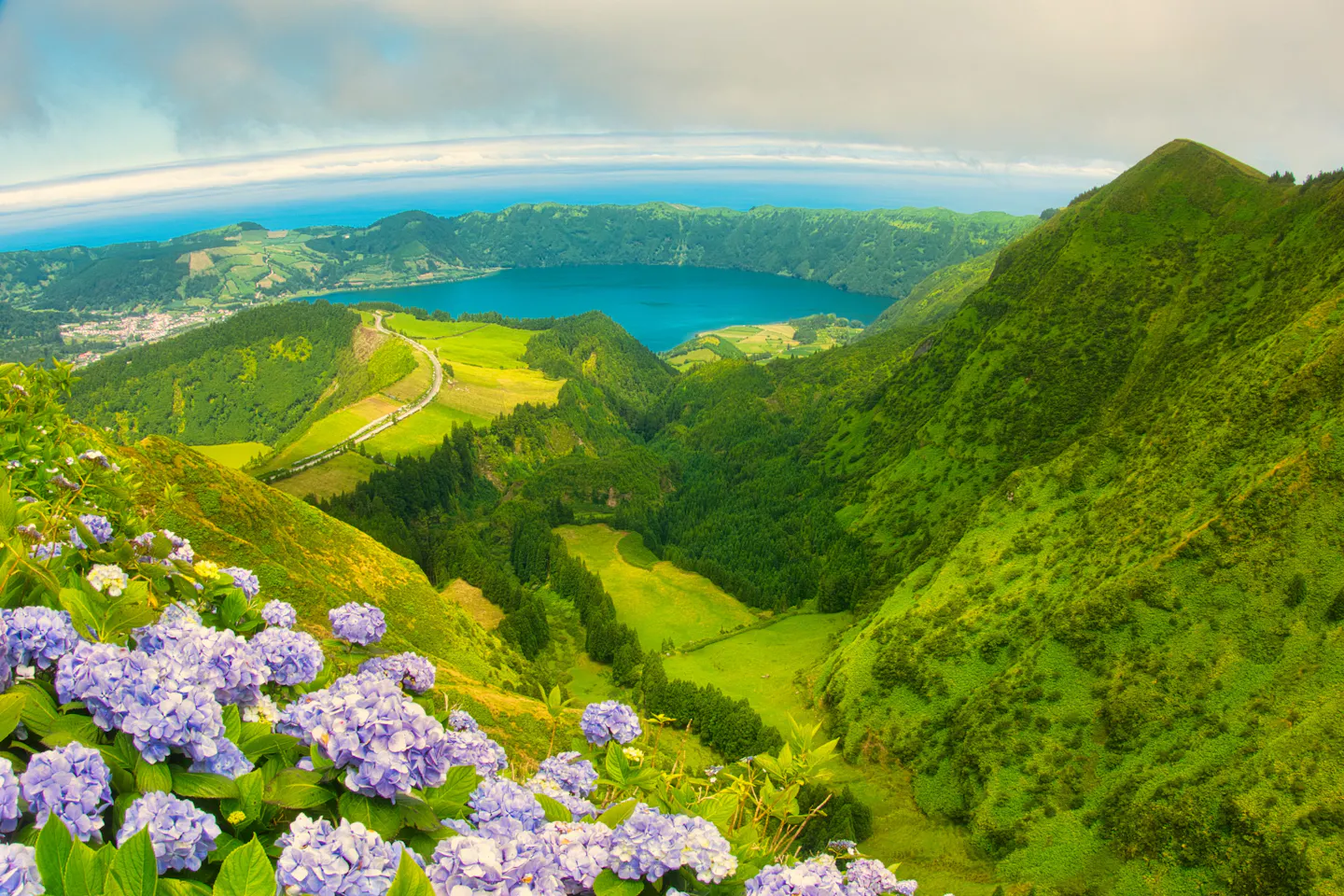
Best for: nature, volcanic landscapes, hot springs, couples, road trips, and travelers who want green scenery instead of snow.
São Miguel is a completely different kind of European winter spa destination.
The largest island in the Azores has volcanic valleys, fumaroles, mineral-rich thermal pools, waterfalls, and lush green landscapes. Furnas is the main thermal area, with hot springs and bathing spots such as Terra Nostra Park and Poça da Dona Beija.
Terra Nostra combines a botanical garden with a large iron-rich thermal pool. Around Furnas, you can also see steam rising from the ground, walk around the crater lake, and try cozido cooked using geothermal heat.
The big advantage in winter is the climate. The Azores are not hot, and rain is common, but temperatures are much milder than in central or northern Europe. It is a good choice if you want hot springs and nature without a full snow holiday.
How long to stay: 5 to 7 days on São Miguel.
Andorra: Best for Skiing Plus a Large Thermal Spa
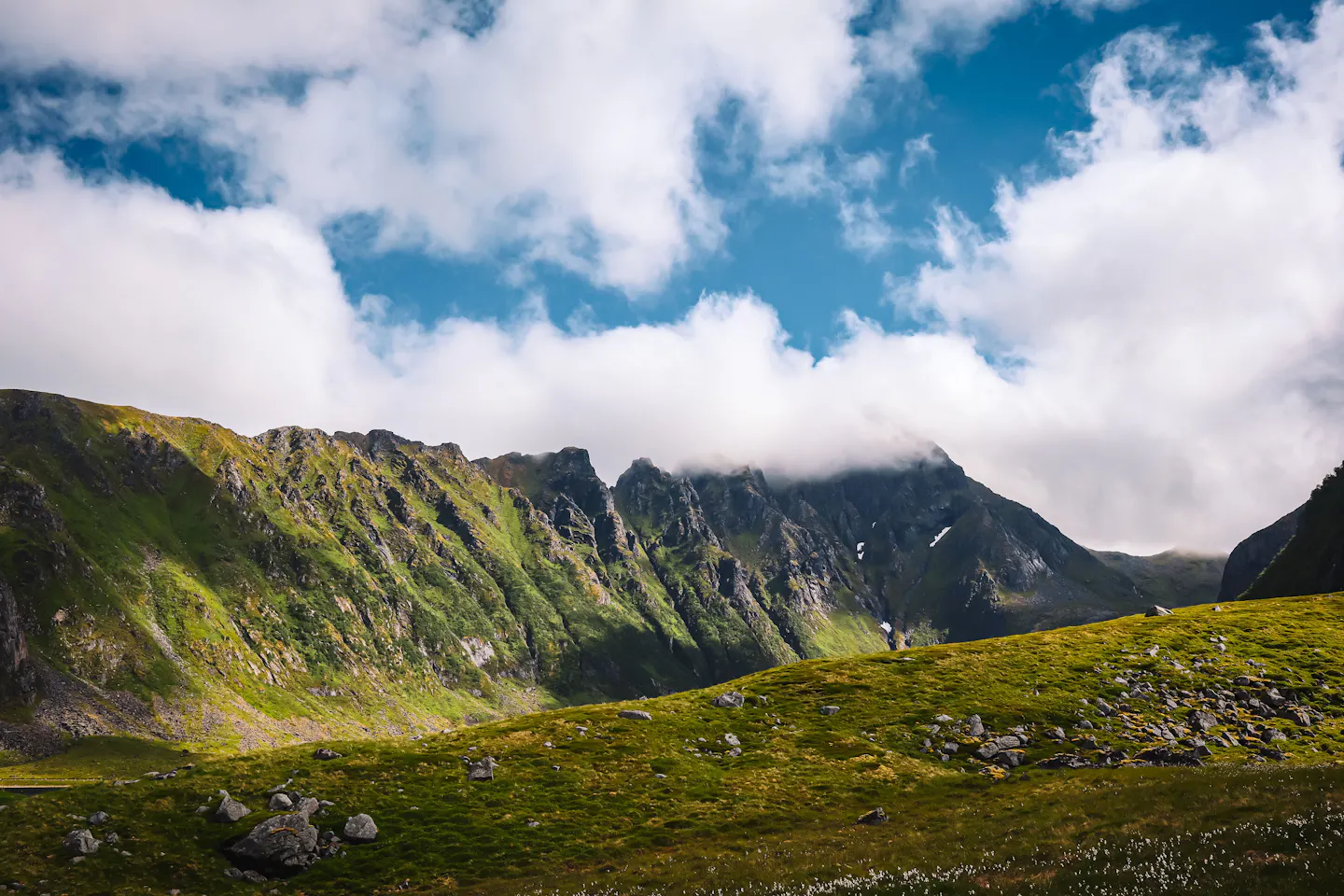
Best for: ski weekends, couples, groups, mountain views, and travelers who want spa time after active days.
Andorra is small enough that you can combine skiing and spa time without making the logistics complicated.
Caldea in Escaldes-Engordany is the main attraction for wellness travelers. The complex has indoor and outdoor thermal lagoons, hydromassage areas, saunas, hammams, panoramic pools, and outdoor water kept at around 32–34°C.
In winter, that means you can spend the day on the slopes and the evening in warm water while the mountains around you are cold or snow-covered.
Andorra is not as culturally rich as Budapest or Baden-Baden, and the spa is more modern than historic. But for a simple ski-and-wellness break, it is one of the easiest options in Europe.
How long to stay: 3 to 5 days.
Which Winter Spa Destination in Europe Should You Choose?
Choose Budapest if you want the best all-round combination of thermal baths, city life, food, and value.
Choose Bormio, Leukerbad, or Längenfeld if snowy mountains are part of the dream. Bormio is best for history and Italian atmosphere, Leukerbad for a village built around thermal bathing, and Längenfeld for a polished modern spa resort.
Choose Reykjavík if you want geothermal water as part of a bigger Iceland trip. Choose Rovaniemi if sauna and Arctic winter matter more than hot springs.
Choose Saturnia or São Miguel if you want natural hot springs without a classic snowy winter. Saturnia works best as a countryside road trip, while São Miguel gives you a full island holiday with volcanic landscapes.
Choose Baden-Baden or Karlovy Vary if you want a traditional European spa town where architecture, hotels, treatments, cafés, and slow days are part of the experience.
What Is the Best Time for a Winter Spa Trip in Europe?
December to March is the main season for a true winter spa break.
December is best if you also want Christmas markets and festive cities. January is quieter after the holidays and can be a very good month for thermal-bath weekends. February works particularly well for ski-and-spa trips in the Alps. March gives you longer days and can still offer snow in mountain destinations.
For Saturnia and the Azores, winter is less about snow and more about fewer crowds, cooler weather, and the pleasure of getting into naturally warm water.
Practical Tips for Visiting Thermal Baths and Saunas in Winter
Book popular spas in advance, especially on weekends and during Christmas, New Year, and school holidays. Premium places such as Sky Lagoon, Alpine thermal resorts, and famous baths can sell out for preferred times.
Check the bathing rules before you go. Some sauna areas in Germany, Austria, Switzerland, and Finland may have different clothing rules from the pools. Some historic spas also have age limits or specific bathing sessions.
Bring simple pool shoes and a reusable water bottle. A robe and towel may be included, rentable, or required depending on the spa.
Do not schedule a major activity immediately after a long spa session. A two- or three-hour thermal bath followed by dinner usually feels much better than rushing straight to another attraction.
Always check current opening hours, maintenance closures, weather conditions, and winter road access before traveling. Spa facilities change schedules more often in the low season.
FAQ: Best Winter Spa Destinations in Europe
What is the best winter spa destination in Europe?
Budapest is the best all-round choice for most travelers because it combines several famous thermal baths with restaurants, nightlife, architecture, museums, and easy public transport. For a mountain spa trip, Bormio and Leukerbad are stronger choices.
Where are the best natural hot springs in Europe in winter?
Saturnia in Italy, São Miguel in the Azores, Bormio in Italy, and Iceland are among the strongest options. Saturnia is best for free natural pools, São Miguel for volcanic landscapes, Bormio for Alpine scenery, and Iceland for geothermal bathing as part of a larger winter trip.
What are the best winter spa destinations in Europe for snow?
Leukerbad, Bormio, Längenfeld, Rovaniemi, and Andorra are the best choices on this list for a real snowy setting. The first three combine thermal or spa water with Alpine landscapes, while Rovaniemi is focused on sauna and Arctic winter culture.
What is the best affordable winter spa city in Europe?
Budapest is usually the easiest budget-friendly option among Europe’s famous spa cities. Accommodation, food, and bath tickets can still be more manageable than in Iceland or Switzerland, especially if you avoid major holiday dates.
Are thermal baths in Europe open in winter?
Many of Europe’s best thermal baths are open year-round, and winter is often one of the best times to visit. However, individual pools, outdoor areas, or facilities can close for maintenance, renovation, or seasonal schedules. Always check the official website before booking your trip.
Is a winter spa trip in Europe good for a long weekend?
Yes. Budapest, Baden-Baden, Karlovy Vary, Reykjavík, and Andorra all work well for a 2- to 4-night trip. For Bormio, Rovaniemi, or São Miguel, give yourself more time because the destination is better when the spa is combined with skiing, nature, or other winter activities.
Plan Your Whole Winter Spa Trip with EasyMiles
A spa weekend sounds simple until you start putting the trip together. You still need to choose where to stay, decide which bath to book, fit it around opening hours, find restaurants nearby, plan winter activities, and work out how much travel time you really have between everything.
EasyMiles can plan the whole trip around your city, dates, pace, and interests. It can build an itinerary that combines the spa with restaurants, sights, winter activities, and realistic travel time, then help you adjust the plan if the weather changes or your day does not go as expected.
That is especially useful for winter travel, when shorter daylight hours, weather, closures, and reservations matter more than they do on an easy summer city break.
Instead of saving baths in one app, restaurants in another, and your daily plan somewhere else, use EasyMiles as one place to organize the whole trip.