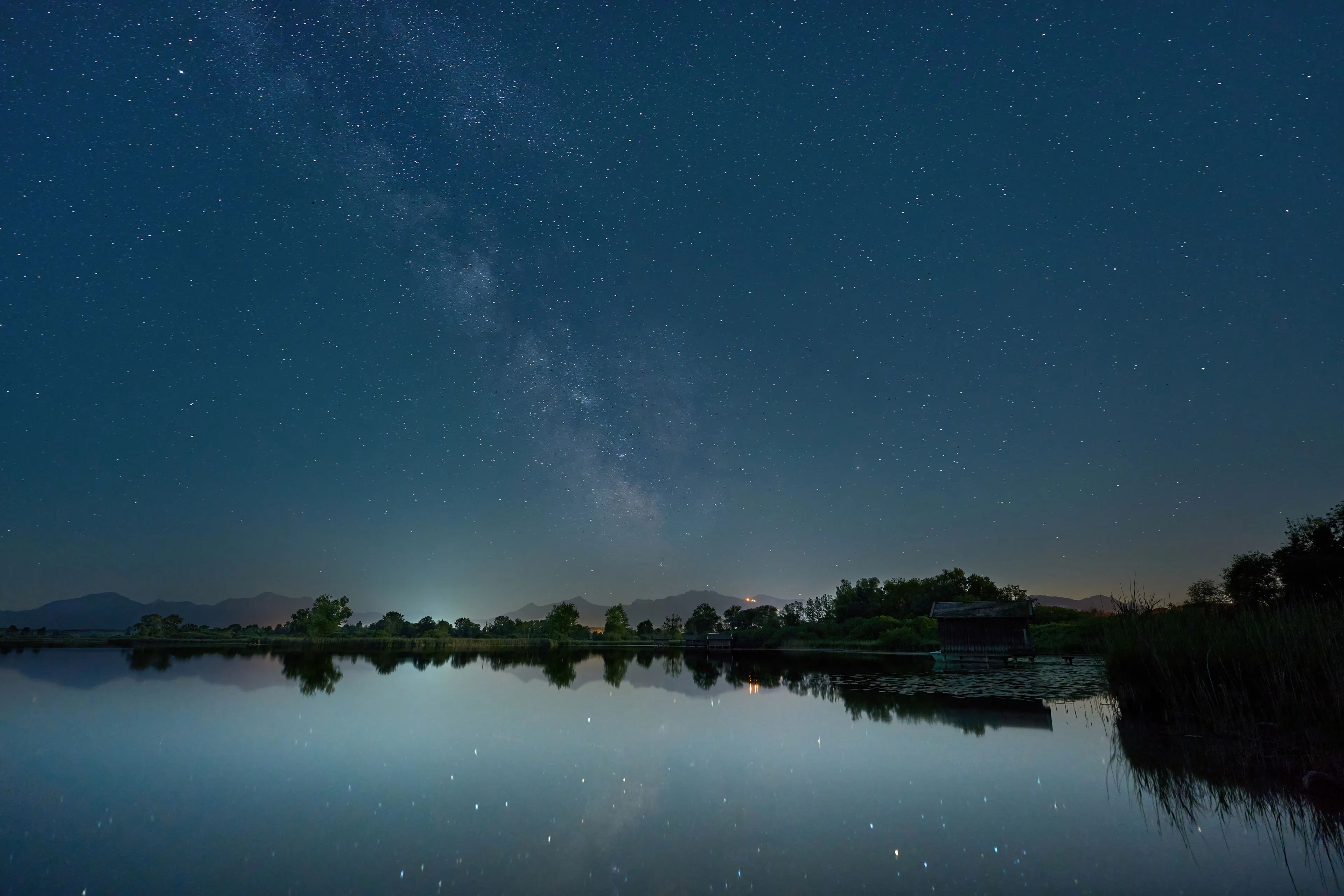
The best places to stargaze in Europe are La Palma in Spain, the Alqueva region in Portugal, Pic du Midi and the Cévennes in France, County Kerry in Ireland, Northumberland and Galloway in the UK, Westhavelland in Germany, Hortobágy in Hungary, and Mount Aenos in Greece.
These destinations have very little light pollution, protected night skies, wide horizons, astronomy experiences, and plenty to explore during the day.
Here is the quick answer:
- La Palma, Spain: Best overall for clear skies, volcanic landscapes, and professional observatories.
- Alqueva, Portugal: Best for a warm, relaxing stargazing holiday.
- Pic du Midi, France: Best for a dramatic high-altitude astronomy experience.
- Kerry, Ireland: Best for stars above the wild Atlantic coast.
- Northumberland, England: Best for observatories and first-time stargazers.
- Cévennes, France: Best for combining stargazing with hiking and rural villages.
- Westhavelland, Germany: Best dark-sky escape near a major European city.
- Galloway Forest Park, Scotland: Best for remote forests and very dark skies.
- Hortobágy, Hungary: Best for uninterrupted, horizon-to-horizon views.
- Mount Aenos, Greece: Best for combining stargazing with a Greek island holiday.
La Palma, Spain: Best Overall Place to Stargaze in Europe
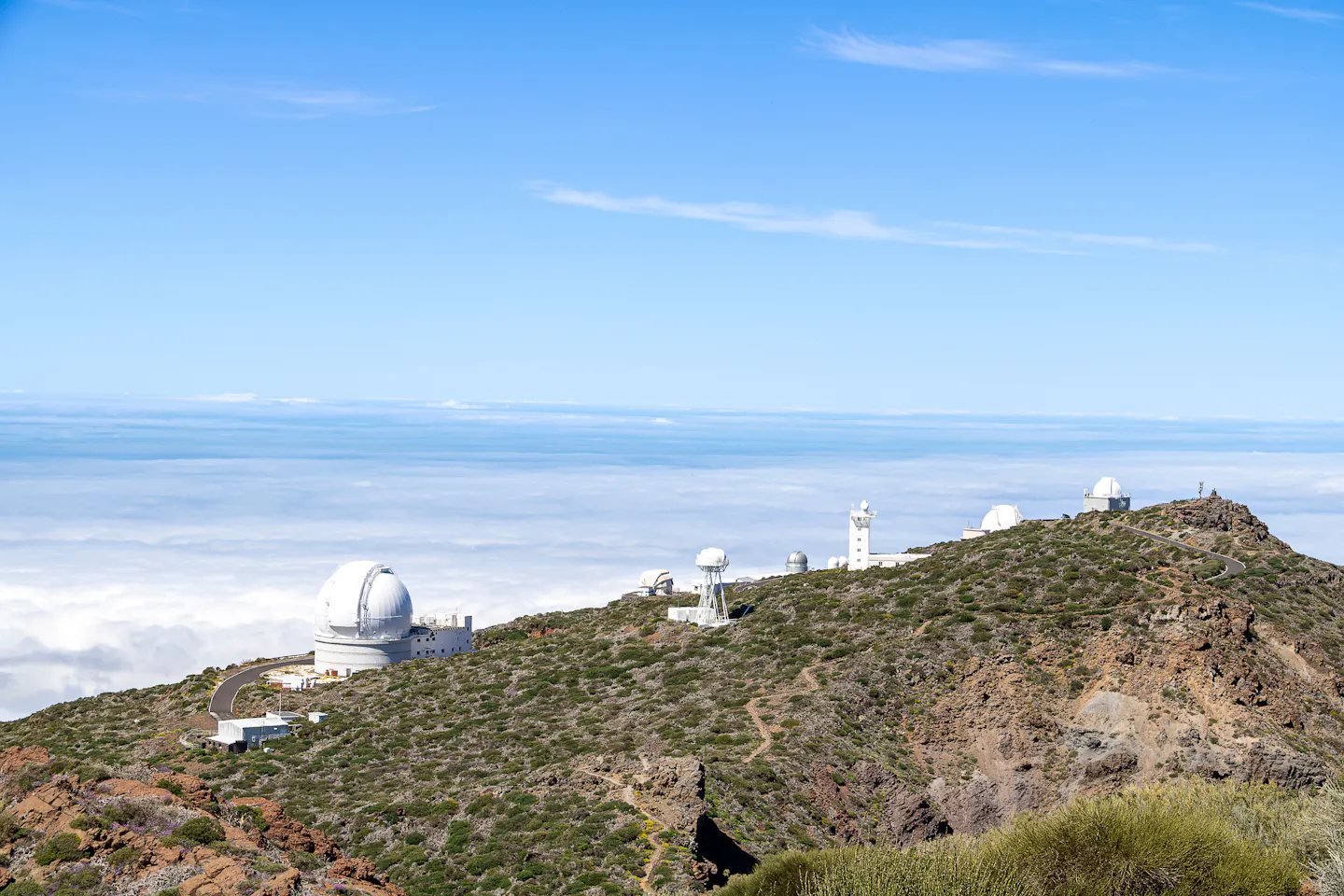
La Palma is one of the easiest answers when someone asks where to find the best night skies in Europe.
The Canary Island has high mountains, clean Atlantic air, limited light pollution, and dedicated astronomical viewpoints. At its highest point, Roque de los Muchachos is home to a major international observatory with numerous professional telescopes and instruments. The island also protects its night sky through specific rules designed to limit artificial light and preserve observation conditions.
You do not need to be an astronomer to enjoy it. Visitors can book guided stargazing tours, visit the Roque de los Muchachos Visitor Centre, watch sunset above the clouds, or use one of the island’s astronomical viewpoints.
The landscape makes the experience even more memorable. During the day, you can hike through Caldera de Taburiente, walk along volcanic routes, explore the colourful streets of Santa Cruz de La Palma, swim in natural pools, and visit small wineries. At night, the same volcanic peaks become silhouettes under a sky filled with stars.
La Palma works especially well when stargazing is the main reason for the trip rather than a small activity added at the end.
Best for: astronomy lovers, couples, hikers, photographers, and anyone planning a dedicated stargazing holiday.
Alqueva, Portugal: Best for a Relaxing Stargazing Escape
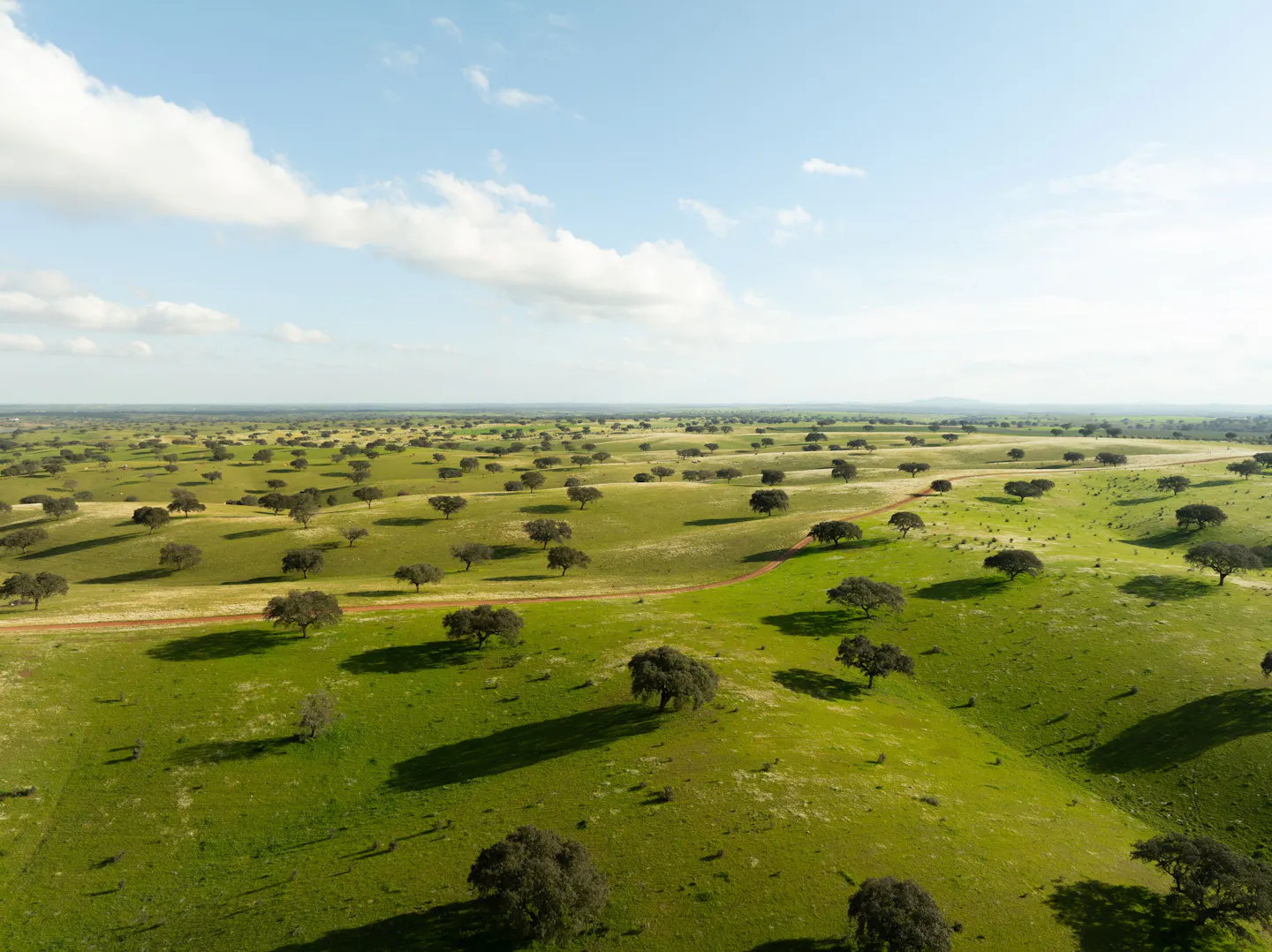
Dark Sky Alqueva stretches across a large part of Portugal’s Alentejo region. The protected area covers roughly 10,000 square kilometres around the Alqueva reservoir and has been internationally recognised for the quality of its night skies.
This is one of the best choices for travelers who want excellent stargazing without building the entire trip around remote mountains or cold northern weather.
The official observatory in Cumeada runs guided sessions using telescopes to show visitors planets, lunar craters, nebulae, galaxies, and star clusters. Sessions are available in Portuguese and English, making the experience approachable even when you know almost nothing about astronomy.
During the day, explore Monsaraz, a beautiful hilltop village with white houses and wide views over the lake. You can also visit local wineries, try traditional Alentejo food, take a boat trip, kayak on the reservoir, or simply spend a slow afternoon beside the water.
Alqueva is not only about seeing stars. It is about having dinner in a quiet village, watching the sunset over the lake, and then realizing how dark the countryside becomes once the final lights disappear.
Best for: couples, relaxed road trips, wine lovers, beginners, and travelers who want warm evenings and rural scenery.
Pic du Midi, France: Best High-Altitude Stargazing Experience
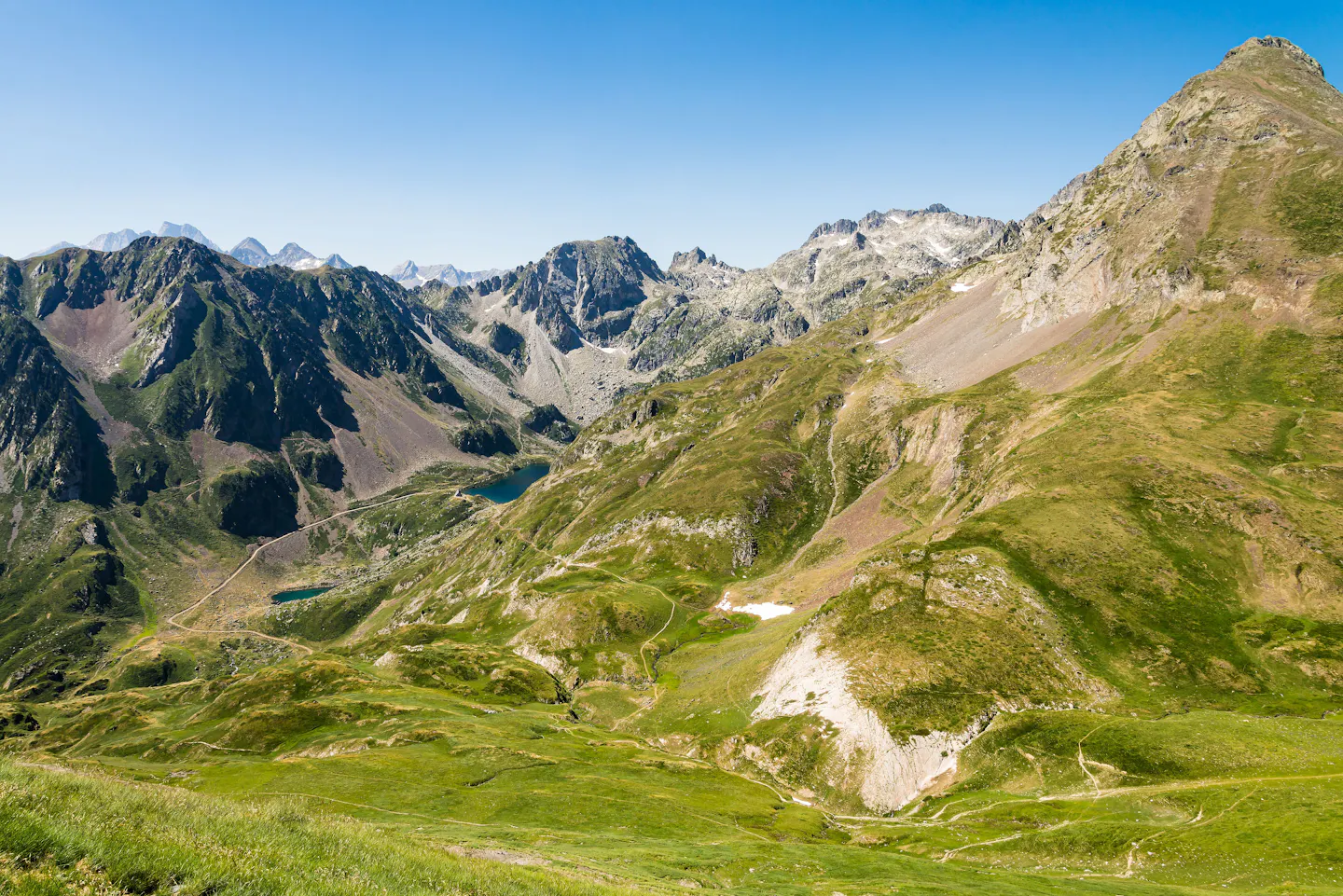
Pic du Midi rises above the French Pyrenees and offers one of Europe’s most dramatic astronomy experiences.
The mountain and surrounding valleys form an International Dark Sky Reserve. The protected area is known for its high altitude, clear horizons, and exceptionally dark skies. Pic du Midi became Europe’s first International Dark Sky Reserve in 2013.
Visitors can travel to the summit during the day, but the special overnight experiences are what make this destination stand out. Pic du Midi offers evenings that include sunset over the Pyrenees, dinner, astronomical observation, and sunrise from an altitude of around 2,877 metres.
It feels less like standing at a normal viewpoint and more like spending the night at a scientific station above the rest of the world.
The surrounding region is also worth several days. You can stay near La Mongie, hike in the Pyrenees, visit mountain villages, explore the Gavarnie area, or add spa time in Bagnères-de-Bigorre.
Conditions at the summit can be cold and change quickly, including during warmer months. Book the night experience in advance and leave some flexibility in case the weather affects access or visibility.
Best for: special occasions, astronomy fans, mountain travelers, couples, and people looking for a once-in-a-lifetime night.
Kerry, Ireland: Best for Stars Above the Atlantic Coast
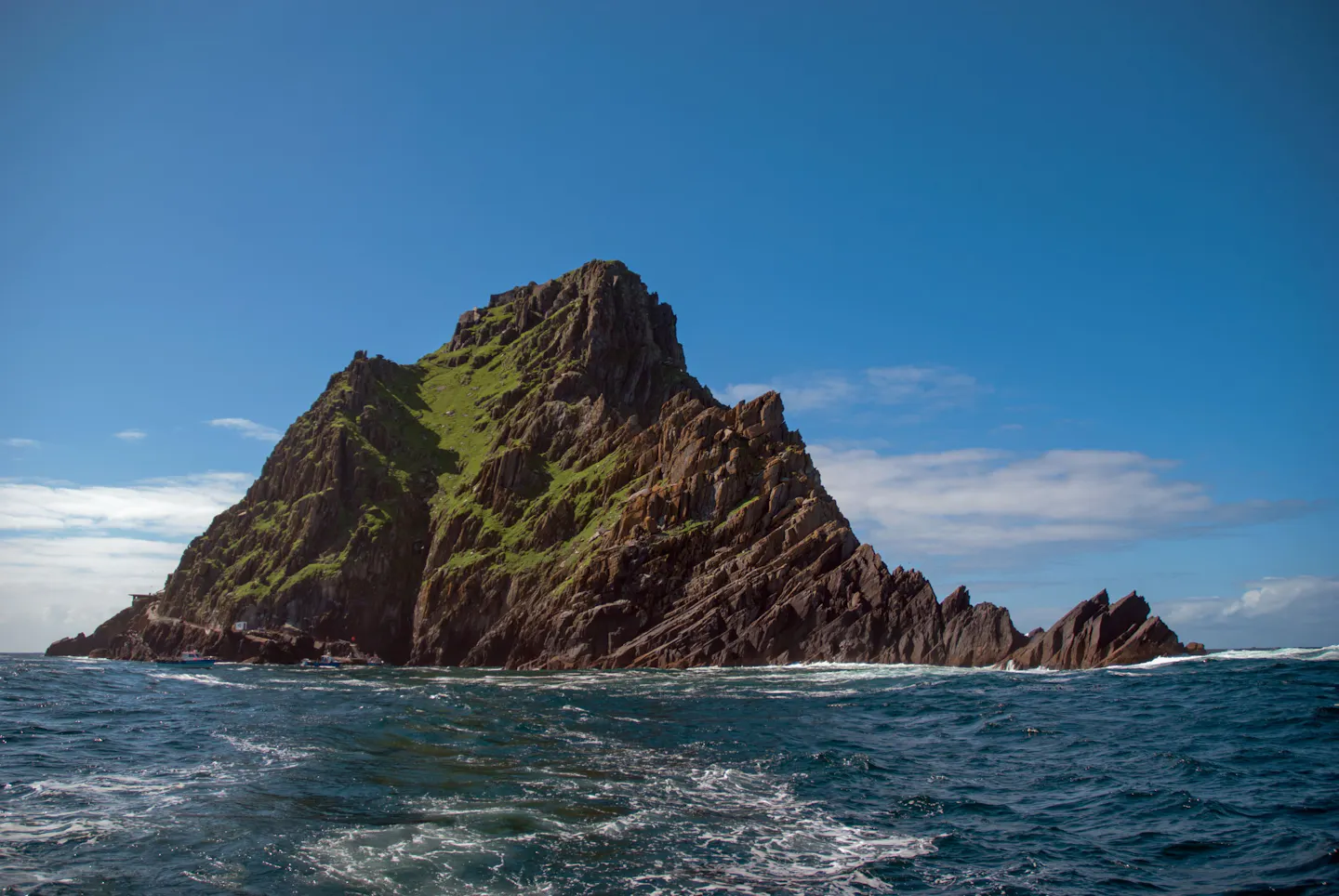
The Kerry International Dark Sky Reserve covers part of the Iveragh Peninsula in southwestern Ireland. It includes areas such as Waterville, Ballinskelligs, Portmagee, Valentia Island, Cahersiveen, and Derrynane.
Kerry was Ireland’s first internationally recognised Dark Sky Reserve and received Gold Tier status. On a clear, moonless night, the combination of very dark skies, Atlantic horizons, old stone ruins, beaches, and mountains creates an atmosphere that feels completely different from an observatory-based experience.
Guided experiences in the area combine astronomy with local stories, archaeology, navigation, and the history of the landscape. That makes Kerry a strong choice when you want stargazing to feel connected to the place rather than like a science lesson.
During the day, drive part of the Ring of Kerry, visit Valentia Island, walk along Derrynane Beach, see the cliffs around Portmagee, or take a boat trip toward the Skellig Islands when conditions allow.
Irish weather is never completely predictable, so do not plan a long trip around one specific night. Stay for at least a few evenings and treat a perfectly clear sky as the highlight rather than something guaranteed.
Best for: road trippers, coastal scenery, history lovers, couples, and travelers who enjoy wild landscapes.
Northumberland, England: Best for First-Time Stargazers
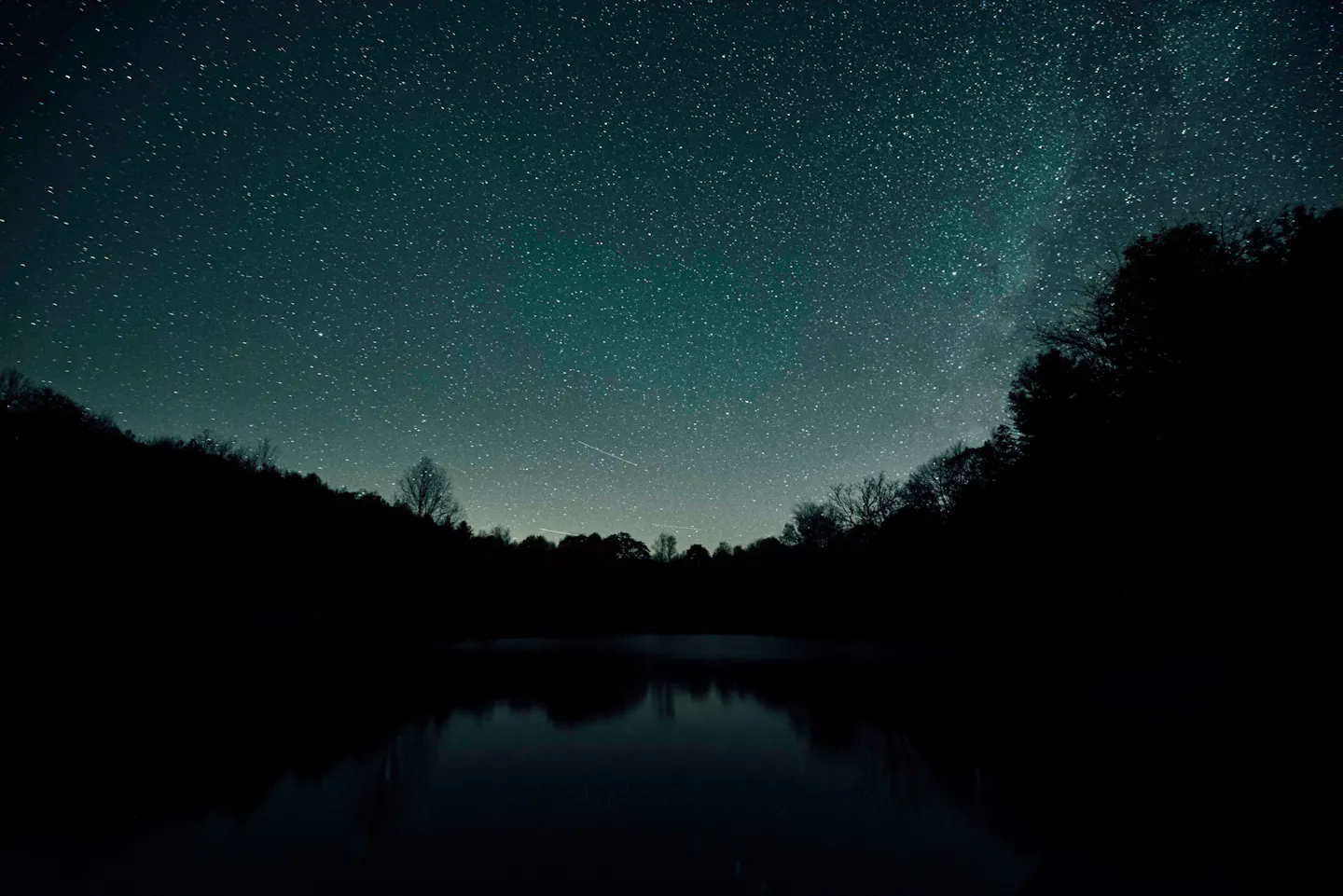
Northumberland combines huge stretches of protected countryside with some of the strongest public astronomy facilities in the UK.
Northumberland International Dark Sky Park covers Kielder Forest and much of Northumberland National Park. The region promotes several observation locations and dedicated astronomy experiences, including Kielder Observatory and Battlesteads Dark Sky Observatory.
On excellent nights, visitors can see thousands of stars, the Milky Way, and even the Andromeda Galaxy without a telescope. A guided observatory visit can then take you further, showing planets, star clusters, nebulae, and other deep-sky objects through professional equipment.
This makes Northumberland particularly good for beginners. You can simply step outside and look up, but there are also experts available to explain what you are seeing.
Fill the daytime with walks around Kielder Water, cycling, forest trails, Hadrian’s Wall, Roman sites, castles, or Northumberland’s beaches. The area is remote enough to feel peaceful without being completely disconnected from visitor facilities.
Best for: beginners, families, observatory visits, forest holidays, and history lovers.
Cévennes, France: Best for Hiking, Villages, and Dark Skies
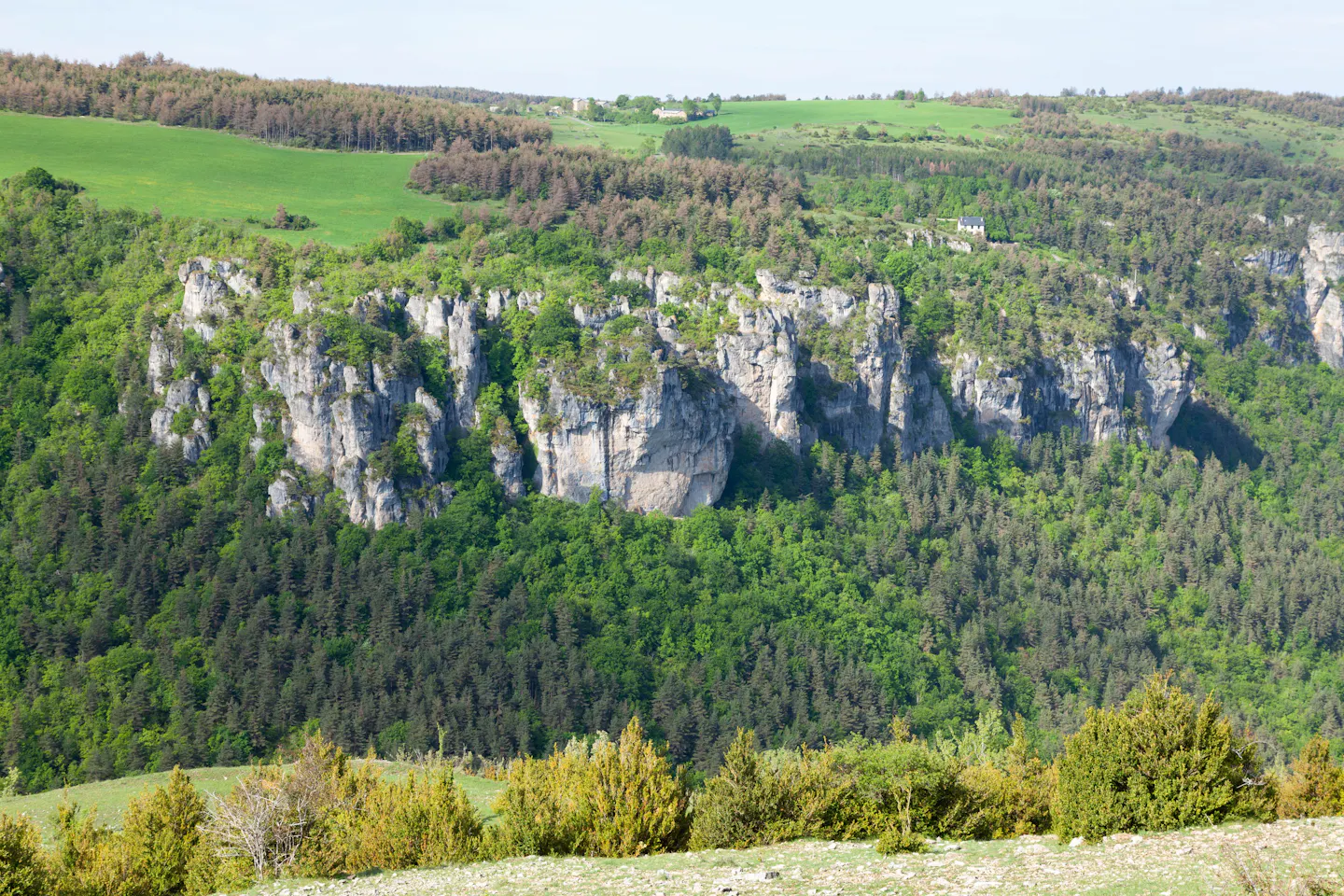
The Cévennes National Park contains one of Europe’s largest International Dark Sky Reserves. The protected area covers around 3,600 square kilometres across a rugged landscape of mountains, valleys, plateaus, farms, and small villages.
Unlike Pic du Midi, where the main attraction is a particular summit experience, stargazing in the Cévennes is more spread out. You can stay in a farmhouse or village guesthouse, spend the day walking through the national park, have dinner outside, and then watch the night sky from a quiet field or viewpoint.
It is a good option for travelers who want the stars to become part of a longer nature trip.
During the day, explore the landscapes around Mont Lozère, walk through forests and river valleys, visit stone villages, swim in natural waters, or drive through the quieter parts of the park. The absence of large cities and dense development is part of what protects the night environment.
Summer gives you warmer evenings, while spring and autumn can bring quieter trails and earlier darkness.
Best for: hikers, slow travelers, rural stays, families, and people who want stargazing without a formal observatory experience.
Westhavelland, Germany: Best Stargazing Trip Near a Major City
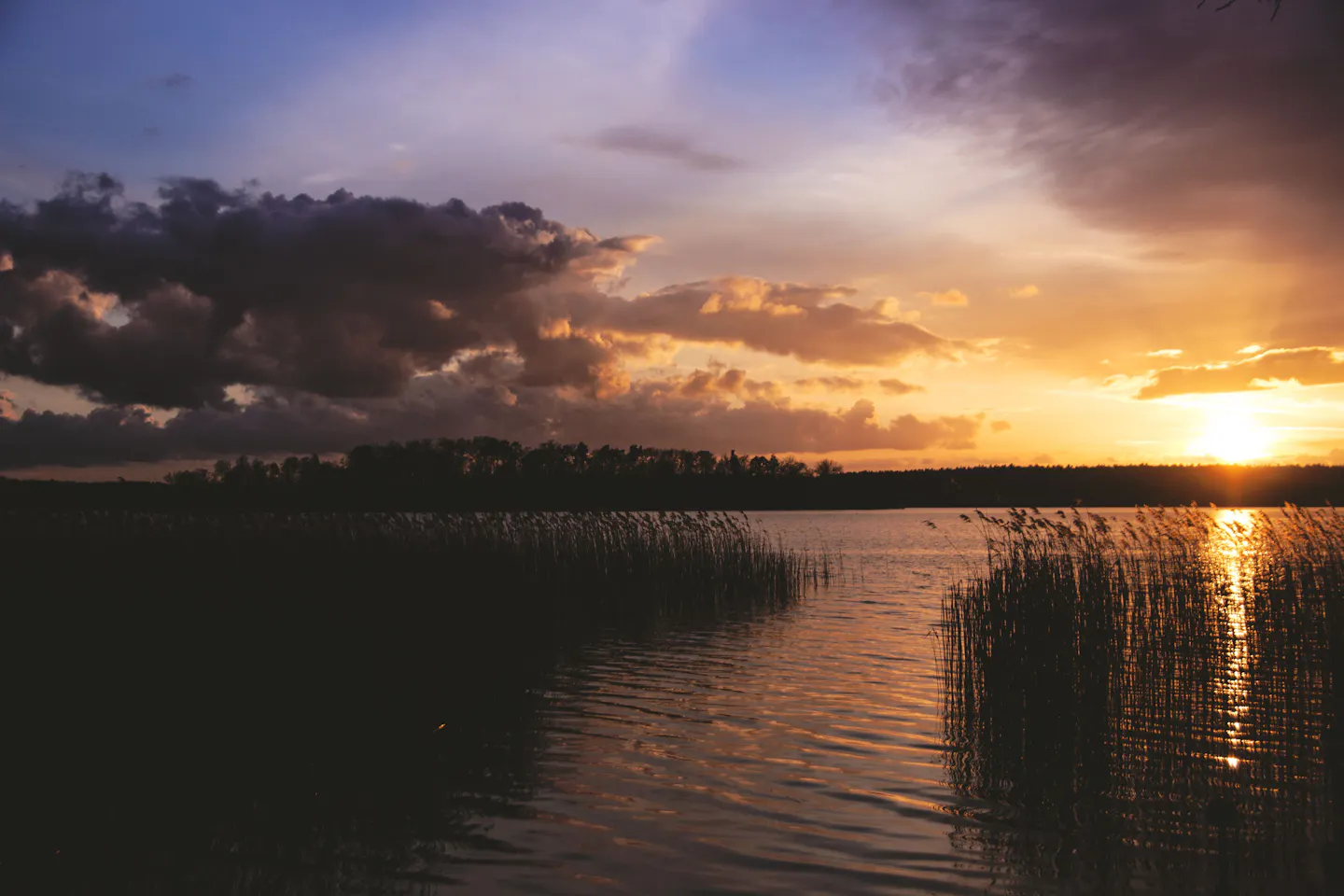
Westhavelland is a useful reminder that you do not always need to travel to an island or distant mountain range to find a dark sky.
Located in Brandenburg, west of Berlin, Westhavelland Nature Park became Germany’s first International Dark Sky Reserve in 2014. The reserve covers around 750 square kilometres of wetlands, meadows, villages, rivers, and open countryside.
On clear nights, the Milky Way can be visible without a telescope. Westhavelland is also known as a place where observers may see airglow, a faint natural light produced high in Earth’s atmosphere.
The biggest advantage is accessibility. You can combine a few days in Berlin with a quieter countryside stay rather than organizing a separate flight-based astronomy holiday.
A car makes exploring the reserve easier, particularly when returning from observation locations late at night. Choose accommodation inside or close to the park so you are not driving a long distance after your eyes have adapted to the darkness.
Best for: Berlin trips, weekend escapes, photographers, amateur astronomers, and travelers who want an accessible dark-sky destination.
Galloway Forest Park, Scotland: Best for Remote Forest Stargazing
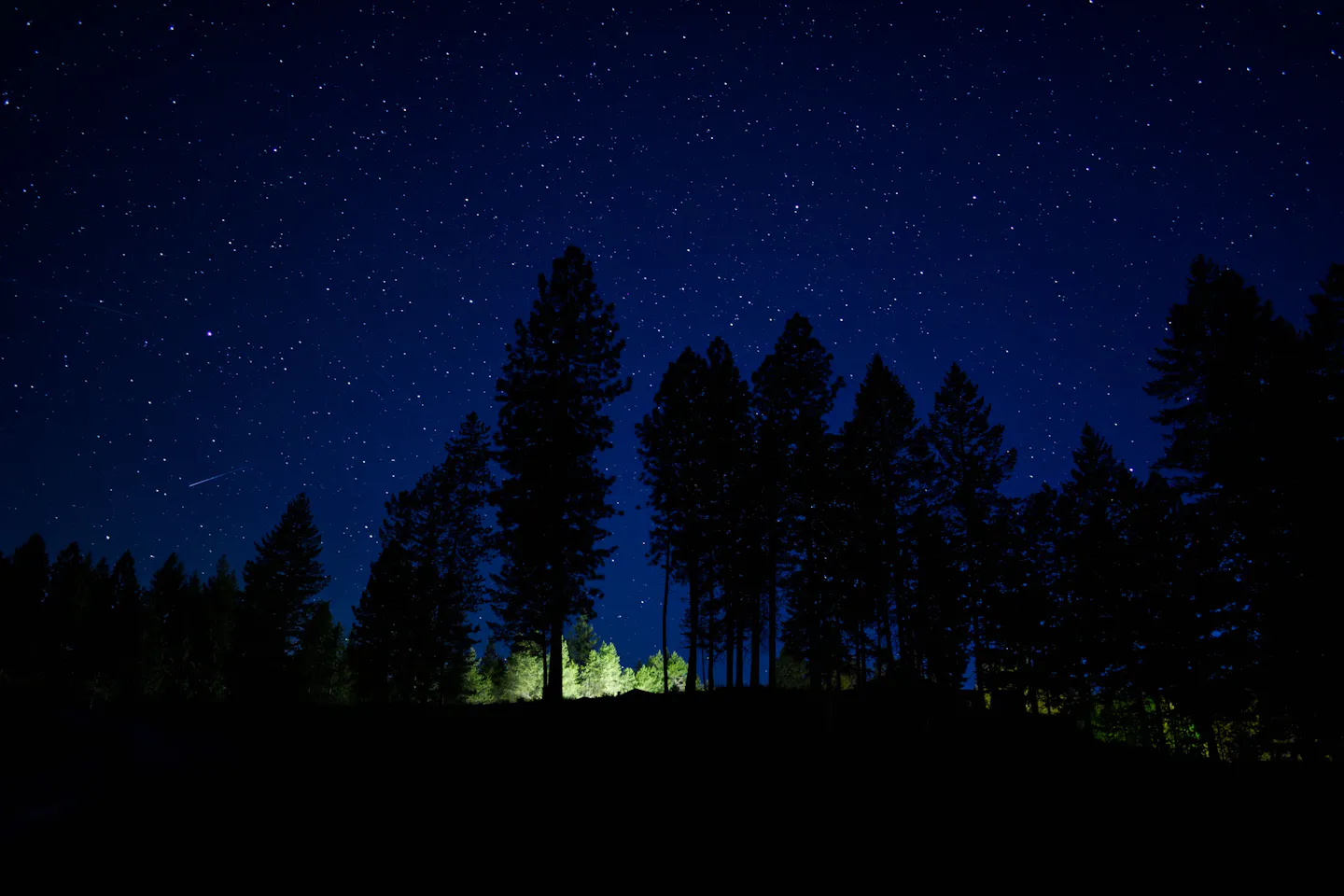
Galloway Forest Park became an International Dark Sky Park in 2009 and received Gold Tier recognition for its stargazing conditions. Its remote position in southwestern Scotland keeps artificial light to a minimum.
Official visitor information says that more than 7,000 stars and planets may be visible with the naked eye on a clear night, with the Milky Way often forming a bright band across the sky.
The main experience here is the feeling of space. Forests, lochs, dark hills, and long empty roads make it easy to forget how close you still are to towns and cities.
Clatteringshaws, Glentrool, and Kirroughtree are practical areas to begin exploring. Spend the daytime walking, cycling, wildlife watching, or driving through the forest before choosing a safe observation point for the evening.
Autumn and winter bring longer nights, but you should prepare for low temperatures and changing weather. Bring more layers than you think you need. Standing still under a clear sky feels much colder than hiking during the day.
Best for: remote nature, forest cabins, winter trips, photographers, and travelers comfortable with unpredictable weather.
Hortobágy, Hungary: Best for Wide, Open Horizons
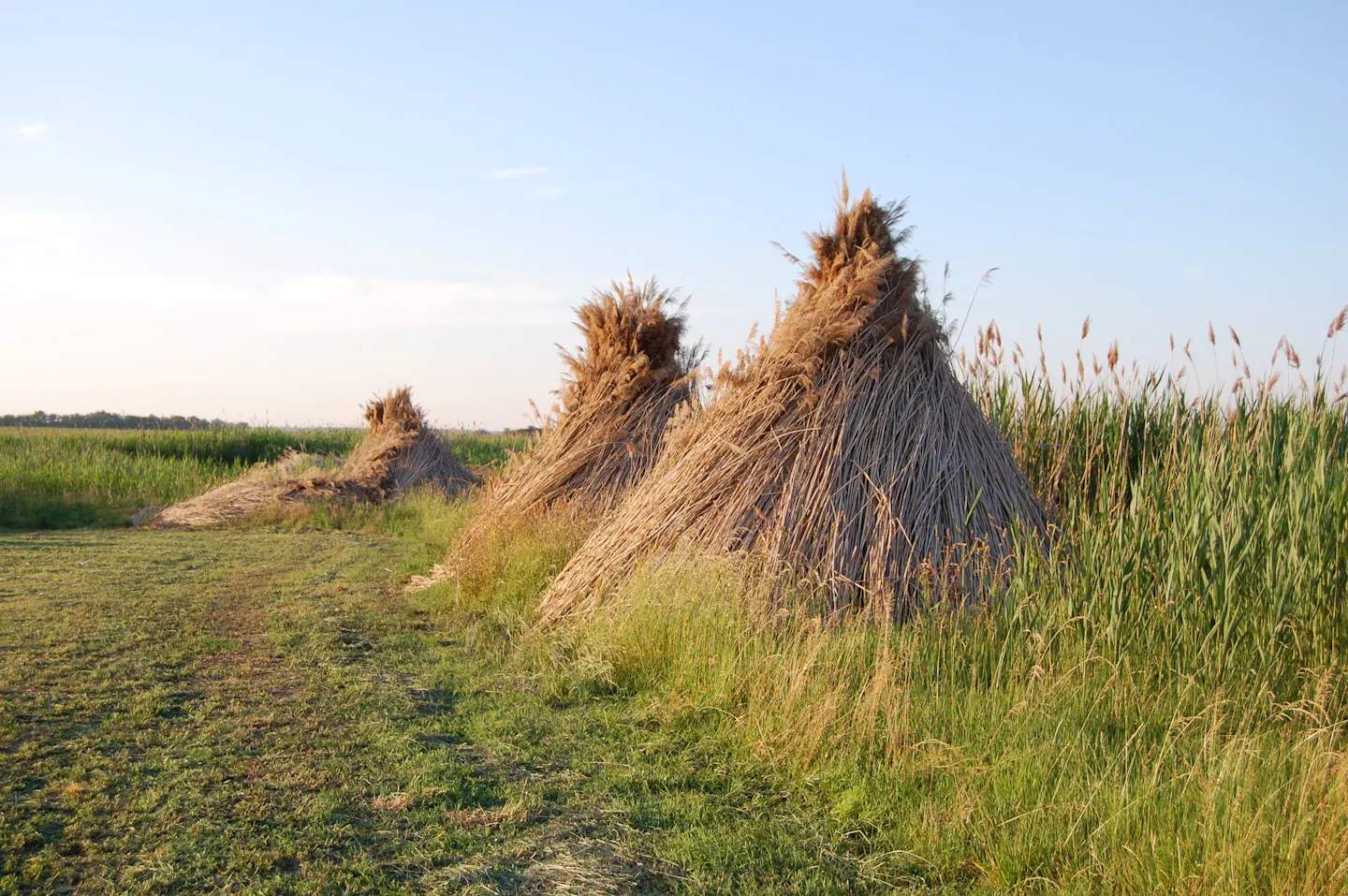
Hortobágy National Park offers a completely different landscape from Europe’s mountain and forest reserves.
Its huge, flat grasslands create an almost uninterrupted view from one horizon to the other. The national park received Silver Tier International Dark Sky Park status in 2011 and is one of Hungary’s least light-polluted areas.
That wide horizon is the main reason to visit. There are fewer mountains, forests, and buildings blocking the sky, making it easier to follow constellations as they rise and move through the night. Under the right conditions, visitors can see the Milky Way and zodiacal light.
During the day, the park is known for its traditional pastoral landscape, birdlife, wetlands, and distinctive Hungarian culture. You can add time in Debrecen or combine Hortobágy with a longer journey through eastern Hungary.
This is not the place for a packed sightseeing schedule. It works better when you slow down, spend time in the landscape, and let the empty space become the main attraction.
Best for: birdwatchers, photographers, peaceful road trips, open landscapes, and travelers looking beyond Western Europe.
Mount Aenos, Kefalonia: Best for Stargazing on a Greek Island
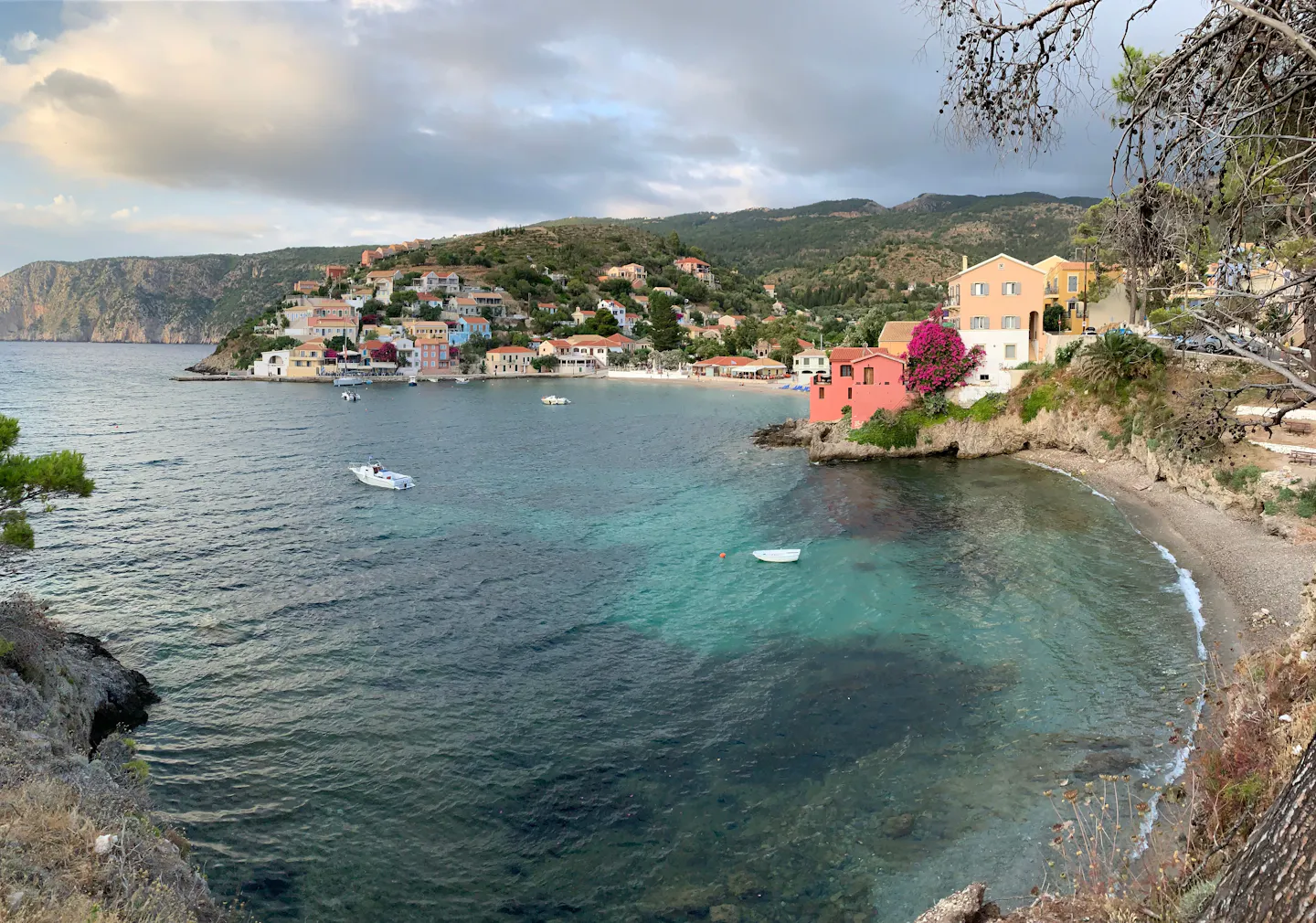
Mount Aenos National Park on Kefalonia became Greece’s first certified International Dark Sky Park in 2023. The park protects the night environment and runs public astronomy programs using telescopes and guided constellation tours.
It is one of the most interesting options for travelers who want to add a serious stargazing experience to a classic Mediterranean holiday.
You can spend the day swimming at beaches such as Myrtos, visiting Assos or Fiskardo, eating seafood beside the water, and exploring the island’s caves. Later, move inland and upward toward the darker environment around Mount Aenos.
The contrast is what makes it special: bright blue water and beach time during the day, followed by mountain air and a sky full of stars at night.
Scheduled stargazing events are sometimes offered free of charge, although dates and access arrangements should always be checked before your trip.
Best for: beach travelers, couples, summer holidays, families, and anyone who wants stargazing without giving up the sea.
How to Choose the Right Stargazing Destination in Europe
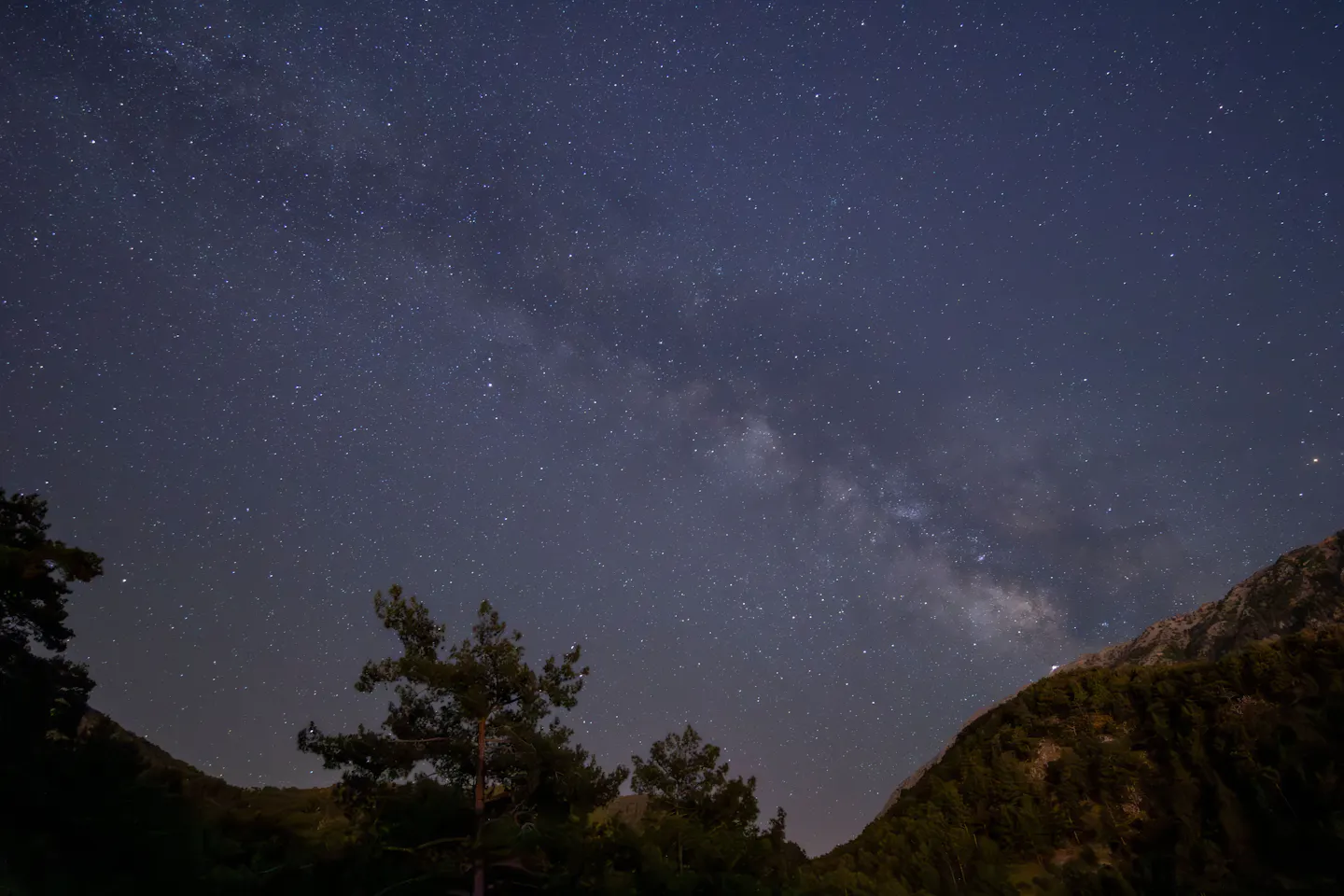
The best place depends on the kind of trip you want around the stargazing experience.
For the strongest overall astronomy trip
Choose La Palma. The combination of protected skies, altitude, observatories, volcanic scenery, and guided experiences is difficult to match.
For a romantic trip
Look at Alqueva, Kerry, or Pic du Midi. Alqueva is warmer and more relaxed, Kerry feels wild and atmospheric, while Pic du Midi is the most dramatic choice for a special occasion.
For a beach and stargazing holiday
Choose Mount Aenos on Kefalonia or La Palma. Both let you spend the day near the sea before heading toward darker, higher ground at night.
For a trip from a major city
Choose Westhavelland as an extension of a Berlin visit. It requires less complicated travel than many remote dark-sky regions.
For observatories and guided experiences
Choose La Palma, Pic du Midi, Alqueva, or Northumberland. These destinations make it easy for beginners to understand what they are looking at.
For quiet hiking and nature
Choose the Cévennes, Galloway, Northumberland, or Hortobágy. Stargazing becomes one part of a slower outdoor trip rather than the only activity.
How to Plan a Stargazing Trip in Europe
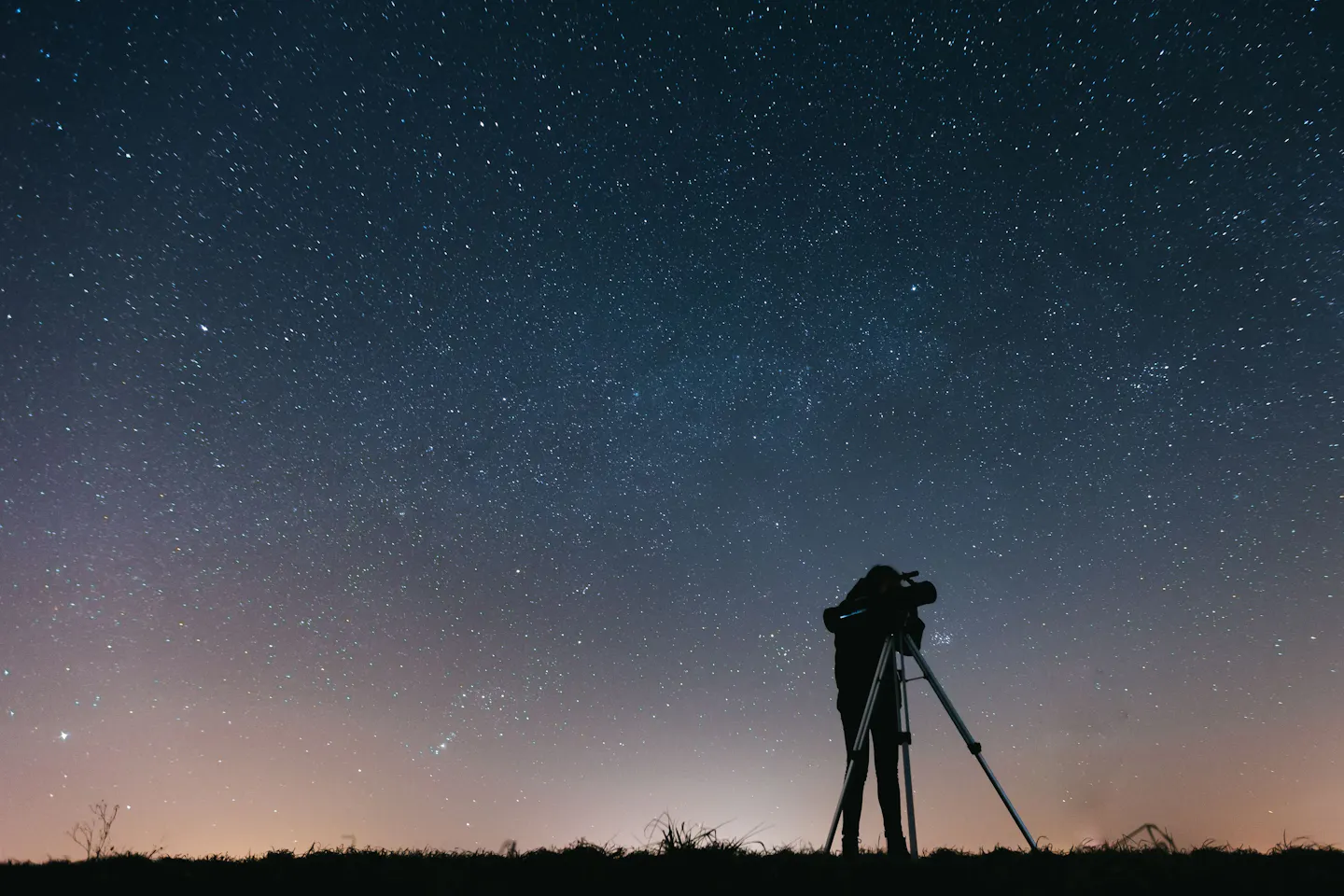
Travel close to a new moon
A bright moon can wash out faint stars, meteor showers, nebulae, and much of the Milky Way. The nights around a new moon are normally the best choice when seeing the darkest possible sky is your priority.
Give yourself more than one night
Even the darkest destination will not help when the sky is completely covered by clouds. Stay for several nights and include daytime activities you genuinely want to do. That way, poor weather does not ruin the entire trip.
Visit the observation point during daylight
Remote viewpoints can have uneven ground, narrow roads, steep drops, locked gates, or limited parking. NASA recommends scouting the location during the day so you understand the terrain and possible hazards before arriving in darkness.
Protect your night vision
Allow your eyes around 20 to 30 minutes to adapt to the dark. Avoid repeatedly checking a bright phone screen and use a dim red light when you need to see the ground. Red light has less impact on night vision than a normal white flashlight.
Do not assume you need a telescope
A telescope is useful for studying planets and smaller objects, but the naked-eye view is often the most impressive part of a truly dark location. Binoculars can also reveal star clusters and details that are difficult to see without becoming complicated to carry.
FAQ: Stargazing in Europe
Where is the clearest night sky in Europe?
La Palma is one of Europe’s strongest choices because it combines high elevation, protected skies, professional observatories, and many dedicated observation locations. Alqueva, Pic du Midi, the Cévennes, Kerry, Northumberland, and Galloway also have internationally recognised dark-sky areas.
Where can you see the Milky Way in Europe?
The Milky Way can be visible from all the destinations in this guide when the sky is clear, the location is sufficiently dark, and moonlight is limited. The brighter central area is easiest to observe during the Northern Hemisphere’s warmer months, although other parts of the Milky Way remain visible at different times of year.
What is the best time to go stargazing in Europe?
Choose a clear night close to a new moon. Summer can be good for seeing the brighter centre of the Milky Way in southern Europe, while autumn and winter provide longer nights in northern destinations. The best month depends heavily on local weather and what you want to see.
Can you see stars without a telescope?
Yes. From a genuinely dark location, you may see the Milky Way, constellations, planets, satellites, meteors, and thousands of individual stars without special equipment. A telescope is helpful, but it is not required for a memorable night.
Is La Palma or Tenerife better for stargazing?
Both Canary Islands offer strong astronomy experiences, but La Palma is usually the better choice for a trip centred specifically on stargazing. Its Roque de los Muchachos Observatory, protected night environment, astronomical viewpoints, and quieter atmosphere make astronomy a central part of the island’s identity.
Plan Your Stargazing Trip with EasyMiles
A good stargazing holiday needs more than one pin on a map.
You need to work out where to stay, what to do before sunset, how long it takes to reach the observation point, where to eat, and which activities can move to another day when the weather changes. Remote areas also have limited opening hours, longer driving times, and fewer last-minute alternatives.
EasyMiles can plan the whole trip around your dates, interests, pace, and travel style. It can create a realistic day-by-day itinerary with daytime attractions, restaurants, driving times, viewpoints, and the best moment to include your stargazing experience.
Choose your destination, tell EasyMiles what kind of trip you want, and turn a night under the stars into a complete European escape.