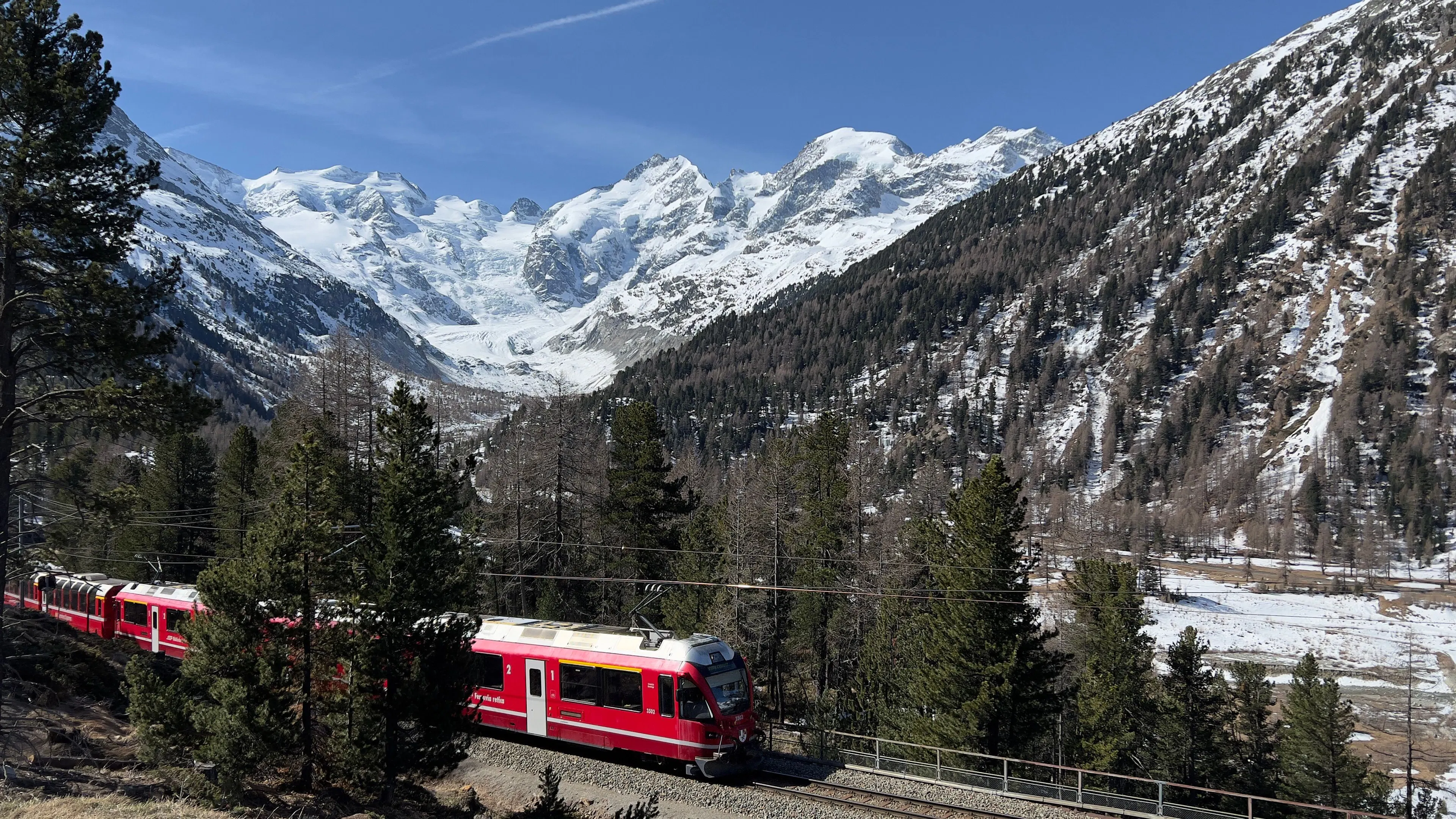
The best train trips in Europe are the Bernina Express, the Glacier Express, the Bergen Railway, the Flåm Railway, the West Highland Line, the GoldenPass route, the Rhine Valley Line, the Semmering Railway, the Cinque Terre coastal railway, and Norway’s Rauma Line. These journeys combine beautiful scenery with routes that are worth taking even when the train is not simply the fastest way from one place to another.
Switzerland is best for panoramic Alpine trains, Norway for mountains and fjords, Scotland for wild landscapes, Germany for castles and vineyards, Austria for historic engineering, and Italy for coastal villages. Some routes are dedicated tourist trains with mandatory reservations, while others are normal public services that happen to pass through exceptional scenery.
Here is the quick answer:
- The Bernina Express is best for glaciers, high Alpine passes, viaducts, and finishing in northern Italy.
- The Glacier Express is best for a full-day panoramic journey between Zermatt and St. Moritz.
- The Bergen Railway is best for travelling between Oslo and Bergen across mountains and the Hardangervidda plateau.
- The Flåm Railway is best for a short, dramatic descent between the mountains and the Aurlandsfjord.
- The West Highland Line is best for lochs, moorland, mountains, and the famous route toward Mallaig.
- The GoldenPass route is best for Swiss lakes, green valleys, mountain towns, and an easy connection between central and western Switzerland.
- The Rhine Valley Line is best for castles, vineyards, river towns, and a scenic route that fits easily into a wider Germany trip.
- The Semmering Railway is best for historic railway engineering, Austrian mountain scenery, and a short trip from Vienna or Graz.
- The Cinque Terre railway is best for combining five coastal villages without a car.
- The Rauma Line is best for steep valleys, rivers, bridges, and a quieter Norwegian train journey.
The most scenic train is not automatically the best choice for every trip. Think about whether you want the train itself to be the main event, or whether you want a beautiful route that connects two destinations you already plan to visit.
Bernina Express: best overall Alpine train trip
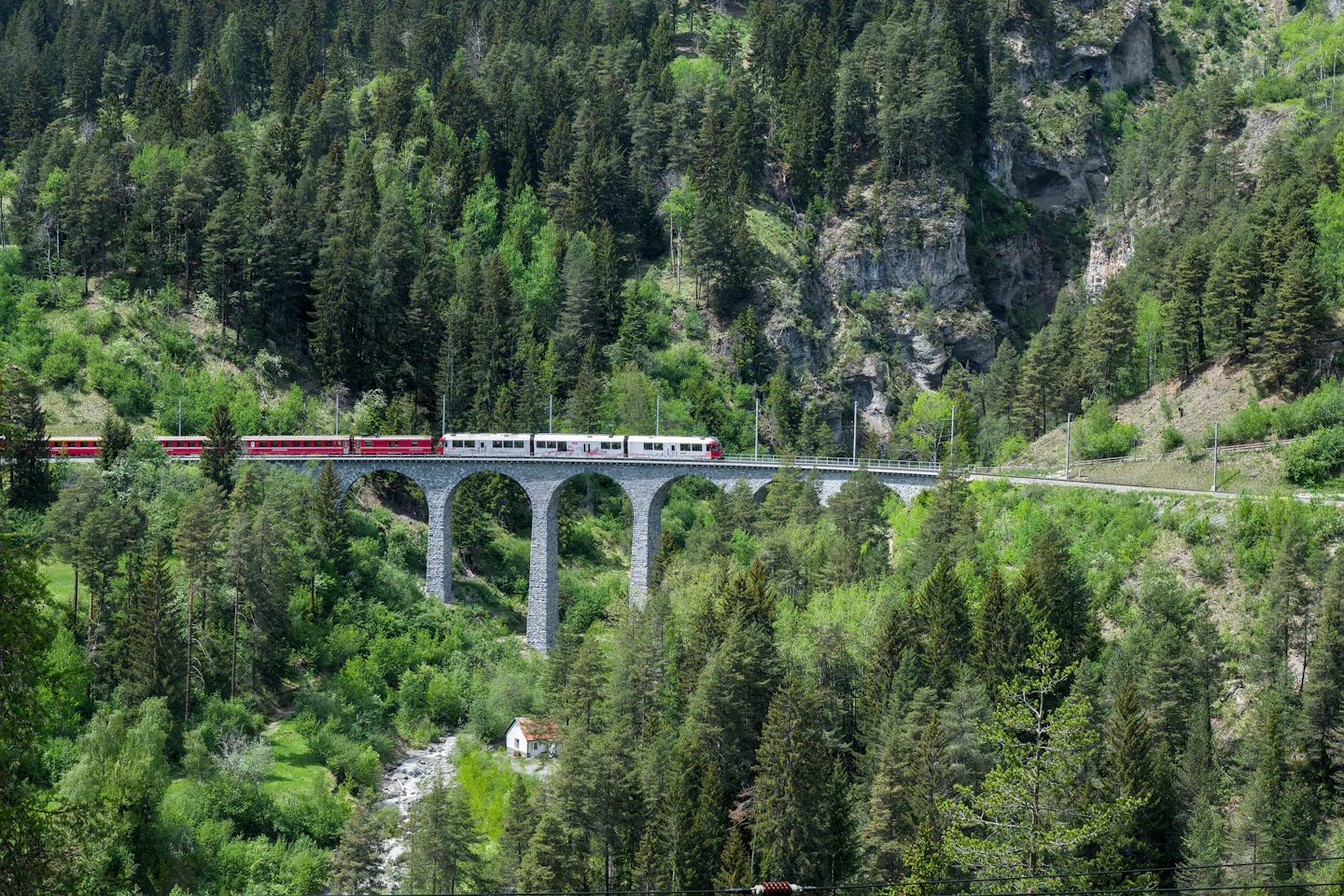
The Bernina route crosses one of the most dramatic parts of the Swiss Alps and continues to Tirano in northern Italy. Depending on the service, you can begin in Chur or St. Moritz and travel through high mountain landscapes, lakes, glaciers, tunnels, and the famous Landwasser and Brusio railway structures.
The panoramic Bernina Express requires a reservation, but regular regional trains use the same tracks and scenery. The regional option is useful when you want more flexibility, openable windows on some services, or the chance to stop in places such as Pontresina, Alp Grüm, or Poschiavo.
The route works beautifully as part of a larger trip. Start in Zurich or Lucerne, continue to St. Moritz, take the Bernina line to Tirano, and then travel onward toward Lake Como or Milan.
Best for: first-time scenic-train travellers, photographers, couples, families, and anyone combining Switzerland with Italy.
Glacier Express: best full-day panoramic journey
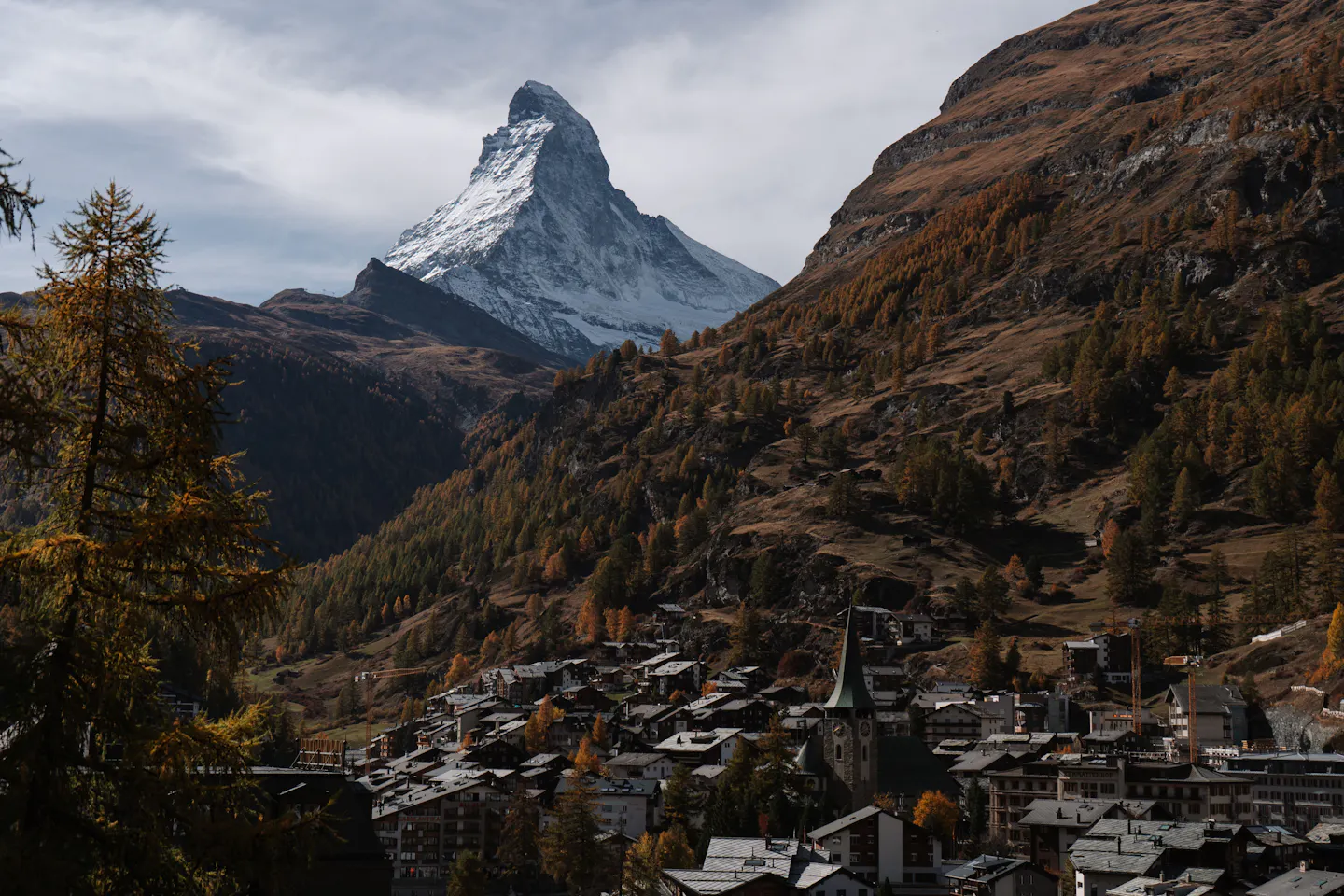
The Glacier Express connects Zermatt and St. Moritz through the Swiss Alps in roughly eight hours. The route passes mountain valleys, high passes, bridges, tunnels, river gorges, and the landscapes of the Engadin and Valais regions.
This is a dedicated panoramic experience rather than a quick transfer. Large windows, reserved seats, and optional onboard meals make the journey comfortable, but it is important to understand that you will spend almost the entire day on the train.
Choose the Glacier Express when both Zermatt and St. Moritz belong in your itinerary. If you only want a shorter scenic section, regular trains can cover parts of the route with more flexibility and without committing to the complete journey.
Best for: travellers who enjoy slow journeys, Swiss mountain resorts, panoramic trains, and a comfortable once-in-a-trip experience.
Bergen Railway: best long-distance route in Norway
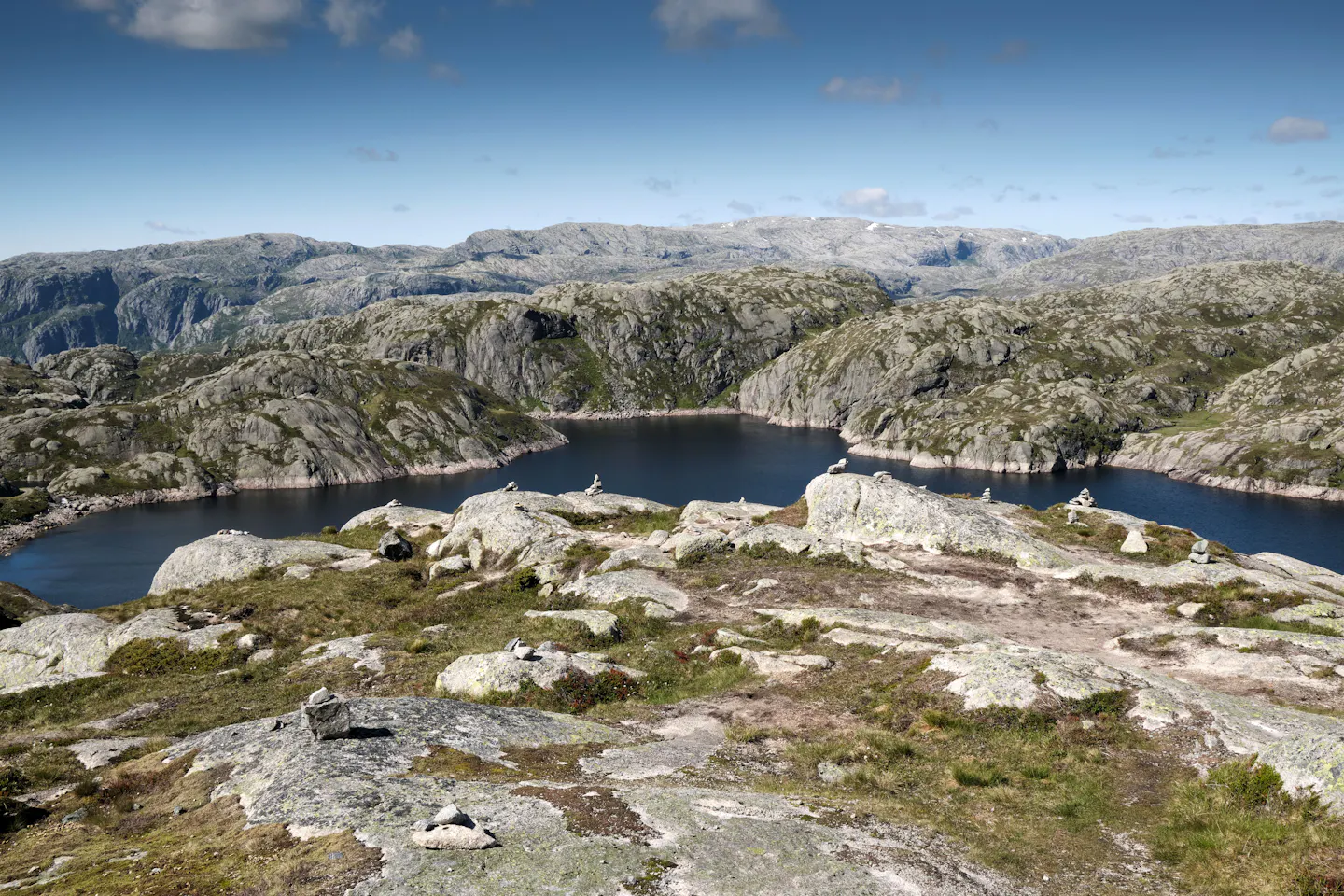
The Bergen Railway connects Oslo and Bergen across almost 500 kilometres of changing Norwegian landscape. The journey moves from urban areas into valleys, forests, mountain stations, and the high Hardangervidda plateau before descending toward western Norway.
It takes most of a day, but unlike a sightseeing train, it also performs a practical job: connecting Norway’s two most important visitor cities. That makes it easy to include in a wider itinerary without adding a separate excursion.
A strong route is Oslo to Bergen with a stop at Myrdal for the Flåm Railway, or an overnight in Geilo or Finse if you want hiking, cycling, or winter landscapes. Travel during daylight and check which side offers the best views for the direction you are taking, although the scenery changes often enough that both sides are rewarding.
Best for: travellers visiting Norway without a car, mountain lovers, couples, families, and anyone combining Oslo with the fjords.
Flåm Railway: best short and dramatic train journey
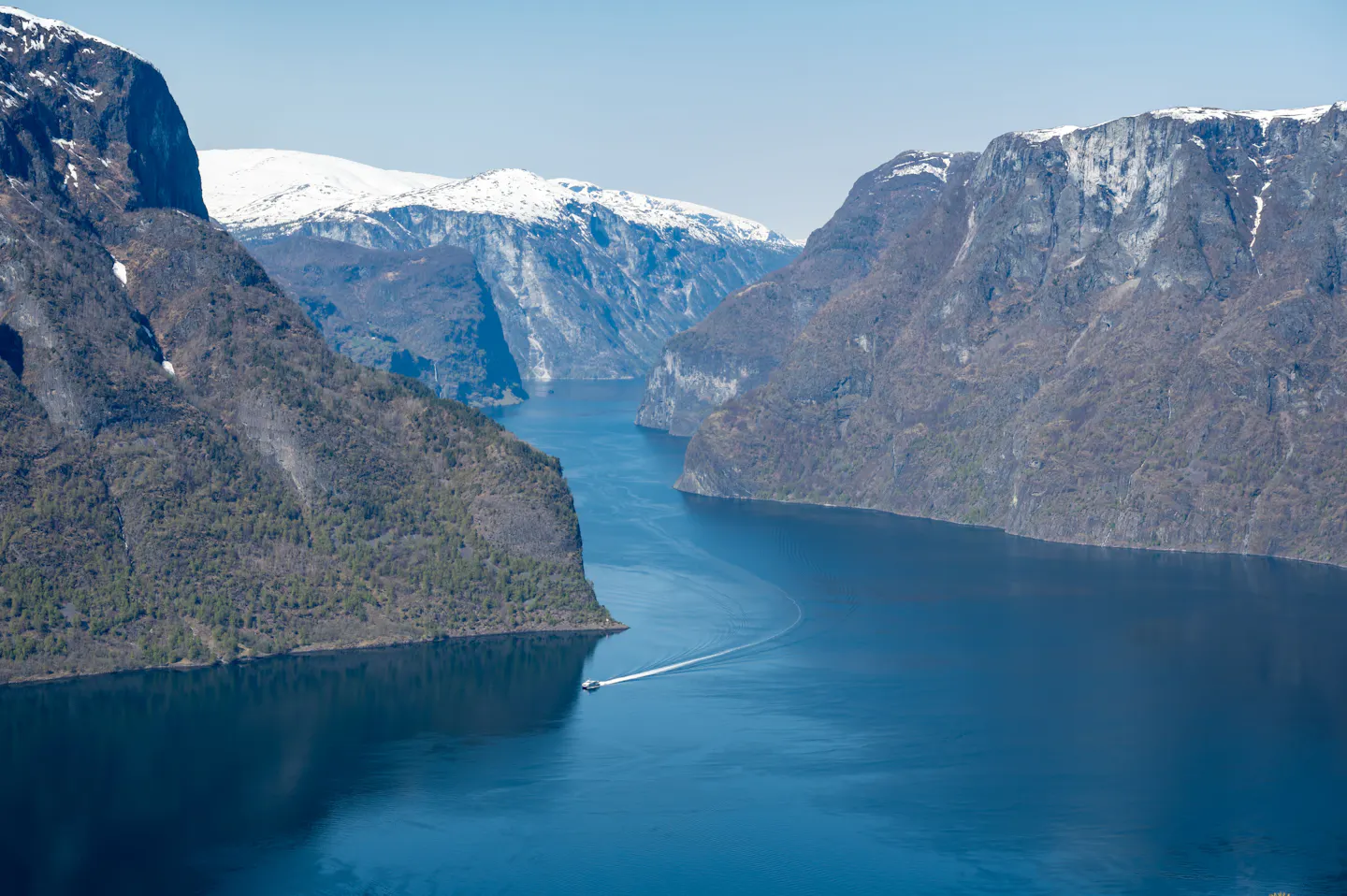
The Flåm Railway runs between Myrdal, high on the Bergen line, and the village of Flåm beside the Aurlandsfjord. In about an hour, the train descends through steep terrain, tunnels, ravines, waterfalls, and mountain scenery from 867 metres above sea level to the fjord.
The route is popular because it delivers a huge amount of scenery in a short distance. It is also easy to combine with the Bergen Railway and a boat journey through the fjords, creating a complete train-and-water route between Oslo and Bergen.
Flåm becomes crowded when several tours arrive at once. Staying overnight gives you a calmer view of the village and makes it easier to add a fjord cruise, Stegastein viewpoint, cycling, or hiking without watching the departure board all day.
Best for: first-time visitors to Norway, families, cruise travellers with extra time, and anyone who wants maximum scenery in a short train ride.
West Highland Line: best for Scottish wilderness
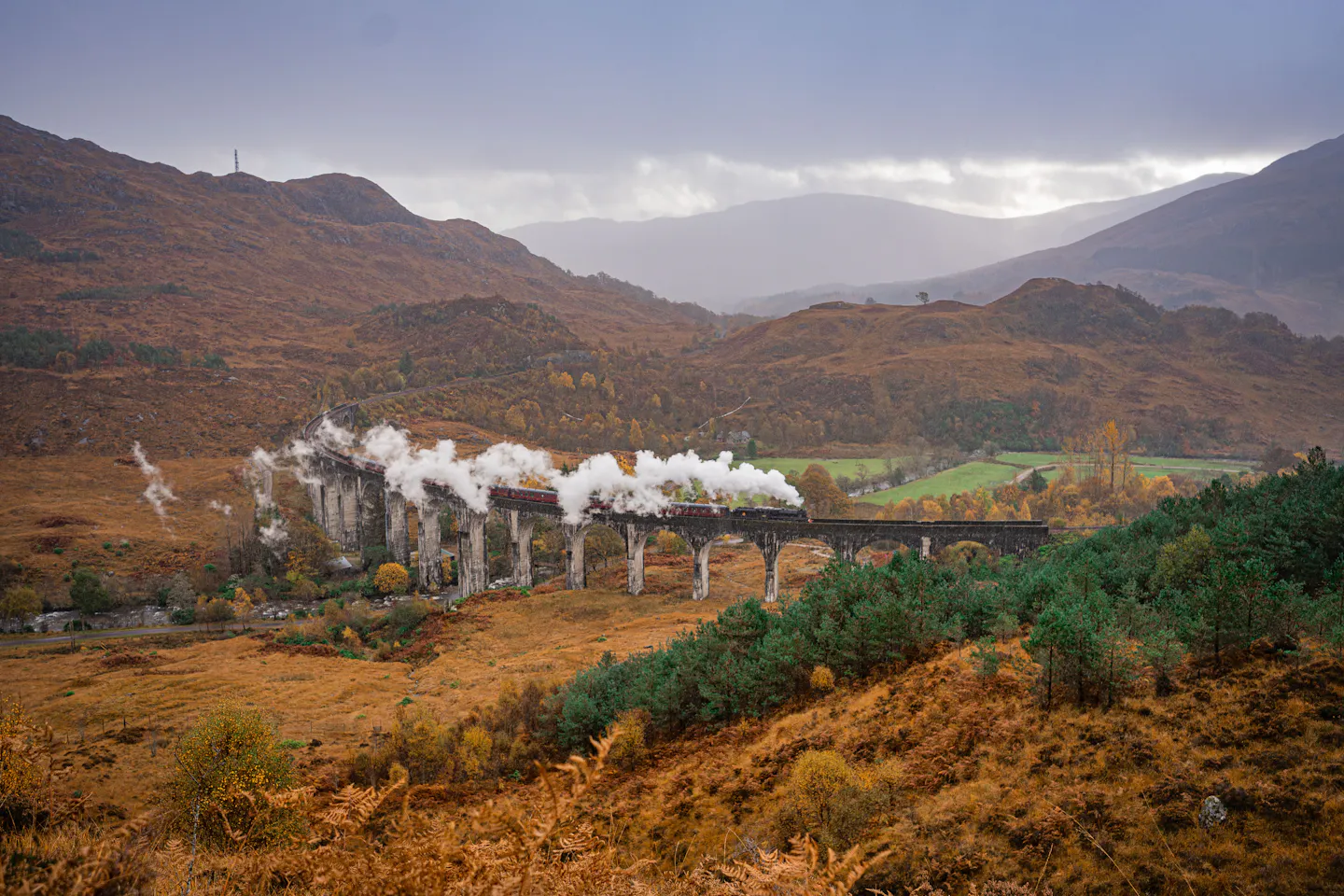
The West Highland Line runs from Glasgow through lochs, moorland, mountains, and remote stations toward Fort William and Mallaig. It is one of the best ways to understand the scale and mood of the Scottish Highlands without driving.
The final section toward Mallaig includes views associated with the Glenfinnan Viaduct, but the journey is much more than one famous photograph. Rannoch Moor, mountain valleys, sea lochs, and small stations create a route that feels genuinely remote.
Use the regular service for a practical journey, or choose a heritage steam experience on selected dates if that is the main reason for the trip. Fort William works as a base for Ben Nevis and Glencoe, while Mallaig connects with ferries toward Skye and the Small Isles.
Best for: photographers, hikers, film fans, couples, and travellers who want wild scenery rather than polished panoramic carriages.
GoldenPass route: best for lakes and easy Swiss connections
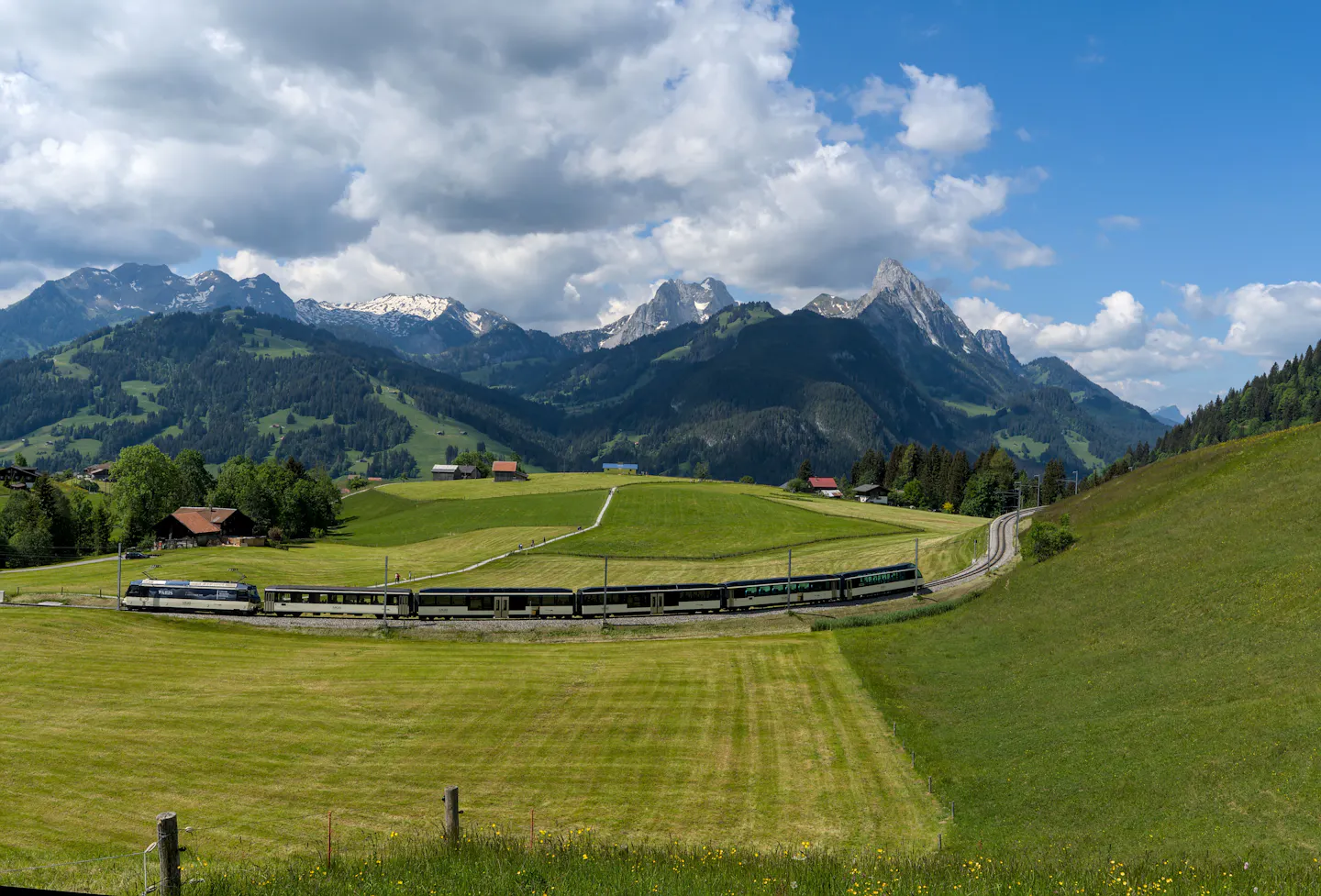
The GoldenPass route links central Switzerland with the Lake Geneva region through a chain of trains between Lucerne, Interlaken, and Montreux. The scenery moves through lakes, green valleys, mountain villages, and higher Alpine landscapes before descending toward vineyards and the French-speaking west.
The newer GoldenPass Express offers a direct journey between Interlaken and Montreux on selected services, while the full Lucerne-to-Montreux route still involves a connection. This is not a disadvantage: changing trains breaks the day into manageable sections and makes it easy to stop in Interlaken, Zweisimmen, or another mountain town.
Choose this route when you want beautiful scenery but also need to connect major Swiss destinations. It fits naturally into a trip that includes Lucerne, the Jungfrau region, Montreux, or Lausanne.
Best for: first-time visitors to Switzerland, families, couples, lake lovers, and travellers who want scenic rail without spending a full day on one train.
Rhine Valley Line: best for castles, vineyards, and river towns
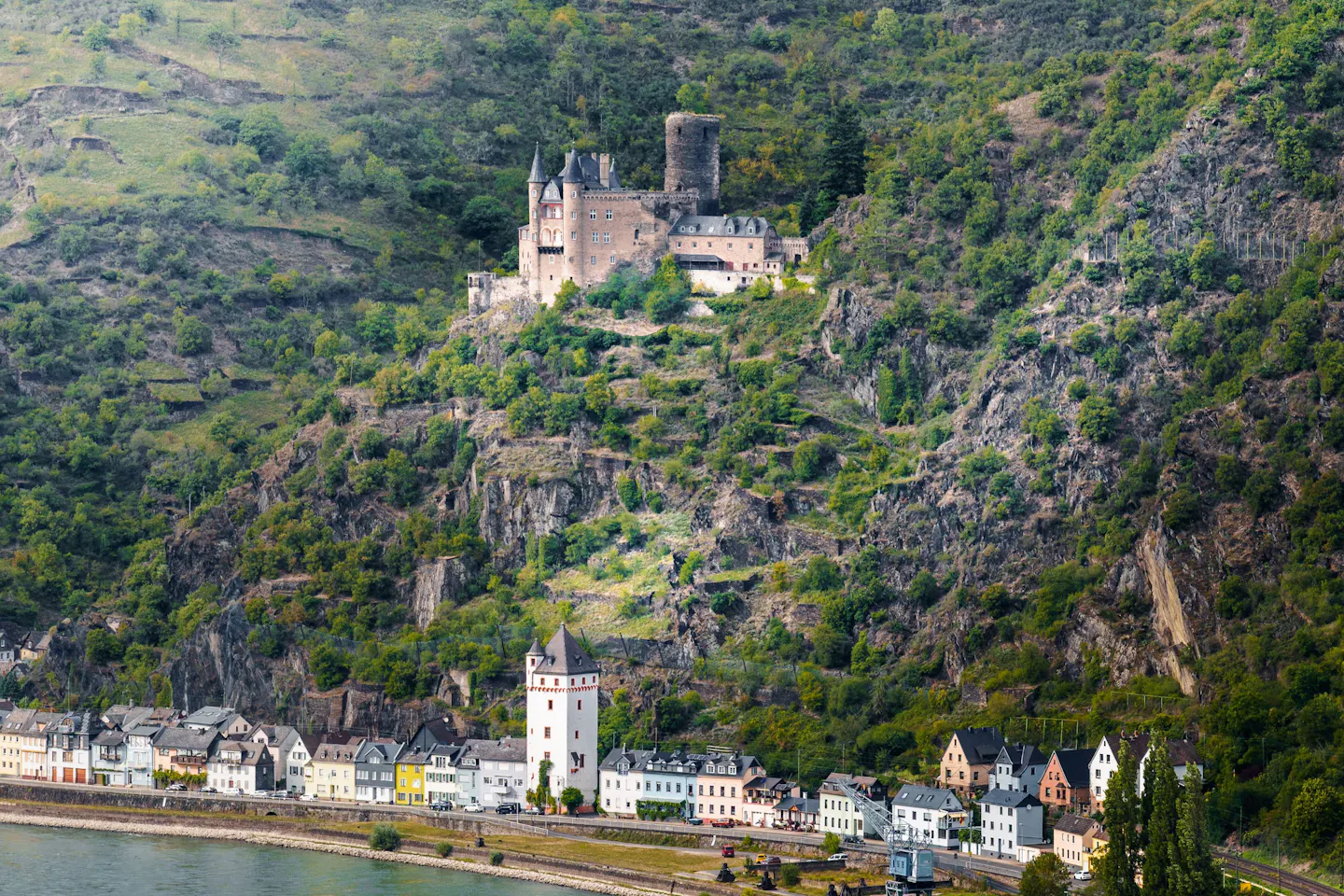
The railway along the Middle Rhine is one of Europe’s easiest scenic routes to include in a normal trip. Between Cologne, Koblenz, Bingen, and Mainz, trains follow the river past vineyards, hilltop castles, villages, and the narrow landscape around the Loreley.
The best section is generally between Koblenz and Bingen or Mainz. Sit on the river side for the strongest views, but check the direction and track because services can vary. Regional trains give you the freedom to stop in towns such as Bacharach, St Goar, or Rüdesheim.
The route is especially good in late spring, summer, and early autumn when the vineyards and river towns are active. Combine the train with a boat section if you want to experience the castles from both the water and the railway.
Best for: wine travellers, castle lovers, first-time rail travellers, and anyone building a Germany itinerary around Cologne, Frankfurt, or the Rhine.
Semmering Railway: best historic mountain route
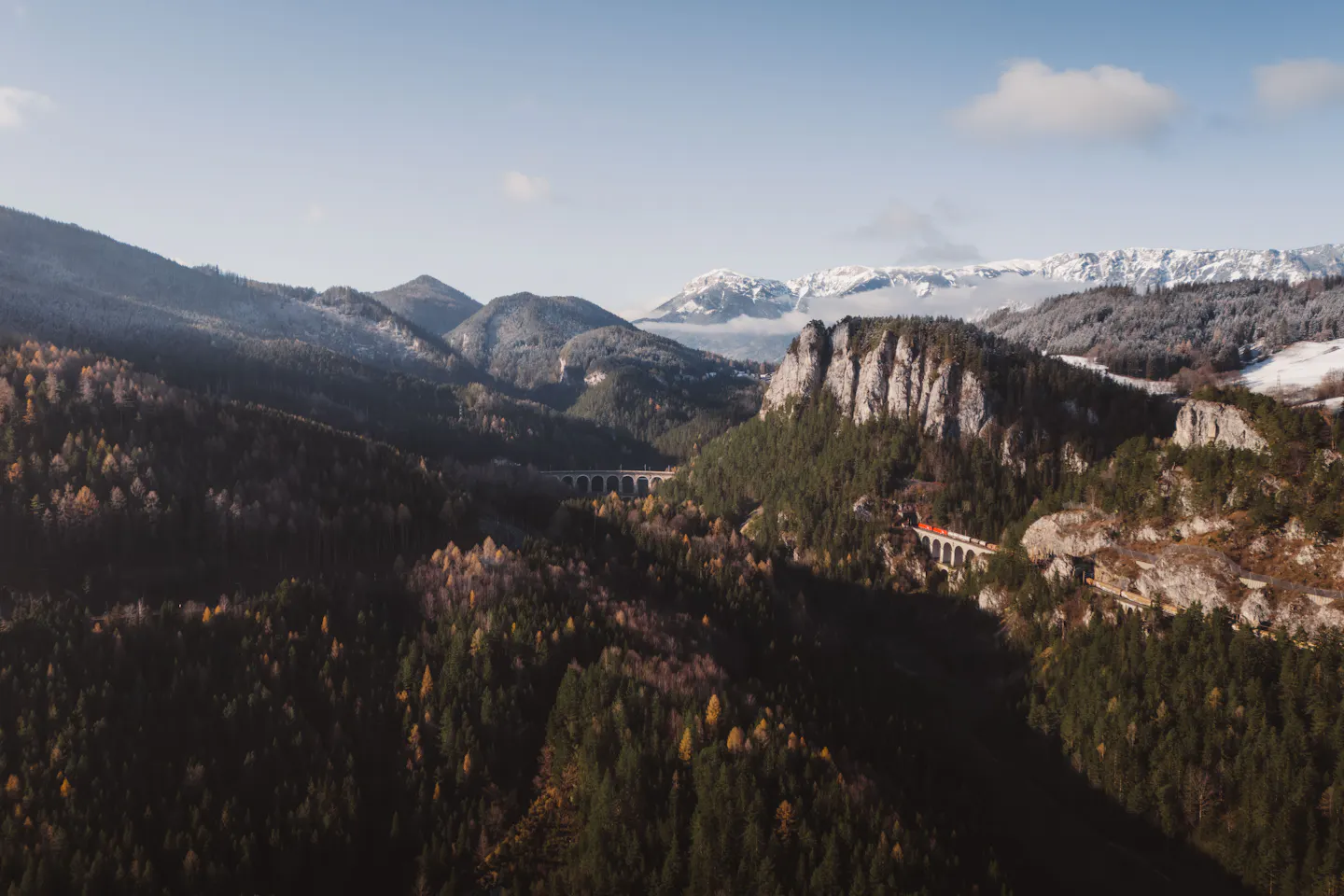
The Semmering Railway crosses a mountainous section of Austria between Gloggnitz and Semmering on the broader route connecting Vienna with Graz. Built in the nineteenth century, it is recognised for the way its viaducts, tunnels, and curves were integrated into difficult Alpine terrain.
The scenic section is shorter than the Swiss panoramic routes, which makes it easy to include as part of a city-to-city transfer. Travel from Vienna toward Graz during daylight, or stop in Semmering for hiking, viewpoints, and a closer look at the railway landscape.
This journey is best for travellers who appreciate engineering and history as much as mountain views. The route feels less staged than a dedicated tourist train because it remains part of Austria’s everyday rail network.
Best for: railway enthusiasts, architecture lovers, hikers, and travellers combining Vienna with Graz or southern Austria.
Cinque Terre railway: best coastal village route
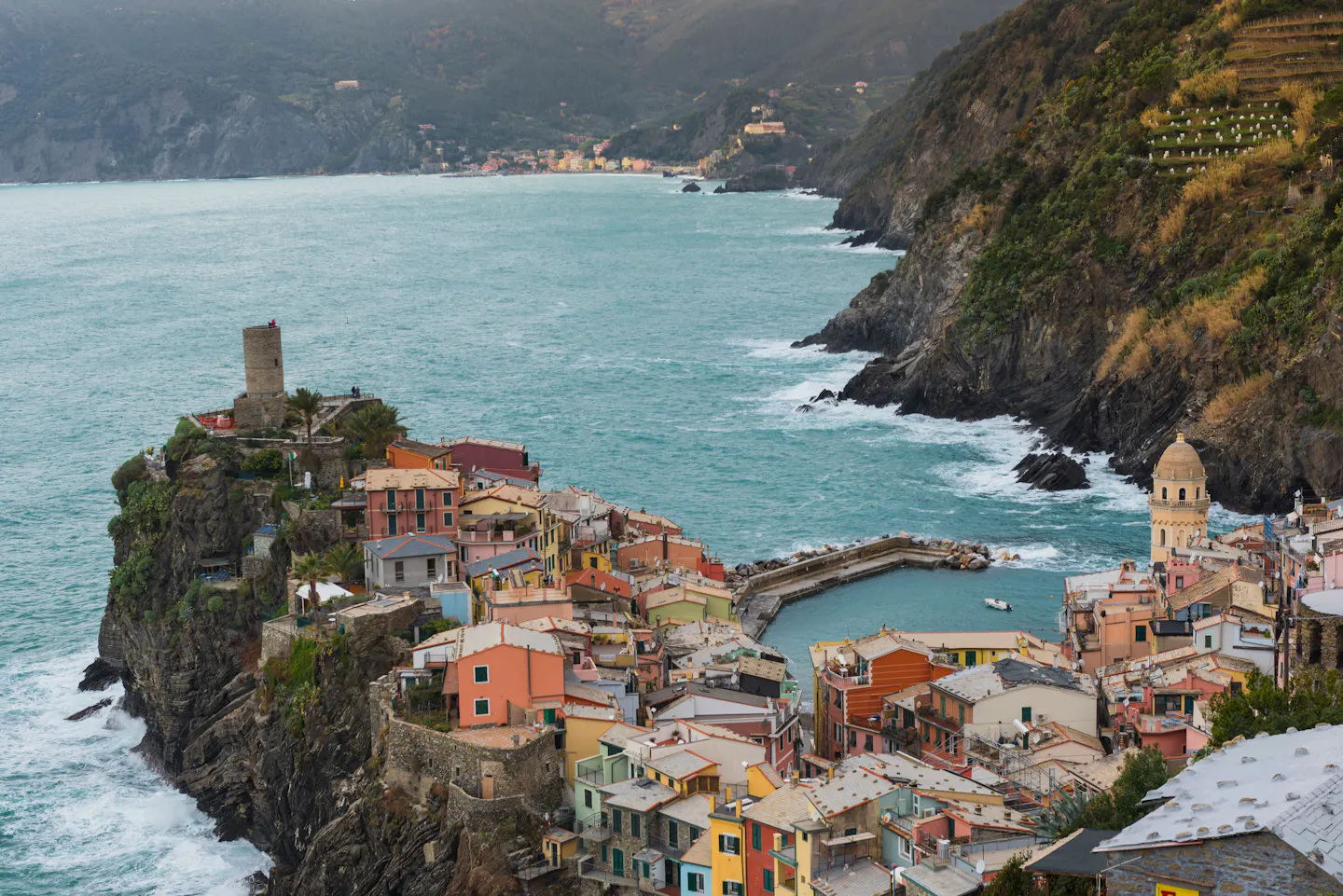
The train linking La Spezia, the five Cinque Terre villages, and Levanto is not a panoramic tourist train in the traditional sense. Much of the route passes through tunnels. What makes it special is how efficiently it connects dramatic coastal villages that are difficult and stressful to visit by car.
Use the train to move between Riomaggiore, Manarola, Corniglia, Vernazza, and Monterosso, then combine sections with hiking or a boat ride. The short travel times make it possible to see several villages in one day, although staying for two or three nights is much more enjoyable than arriving on a rushed excursion.
Expect crowded platforms in peak season and validate or activate the correct ticket before travel. Early mornings, evenings, and shoulder-season visits offer a calmer experience.
Best for: couples, hikers, photographers, food travellers, and anyone visiting the Ligurian coast without a car.
Rauma Line: best quieter Norwegian scenic train
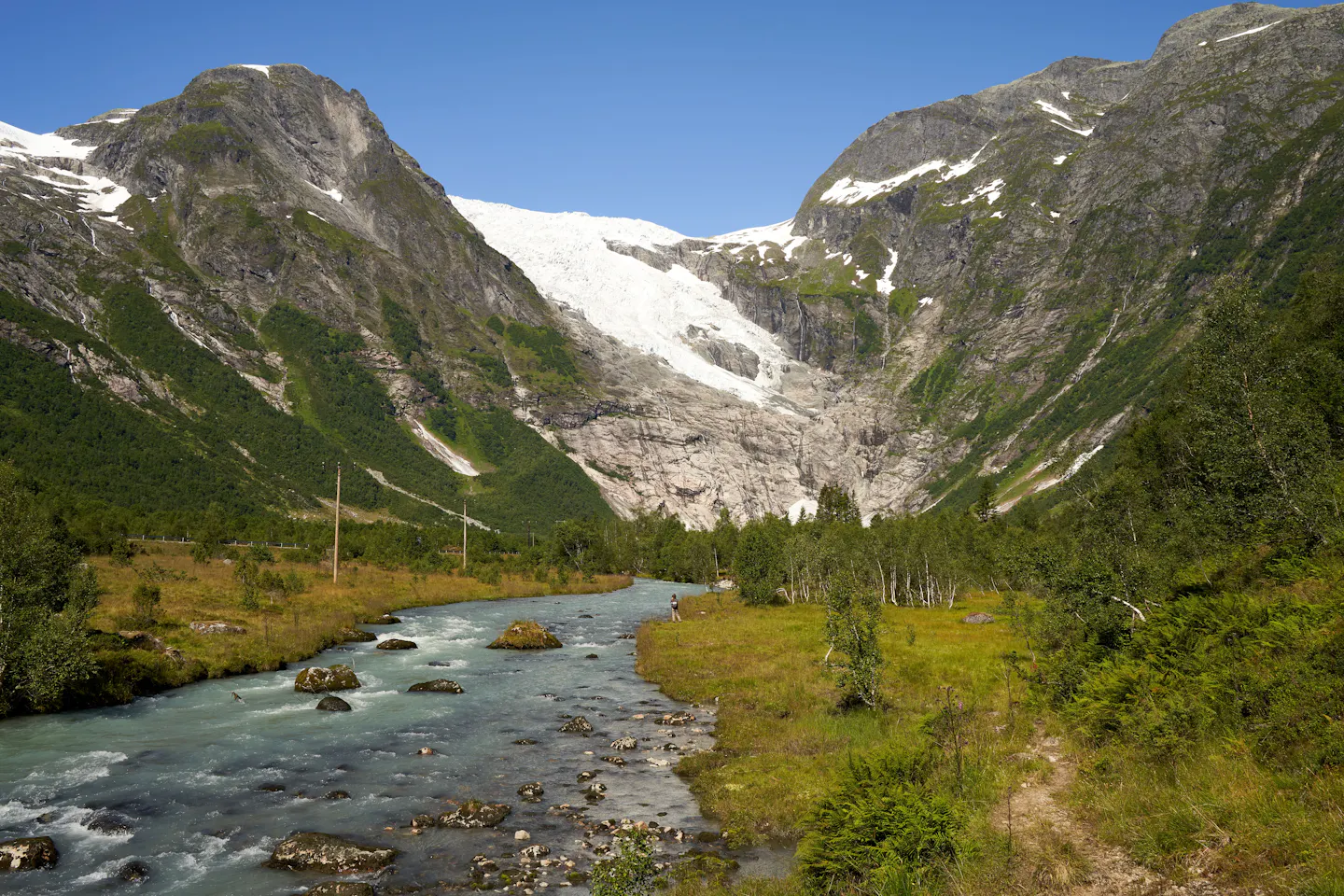
The Rauma Line runs between Dombås and Åndalsnes through a landscape of steep mountains, rivers, bridges, and deep valleys. It is shorter and less internationally famous than the Bergen Railway, but the scenery is immediate and dramatic.
Highlights include the Rauma River, the Kylling Bridge, and views toward the Trollveggen mountain wall. The route connects with trains on the Dovre Line, making it possible to travel from Oslo or Trondheim and continue toward the fjord region.
Åndalsnes is worth more than a quick turnaround. Stay for hiking, the Romsdalen Gondola, scenic drives, or further travel toward the Atlantic coast and Geiranger area.
Best for: travellers who want a less crowded scenic route, hikers, photographers, and anyone exploring Norway beyond the most famous fjords.
How to choose the right European train trip
For the most dramatic Alpine scenery
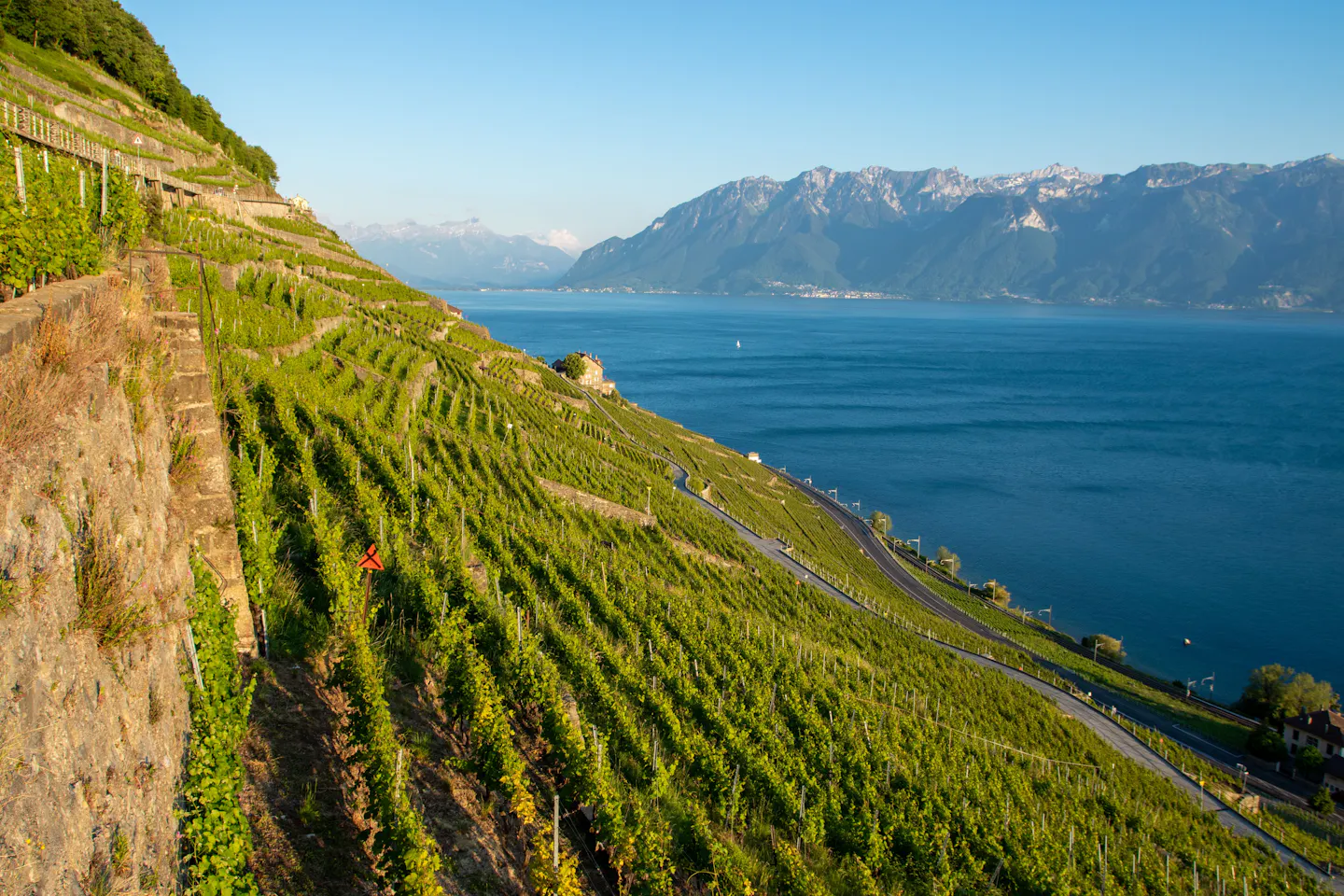
Choose the Bernina Express or Glacier Express. The Bernina route gives you greater contrast and can continue into Italy, while the Glacier Express is a longer, more luxurious full-day experience.
For a train that also connects major cities
Choose the Bergen Railway, GoldenPass route, Rhine Valley Line, or a Vienna-to-Graz service over the Semmering Railway. These routes fit naturally into a wider itinerary.
For a shorter journey
Choose the Flåm Railway, Rauma Line, Semmering Railway, or a section of the Rhine Valley. They deliver strong scenery without requiring an entire day onboard.
For the best combination of train and hiking
Choose the Bernina route, West Highland Line, Cinque Terre railway, Bergen Railway, or Rauma Line. Each gives you useful stops where the landscape can be explored on foot.
What to know before booking a scenic train in Europe
Panoramic trains often require a seat reservation in addition to the normal ticket or rail pass. Regular regional trains may travel over the same route without the panoramic carriage or compulsory reservation. Always check which experience you are booking.
Travel during daylight, keep the timetable realistic, and avoid scheduling a major attraction immediately after a long train journey. Delays, weather, and simple tiredness can affect the day. For the most popular routes, book early in summer, on weekends, and during school holidays.
A rail pass is useful when you have several flexible long-distance journeys, but it is not automatically cheaper. Compare individual tickets, pass costs, and reservation fees before choosing.
FAQ: the best train trips in Europe
What is the most beautiful train journey in Europe?
The Bernina Express is the strongest overall choice because it combines glaciers, high passes, lakes, viaducts, and a route between Switzerland and Italy. The Glacier Express is better for a full-day panoramic experience.
Which scenic European trains do not require a luxury ticket?
The Bergen Railway, West Highland Line, Rhine Valley Line, Semmering Railway, Cinque Terre regional trains, and Rauma Line are regular public services. Regional trains also use the Bernina route.
Is the Glacier Express or Bernina Express better?
Choose the Bernina Express for more varied scenery and a shorter route into Italy. Choose the Glacier Express for an eight-hour panoramic journey linking Zermatt and St. Moritz.
What is the best season for scenic train travel in Europe?
Late spring through early autumn is best for green valleys, open hiking routes, and long daylight. Winter is excellent for snow on Swiss, Norwegian, Scottish, and Austrian routes, but daylight is shorter and some tourist services run less frequently.
Can you build a full Europe trip around trains?
Yes. Europe’s rail network makes it possible to connect cities, mountain towns, and scenic routes without a car. The best trips mix a few long journeys with several multi-night stays instead of changing cities every day.
Plan the whole rail trip with EasyMiles
The train journey may be the highlight, but the full trip still needs to work around departure times, station locations, hotel check-ins, luggage, opening hours, and the places you want to visit before and after the route.
EasyMiles can create a connected itinerary around the cities, villages, and scenic rail journeys you choose. It helps organise realistic days on both sides of the train, with attractions, restaurants, walks, and experiences grouped by location.
Because the itinerary considers travel time and opening hours, you are less likely to arrive in a new city with an impossible evening plan or spend your only free morning crossing back and forth between neighbourhoods.
Use EasyMiles to turn one scenic railway into a complete European trip, with the journey, stops, and destination experiences planned as one route rather than separate pieces.