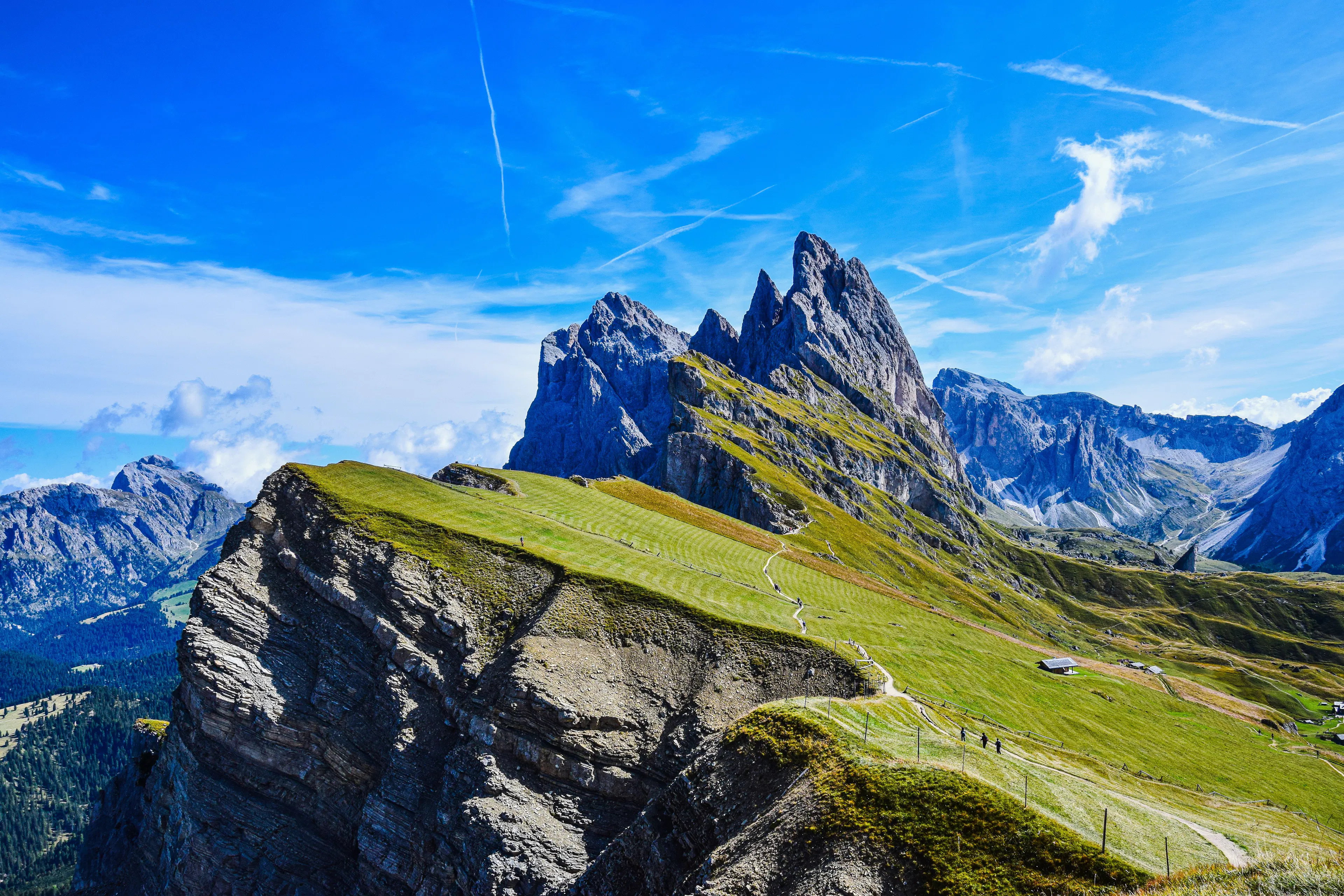
The best places to visit in Europe in August are Edinburgh, the Lofoten Islands, Naxos, the Dolomites, San Sebastián, Slovenia, Stockholm, Brittany, Madeira, and the Albanian Riviera. Each one offers a different kind of European summer.
- Edinburgh, Scotland, is best for festivals, comedy, theatre, historic streets, and lively evenings.
- The Lofoten Islands, Norway, are best for dramatic scenery, road trips, fishing villages, kayaking, and hiking.
- Naxos, Greece, is best for long sandy beaches, traditional villages, Greek food, boat trips, and warm water.
- The Dolomites, Italy, are best for mountain walks, panoramic cable cars, alpine lakes, and lunches in mountain huts.
- San Sebastián, Spain, is best for pintxos, seafood, city beaches, surfing, and coastal views.
- Slovenia is best for a road trip through Ljubljana, Lake Bled, Lake Bohinj, the Soča Valley, and Piran.
- Stockholm, Sweden, is best for museums, island hopping, waterfront walks, swimming, and long summer evenings.
- Brittany, France, is best for seafood, medieval towns, coastal walks, islands, and scenic drives.
- Madeira, Portugal, is best for levada walks, mountain viewpoints, waterfalls, whale watching, and natural pools.
- The Albanian Riviera is best for clear water, boat trips, beach towns, fresh seafood, and a Mediterranean road trip.
Here are ten of the best options, what to do in each place, and what to know before booking.
1. Edinburgh, Scotland
Best for festivals, comedy, culture, and lively evenings
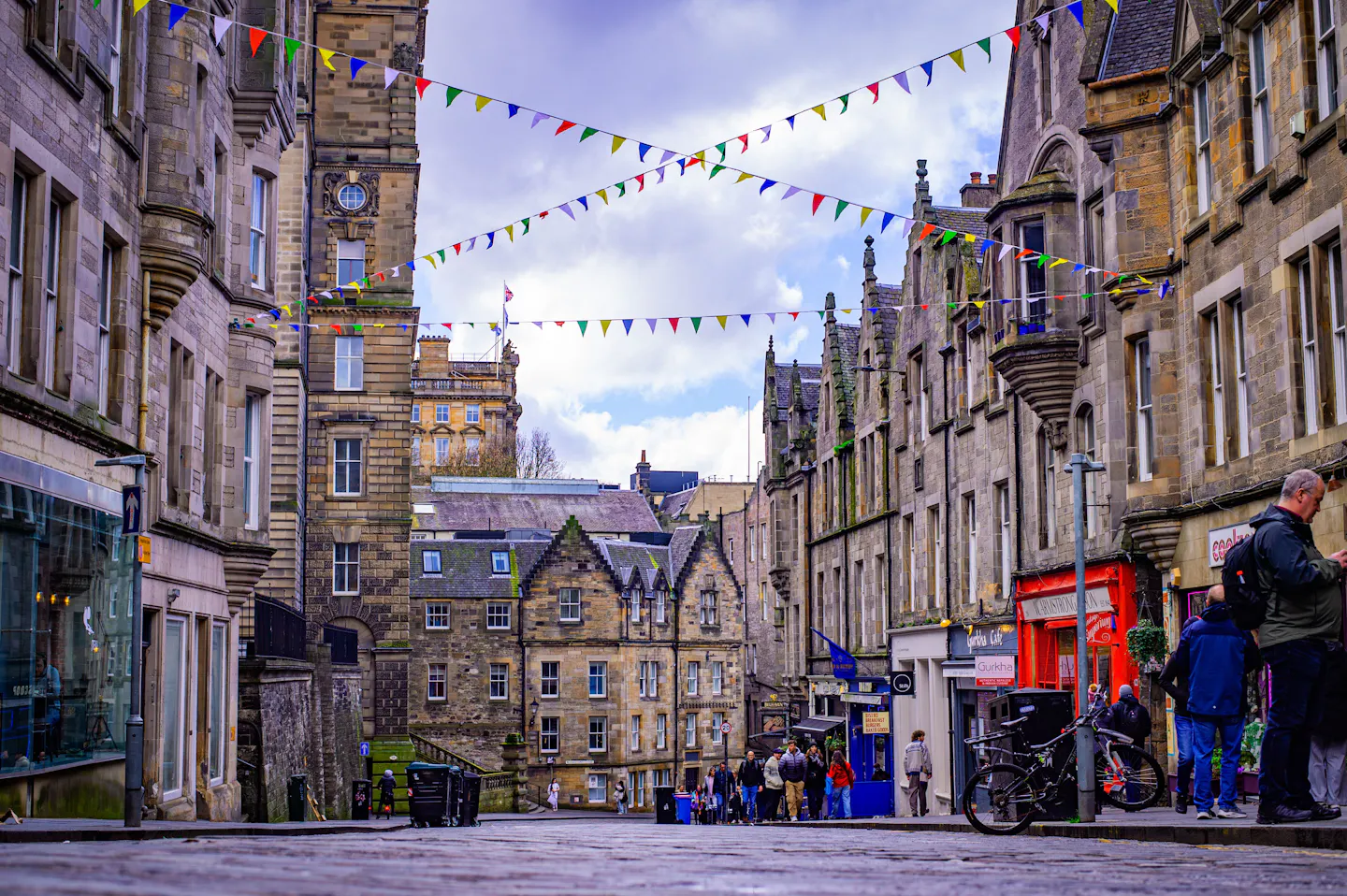
Edinburgh is always beautiful, but in August the entire city feels like one large festival.
The Edinburgh Festival Fringe runs from August 7 to 31 in 2026, filling theatres, pubs, university halls, gardens, and temporary venues with thousands of performances. You can watch stand-up comedy in a small basement, see a new theatre production in the afternoon, and find musicians and street performers along the Royal Mile between shows.
Start your day by walking through the Old Town before the busiest festival hours. See Edinburgh Castle from the Royal Mile, wander down colourful Victoria Street, and continue through the Grassmarket. From there, either walk up Arthur’s Seat for a view over the city or head to Calton Hill for an easier viewpoint.
Spend the afternoon around the main Fringe venues, such as Assembly, Pleasance, Underbelly, or Gilded Balloon. Choose one planned performance, then leave time for something unexpected.
For a slower break from the festival crowds, walk through Dean Village and along the Water of Leith to Stockbridge. Stop at The Scran & Scallie for modern Scottish pub food, including fish pie or haggis with neeps and tatties.
A perfect Edinburgh evening ends with another show, followed by drinks in the Old Town or a traditional pub in Stockbridge.
2. The Lofoten Islands, Norway
Best for road trips, mountains, fishing villages, and outdoor adventures
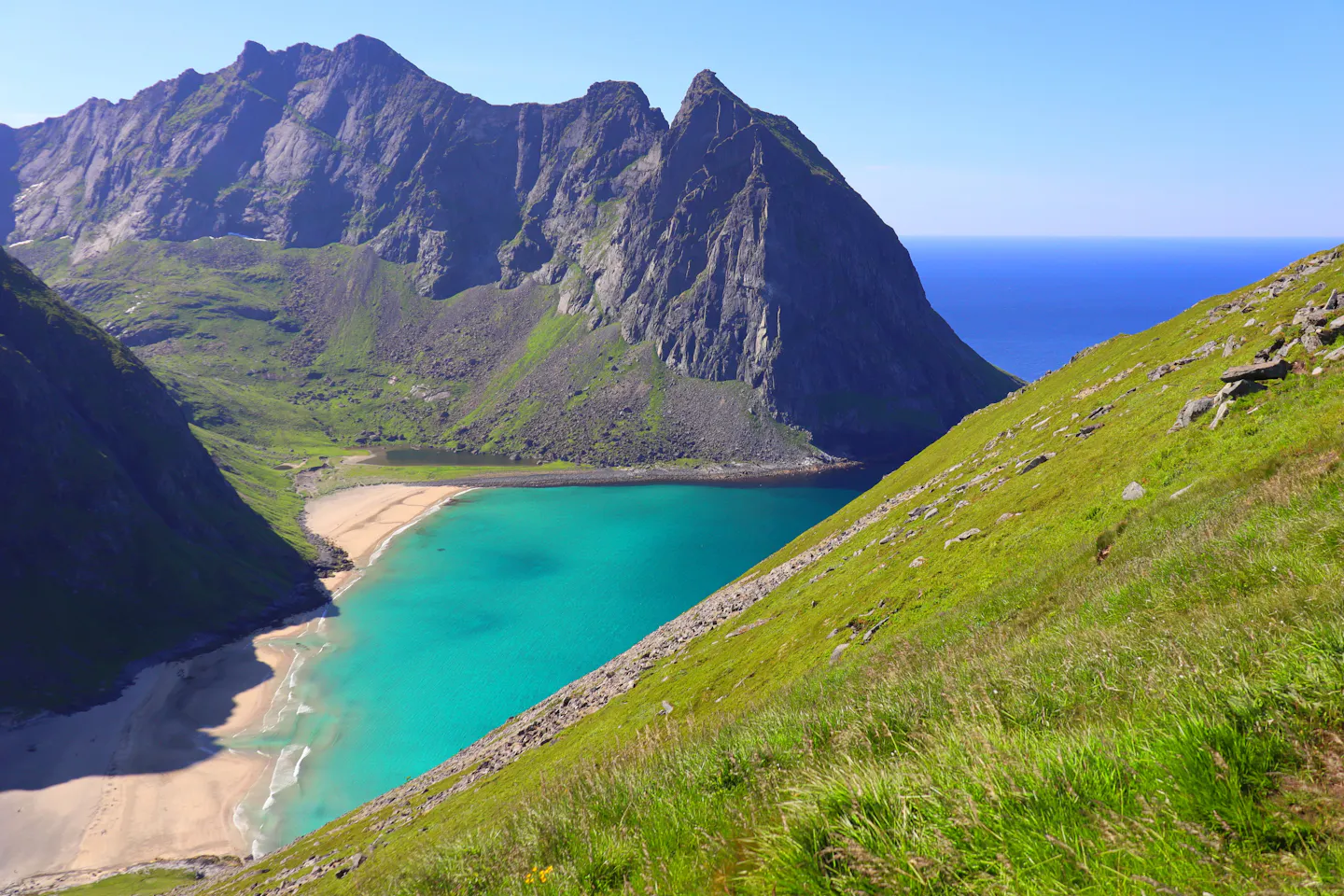
The Lofoten Islands are made for days when the journey between places is just as memorable as the destination.
Begin around Reine, where red fishing cabins sit beneath steep mountains. Walk through the village, stop by the harbour, and take a boat trip through Reinefjorden. More active travelers can hike Reinebringen for its famous view, while a gentler day can include nearby Sakrisøy and Hamnøy.
Continue to Nusfjord, a preserved fishing village where you can walk along the waterfront and learn more about Lofoten’s fishing history. Stop for fish soup or a cinnamon bun before driving towards Haukland Beach.
Another day should be spent around Henningsvær. Explore its galleries and small shops, take a kayaking tour around the harbour, and visit the football pitch built on a rocky island. Finish with fresh fish at Fiskekrogen or enjoy drinks and food at the former factory complex Trevarefabrikken.
Food is closely connected to Lofoten’s fishing culture. In Reine, Gammelbua serves local products and traditional stockfish inside a restored historic building. In Å, stop at the old bakery for cinnamon rolls made in a wood-fired oven.
Other memorable activities include hiking to Kvalvika Beach, cycling between villages, visiting the Lofotr Viking Museum, and taking a sea-eagle safari from Svolvær.
3. Naxos, Greece
Best for beaches, mountain villages, local food, and boat trips
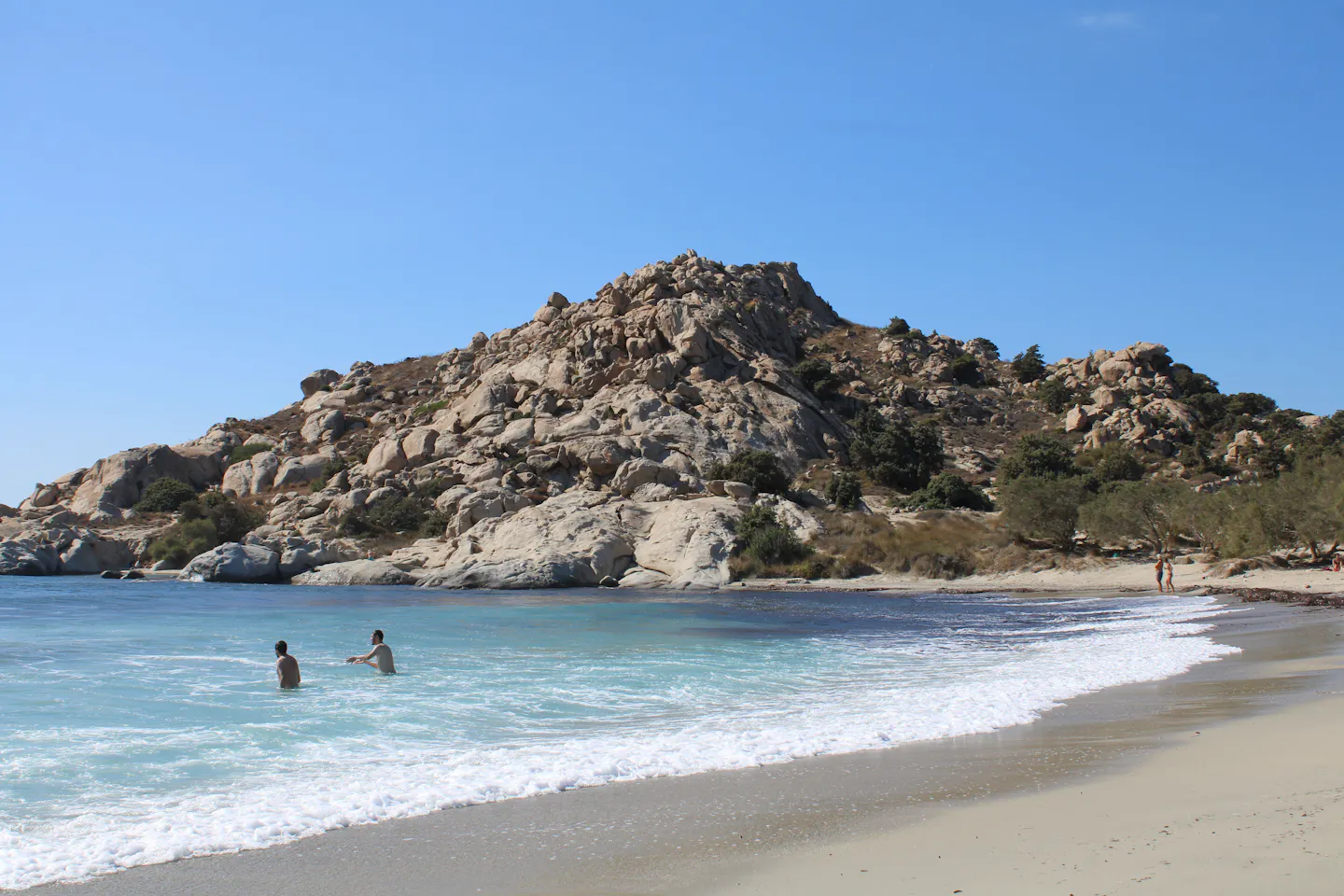
Naxos is the kind of Greek island where every day can feel completely different.
Begin in Naxos Town, also known as Chora. Walk through the white streets of the old town, explore the Venetian castle area, and browse small shops selling local cheese, olive oil, and kitron liqueur. In the evening, walk to the Portara, the large marble gateway overlooking the sea, for one of the island’s best sunset views.
For a beach day, start at Agios Prokopios or Agia Anna, then continue south to Plaka. Plaka has a long stretch of sand, clear water, and plenty of relaxed places for lunch.
The island’s mountain villages deserve a full day. Drive first to Halki for a walk through its quiet streets and a tasting at the Vallindras Kitron Distillery. Continue to the marble village of Apeiranthos, then stop for dinner at Rotonda, where the terrace looks over the mountains and across the island.
Back in Naxos Town, To Elliniko is a favourite for traditional Greek food made with local ingredients. Try Naxian cheeses, slow-cooked meat, stuffed vegetables, and local potatoes.
For something more active, join a sailing trip to smaller beaches and nearby islands, take a cooking class, hike to Mount Zas, or visit an olive farm to learn how local oil is produced.
4. The Dolomites, Italy
Best for hiking, mountain huts, scenic drives, and alpine lakes
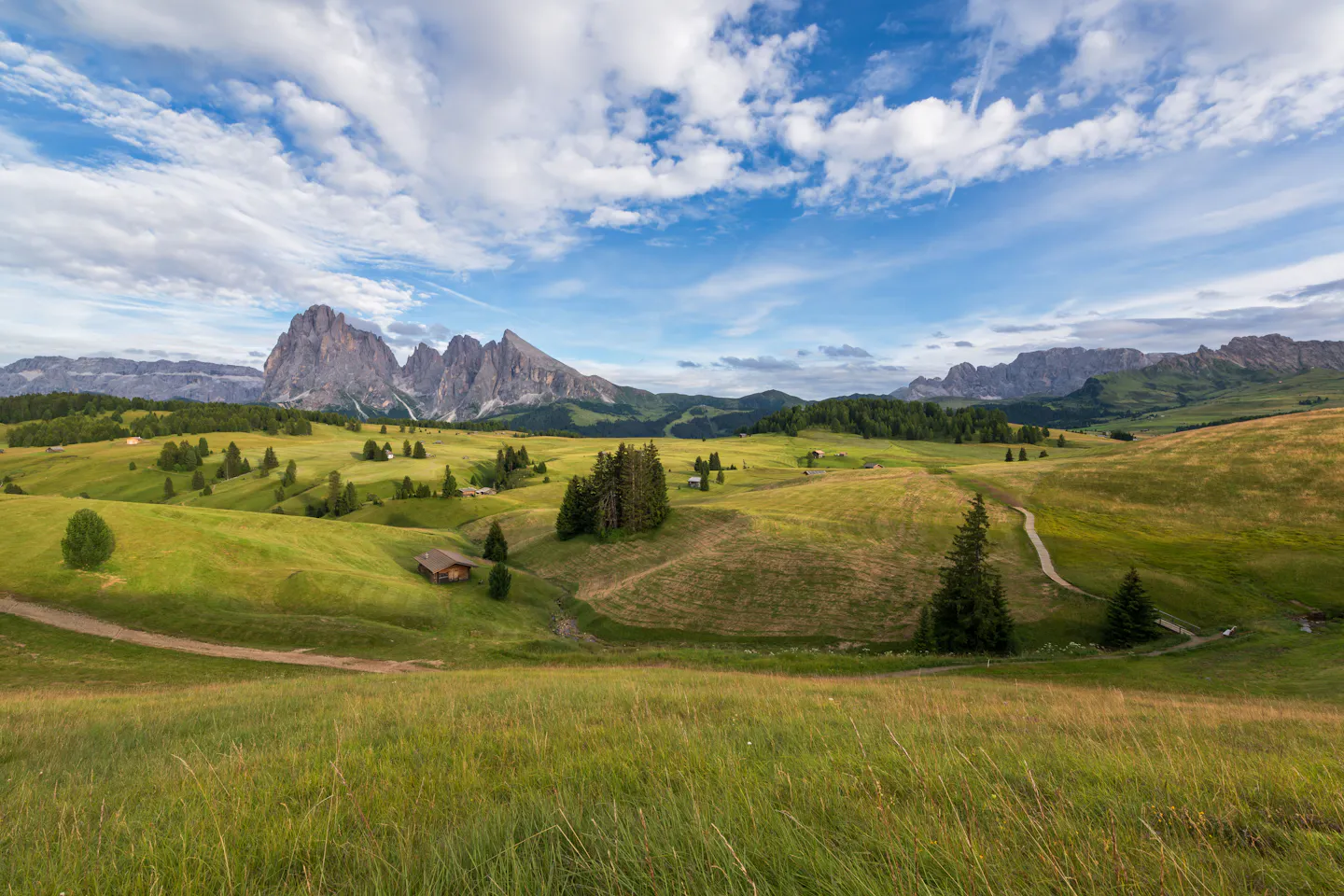
A summer day in the Dolomites usually begins with a cable car and ends with a long meal surrounded by mountains.
Around Val Gardena, take the cable car from Ortisei to Seceda. The jagged peaks rising above green meadows create one of the region’s most famous views. Follow one of the panoramic paths, stop at a mountain hut for lunch, and return through the alpine landscape at your own pace.
Nearby Alpe di Siusi is better for gentle walks and cycling. Its wide meadows are surrounded by the peaks of Sassolungo and Sciliar, making it a good choice when you want the views without a difficult hike.
Around Cortina d’Ampezzo, spend a day exploring the Cinque Torri. Take the chairlift to Rifugio Scoiattoli, walk among the rock towers and open-air First World War sites, then continue to Rifugio Averau for handmade pasta, polenta, or a mountain dessert.
Tre Cime di Lavaredo is the classic full-day hike, while Lago di Braies works well for a slower morning beside the water. You can also visit Lago di Sorapis, drive across Passo Gardena, or watch the mountains turn pink around sunset.
The Dolomites’ summer lifts connect travelers with hiking paths, cycling routes, viewpoints, and mountain huts throughout the region.
5. San Sebastián, Spain
Best for pintxos, beaches, surfing, and food-focused trips
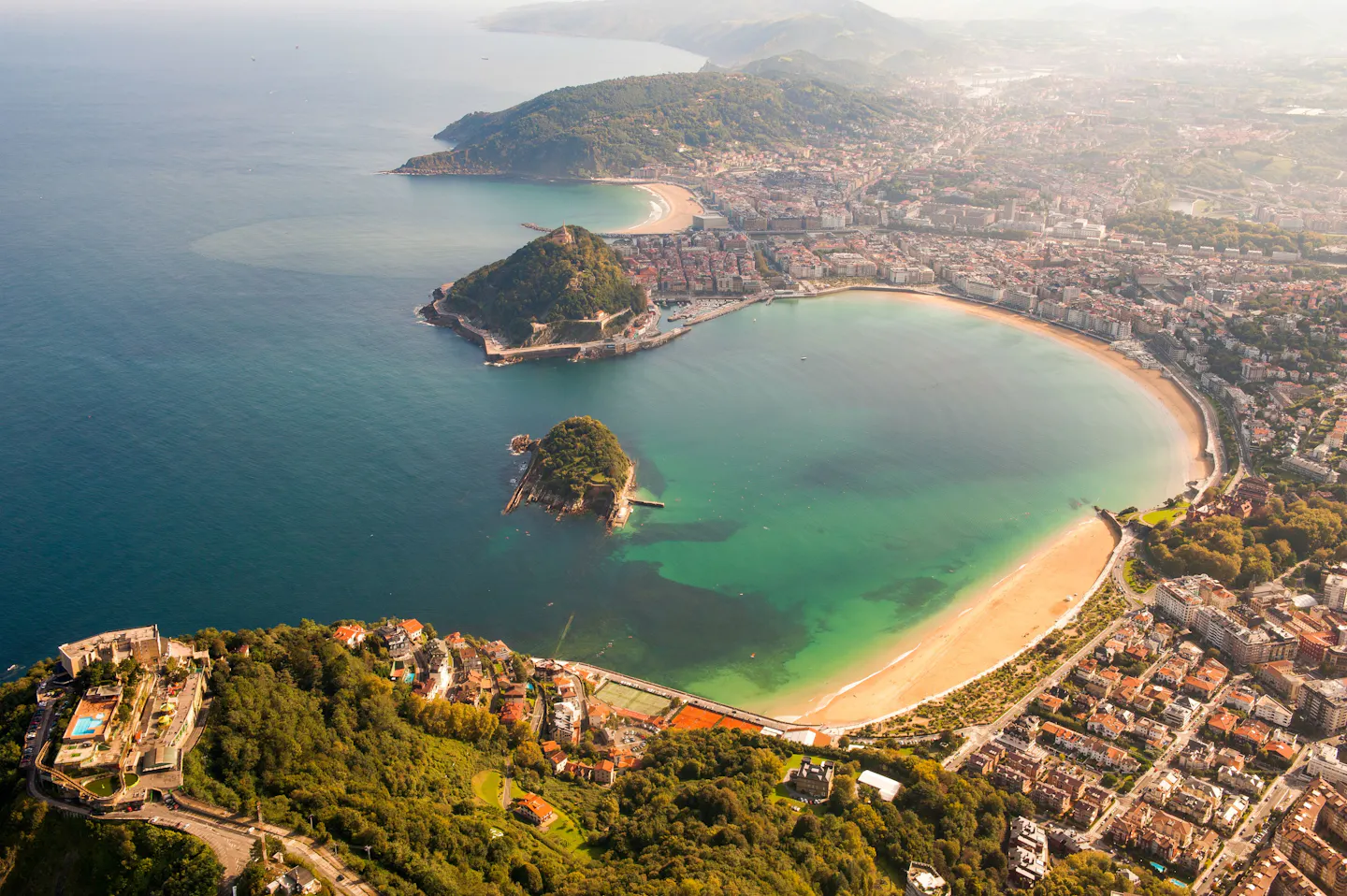
In San Sebastián, the ideal itinerary is built around the next thing you are going to eat.
Begin with a morning walk along La Concha, the curved city beach at the heart of San Sebastián. Swim near the promenade or continue towards Ondarreta Beach and the Peine del Viento sculptures.
For a view over the bay, take the funicular to Monte Igueldo. Alternatively, climb Monte Urgull from the Old Town and stop at the viewpoints overlooking the harbour and La Concha.
Spend the afternoon around Zurriola Beach. This is the city’s main surfing area, where you can take a lesson or simply watch surfers from the promenade. Then visit the San Telmo Museum or walk through the converted cultural centre Tabakalera.
In the evening, go on your own pintxos tour. Start at Txepetxa for anchovy pintxos, continue to Borda Berri for hot dishes, and try the tortilla at Bar Antonio. Finish at La Viña for its famous Basque cheesecake.
Do not order a full meal at the first bar. Choose one or two specialities, have a glass of txakoli or cider, then move to the next place. This is what makes an evening in San Sebastián feel less like dinner and more like exploring the city through food.
6. Slovenia
Best for lakes, rivers, road trips, food, and outdoor activities

Slovenia is small enough to combine several very different experiences without spending your whole trip moving between them.
Begin in Ljubljana with a walk along the Ljubljanica River. Visit the Central Market, cross the Triple Bridge, take the funicular to Ljubljana Castle, and finish with dinner on one of the riverside terraces.
From Ljubljana, continue to Lake Bled. Walk or cycle around the lake, take a traditional pletna boat to Bled Island, and climb to Ojstrica for the classic view. Try a slice of Bled cream cake before continuing towards Lake Bohinj.
Bohinj is the better choice for a full nature day. Swim in the lake, take the cable car to Vogel, or walk to Savica Waterfall. The surrounding area also gives you access to trails inside Triglav National Park.
Next, follow the mountain roads into the Soča Valley. Go rafting from Bovec, walk through Tolmin Gorge, visit Kozjak Waterfall, and follow the Kobarid Historical Trail. Food lovers should plan a meal at Hiša Franko, Ana Roš’s internationally recognised restaurant near Kobarid.
Finish the trip in Piran. Walk through Tartini Square, climb to St. George’s Church, swim from the waterfront, and order grilled fish or seafood pasta as the sun sets over the Adriatic.
7. Stockholm and the Stockholm Archipelago
Best for museums, island hopping, design, and waterfront days
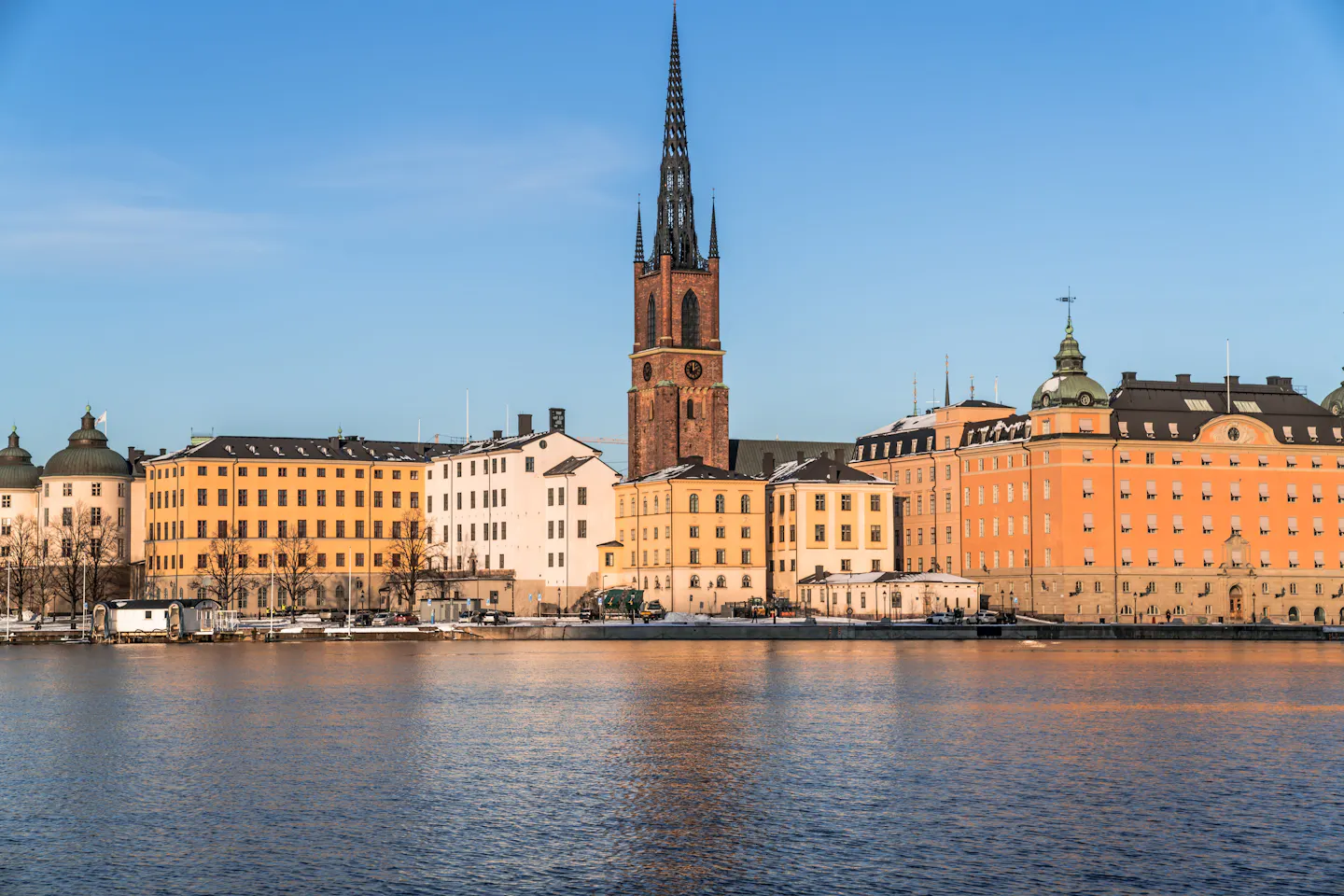
Stockholm is at its best when you divide your time between the city and the water.
Start in Gamla Stan, where narrow streets lead between Stortorget, the Royal Palace, small courtyards, and historic churches. Cross to Djurgården and visit the Vasa Museum, home to a remarkably preserved 17th-century warship. Afterward, walk through the gardens of Rosendals Trädgård or continue to the open-air museum Skansen.
The next day, explore Södermalm. Walk along Monteliusvägen for views across the water, visit Fotografiska, and browse the shops and cafés around SoFo.
For traditional Swedish food, have dinner at Pelikan, a historic Södermalm restaurant serving meatballs, herring, veal liver, and classic desserts. For lunch, visit Östermalms Saluhall, Stockholm’s historic food market.
Leave at least one full day for the archipelago. Vaxholm is an easy introduction, with waterfront walks, cafés, and a fortress. Choose Grinda for swimming and nature, or Sandhamn for a livelier harbour and restaurant scene.
The best archipelago day is simple: take the morning boat, walk around one island, swim from the rocks, have a long lunch beside the water, and return to Stockholm in the evening light.
8. Brittany, France
Best for oysters, coastal walks, historic towns, and island trips
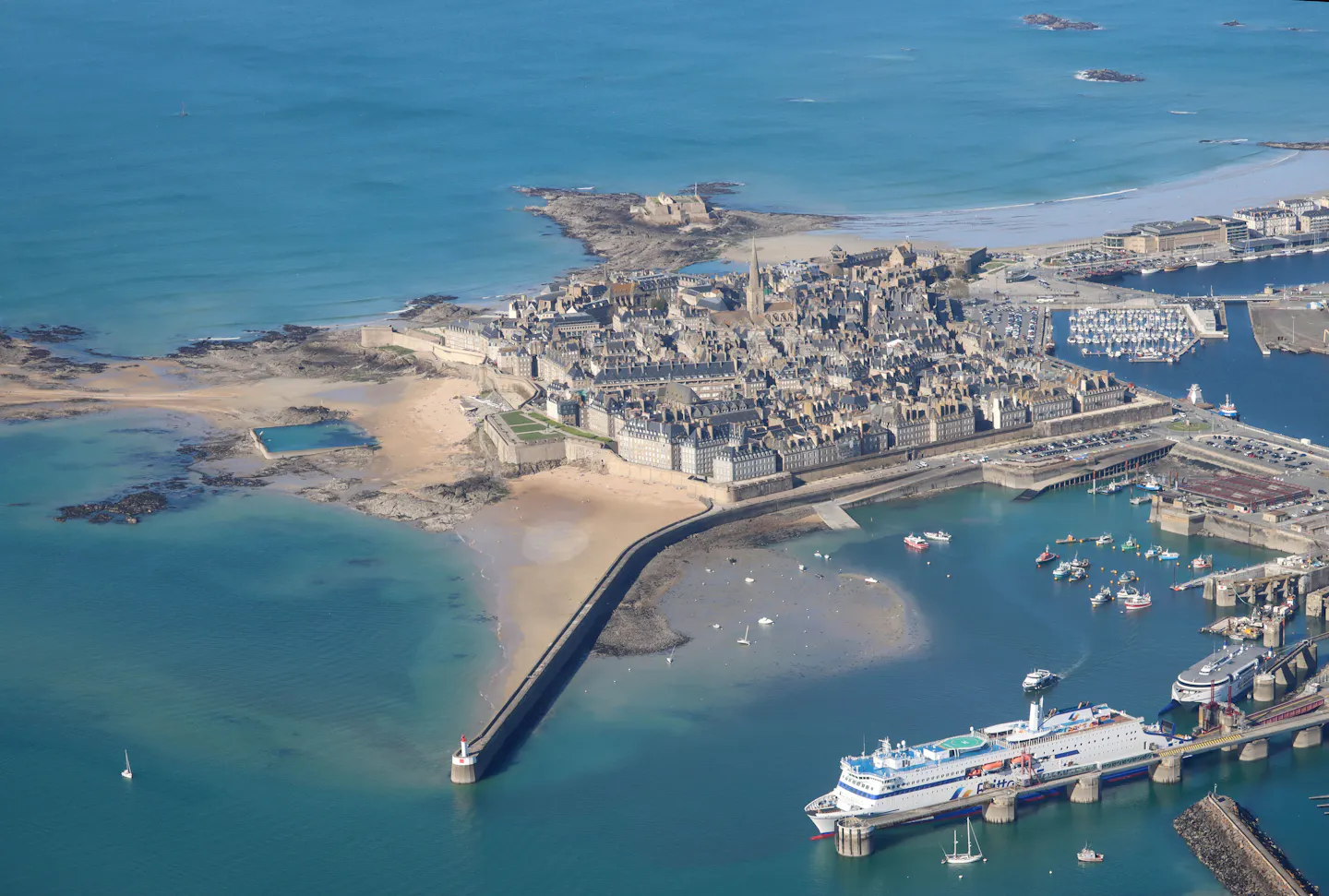
Brittany is perfect for travelers who enjoy building a day around small towns, sea views, and very good food.
Begin in Saint-Malo. Walk around the complete circuit of the city walls, explore the streets inside the old town, then cross to the islands and forts that become accessible when the tide is low.
Continue to Cancale, one of Brittany’s best places for oysters. Buy a plate directly from the oyster market beside the harbour, eat them overlooking the water, and throw the empty shells onto the growing piles below. For a full seafood meal, try Au Pied d’Cheval, run by an oyster-farming family at Port de la Houle.
Another day should be spent along the Pink Granite Coast. Walk the coastal path around Ploumanac’h, where huge pink rock formations sit beside small beaches and blue water. Continue to Perros-Guirec or take a boat trip to the Sept-Îles nature reserve.
In southern Brittany, explore the Gulf of Morbihan by boat, cycle around the Quiberon Peninsula, or take a ferry to Belle-Île-en-Mer. The island is known for colourful harbours, coastal paths, beaches, and dramatic cliffs.
Between activities, look for galettes made with buckwheat, salted-butter caramel, local cider, mussels, and seafood platters. La Perle Noire near Saint-Malo is a good stop for seafood with a sea view.
9. Madeira, Portugal
Best for hiking, ocean views, waterfalls, and adventurous days
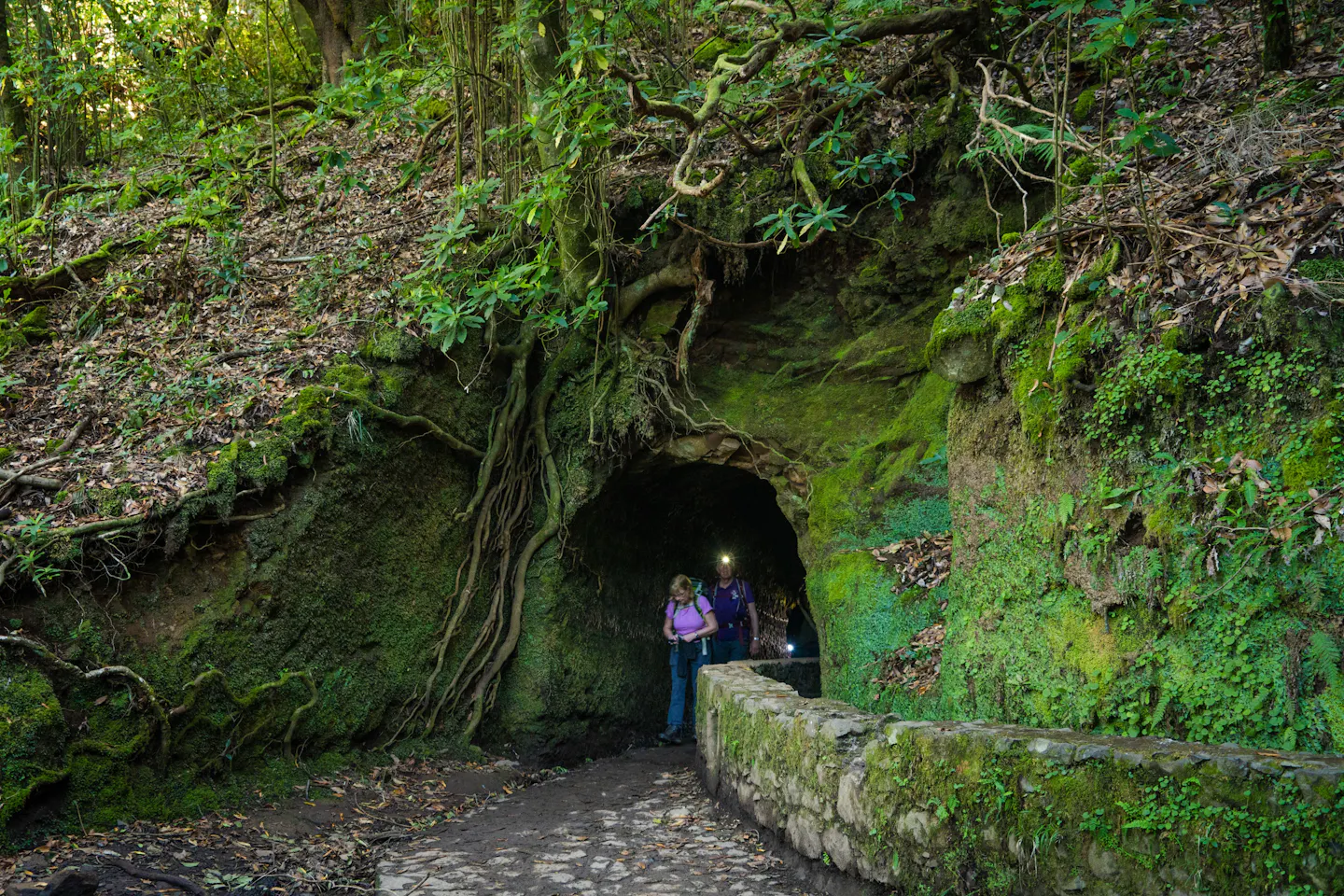
Madeira is one of the best places in Europe for travelers who like every day to include a new landscape.
Spend your first day in Funchal. Walk through the old town, visit the Mercado dos Lavradores, and take the cable car to Monte. Explore the Monte Palace Tropical Garden, then return to the centre for a Madeira wine tasting at Blandy’s Wine Lodge.
For dinner, try Ákua, where the menu focuses on fish and seafood from the Atlantic.
Dedicate another day to Madeira’s mountains. Pico do Arieiro offers views above the clouds, while Pico Ruivo is the island’s highest point. For a greener experience, choose a levada walk such as Caldeirão Verde or Levada das 25 Fontes, passing through forest, tunnels, and waterfalls. Madeira’s official trail network includes routes across mountains, forests, viewpoints, and levadas.
On the western side of the island, stop at Cabo Girão, walk through the village of Câmara de Lobos, and swim in the volcanic natural pools at Porto Moniz.
Ponta de São Lourenço offers a completely different landscape, with dry cliffs and open ocean views. You can also join a dolphin- and whale-watching trip from Funchal or take a boat along the coast at sunset.
10. The Albanian Riviera
Best for beaches, boat trips, coastal villages, and fresh seafood
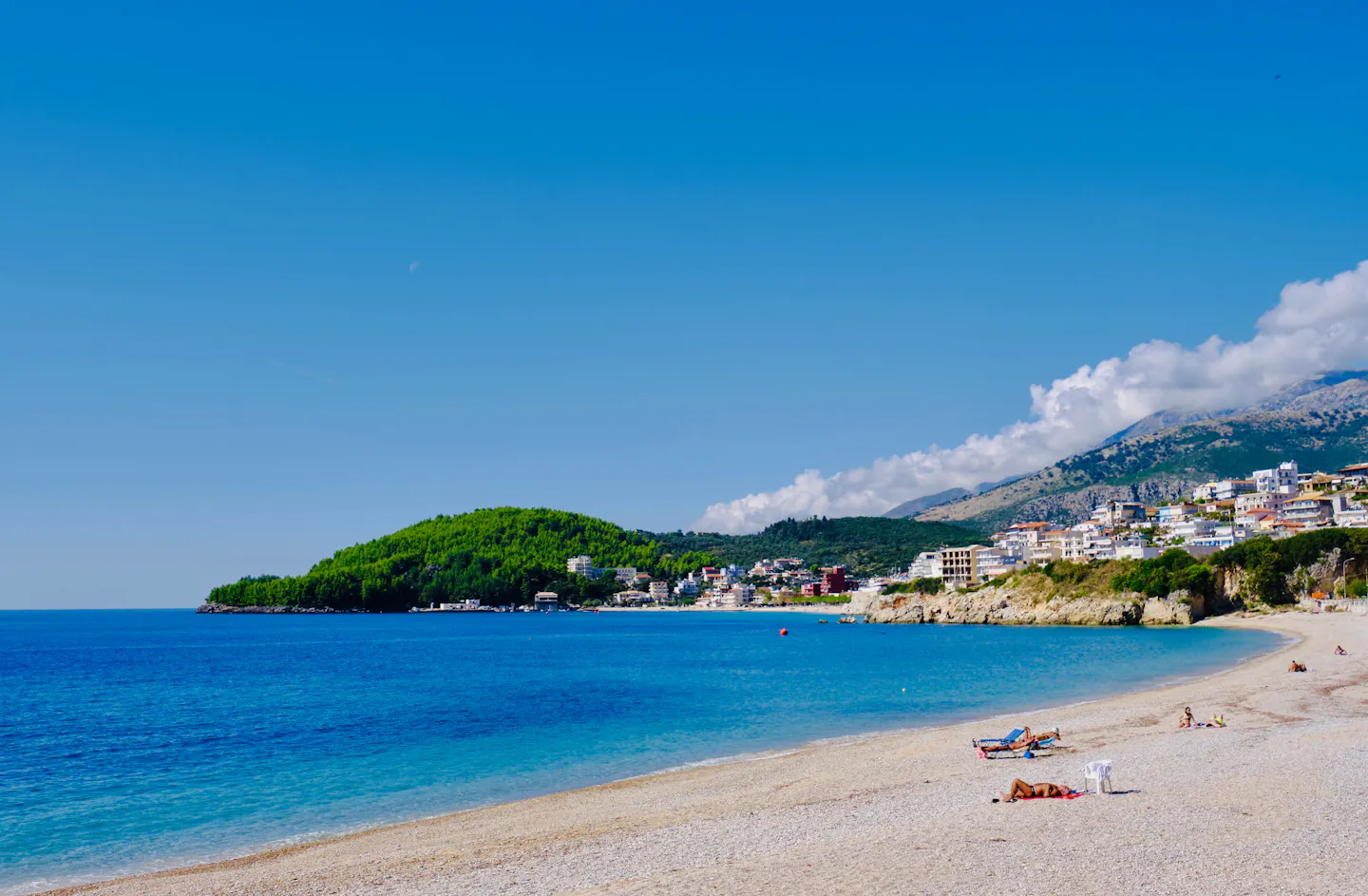
The Albanian Riviera is best explored slowly, with a few days around Himarë and time to discover beaches beyond the most famous names.
Start in Himarë with a morning walk along the promenade, then visit the old town and castle above the coast. Spend the afternoon at Livadhi or Potami Beach, both close enough for an easy beach day.
The next day, take a boat trip to small bays and beaches that are harder to reach by road. Filikuri is surrounded by high cliffs, while Gjipe sits at the mouth of a canyon and can also be reached by hiking down from the main road.
Continue north to Dhërmi. Swim in the clear water, walk through the whitewashed old village, and stay for sunset. For dinner beside the beach, Luciano serves seafood under the pine trees, while a traditional village taverna is a better choice for dishes such as fërgesë, byrek, grilled meat, and local cheese.
South of Himarë, visit Porto Palermo Castle and stop to swim in the surrounding bay. For a change from the coast, take a day trip to Gjirokastër, where stone houses climb the hillside beneath a large fortress.
Himarë, Livadhi, Spile, Potami, Filikuri, Dhërmi, and Gjipe can all be combined into a varied Riviera itinerary with beaches, villages, history, and food.
FAQ: Visiting Europe in August
When is the Edinburgh Festival Fringe in 2026?
The Edinburgh Festival Fringe runs from August 7 to 31 in 2026. Theatres, pubs, university halls, gardens, and temporary venues across the city host thousands of performances, and the main venues include Assembly, Pleasance, Underbelly, and Gilded Balloon.
Where should I go in Europe in August for beaches?
Naxos, San Sebastián, and the Albanian Riviera are the strongest beach choices on this list. Naxos has long sandy stretches at Agios Prokopios, Agia Anna, and Plaka. San Sebastián combines city beaches such as La Concha, Ondarreta, and Zurriola with an evening of pintxos. The Albanian Riviera has clear water around Himarë, Livadhi, Dhërmi, and Gjipe.
Which European destinations are best for hiking in August?
The Dolomites, Madeira, the Lofoten Islands, and Slovenia. The Dolomites pair summer cable cars with mountain huts at Seceda, Alpe di Siusi, and Tre Cime di Lavaredo. Madeira has levada walks such as Caldeirão Verde plus peaks like Pico do Arieiro and Pico Ruivo. Lofoten offers Reinebringen and the hike down to Kvalvika Beach. Slovenia gives you Triglav National Park and the Soča Valley.
Where can I go in Europe in August for a cooler summer?
Edinburgh, the Lofoten Islands, Stockholm, and the Dolomites all sit well away from the Mediterranean. Edinburgh’s August is built around its festivals, Lofoten and Stockholm are made for long northern summer evenings on the water, and the Dolomites keep you at altitude among alpine lakes and mountain huts.
Which August destination is best for food?
San Sebastián for pintxos and Basque cheesecake, Brittany for oysters at Cancale and buckwheat galettes, and Slovenia for the Soča Valley and Hiša Franko. Naxos and Madeira are also strong choices if you want local produce, island cooking, and wine tasting alongside the scenery.
Create Your Perfect August Itinerary With EasyMiles
Choosing the destination is only the beginning. The best itinerary also depends on how you like to travel.
Some people want to begin every morning with a hike. Others would rather spend the day between a beach, a beautiful lunch spot, and a relaxed evening walk. You may want famous sights, hidden local places, the best restaurants, family-friendly activities, or a slower schedule with time to enjoy each stop.
EasyMiles creates a complete travel itinerary based on your destination, dates, interests, food preferences, and preferred pace.
Instead of giving everyone the same generic list, EasyMiles helps you find the places that fit your trip and combines them into realistic days. It can show you what to do, where to eat, what to order, and which places work well together, so you spend less time planning and more time enjoying Europe in August.