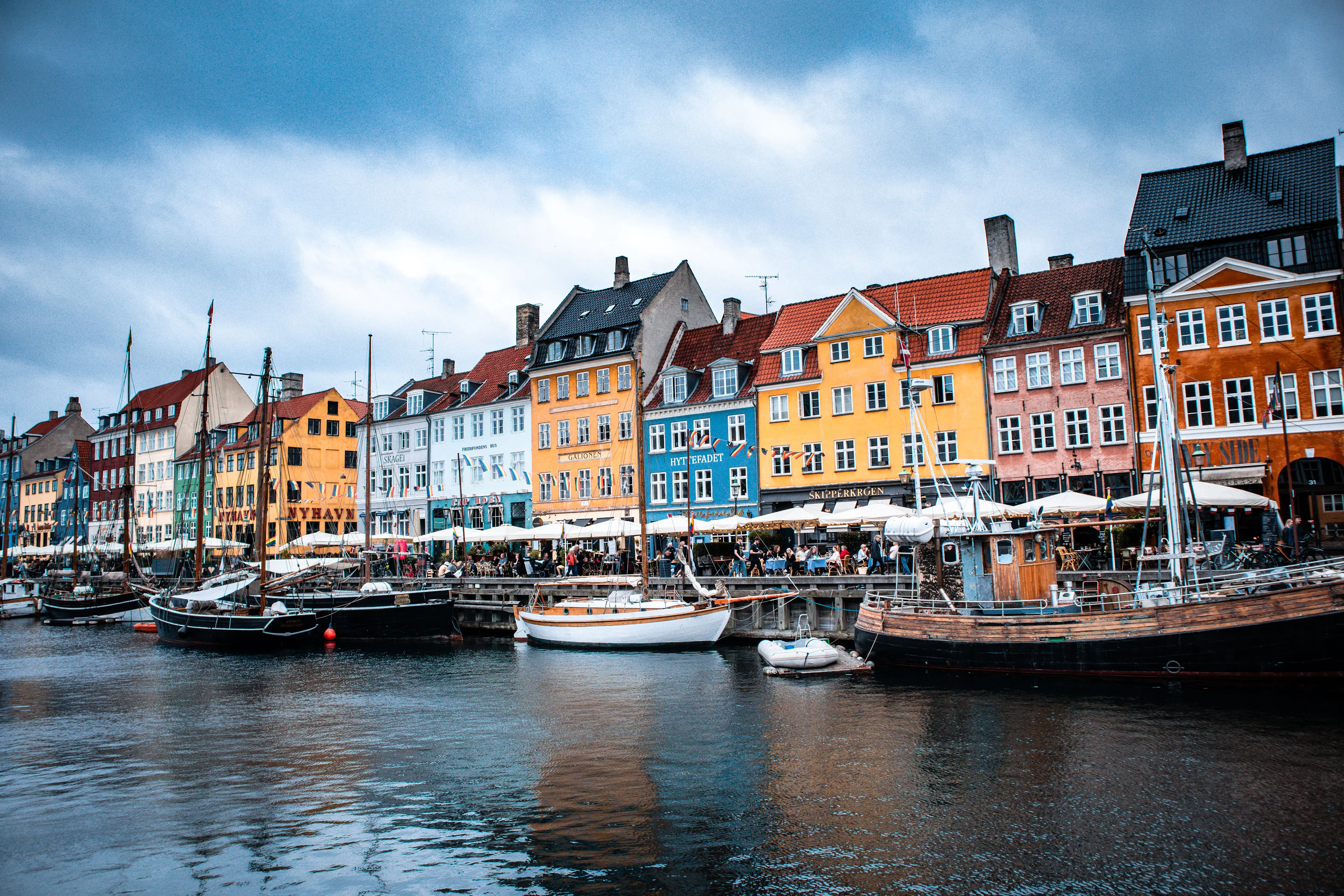
The best European vacation destinations with kids are Copenhagen, the Algarve, London, Vienna, Amsterdam, Barcelona, Paris, Lake Garda, South Tyrol, Slovenia, Mallorca, Tenerife, Crete, Salzburg and the Austrian Lakes, and Rome. These places make family travel easier because they combine things children genuinely enjoy with good transport, family-friendly hotels, parks, beaches, museums, short day trips, and plenty for adults too.
If you want the shortest possible answer, choose based on the kind of family trip you want:
- Copenhagen, Denmark — best for an easy, low-stress city break with younger kids.
- Algarve, Portugal — best for beaches, pools, and a classic summer family holiday.
- London, United Kingdom — best for museums, theatre, Harry Potter fans, and older children.
- Vienna, Austria — best for a calm, polished city break with parks, palaces, and a huge amusement park.
- Amsterdam, Netherlands — best for a compact city, canal rides, science museums, and cycling culture.
- Barcelona, Spain — best for combining sightseeing with beach time.
- Paris, France — best for iconic sights, parks, and adding Disneyland Paris to the trip.
- Lake Garda, Italy — best for lake days, pretty towns, and theme-park fun.
- South Tyrol, Italy — best for mountains, easy hikes, cable cars, and active families.
- Slovenia — best for a simple family road trip with lakes, caves, castles, and nature.
- Mallorca, Spain — best for toddlers, calm coves, and resort-style family holidays.
- Tenerife, Spain — best for winter sun and year-round outdoor activities.
- Crete, Greece — best for relaxed beach days, Greek food, and a slower pace.
- Salzburg and the Austrian Lakes — best for castles, mountain scenery, and storybook day trips.
- Rome, Italy — best for history-loving kids, pizza, gelato, and a first big Italian city trip.
There is no single best place for every family. A four-year-old who wants a beach and a playground needs a very different itinerary from a 13-year-old who wants museums, football, food, and big-city energy. The smartest choice is the place that fits your children’s ages, your travel pace, and how much moving around you actually want to do.
How to choose a family-friendly destination in Europe
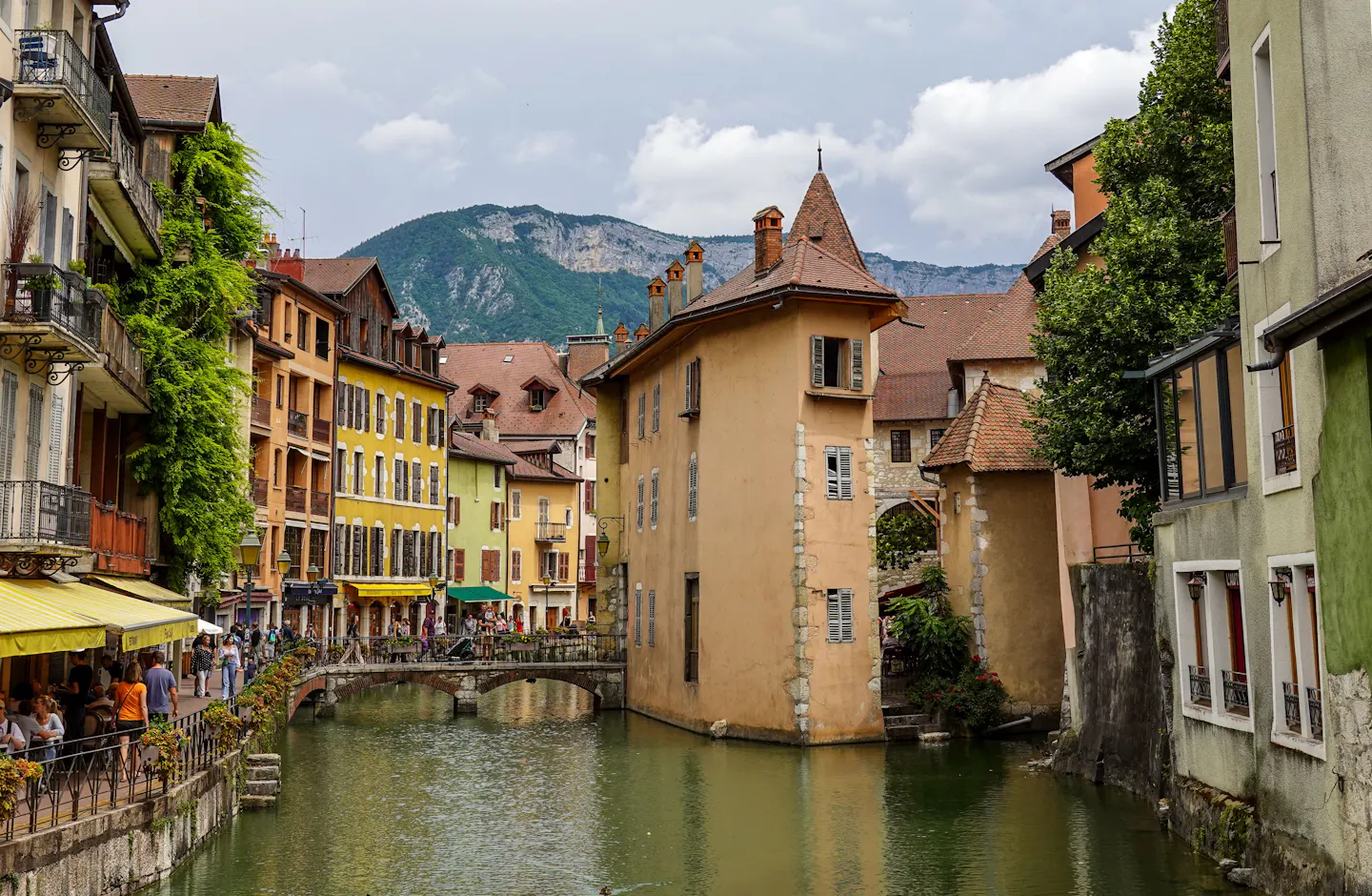
A good family holiday is not just a destination with one famous kids’ attraction. It is a place where the whole day is easier. Look for walkable neighborhoods, reliable public transport, short airport transfers, parks or beaches for downtime, flexible food options, and enough indoor activities for bad-weather days.
With younger children, fewer hotel changes usually make the trip better. Pick one base and add short day trips. With school-age children and teenagers, you can usually move faster and combine two or three places, especially when train connections are simple.
Also think about the season. Southern Europe can be extremely hot in July and August, which makes long sightseeing days harder with children. Northern and Central European cities are often excellent in late spring and early autumn, while the Canary Islands are one of the easiest European options when you want warm weather in winter.
Copenhagen, Denmark
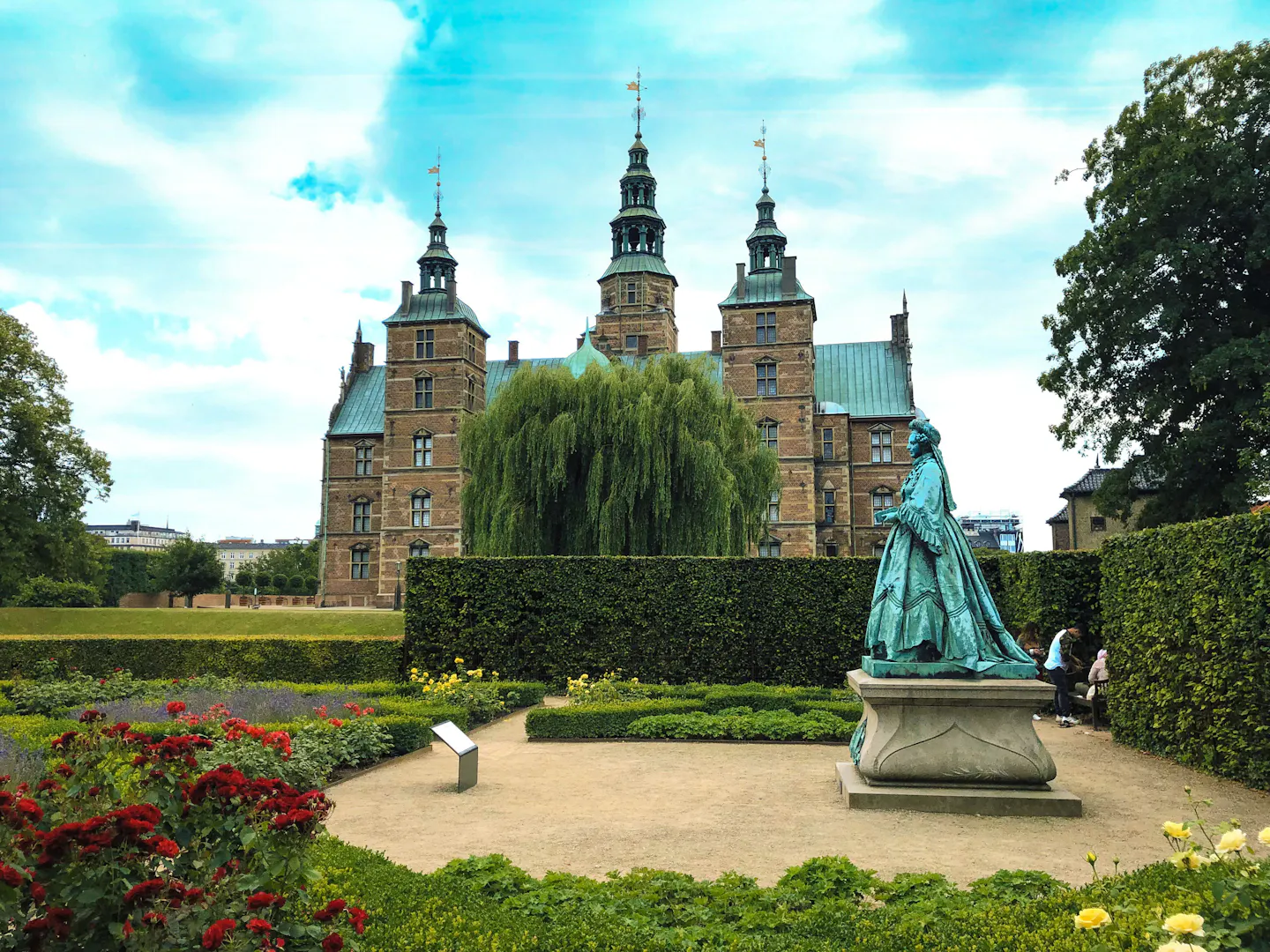
Copenhagen is one of the easiest European cities to do with kids because it feels compact, organized, and built for everyday outdoor life. You can combine a major attraction with a playground, a harbor walk, and an early dinner without spending half the day in traffic.
Why families like Copenhagen
The city has wide sidewalks, excellent public transport, plenty of green space, and a strong culture of getting around by bike. It also has attractions that feel fun rather than educational in disguise. Tivoli Gardens puts rides, gardens, lights, food, and live entertainment in the middle of the city, while Experimentarium and the National Museum give you strong rainy-day options.
What to do with kids
Spend an afternoon at Tivoli Gardens, take a canal boat ride, visit the Copenhagen Zoo, explore a hands-on science museum, and leave time for a playground or waterfront stop. If your kids are old enough to cycle confidently, a family bike ride can become one of the most memorable parts of the trip.
Best for: toddlers, school-age children, first-time family city breaks. Best time to go: May to September, or December for Christmas atmosphere.
Algarve, Portugal
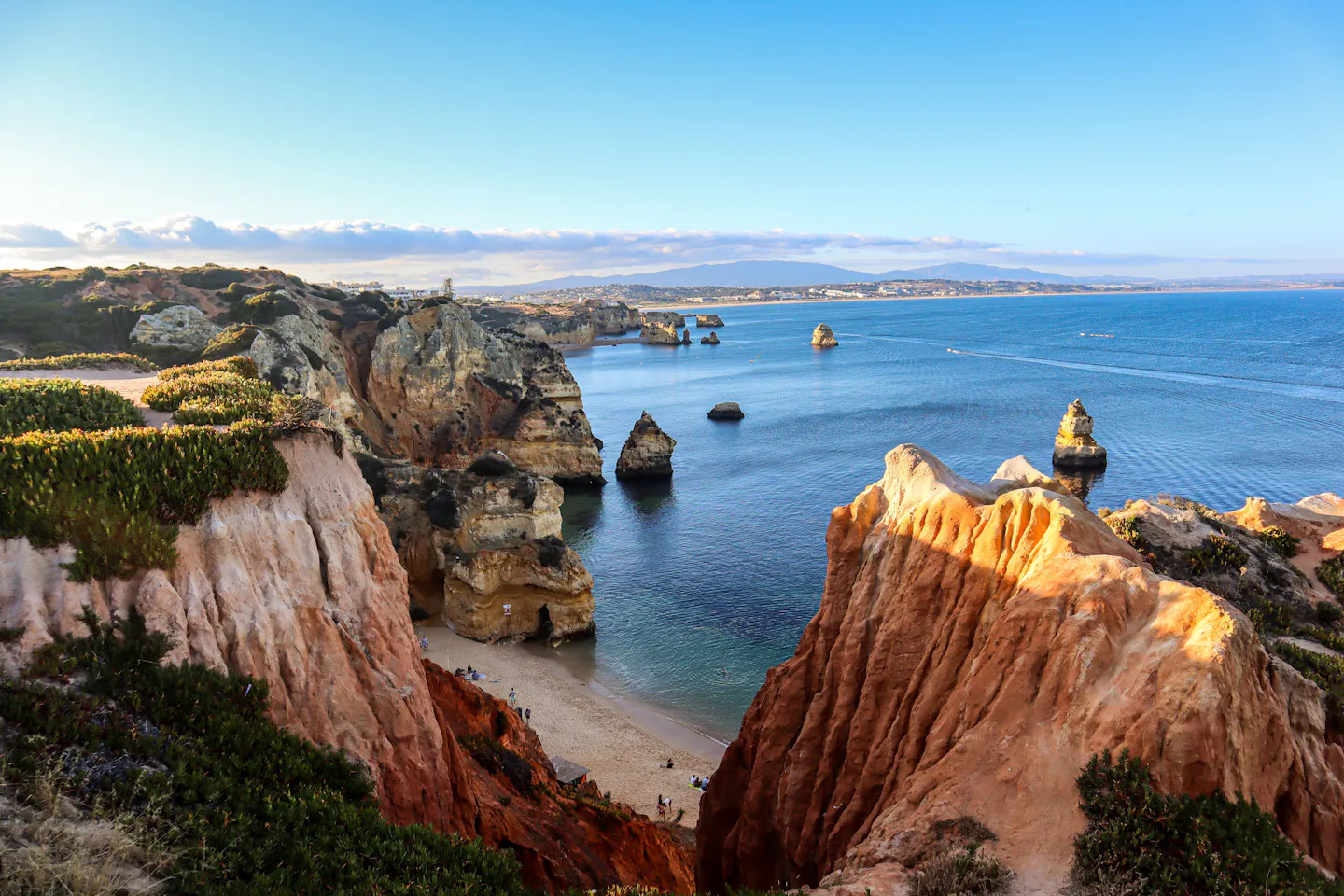
For a straightforward European beach holiday with kids, the Algarve is hard to beat. The region gives you long sandy beaches, dramatic cliffs, resort towns, family hotels, water parks, and easy day trips without requiring a complicated itinerary.
Why families like the Algarve
You can make the holiday as active or as lazy as you want. Families with small children can stay near a calm beach and pool, while older kids can add boat trips, kayaking, water parks, surf lessons, and coastal hikes. Towns such as Lagos, Alvor, Tavira, and Carvoeiro each offer a slightly different pace.
What to do with kids
Choose one main beach base, take a short boat trip to see the coastline, visit a water park, and plan one or two easy town days for ice cream and dinner. Do not overfill the schedule. In the Algarve, the beach, pool, and a good seafood dinner are already a full family day.
Best for: beach-focused families, toddlers, multigenerational trips. Best time to go: May, June, September, and early October for warm weather without the biggest summer crowds.
London, United Kingdom
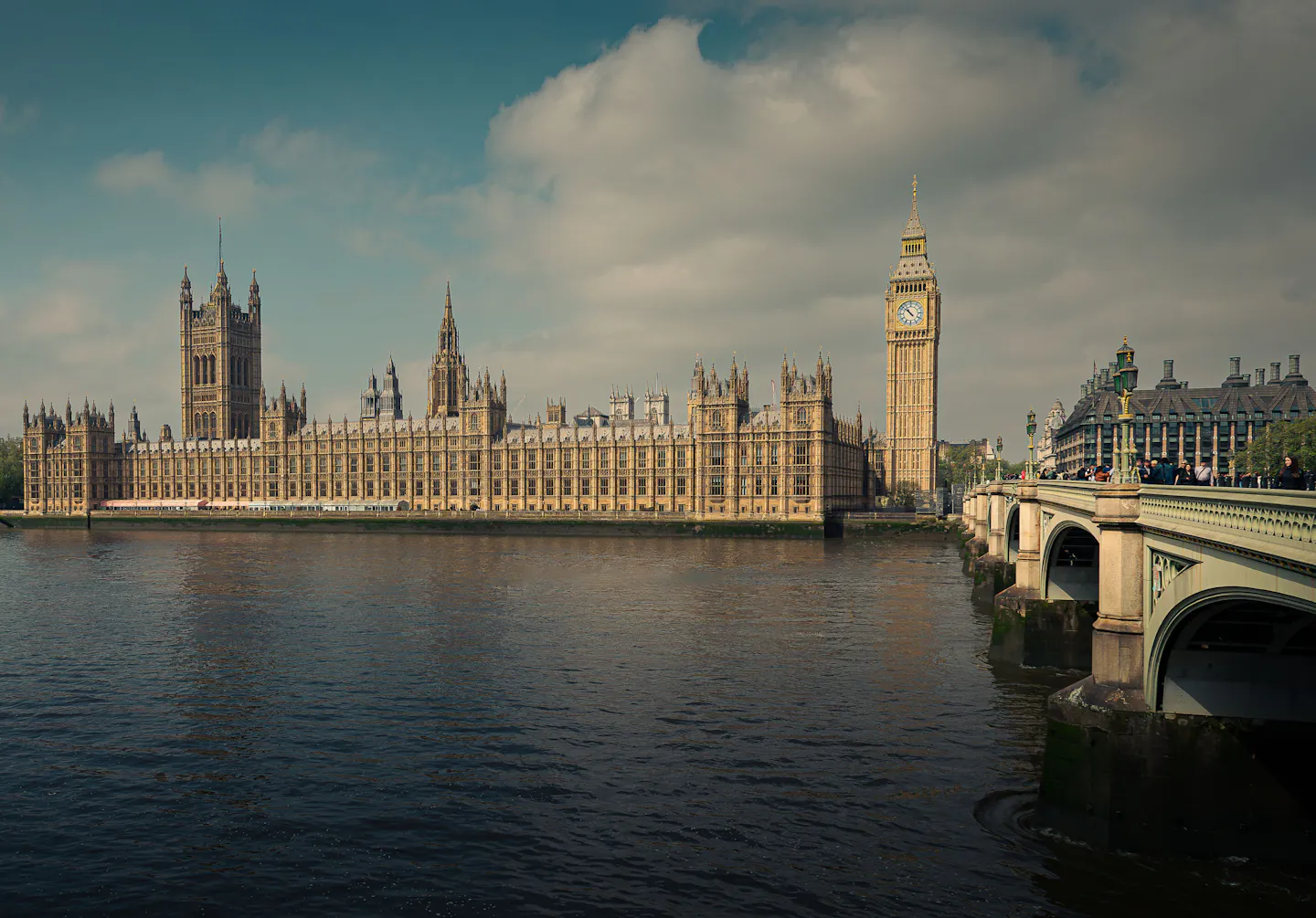
London works especially well when your children are curious, energetic, or old enough to have their own interests. Dinosaurs, trains, royal history, theatre, football, Harry Potter, markets, and giant parks can all fit into the same trip.
Why families like London
The biggest advantage is variety. Many major museums have free permanent collections, including family favorites such as the Natural History Museum and Science Museum. That makes it easier to build flexible days: spend two hours inside, leave when attention drops, then move to a park, food market, or river walk.
What to do with kids
Base at least one day around South Kensington for the museums, ride a double-decker bus, see Tower Bridge, walk through one of the royal parks, and choose one big paid experience that matches your children’s interests. For older kids, a West End show, football stadium tour, or the Warner Bros. Studio Tour can easily be a trip highlight.
Best for: school-age children and teens, museum lovers, first-time Europe trips. Best time to go: April to June and September to October.
Vienna, Austria
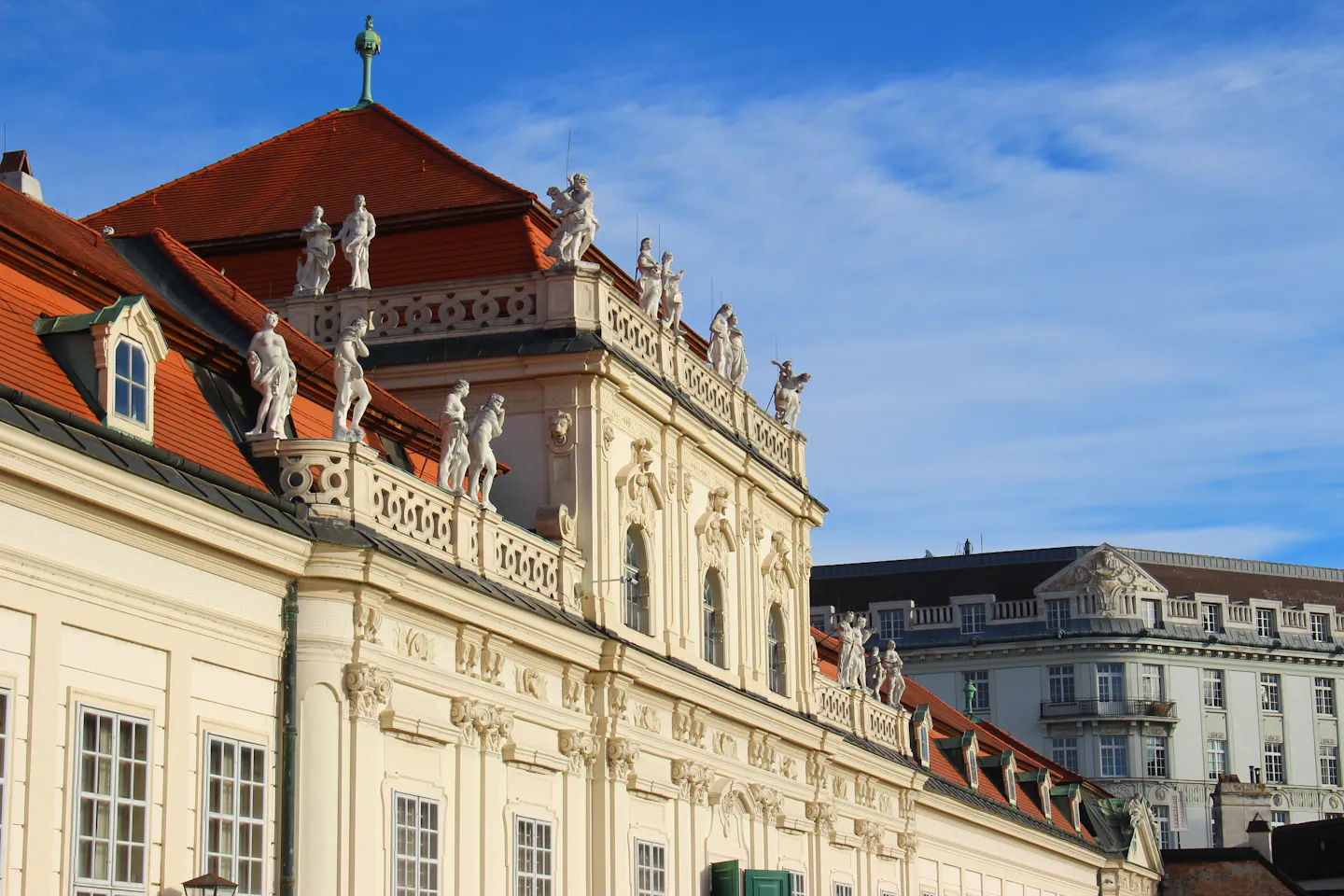
Vienna is a strong family destination if you want a beautiful European capital without feeling like every day is a race through crowded streets. It is clean, easy to navigate, and full of parks, palaces, museums, cafes, and child-friendly attractions.
Why families like Vienna
The city mixes serious culture with places where kids can move. Schönbrunn is more than a palace stop because you can combine the grounds with the zoo and gardens. The Prater gives you a completely different afternoon with rides and the famous Giant Ferris Wheel.
What to do with kids
Plan Schönbrunn as a half- or full-day outing, add the Prater, spend time in the city center, and choose one museum based on your children’s interests. Vienna is also a great place to slow down: a park, cake stop, and tram ride can be more enjoyable than another formal attraction.
Best for: families who want culture plus easy logistics, younger kids, grandparents traveling with children. Best time to go: April to June, September, and December.
Amsterdam, Netherlands
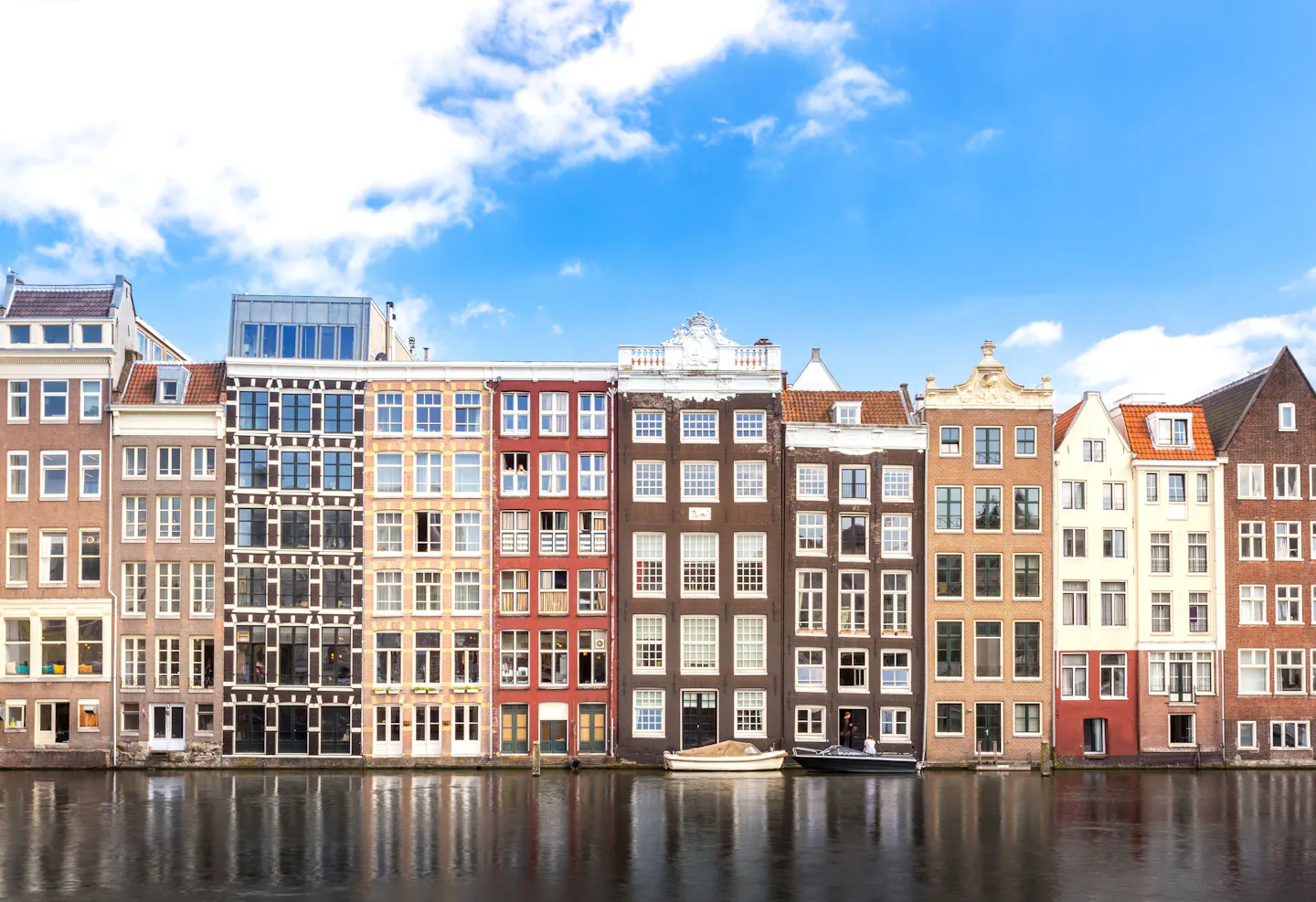
Amsterdam is compact enough for a short family break but interesting enough to keep children busy for several days. The canals make getting around feel like part of the experience, and the city has excellent parks and hands-on museums.
Why families like Amsterdam
NEMO Science Museum is one of the city’s best family stops, with interactive exhibits designed for children to touch and test. Vondelpark and Amstelpark give you space when everyone needs a break from museums and busy streets.
What to do with kids
Take a canal cruise early in the trip, spend a few hours at NEMO, visit a park, and keep the historic center for shorter walks rather than one long sightseeing marathon. Older children may enjoy a carefully planned cycling experience, but families with very young kids should not assume Amsterdam traffic will feel easy just because cycling is popular.
Best for: school-age children, science lovers, compact city breaks. Best time to go: April to June and September.
Barcelona, Spain

Barcelona is one of the best European cities with kids when you cannot decide between a city break and a beach holiday. You get Gaudí, parks, markets, tapas, a major aquarium, and the Mediterranean in one destination.
Why families like Barcelona
The city has enough iconic sightseeing for adults, but children get frequent breaks from traditional museums. Park Güell feels playful, the beach gives everyone a reset, and the city’s food culture makes casual family meals easy.
What to do with kids
Mix one major sight with one relaxed activity each day. Pair Sagrada Família with a playground or beach afternoon, visit Park Güell earlier in the day, explore the waterfront, and add the aquarium or a cable-car ride if your children enjoy them. Avoid building a schedule that has three timed-entry attractions back to back.
Best for: families who want food, architecture, and beach time in one trip. Best time to go: April to June and September to October.
Paris, France

Paris can be a fantastic family trip when you plan it around children rather than trying to reproduce an adults-only sightseeing checklist. The Eiffel Tower, Seine boats, carousels, gardens, pastries, and Disneyland Paris give kids plenty of obvious reasons to be excited.
Why families like Paris
The city is full of small rewards between the big landmarks. A playground in the Luxembourg Gardens, a crêpe stop, a river cruise, or simply seeing the Eiffel Tower light up can carry more weight with children than squeezing in another museum.
What to do with kids
Choose one major museum at most on a short trip, take a Seine cruise, spend time in a garden, and consider adding one or two days at Disneyland Paris if that is important to your family. With younger kids, stay somewhere that keeps daily travel simple rather than choosing a hotel only because it looks charming on a map.
Best for: first-time visitors to Europe, Disney fans, children who love famous landmarks. Best time to go: April to June and September to October; December for festive trips.
Lake Garda, Italy

Lake Garda is a great choice for families who want Italy without spending the whole holiday in a big city. You get lake beaches, ferries, scenic towns, mountains, gelato, and several major attractions nearby.
Why families like Lake Garda
The lake makes it easy to alternate between activity days and slower days. Gardaland is the obvious big-ticket attraction for many families, but you can also spend time swimming, taking ferries between towns, cycling, or simply having long lunches by the water.
What to do with kids
Choose your base carefully because the lake is much larger than it looks. Peschiera del Garda and nearby areas work well if theme parks and transport connections matter, while northern towns feel more mountainous and outdoorsy. Do not try to drive around the entire lake every day.
Best for: families who want Italy plus outdoor time, theme-park fans, road trips. Best time to go: May, June, and September.
South Tyrol, Italy

South Tyrol is one of Europe’s best family destinations for mountains because you do not need to be a serious hiker to enjoy it. Cable cars, gentle trails, alpine playgrounds, lakes, farm stays, and family hotels make the outdoors unusually accessible.
Why families like South Tyrol
The region works well for children who need movement. Instead of asking them to admire scenery from a viewpoint, you can ride a lift, walk a short trail, stop at a mountain hut, play outside, and head back down before anyone is exhausted.
What to do with kids
Pick one valley or town as your base, use cable cars to reach higher areas, choose short family trails, and leave room for pool or spa time at the hotel. If you visit in winter, the same region becomes a strong option for beginner skiing and snow activities.
Best for: active families, nature lovers, children who dislike long city sightseeing days. Best time to go: June to September for hiking; December to March for snow.
Slovenia
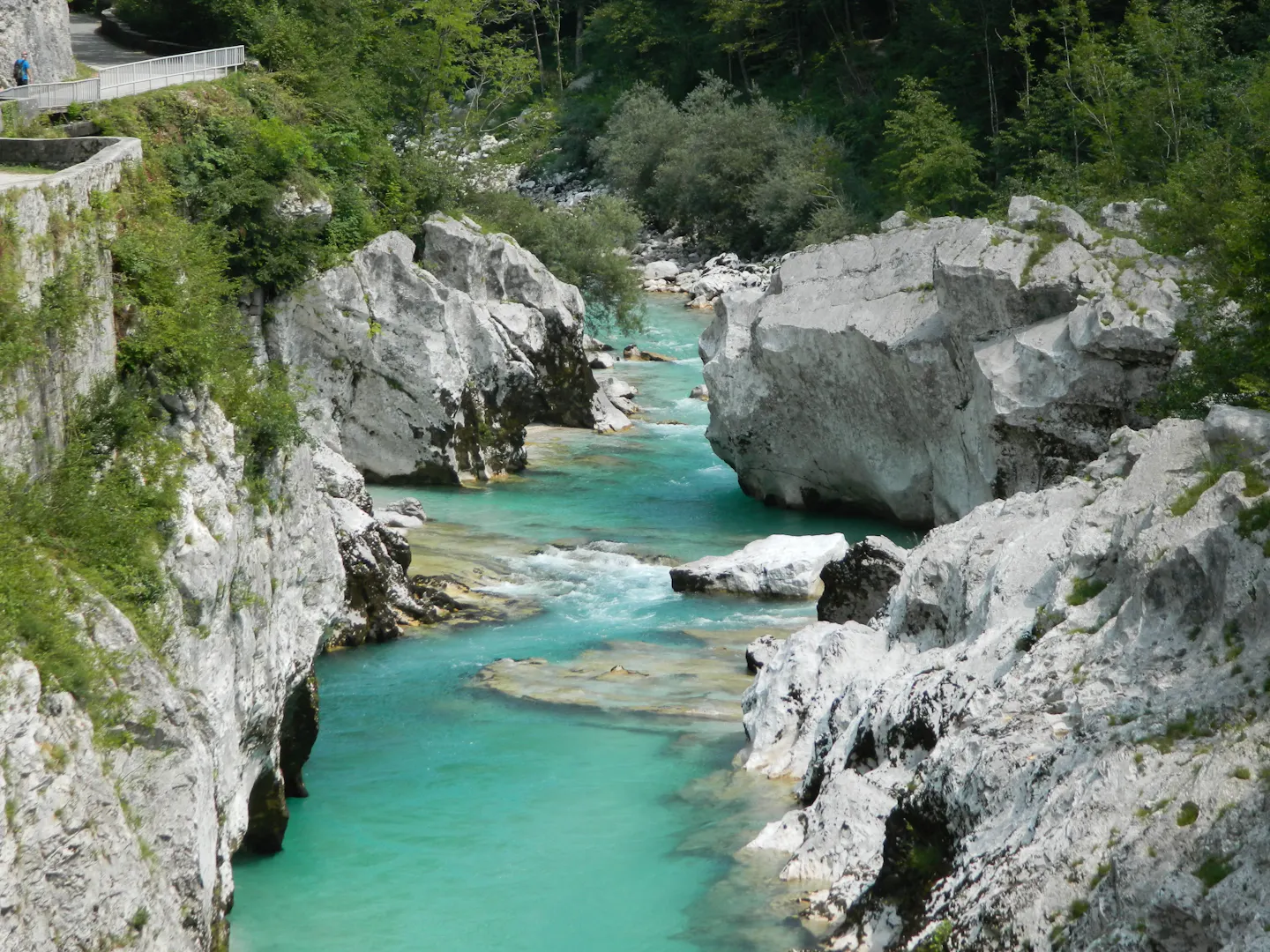
Slovenia is small enough to make a family road trip feel manageable, but varied enough to give you mountains, lakes, caves, castles, rivers, and a pleasant capital in one holiday.
Why families like Slovenia
Distances are relatively short compared with many bigger European countries. You can base yourself around Ljubljana or Lake Bled and add day trips without constantly repacking. The combination of Bled, Bohinj, Postojna Cave, Predjama Castle, and easy nature stops gives school-age children a lot to look forward to.
What to do with kids
Start with Ljubljana for a gentle city day, spend a few nights near Bled or Bohinj, and add a cave or castle day. If your family likes hiking, keep it flexible and choose routes based on the weather and your children’s energy rather than planning every walk in advance.
Best for: family road trips, nature, school-age children, families who want variety. Best time to go: May to September.
Mallorca, Spain

Mallorca is one of the easiest European island holidays with kids because you can choose between full-service resorts, quiet beach towns, scenic villages, and a few more adventurous day trips.
Why families like Mallorca
The island has many sandy coves and resort areas where the basics are close together: beach, pool, supermarket, casual restaurants, and family rooms. That matters more than a long list of attractions when you are traveling with a toddler.
What to do with kids
Choose the right coast for your family, keep plenty of beach time, and rent a car only for the days you actually need it. Palma can be a fun city day, while the mountains and smaller villages work better as optional excursions than as daily commitments with very young children.
Best for: toddlers, beach holidays, first family trips abroad. Best time to go: May to June and September to early October.
Tenerife, Spain

Tenerife is one of the most reliable European choices when you want a warm family holiday outside the main summer season. It has beaches, volcanic landscapes, resort infrastructure, pools, animal attractions, and outdoor activities throughout the year.
Why families like Tenerife
The biggest advantage is flexibility. You can have a pool day, a beach morning, or a major excursion without changing hotels. Older kids may love Teide National Park and water parks, while younger children can have a very simple resort-focused holiday.
What to do with kids
Stay in an area that matches your pace, schedule the Teide excursion for a clear-weather day, and avoid turning every day into an island-crossing road trip. One or two big outing days are usually enough for a one-week family holiday.
Best for: winter sun, mixed-age families, resort holidays with optional adventures. Best time to go: year-round, especially October to April.
Crete, Greece
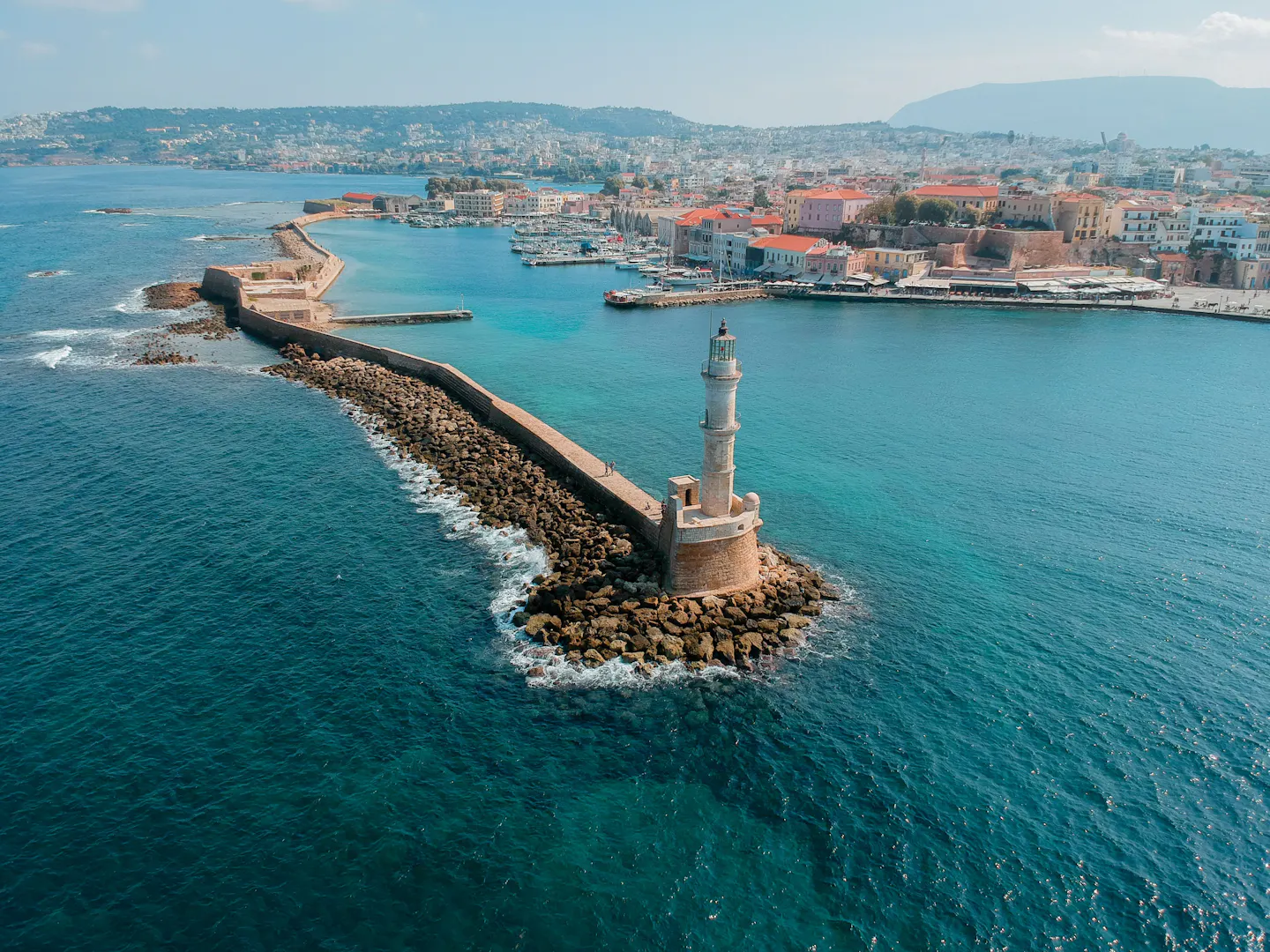
Crete is a good family choice when you want the food and coastline of Greece but also enough space and variety for a longer trip. You can build the holiday around a beach base and add history, mountain villages, and boat days when everyone wants more.
Why families like Crete
The island is large, so you can choose a region that suits your family rather than trying to see everything. Around Chania and Rethymno, families can combine attractive old towns with beaches and easy dining. The island also has major archaeological sites for older children who are interested in myths and ancient history.
What to do with kids
Pick one side of the island, stay close to a beach you will genuinely use, and add only a few day trips. A boat day, a relaxed old-town evening, and one historic site will usually work better than spending half the holiday in the car.
Best for: beach lovers, food-focused families, relaxed road trips. Best time to go: May to June and September to October.
Salzburg and the Austrian Lakes
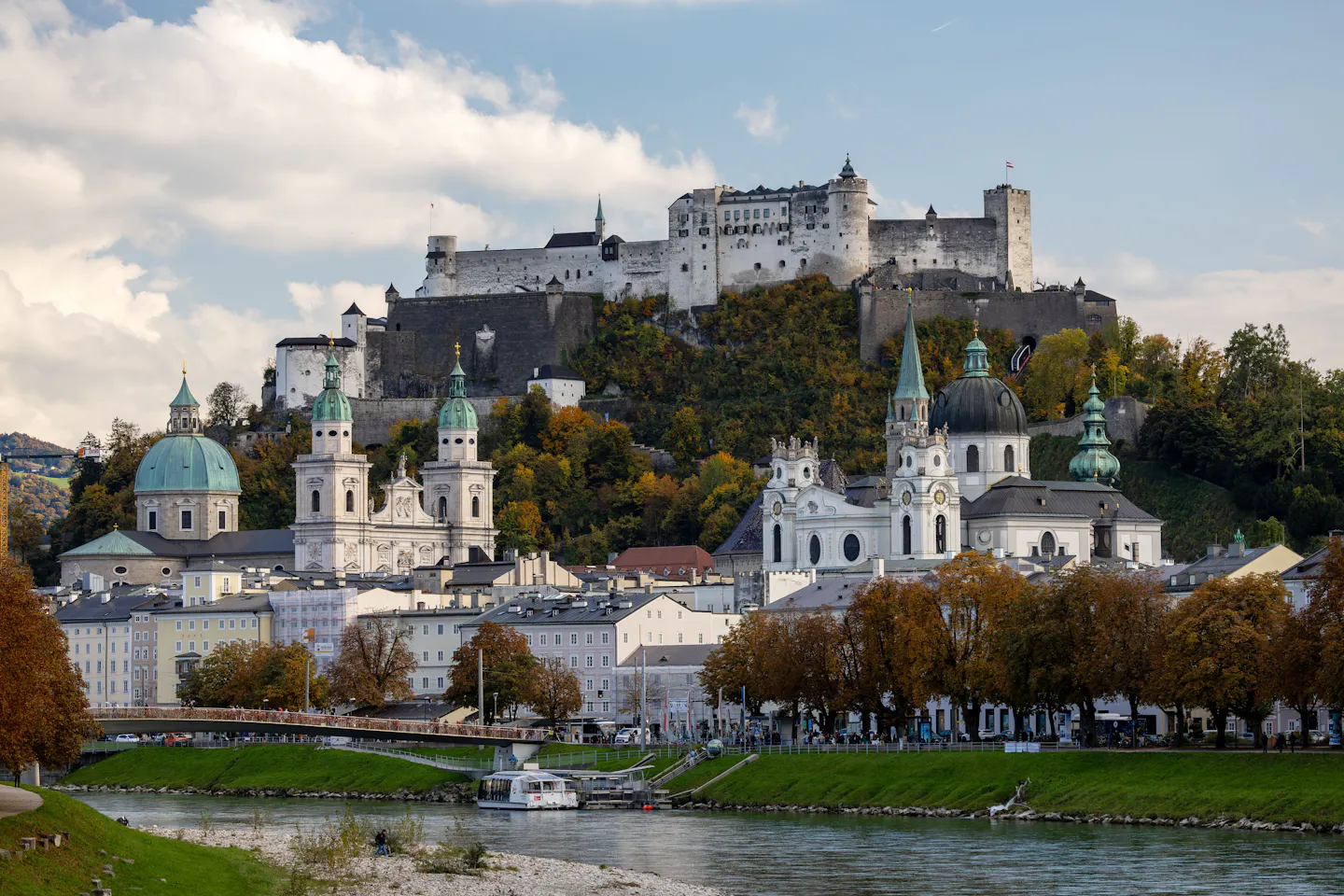
Salzburg is a small, beautiful city that pairs naturally with the lakes and mountains around it. For families, that means you can combine a castle, old town, funicular, lake swim, boat ride, and mountain day without needing a long multi-country itinerary.
Why families like Salzburg
The historic center is compact, and many of the most memorable family experiences are visual and active rather than museum-heavy. Hohensalzburg Fortress, Hellbrunn Palace and its trick fountains, and nearby lake towns all give children something concrete to explore.
What to do with kids
Spend two or three days in Salzburg, then add a lake base such as Wolfgangsee or another Salzkammergut area if you have more time. In summer, keep mountain days flexible around the weather. In winter, the region works well for Christmas markets and snow-focused trips.
Best for: families who love scenery, castles, and short day trips. Best time to go: May to September or December.
Rome, Italy

Rome is not the easiest European city with a stroller, but it can be one of the most exciting with school-age kids. The Colosseum, gladiators, fountains, ancient ruins, pizza, pasta, and gelato make the city feel instantly recognizable.
Why families like Rome
History is visible everywhere, so children do not have to spend all day inside museums to understand why the city matters. You can walk past ruins, stop at a fountain, eat pizza, and turn a normal city walk into a history lesson without making it feel like school.
What to do with kids
Book the Colosseum early, keep major archaeological sightseeing to a reasonable length, and use Villa Borghese or another green space as a reset. In summer, start early, take a long afternoon break, and avoid forcing children through hours of exposed ruins in peak heat.
Best for: school-age kids and teens, history lovers, food-motivated families. Best time to go: March to May and October to November.
Which European destination is best for your family?

For toddlers, the easiest choices are usually Mallorca, the Algarve, Copenhagen, or a relaxed lake-and-mountain base where you can stay in one hotel and keep the day flexible. For school-age children, London, Amsterdam, Slovenia, Lake Garda, and Salzburg offer a good mix of fun and learning. For teenagers, London, Barcelona, Rome, Paris, and active mountain regions tend to work better because there is more independence, food, shopping, culture, and bigger experiences.
If you are choosing between a city and a beach, Barcelona is one of the easiest compromises. If you want winter sun, Tenerife is the obvious pick. If you want a road trip without huge distances, Slovenia is hard to beat. And if you want a first family trip that feels unmistakably European, Copenhagen, Vienna, London, Paris, or Rome are all strong choices.
Tips for planning a European vacation with kids

- Plan fewer stops than you would on an adults-only trip. Two well-paced bases are usually better than four rushed cities.
- Book the most important timed-entry attractions in advance, but leave part of each day open.
- Choose accommodation based on location and daily logistics, not just the room. A shorter walk or direct train can save the whole family’s energy.
- Build in playgrounds, parks, beaches, pools, and snack stops. Downtime is part of the itinerary, not wasted time.
- Avoid peak afternoon heat in Southern Europe during summer. Start earlier and take a proper break.
- Give older children some control. Let them choose a restaurant, attraction, market, or activity for one part of the day.
- Do not assume every famous attraction is worth it for your family. The best trip is the one your children actually enjoy, not the one with the longest checklist.
Frequently asked questions about family vacations in Europe
What is the best place in Europe to visit with young children?
For young children, Copenhagen, Mallorca, and the Algarve are among the easiest choices. They make it simple to combine short outings with parks, beaches, pools, and early nights without spending too much time in transit.
What is the best European city for a family vacation?
Copenhagen is one of the easiest all-around family city breaks, while London is best if you want maximum choice. Vienna is excellent for a calmer cultural trip, and Barcelona works especially well when your family wants both sightseeing and beach time.
Where should you go in Europe with teenagers?
London, Barcelona, Paris, Rome, and Amsterdam are strong choices for teenagers because they offer more than classic sightseeing. Food, shopping, football, live entertainment, social-media-famous landmarks, and independent exploring can all become part of the trip.
What are the best family beach destinations in Europe?
The Algarve, Mallorca, Crete, Tenerife, and Lake Garda are all excellent depending on the season. Choose Tenerife for winter sun, the Algarve or Mallorca for an easy summer beach holiday, Crete for a slower Greek island trip, and Lake Garda if you want swimming plus towns and theme parks.
How many days do you need for a family trip to Europe?
For one city, three to five days usually works well. For a one-country family holiday, seven to ten days gives you enough time to combine two bases without rushing. If you are flying long-haul to Europe, around 10 to 14 days makes the travel time feel more worthwhile.
Plan your family trip with EasyMiles
Family travel gets complicated fast because the best itinerary is not simply a list of famous places. Opening hours, travel time, meal breaks, weather, children’s energy, reservations, and the distance between stops all matter.
EasyMiles helps you plan the whole trip around the way your family actually travels. Tell it where you are going, your dates, who is traveling, and what you enjoy. EasyMiles can build a personalized itinerary with activities, restaurants, practical local tips, and a route that makes sense instead of sending you back and forth across the city.
And when plans change, the trip does not have to fall apart. EasyMiles can help adjust the day if the weather turns, a place is closed, your family is tired, or you simply decide you would rather slow down.
That is especially useful with kids, because the best family itinerary is the one that can change with you. Plan your next European family vacation with EasyMiles and spend less time organizing the trip and more time enjoying it together.