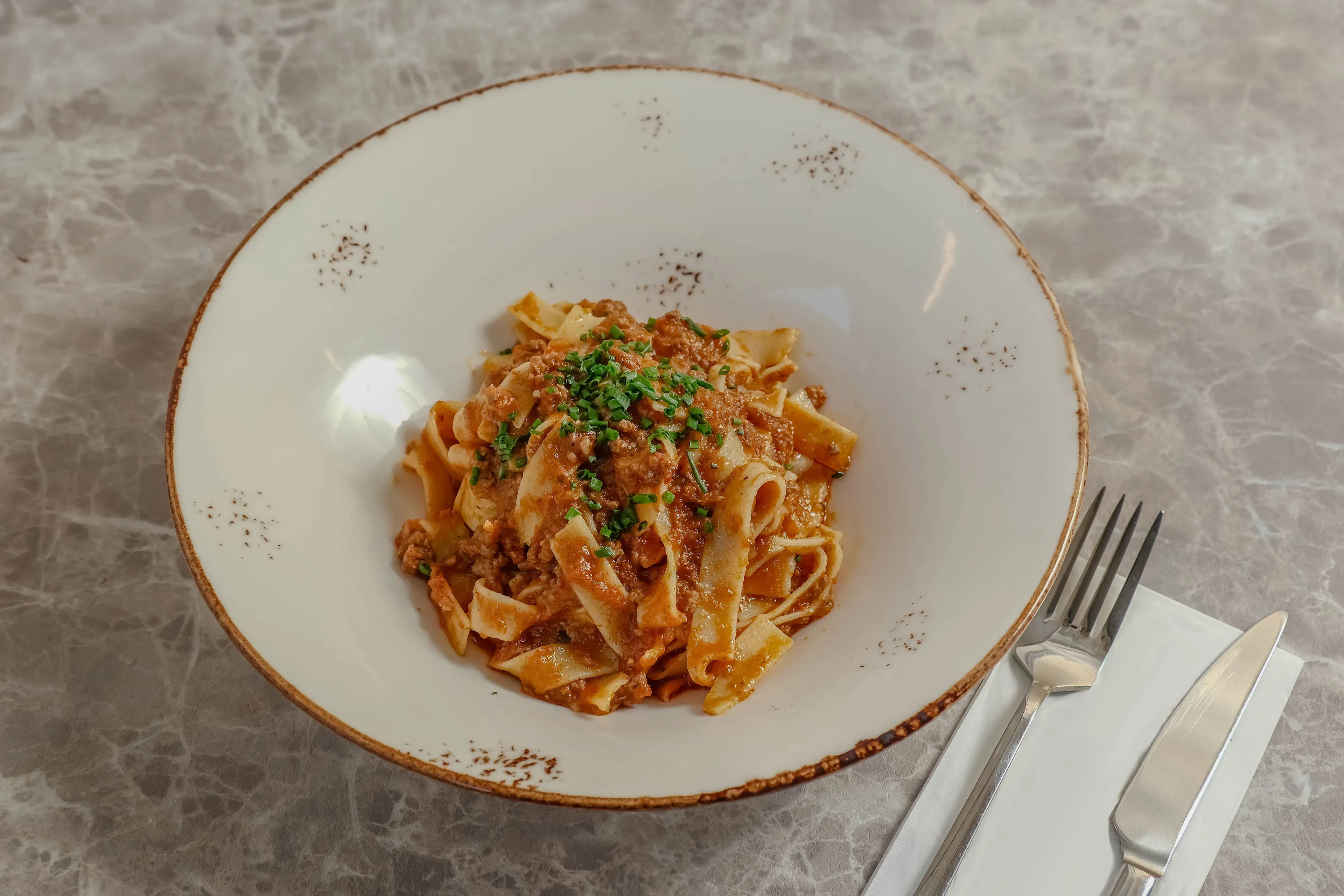
The best European destinations for food lovers are Bologna, San Sebastián, Lyon, Naples, Palermo, Lisbon, Copenhagen, Porto, Istanbul, and Vienna. These cities offer much more than a few famous restaurants: they have strong local dishes, markets, neighbourhood food culture, bakeries, bars, and regional traditions that can shape the entire trip.
Bologna is best for pasta and Emilia-Romagna products, San Sebastián for pintxos and fine dining, Lyon for classic French cooking, Naples for pizza and street food, Palermo for Sicilian markets, Lisbon and Porto for seafood and pastries, Copenhagen for modern Nordic restaurants, Istanbul for variety and all-day eating, and Vienna for coffeehouses, cakes, and Central European comfort food.
Here is the quick answer:
- Bologna is best for fresh pasta, ragù, mortadella, Parmigiano Reggiano, and easy food trips around Emilia-Romagna.
- San Sebastián is best for pintxos, seafood, Basque cooking, and one of Europe’s strongest concentrations of ambitious restaurants.
- Lyon is best for traditional bouchons, markets, charcuterie, cheese, and classic French food culture.
- Naples is best for pizza, fried street food, pastries, espresso, seafood, and eating extremely well without formality.
- Palermo is best for markets, Sicilian street food, sweets, seafood, and bold Arab-Norman culinary influences.
- Lisbon is best for grilled fish, seafood rice, small taverns, pastries, and food mixed with neighbourhood exploration.
- Copenhagen is best for modern Nordic cooking, bakeries, design-led restaurants, and ambitious casual food.
- Porto is best for hearty northern Portuguese dishes, port wine, seafood, sandwiches, and riverfront meals.
- Istanbul is best for breakfast, markets, grilled meat, seafood, meze, sweets, and constant variety across two continents.
- Vienna is best for coffeehouses, cakes, schnitzel, dumplings, wine taverns, and elegant food traditions.
A great food trip should not be built entirely around difficult dinner reservations. Markets, bakeries, cafés, neighbourhood lunch places, food shops, and regional day trips often reveal more about a destination than one expensive tasting menu.
Bologna: best overall food destination in Europe

Bologna sits at the centre of Emilia-Romagna, one of Europe’s strongest food regions. Fresh tagliatelle, tortellini, lasagne, ragù, mortadella, Parmigiano Reggiano, balsamic vinegar, and cured meats are not separate tourist attractions here. They are part of everyday cooking and the wider regional identity.
Start around the Quadrilatero and Mercato delle Erbe, but look beyond the most photographed shopfronts. Eat fresh pasta in a traditional trattoria, try mortadella in a simple sandwich, and compare different versions of tortellini or tagliatelle al ragù rather than ordering every famous dish in one meal.
Bologna is also an excellent base for food-focused day trips. Modena is associated with traditional balsamic vinegar, Parma with Parmigiano Reggiano and prosciutto, and smaller towns across the region have their own pasta shapes, wines, and producers.
Best for: pasta lovers, first-time food travellers in Italy, market visitors, and anyone who wants a city break connected to a wider food region.
San Sebastián: best for pintxos and ambitious dining
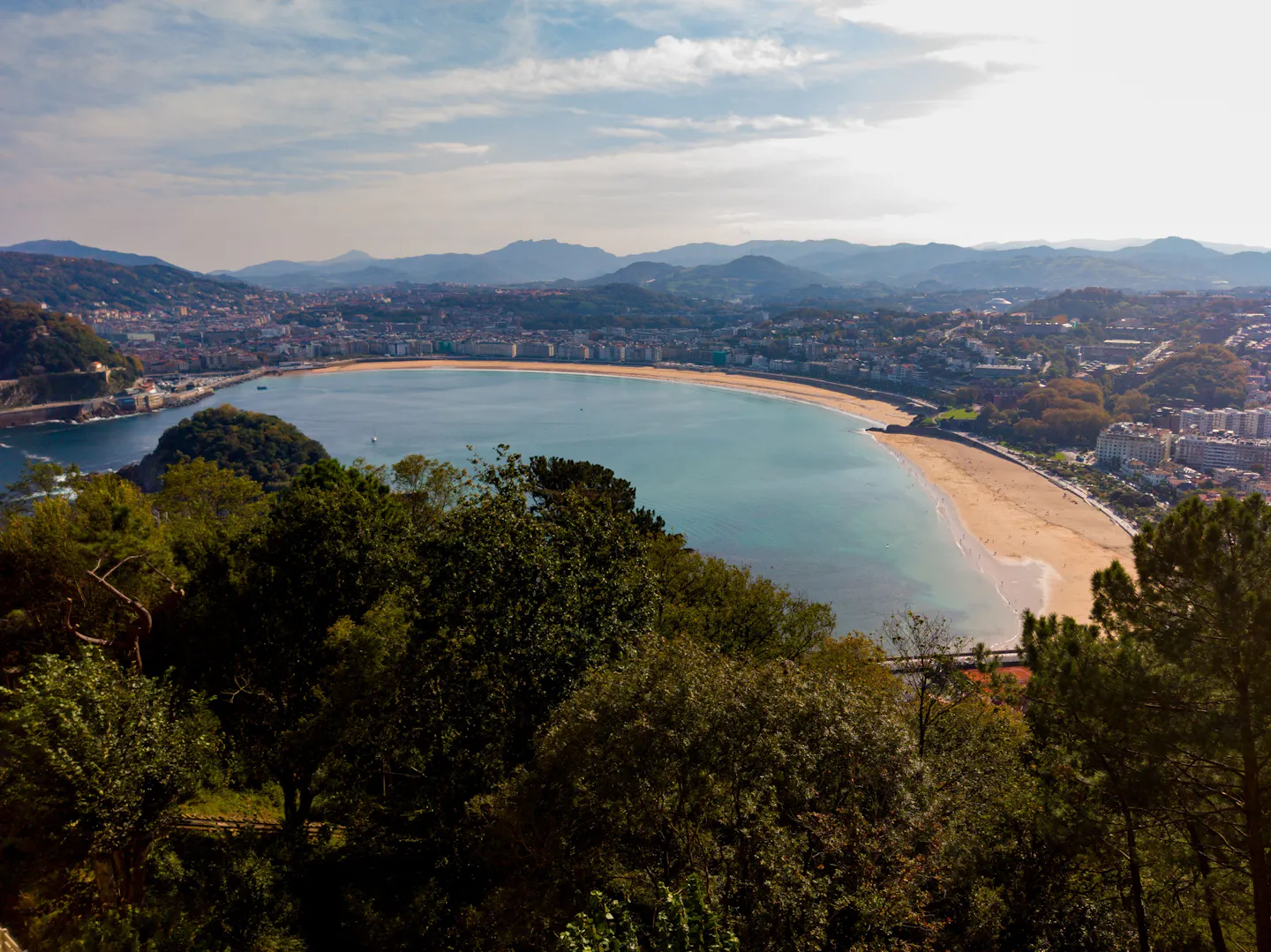
San Sebastián combines a beautiful coastal setting with one of Europe’s most famous food cultures. The city is known for both casual pintxos bars and highly ambitious restaurants, which means the same trip can include small bites at a crowded counter and a carefully planned tasting menu.
The Old Town has the greatest concentration of pintxos bars, but the best approach is not to sit down for ten dishes in one place. Order one or two specialities, have a small drink, and continue to the next bar. Ask for hot dishes as well as choosing from the counter.
Visit La Bretxa or San Martín market to understand the seafood, peppers, cheeses, and produce behind Basque cooking. Leave time for the beach and coastal walks too; the city works because eating is part of a broader rhythm rather than the only activity.
Best for: pintxos lovers, seafood fans, couples, fine-dining travellers, and anyone willing to book important restaurants early.
Lyon: best for traditional French cooking
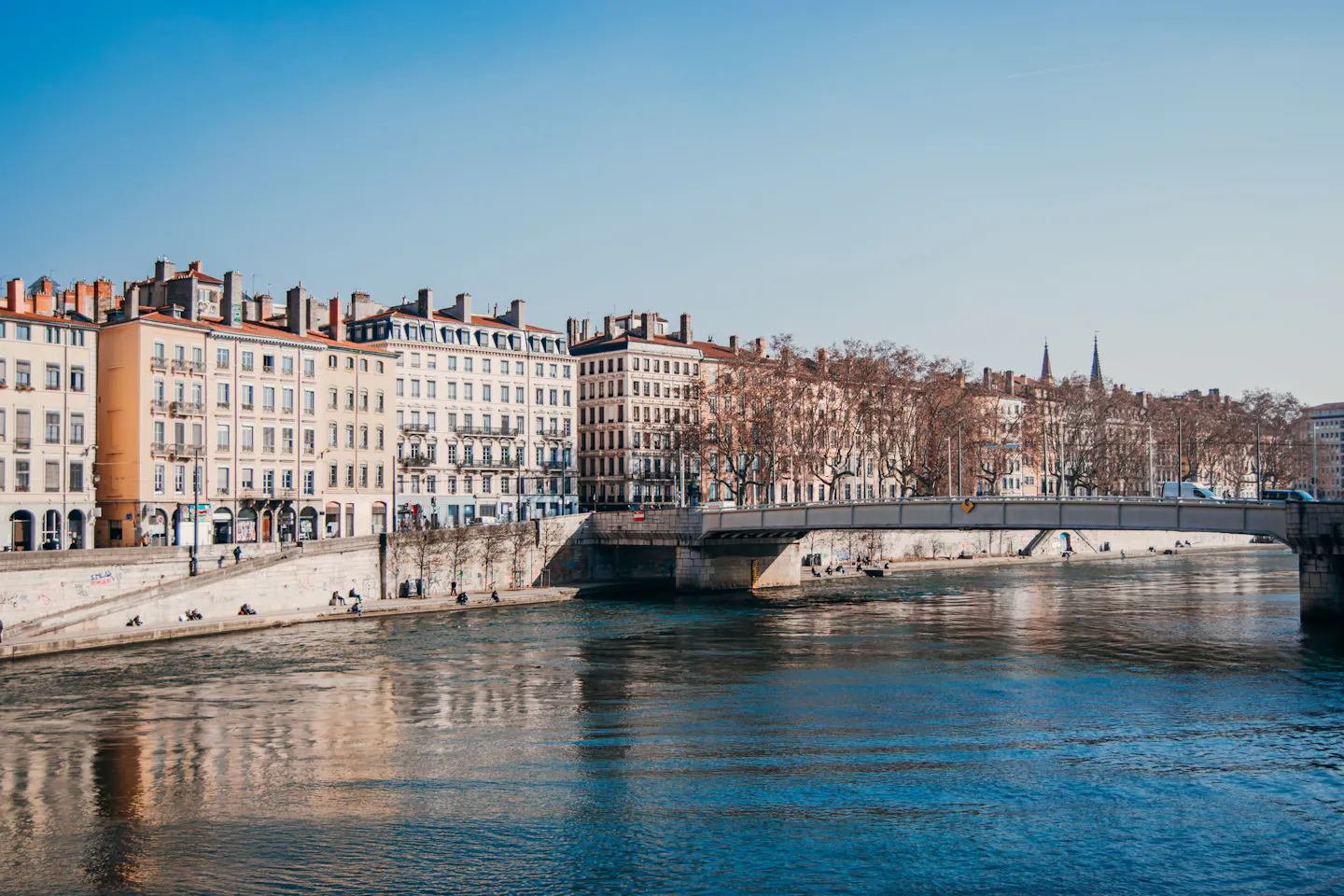
Lyon is widely associated with French gastronomy, but its appeal is not limited to luxury restaurants. Traditional bouchons, markets, bakeries, cheese shops, charcuterie, and the Halles de Lyon Paul Bocuse make the city accessible to many different budgets and appetites.
Classic Lyonnaise food can be rich. Expect sausages, pâtés, quenelles, offal dishes, potatoes, cheese, and praline desserts. Choose a genuine bouchon when you want tradition, but balance the trip with markets, lighter modern restaurants, and neighbourhoods such as Croix-Rousse or Guillotière, where the food scene is broader.
Lyon also sits between major wine regions. A longer stay can include Beaujolais, the northern Rhône, or smaller food and wine experiences outside the centre.
Best for: lovers of classic French food, charcuterie, wine, markets, and travellers who want gastronomy with major cultural sights.
Naples: best for pizza and informal eating
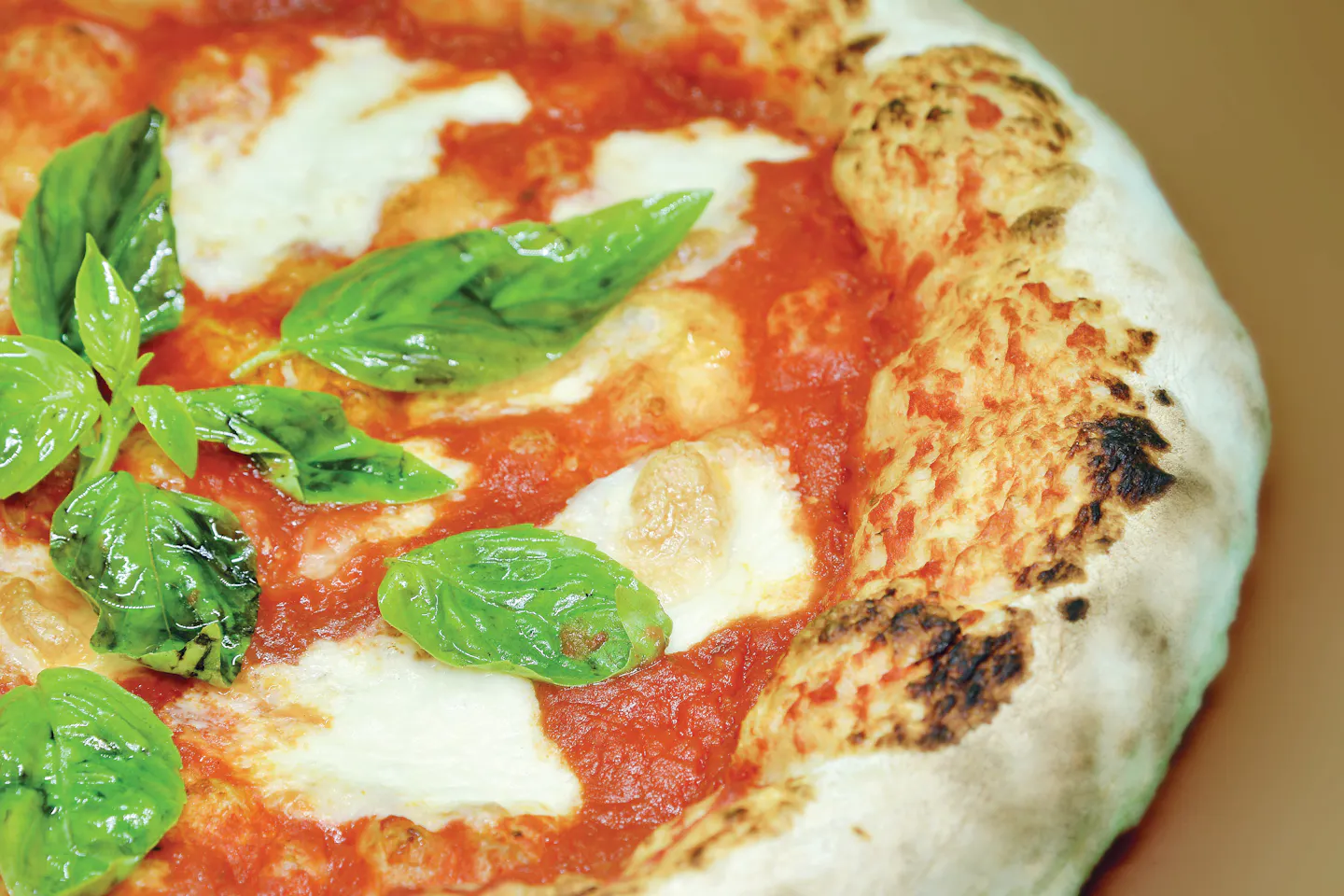
Naples is one of Europe’s most satisfying food cities because great eating is woven into normal streets and daily routines. Pizza is the obvious reason to visit, but the city also offers fried snacks, pasta, seafood, pastries, espresso, and dishes built around simple local ingredients.
Try more than one pizza style and do not assume the longest queue automatically means the best meal. Explore the historic centre, Pignasecca, the Spanish Quarters, and neighbourhood bakeries or pastry shops. Look for sfogliatella, babà, frittatine, cuoppo, pasta e patate, and seasonal seafood.
Naples also connects naturally to other food destinations. You can visit the islands, the Amalfi Coast, Pompeii, or towns known for mozzarella, lemons, wine, and local pasta traditions. Keep the itinerary realistic because traffic and transport can take longer than the map suggests.
Best for: pizza lovers, street-food travellers, budget-conscious food trips, and anyone who enjoys energetic cities more than polished ones.
Palermo: best for Sicilian markets and street food
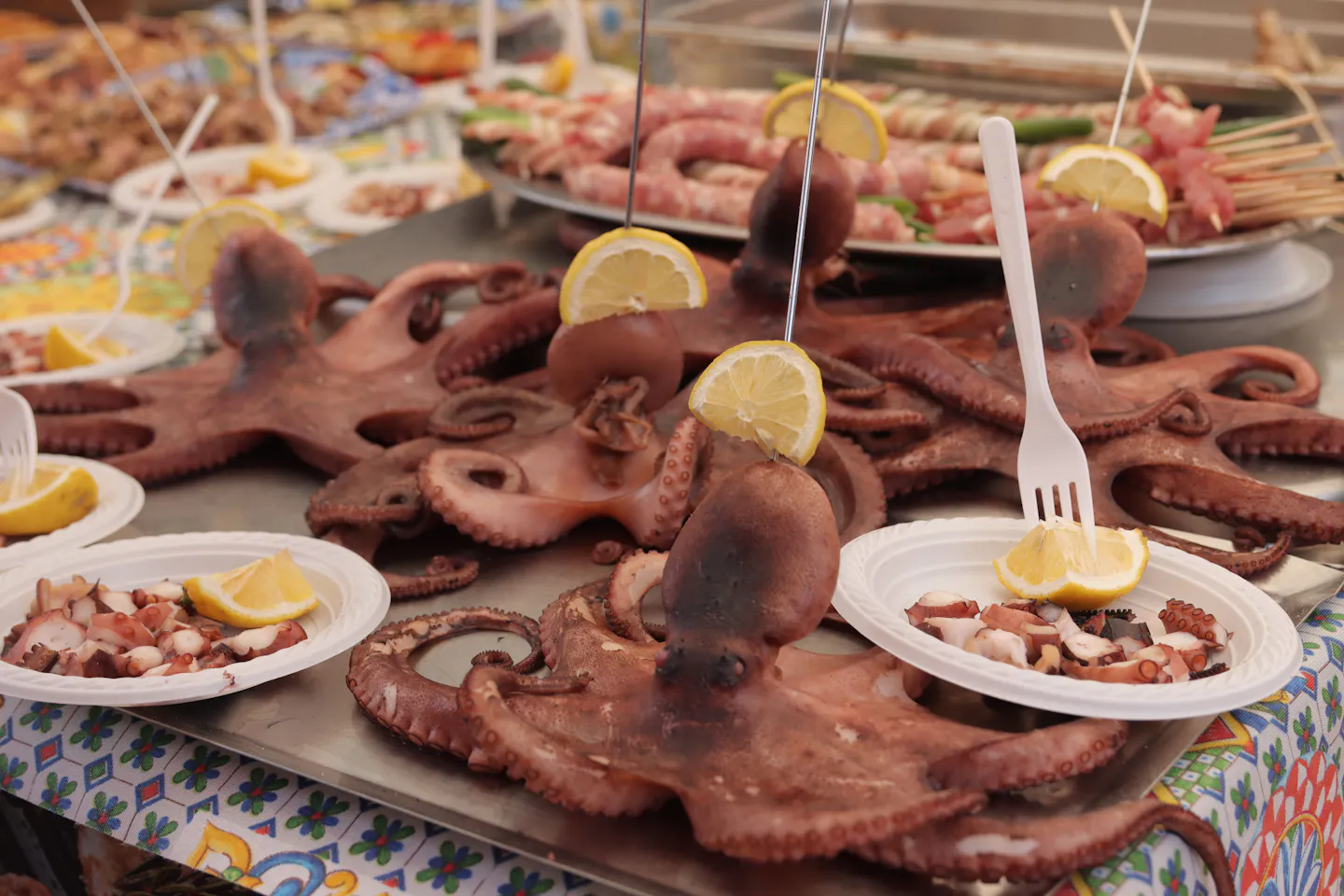
Palermo has one of Europe’s most distinctive street-food cultures, shaped by Sicilian ingredients and centuries of Mediterranean, Arab, Norman, and Spanish influence. Markets, bakeries, fried snacks, seafood, sweets, and simple family-run restaurants make eating part of every walk.
Explore Ballarò, Capo, and Vucciria, but remember that each market has a different rhythm and some are more active at particular times of day. Try arancine, panelle, crocchè, sfincione, pasta con le sarde, caponata, cannoli, and granita. More adventurous travellers may also try pani ca meusa.
Palermo is not a city where every meal needs to be planned. A better structure is one booked dinner, one market morning, a bakery stop, and enough free time to follow what looks and smells good.
Best for: street-food lovers, market travellers, adventurous eaters, seafood fans, and anyone interested in the layered culture of Sicily.
Lisbon: best for seafood, pastries, and neighbourhood eating
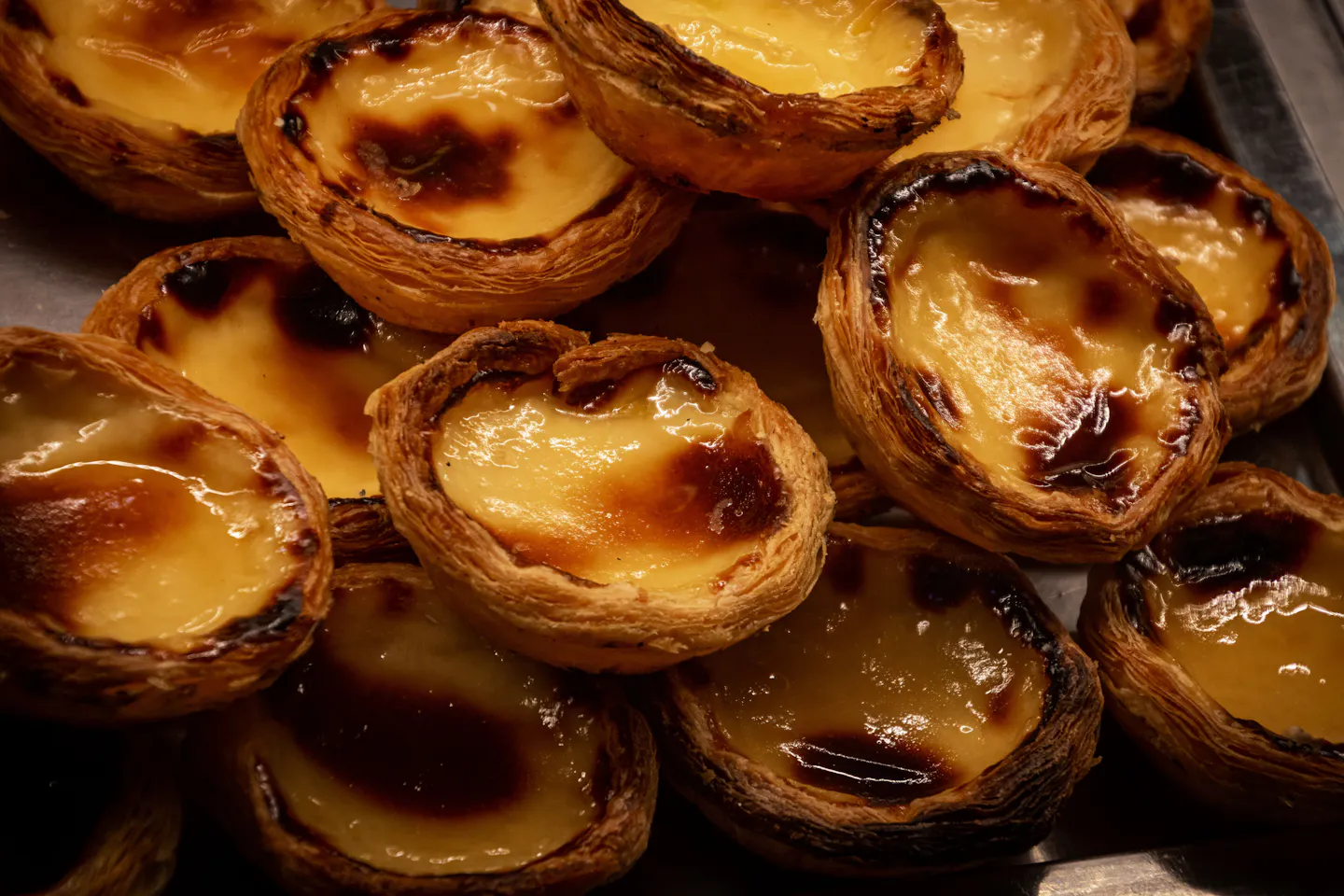
Lisbon is a strong food destination because eating fits naturally into a city trip. You can begin with coffee and a pastry, stop for a bifana or seafood lunch, spend the afternoon exploring viewpoints, and finish in a small tasca, wine bar, or modern Portuguese restaurant.
Look beyond one famous custard-tart bakery. Try pastéis de nata in several places, grilled sardines in season, bacalhau dishes, seafood rice, clams, octopus, and simple grilled fish. Areas such as Alfama, Mouraria, Campo de Ourique, Estrela, and Alcântara offer different combinations of old taverns and newer restaurants.
Day trips add even more variety. Sintra is known for local pastries, while Setúbal and the coast are strong for fish and seafood. Do not schedule a heavy lunch directly before climbing half the city’s hills.
Best for: seafood lovers, pastry fans, couples, first-time visitors to Portugal, and travellers who want food mixed with viewpoints and neighbourhood walks.
Copenhagen: best for modern Nordic food and bakeries
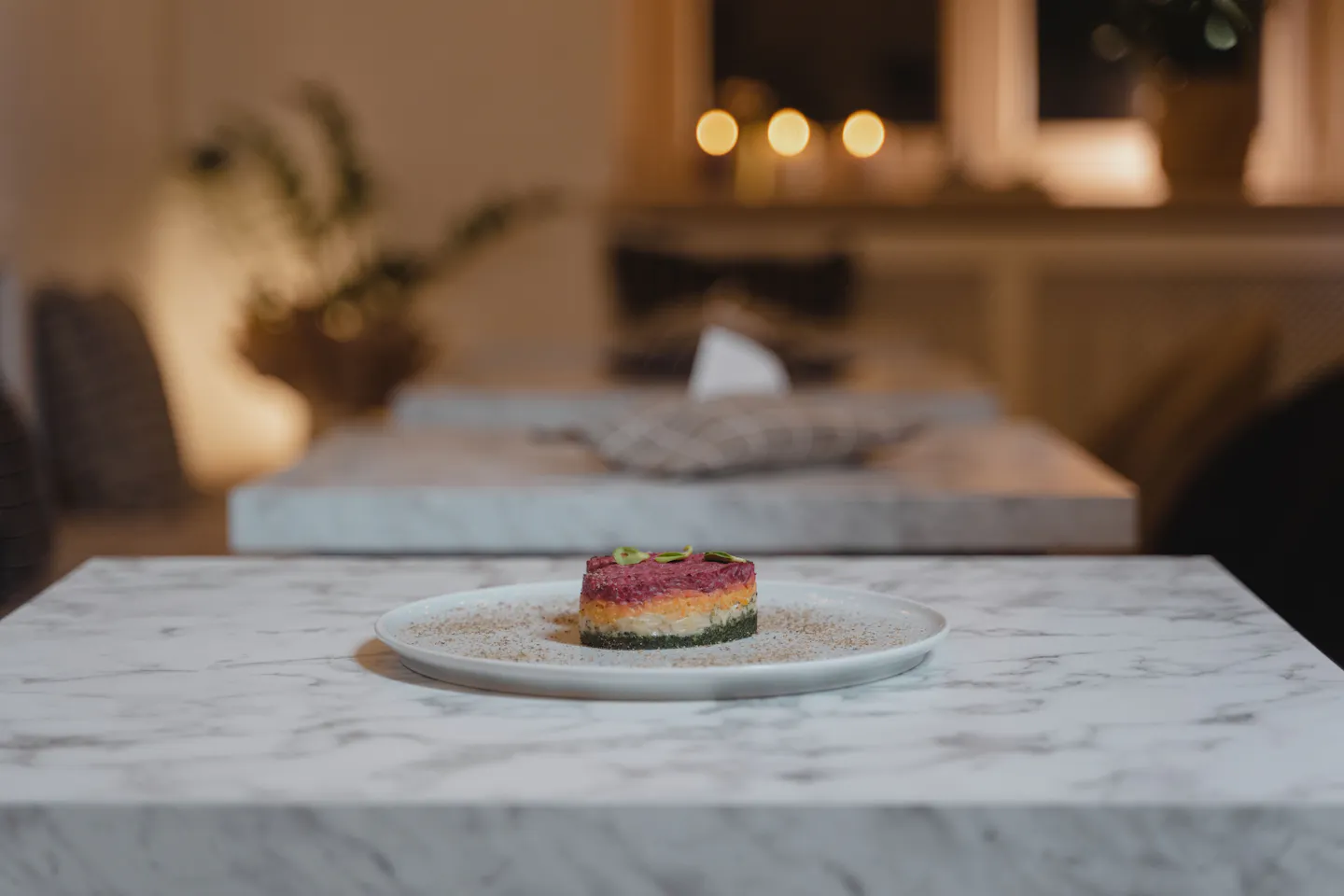
Copenhagen changed how many travellers think about Nordic food, but you do not need a famous tasting menu to enjoy the city. Bakeries, natural-wine bars, open sandwiches, seafood, seasonal vegetables, food halls, and design-conscious casual restaurants are just as important to the experience.
Start with a proper bakery breakfast, try smørrebrød for lunch, and explore areas such as Nørrebro, Vesterbro, and Christianshavn for different restaurant styles. Markets and waterfront food areas are useful for groups because everyone can choose something different without turning the meal into a major event.
Reservations and prices require planning. Mix one special dinner with simpler lunches, bakeries, and neighbourhood spots. Copenhagen is best when the trip includes cycling, museums, harbour walks, and design alongside the food.
Best for: modern-food travellers, bakery lovers, design fans, vegetarians, and anyone willing to spend more for a carefully curated food scene.
Porto: best for hearty Portuguese food and wine
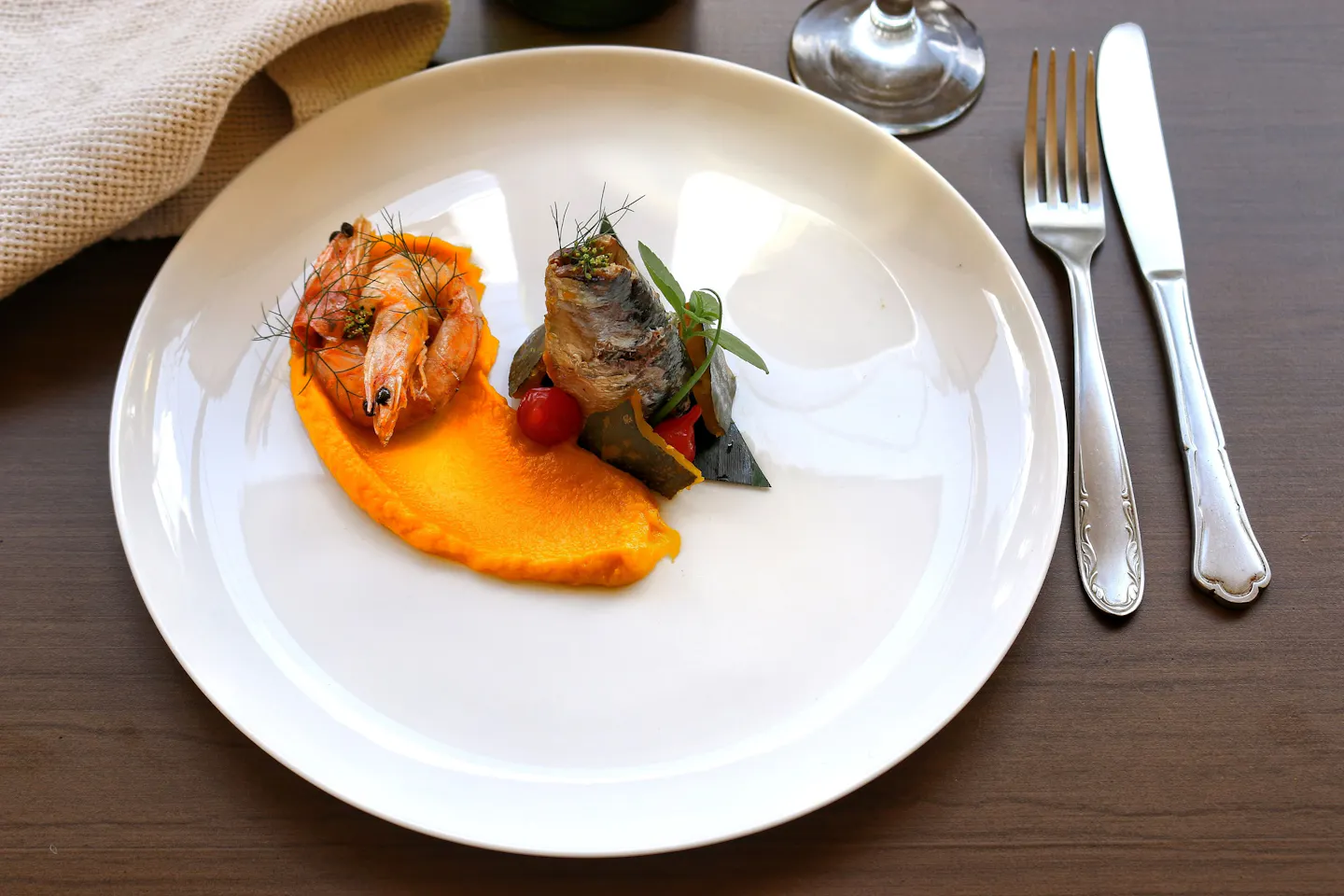
Porto’s food is generally richer and more robust than Lisbon’s. The city is known for the francesinha, tripe dishes, grilled fish, cured meats, sandwiches, pastries, and port wine, while the nearby coast and Douro Valley expand the trip into seafood and wine country.
Visit Bolhão Market, eat in neighbourhood restaurants away from the most obvious riverfront terraces, and try a francesinha when you have time for a very substantial meal. Fresh fish around Matosinhos can be worth the short trip from the centre.
Port wine cellars in Vila Nova de Gaia are an obvious experience, but compare different styles and avoid scheduling several full tastings in one afternoon. A day in the Douro Valley works best with a small number of wineries and enough time for the landscape.
Best for: wine lovers, hearty eaters, seafood fans, couples, and travellers who prefer a relaxed food city to a formal dining destination.
Istanbul: best for variety and eating all day
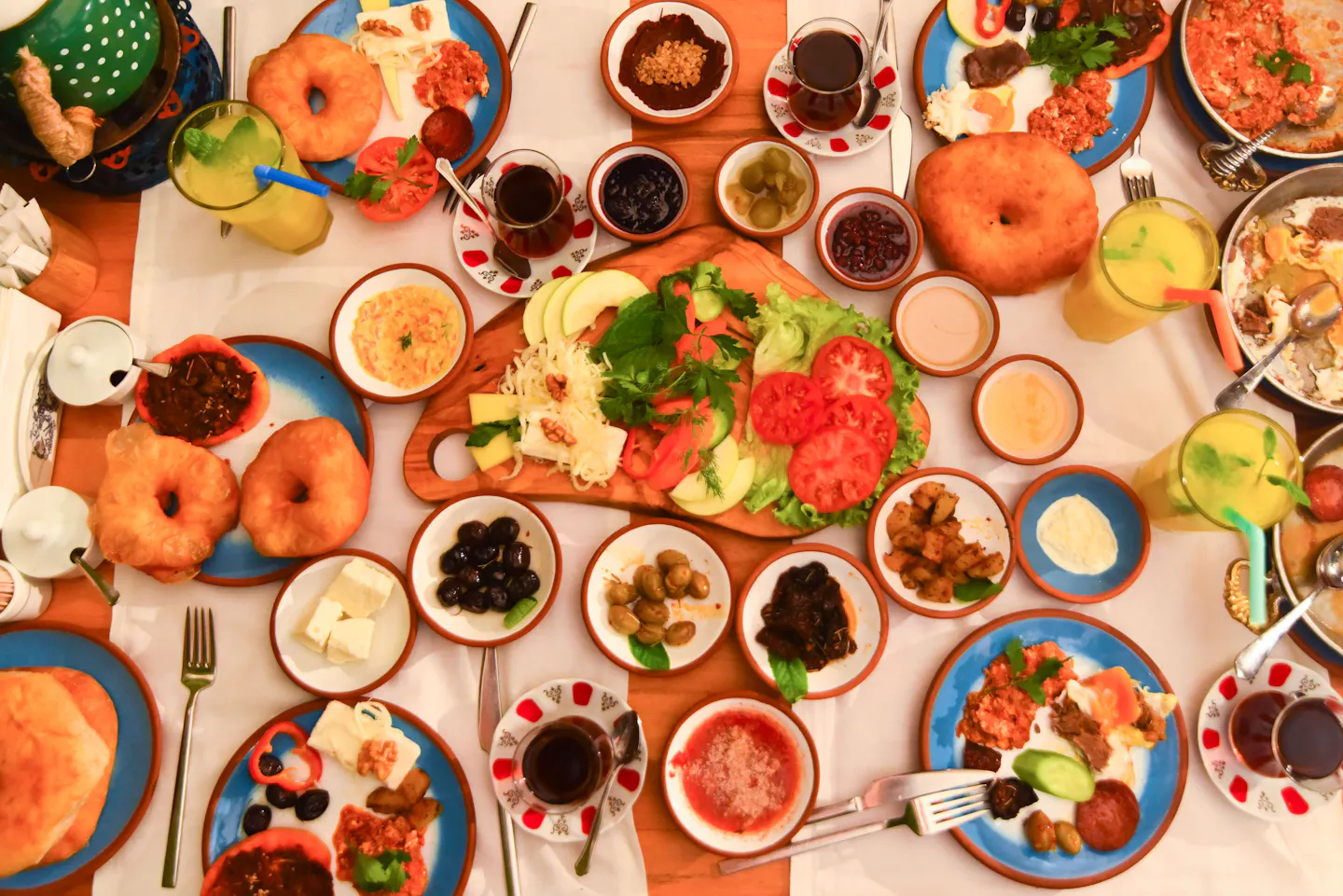
Istanbul is one of Europe’s broadest food destinations because meals change across neighbourhoods, times of day, and the two sides of the Bosphorus. Breakfast can become a full event, ferries connect you to seafood and market districts, and bakeries, grills, meze restaurants, and street vendors operate from morning until late.
Try a Turkish breakfast, simit, börek, kebabs, köfte, meze, grilled fish, pide, lahmacun, baklava, lokum, and regional dishes that go far beyond the internationally familiar menu. Explore Kadıköy for markets and casual eating, Karaköy and Galata for cafés and modern restaurants, and neighbourhoods along the Bosphorus for seafood.
The city is enormous, so organise food around geography. Crossing Istanbul for one restaurant can take a large part of the evening. Build each day around one or two connected areas and let the ferry ride become part of the trip.
Best for: adventurous eaters, market lovers, breakfast fans, groups, and travellers who want exceptional variety at different price levels.
Vienna: best for coffeehouses, cakes, and comfort food
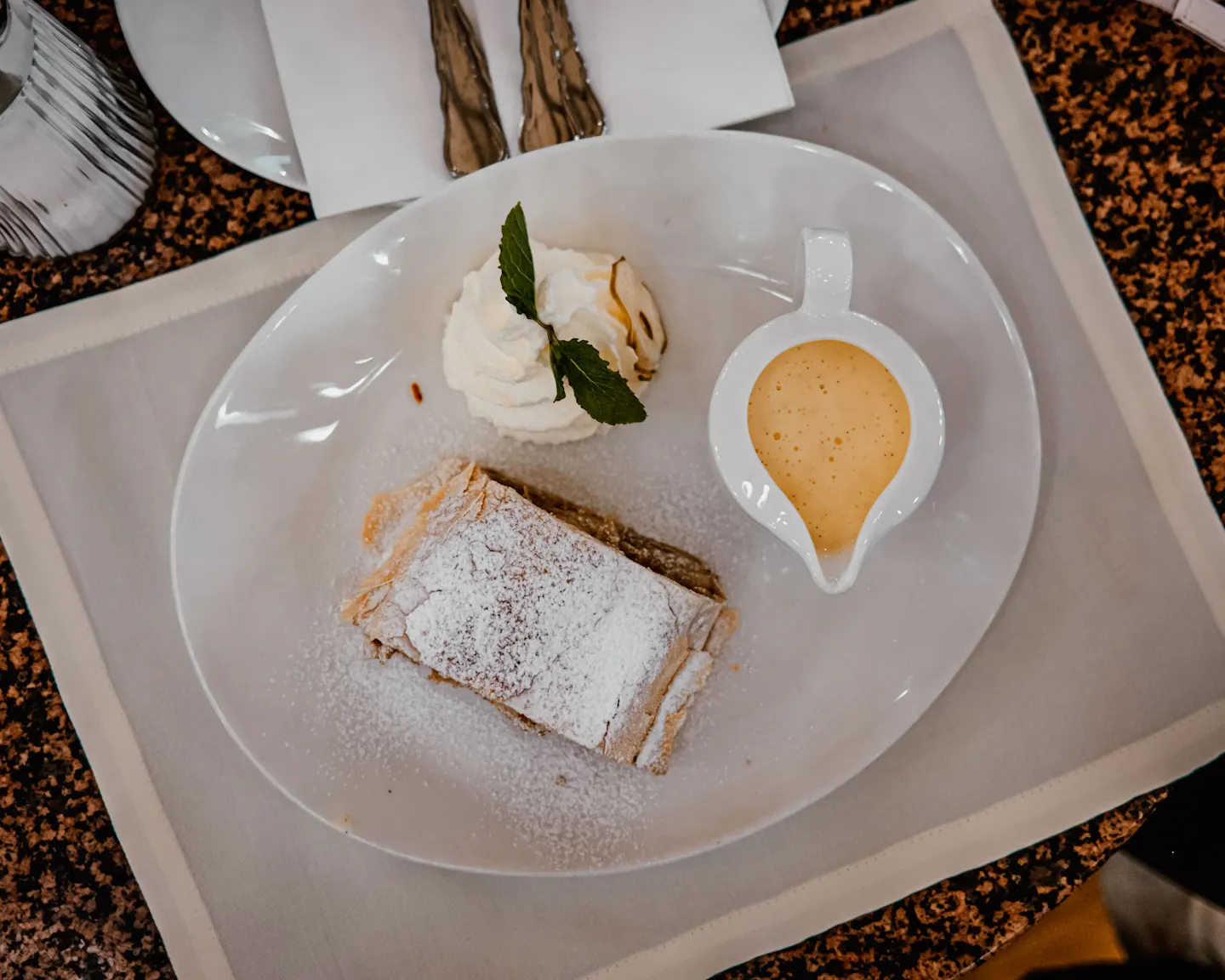
Vienna’s food culture is inseparable from its coffeehouses, pastry shops, markets, wine taverns, and traditional restaurants. The city is ideal when you enjoy meals as part of a slower cultural trip rather than chasing the newest restaurant opening.
Try Wiener schnitzel, goulash, tafelspitz, dumplings, sausages, apple strudel, Sachertorte, and seasonal pastries, but do not attempt all of them in one day. Visit a traditional coffeehouse when you have time to sit rather than treating it as a quick photograph.
The Naschmarkt is useful for browsing and casual food, while the city’s heuriger wine taverns offer a different experience outside the central streets. Vienna also works well for travellers who want museums, concerts, and palaces between meals.
Best for: pastry lovers, coffee drinkers, classical-culture travellers, couples, and anyone who enjoys elegant comfort food.
How to choose the right food destination in Europe
For pasta and regional Italian products
Choose Bologna. It gives you a strong city food culture and easy access to Modena, Parma, and the wider Emilia-Romagna region.
For street food
Choose Naples, Palermo, or Istanbul. Naples is best for pizza and fried snacks, Palermo for distinctive Sicilian market food, and Istanbul for the greatest overall variety.
For fine dining
Choose San Sebastián or Copenhagen. Both have influential restaurant scenes, but San Sebastián combines fine dining with casual pintxos, while Copenhagen is stronger for modern Nordic cooking and design-led restaurants.
For classic European food culture
Choose Lyon or Vienna. Lyon is best for French markets, bouchons, and charcuterie, while Vienna offers coffeehouses, pastries, wine taverns, and Central European comfort food.
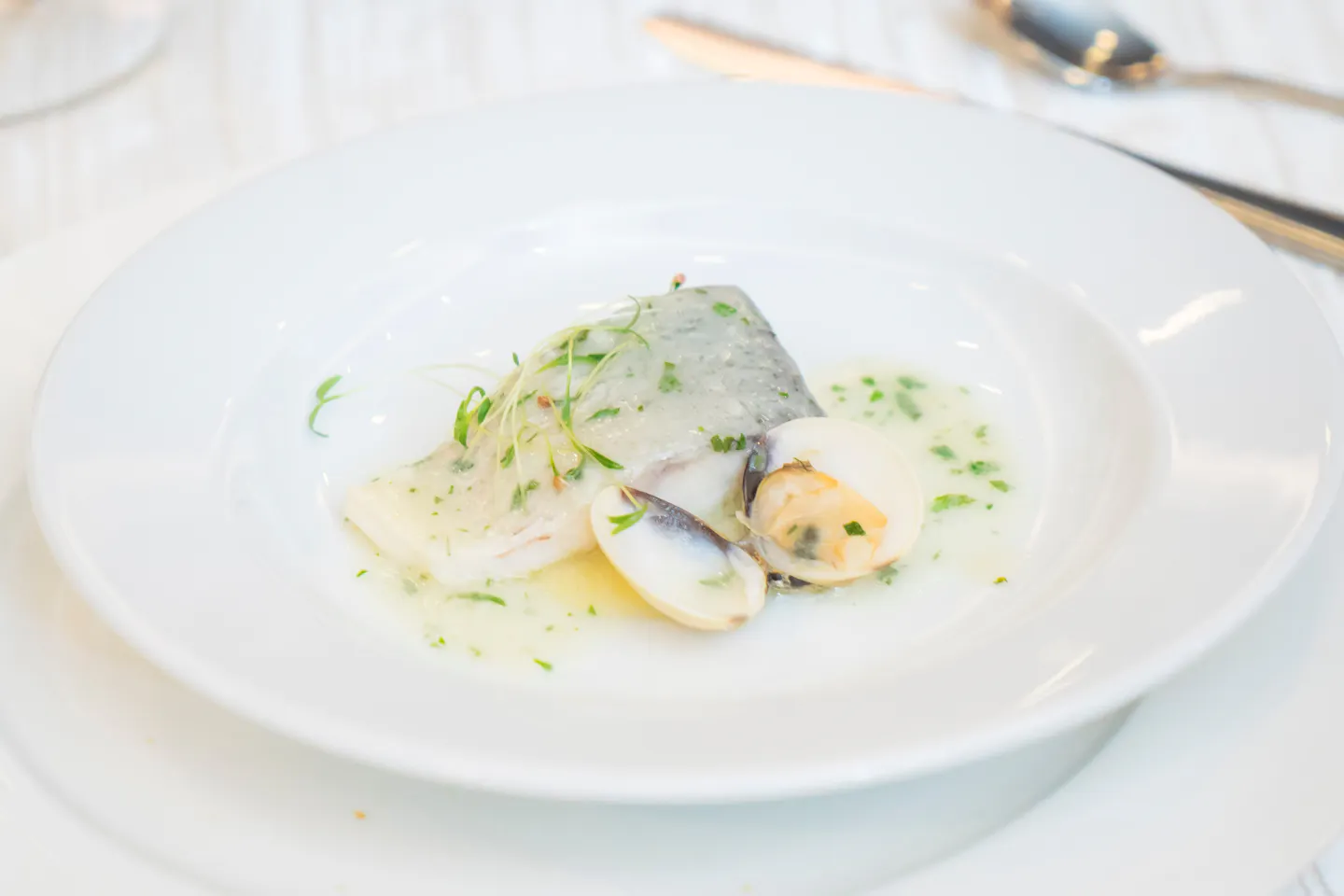
For seafood and wine
Choose Lisbon, Porto, or San Sebastián. Lisbon offers the widest casual seafood variety, Porto adds the Douro and port wine, and San Sebastián combines seafood with Basque cooking and pintxos.
How to plan a food-focused trip
Book the restaurants that genuinely matter, but keep breakfast, lunch, market visits, and several dinners flexible. A trip with every meal reserved can become stressful and leaves no room for discoveries.
Group meals by neighbourhood. It rarely makes sense to cross a large city for lunch, return for a museum, and travel back to the same area for dinner. Markets are usually best earlier in the day, while bakeries and traditional lunch places may close or sell out sooner than expected.
Balance heavy meals with walking, museums, parks, and lighter stops. The goal is to experience the city through food, not to spend the entire holiday recovering from the previous reservation.
FAQ: the best food destinations in Europe
What is the best city in Europe for food?
Bologna is the strongest all-round choice because of its pasta, markets, cured meats, cheeses, and location in Emilia-Romagna. San Sebastián is better for pintxos and fine dining, while Istanbul offers the greatest variety.
Which European city has the best street food?
Palermo, Naples, and Istanbul are the leading choices. Palermo is best for market culture, Naples for pizza and fried snacks, and Istanbul for a much wider range of foods throughout the day.
Where should food lovers go in Italy?
Bologna is best for pasta and regional products, Naples for pizza and informal eating, and Palermo for Sicilian street food and markets. A longer trip can combine Bologna with Modena or Parma.
Which European food destination is best on a budget?
Naples, Palermo, Istanbul, Porto, and parts of Lisbon can offer excellent casual food without relying on expensive restaurants. Costs still vary significantly by neighbourhood and season.
How many days do you need for a food city break?
Three nights are enough for one city if you plan a market visit, several local meals, and time for sightseeing. Four or five nights are better when you want a regional day trip, winery visit, or major tasting menu.
Plan the whole food trip with EasyMiles
Saving a list of restaurants is not the same as planning a food trip. The best places may open only for lunch, close on particular days, require reservations, or sit far away from the attractions you planned for the same afternoon.
EasyMiles creates a complete itinerary around your dates, interests, travel style, and preferred pace. It can combine markets, bakeries, local restaurants, major sights, neighbourhood walks, and evening experiences in an order that makes sense.
The itinerary takes opening hours and travel time into account, so you are not sent across the city for every meal or left with a restaurant booking that clashes with the rest of the day. You can also shape the plan around street food, seafood, wine, pastries, local classics, or a mix of famous places and smaller neighbourhood discoveries.
Use EasyMiles to turn any of these food destinations into a complete trip where every meal fits naturally into the day instead of becoming another tab you need to manage.