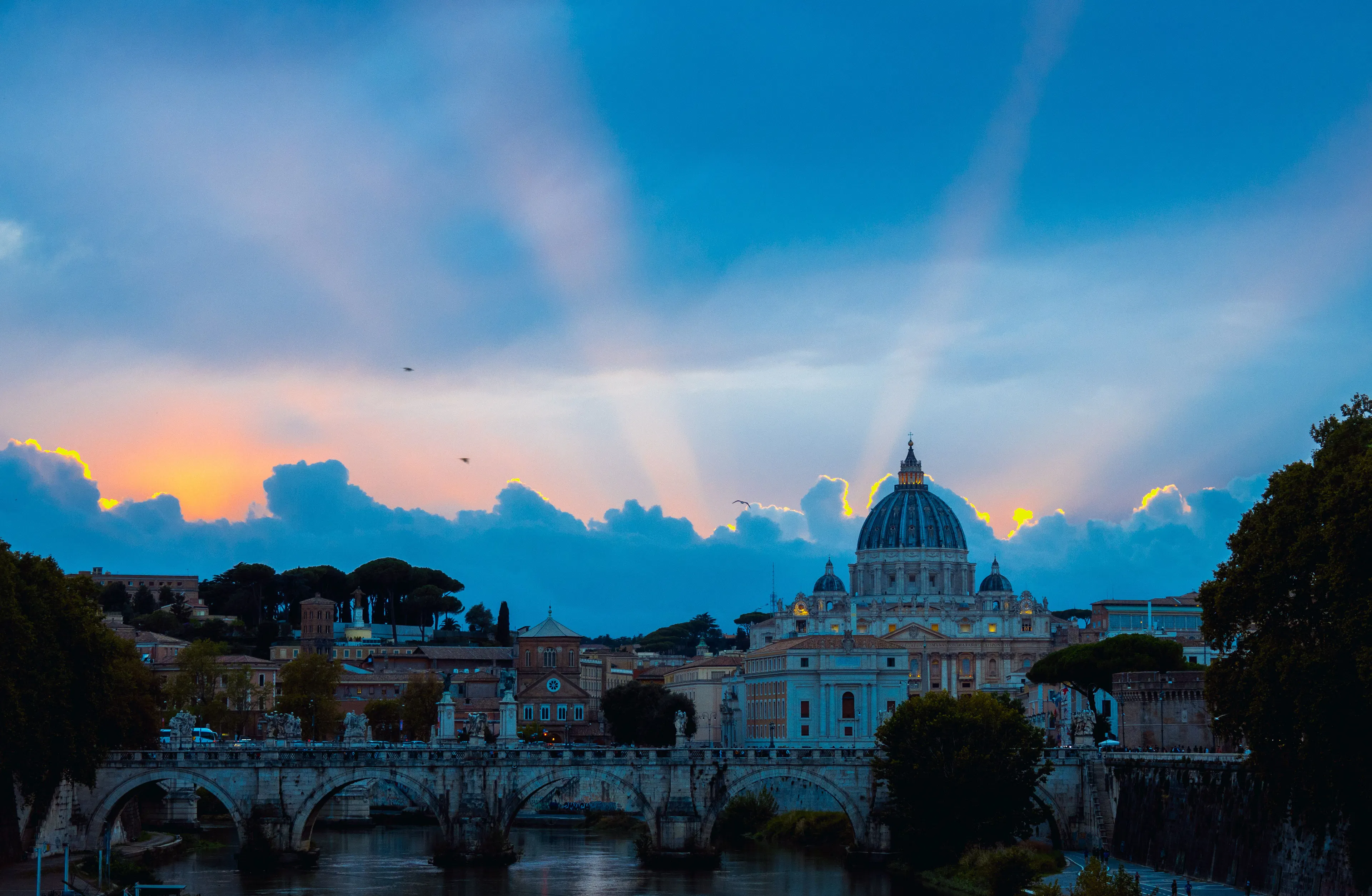
The best European city-break destinations are Paris, Rome, Barcelona, Lisbon, Amsterdam, Vienna, Prague, Budapest, Copenhagen, Edinburgh, Madrid, and Kraków. These cities work especially well for a short trip because they have strong public transport, walkable central areas, plenty to do in two to four days, and enough food, culture, and atmosphere to make the journey feel worthwhile.
Paris, Rome, and Barcelona are best for first-time visitors who want famous landmarks and full days. Lisbon, Amsterdam, and Copenhagen are easier when you prefer a more relaxed pace. Vienna and Madrid are excellent for art, Prague and Kraków offer strong value and historic atmosphere, Budapest combines grand architecture with thermal baths, and Edinburgh feels different from almost every other European capital.
Here is the quick answer:
- Paris is best for art, food, neighbourhood walks, and a classic first European city break.
- Rome is best for ancient history, churches, piazzas, pasta, and a trip where the city itself feels like a museum.
- Barcelona is best for architecture, beaches, markets, nightlife, and warm-weather weekends.
- Lisbon is best for viewpoints, tiled streets, seafood, tram rides, and an easygoing atmosphere.
- Amsterdam is best for canals, museums, cycling, design, and a compact two- or three-night trip.
- Vienna is best for palaces, major art museums, coffeehouses, classical music, and elegant streets.
- Prague is best for medieval architecture, river views, historic atmosphere, and good value.
- Budapest is best for thermal baths, grand buildings, nightlife, the Danube, and an affordable long weekend.
- Copenhagen is best for food, design, cycling, waterfront life, and a calm modern city break.
- Edinburgh is best for dramatic streets, castle views, museums, pubs, and easy access to nature.
- Madrid is best for world-class art, late dinners, neighbourhood life, and a less rushed Spanish city trip.
- Kraków is best for history, beautiful squares, strong food culture, and a compact weekend on a moderate budget.
The best city break is not always the city with the longest list of attractions. For a short trip, it matters more that the city matches your interests and that you can move through it without wasting hours on transfers.
Paris: best overall city break for art, food, and atmosphere
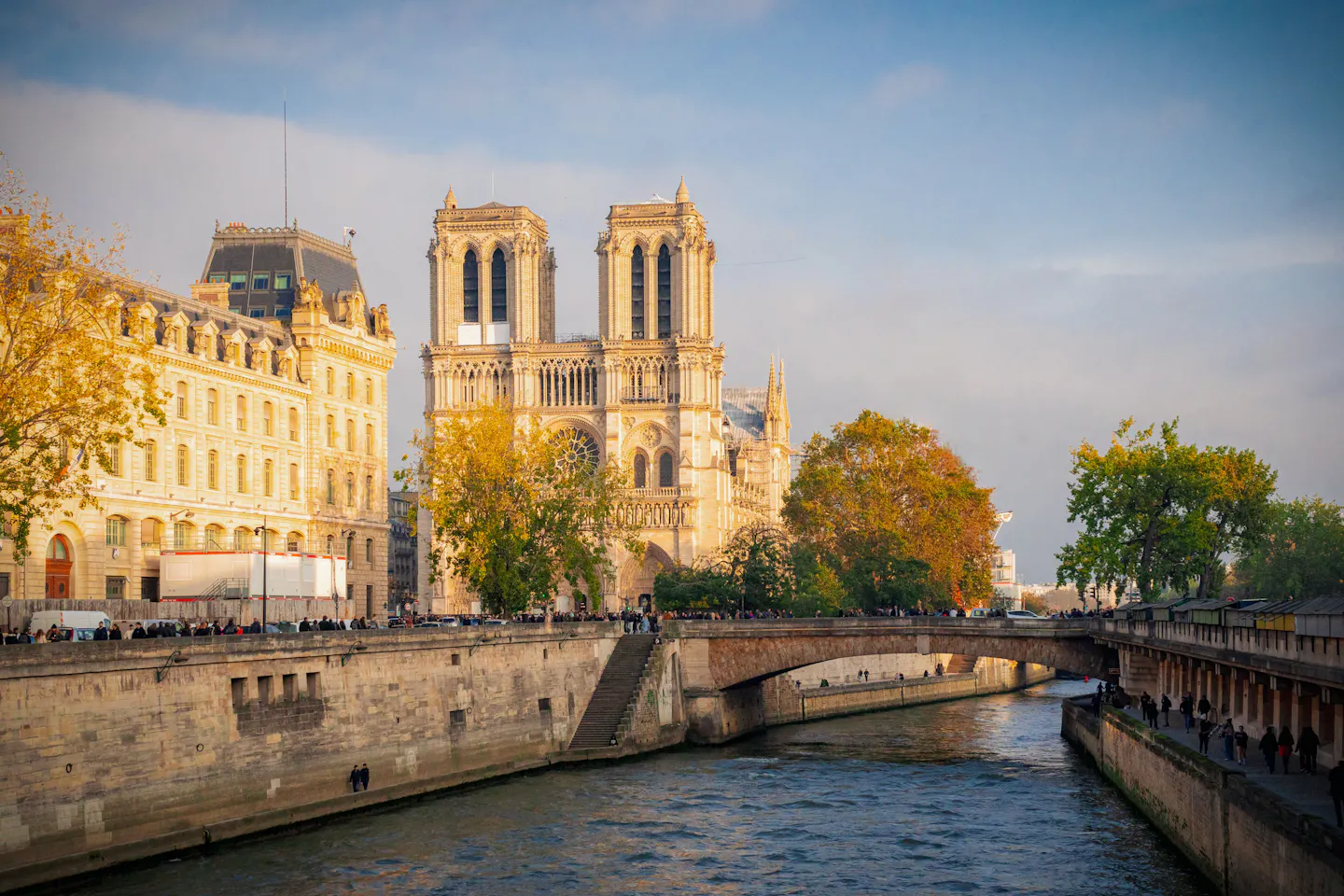
Paris can fill a weekend with major museums and landmarks, but it is equally good when you slow down and explore one neighbourhood at a time. A strong first trip might combine the Louvre or Musée d’Orsay, the Seine, Saint-Germain-des-Prés, the Latin Quarter, Montmartre, and one evening built around a long dinner rather than another attraction.
Three nights work if you are selective. Four nights are better when you want a major museum, Versailles, or more time for cafés and local streets. Avoid treating the Eiffel Tower, Louvre, Arc de Triomphe, Montmartre, and Notre-Dame area as one continuous walking route; they belong in different parts of the trip.
Best for: first-time visitors, couples, art lovers, food lovers, and travellers who do not mind planning ahead.
Rome: best for history and unforgettable street life
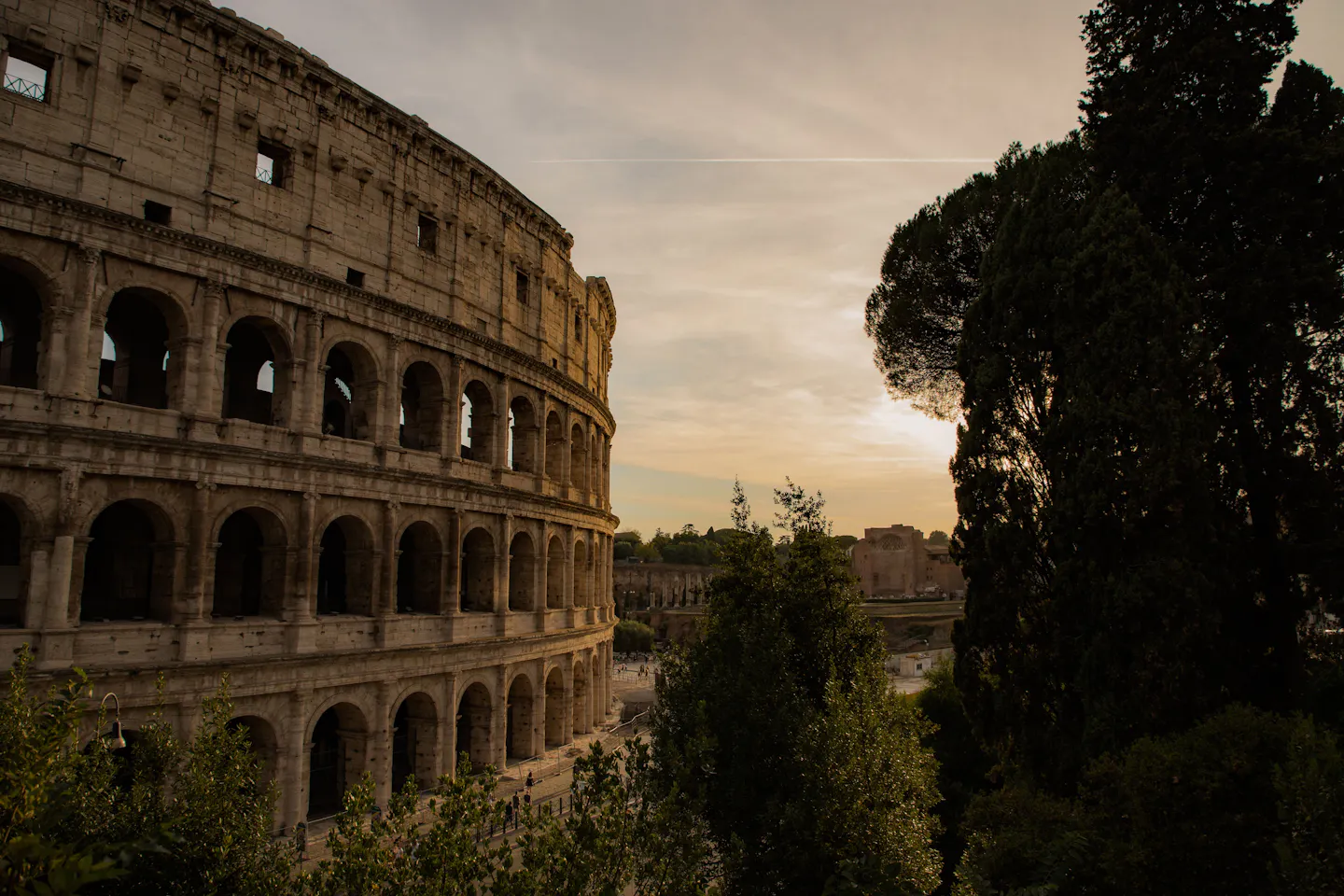
Rome gives you ancient ruins, Renaissance churches, Baroque fountains, busy markets, neighbourhood restaurants, and beautiful squares in the same day. The challenge is not finding things to do. It is building a route that does not become exhausting.
Give the Colosseum and Roman Forum their own half-day, explore the Pantheon, Piazza Navona, and Trevi Fountain together, and save the Vatican Museums for a separate morning. Trastevere is enjoyable in the evening, but areas such as Monti, Testaccio, and Prati can give you a better balance of local food and central access.
Three full days are the minimum for a satisfying first visit. Rome rewards early starts, afternoon breaks, and evenings spent walking between piazzas rather than adding another ticketed attraction.
Best for: history lovers, food travellers, first-time visitors to Italy, and anyone comfortable with busy, imperfect, energetic cities.
Barcelona: best for architecture, beach time, and nightlife
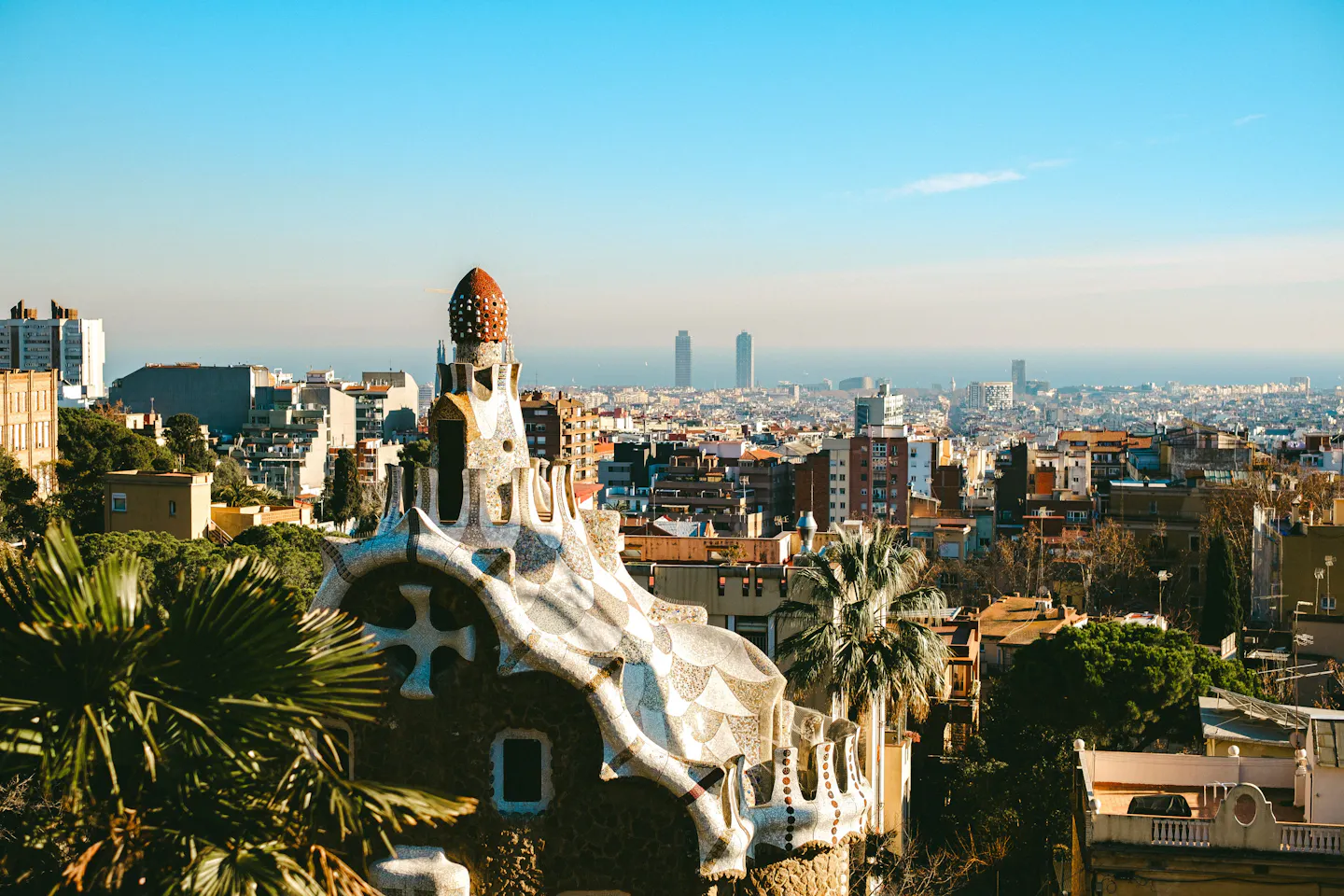
Barcelona is one of the easiest cities to shape around different moods. You can spend the morning with Gaudí, eat in a market or neighbourhood restaurant, walk through the Gothic Quarter, and finish beside the sea.
Book the Sagrada Família and Park Güell in advance, but do not let the entire trip become a Gaudí checklist. Add the streets of El Born, the hill of Montjuïc, the Eixample, and time around Barceloneta or a quieter stretch of coast. Gràcia is a good area for smaller squares and evening meals.
The city is busiest and hottest in summer. Spring and autumn are often better for a city-focused trip, while winter works well for museums, food, and architecture without the same crowds.
Best for: architecture lovers, groups of friends, couples, food travellers, and anyone who wants city energy with access to the beach.
Lisbon: best for viewpoints, food, and a relaxed pace
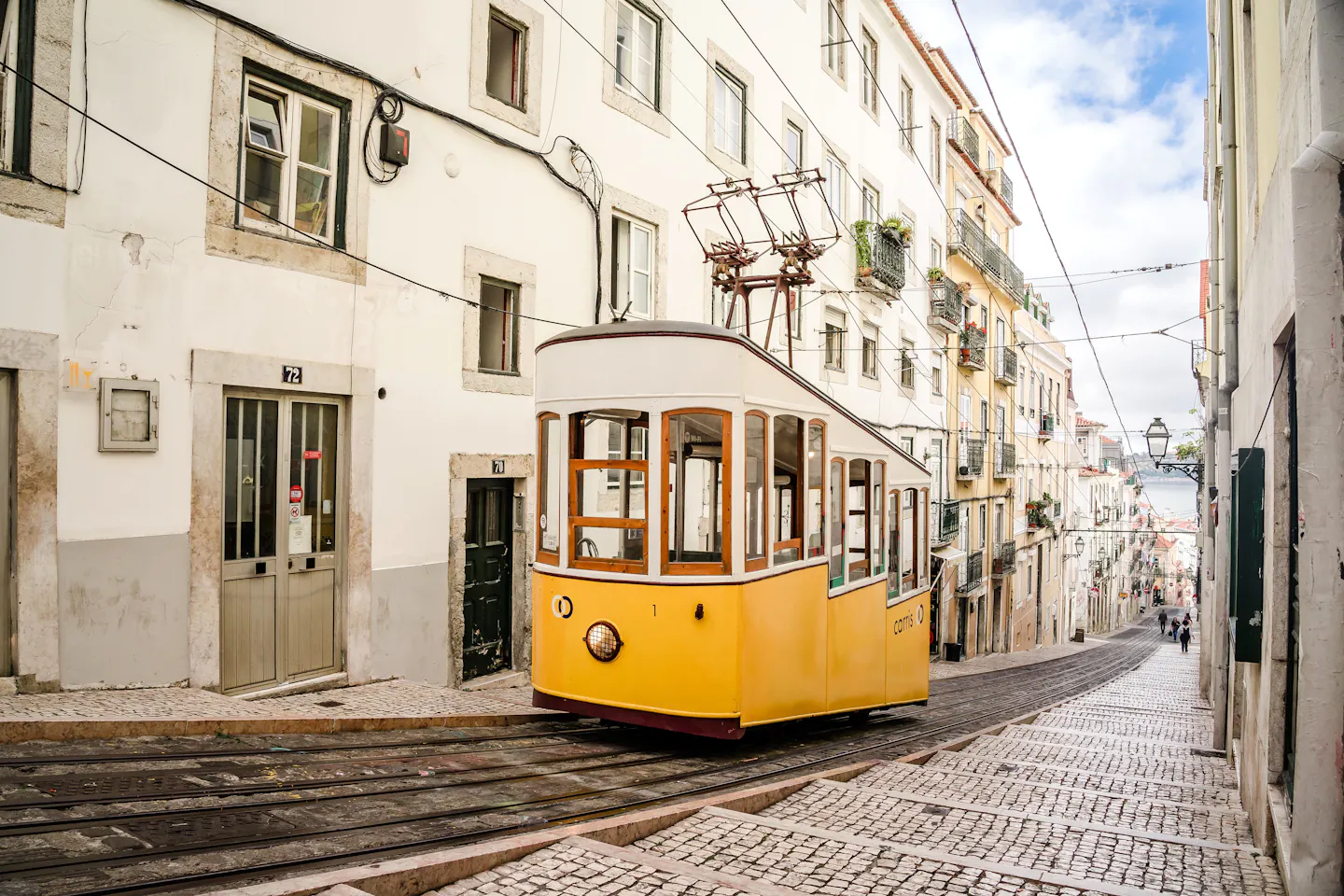
Lisbon has enough major sights for a full city break, but its appeal comes from the combination of hills, tiled buildings, river views, old trams, cafés, seafood, and neighbourhoods that feel different from one another.
Explore Baixa and Chiado, walk through Alfama, visit Belém, and choose a few viewpoints rather than trying to reach every miradouro in one day. Príncipe Real, Estrela, and Graça are useful areas for a slower afternoon away from the busiest central streets.
Three nights are enough for Lisbon itself. Four nights allow a day trip to Sintra, Cascais, or the coast, although Sintra requires an early start and a realistic plan because its palaces are spread out.
Best for: couples, food lovers, photographers, first-time visitors to Portugal, and travellers who enjoy walking but do not mind steep streets.
Amsterdam: best for a compact and easy weekend
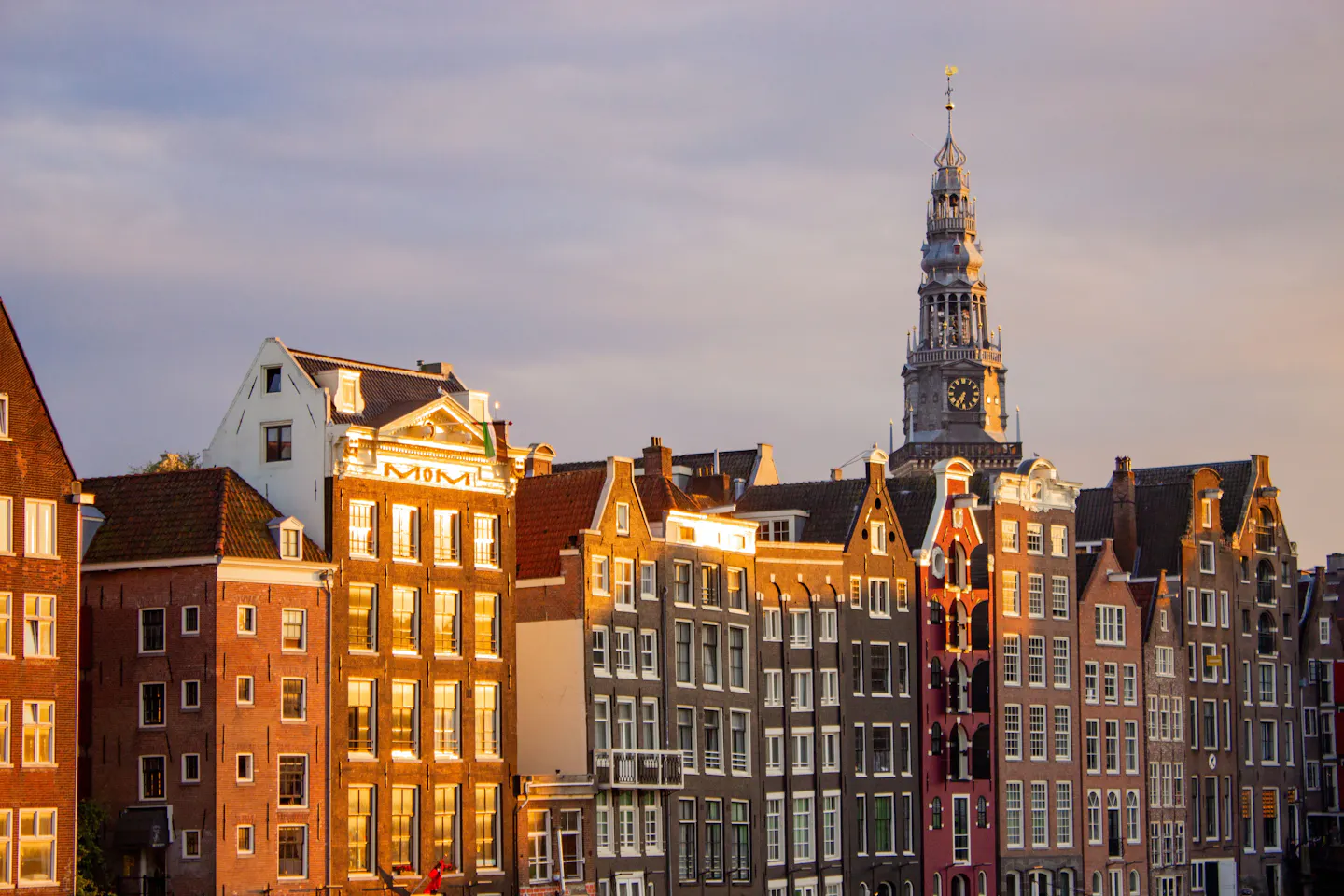
Amsterdam is ideal when you have only two or three nights. The historic centre is compact, the canal belt is beautiful in every season, and the city has enough museums, cafés, parks, markets, and neighbourhoods to create a full weekend without long journeys.
Choose one major museum block around Museumplein, reserve the Anne Frank House far ahead if it is important to you, and spend the rest of the trip walking or cycling through the Jordaan, De Pijp, and the canal streets. A boat ride is one of the best ways to understand the city’s layout.
Amsterdam becomes less enjoyable when every hour is booked. The streets, bridges, and waterside cafés are part of the experience, so leave time to move slowly.
Best for: short first trips, museum lovers, design fans, couples, and travellers who want a highly walkable city.
Vienna: best for museums, music, and elegant city life
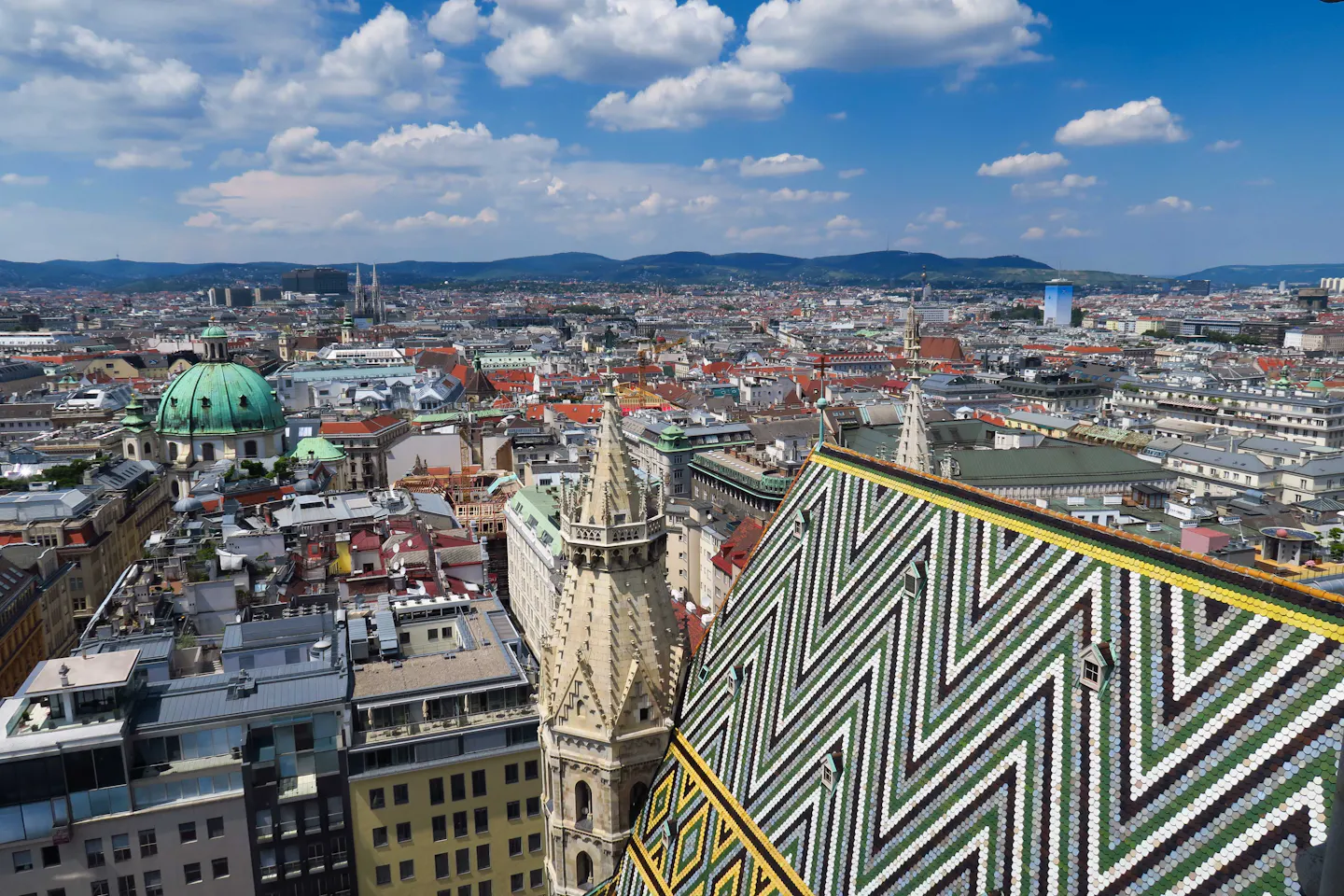
Vienna is organised, comfortable, and rich in culture. It is a strong choice when you want major museums and architecture but prefer a calmer rhythm than Paris or Rome.
Choose between Schönbrunn, the Belvedere, the Kunsthistorisches Museum, the Albertina, and the museums around the MuseumsQuartier instead of trying to fit all of them into one weekend. Add coffeehouses, the Naschmarkt, walks through the historic centre, and an evening concert or opera if that interests you.
Three nights are enough for a focused trip, while four nights let you include Bratislava, the Wachau Valley, or a slower museum day. Vienna is especially atmospheric in December, but spring and early autumn are easier for long walks.
Best for: art lovers, music lovers, couples, families, and travellers who value efficient transport and a polished atmosphere.
Prague: best for fairytale architecture and value
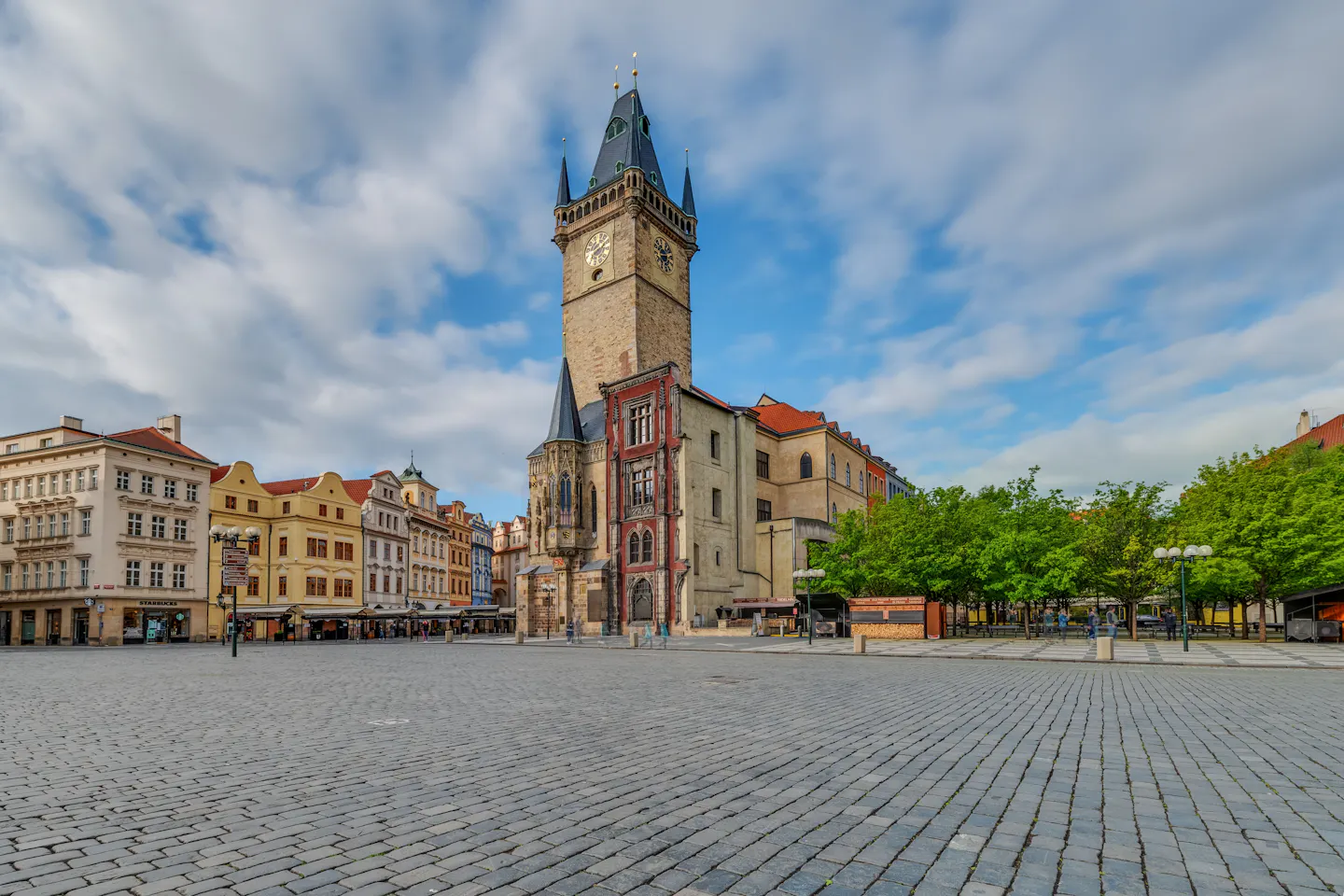
Prague gives you one of Europe’s most impressive historic centres at a price that can still be more manageable than the western capitals. The river, bridges, castle views, church towers, and old streets create an immediate sense of place.
Visit Charles Bridge early, combine Prague Castle with Malá Strana, and explore the Old Town and Jewish Quarter on another day. Then move beyond the central route to Vinohrady, Holešovice, or Letná for cafés, parks, galleries, and a more contemporary view of the city.
A two-night trip can work, but three nights feel much better. Prague is popular in every season, so timing and neighbourhood choice matter more than trying to find a completely empty period.
Best for: couples, architecture lovers, first-time visitors to Central Europe, and travellers looking for a beautiful city on a moderate budget.
Budapest: best for thermal baths and grand architecture
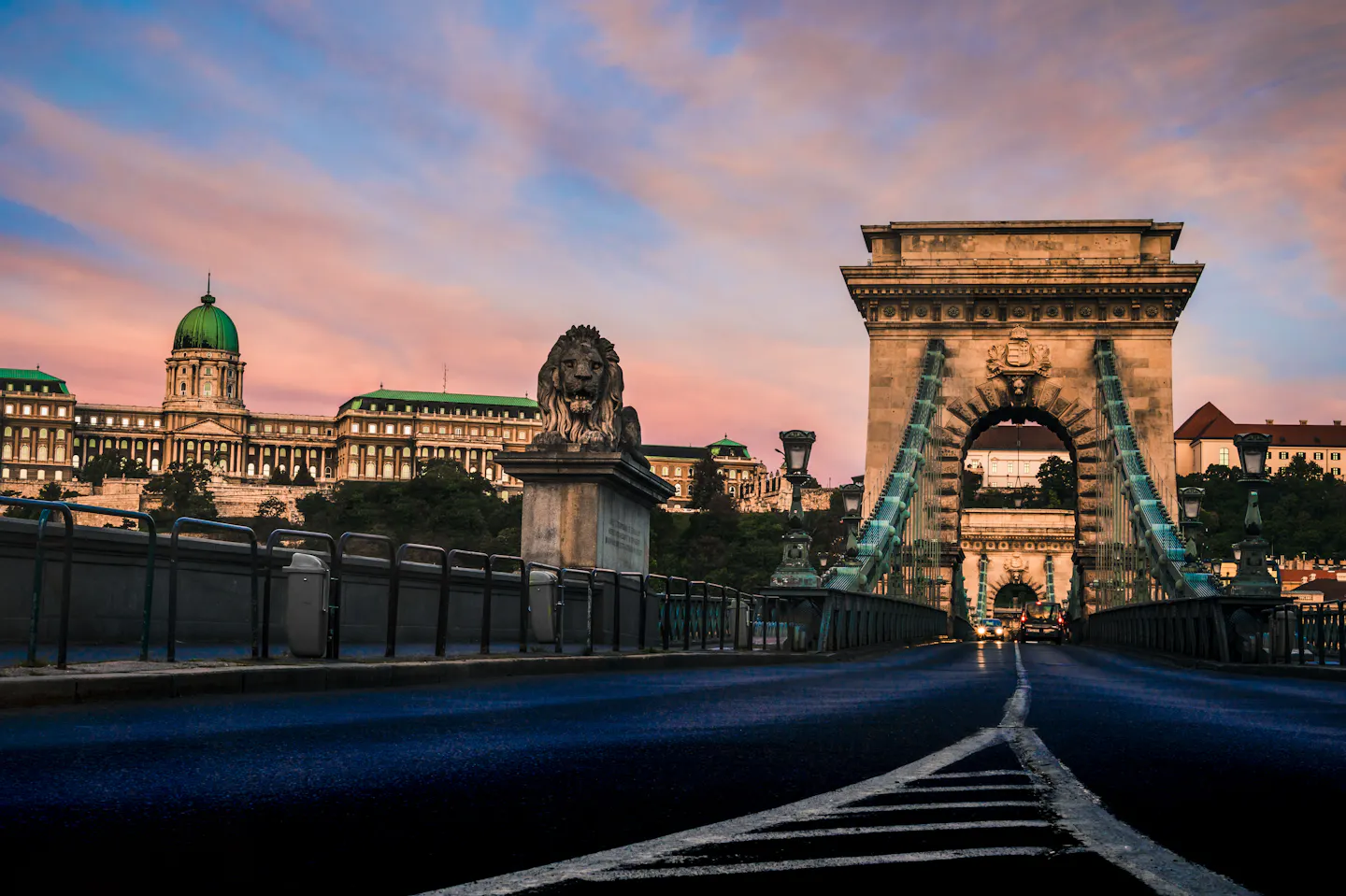
Budapest feels big and impressive but remains easy to understand once you divide it between Buda and Pest. The Danube, Parliament, bridges, hills, markets, thermal baths, cafés, and nightlife give the city much more variety than a typical weekend destination.
Spend one day around Castle Hill and the river views, another around Parliament, the Jewish Quarter, and central Pest, and keep a proper block of time for a thermal bath. The Great Market Hall, Andrássy Avenue, Heroes’ Square, and the city’s ruin bars can be added depending on your interests.
Three nights are ideal for a first visit. Budapest also works well as part of a wider route with Vienna and Bratislava because the cities are connected by frequent rail services.
Best for: groups, couples, architecture lovers, spa fans, nightlife travellers, and anyone who wants a full city break without western European prices.
Copenhagen: best for design, food, and waterfront life
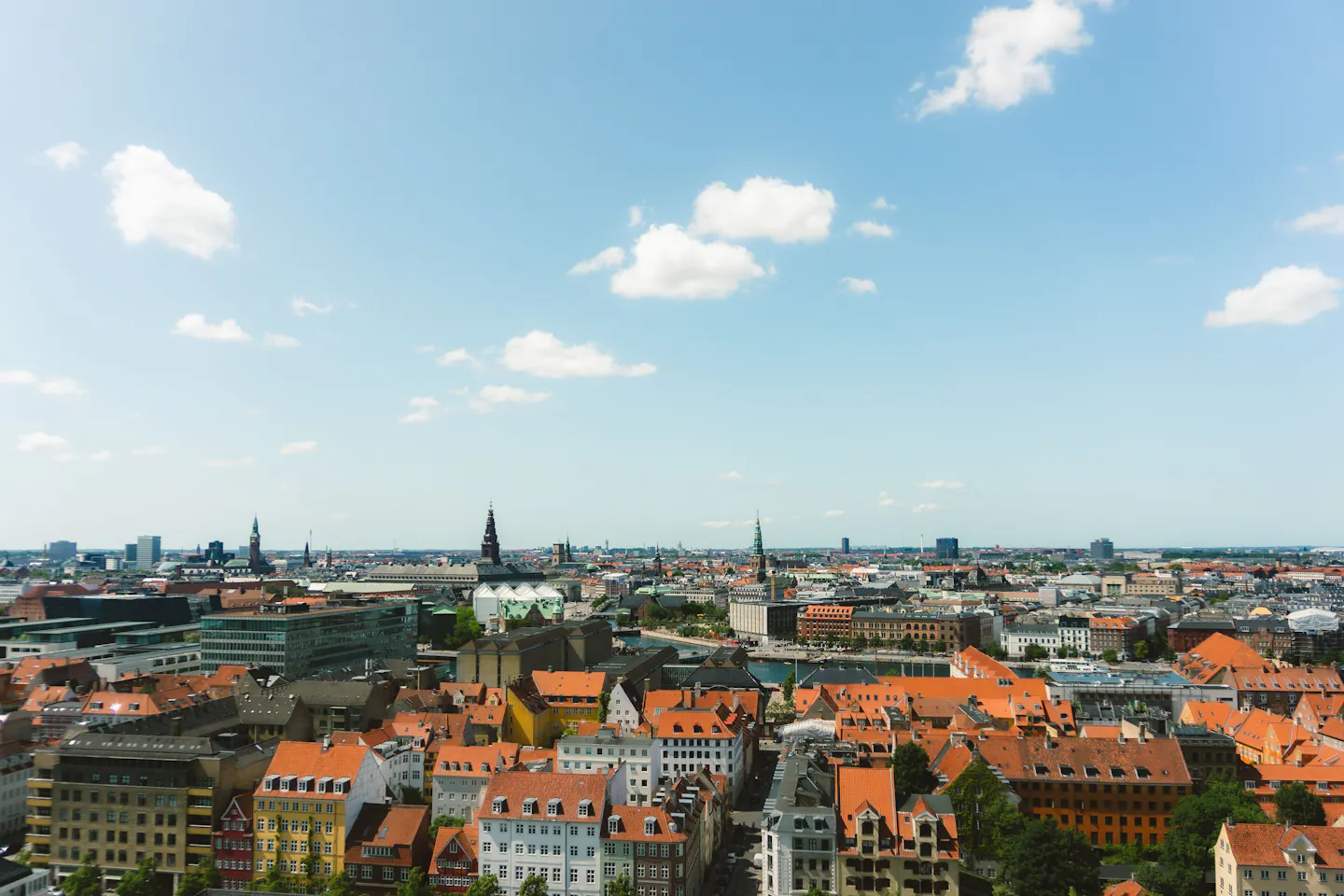
Copenhagen is not the cheapest city break, but it is one of the easiest to enjoy. The centre is compact, cycling is part of daily life, the waterfront is active, and the city combines historic streets with modern design and a very strong food scene.
Walk from Nyhavn toward the harbour, visit Christianshavn, spend time around Vesterbro or Nørrebro, and choose between Tivoli, the Designmuseum Danmark, the National Museum, and the Louisiana Museum of Modern Art outside the city. In warm weather, harbour swimming and waterside food areas change the whole mood of the trip.
Two or three nights are enough for the city. Add Malmö or North Zealand if you have a fourth day, but avoid turning Copenhagen into a base for too many side trips.
Best for: design lovers, food travellers, couples, families, cyclists, and anyone who prefers clean, calm, modern cities.
Edinburgh: best for atmosphere, history, and easy nature
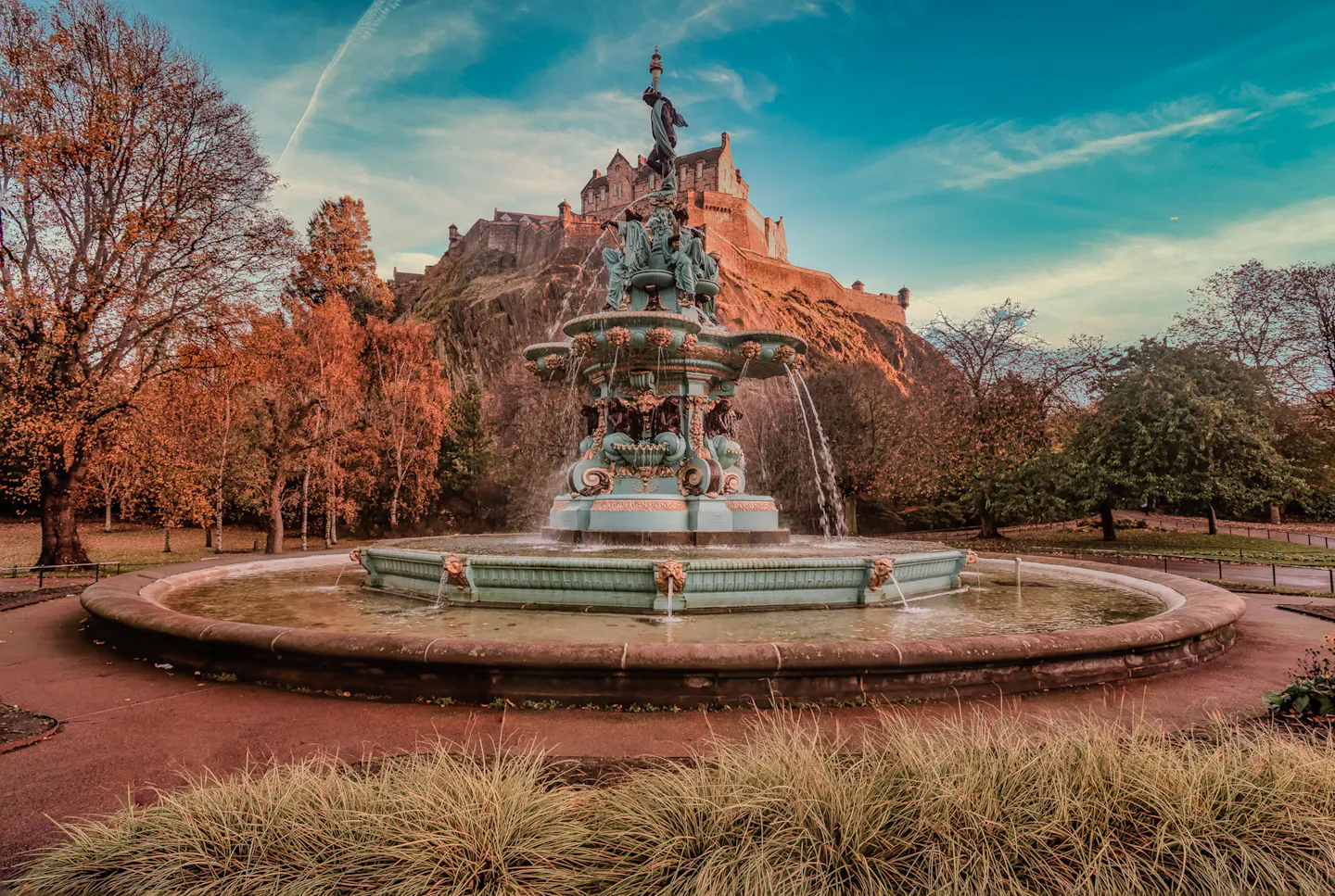
Edinburgh is compact but visually dramatic. The Old Town, New Town, castle, hills, stone streets, museums, and pubs make it feel larger and more memorable than its size suggests.
Walk the Royal Mile early, choose between Edinburgh Castle and the National Museum of Scotland, and climb Calton Hill for a quick view or Arthur’s Seat for a longer walk. Stockbridge, Dean Village, and the Water of Leith offer a quieter contrast to the central streets.
Three nights are enough for the city, while four nights allow a trip to the coast, a castle, or the Highlands. August is exciting because of the festivals, but accommodation is expensive and the centre is extremely busy.
Best for: history lovers, walkers, festival visitors, couples, and travellers who enjoy cities with strong atmosphere in imperfect weather.
Madrid: best for art, food, and late city life
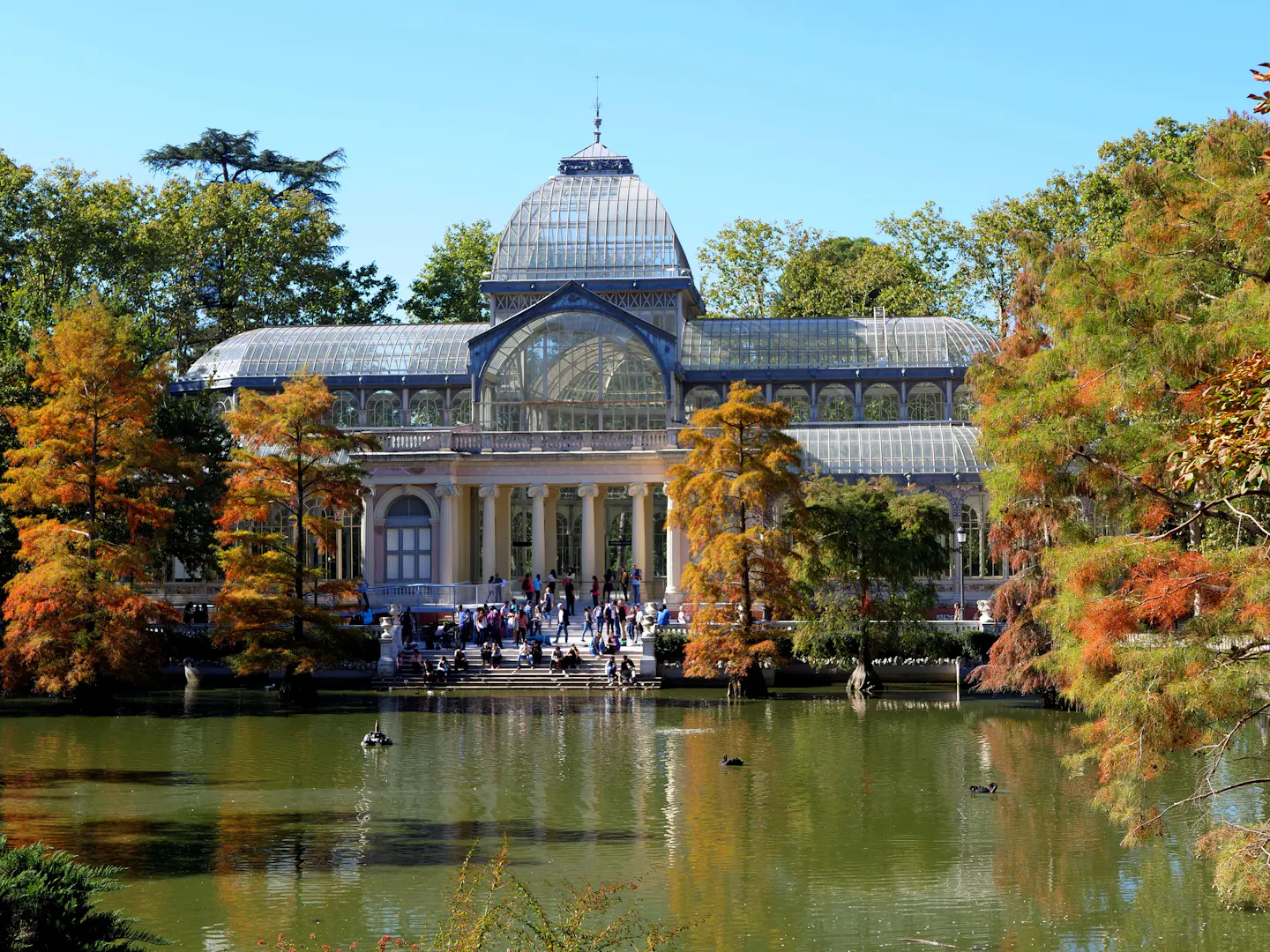
Madrid is often underestimated by travellers who prioritise Barcelona or Seville. It has three major art museums, large parks, excellent food, energetic neighbourhoods, and a local rhythm that continues well after many European city centres become quiet.
Build one day around the Prado and Retiro Park, explore the historic centre and Royal Palace on another, and leave a full evening for neighbourhoods such as La Latina, Malasaña, Chueca, or Chamberí. Markets and tapas bars are best treated as part of the route, not as one isolated food stop.
Three nights work well. Four nights let you add Toledo or Segovia without sacrificing the city. Summer can be very hot, so spring, autumn, and winter are often better for long days outside.
Best for: art lovers, food travellers, groups of friends, repeat visitors to Spain, and anyone who enjoys late dinners and lively streets.
Kraków: best for history, atmosphere, and a compact budget break
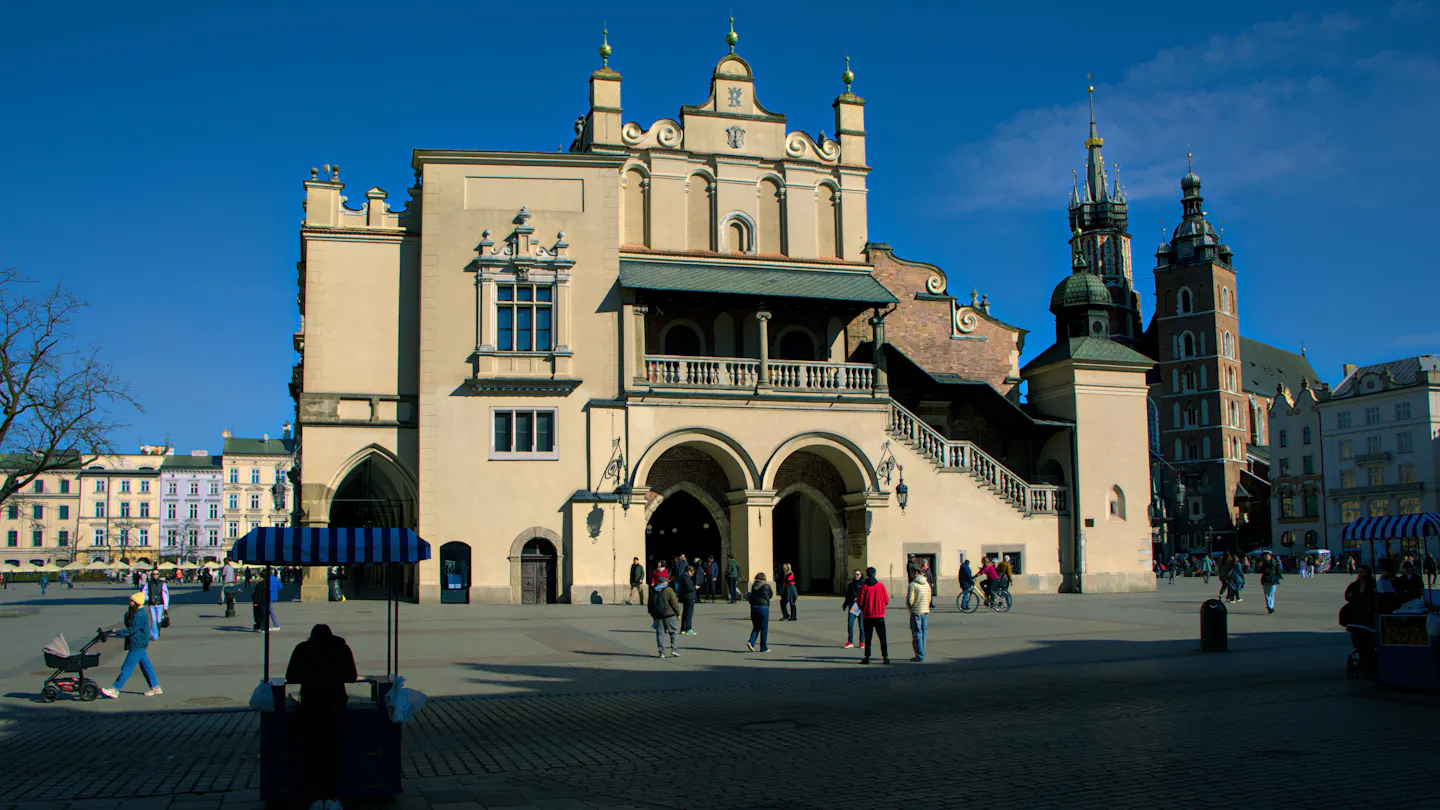
Kraków has one of Europe’s most beautiful main squares, a well-preserved historic centre, strong museums, good restaurants, and a size that works perfectly for a three-night trip.
Explore the Old Town, Wawel Castle, and the Planty park route, then spend time in Kazimierz for Jewish history, cafés, bars, and restaurants. The former industrial district of Zabłocie adds contemporary museums and a different urban atmosphere.
Many visitors add Auschwitz-Birkenau or the Wieliczka Salt Mine. Both require substantial time and should not be treated as quick extras. If you plan one, keep the rest of that day lighter.
Best for: history lovers, couples, solo travellers, winter trips, and anyone who wants a rich city break with manageable daily costs.
How to choose the right European city break
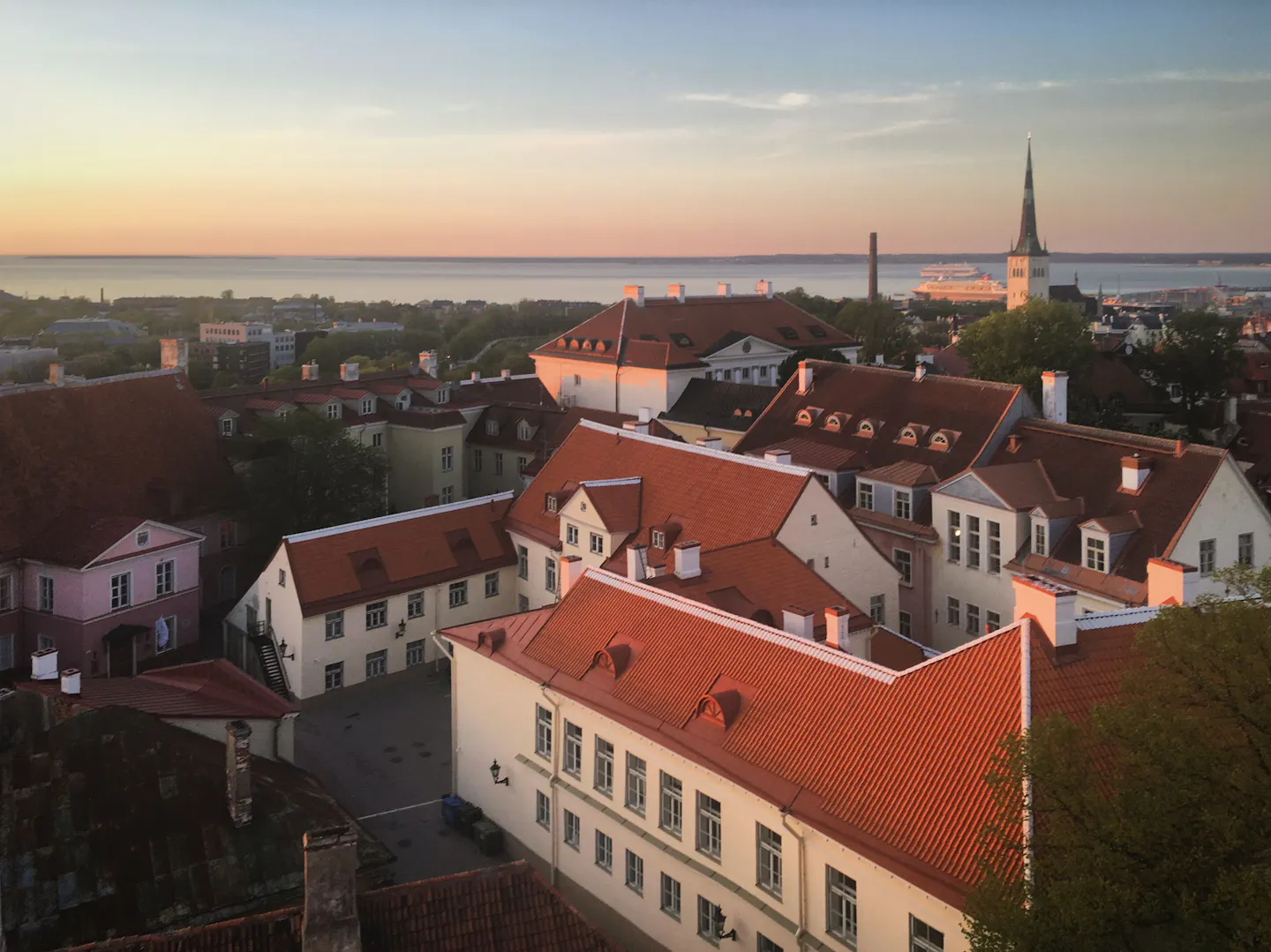
The right city break is the one that matches how you like to spend a short trip, not the one with the longest list of landmarks.
For a first trip to Europe
Choose Paris, Rome, Barcelona, Amsterdam, or Vienna. They have the landmarks, museums, transport, and range of experiences that make a first city break feel complete.
For food
Choose Rome, Madrid, Lisbon, Paris, or Copenhagen. Rome and Madrid are best for casual neighbourhood eating, Paris for cafés and restaurants, Lisbon for seafood and pastries, and Copenhagen for modern Nordic cooking.
For nightlife
Choose Barcelona, Budapest, Madrid, Prague, or Kraków. The right neighbourhood matters more than the city label, so stay close enough to the evening areas without choosing the noisiest street.
For art and museums
Choose Paris, Madrid, Vienna, Amsterdam, or Rome. In a short trip, limit yourself to one major museum per day so you still experience the city outside.
For a more relaxed pace
Choose Lisbon, Copenhagen, Kraków, or Amsterdam. These cities are compact enough to explore without filling every day with transport and reservations.
For a lower-cost weekend
Prague, Budapest, and Kraków often offer better value than Paris, Amsterdam, Copenhagen, or central Rome. Prices still rise around holidays, events, and peak weekends, so compare the complete trip rather than assuming every eastern European city is automatically cheap.
How many days do you need for a European city break?

Two nights can work for Amsterdam, Copenhagen, Kraków, or a return visit to a city you already know. Three nights are ideal for most destinations because you get two full days plus arrival and departure time. Four nights are better for Paris, Rome, Barcelona, Madrid, or any trip with a major day excursion.
A useful rule is to plan fewer headline attractions than you think you can fit. Short trips feel better when the route includes neighbourhoods, meals, parks, and evening walks instead of moving directly from one ticketed site to another.
FAQ: the best European city breaks
What is the best city break in Europe?
Paris is the strongest all-round choice for art, food, architecture, and atmosphere. Rome is better for history, Barcelona for architecture and nightlife, and Vienna for museums and a calmer pace.
Which European city is best for a three-day trip?
Amsterdam, Prague, Lisbon, Vienna, Budapest, Copenhagen, Edinburgh, and Kraków all work well in three days. Paris, Rome, and Barcelona are also possible, but you need to be more selective.
What are the cheapest European city breaks?
Kraków, Budapest, Prague, and some cities in the Balkans can offer better value than northern and western European capitals. The final cost depends heavily on flights, hotel dates, and major events.
Which European city is best without a car?
All the cities in this guide are better without a car. Amsterdam, Paris, Vienna, Prague, Copenhagen, Madrid, and Budapest have particularly useful public transport, while central Edinburgh and Kraków are easy to explore on foot.
What is the best month for a European city break?
April, May, September, and October are usually the safest choices for comfortable walking weather and fewer peak-summer crowds. Winter is excellent for museums and festive cities, while midsummer is better for northern destinations than for Rome, Madrid, or Barcelona.
Plan the whole city break with EasyMiles
A short city break leaves very little room for poor planning. A museum on the wrong side of the city, a restaurant that opens after your next reservation, or an unrealistic transfer can waste a large part of the day.
EasyMiles creates a personalised day-by-day itinerary based on your destination, dates, interests, travel style, and preferred pace. It combines the places you want to see with restaurants, neighbourhoods, walks, and local experiences that fit naturally together.
The plan takes opening hours and travel time into account, so it does not send you across the city repeatedly or suggest places when they are closed. You can also shape the trip around art, food, architecture, nightlife, hidden gems, or a slower weekend with fewer stops.
Use EasyMiles to turn any of these European cities into a realistic trip you can actually enjoy, instead of spending the weekend managing tabs, maps, and saved posts.