The best European cities to combine in one trip are Paris, Brussels, and Amsterdam; Vienna, Bratislava, and Budapest; Prague, Vienna, and Budapest; Rome, Florence, and Venice; Madrid, Seville, and Granada; Lisbon, Coimbra, and Porto; Berlin, Dresden, and Prague; Copenhagen, Malmö, and Stockholm; and Munich, Salzburg, and Innsbruck.
These combinations work because the cities are connected by practical train routes, the journey times are reasonable, and each stop adds a different atmosphere instead of repeating the same experience. The strongest multi-city trips usually include two or three cities over seven to ten days, not five capitals in one week.
Here is the quick answer:
- Paris, Brussels, and Amsterdam are best for a first multi-country trip with art, food, canals, and fast rail connections.
- Vienna, Bratislava, and Budapest are best for an easy Central European route with grand architecture and short transfers.
- Prague, Vienna, and Budapest are best for a classic ten-day Central European itinerary.
- Rome, Florence, and Venice are best for first-time visitors who want Italy’s history, art, food, and most famous cities.
- Madrid, Seville, and Granada are best for art, tapas, flamenco, palaces, and a varied trip through Spain.
- Lisbon, Coimbra, and Porto are best for a relaxed route through Portugal with food, river views, and historic streets.
- Berlin, Dresden, and Prague are best for modern history, museums, architecture, and a strong contrast between stops.
- Copenhagen, Malmö, and Stockholm are best for design, waterfront cities, food, and a clean Scandinavian route.
- Munich, Salzburg, and Innsbruck are best for city culture mixed with lakes, mountains, and Alpine scenery.
The most important decision is not which cities look close on a map. It is whether the route works in real life. Direct trains, central stations, sensible hotel changes, and enough nights in each place matter more than adding another country to the list.
Paris, Brussels, and Amsterdam: best first multi-country route
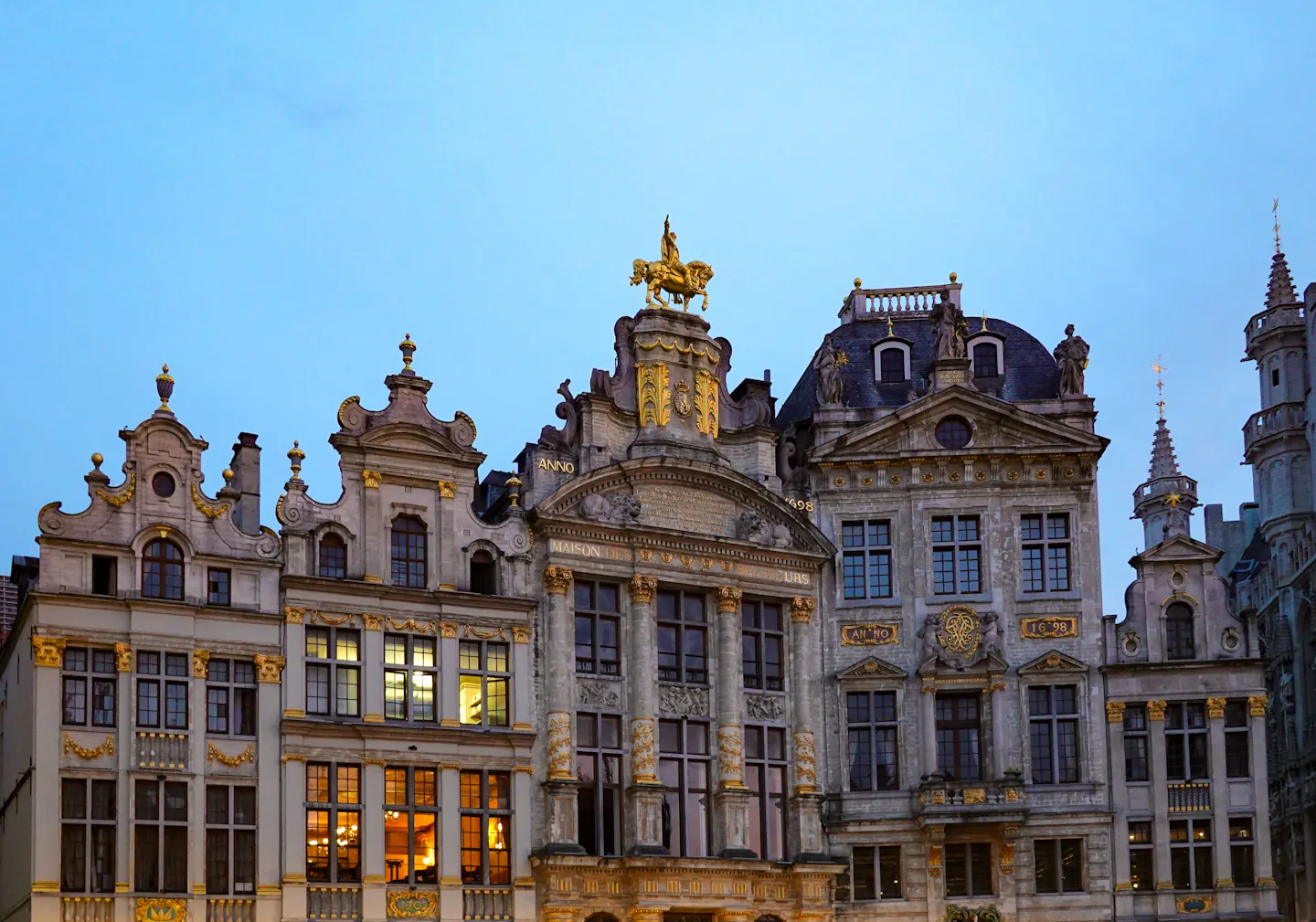
This route is one of the easiest ways to combine three countries without losing entire days in airports. Paris gives you major art, architecture, neighbourhoods, and food. Brussels adds Belgian design, beer, chocolate, Art Nouveau, and an easy base for a day trip to Bruges or Ghent. Amsterdam finishes the trip with canals, museums, cycling, and a more compact city rhythm.
A good pace is three or four nights in Paris, two nights in Brussels, and three nights in Amsterdam. If Bruges is important, either visit it as a day trip from Brussels or stay one night there instead of adding it as a fourth full city.
The route works especially well with an open-jaw flight: arrive in Paris and fly home from Amsterdam, or reverse the order. That avoids returning to the first city simply to catch a flight.
Best for: first-time visitors to Europe, couples, art lovers, food travellers, and anyone who wants an easy international train trip.
Vienna, Bratislava, and Budapest: best for easy Central Europe
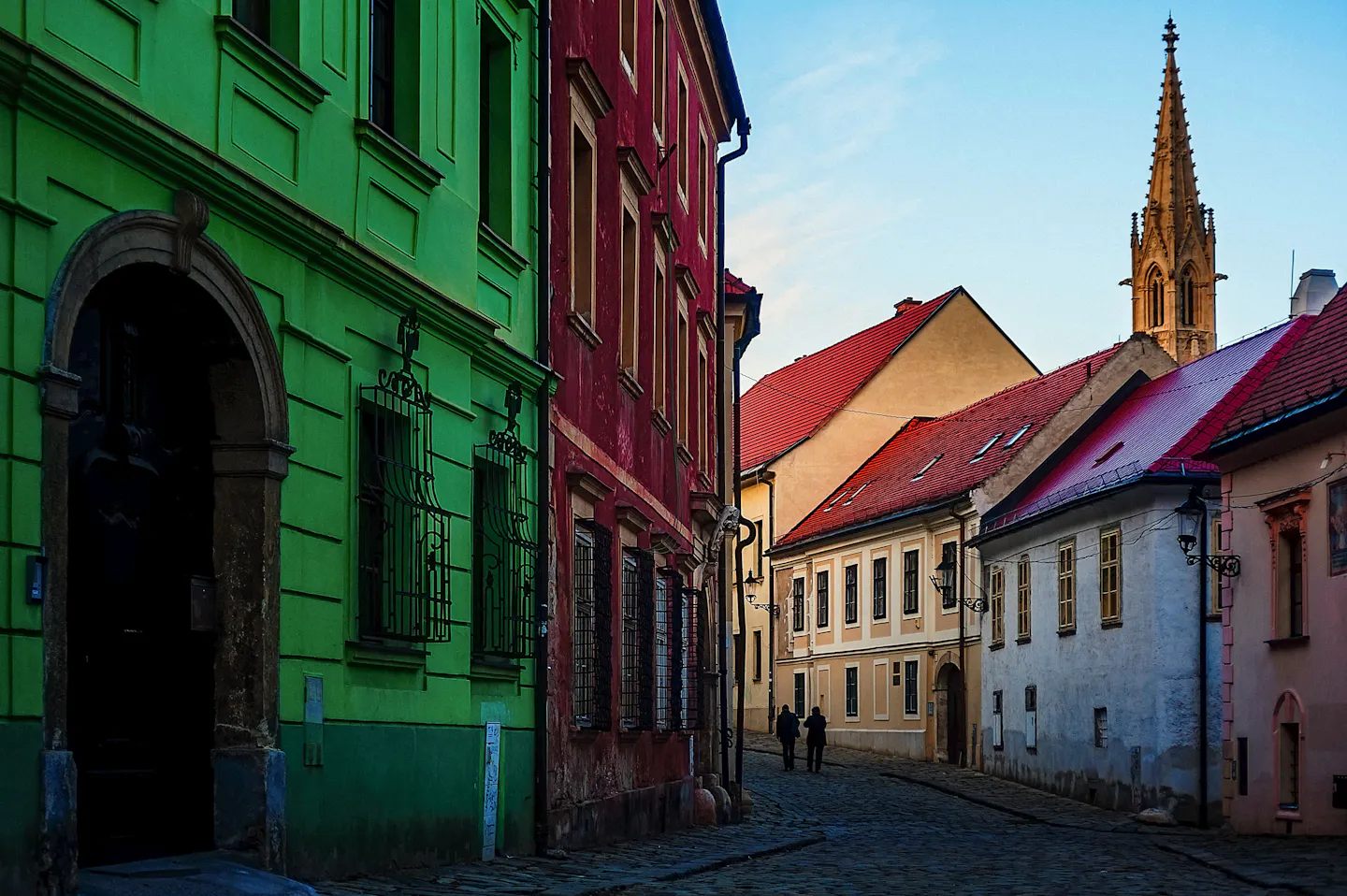
Vienna, Bratislava, and Budapest are close enough to combine without rushing, but different enough that the trip never feels repetitive. Vienna is polished and museum-rich, Bratislava is compact and relaxed, and Budapest is grand, energetic, and built around the Danube and thermal baths.
Spend three nights in Vienna, one or two in Bratislava, and three in Budapest. Some travellers visit Bratislava as a day trip, but an overnight stay lets you enjoy the old town after day visitors leave and keeps the route from feeling like one continuous transfer.
The cities are connected by regular rail services, and the stations are much easier to use than airports. You can also travel between Vienna and Bratislava by boat in season, although the train is usually more practical for luggage.
Best for: travellers who want short transfers, architecture, cafés, classical culture, nightlife, and good value outside Vienna.
Prague, Vienna, and Budapest: best classic Central European itinerary
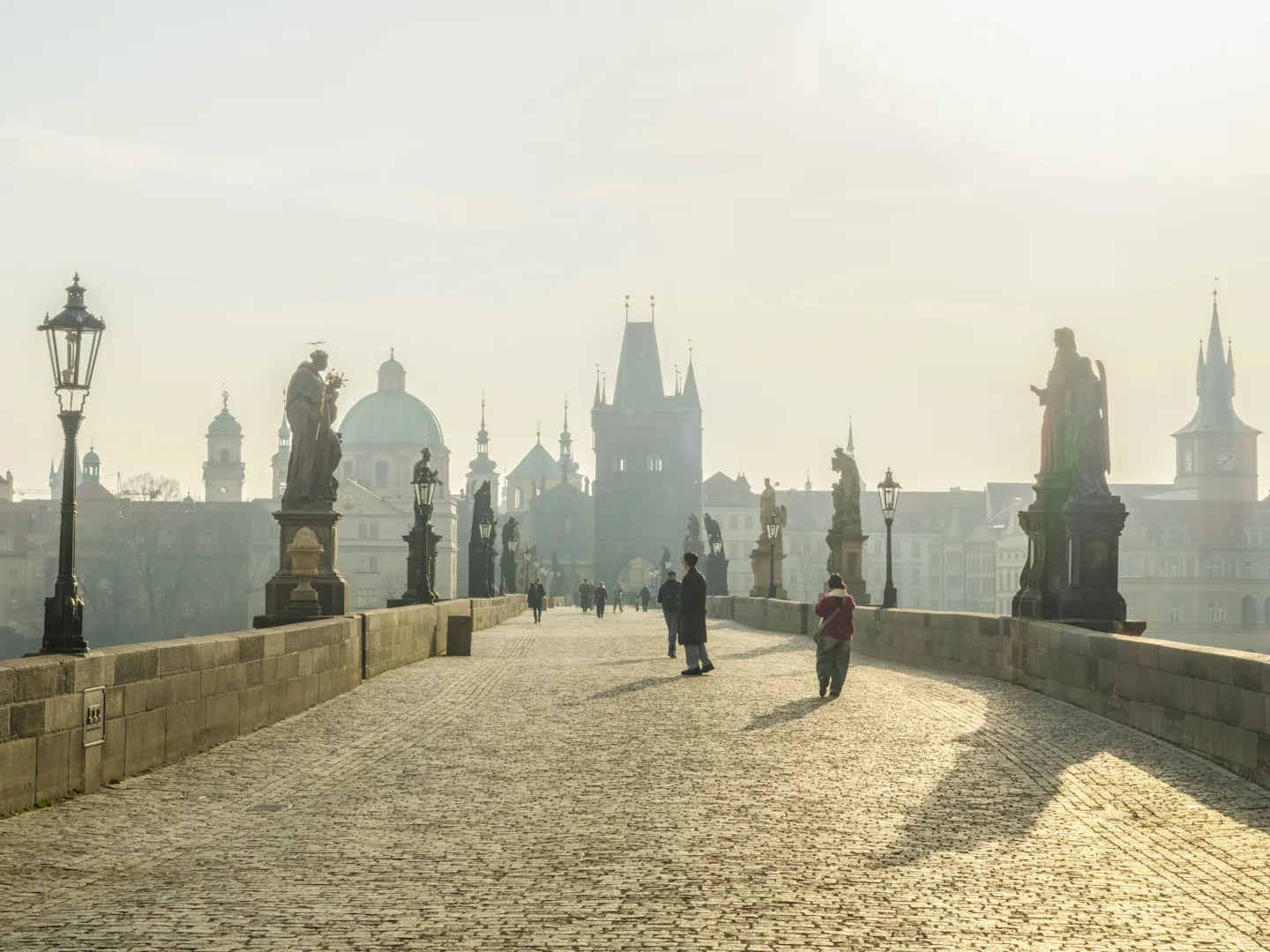
Prague, Vienna, and Budapest form one of Europe’s most popular multi-city routes for a reason. Prague gives you medieval streets and castle views, Vienna adds imperial architecture and major museums, and Budapest finishes with thermal baths, nightlife, and the wide Danube.
Allow at least eight nights, and preferably nine or ten. A balanced trip is three nights in Prague, three in Vienna, and three in Budapest. Cutting each city to two nights creates too many check-ins and leaves very little time once travel is included.
Travel in either direction depending on flights and prices. Prague and Budapest feel more energetic in the evening, while Vienna often works best in the middle as a calmer museum and café stop.
Best for: first-time visitors to Central Europe, couples, groups of friends, architecture lovers, and travellers who want three famous capitals in one practical route.
Rome, Florence, and Venice: best first trip through Italy
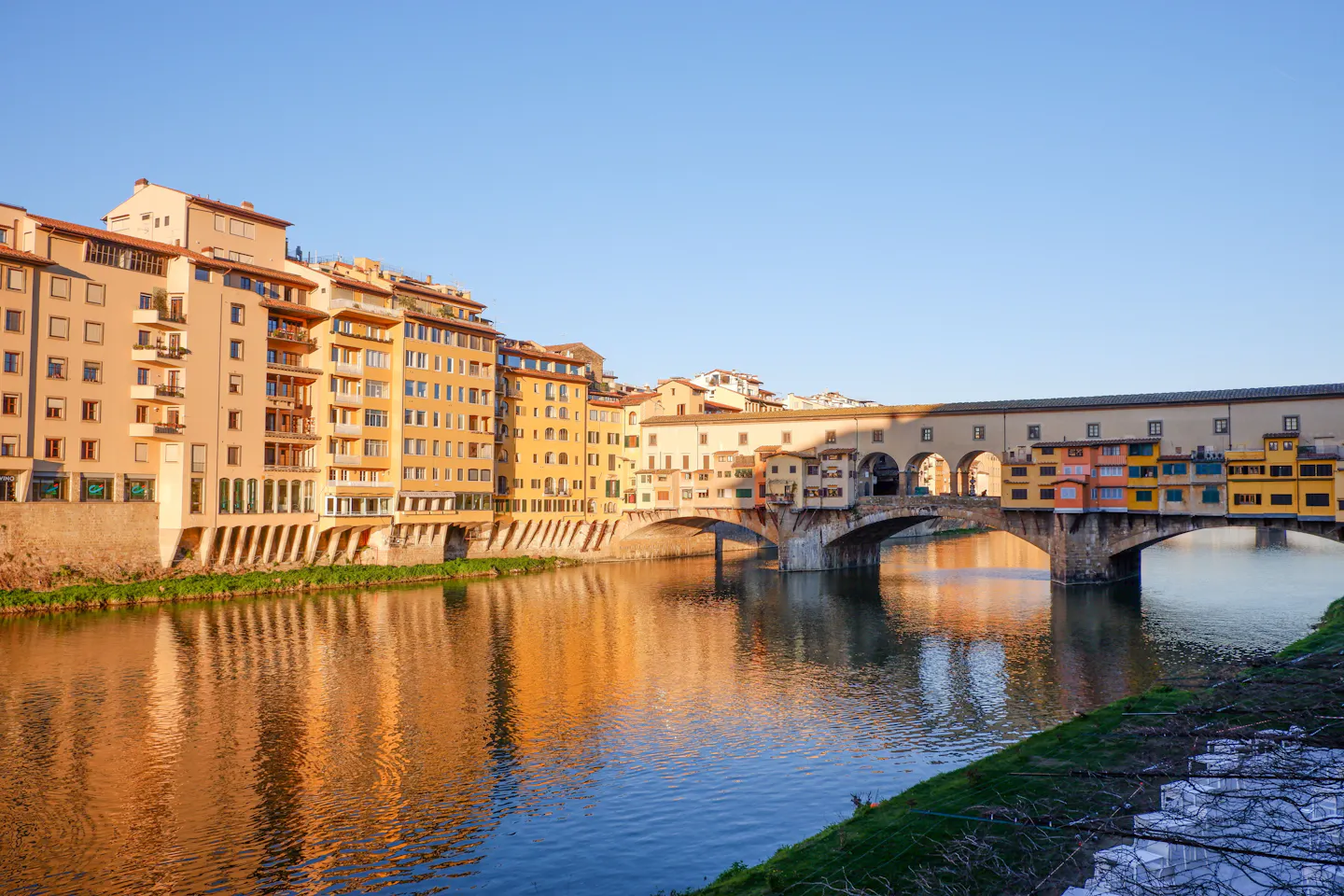
Rome, Florence, and Venice give you three completely different versions of Italy. Rome is ancient, busy, and full of monumental sights. Florence is compact, artistic, and closely connected to Tuscan food and wine. Venice is built around water and has an atmosphere no other European city can reproduce.
A realistic first trip is four nights in Rome, three in Florence, and three in Venice. With fewer than nine nights, choose two cities instead of racing through all three. High-speed trains make the transfers easy, but the cities themselves deserve time.
Use Florence as a base for a day trip only if you have a fourth night there. Siena, Lucca, Bologna, or the Tuscan countryside can be added, but too many excursions often mean seeing less of Florence itself.
Best for: first-time visitors to Italy, art lovers, history lovers, food travellers, couples, and anyone willing to book major attractions ahead.
Madrid, Seville, and Granada: best for art, tapas, and Andalusia
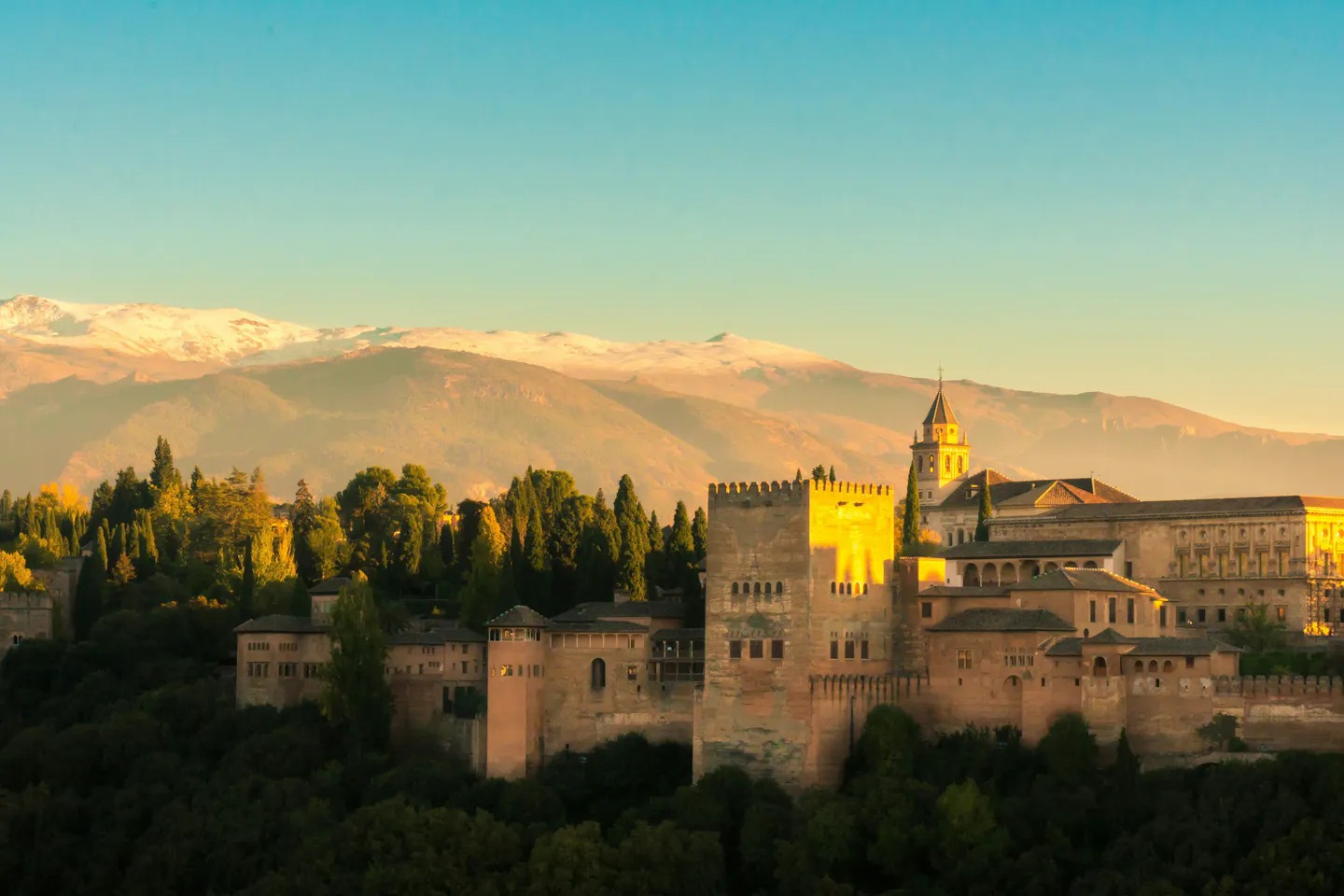
This route combines Spain’s capital with two of Andalusia’s most memorable cities. Madrid brings major art museums, parks, neighbourhood life, and late dinners. Seville adds tiled palaces, flamenco, tapas, and warm evenings. Granada finishes with the Alhambra, hillside views, tea houses, and a more intimate old-city atmosphere.
Spend three nights in Madrid, three in Seville, and two or three in Granada. Book the Alhambra well ahead because it is the one attraction that can shape the entire Granada schedule.
Fast trains connect Madrid with Seville and Granada. The Seville-to-Granada leg is shorter but may offer fewer convenient departures, so check the exact timetable before fixing hotel dates.
Best for: food lovers, art lovers, couples, groups, and travellers who want a warmer route outside the hottest summer months.
Lisbon, Coimbra, and Porto: best relaxed route through Portugal
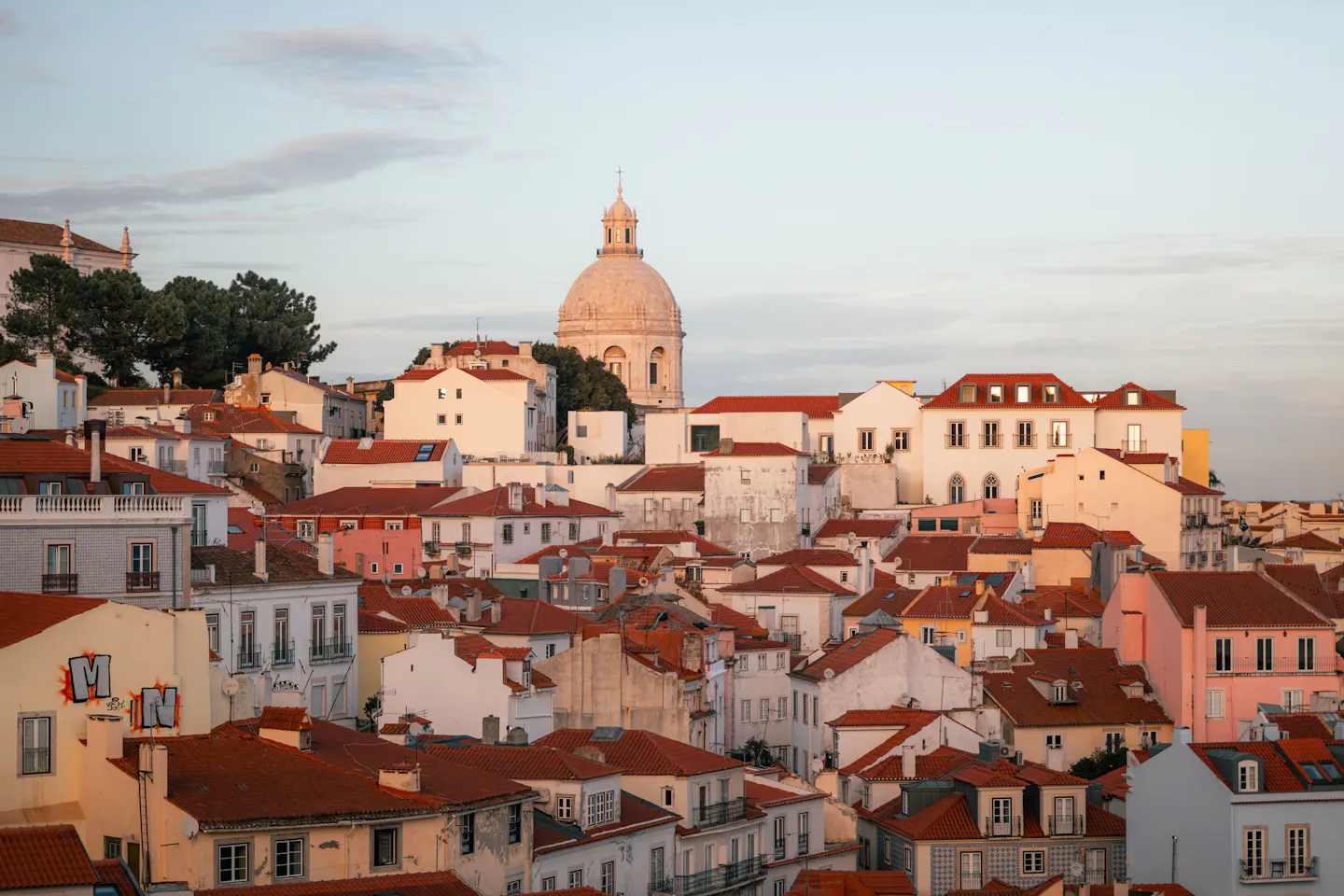
Lisbon, Coimbra, and Porto create a simple northbound or southbound trip through Portugal. Lisbon gives you viewpoints, tiled streets, seafood, and the Tagus. Coimbra adds an old university, steep lanes, and a quieter historic centre. Porto finishes with the Douro, port wine, colourful buildings, and a strong food scene.
A comfortable pace is four nights in Lisbon, one or two in Coimbra, and three nights in Porto. Coimbra can be visited on the way between Lisbon and Porto, but staying overnight makes the trip calmer and gives you time to see the city outside a luggage-storage schedule.
You can add Sintra from Lisbon or the Douro Valley from Porto, but doing both requires at least nine or ten nights. Portugal looks small, yet constant day trips can make the route feel busier than expected.
Best for: couples, food and wine travellers, first-time visitors to Portugal, and anyone who prefers a slower multi-city trip.
Berlin, Dresden, and Prague: best for history and cultural contrast
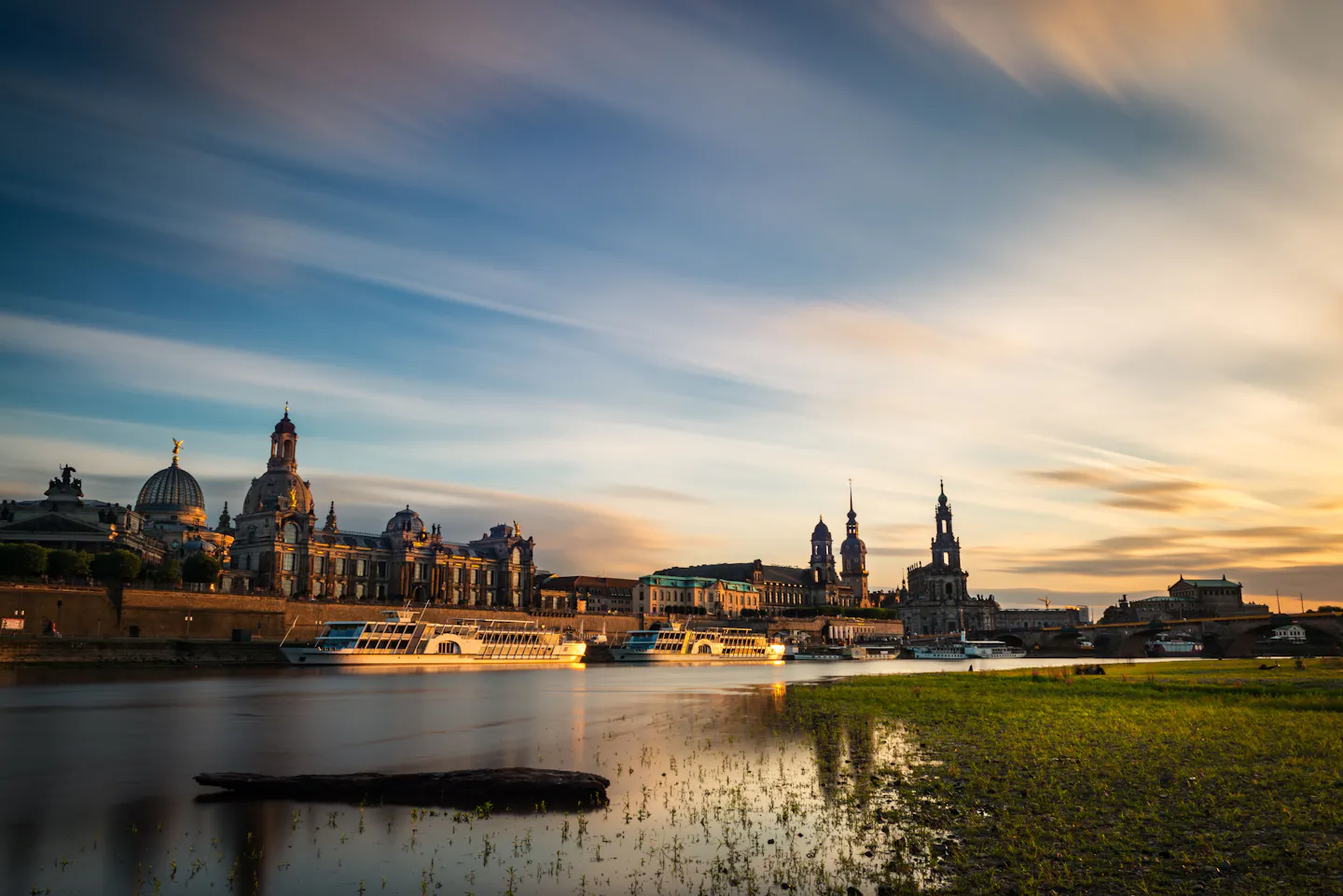
Berlin, Dresden, and Prague work well together because the route moves from a large, modern capital through a smaller reconstructed cultural city and finishes in one of Europe’s most atmospheric historic centres.
Berlin needs at least three or four nights for its museums, twentieth-century history, neighbourhoods, galleries, and nightlife. Dresden works in one or two nights, with the reconstructed old town, major art collections, and a beautiful position on the Elbe. Prague deserves three nights for the castle, river, old town, and neighbourhoods beyond the central sights.
The train journey between Dresden and Prague follows the Elbe and is part of the experience. Sit on the river side when possible and travel during daylight.
Best for: history lovers, museum travellers, architecture fans, solo travellers, and anyone who wants a route with strong differences between stops.
Copenhagen, Malmö, and Stockholm: best Scandinavian city route
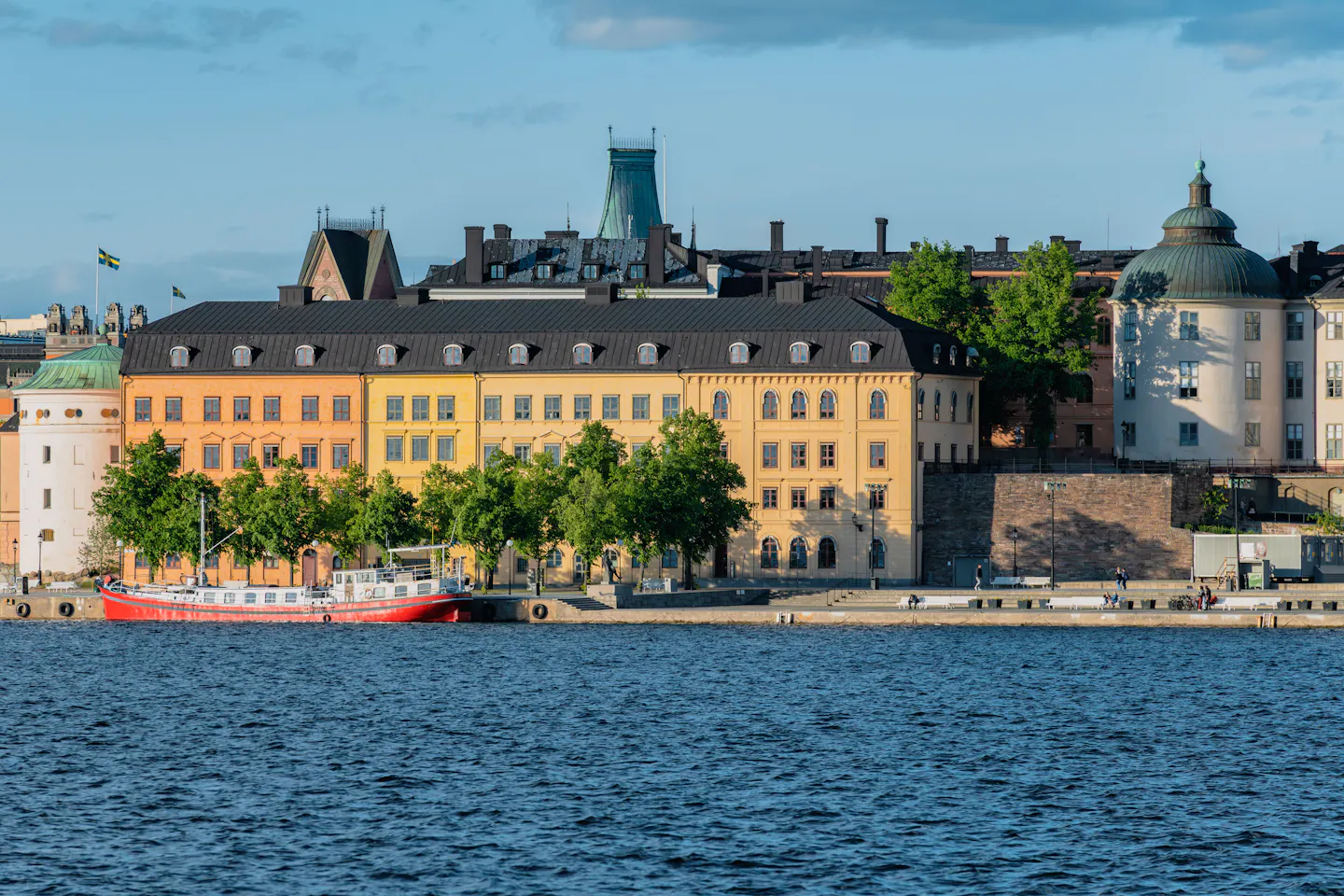
This route combines two countries and three cities without difficult logistics. Copenhagen offers design, food, cycling, and lively waterfront areas. Malmö is smaller, greener, and connected to Copenhagen across the Øresund. Stockholm adds a larger capital spread across islands, with museums, ferries, neighbourhoods, and access to the archipelago.
Spend three nights in Copenhagen, one night in Malmö, and three or four in Stockholm. Malmö also works as a day trip, but an overnight stay gives the route a cleaner progression and lets you explore beyond the area around the central station.
The longer Copenhagen-to-Stockholm train ride is comfortable and keeps the trip city-centre to city-centre. Book early for the best fares, especially in summer and around major holidays.
Best for: design lovers, food travellers, families, couples, and travellers who value efficient public transport and modern cities.
Munich, Salzburg, and Innsbruck: best for cities and Alpine scenery
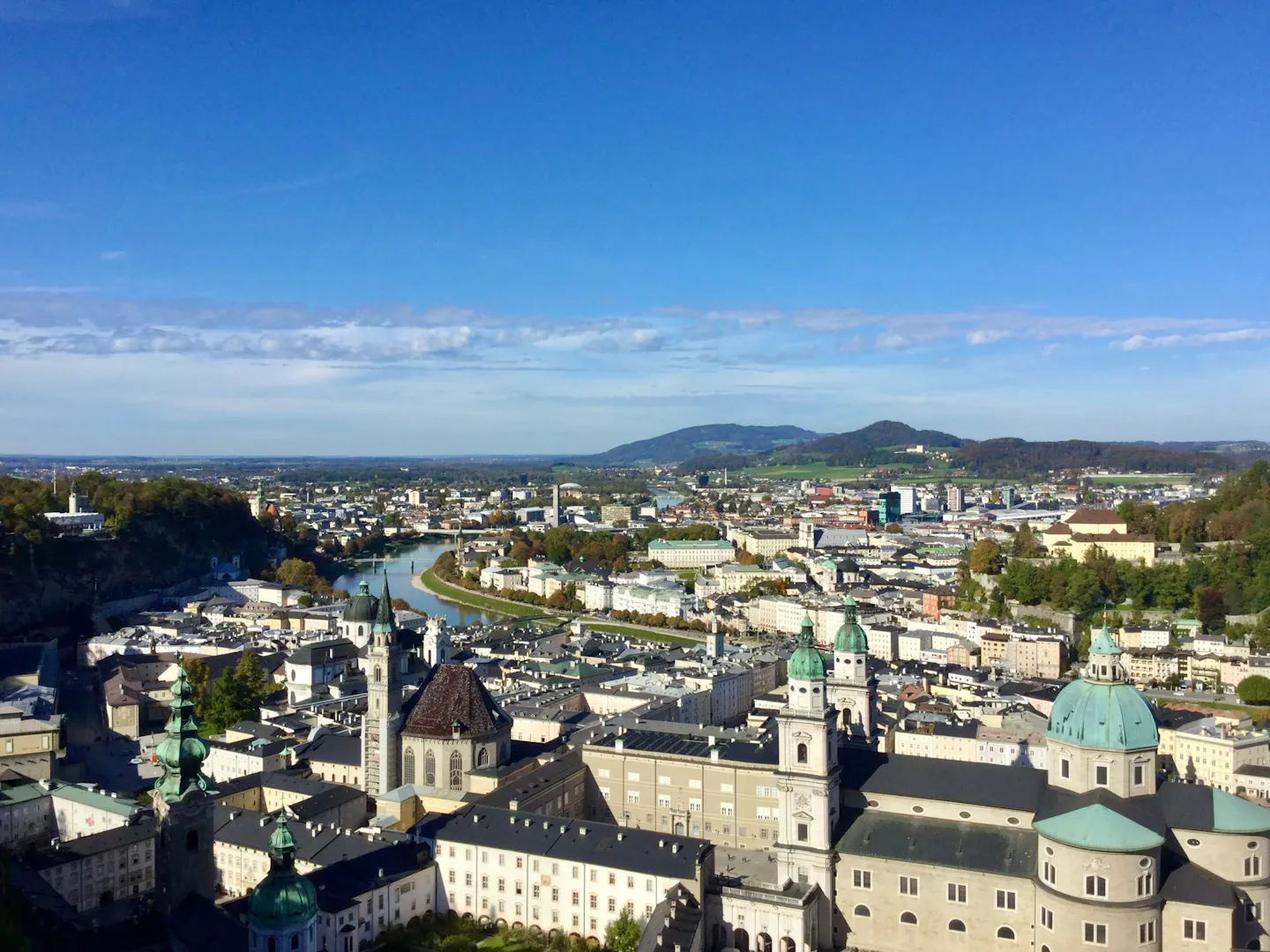
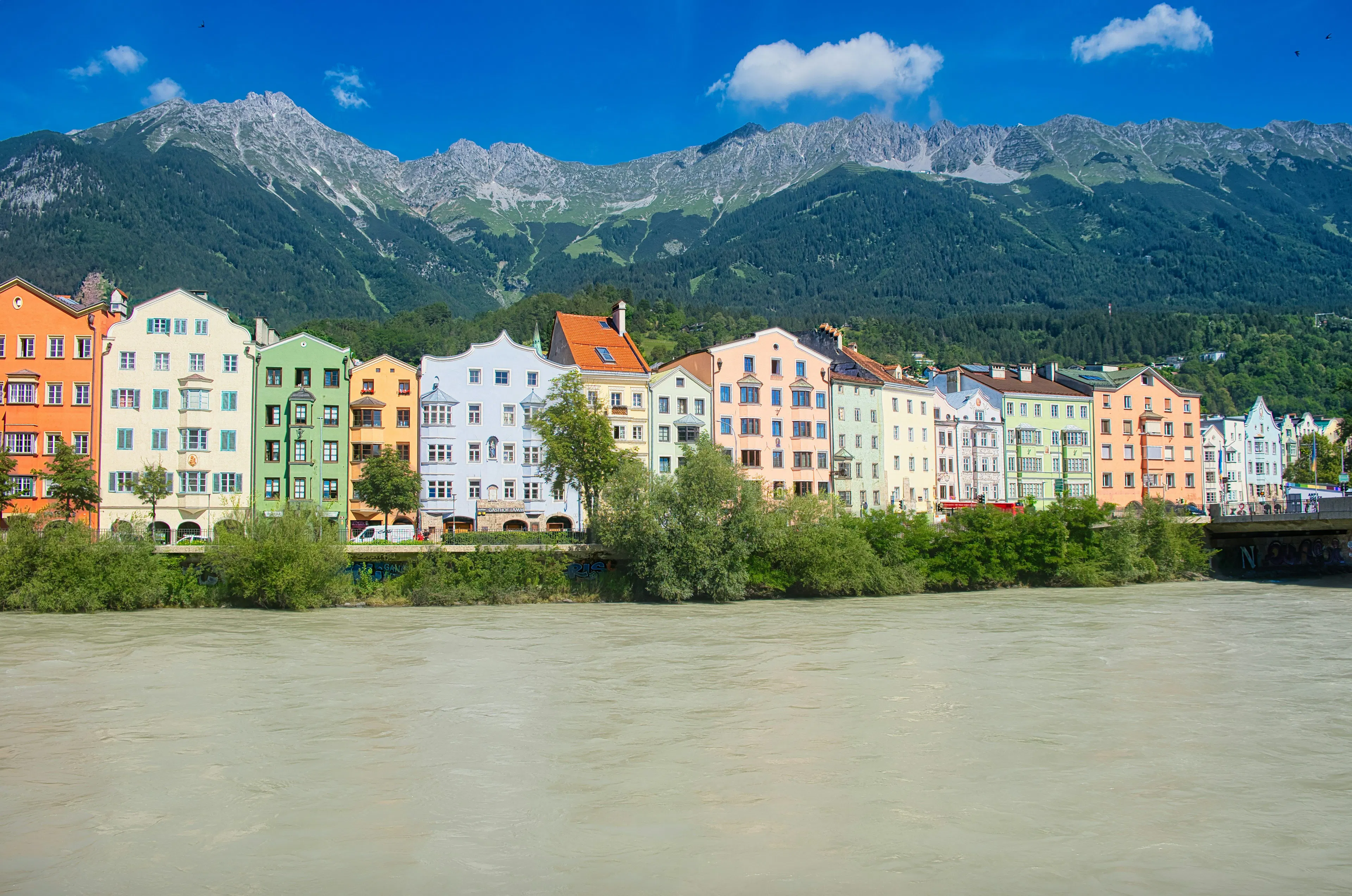
Munich, Salzburg, and Innsbruck are ideal when you want museums, old streets, food, and mountain scenery in the same trip. Munich gives you a large cultural base, Salzburg is compact and musical, and Innsbruck places the Alps directly around the city.
A strong route is three nights in Munich, two in Salzburg, and two or three in Innsbruck. From Munich, you can add a palace, lake, or museum day. Salzburg works well for its old town, fortress, music history, and nearby lakes. Innsbruck is best when you leave time for a cable car, mountain walk, or day trip rather than only visiting the centre.
The train connections are straightforward and scenic, especially as you move deeper into the Alpine region. This route works in summer for hiking and lakes, and in winter for snow, markets, and mountain atmosphere.
Best for: active couples, families, mountain lovers, Christmas trips, and travellers who want nature without renting a car.
How many European cities should you combine?
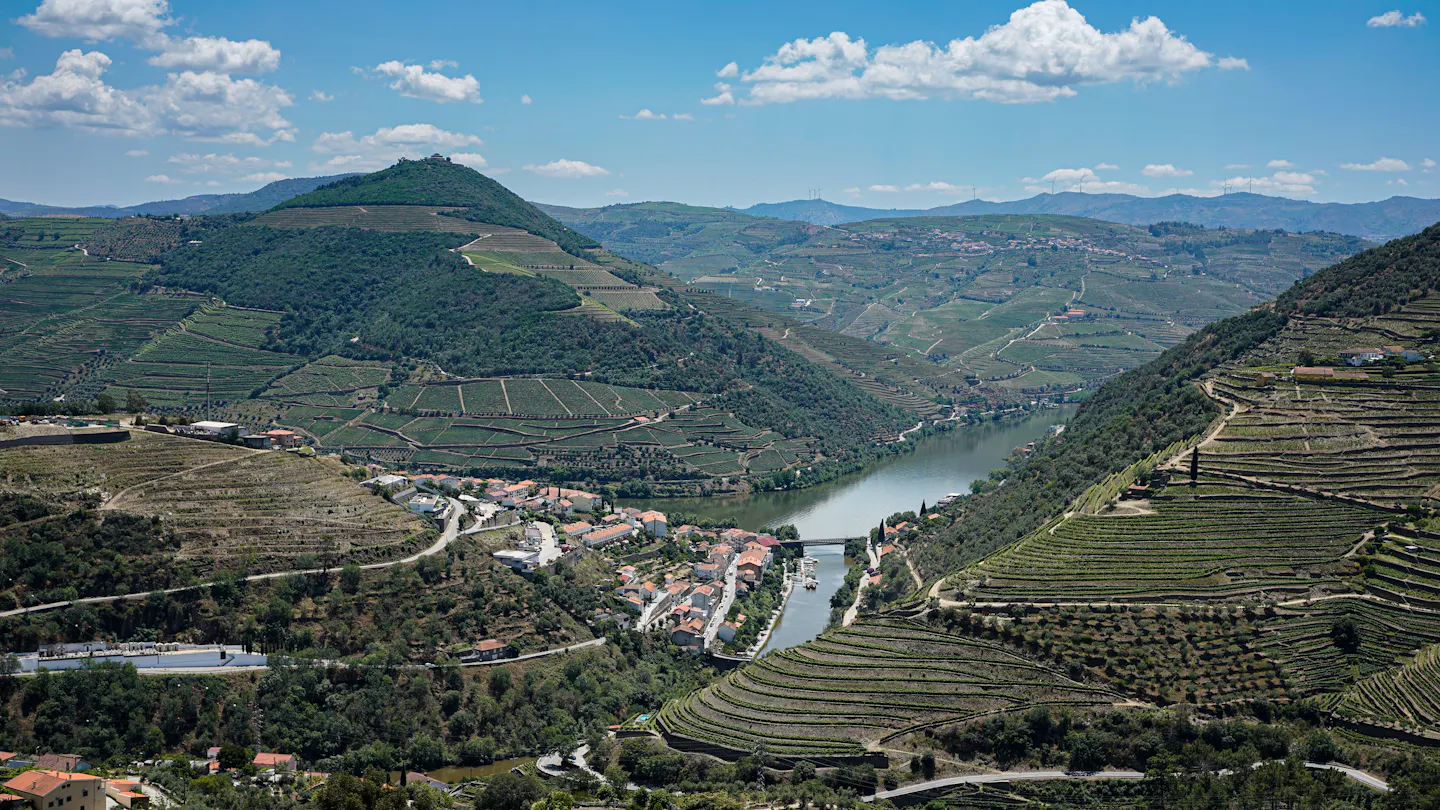
For a seven-day trip, combine two cities. For ten days, three cities usually work well. For two weeks, you can add a fourth stop, but only when the transfers are short and the destinations form a logical line.
Every hotel change takes more time than the train journey alone. You need to pack, check out, reach the station, wait, travel, find the new hotel, leave luggage, and mentally restart the trip. That is why a route with three well-chosen cities often feels richer than a trip with six quick stops.
How to plan a multi-city European trip
Use an open-jaw flight
Fly into the first city and home from the last whenever the price makes sense. Returning to the starting point can waste a full day and add another hotel night or train ticket.
Put the longest stay first or last
If one city matters most, give it the largest block of time and avoid placing it between two one-night stops. The start and end of the trip are usually easier places for a longer stay because you are not managing both an arrival and departure on consecutive days.
Book the difficult attraction before fixing the daily plan
The Alhambra, major Vatican experiences, popular museums, and certain seasonal events can sell out. Secure the essential reservation, then build the rest of the trip around it.
Do not plan a day trip from every city
A multi-city route already includes movement. Add one or two day trips across the whole holiday, not one from every stop, unless you have two weeks or more.
FAQ: combining European cities in one trip
What are the easiest European cities to combine by train?
Paris, Brussels, and Amsterdam; Vienna, Bratislava, and Budapest; Prague, Vienna, and Budapest; Rome, Florence, and Venice; and Lisbon, Coimbra, and Porto are among the easiest combinations.
How many cities can you visit in Europe in ten days?
Three cities are usually ideal. Two give you a slower trip, while four can work only when the transfers are short and at least one stop is compact.
Is it better to travel between European cities by train or plane?
Train is usually better for routes of a few hours because stations are central and there is less airport time. Flights can make sense for long distances, islands, or routes without a practical direct train.
Should you book all trains in advance?
Book high-speed, international, sleeper, and panoramic trains early when possible. Regional trains are often more flexible, but rules vary by country and route.
What is the best first multi-city trip in Europe?
Paris, Brussels, and Amsterdam are the easiest first multi-country route. Rome, Florence, and Venice are best for a first trip focused on Italy, while Prague, Vienna, and Budapest are the classic Central European choice.
Plan the whole multi-city route with EasyMiles
A multi-city trip is harder to plan than a single city break because every decision affects the next one. Train times influence hotel nights, attraction bookings affect travel days, and a route that looks efficient on a map can still create unnecessary backtracking.
EasyMiles can organise the full trip around your dates, cities, interests, and preferred pace. It helps you build realistic days in each destination while taking opening hours and travel time into account.
Instead of keeping separate notes for each city, you can create one connected plan with the main sights, restaurants, neighbourhoods, experiences, and transfers arranged in a logical order.
Use EasyMiles to turn any of these city combinations into one coherent European trip, with enough structure to make the route work and enough free time to enjoy each stop.