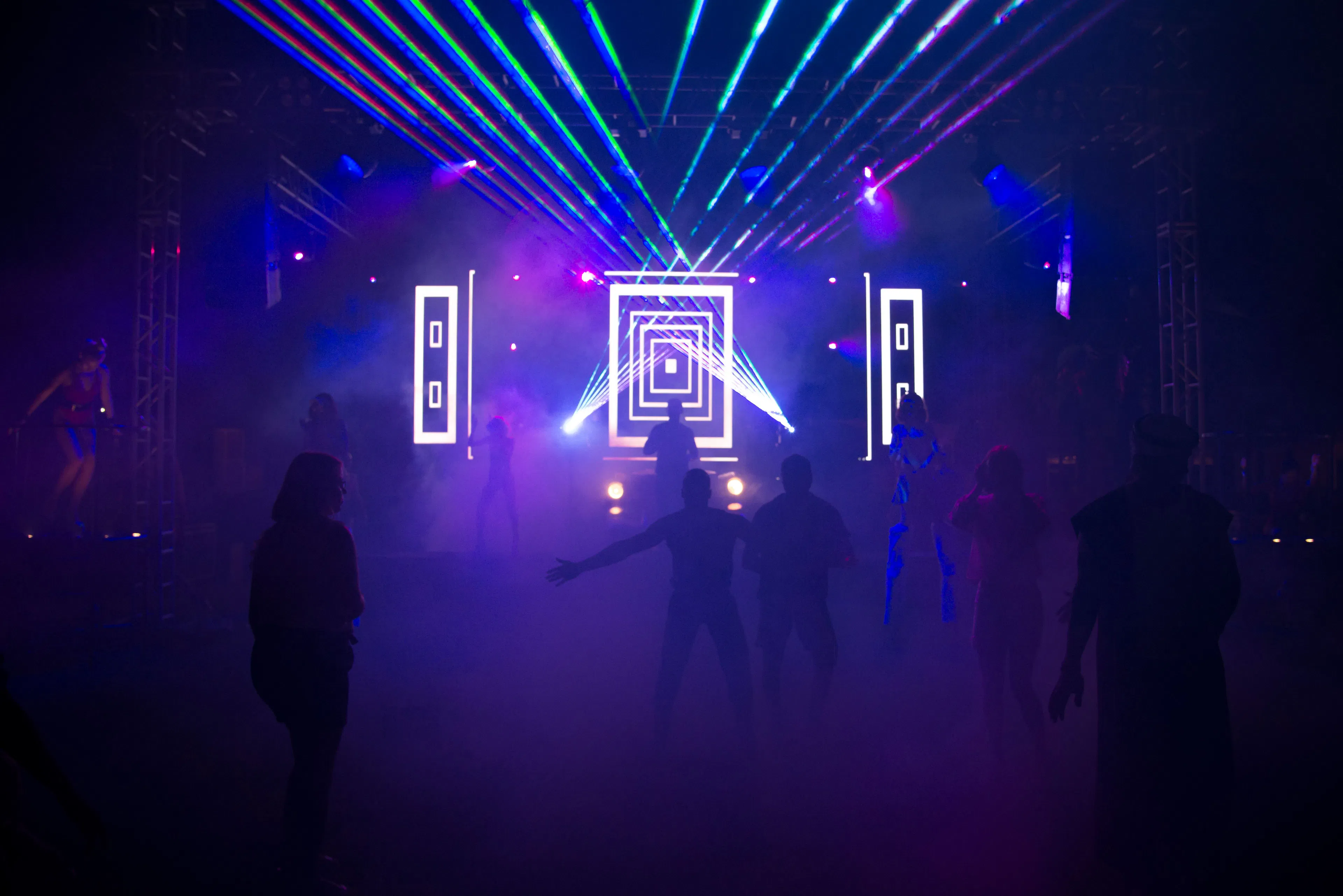
The best European cities for nightlife and daytime activities are Berlin, Madrid, Barcelona, Budapest, Lisbon, Prague, Amsterdam, and Vilnius. Berlin is the strongest choice for serious clubbing, Madrid for late dinners and social nights, Barcelona for beaches and big music venues, Budapest for ruin bars and bath parties, Lisbon for bar-hopping and live music, Prague for cocktails and affordable nights, Amsterdam for carefully programmed electronic events, and Vilnius for a smaller but surprisingly creative scene.
A good nightlife trip should not force you to choose between sleeping all day and rushing through attractions. These cities give you museums, markets, architecture, beaches, thermal baths, parks, and food experiences that still work after a late night.
Here is the quick answer:
- Berlin is best for techno, alternative culture, warehouse clubs, galleries, and neighbourhood exploration.
- Madrid is best for late dinners, cocktail bars, theatrical clubs, art museums, and streets that stay busy until morning.
- Barcelona is best for beach days, architecture, rooftop drinks, large clubs, and outdoor electronic-music events.
- Budapest is best for ruin bars, Danube sunsets, thermal baths, affordable drinks, and unusual bath parties.
- Lisbon is best for intimate bars, live music, viewpoints, food, and nights that move naturally from one district to another.
- Prague is best for excellent cocktail bars, beer halls, alternative clubs, historic streets, and a lower-cost weekend.
- Amsterdam is best for electronic music, carefully curated parties, canals, museums, and unusual industrial venues.
- Vilnius is best for cocktails, techno, live music, creative spaces, a walkable centre, and strong value.
Berlin: best for serious clubbing and alternative culture
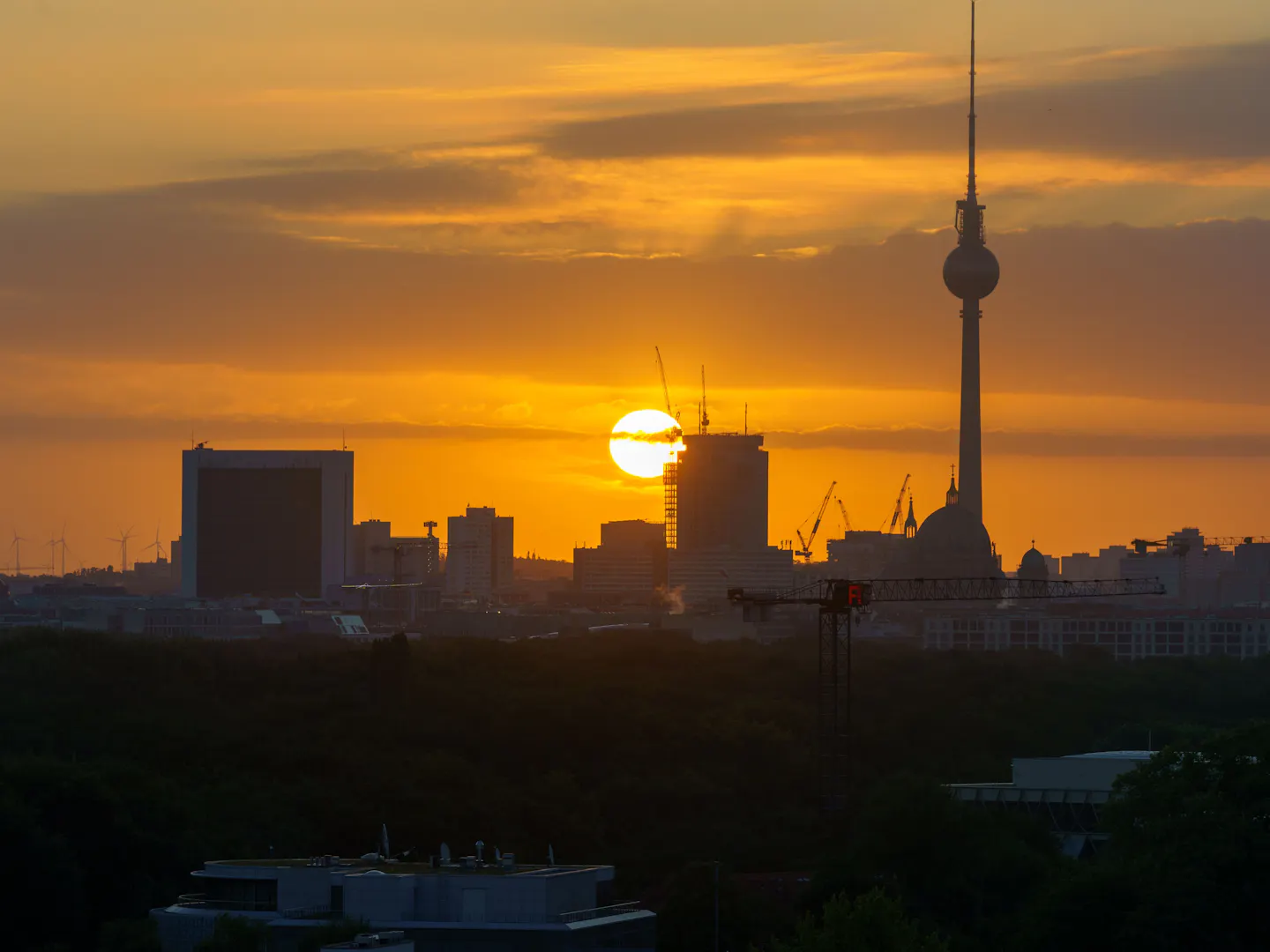
Berlin remains Europe's clearest choice when nightlife is the main reason for the trip. Its scene is not built around one street or one style. You can spend a night in a huge industrial techno space, a riverside club with a playful atmosphere, a small queer party, a listening bar, or a cocktail bar hidden behind an unmarked door.
Best bars and clubs in Berlin
Berghain and Panorama Bar are still the city's best-known names. Berghain is associated with hard techno and its enormous former power-station hall, while Panorama Bar usually leans toward house. Entry is never guaranteed, so do not make it your only plan.
Tresor is a better option for travellers who want a historic Berlin techno experience with a slightly more straightforward door. The club sits inside the Kraftwerk complex and is known for dark rooms, industrial architecture, and long-running connections to Detroit techno.
Kater Blau feels more colourful and relaxed. It sits by the Spree, has outdoor areas, and works particularly well for a long night that continues into sunrise. Nearby Holzmarkt is useful for an earlier drink and gives the whole evening a more social start.
Sisyphos is almost a mini-festival site, with several floors, outdoor areas, food, and parties that can continue through the weekend. It is outside the central tourist zones, so plan the journey and do not arrive expecting a quick two-hour visit.
For drinks before dancing, Klunkerkranich offers rooftop views from the top of a Neukölln shopping centre. Green Door is a classic cocktail option in Schöneberg, while Weserstraße in Neukölln is better for relaxed bar-hopping without a strict plan.
Berlin parties worth planning around
Berlin's best night often depends more on the event than the club. Check the line-up for Klubnacht at Berghain, major Tresor nights, open-air sessions, queer parties, and seasonal events at venues such as RSO, ELSE, and Club der Visionäre. In October, Tag der Clubkultur brings special DJ sets, concerts, performances, talks, and exhibitions across the city.
What to do in Berlin during the day
Use one day for Museum Island and the historic centre, another for the East Side Gallery, Kreuzberg, and Friedrichshain, and a slower day for Tempelhofer Feld, flea markets, cafés, or contemporary art. After the biggest night, avoid timed museum tickets before noon. A late brunch, a walk along the canal, and an afternoon exhibition will feel much more realistic.
Practical tip: Berlin club doors are selective, photographs are often forbidden, and many venues prefer a low-key attitude. Know which event is taking place, carry some cash, and have two backup options.
Best for: electronic music fans, creative travellers, queer nightlife, and groups comfortable with an unpredictable night.
Madrid: best for late nights, cocktails, and full cultural days
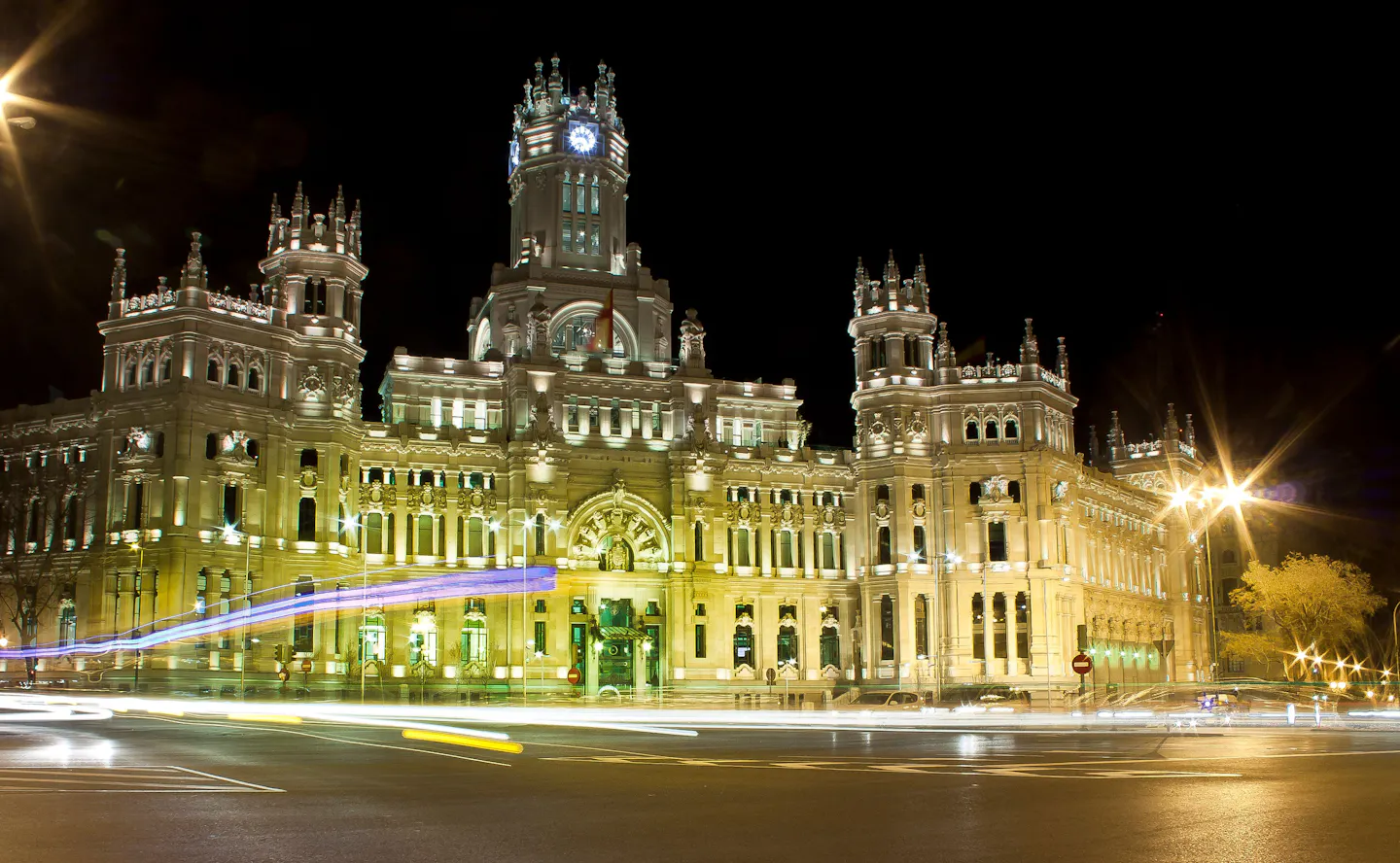
Madrid does not rush the evening. Dinner can start at 10:00, drinks after midnight, and dancing much later. The city is ideal for travellers who want nightlife to feel like an extension of dinner and conversation rather than a separate activity.
Best bars and clubs in Madrid
Start at Salmon Guru in Barrio de Las Letras for imaginative cocktails in a colourful comic-book-like interior. It is one of Madrid's most recognised cocktail bars, so arriving early or booking where possible is sensible.
Viva Madrid offers a more traditional setting with modern drinks, while the nearby streets around Plaza de Santa Ana make it easy to continue without taking a taxi. Malasaña is better for casual bars, Chueca for LGBTQ+ nightlife and stylish late venues, and La Latina for an evening that begins with tapas.
Medias Puri is one of the city's most entertaining club experiences. Hidden behind the appearance of an old haberdashery, it combines DJs, live performers, commercial music, urban music, and theatrical production. It is a better choice than a standard nightclub when your group has mixed music tastes.
Teatro Kapital is the classic large central club, set inside a former theatre with several floors and different music styles. It is polished, busy, and popular with visitors. Fabrik, outside central Madrid, is the serious option for large electronic events, festival-scale production, and long nights. Treat Fabrik as the main event of the evening rather than one stop on a bar crawl.
For live music, check the schedule at Café Berlín, which has developed an immersive 360-degree stage format, as well as Sala El Sol and the larger concert halls around the city.
Madrid parties worth planning around
Look for Fabrik's major branded electronic events, special theatrical nights at Medias Puri, rooftop sessions in summer, Pride events in late June and early July, and the neighbourhood celebrations of San Cayetano, San Lorenzo, and La Paloma in August. These August fiestas bring concerts, street decorations, food, and outdoor dancing to Lavapiés and La Latina.
What to do in Madrid during the day
Madrid is one of the best cities in Europe for combining nightlife with serious culture. Visit the Prado, Reina Sofía, or Thyssen-Bornemisza, but do not try to do all three after one late night. Retiro Park, the Royal Palace, Mercado de San Miguel, Matadero Madrid, and the neighbourhoods of Chamberí and Malasaña give you easier alternatives.
A very Madrid recovery plan is a late breakfast, a walk through Retiro, a long lunch, and one museum in the afternoon. After dancing until sunrise, finish with chocolate and churros rather than pretending you will wake up for an early tour.
Best for: art lovers, cocktail fans, social groups, LGBTQ+ travellers, and people who prefer late dinners before dancing.
Barcelona: best for beach days, rooftops, and big music venues
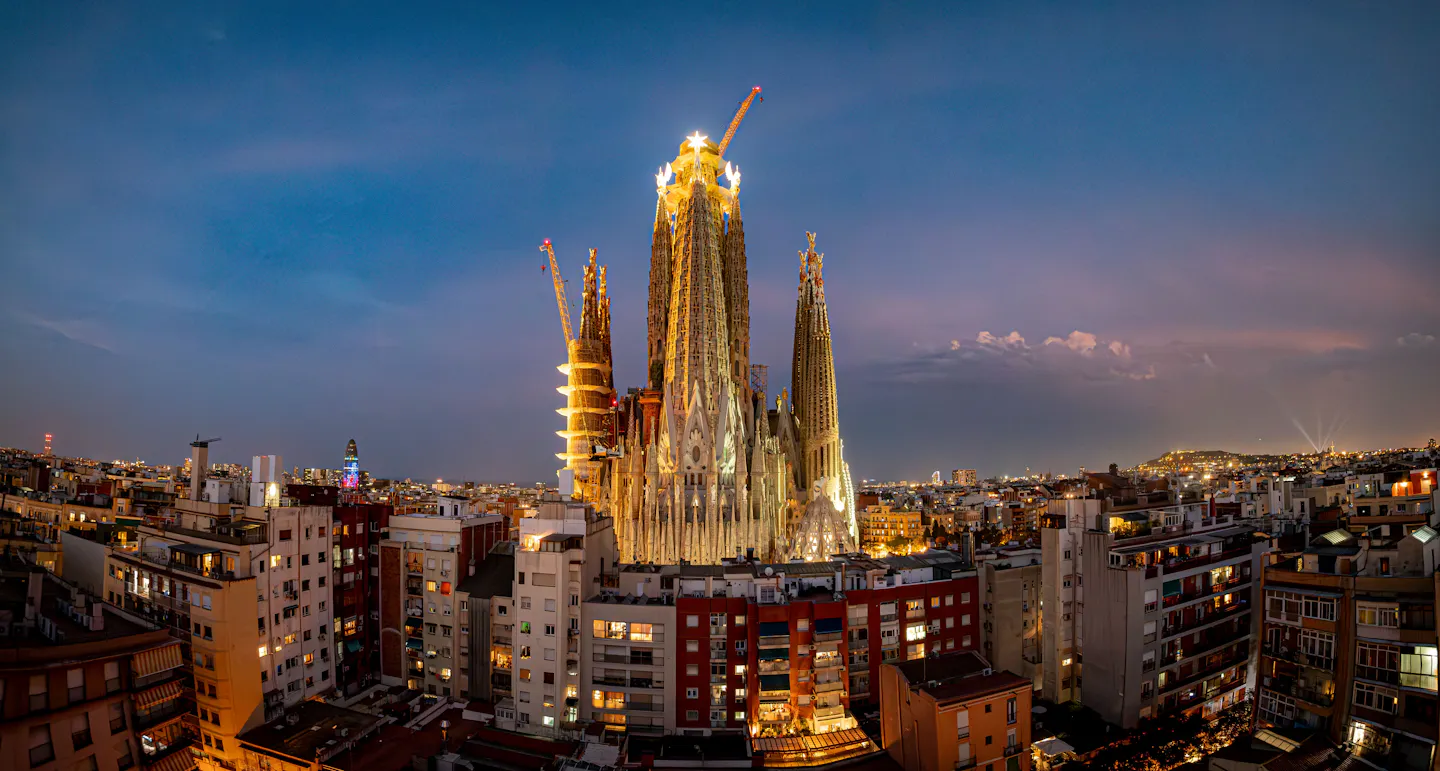
Barcelona offers the easiest day-to-night contrast on this list. You can spend the morning with Gaudí, recover on the beach in the afternoon, drink on a rooftop at sunset, and end the night in a multi-room club.
Best bars and clubs in Barcelona
Paradiso is one of the city's signature cocktail bars, hidden behind a pastrami-shop-style entrance in El Born. Sips is another destination for creative cocktails and a more polished bar experience. Both are popular, so build the evening around them rather than expecting to walk in instantly at peak time.
Razzmatazz is the best all-purpose club for a group with different music tastes. Its multiple rooms can cover indie, pop, electronic music, and harder club sounds on the same night. Sala Apolo is another essential venue, known for concerts and recurring club nights, including the long-running Nitsa electronic programme.
For a more focused electronic night, check INPUT in Poble Espanyol and the current schedules at smaller clubs before choosing. The beach clubs around Port Olímpic are easier for commercial music, dressed-up groups, and visitors who want a glamorous setting, but they can feel more tourist-oriented than the city's music-led venues.
Start earlier at a rooftop such as those around the Gothic Quarter or Eixample, or have drinks in Gràcia and El Born. Gràcia is better for small, informal bars; El Born is stronger for cocktails; Poblenou is convenient for Razzmatazz and larger late venues.
Barcelona parties worth planning around
Barcelona is at its best when your dates match an event. Brunch Electronik runs large daytime and open-air electronic parties. Primavera Sound brings major international acts in late spring, while Sónar turns June into a city-wide week of electronic music, digital culture, concerts, and unofficial off-programme parties.
La Mercè in September fills the city with concerts, street performances, and cultural events. In summer, look for rooftop sessions, beach events, and outdoor parties, but buy tickets from official organisers because the strongest events often sell out.
What to do in Barcelona during the day
Plan Sagrada Família, Park Güell, and any timed Gaudí visit before the trip. Keep the day after your biggest party flexible: Barceloneta or Bogatell beach, a long lunch in Poblenou, Montjuïc, or a walk through El Born works better than three reservations.
Be careful with phones and bags in crowded nightlife areas and on late public transport. Barcelona is easy to enjoy, but distracted visitors are obvious targets for pickpocketing.
Best for: summer groups, architecture lovers, festival travellers, beach days, and people who want several nightlife styles in one city.
Budapest: best for ruin bars, thermal baths, and unusual parties
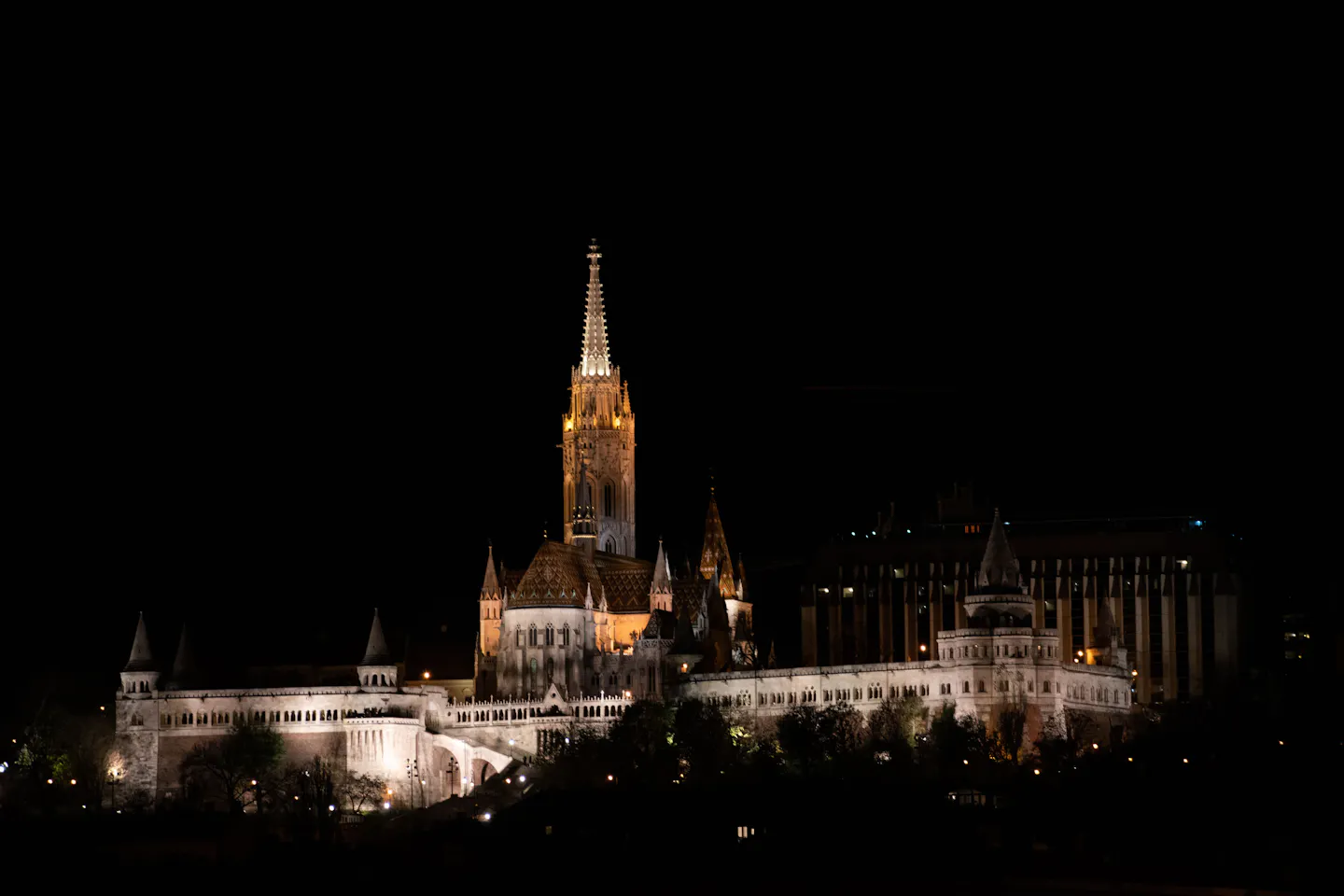
Budapest makes nightlife feel visually different. The city's famous ruin bars occupy old buildings and courtyards filled with mismatched furniture, art, lights, and hidden rooms. Add Danube views and thermal baths, and you get one of Europe's most distinctive nightlife weekends.
Best bars and clubs in Budapest
Szimpla Kert is the original must-see ruin bar. It can be crowded and touristy, but the building itself is worth exploring once. Visit earlier in the evening to see the details before it becomes packed.
Instant-Fogas is the large all-night option, combining several rooms and music styles inside a sprawling ruin-bar complex. It works well for groups that cannot agree on one genre, but it is more commercial than Budapest's smaller electronic venues.
Aether is a better choice for a more focused underground electronic night in the city centre. Check its programme first, as the crowd and sound depend on the event. For cocktails, Boutiq'Bar and Hotsy Totsy offer a more deliberate start to the evening.
In warm weather, Pontoon and other riverside spaces near the Danube are good for sunset drinks, DJs, and a social atmosphere. Their schedules can be seasonal, so check what is running during your dates.
Budapest parties worth planning around
Budapest's most unusual party is SPARTY, a large night event held in the Széchenyi thermal-bath complex on selected Saturdays. It combines pools, lights, performers, and electronic music. It is not a normal relaxing bath visit, and it can be loud and crowded, but it is a unique experience for groups who know what they are booking.
Sziget Festival in August turns Óbuda Island into one of Europe's largest multi-day music festivals. Even without a full festival pass, the city becomes busier and more international during the event.
What to do in Budapest during the day
Spend one day around Castle Hill and Fisherman's Bastion, another around Parliament, the Jewish Quarter, and the Danube. Visit a thermal bath in daytime even if you skip SPARTY. Széchenyi is the grand, social option; Rudas is known for its historic Turkish bath and rooftop pool; always check current access rules and schedules.
Choose accommodation near the Jewish Quarter but not directly above its busiest streets. The difference of one block can decide whether you sleep.
Best for: first group trips, affordable weekends, spa fans, ruin-bar explorers, and travellers who want a party experience they cannot copy elsewhere.
Lisbon: best for bar-hopping, live music, and scenic days
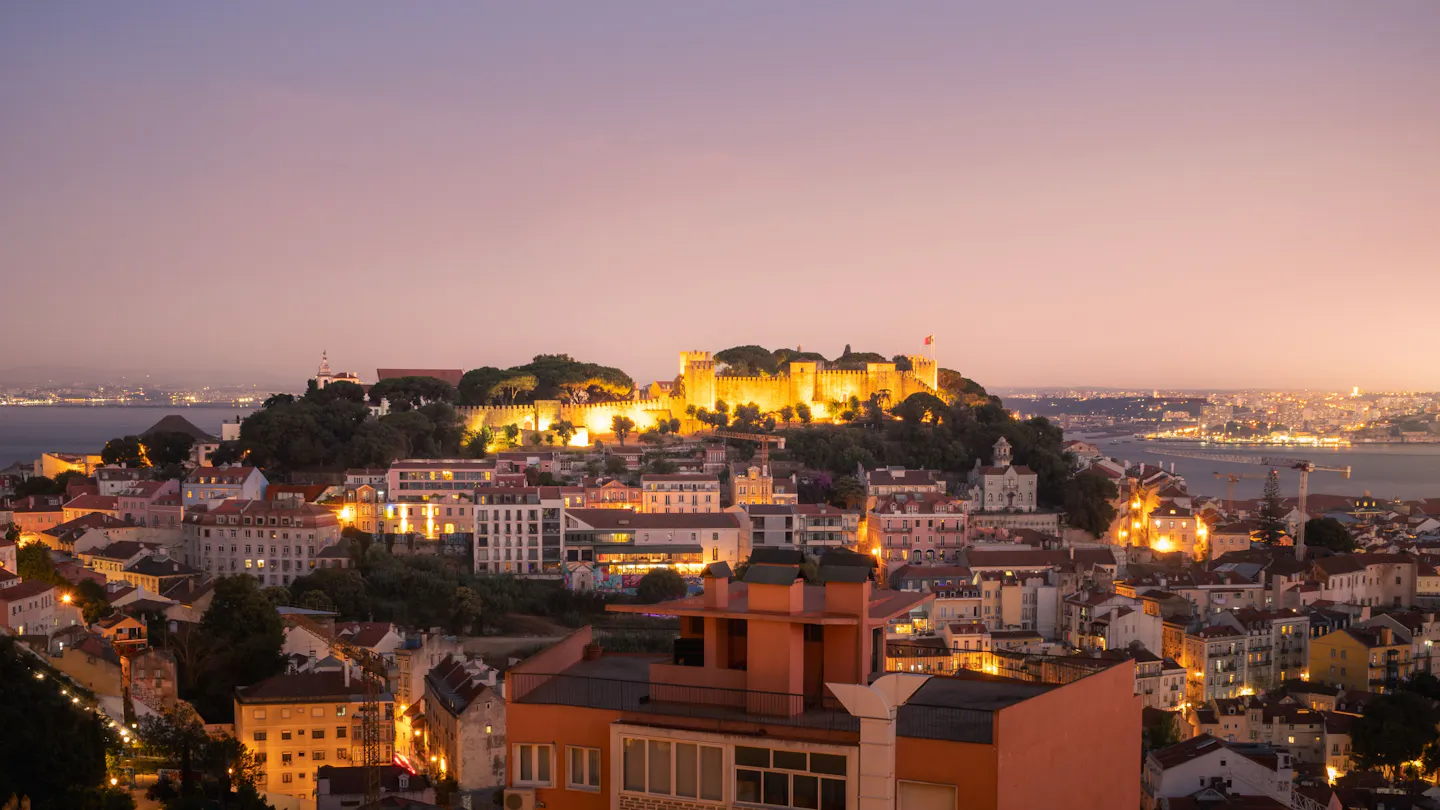
Lisbon nightlife usually develops in stages. Start with drinks in Bairro Alto, move downhill toward Bica and Cais do Sodré, then decide whether the night ends with live music, a club, or food near the river.
Best bars and clubs in Lisbon
Red Frog is one of the city's best-known cocktail bars, with a speakeasy atmosphere and a menu that rewards curiosity. Pavilhão Chinês is completely different: an eccentric bar filled with cabinets of toys, military objects, and collectibles. It feels closer to a private museum than a normal drinking spot.
Bairro Alto has dozens of small bars and a street-party atmosphere, but the best approach is to use it as the first part of the night rather than remain on one crowded street. Continue toward Pink Street and Cais do Sodré for later venues.
Musicbox is a compact live-music and club venue under the arches near Cais do Sodré, with a mixed programme that can include electronic music, indie, hip-hop, and global sounds. Lux Frágil is Lisbon's landmark club for electronic music and a more curated crowd, with a riverside location and strong views from its upper spaces.
For dancing with African and Lusophone sounds, check the programme at B.Leza. For fado, choose a proper performance in Alfama or Mouraria, but treat it as a listening experience rather than background entertainment during a noisy dinner.
Lisbon parties worth planning around
Lisbon's biggest street-party period is the Festas de Lisboa in June, especially the night of 12 June before Saint Anthony's Day. Alfama, Mouraria, Graça, and other neighbourhoods fill with grilled sardines, decorations, music, and dancing.
Electronic-music travellers should also check current events at Lux Frágil, Musicbox, Village Underground, and seasonal outdoor spaces. In Lisbon, the organiser and event often matter more than the venue name.
What to do in Lisbon during the day
Use the morning for Belém, the afternoon for Alfama or Graça, and sunset for a miradouro. After a late night, avoid planning a route that crosses five hills. Pick one district, have seafood or petiscos, ride a ferry for river views, or take an easy trip to Cascais.
Lisbon's steep streets become tiring faster than the map suggests. Comfortable shoes are more useful than a complicated itinerary.
Best for: couples, groups, cocktail drinkers, live-music fans, and travellers who want nightlife without losing the feeling of a cultural trip.
Prague: best for cocktails, beer, and alternative venues
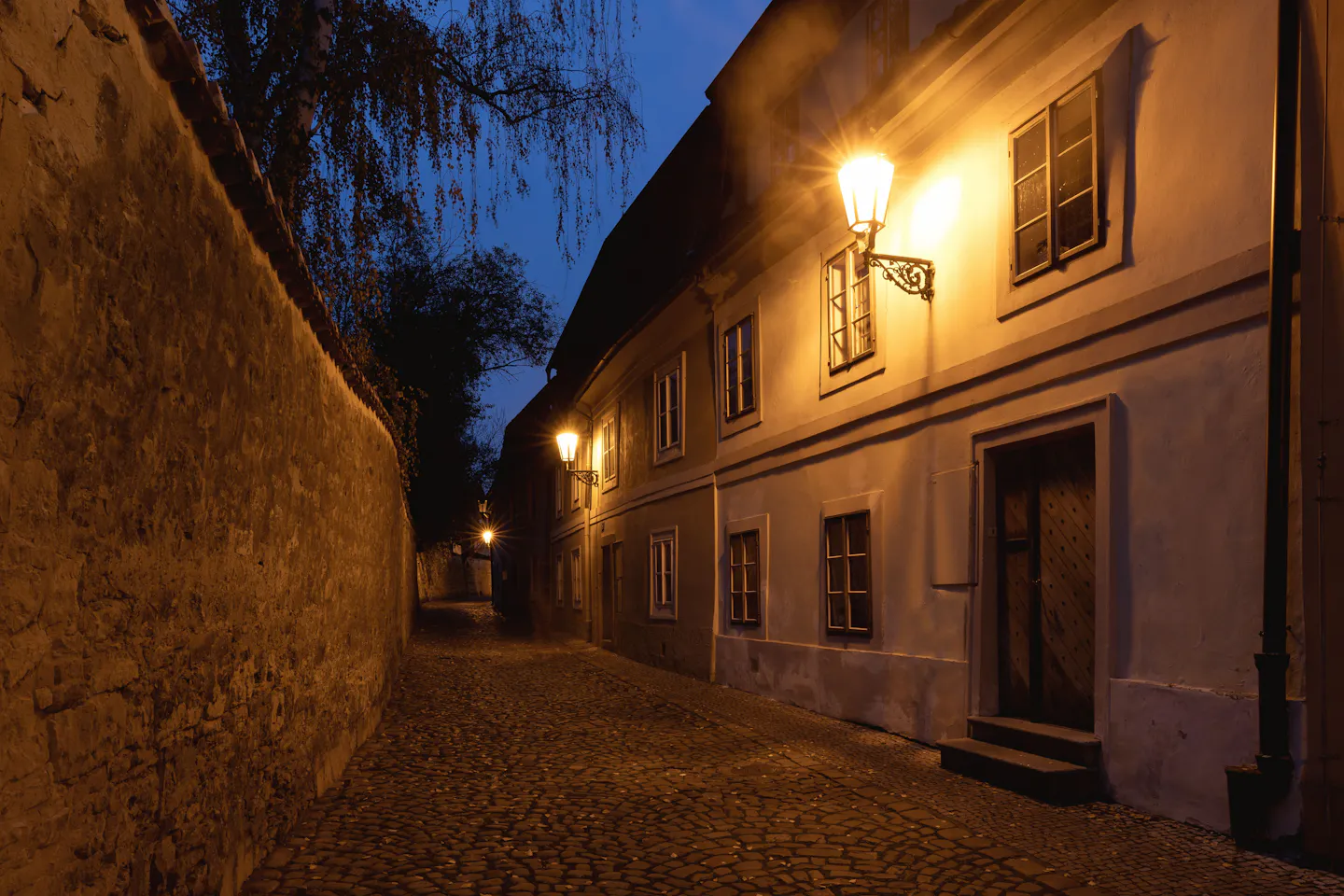
Prague is often reduced to cheap beer and stag-party streets, but its best nightlife is much more interesting. The city has excellent cocktail bars, grand old interiors, experimental music spaces, jazz clubs, and industrial venues outside the most touristy centre.
Best bars and clubs in Prague
Hemingway Bar is one of the city's best-known cocktail destinations, with a strong focus on rum, absinthe, and carefully prepared drinks. Reserve ahead and expect a quieter atmosphere where the drink is the main event.
Anonymous Bar uses masks, secretive presentation, and themed cocktails for a more theatrical experience. Bugsy's and Bonvivant's are strong alternatives for serious cocktails without building the entire night around a club.
Cross Club is Prague's most visually unusual venue. Its mechanical, steampunk-like interior is filled with moving metal installations, and the programme ranges from electronic music to concerts and cultural events. It is outside the Old Town, which helps it feel less like a standard tourist club.
Ankali is the better choice for underground electronic music and event-led clubbing. Check the line-up and location details before going. Lucerna Music Bar is more accessible and famous for energetic 1980s and 1990s video parties, making it a reliable group option when everyone wants familiar music.
For jazz, look at the schedules of JazzDock and more intimate central venues. For beer, try a proper Czech pub or brewery restaurant early in the night rather than the bars using street promoters around the Old Town.
Prague parties worth planning around
Prague's strongest parties are usually recurring club nights, warehouse-style electronic events, and concerts rather than one famous weekly spectacle. Check Ankali, Cross Club, MeetFactory, Fuchs2, and Bike Jesus for the dates of your stay.
The Signal Festival in autumn brings light installations and evening routes across the city. It is not a club festival, but it creates an excellent after-dark experience before drinks.
What to do in Prague during the day
Visit Charles Bridge early, then explore Prague Castle, Malá Strana, the Jewish Quarter, Letná Park, and the river. After a late night, choose a tram ride to a viewpoint, a long Czech lunch, or a river walk instead of fighting crowds in the Old Town Square.
Avoid clubs promoted aggressively by people on the street. Better venues usually rely on their programme and reputation.
Best for: cocktail lovers, beer drinkers, budget-conscious groups, alternative-music fans, and short Central European weekends.
Amsterdam: best for curated electronic events and unusual venues
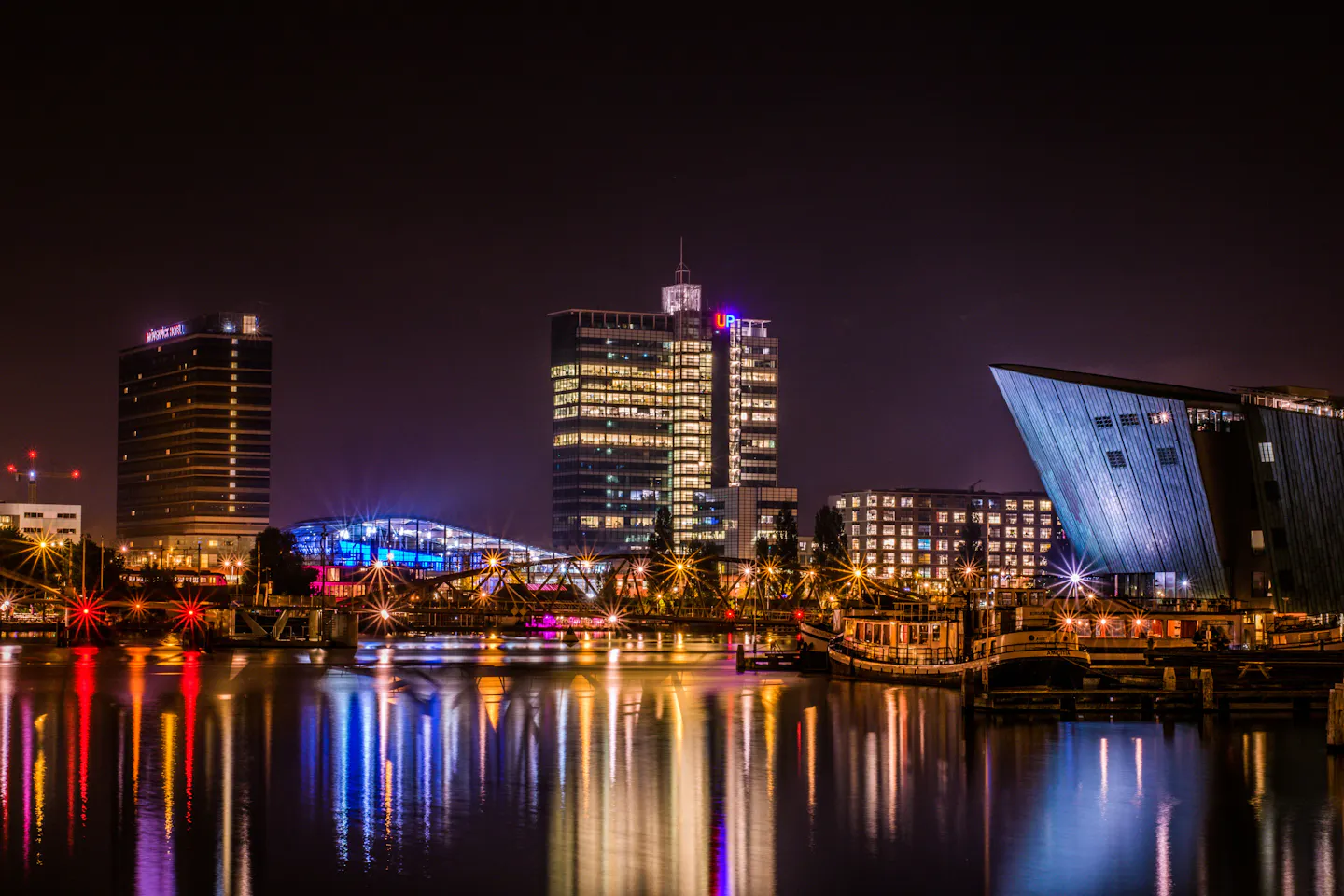
Amsterdam's nightlife is compact but highly programmed. The best night is rarely found by walking into the first club near Leidseplein. You will have a better experience by choosing an event, buying a ticket, and travelling to the right venue.
Best bars and clubs in Amsterdam
Door 74 is the classic speakeasy-style cocktail choice, while Flying Dutchmen Cocktails is ideal for visitors who want to understand Dutch spirits and modern cocktail technique. Amsterdam also has a growing group of listening bars and small venues where music quality matters as much as the drinks.
Shelter sits below the A'DAM Tower across the IJ and is built for focused electronic nights. Lofi occupies a former warehouse in Amsterdam West and combines indoor and outdoor spaces for long events, art, food, and music.
RADION is known for underground electronic programming and long club nights in a former industrial complex. Thuishaven runs festival-like daytime and weekend events with tents, outdoor areas, and changing line-ups. Paradiso, a former church, and Melkweg are essential for concerts and club nights across many genres.
Club NYX is a strong inclusive multi-floor option, especially for LGBTQ+ parties and pop-focused nights. Het Sieraad hosts events inside a striking former school building, showing how much Amsterdam's scene depends on unusual architecture.
Amsterdam parties worth planning around
Amsterdam Dance Event in October is the city's defining nightlife week. Hundreds of club nights, concerts, industry events, label showcases, and pop-up parties take place across the city. Accommodation and tickets should be booked early.
In summer, look for daytime events at Thuishaven, Lofi, and other outdoor locations. WorldPride and Pride Amsterdam also bring major parties, community events, and the Canal Parade in years when they take place.
What to do in Amsterdam during the day
Keep one museum reservation per day rather than stacking the Rijksmuseum, Van Gogh Museum, and Anne Frank House together. The Jordaan, De Pijp, canal ferries, markets, Vondelpark, and a boat trip are easier after a long night.
Amsterdam is expensive, and last-minute event tickets can disappear. Compare the total cost of accommodation, club tickets, lockers, late transport, and drinks before choosing it as a budget weekend.
Best for: electronic-music travellers, design lovers, LGBTQ+ visitors, couples, and groups happy to plan nights in advance.
Vilnius: best for creative nightlife, cocktails, and strong value
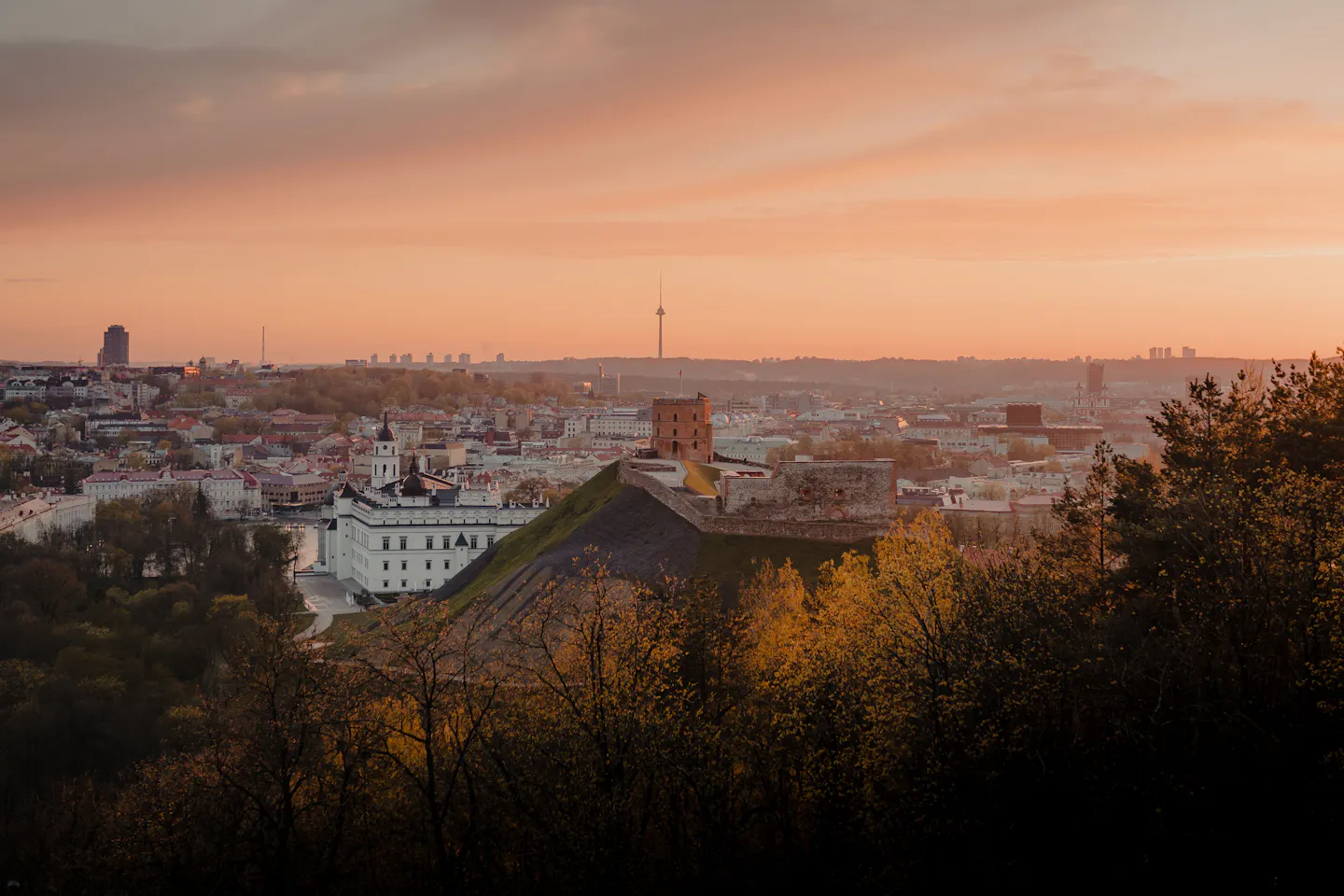
Vilnius is smaller than the other cities here, but that is part of the appeal. The Old Town, Naujamiestis, and the station district are close enough to combine several bars and venues without spending the night in taxis.
Best bars and clubs in Vilnius
For cocktails, Alchemikas is a polished local favourite with a serious menu and intimate atmosphere. Nick & Nora offers another strong cocktail-led evening, while Apoteka and smaller Old Town bars are useful when you want to continue on foot.
For electronic music, check the current programmes at Kablys, Gallery 1986, and Opium. These venues are event-led, so do not judge them only by the building or go without checking who is playing. Kablys is particularly distinctive because it occupies a large modernist former railway workers' cultural palace and hosts music, cultural events, and skate-related activity.
Loftas is a major live-music and event space in a former factory area. Its programme ranges from concerts to festivals and creative events. Lukiškės Prison 2.0 is one of the city's most unusual cultural venues: a former prison now used for concerts, performances, tours, and seasonal events.
For a less structured night, start around Vilniaus Street or the station district, then move toward the event you selected. In summer, courtyards, terraces, and riverside spaces make the city more social than its size suggests.
Vilnius parties worth planning around
Loftas Fest is one of the city's signature urban music and arts events. Capital Days at the end of summer brings free concerts and public events, while Culture Night fills streets, courtyards, museums, and unexpected buildings with late cultural programming.
Electronic nights at Kablys, Gallery 1986, and other independent spaces can be more memorable than a generic Saturday club visit. Check local event listings shortly before the trip because schedules change quickly.
What to do in Vilnius during the day
Explore the Baroque Old Town, Užupis, Gediminas Tower, MO Museum, the station market, and Lukiškės Prison. A walk along the Neris, brunch in Naujamiestis, or Vingis Park works well after a late night.
Vilnius is excellent for travellers who want good music and cocktails without huge queues, long journeys, or western European prices.
Best for: cocktail lovers, techno fans, smaller groups, creative travellers, and anyone looking for a less obvious nightlife weekend.
How to choose the right nightlife city
- Choose Berlin when the club line-up is the main event.
- Choose Madrid when food, conversation, and late social energy matter most.
- Choose Barcelona when you want beach recovery and large music venues.
- Choose Budapest for an affordable group trip with ruin bars and thermal baths.
- Choose Lisbon for bar-hopping, live music, and a relaxed flow between districts.
- Choose Prague for cocktails, beer, and alternative spaces at a moderate cost.
- Choose Amsterdam for carefully curated electronic events and major festival dates.
- Choose Vilnius for creative venues, compact distances, and strong value.
FAQ: nightlife in Europe
What is the best nightlife city in Europe?
Berlin is the strongest overall choice for electronic music and club culture. Madrid is better for bars, late dinners, and social nights, while Barcelona is the best combination of nightlife and beach time.
Which European city has the best party festivals?
Barcelona has Sónar, Primavera Sound, Brunch Electronik, and La Mercè. Amsterdam has Amsterdam Dance Event. Budapest has Sziget, while Berlin has a constant programme of club events and open-air parties rather than one single defining festival.
Where is nightlife affordable in Europe?
Budapest, Prague, and Vilnius usually offer better value than Amsterdam, Paris, Copenhagen, or London. Prices still rise in the most touristy districts, so local neighbourhoods and advance tickets make a major difference.
Which city is best for a group with different music tastes?
Madrid, Barcelona, and Budapest are the easiest choices. Medias Puri, Razzmatazz, Teatro Kapital, and Instant-Fogas offer several rooms or mixed programming, so a group does not have to agree on one sound.
How many nights do you need?
Three nights are enough for one major party and two useful sightseeing days. Four nights are better when you want two late nights, a recovery day, and enough time to see the city without rushing.
How should you find the best parties?
Choose the event before the venue. Check official club calendars, festival programmes, and local event listings for your exact dates. A famous club can have the wrong music for you, while a smaller venue can host the best night of your trip.
Plan the whole trip with EasyMiles
EasyMiles can build a trip that balances late nights with realistic daytime plans. It considers opening hours, travel time, neighbourhoods, restaurant timing, and the pace of your trip.
Instead of booking a museum across the city at 9:00 after a club night, you can get a late brunch, a nearby gallery, an easy walk, and a sunset plan before the next evening begins. EasyMiles can organise attractions, food, bars, neighbourhoods, and recovery-friendly activities into one realistic day-by-day route built around the way you actually travel.