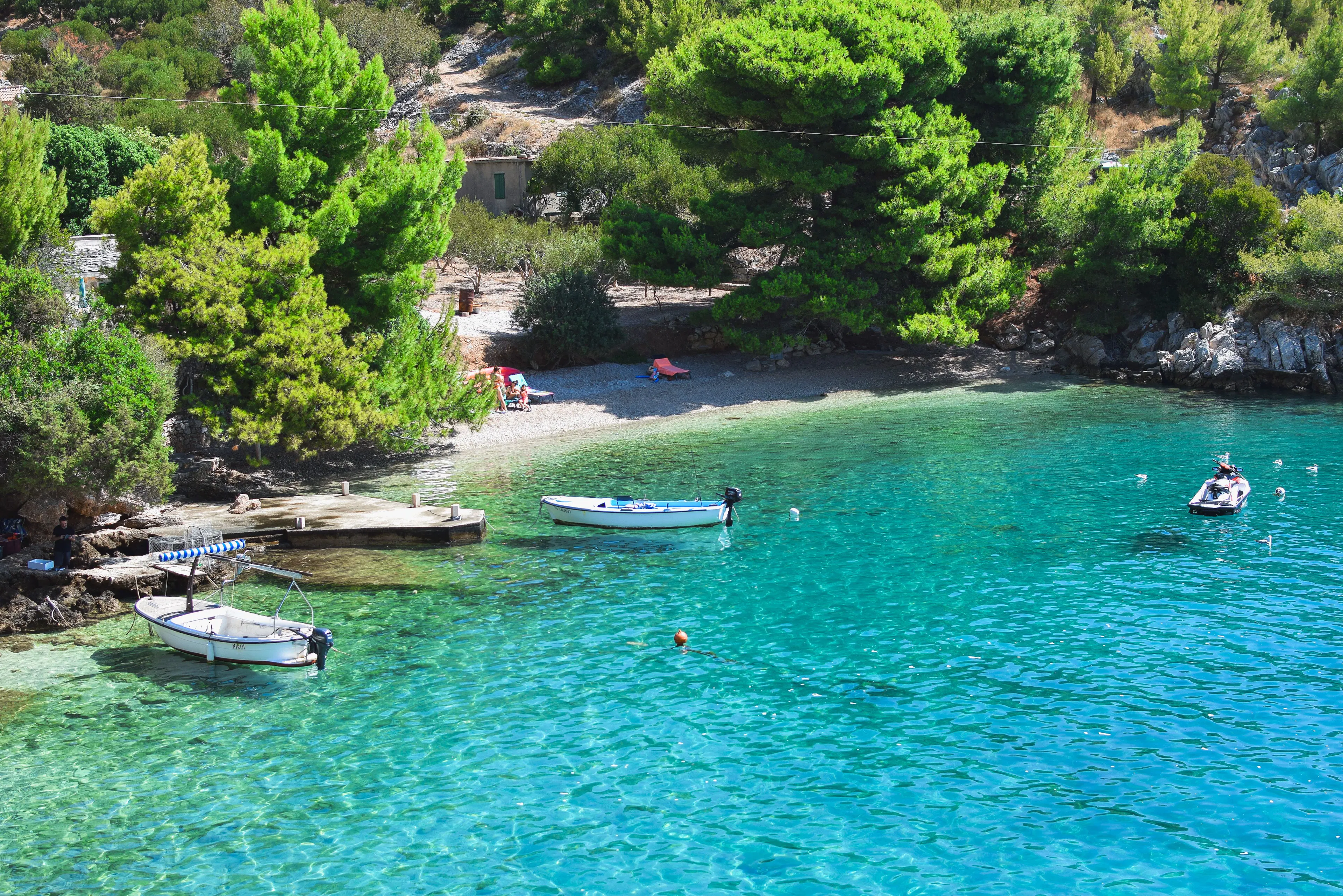
The best European beach destinations without the biggest crowds are Alonnisos, Costa Vicentina, the Cilento Coast, Asturias, Pelješac, Luštica, Sinemorets, Gozo, Bornholm, and Saaremaa.
- Alonnisos, Greece, is best for clear water, peaceful coves, snorkelling, boat trips, and a relaxed Greek-island atmosphere.
- Costa Vicentina, Portugal, is best for long sandy beaches, dramatic cliffs, surfing, and travelers who prefer wild nature to polished beach resorts.
- The Cilento Coast, Italy, is best for warm Mediterranean water, sandy beaches, hidden coves, small fishing villages, and excellent southern Italian food.
- Asturias, Spain, is best for green cliffs, broad sandy bays, surfing, seafood, and cooler summer weather.
- The Pelješac Peninsula, Croatia, is best for clear Adriatic water, pebble beaches, snorkelling, wine, and quiet coastal villages.
- The Luštica Peninsula, Montenegro, is best for rocky coves, clear water, boat-access beaches, and a calmer alternative to Budva and Kotor.
- Sinemorets, Bulgaria, is best for natural sandy beaches, warm Black Sea water, forest scenery, and a simple, low-key atmosphere.
- Gozo, Malta, is best for swimming, snorkelling, diving, dramatic coastal scenery, and small rocky bays.
- Bornholm, Denmark, is best for wide white-sand beaches, shallow water, cycling, family trips, and a cooler Scandinavian summer.
- Saaremaa, Estonia, is best for peaceful Baltic beaches, calm island life, nature, and travelers who want almost no beach-club atmosphere.
Choose Alonnisos, Cilento, Pelješac, Luštica, or Gozo if clear and relatively warm water matters most. Choose Costa Vicentina or Asturias for dramatic Atlantic beaches and surfing. Choose Bornholm or Saaremaa if you prefer cooler summer weather, natural surroundings, and more space.
These places are quieter than Europe’s most famous beach resorts, but they are not completely empty in July and August. The real advantage is that they offer longer coastlines, smaller towns, more beach choices, and fewer large resort areas concentrating everyone in the same place.
Quick Comparison of Europe’s Best Quiet Beach Destinations
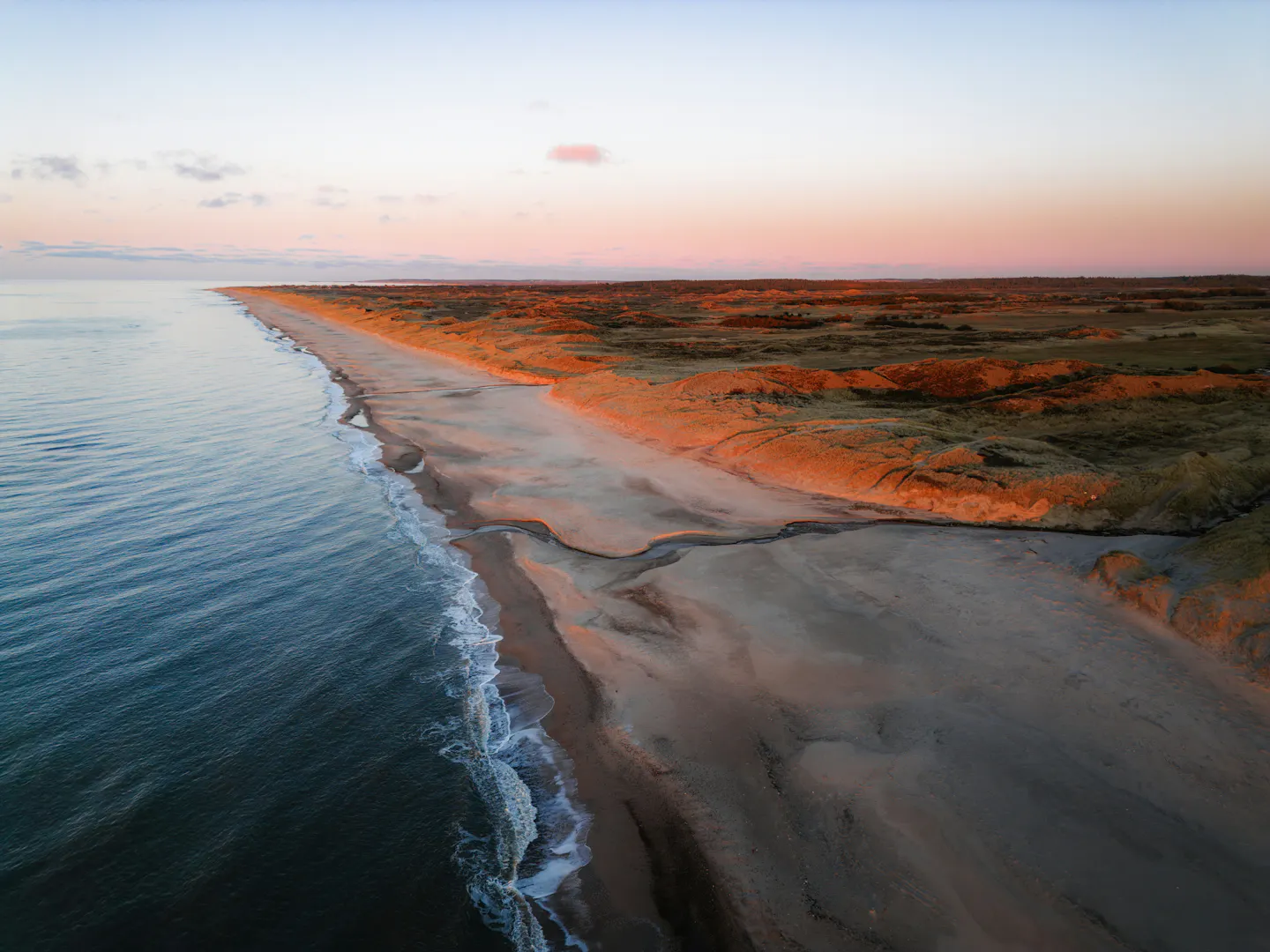
If one factor decides your holiday, start here.
- Warm, clear water — Alonnisos, Cilento, Pelješac, Gozo
- Soft sandy beaches — Cilento, Asturias, Sinemorets, Bornholm
- Calm swimming — Alonnisos, Pelješac, sheltered Gozo bays, Bornholm
- Surfing and waves — Costa Vicentina, Asturias
- Snorkelling — Alonnisos, Pelješac, Luštica, Gozo
- Diving — Gozo, Alonnisos
- Families — Cilento, Pelješac, Bornholm, Saaremaa
- Couples — Alonnisos, Cilento, Luštica, Pelješac
- Food and wine — Cilento, Asturias, Pelješac
- Cooler weather — Asturias, Bornholm, Saaremaa
- Wild nature — Costa Vicentina, Asturias, Sinemorets, Saaremaa
- Quietest overall atmosphere — Alonnisos, Sinemorets, Saaremaa
1. Alonnisos, Greece
Best for clear water, snorkelling, and a peaceful Greek-island holiday
What the beaches are like
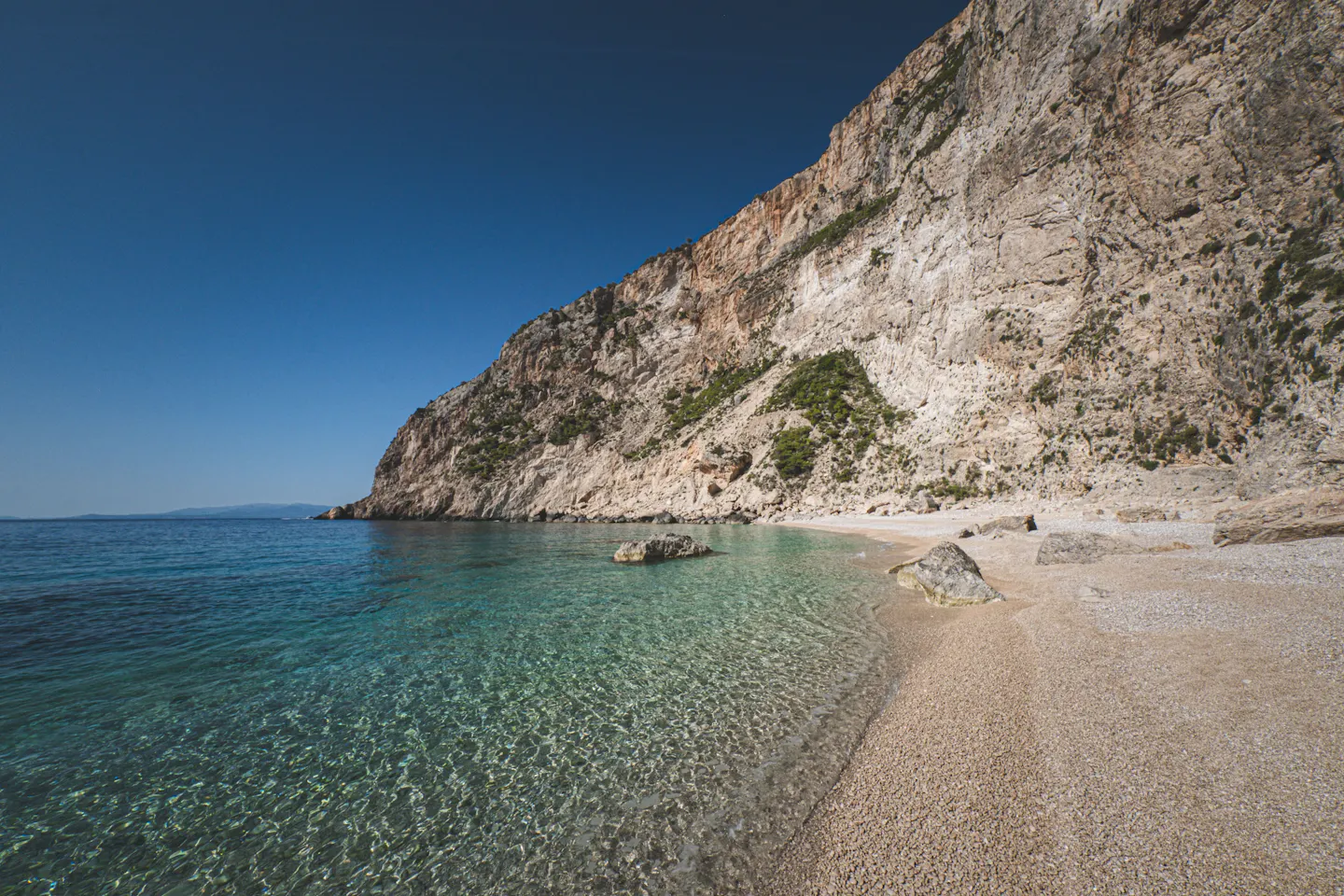
Alonnisos has small beaches and coves surrounded by pine-covered hills. Milia, Chrisi Milia, Megalos Mourtias, Marpounta, and Steni Vala are among the island’s best-known swimming areas.
Many beaches have pebbles or mixed shores rather than endless stretches of soft sand. The reward is clear water and a coastline that feels more natural than the heavily developed beaches found on some better-known Greek islands.
What the sea is like
The water is usually the main reason to choose Alonnisos. It is clear, blue, and well suited to swimming and snorkelling.
Sheltered coves can feel calm, although conditions will depend on the beach and wind direction. The island is also part of the National Marine Park of Alonnisos and Northern Sporades, an important marine ecosystem with abundant sea life.
How busy it gets
Alonnisos is quieter than Greece’s most famous islands, but its easiest and most organised beaches still attract visitors in summer.
The island works well because you are not limited to one major beach. You can choose between beaches near villages, small natural coves, and places reached more easily by boat.
What atmosphere to expect
The atmosphere is peaceful, traditional, and unpretentious.
You will find tavernas, stone villages, small ports, and relaxed evenings, but not a major nightlife or luxury beach-club scene. It feels like a proper Greek island rather than a destination designed around one famous sunset or social-media viewpoint.
What you can do beyond the beach
Alonnisos is particularly strong for boat trips, snorkelling, diving, and exploring the marine park. The island also has traditional villages and walking routes through green landscapes.
Who should choose Alonnisos
Choose Alonnisos if you want warm, clear water and a relaxed Greek-island atmosphere, but do not care about fashionable beach clubs or busy nightlife.
It is especially suitable for couples, snorkellers, divers, and travelers who enjoy spending slow evenings in small tavernas.
2. Costa Vicentina, Portugal
Best for wild beaches, surfing, cliffs, and open landscapes
What the Costa Vicentina beaches are like
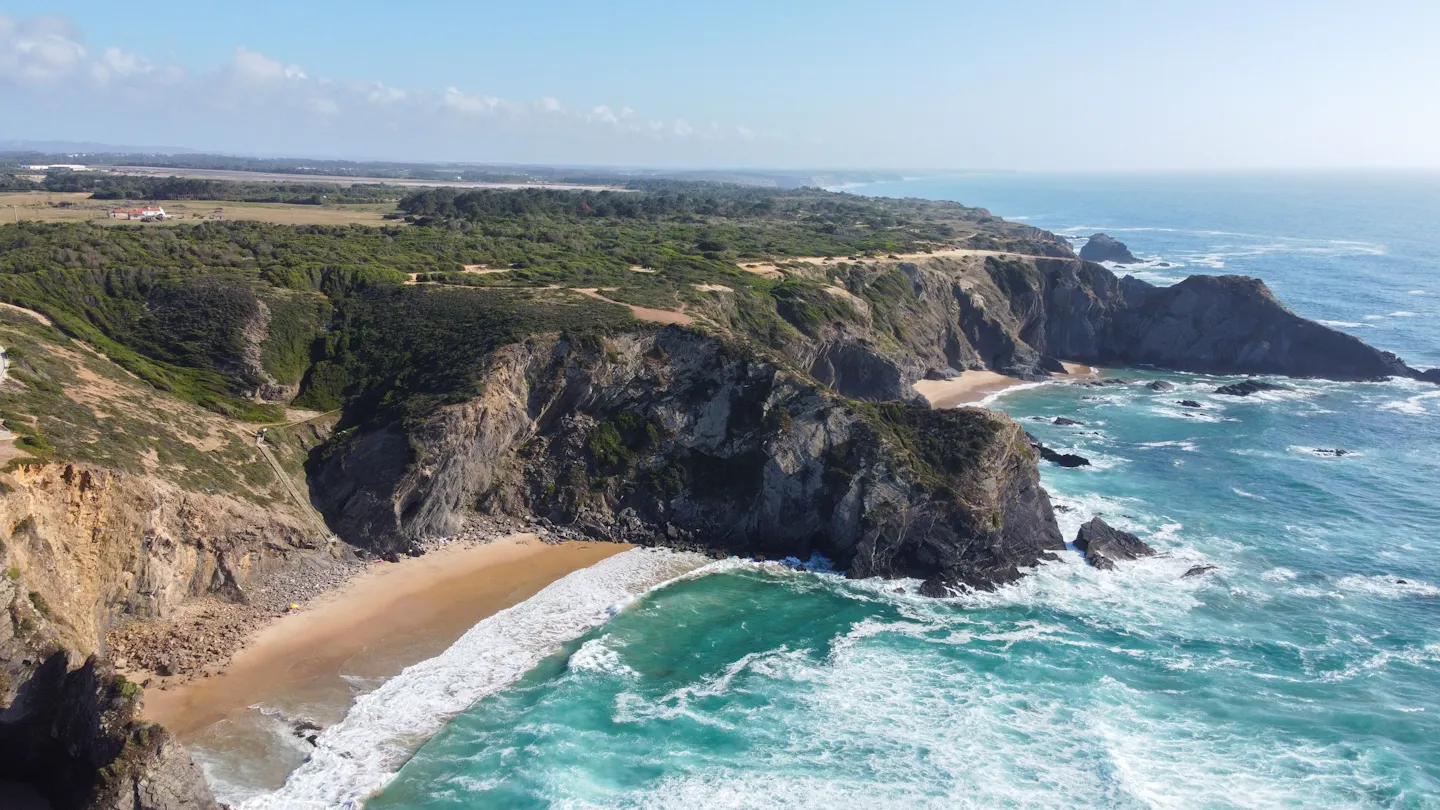
The Costa Vicentina has long stretches of golden sand, small beaches hidden between cliffs, and a coastline that feels much wilder than central Algarve resorts.
Beaches such as Cordoama, Castelejo, Barriga, Amado, Arrifana, Monte Clérigo, Odeceixe, and Amoreira offer very different landscapes. Some are wide and open, while others sit below dark cliffs or beside river mouths.
What the Atlantic is like here
This is the Atlantic, so expect cooler water, stronger waves, and changing conditions.
The coast is popular with surfers and bodyboarders for a reason. It is less suitable for travelers who want guaranteed calm swimming every day.
Some river-mouth beaches, such as Odeceixe and Amoreira, offer more protected sections where river water meets the ocean.
How busy the Costa Vicentina gets
The main surfing beaches and towns become livelier during summer, but the coastline is long enough to spread visitors out.
The beaches are generally less developed than those between Lagos and Faro, and many are separated by cliffs, natural parkland, and small coastal roads.
What atmosphere to expect on the Costa Vicentina
Costa Vicentina feels active, natural, and slightly bohemian.
It attracts surfers, hikers, campers, road trippers, and travelers who enjoy simple coastal towns more than polished resorts. The experience is built around nature rather than sunbeds and beach clubs.
What you can do beyond the Costa Vicentina beaches
Surfing is the obvious activity, but the region is also excellent for coastal walking. The Rota Vicentina follows the Alentejo and Algarve coast through fishing villages, beaches, and rural landscapes.
Who should choose Costa Vicentina
Choose Costa Vicentina if you love dramatic beaches, cliffs, walking, and surfing.
Do not choose it simply because you want a traditional warm-water beach holiday. The Atlantic is part of the destination’s character, and enjoying the waves and wild scenery matters more than spending hours floating in calm water.
3. The Cilento Coast, Italy
Best for warm water, sandy beaches, Italian food, and coastal variety
What the Cilento beaches are like
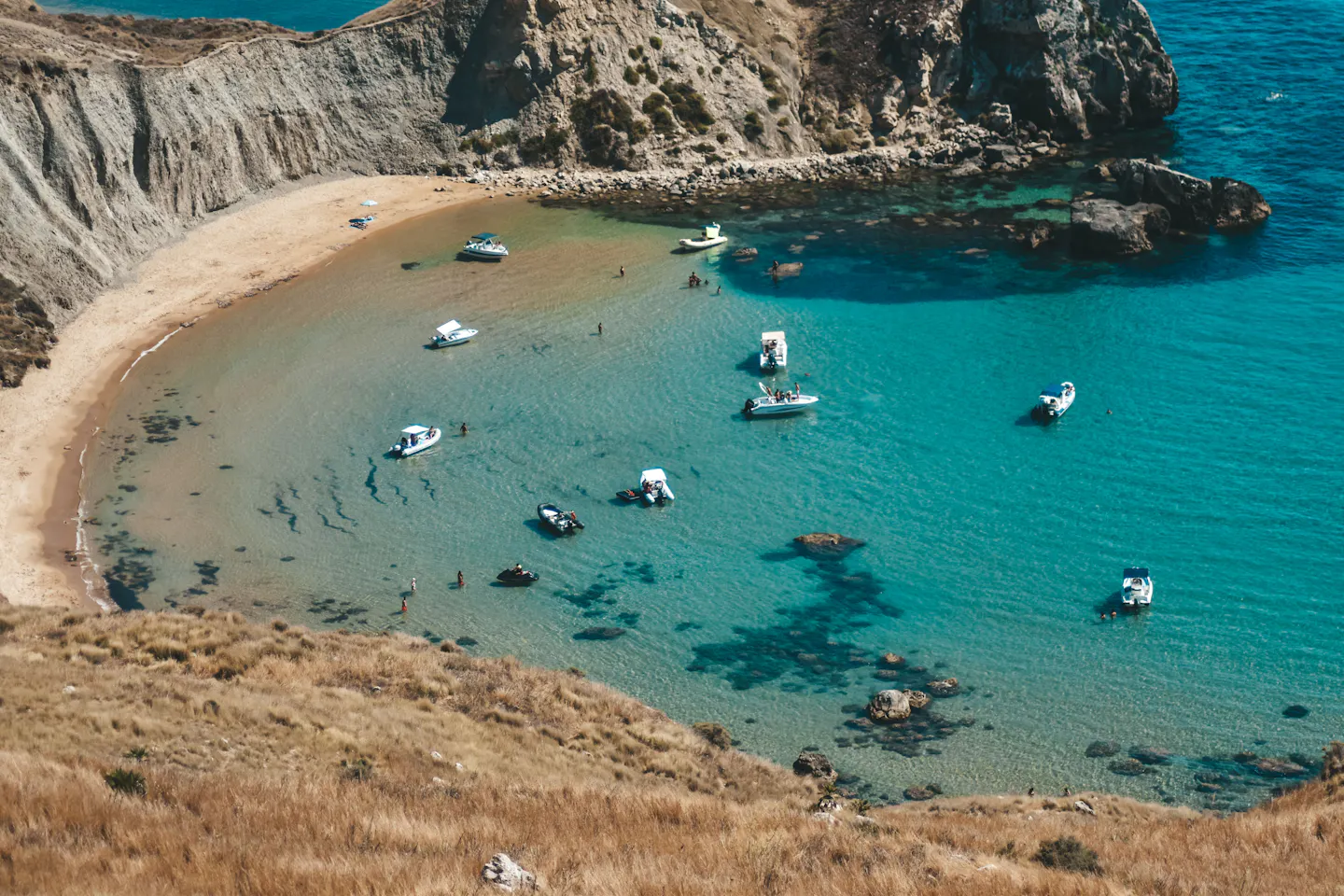
Cilento offers around 100 kilometres of coastline, with sandy beaches, rocky sections, sea caves, small bays, and fishing villages.
Around Marina di Camerota and Palinuro, the coast becomes especially dramatic, with hidden coves and beaches beneath limestone cliffs. Punta Licosa is quieter and more natural, with rocky beaches and a clear seabed.
What the sea is like in Cilento
The water is clear and generally warmer than the Atlantic or Baltic destinations on this list.
You can choose between traditional sandy beaches that are easy for swimming and smaller rocky coves that are better for snorkelling or boat trips.
How busy Cilento gets
Palinuro and Marina di Camerota are popular Italian seaside destinations, particularly during the domestic holiday season.
However, Cilento is spread across a much larger area than the Amalfi Coast. Travelers can choose quieter villages, natural beaches, and coves reached by foot or boat rather than depending on one small town.
What atmosphere to expect in Cilento
Cilento feels deeply southern Italian.
The beach is important, but so are long meals, village evenings, local produce, fishing traditions, and the surrounding countryside. It is less glamorous than the Amalfi Coast, but often more relaxed and varied.
What you can do beyond the Cilento beaches
Cilento is one of the strongest choices if you do not want the entire trip to revolve around swimming.
You can visit the archaeological sites of Paestum and Velia, explore fishing villages, take boat trips into sea caves, and discover the food culture connected to the Mediterranean diet.
Who should choose Cilento
Choose Cilento if you want a classic Italian summer with warm water, sandy beaches, good food, and enough cultural experiences to keep the holiday interesting.
It is a particularly good choice for couples, families, and travelers who find the Amalfi Coast beautiful but too concentrated and intense.
4. Asturias, Spain
Best for green cliffs, sandy bays, surfing, and cooler summers
What the Asturias beaches are like
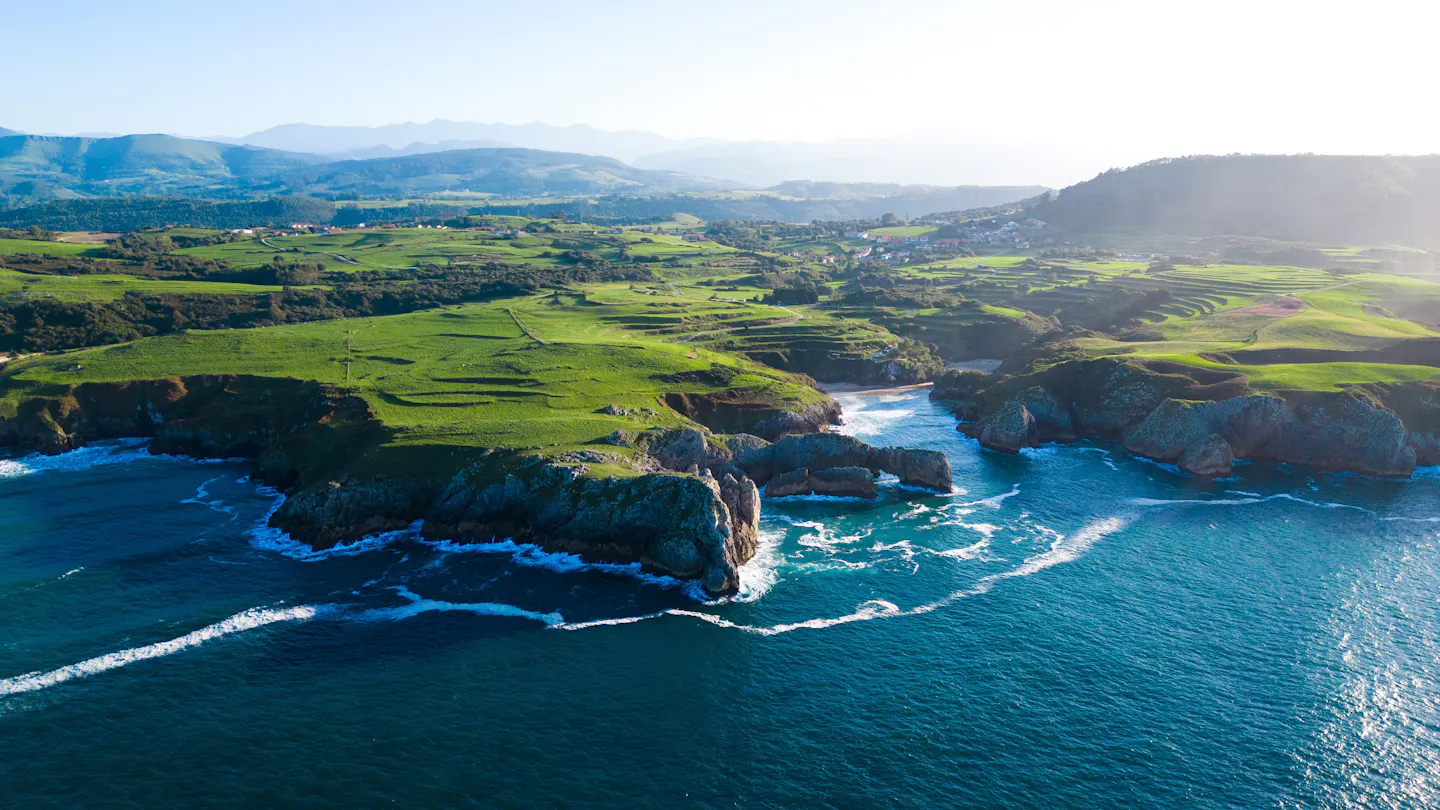
Asturias has one of Europe’s most distinctive coastlines. Green meadows and cliffs meet broad sandy beaches, protected inlets, caves, and rocky bays.
El Silencio sits beneath cliffs and is reached by steps. Cuevas de Mar is shaped by natural rock formations. Torimbia is a large white-sand crescent, while Poó becomes a calm natural inlet when the tide comes in.
What the Cantabrian Sea is like
The Cantabrian Sea is cooler and more powerful than the Mediterranean.
Some protected beaches, including Poó, offer calmer water. More exposed beaches can have moderate or strong waves and are better suited to surfers or confident swimmers. Rodiles is one of Asturias’ best-known surfing beaches.
How busy Asturias gets
Beaches near popular towns and those with easy road access can become busy during summer.
Asturias still gives you many alternatives because its coastline stretches for hundreds of kilometres. Quieter beaches often require a walk or have fewer services, while the most accessible urban beaches attract more visitors.
What atmosphere to expect in Asturias
Asturias feels green, local, and food-focused.
It is a good fit for travelers who want dramatic scenery and fishing villages rather than a classic Mediterranean-resort atmosphere. Weather can be more changeable, but that is also why the landscape remains so green.
What you can do beyond the Asturias beaches
Asturias is excellent for surfing, coastal walks, seafood, cider, and visits to towns such as Llanes, Ribadesella, and Cudillero.
You can also combine the coast with hiking in the Picos de Europa.
Who should choose Asturias
Choose Asturias if you want sandy beaches and beautiful coastal scenery without intense Mediterranean heat.
It is best for surfers, road trippers, food lovers, and travelers who do not need every day to feel like guaranteed sunbathing weather.
5. The Pelješac Peninsula, Croatia
Best for clear Adriatic water, pebble beaches, snorkelling, and wine
What the Pelješac beaches are like
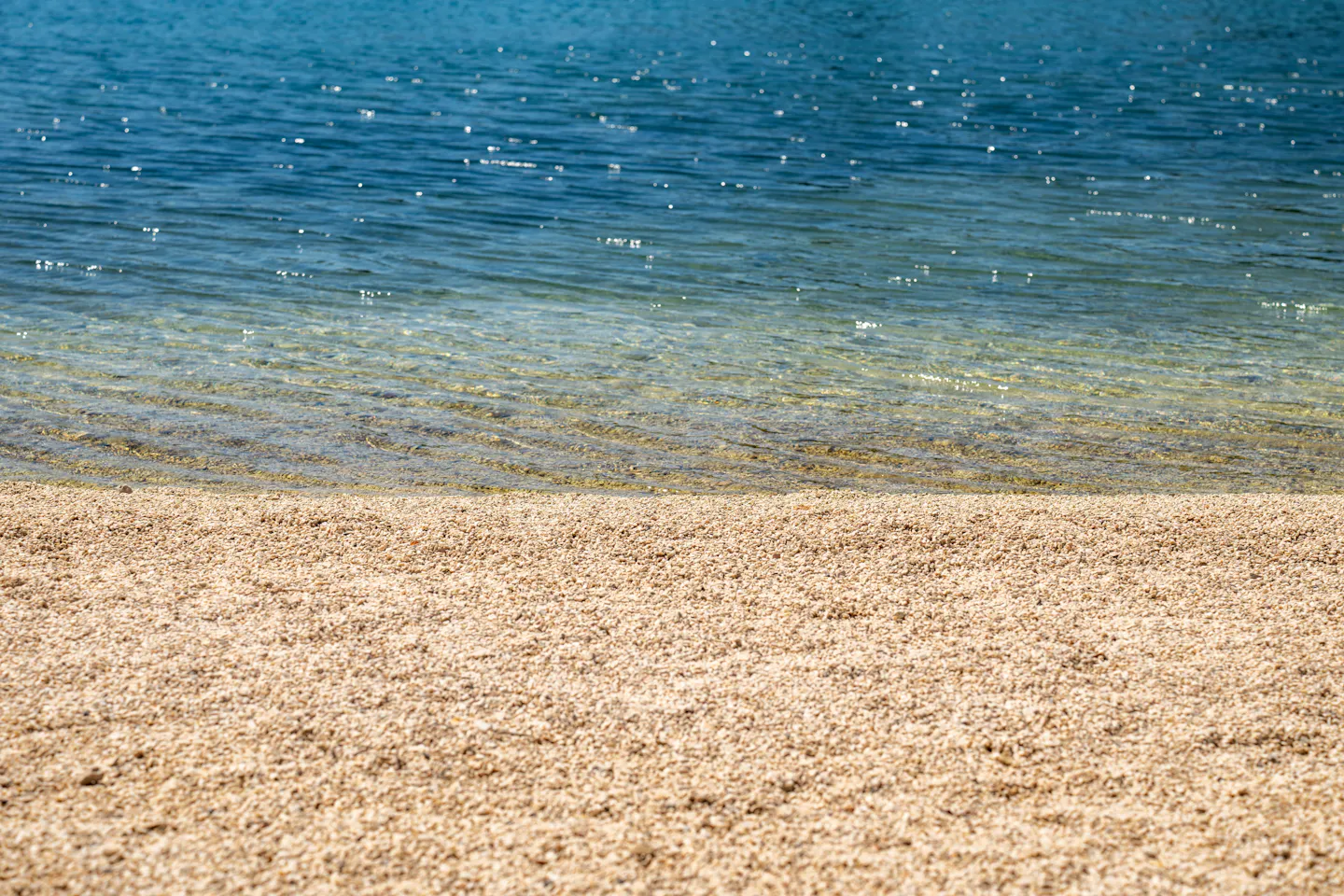
Pelješac offers small pebble beaches, sheltered bays, and several beaches with a mixture of sand and pebbles.
Divna Beach is surrounded by nature and attracts travelers looking for a peaceful bay. Trstenica near Orebić has more facilities and activities, while Podobuče is a small village beach that is particularly suitable for families.
What the Adriatic is like around Pelješac
The Adriatic water around Pelješac is usually clear and well suited to swimming and snorkelling.
Pebble beaches often create excellent visibility, although entering the water may feel less comfortable than walking into soft sand.
How busy Pelješac gets
Orebić and the easiest beaches become busier during summer, but the peninsula has many smaller villages and bays.
The experience feels quieter than staying close to Dubrovnik because visitors are spread across a long peninsula rather than concentrated in one historic city and its nearby beaches.
What atmosphere to expect on Pelješac
Pelješac is calm, traditional, and closely connected to food and wine.
It has fishing villages, vineyards, oyster farms, and a more relaxed evening atmosphere than Croatia’s major nightlife destinations.
What you can do beyond the Pelješac beaches
Pelješac is one of the best beach destinations for wine lovers.
The peninsula is known for Plavac Mali wines, while the area around Ston and Mali Ston is closely associated with oysters and shellfish. Viganj is also popular for windsurfing and other water sports.
Who should choose Pelješac
Choose Pelješac if you want clear water, snorkelling, wine, seafood, and small Croatian coastal villages.
It is best for couples, families, and travelers who prefer quiet evenings to clubs and large resorts.
6. The Luštica Peninsula, Montenegro
Best for clear coves, boat trips, rocky swimming, and a romantic atmosphere
What the Luštica beaches are like
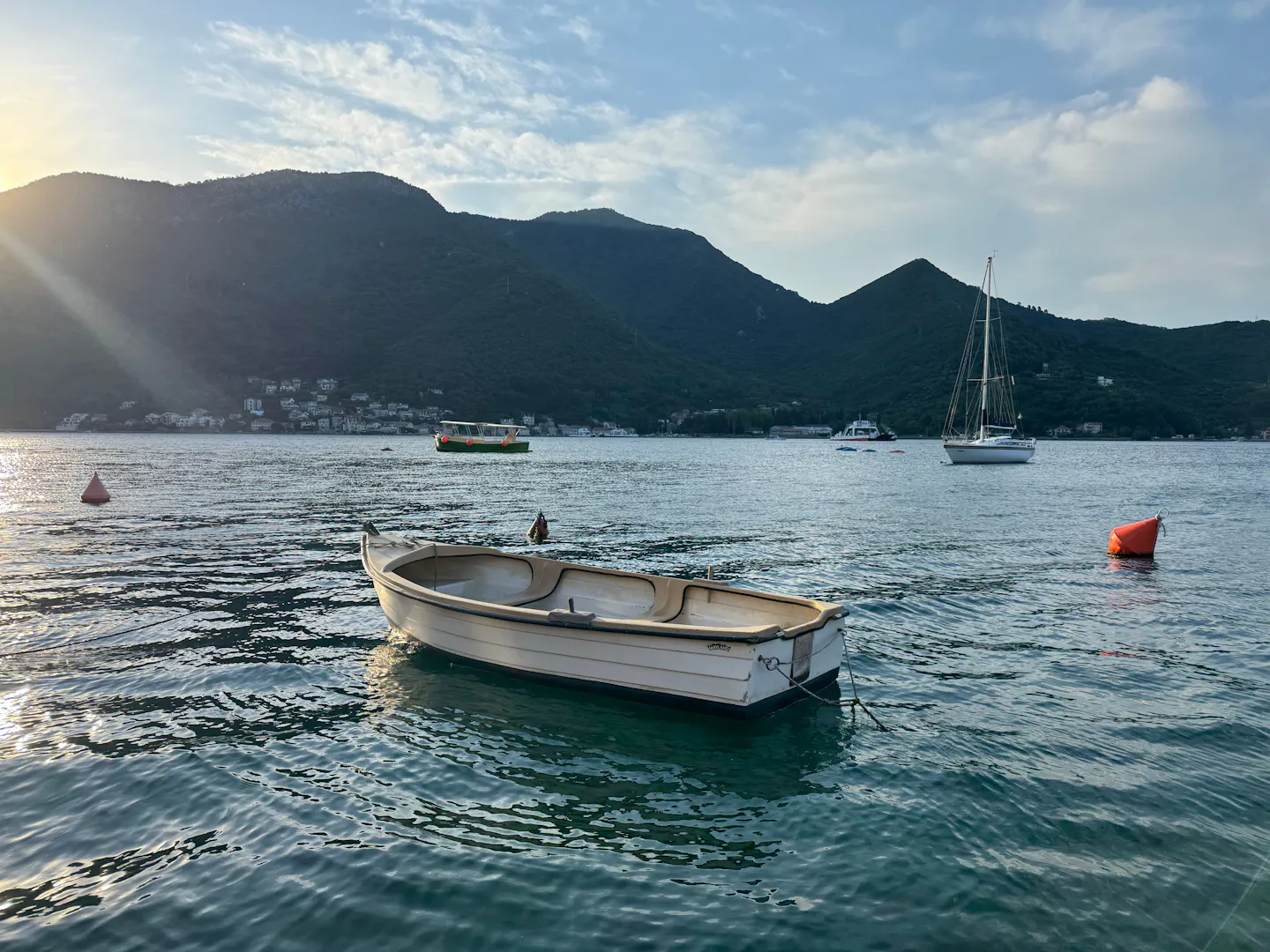
Luštica has pebble beaches, rocky coves, small bays, and swimming spots reached more easily by boat.
Žanjice is one of its best-known beaches and offers sunbeds and services. More natural places such as Camp Veslo have rocky coastlines, turquoise water, and very little beach furniture.
What the sea is like around Luštica
The water is clear and often excellent for swimming, snorkelling, kayaking, and boat trips.
Some beaches have comfortable pebble entries, while more remote coves are better for confident swimmers who are comfortable entering from rocks.
How busy Luštica gets
Žanjice attracts regular boat trips from Herceg Novi and becomes lively during the day.
Luštica still offers a quieter overall experience than Budva because the coastline includes smaller coves, traditional villages, and swimming spots that are less accessible.
What atmosphere to expect on Luštica
Luštica has two sides.
Some areas now offer polished marinas and beach clubs, while others still feel rural and traditional, with olive groves, stone villages, and small waterfront settlements.
What you can do beyond the Luštica beaches
Boat trips to the Blue Cave are one of the main activities. Kayaking, paddleboarding, and visiting the village of Rose also fit naturally into a stay on the peninsula.
Who should choose Luštica
Choose Luštica if you want clear Adriatic water and romantic coves without spending your entire holiday in busy Kotor or Budva.
It is especially good for couples, boat trips, and travelers who like rocky swimming areas more than long sandy beaches.
7. Sinemorets, Bulgaria
Best for natural sand, warm Black Sea water, and a low-key atmosphere
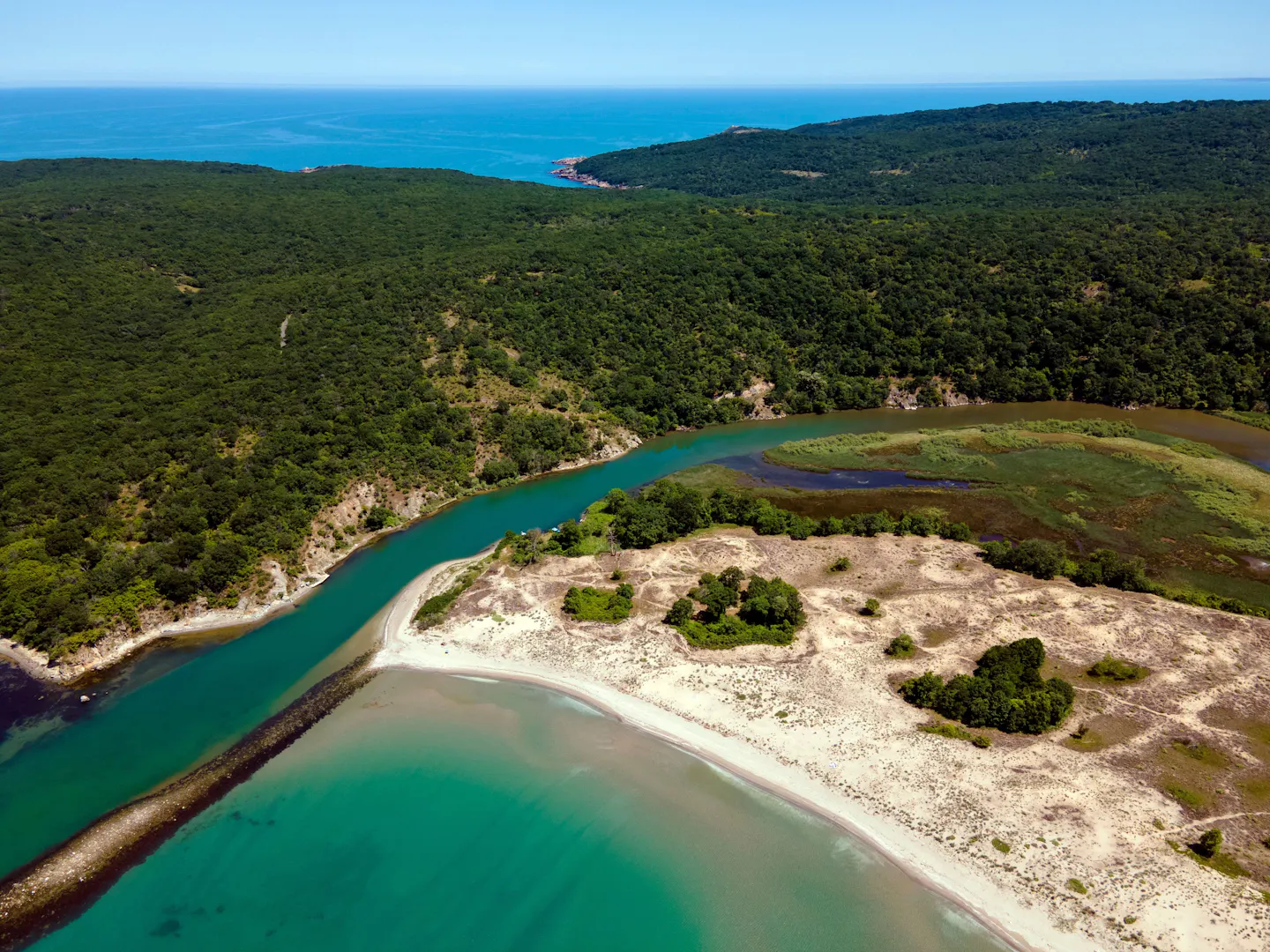
What the Sinemorets beaches are like
Sinemorets is known for natural sandy beaches framed by forest, rivers, and undeveloped coastline.
Veleka Beach sits where the Veleka River meets the Black Sea. Butamyata is closer to the village and has more facilities, while Lipite and Silistar feel more natural and remote.
Silistar is recognised as one of the most picturesque beaches on Bulgaria’s southern Black Sea coast and is surrounded by rich vegetation and wildlife.
What the Black Sea is like
The Black Sea is generally warmer than the Atlantic and Baltic during summer.
Conditions vary between open beaches and more protected bays. Veleka’s river-mouth setting also creates an unusual landscape where river and sea water meet.
How busy Sinemorets gets
Sinemorets becomes livelier during summer, particularly around Butamyata and Veleka.
It remains much smaller and less developed than Bulgaria’s large resort areas. Walking farther along the coast or choosing beaches outside the village usually brings a quieter atmosphere.
What atmosphere to expect in Sinemorets
The mood is casual, simple, and close to nature.
This is not a destination built around luxury beach clubs or polished promenades. The appeal comes from forest, sand, small restaurants, and a relaxed village rhythm.
What you can do beyond the Sinemorets beaches
The surrounding Strandzha Nature Park offers hiking and wildlife experiences. The Veleka River is also suitable for kayaking and small boat trips.
Who should choose Sinemorets
Choose Sinemorets if you want a natural sandy beach holiday with a relaxed atmosphere and do not need luxury infrastructure.
It suits nature lovers, couples, and travelers looking for a simpler and potentially better-value summer trip.
8. Gozo, Malta
Best for snorkelling, diving, rocky bays, and warm water
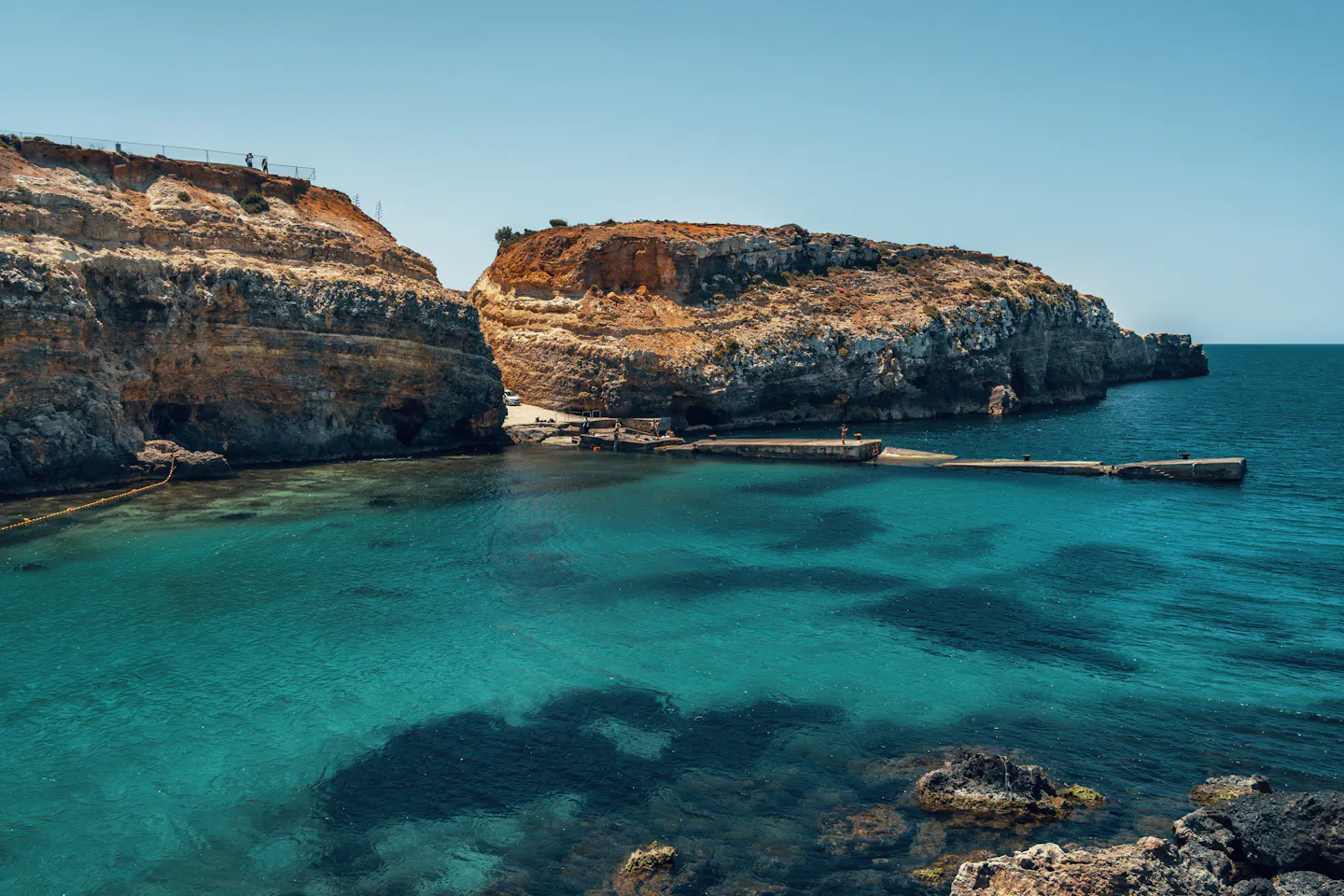
What the Gozo beaches are like
Gozo has only a few classic sandy beaches. Ramla Bay is the largest and most famous, with distinctive red sand, while San Blas is smaller and more secluded.
Much of Gozo’s best swimming happens at rocky bays, narrow inlets, and mixed sand-and-pebble beaches such as Dwejra, Wied il-Għasri, Mġarr ix-Xini, and Hondoq Bay.
What the sea is like around Gozo
The water is warm, clear, and especially good for swimming, snorkelling, and diving. Gozo’s official tourism board reports summer sea temperatures reaching around 27°C.
Because the island is small, you can often move to another side if wind affects one bay.
How busy Gozo gets
Ramla Bay and the easiest swimming areas become popular.
Smaller rocky inlets and beaches reached by steeper paths tend to remain quieter. San Blas, for example, feels more secluded partly because reaching it takes more effort.
What atmosphere to expect on Gozo
Gozo feels active but relaxed.
It has historic villages, small seaside towns, diving centres, and restaurants, but it is generally calmer than Malta’s most developed areas.
What you can do beyond the Gozo beaches
Gozo is the strongest destination on this list for diving.
Dwejra offers deep-water swimming, the Inland Sea, and the Blue Hole, while other areas support snorkelling, kayaking, hiking, and coastal exploration.
Who should choose Gozo
Choose Gozo if being in the water matters more than having a long sandy beach.
It is ideal for divers, snorkellers, active couples, and travelers who enjoy rocky coastlines and clear Mediterranean water.
9. Bornholm, Denmark
Best for soft white sand, families, cycling, and a cooler summer
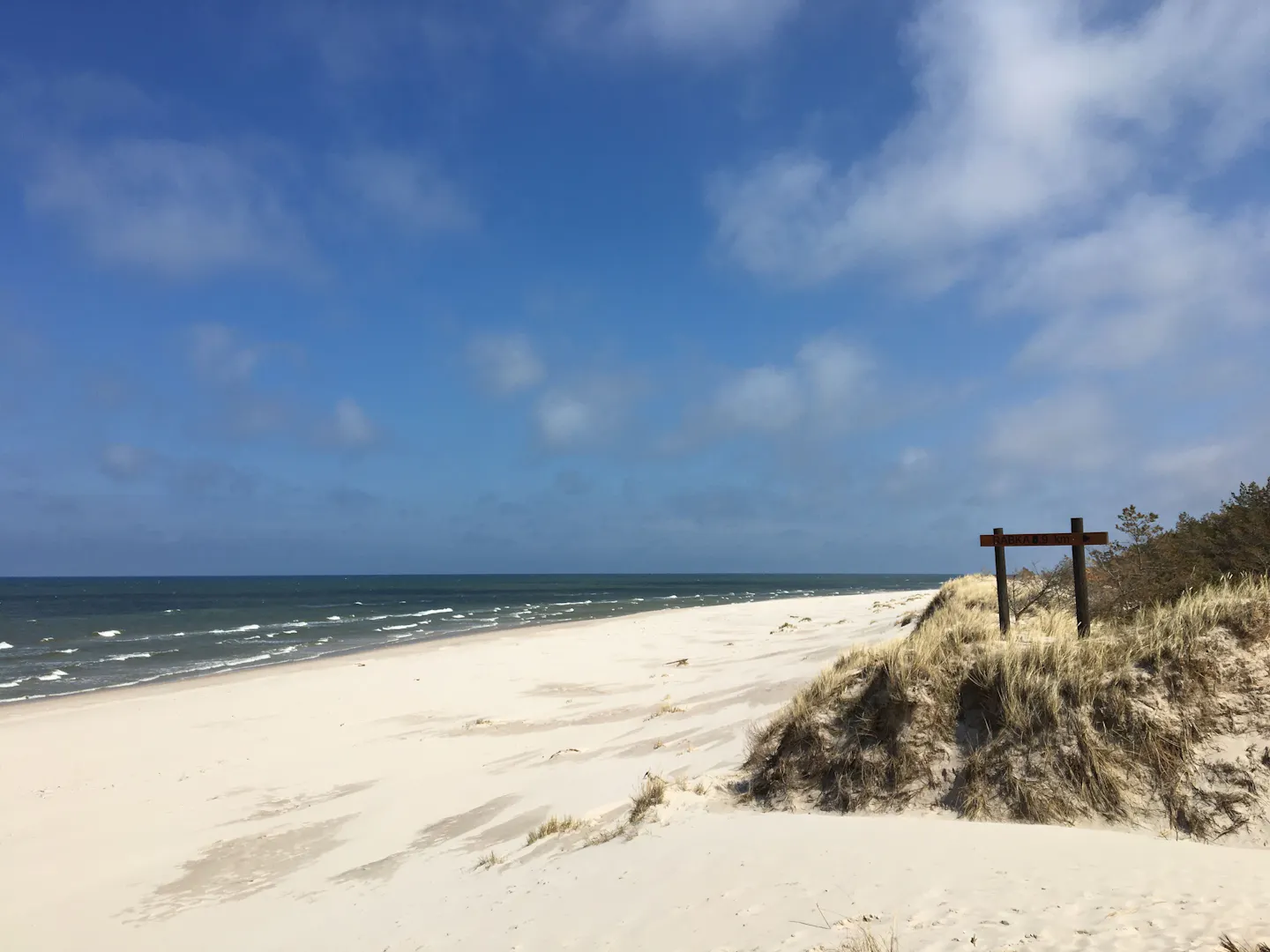
What the Bornholm beaches are like
Bornholm has some of northern Europe’s most impressive sandy beaches.
Dueodde stretches for several kilometres and is known for exceptionally fine, pale sand. Balka is wide, gently sloping, and especially suitable for families. Smaller beaches around Boderne and Hasle offer a more natural and peaceful experience.
What the Baltic is like around Bornholm
The Baltic water is cooler than the Mediterranean, but southern beaches can offer shallow and relatively calm swimming.
Dueodde has sandbanks and varying depths, while Balka is sheltered and known for shallow water.
How busy Bornholm gets
Dueodde and Balka are popular, but their length makes it easier to find space.
Moving away from the main entrances or choosing quieter beaches such as Hasle and Boderne gives you a calmer experience, even during summer.
What atmosphere to expect on Bornholm
Bornholm combines Scandinavian design, fishing villages, cycling culture, bakeries, smokehouses, and relaxed seaside towns.
The evenings are calm, and the destination feels more family-friendly than glamorous.
What you can do beyond the Bornholm beaches
Cycling is one of Bornholm’s biggest strengths. The island has coastal routes linking beaches, villages, harbours, and food stops.
Water sports, lighthouse visits, coastal walks, and traditional smokehouses add enough variety for a longer trip.
Who should choose Bornholm
Choose Bornholm if soft sand matters more than hot water.
It is excellent for families, cyclists, and travelers who want long beach days without southern European heat or nightlife.
10. Saaremaa, Estonia
Best for peaceful beaches, shallow water, nature, and slow island life
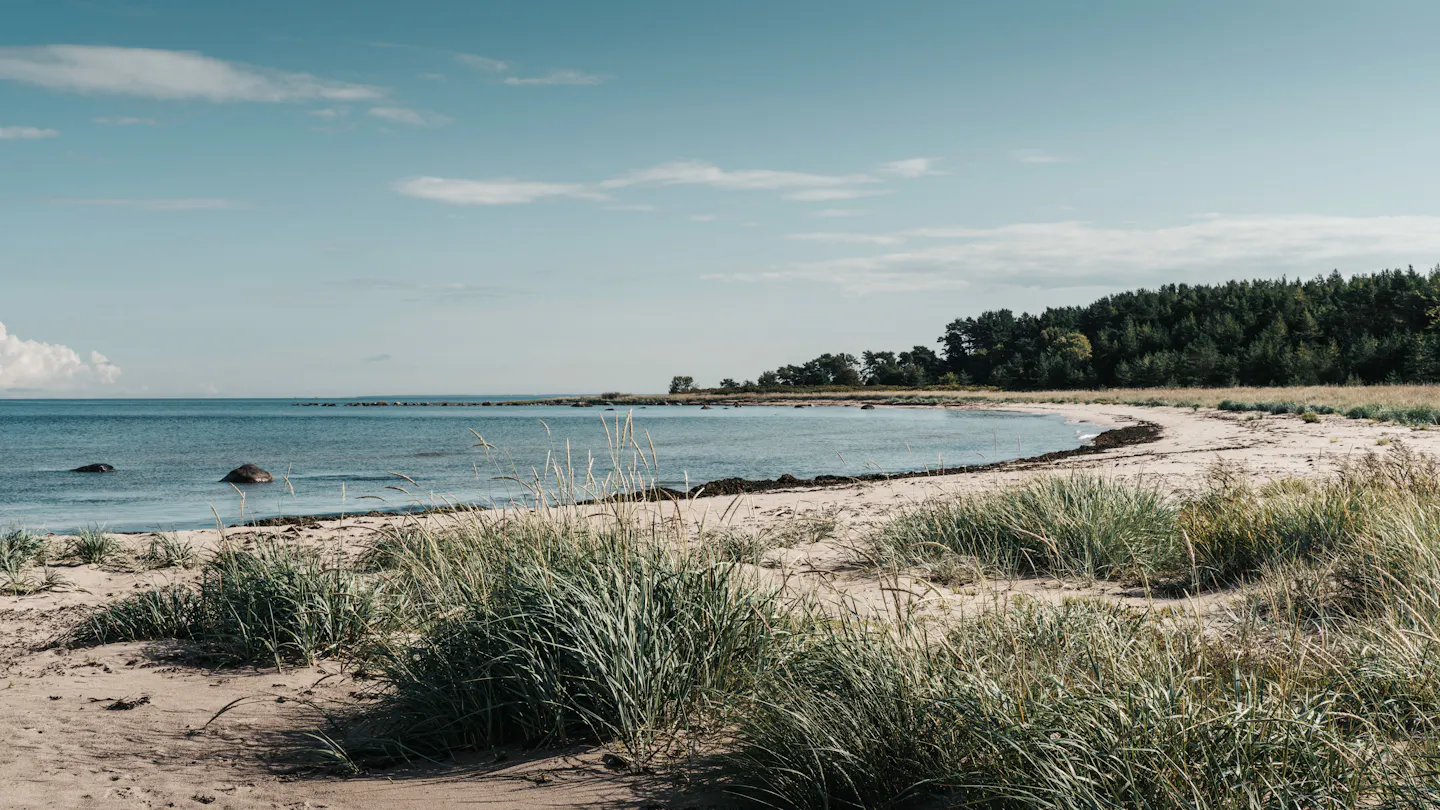
What the Saaremaa beaches are like
Saaremaa has sandy beaches, calm bays, and long stretches of quiet coastline.
The beaches are generally natural rather than highly developed. The experience is about space, sea views, pine forests, and a slower rhythm rather than rows of sunbeds.
What the Baltic is like around Saaremaa
The Baltic Sea is cooler than the Mediterranean and can feel very refreshing even in summer.
Many coastal areas are shallow and calm, which can make them comfortable for relaxed bathing and family trips. Windier parts of the island attract kitesurfers and other water-sports enthusiasts.
How busy Saaremaa gets
Saaremaa is one of the quietest destinations on this list.
Beaches close to Kuressaare attract more visitors, but the island has a large coastline and many natural areas where it is easy to find space.
What atmosphere to expect on Saaremaa
The atmosphere is peaceful, rural, and deeply connected to nature.
Expect small villages, windmills, juniper landscapes, spas, quiet roads, and simple seaside days rather than a major resort scene.
What you can do beyond the Saaremaa beaches
Saaremaa is good for cycling, kayaking, sailing, kitesurfing, nature, and cultural sights.
Kuressaare Castle, the Kaali meteorite crater, Angla windmills, and Panga Cliff give you plenty to explore away from the water.
Who should choose Saaremaa
Choose Saaremaa if your idea of a perfect beach holiday is quiet, slow, and surrounded by nature.
It is best for couples, families, cyclists, and travelers who care more about peace than warm tropical-style water.
FAQ: Quiet Beach Destinations in Europe
Which of these destinations has the warmest water?
Gozo, Cilento, Alonnisos, and Pelješac are the warmest choices. Gozo’s official tourism board reports summer sea temperatures reaching around 27°C. Sinemorets on the Black Sea is also generally warmer than the Atlantic and Baltic destinations on this list.
Which quiet European beaches are best for families?
Cilento, Pelješac, Bornholm, and Saaremaa. Bornholm’s Balka is wide, gently sloping, and known for shallow water, while Podobuče on Pelješac is a small village beach that suits families. Saaremaa’s coast is largely shallow and calm.
Where should I go for surfing rather than calm swimming?
Costa Vicentina and Asturias. The Costa Vicentina is popular with surfers and bodyboarders, with beaches such as Amado and Arrifana, while Rodiles is one of Asturias’ best-known surfing beaches. Both sit on the Atlantic, so expect cooler water and stronger waves.
Which destination is best for snorkelling and diving?
Gozo is the strongest choice for diving, with Dwejra, the Inland Sea, and the Blue Hole. Alonnisos is the other standout, sitting inside the National Marine Park of Alonnisos and Northern Sporades. Pelješac and Luštica are both excellent for snorkelling in clear Adriatic water.
Are these beaches actually empty in July and August?
No. These places are quieter than Europe’s most famous beach resorts, but they are not completely empty in peak summer. The advantage is longer coastlines, smaller towns, more beach choices, and fewer large resort areas concentrating everyone in the same place.
Find the Right Beach Destination With EasyMiles
A beautiful beach is not automatically the right beach for your holiday.
You may want warm and shallow water, soft sand, a quiet cove for snorkelling, reliable surf, family-friendly facilities, or a beach with excellent restaurants nearby. You may want somewhere completely peaceful or a small coastal town that still feels lively in the evening.
EasyMiles creates a complete travel itinerary based exactly on your destination, dates, interests, food preferences, and preferred travel pace.
Instead of giving every traveler the same list of famous beaches, EasyMiles helps you find places that match your preferences exactly. It then combines the right beaches, restaurants, activities, and local experiences into a realistic itinerary created for the way you actually want to travel.