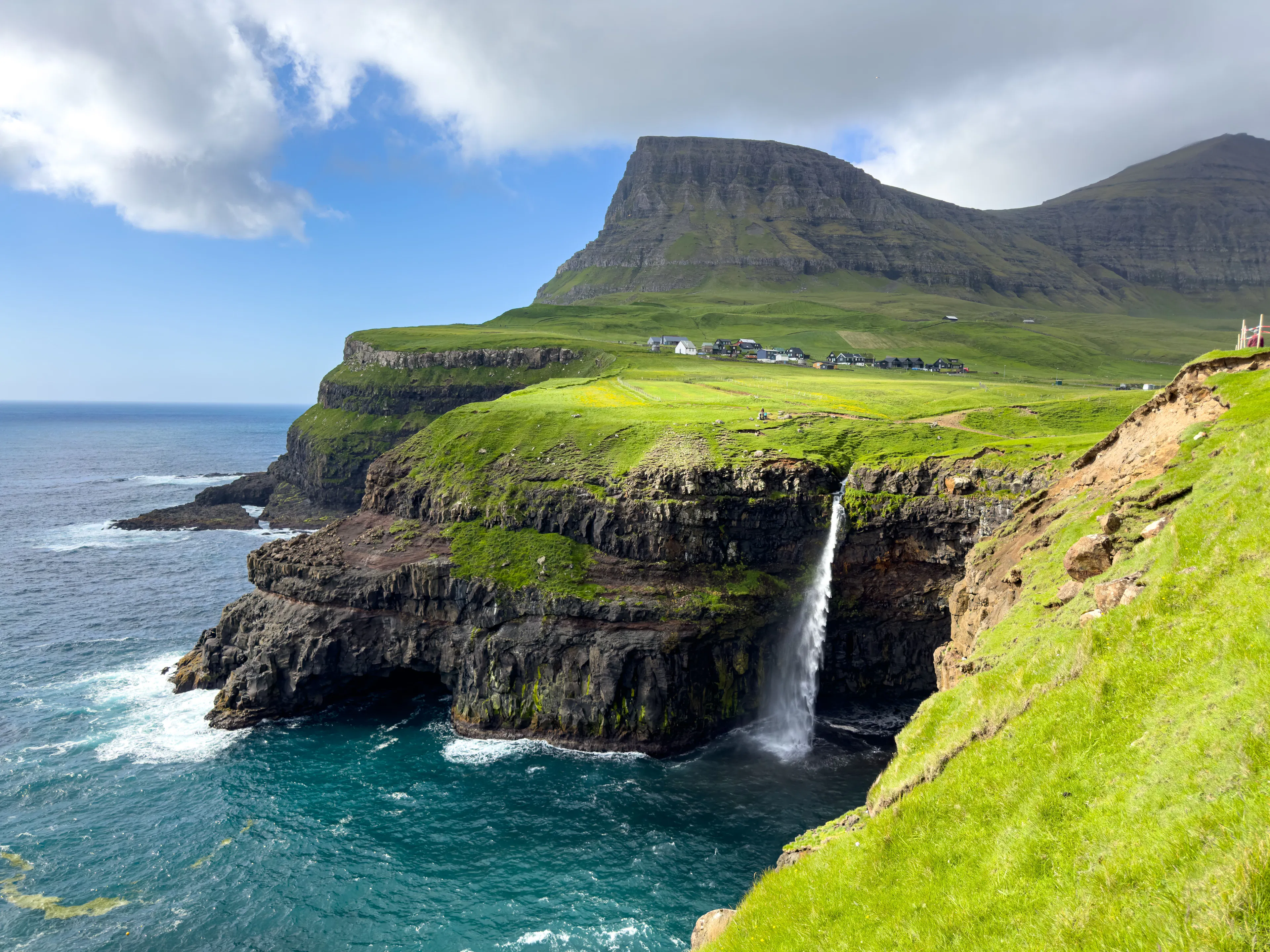
The best European destinations for a summer trip without extreme heat are Iceland, the Faroe Islands, Scotland, western Norway, Stockholm and its archipelago, Estonia, Denmark, Ireland, the Azores, and the Slovenian Alps.
These destinations are good alternatives to the hottest parts of Italy, Spain, Greece, Portugal, and Croatia in July and August. You can still enjoy long summer days, beautiful landscapes, outdoor restaurants, beaches, hiking, and road trips without planning every activity around the midday heat.
Here is the quick answer:
- Iceland is best for waterfalls, volcanic landscapes, road trips, and very long summer days.
- The Faroe Islands are best for cool weather, dramatic cliffs, quiet villages, and hiking.
- Scotland is best for combining a lively city break with castles, islands, lochs, and mountain scenery.
- Western Norway is best for fjords, scenic train journeys, waterfalls, and outdoor adventures.
- Stockholm and its archipelago are best for a stylish city trip mixed with swimming, boating, and island hopping.
- Estonia is best for medieval Tallinn, Baltic beaches, forests, islands, and peaceful summer evenings.
- Denmark is best for cycling, design, coastal towns, city beaches, and relaxed Scandinavian summer life.
- Ireland is best for green coastal road trips, small towns, cliffs, traditional pubs, and mild temperatures.
- The Azores are best for volcanic lakes, whale watching, hot springs, and a greener alternative to mainland Portugal.
- The Slovenian Alps are best for lakes, mountain villages, rivers, hiking, and a warmer summer trip without Mediterranean-level heat.
No European destination can guarantee cool weather every day. Heatwaves can reach northern countries too. However, coastal, island, northern, and mountain destinations generally give you a much better chance of comfortable temperatures than inland and southern European cities.
Iceland: Best for Waterfalls, Volcanoes, and a Summer Road Trip
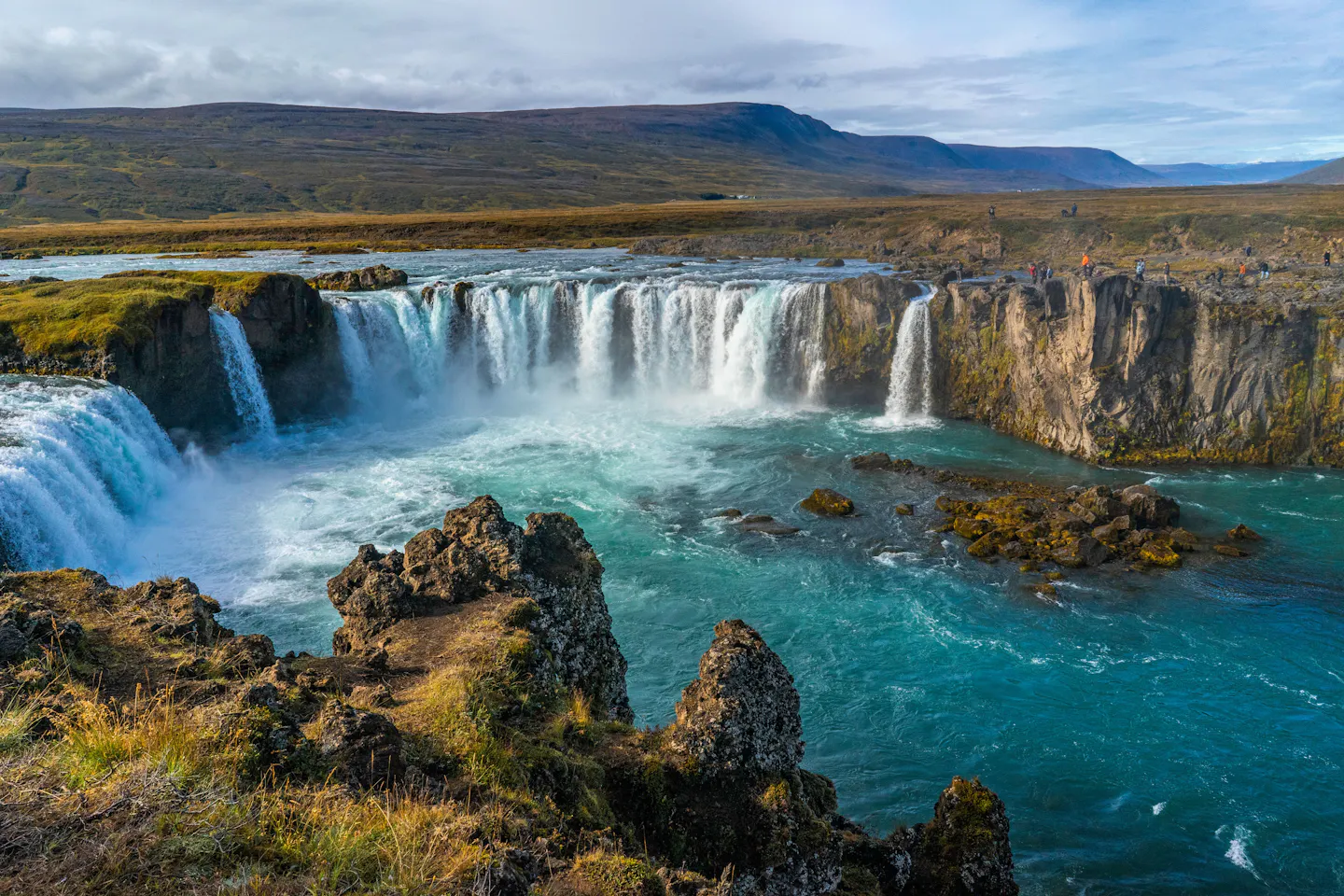
Iceland is one of the most obvious choices when you want a European summer holiday without worrying about extreme heat.
Summer weather is normally cool, although conditions can change quickly. One moment you may have sunshine over a waterfall, and an hour later you may be driving through rain or fog. That unpredictability is part of the Iceland experience, but it also means you can spend full days exploring without feeling exhausted by the heat. Iceland’s official tourism site recommends keeping plans flexible because wind, rain, and other conditions can change suddenly.
Why Iceland works so well in summer
The biggest advantage is the daylight. Around midsummer, it barely becomes dark, so you have much more freedom when planning your days.
You do not need to rush through the Golden Circle at the same time as every tour bus. You can visit waterfalls later in the evening, stop whenever the landscape looks interesting, and take long drives without feeling like the day is disappearing.
Summer is also one of the easiest seasons for visiting the Highlands, hiking, seeing puffins, taking whale-watching tours, and driving routes that can be difficult or inaccessible during winter.
Best places to visit in Iceland
Start with a day or two in Reykjavík for bakeries, seafood, geothermal pools, museums, and evenings around the Old Harbour.
From there, you can build a route around:
- Þingvellir, Geysir, and Gullfoss on the Golden Circle
- Seljalandsfoss and Skógafoss waterfalls
- The black beaches and sea cliffs around Vík
- Jökulsárlón glacier lagoon
- The Snæfellsnes Peninsula
- Akureyri and Lake Mývatn in northern Iceland
For a shorter trip, combine Reykjavík with the Golden Circle and South Coast. For a longer trip, drive the Ring Road, but give yourself enough time for weather changes and unexpected stops.
Best for: couples, road trippers, photographers, hikers, nature lovers, and travelers who do not mind changeable weather.
The Faroe Islands: Best for Truly Cool Summer Weather
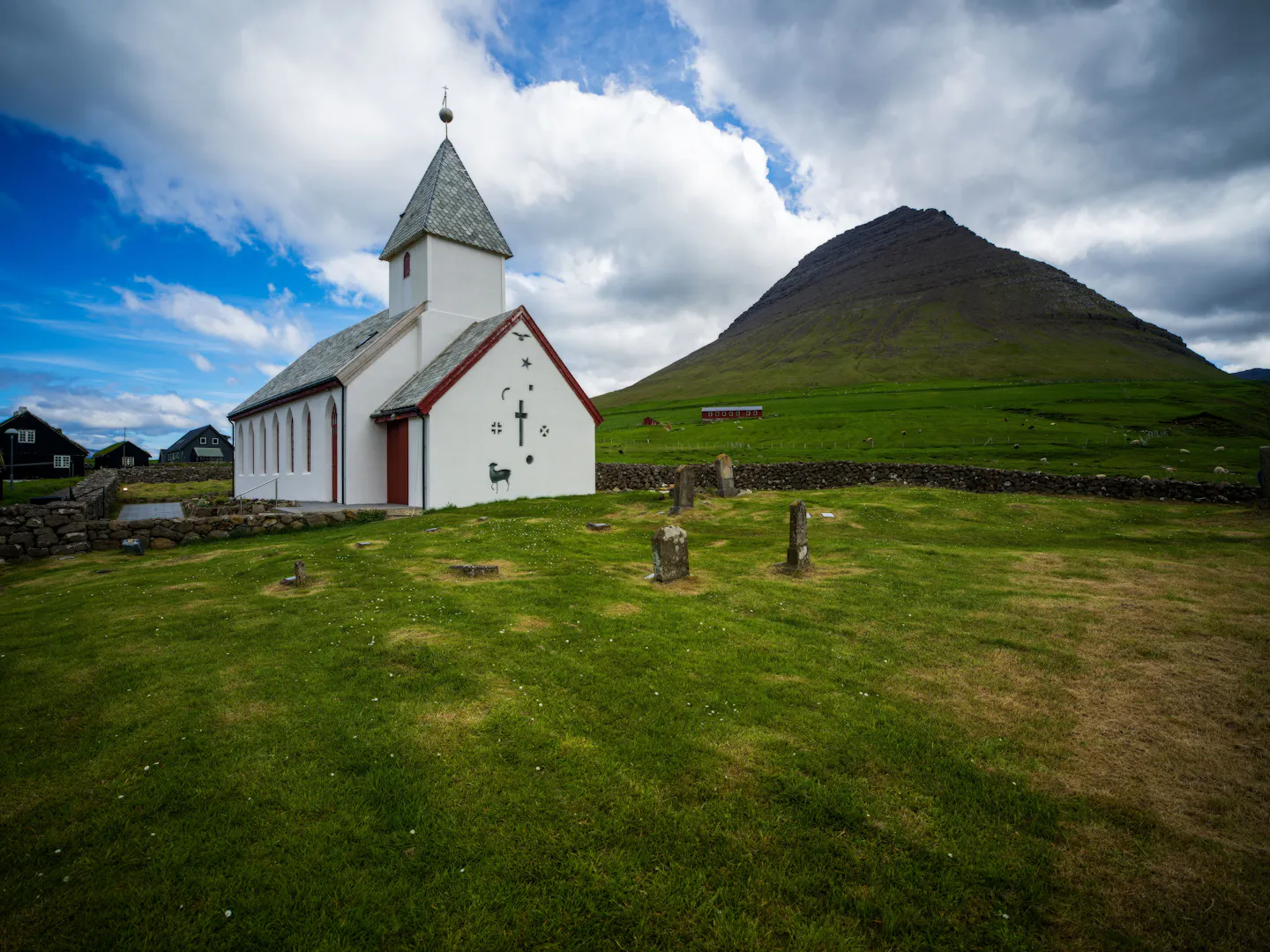
The Faroe Islands are one of Europe’s best destinations when avoiding heat is the main priority.
Average summer temperatures are usually around 10°C to 13°C, while July temperatures commonly sit between roughly 9°C and 14°C. The weather is often windy and can change quickly, but long daylight hours make summer the easiest season for hiking and exploring the islands.
This is not a classic sunshine holiday. It is a trip built around wild landscapes, sea air, green mountains, waterfalls, and villages that look almost unreal.
What makes the Faroe Islands special
The distances are relatively short, but almost every drive feels dramatic. Roads curve around fjords, pass through tunnels, and connect tiny villages surrounded by cliffs.
Some of the best experiences include:
- Seeing Múlafossur waterfall drop into the ocean near Gásadalur
- Hiking above Sørvágsvatn lake
- Visiting the village of Saksun
- Driving to Gjógv and walking around its natural gorge
- Taking a boat trip beneath the Vestmanna sea cliffs
- Exploring Tórshavn’s old Tinganes district
- Visiting Mykines during the seabird season
The weather can affect boats, hikes, and visibility, so avoid creating an itinerary where every hour depends on perfect conditions. Give yourself several possible activities for each day.
The Faroe Islands are also not the place for a rushed three-day checklist. Five to seven days gives you a much better chance of seeing the landscapes in different weather and visiting more than one island properly.
Best for: hikers, photographers, couples, slow travelers, and anyone who enjoys remote places more than busy resorts.
Scotland: Best for Cities, Castles, Islands, and the Highlands
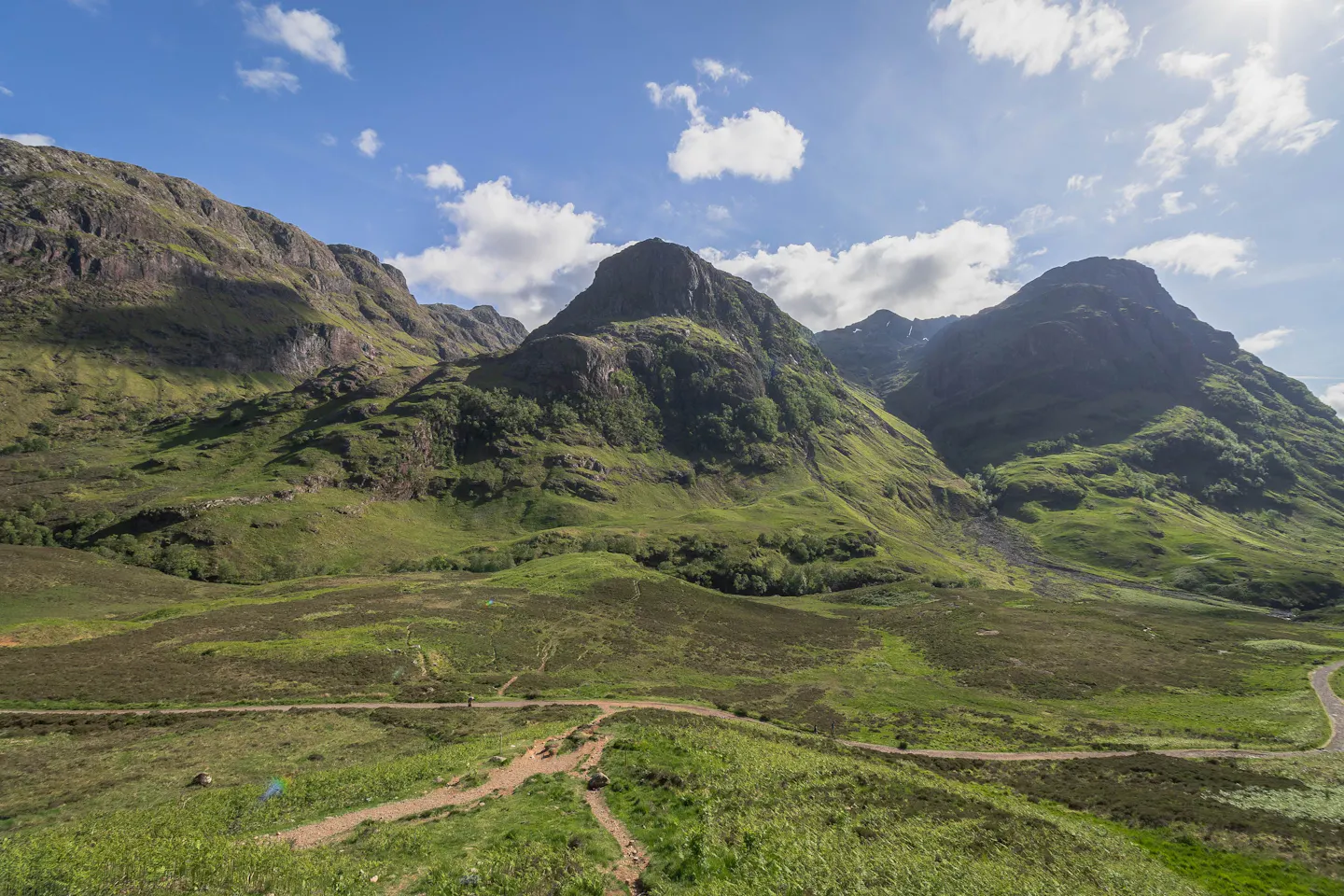
Scotland gives you much more variety than people sometimes expect from a cool-weather summer destination.
You can start with restaurants, museums, and festivals in Edinburgh, continue through the Highlands, visit castles and whisky distilleries, and finish the trip beside a quiet beach or on a small island.
June, July, and August are normally Scotland’s warmest months, but average maximum temperatures are only around 17°C. The northern location also brings long evenings, especially around midsummer.
Best places to include in a Scotland itinerary
Edinburgh is a strong starting point. Walk the Royal Mile, climb Arthur’s Seat, visit the National Museum of Scotland, explore Stockbridge, and spend an evening in one of the city’s old pubs.
From Edinburgh, you could continue to:
- Glencoe for mountain scenery and short hikes
- Fort William for access to Ben Nevis and the West Highland landscape
- Glenfinnan for the famous viaduct and views over Loch Shiel
- The Isle of Skye for cliffs, waterfalls, villages, and coastal drives
- Cairngorms National Park for forests, wildlife, and hiking
- Oban for seafood and ferries to the islands
- The Outer Hebrides for white beaches and a quieter trip
Scotland is also excellent for train travel. The West Highland Line is an experience by itself, passing lochs, remote stations, moorland, and mountain scenery.
Summer is peak season, particularly in Edinburgh during August and on popular Highland routes. It is worth building a route with a mix of famous places and less obvious stops instead of trying to follow the same road-trip itinerary as everyone else.
Best for: history lovers, hikers, couples, families, road trippers, festival visitors, and travelers who want both cities and nature.
Western Norway: Best for Fjords and Scenic Journeys
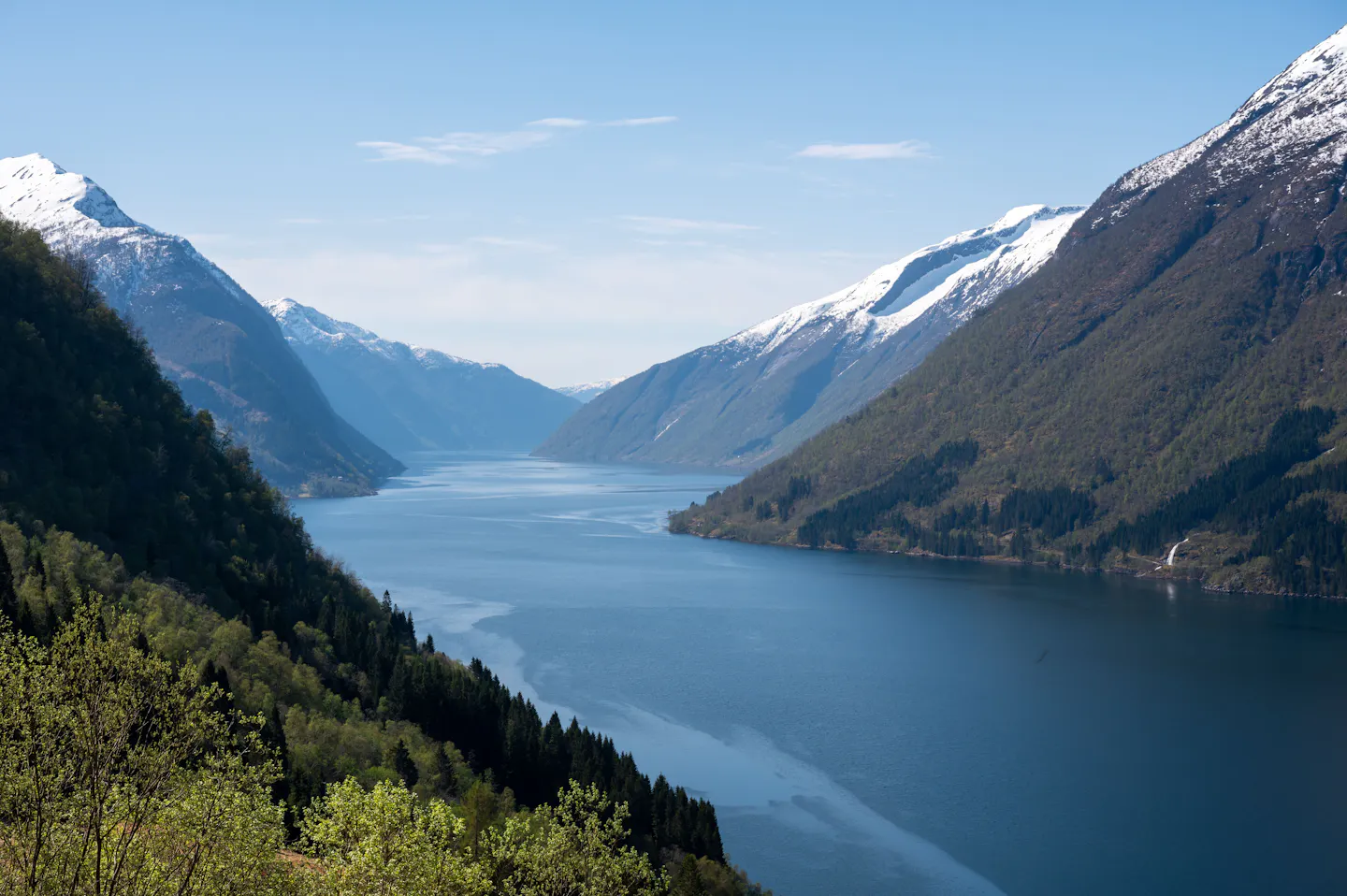
Western Norway is a brilliant summer alternative to southern Europe, especially when you want dramatic nature but still prefer comfortable cities and reliable transport.
Norway’s weather varies significantly between regions. Inland and southern areas can occasionally become hot, but the fjord region has a wetter and milder coastal climate. Higher mountain areas commonly remain cooler, with summer daytime temperatures often around 15°C to 19°C at elevations above 1,000 metres.
Where to go in western Norway
Bergen is the natural starting point. Spend time around Bryggen, take the Fløibanen funicular for city views, visit the fish market, and explore the city’s cafés and museums.
Then continue into the fjords. Some of the strongest routes include:
- Bergen to Flåm by train, boat, and the Flåm Railway
- Nærøyfjord for narrow waterways and steep mountain walls
- Aurlandsfjord and the Stegastein viewpoint
- Hardangerfjord for waterfalls, orchards, and scenic drives
- Geirangerfjord for viewpoints and boat trips
- Loen for the skylift, lakes, and mountain walks
- Ålesund for Art Nouveau architecture and access to the surrounding coast
Norway works particularly well when the journey is part of the trip. A train, ferry, or scenic road can be just as memorable as the place you are traveling to.
Do not try to include every famous fjord in one week. Choose one region and explore it properly. Otherwise, the trip quickly becomes a collection of long transfers with very little time beside the water.
Best for: active couples, hikers, photographers, families, train travelers, and anyone planning a nature-focused trip.
Stockholm and the Swedish Archipelago: Best for a City and Island Trip
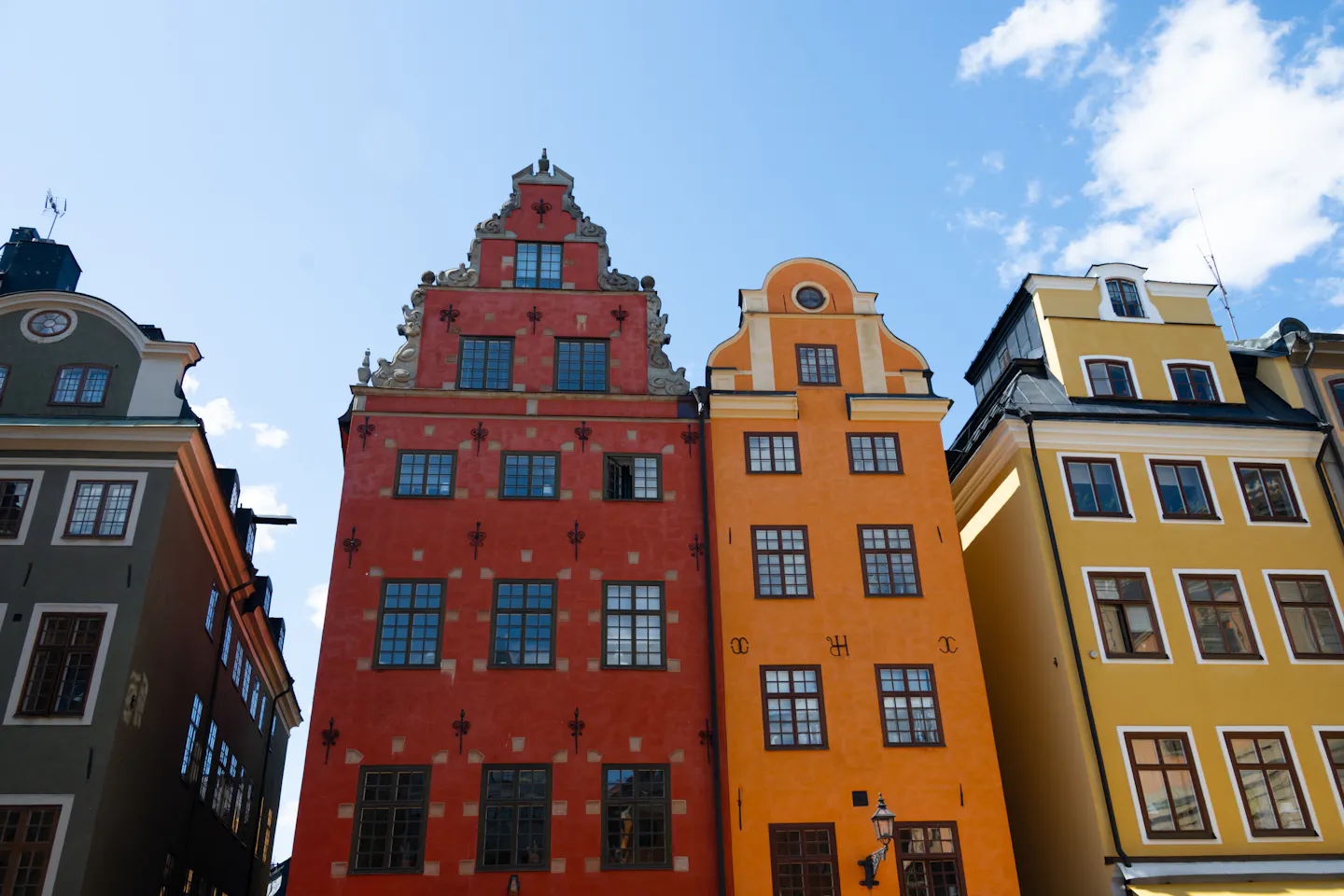
Stockholm is a good choice when you want a proper European city break without spending your afternoons hiding from the sun.
Southern Sweden normally has pleasant summer temperatures, often around 20°C to 25°C. Hotter days are possible, but the city’s waterfront location and access to thousands of nearby islands make it easier to balance sightseeing with time beside the water.
What to do in Stockholm in summer
Begin in Gamla Stan, Stockholm’s historic centre. Explore its narrow streets, visit the Royal Palace, and continue to the waterfront around Skeppsholmen.
Other highlights include:
- The Vasa Museum
- Fotografiska
- The Nordic Museum
- A walk around Djurgården
- Swimming from one of the city’s bathing areas
- Restaurants and cafés around Södermalm
- A boat tour through the city
- A day at the open-air Skansen museum
But the main reason to choose Stockholm in summer is the archipelago.
You can take a ferry to islands such as Vaxholm, Grinda, Sandhamn, or Möja. Depending on the island, your day might include swimming, cycling, seafood, kayaking, forest walks, or simply sitting beside the water.
For a more relaxed trip, spend several nights in Stockholm and then stay on one island instead of treating the archipelago as a rushed day tour.
Best for: city-break travelers, couples, design lovers, families, food lovers, and people who want urban culture with easy access to nature.
Estonia: Best for Long Evenings, Islands, Forests, and Medieval Tallinn
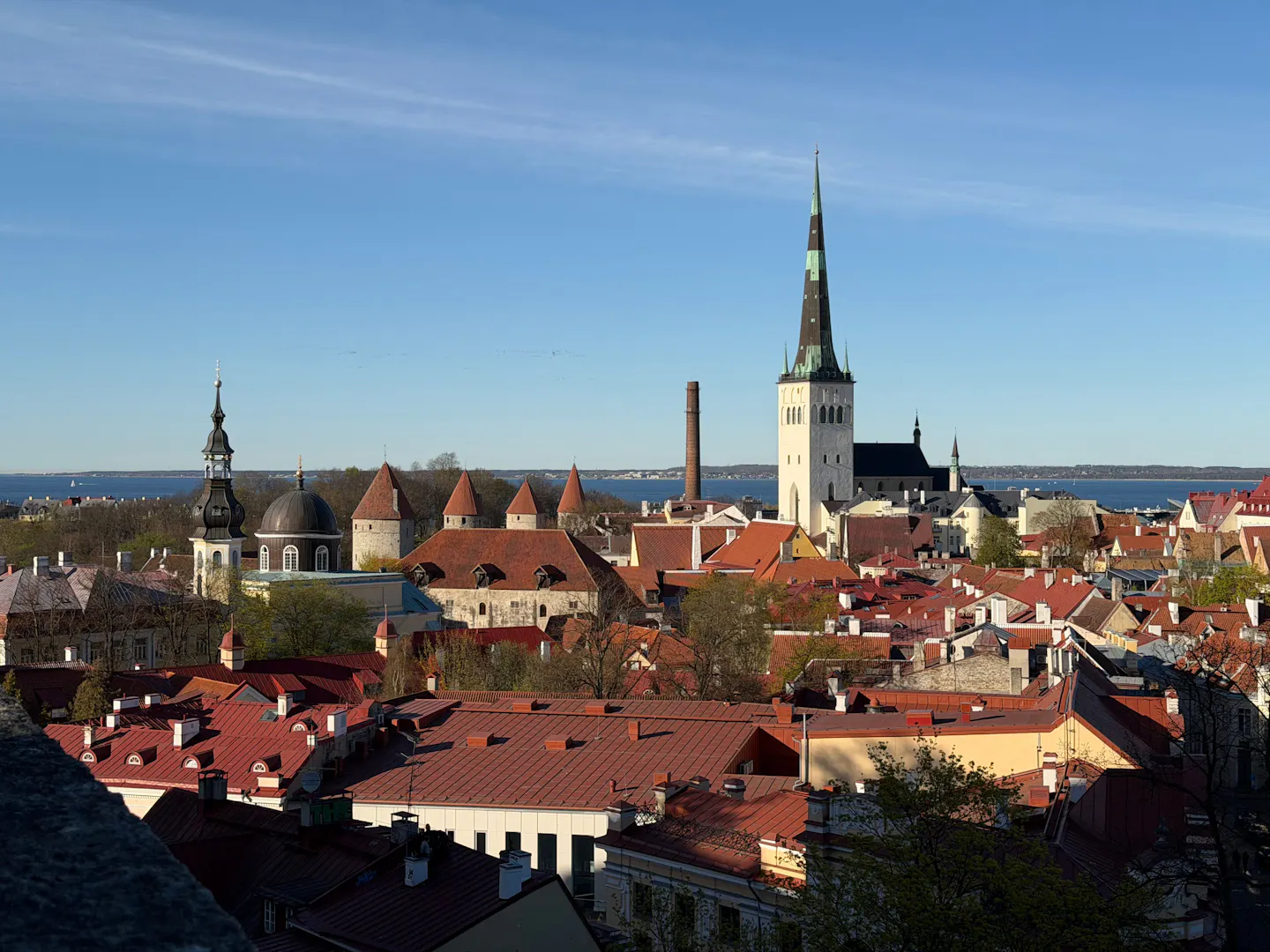
Estonia is still overlooked when people plan European summer holidays, but it fits this type of trip extremely well.
Average summer temperatures are generally mild, commonly around 16°C to 20°C, although occasional hotter days can happen. Estonia also experiences very long summer days, with around 19 hours of daylight near midsummer.
Start in Tallinn
Tallinn’s Old Town is the obvious first stop, but do not spend the entire trip inside the medieval centre.
Walk through Kadriorg Park, visit the Kumu Art Museum, explore the creative area around Telliskivi, and continue to the waterfront at Noblessner. Tallinn works especially well in summer because you can mix historic streets with parks, modern restaurants, seaside walks, and outdoor terraces.
Continue to the coast or islands
Estonia’s islands are ideal for a slower part of the trip.
Saaremaa is the largest and easiest choice for a multi-day stay. Visit Kuressaare Castle, cycle along quiet roads, explore windmills, and stop around the coast.
Muhu is smaller and peaceful, while Hiiumaa is good for forests, lighthouses, beaches, and a more remote feeling.
You could also spend time in:
- Pärnu for beaches and a classic summer-town atmosphere
- Lahemaa National Park for bog walks, manor houses, and coastal villages
- Soomaa National Park for wetlands and canoeing
- Tartu for museums, cafés, and a younger university-city feel
Estonia is particularly good for travelers who want space. Even in summer, it is possible to find quiet beaches, forest paths, and small towns that do not feel overwhelmed by visitors.
Best for: couples, families, slow travelers, nature lovers, road trippers, and travelers who want a quieter European summer.
Denmark: Best for Cycling, Design, Beaches, and Easy Summer Days
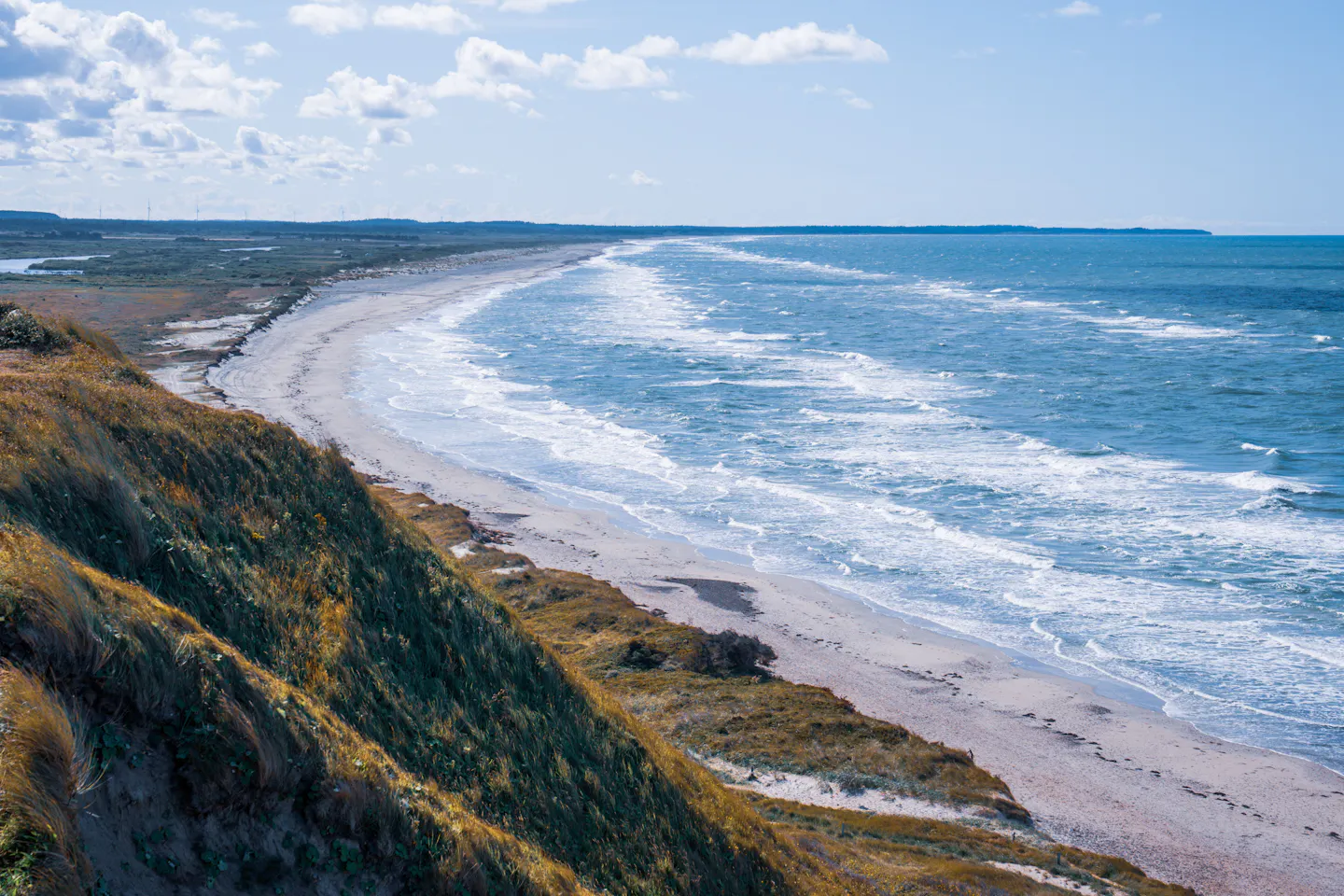
Denmark offers a different kind of summer trip. There are no huge mountain ranges or dramatic volcanic landscapes. Instead, you get cycling, clean coastal towns, excellent food, sandy beaches, design, and cities that are genuinely enjoyable to explore on foot.
August is statistically Denmark’s warmest month, with a national mean temperature of around 15.7°C. Sea temperatures from June to August are commonly between 17°C and 22°C, making swimming possible without the heavy heat of a Mediterranean beach holiday.
What to do in Copenhagen
Copenhagen is at its best when you do not overplan it.
Cycle between neighborhoods, swim at one of the harbour baths, visit the Designmuseum Danmark, walk around Christianshavn, and spend an evening eating around Vesterbro or Nørrebro.
You can also visit:
- Tivoli Gardens
- The Louisiana Museum of Modern Art
- The food market at Torvehallerne
- The waterfront around Nyhavn
- Frederiksberg Gardens
- Reffen for casual food beside the water
- The coast north of Copenhagen
The city becomes much more relaxed in summer. People swim after work, eat outside, cycle everywhere, and stay beside the water until late.
Where to go beyond Copenhagen
Add North Zealand for castles, beaches, and coastal towns. Helsingør and Kronborg Castle are easy day trips, while Hornbæk and Tisvildeleje offer a softer seaside atmosphere.
For a longer trip, consider Bornholm. The island has beaches, fishing villages, cycling routes, smokehouses, forests, and the ruins of Hammershus Castle.
Best for: couples, families, cyclists, food lovers, design fans, and travelers who prefer relaxed cities to intense sightseeing.
Ireland: Best for Coastal Road Trips and Small-Town Atmosphere
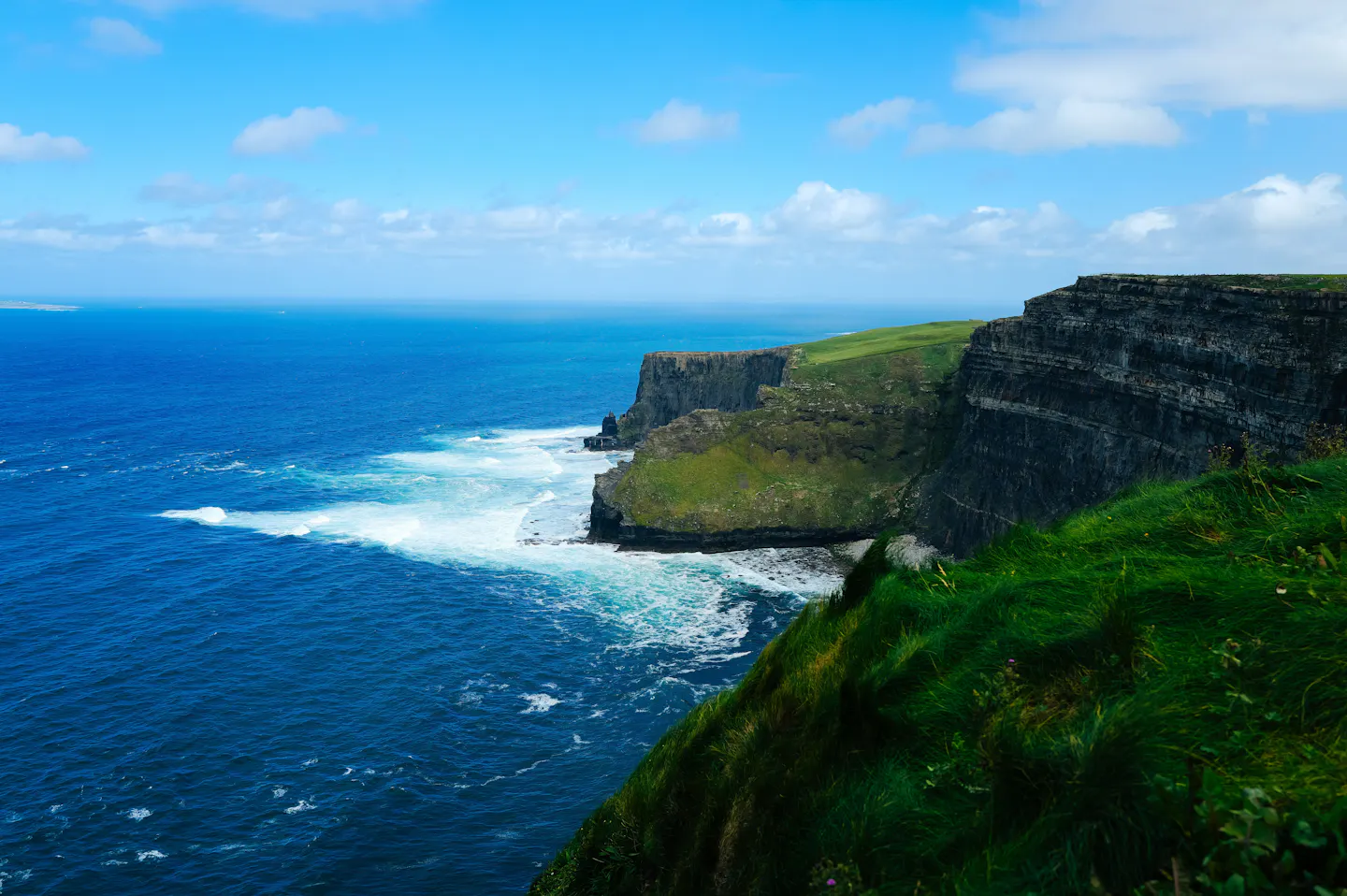
Ireland is a safe choice when you want to spend most of your trip outside without dealing with oppressive temperatures.
The Atlantic keeps Ireland’s climate mild. Average July temperatures are around 15°C, with typical lows and highs of approximately 11°C to 20°C. August has a similar average, with temperatures commonly between 10°C and 19°C. Rain is always possible, but long summer evenings give you plenty of time to work around it.
The best way to experience Ireland in summer
Dublin is worth several days for museums, Georgian streets, live music, restaurants, and coastal trips to Howth or Dalkey.
However, Ireland becomes most memorable when you leave the capital.
A western Ireland route could include:
- Galway for music, food, and a lively compact centre
- Connemara for lakes, mountains, and coastal roads
- The Aran Islands for cycling and sea cliffs
- The Cliffs of Moher
- The Dingle Peninsula
- Killarney National Park
- The Ring of Kerry
- West Cork for fishing villages and coastal food
- Donegal for wilder landscapes and fewer visitors
The best days in Ireland are often built around a mixture of driving, walking, viewpoints, small cafés, and an evening in a pub with live music. Do not create such a tight route that every stop becomes a photo break before another two-hour drive.
Best for: road trippers, couples, hikers, music lovers, families, and anyone who enjoys small towns and dramatic coastal scenery.
The Azores: Best for a Green Island Trip Without Mainland Portugal’s Heat
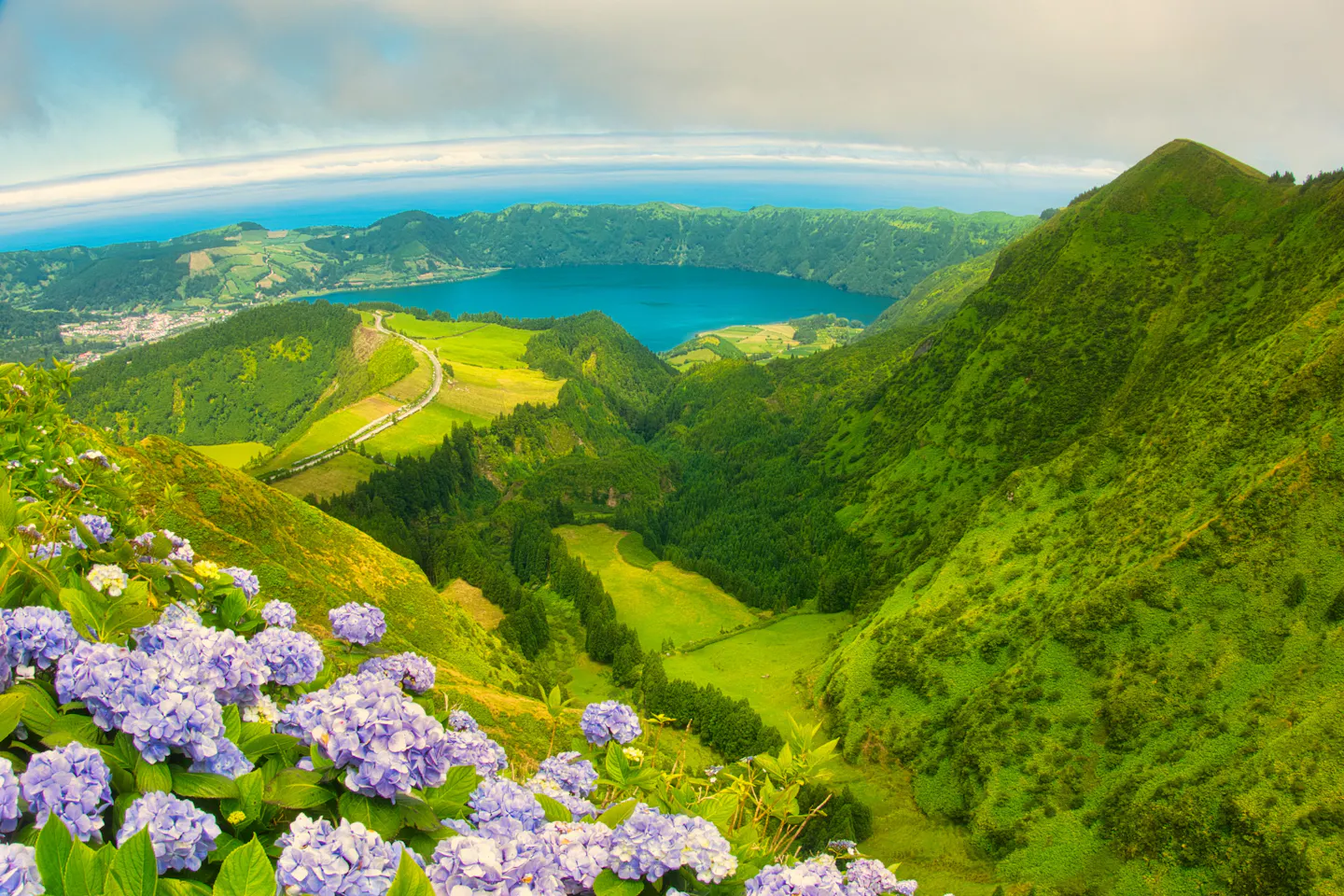
The Azores are part of Portugal, but their location in the Atlantic gives them a very different climate from Lisbon, the Algarve, or inland Portugal.
São Miguel has an average summer temperature of around 21°C. The weather is mild and humid, with clouds, sunshine, and showers often appearing within the same day.
This makes the Azores a strong option when you still want an island holiday but do not need guaranteed dry beach weather every day.
What to do on São Miguel
São Miguel is the easiest island for a first trip.
Some of the best experiences include:
- Seeing the Sete Cidades crater lakes
- Visiting Lagoa do Fogo
- Walking through the gardens at Terra Nostra
- Bathing in geothermal pools around Furnas
- Watching food being cooked using volcanic heat
- Visiting tea plantations
- Exploring waterfalls around Nordeste
- Taking a whale-watching trip
- Swimming in natural ocean pools
- Driving along the island’s hydrangea-lined roads
For a longer trip, combine São Miguel with Pico, Faial, São Jorge, or Terceira.
Pico is good for vineyards and climbing Portugal’s highest mountain. Faial has a sailing culture and volcanic landscapes, while São Jorge is known for walking trails, cliffs, and natural coastal plains called fajãs.
The Azores are not about lying beside a hotel pool for seven days. They work best when you enjoy walking, driving, nature, local food, and days that change depending on the weather.
Best for: active couples, hikers, whale watchers, nature lovers, and travelers who want a greener island holiday.
The Slovenian Alps: Best for Lakes and Mountains With Warmer Weather
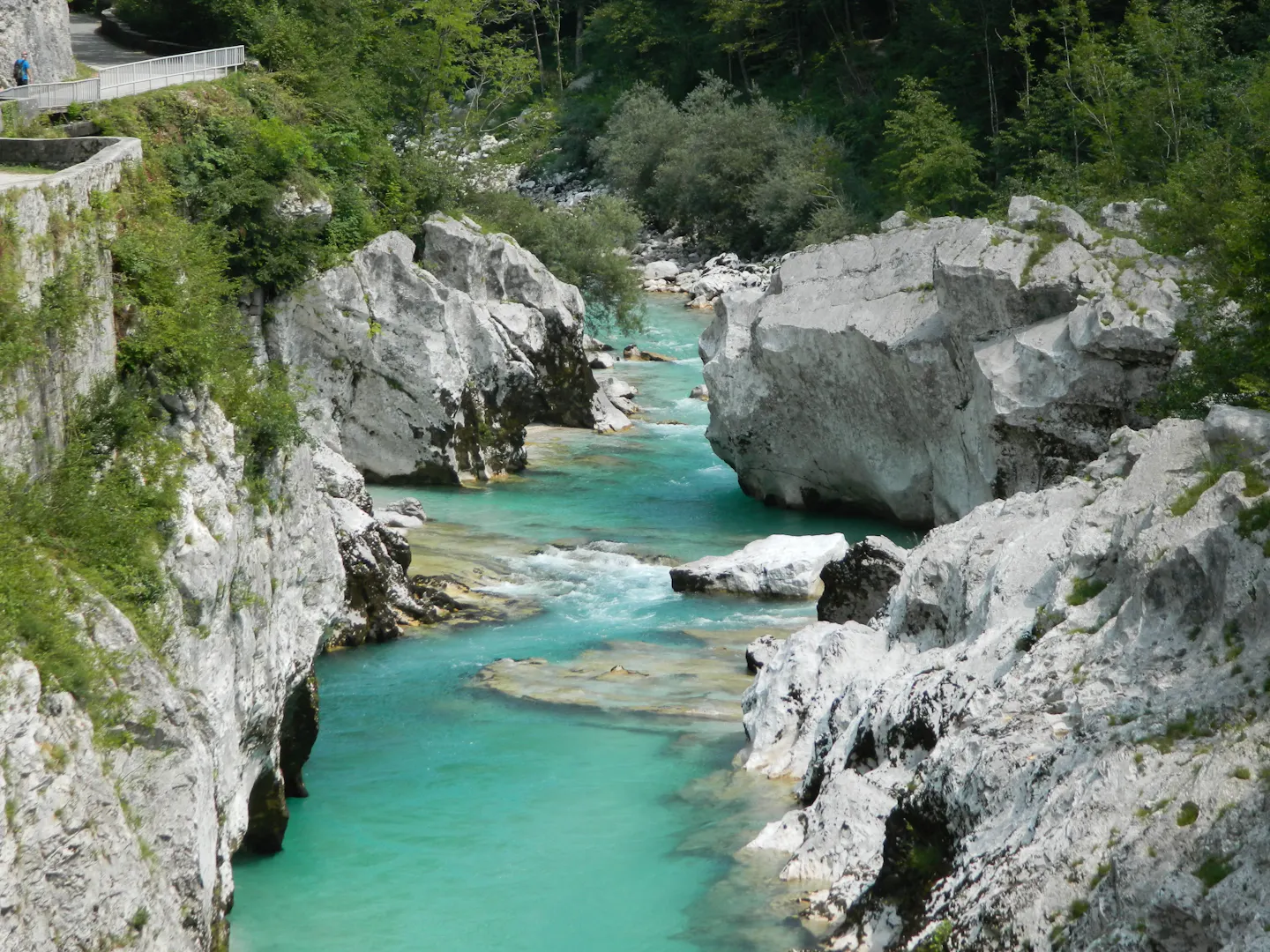
The Slovenian Alps are one of the best choices when you want pleasant summer weather but Iceland or the Faroe Islands sound slightly too cold.
Slovenia can become hot in summer, especially in cities and lower areas. The Alpine regions, however, give you cooler mornings, forests, lakes, rivers, and higher-altitude activities. Weather in the mountains can change quickly, so daily plans still need some flexibility.
Lake Bled or Lake Bohinj?
Lake Bled is the famous choice. It is beautiful, easy to reach, and full of restaurants and activities. Walk around the lake, visit Bled Castle, take a boat to the island, and explore nearby Vintgar Gorge.
Lake Bohinj is better when you want more nature and less of a resort feeling. It sits inside Triglav National Park and gives you access to hiking, swimming, kayaking, waterfalls, and cable-car views.
Ideally, visit both rather than choosing only one.
Other places to include
Kranjska Gora is a good mountain base near lakes, hiking routes, and the Vršič Pass.
The Soča Valley is one of Slovenia’s most beautiful areas. The river is almost unnaturally blue, and the region works well for rafting, hiking, cycling, and scenic drives.
You could create a route that combines:
- Ljubljana
- Lake Bled
- Lake Bohinj
- Kranjska Gora
- The Vršič Pass
- The Soča Valley
- Logar Valley
Spend less time in Ljubljana during the hottest part of the day and more time beside the lakes, rivers, forests, and mountains.
Best for: active couples, families, hikers, swimmers, road trippers, and travelers who want warm weather without a full Mediterranean summer.
How to Choose the Right Cool Summer Destination in Europe
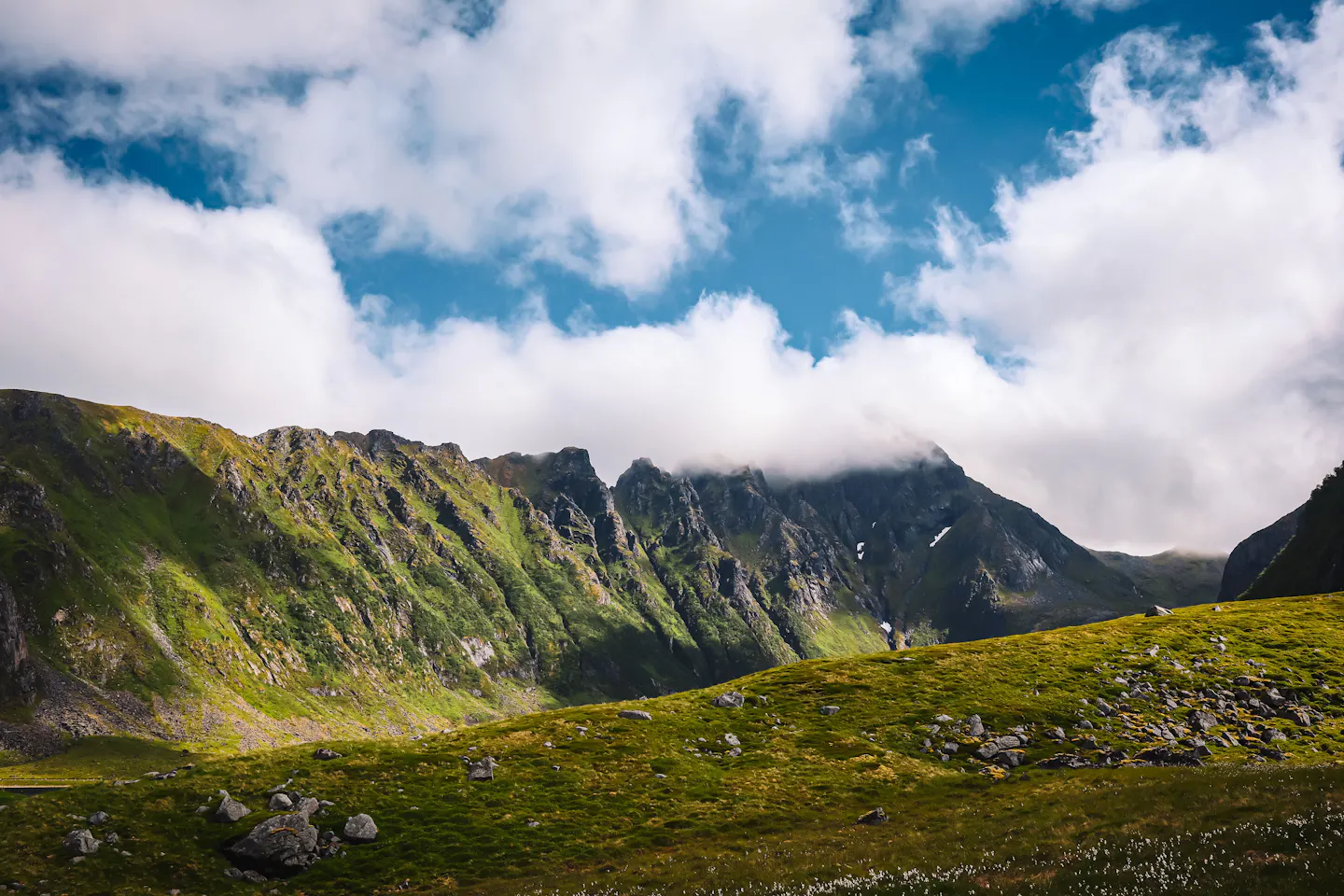
The right destination depends on what you want to do, not simply which place has the lowest average temperature.
For the coolest weather
Choose the Faroe Islands, Iceland, or Scotland.
These destinations work best when you prefer hiking, landscapes, waterfalls, and road trips to classic beach weather.
For a city break with comfortable temperatures
Choose Copenhagen, Stockholm, Tallinn, or Edinburgh.
All four cities give you architecture, restaurants, museums, parks, and easy access to water or nature.
For mountains and outdoor activities
Choose western Norway, the Scottish Highlands, Iceland, or the Slovenian Alps.
Norway and Iceland feel more dramatic, while Slovenia is better when you still want warmer afternoons and swimmable lakes.
For an island holiday
Choose the Azores, Faroe Islands, Iceland, or Estonia’s islands.
The Azores are the warmest option. The Faroes are the coolest and most dramatic. Estonia offers a quieter, gentler island trip.
For beaches without extreme heat
Look at Denmark, Estonia, Sweden, or Ireland.
These are not tropical beach destinations, but they are good for coastal walks, swimming, cycling, seafood, and long evenings beside the water.
For a scenic road trip
Choose Ireland, Scotland, Iceland, western Norway, or the Azores.
Keep the route realistic. In all of these destinations, the best moments often happen between the famous stops.
FAQ: Summer Destinations in Europe Without Extreme Heat
What European destinations are warm but not extremely hot?
The Azores, Stockholm, Copenhagen, Estonia, and the Slovenian Alps offer a useful middle ground. You can get pleasant summer days without choosing the hottest parts of the Mediterranean.
Is northern Europe expensive in summer?
Iceland, Norway, Denmark, and Sweden can be expensive, particularly during peak travel weeks. Estonia and parts of Scotland or Ireland may be easier to manage, although flights, rental cars, and popular summer destinations can still raise the total cost.
Can you have a beach holiday in northern Europe?
Yes, but it feels different from a Mediterranean beach trip. Denmark, Estonia, Sweden, and Ireland have beautiful beaches and coastal towns. Expect cooler water, changeable weather, and a trip that mixes the beach with cycling, walking, food, and sightseeing.
Plan Your Summer Trip With EasyMiles
Choosing a cooler destination is only the first step. You still need to decide which places are worth visiting, how to connect them, where to eat, and how much you can realistically fit into each day.
EasyMiles creates a complete itinerary based on your destination, dates, interests, travel style, and preferred pace.
It takes opening hours and travel time into account, so your plan does not send you across the city several times or suggest visiting a museum after it has closed. It can combine the major sights with restaurants, local experiences, scenic walks, and places that match the mood you want from the trip.
This is especially useful in destinations with changeable summer weather. Instead of building a rigid plan that falls apart when it rains, you can adjust your day and continue the trip without researching everything again.
Use EasyMiles to turn any of these destinations into a realistic day-by-day route, with the right activities, restaurants, and experiences already organized for you.