The best ski resorts in Europe for beginners are Les Gets, La Plagne, Alpe d’Huez, Passo Tonale, Cervinia, Söll, Obergurgl, Saas-Fee, Soldeu, Borovets, Geilo, and Levi.
They all make a first ski trip easier in slightly different ways: some have protected nursery areas and magic carpets, some have lots of wide green or blue runs for progression, and others stand out for affordable lessons, family facilities, or reliable snow.
- Les Gets, France — best overall for a relaxed first ski holiday.
- La Plagne, France — best for having several beginner areas to choose from.
- Alpe d’Huez, France — best for beginners traveling with stronger skiers.
- Passo Tonale, Italy — best for simple, gentle slopes and confidence-building.
- Cervinia, Italy — best for long, wide runs once you know the basics.
- Söll, Austria — best for a classic Austrian ski village with an easy start.
- Obergurgl, Austria — best for a quieter, snow-sure beginner trip.
- Saas-Fee, Switzerland — best for a scenic high-altitude first ski holiday.
- Soldeu, Andorra — best for adult beginners and ski-school options.
- Borovets, Bulgaria — best for learning on a smaller budget.
- Geilo, Norway — best for families and nervous first-timers.
- Levi, Finland — best for combining skiing with a full Arctic winter trip.
If you have never skied before, do not choose a resort only because it has hundreds of kilometres of pistes. What matters more is what your first two or three days will actually feel like: easy lifts, gentle terrain, a good ski school, simple access from your hotel, and somewhere comfortable to practise without faster skiers constantly flying past.
How we chose the best beginner ski resorts in Europe

A good beginner resort should make skiing feel less complicated, not more.
The strongest options have a dedicated learning area close to the village, easy lifts such as magic carpets or slow button lifts, and a clear next step once you are ready to leave the nursery slope. It also helps when the ski school is easy to book, rental shops are close by, and the resort has enough cafés, restaurants, spas, walks, or other activities for the hours when your legs are done.
Snow reliability matters too. Beginners often book lessons and accommodation well in advance, so a higher or more snow-sure resort can reduce some of the stress, especially at the start or end of the season.
With that in mind, these are 12 of the best places in Europe to learn to ski.
1. Les Gets, France: Best Overall Ski Resort for Beginners

Les Gets is one of the easiest European ski resorts to recommend to someone who has never skied before.
The village feels manageable, the first lifts are close to the main resort area, and there is a dedicated learning zone called the Mappys Area. It has four gentle slopes, two magic carpets and other simple lifts, so beginners can practise without immediately being dropped into the middle of a busy mountain.
Once you can stop and link turns, Les Gets also gives you a sensible progression onto green and blue pistes. That matters more than it sounds. Some resorts have an excellent nursery slope but then make the jump to the “real mountain” feel too big. Les Gets is much smoother.
It is also part of the huge Portes du Soleil ski area, which is useful if you are traveling with intermediate or advanced skiers. They can explore a much larger network while you stay on terrain that suits your level.
Best for: first-time adults, couples, families, and mixed-ability groups.
What to know: Les Gets is lower than some high-Alpine resorts, so snow conditions can vary more during warm periods. For a first trip, the middle of winter is usually the safest choice.
2. La Plagne, France: Best for Lots of Beginner Areas
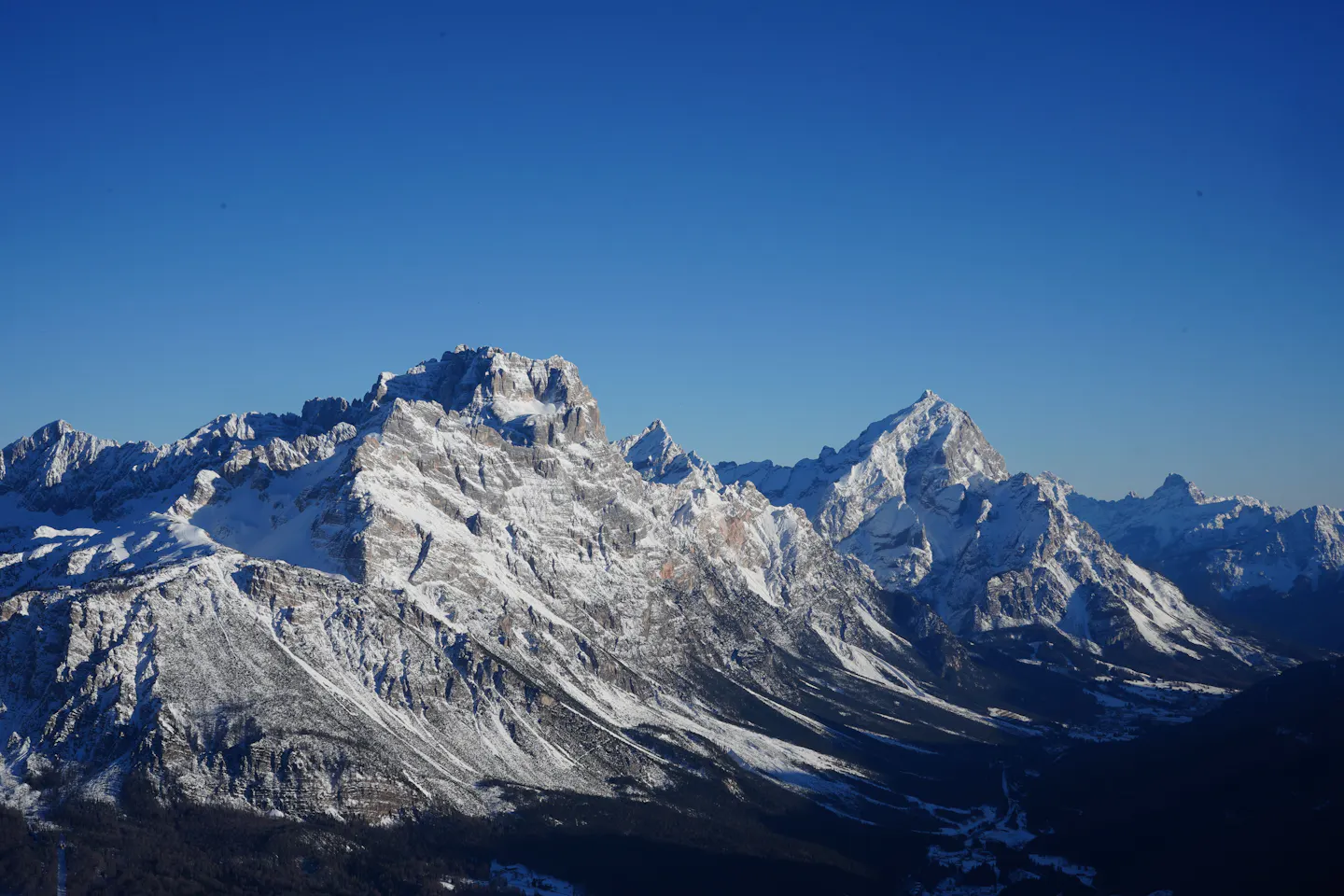
La Plagne is a strong choice if you want options rather than one small beginner corner.
The resort is spread across several villages, and beginner zones are available in multiple parts of the ski area. Its CoolSki system is designed specifically for new or nervous skiers, with protected learning areas, gentle pistes, clear signage, and routes that help you progress without accidentally ending up somewhere too difficult.
This makes La Plagne especially useful for a full week. Your first day can be spent on a very gentle slope. A few days later, you can start exploring longer easy runs without feeling that you have already outgrown the resort.
La Plagne is also part of Paradiski, so there is far more terrain available for experienced skiers in the same group. You do not need to buy the biggest possible lift pass on day one, though. As a beginner, start small and only upgrade when you actually need more terrain.
Best for: beginners who want a full week of skiing, families, and groups with different ability levels.
What to know: La Plagne is not one single village. Check exactly which base you are booking, because the atmosphere, access and beginner setup vary between areas.
3. Alpe d’Huez, France: Best for Beginners Traveling With Better Skiers
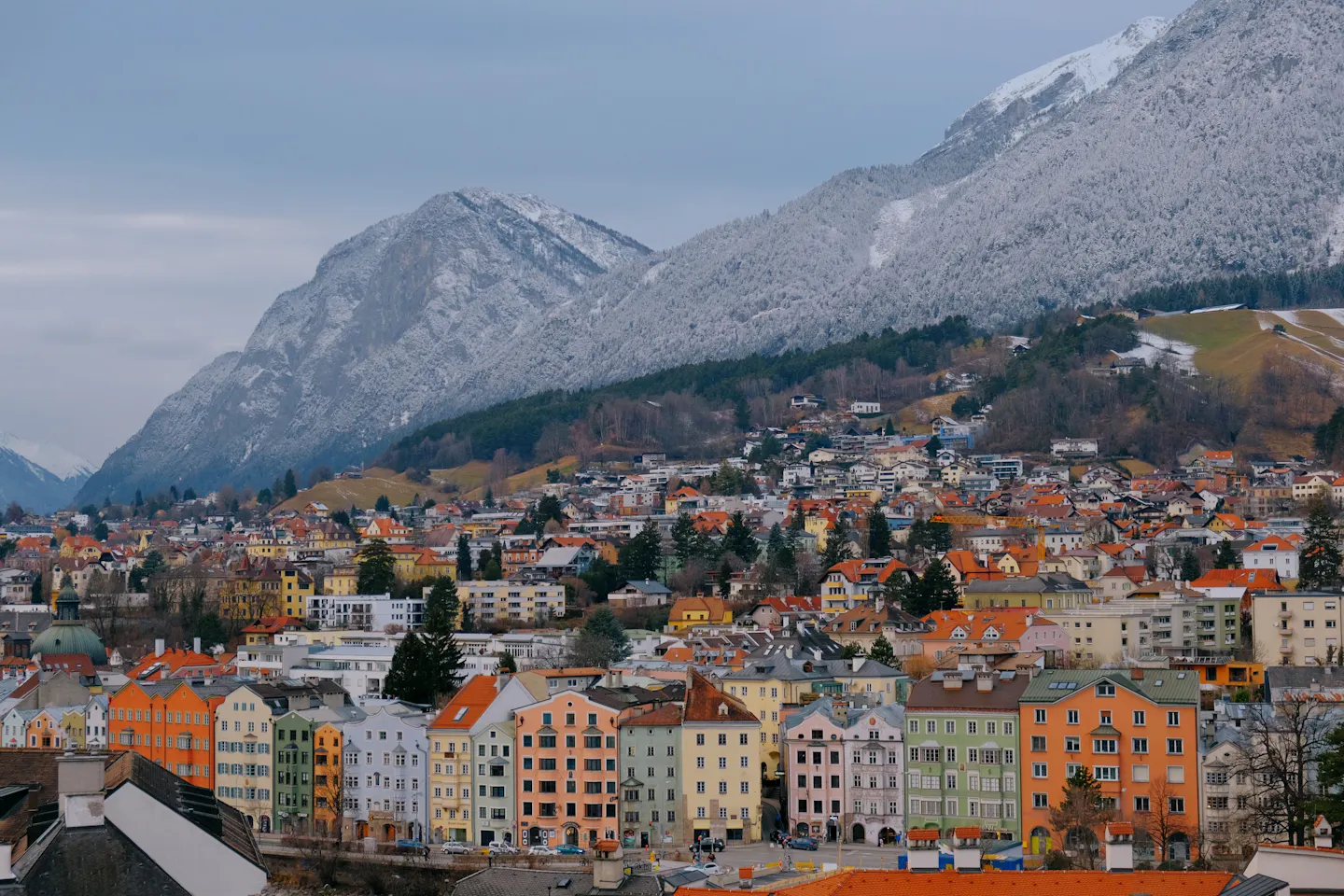
Alpe d’Huez combines a large ski area with proper beginner terrain, which is why it works well when not everyone in your group is learning.
The ski area has dedicated beginner zones and wide, gentle pistes where new skiers can build confidence. Once you improve, there are plenty of easy routes that let you cover more distance instead of repeating the same short slope all day.
Meanwhile, stronger skiers have access to a much bigger mountain. That solves a common problem on a first ski holiday: choosing between a tiny learner-friendly resort and somewhere interesting enough for everyone else.
Alpe d’Huez is also known for getting plenty of sunshine. A bright, open piste can feel much less intimidating than a narrow, shaded run through trees when you are still thinking about every turn.
Best for: couples or groups where one person is a beginner and others already ski.
What to know: the full ski area is large. Do not feel pressured to explore it immediately. Spend the first days close to the beginner sector and move farther only when you can control your speed comfortably.
4. Passo Tonale, Italy: Best for Easy, Confidence-Building Slopes

Passo Tonale is one of the simplest places in the Alps to understand as a beginner.
The resort is high, open and relatively compact, with gentle, progressive slopes close to the main village. Local ski schools specifically highlight the terrain as suitable for first-time skiers, and the open layout makes it easier to see where you are going.
That is useful when skiing is still new. Narrow pistes, sudden steeper sections and complicated lift connections can make a first week feel more stressful than it needs to. Passo Tonale gives you room to practise basic turns and stopping before moving onto longer runs.
It also tends to feel less glamorous than the famous French or Swiss names, which can be a good thing if your priority is simply learning, eating well and getting comfortable on skis.
Best for: complete beginners, families, and travelers who want a straightforward first ski holiday.
What to know: Passo Tonale is functional rather than especially pretty as a village. Choose it for the skiing and convenience first.
5. Cervinia, Italy: Best for Long, Gentle Cruising

Cervinia sits below the Matterhorn and is a very good option for beginners who want somewhere they can grow into.
There are easy slopes around the resort for first turns, but Cervinia becomes especially appealing once you can link basic turns and start skiing longer blue runs. The terrain is generally open, high and spacious, with long pistes that let you find a rhythm rather than constantly stopping and restarting.
The altitude is another advantage. Cervinia has a long winter season and access to very high mountain terrain, so it is one of the more reliable choices when snow conditions lower down the Alps are uncertain.
You can also ski toward Zermatt in Switzerland once you are much more confident, but that should not be a first-day goal. For a beginner, the Italian side already gives you plenty.
Best for: fast-progressing beginners, couples, and anyone who wants big mountain scenery.
What to know: wind and weather can affect high-mountain lifts. Keep your early days simple and do not build your lesson plan around crossing the border.
6. Söll, Austria: Best Classic Austrian Resort for First-Timers

Söll is a good answer if you want the traditional Austrian ski-holiday atmosphere without making your first day unnecessarily difficult.
The Hexenwiese beginner area in the valley is specifically designed for first turns and is free to use. Ski schools and rental facilities are nearby, so the basic logistics are straightforward. Once you progress, Söll has wide pistes and easy routes that connect into the much larger SkiWelt area.
That combination is useful for beginners: you can start with something tiny and controlled, then gradually move onto a real mountain without changing resort.
Söll also has more of the classic Austrian ski-village feel than some purpose-built resorts. You get mountain restaurants, lively evenings and a proper town atmosphere rather than just apartment blocks beside the lifts.
Best for: adults learning to ski, groups of friends, and travelers who want skiing plus après-ski atmosphere.
What to know: SkiWelt is a big connected area. On your first days, stay around Söll rather than trying to collect kilometres or ski from village to village.
7. Obergurgl, Austria: Best for a Quiet, Snow-Sure Beginner Holiday
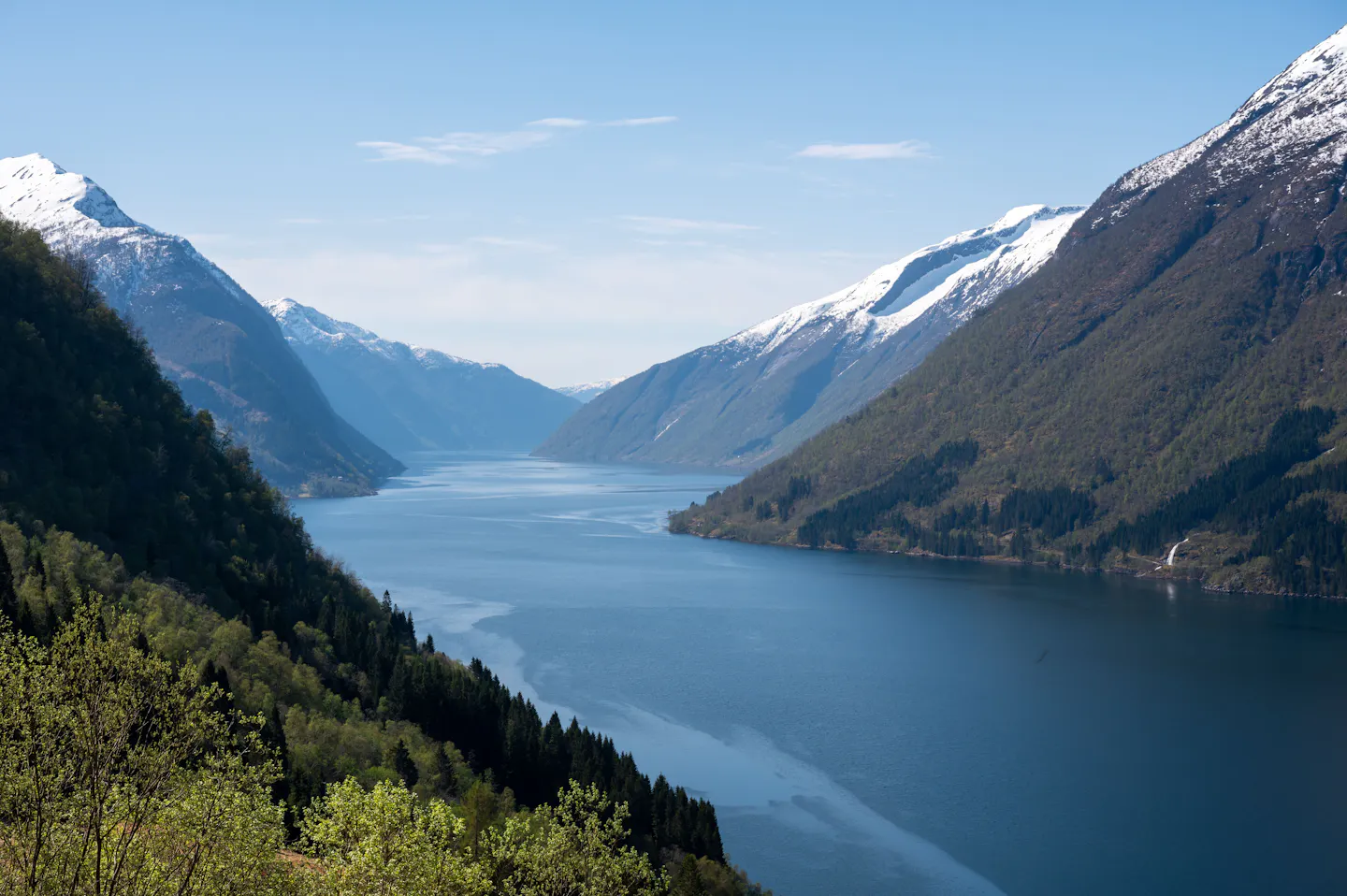
Obergurgl is one of the better choices for beginners who care more about comfort and reliable conditions than finding the cheapest possible trip.
The resort sits high in the Ötztal and has established beginner areas and a long-running ski school. New skiers can start in dedicated learning zones before moving onto blue pistes, while the overall resort is generally easier to navigate than some of Austria’s biggest linked ski regions.
It also tends to attract travelers looking for a calmer, more polished ski holiday. That can be helpful if you are nervous about learning and do not want your first experience to revolve around crowded party slopes.
The main trade-off is price. Obergurgl is usually not the budget option on this list, but it can be worth it if a smooth, snow-reliable week matters more than keeping every cost low.
Best for: nervous beginners, couples, families, and travelers happy to pay more for convenience.
What to know: if budget is your top priority, look at Borovets or Passo Tonale instead.
8. Saas-Fee, Switzerland: Best Scenic High-Altitude Resort for Beginners
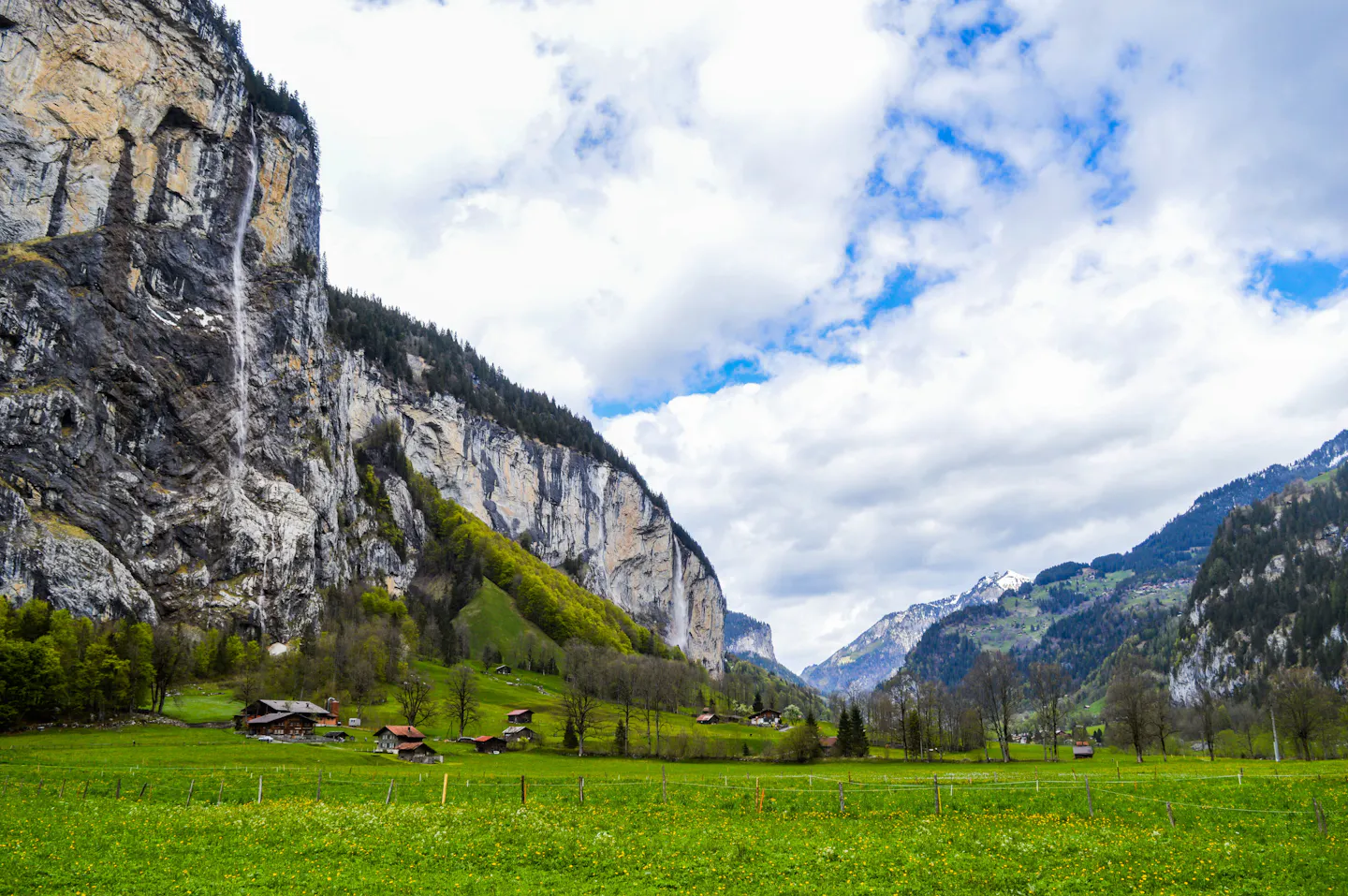
Saas-Fee gives you the dramatic Swiss Alps experience without requiring you to be an expert skier.
The village is car-free, sits at around 1,800 metres, and is surrounded by huge peaks and glaciers. There are beginner areas and several ski schools, while the wider Saas Valley has plenty of blue terrain for progression.
For first-time skiers, the village setup is part of the appeal. You can walk around without traffic, take breaks in town, and enjoy the trip even if you only ski for a few hours per day.
Saas-Fee is also high and generally snow-reliable, which makes it attractive for early- or late-season trips. The downside is simple: Switzerland is expensive. Lessons, food, accommodation and lift passes can all cost more than in Italy, Bulgaria or Andorra.
Best for: couples, scenic winter trips, and beginners who want a premium Swiss experience.
What to know: you are paying for the setting and overall experience, not just the number of beginner pistes.
9. Soldeu, Andorra: Best for Adult Beginners and Ski Lessons
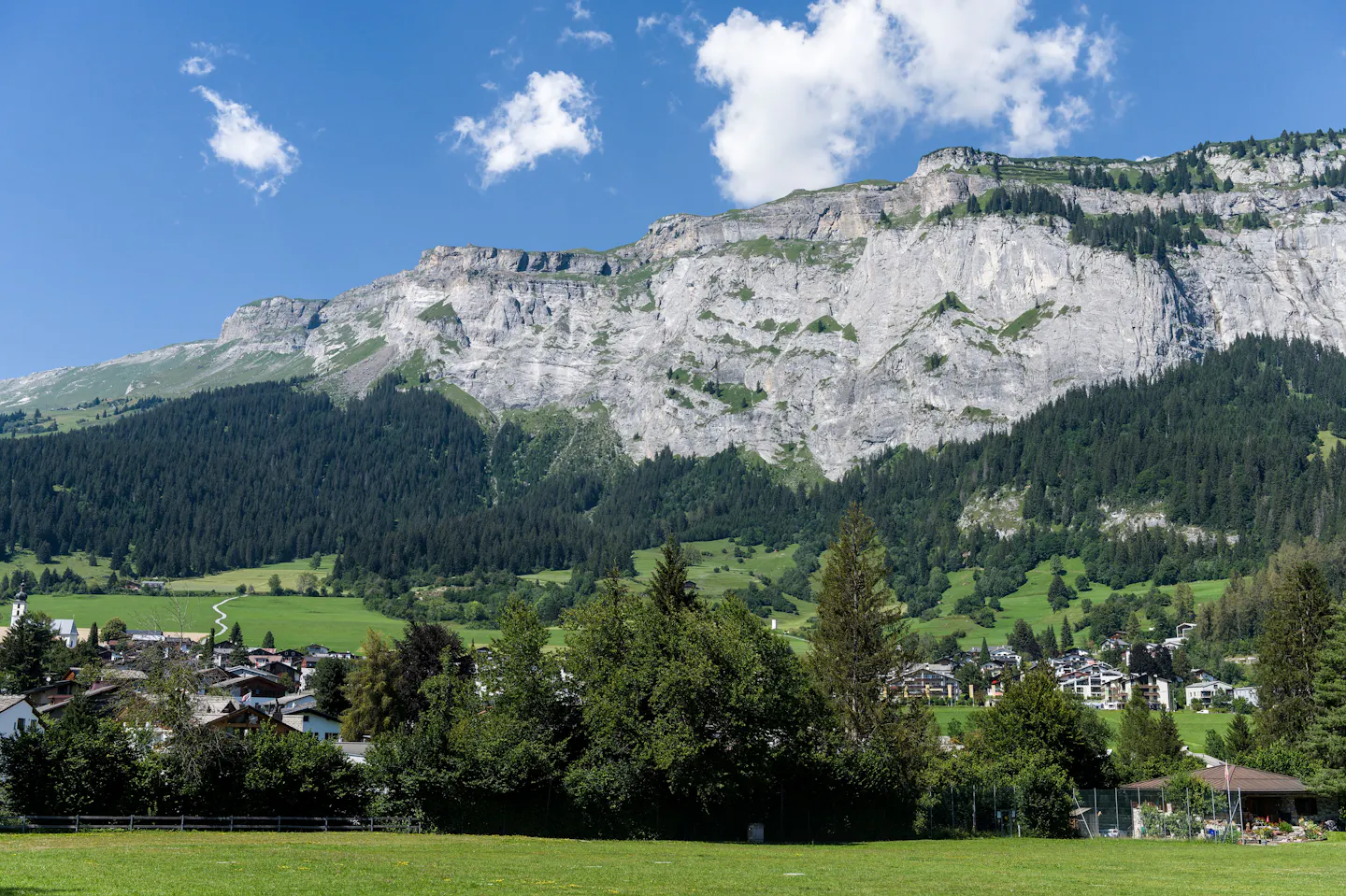
Soldeu is one of the easiest places to recommend to adults who want proper lessons and a social first ski trip.
The gondola from the village takes you directly toward the Espiolets area, a large beginner plateau where new skiers can work on the basics before heading farther into Grandvalira. The resort also has a major ski school with group and private lessons, including specific beginner sessions.
Andorra often works well for international visitors because English is widely used in ski schools and tourism. The overall trip can also be better value than some famous French, Austrian or Swiss resorts.
Once you improve, Grandvalira gives you a huge amount of terrain to explore, so you are unlikely to outgrow the area during a week.
Best for: adult beginners, groups of friends, and travelers who want lessons plus lively evenings.
What to know: Grandvalira is large. Book accommodation in Soldeu itself if you want the easiest access to the beginner setup described here.
10. Borovets, Bulgaria: Best Budget Ski Resort for Beginners
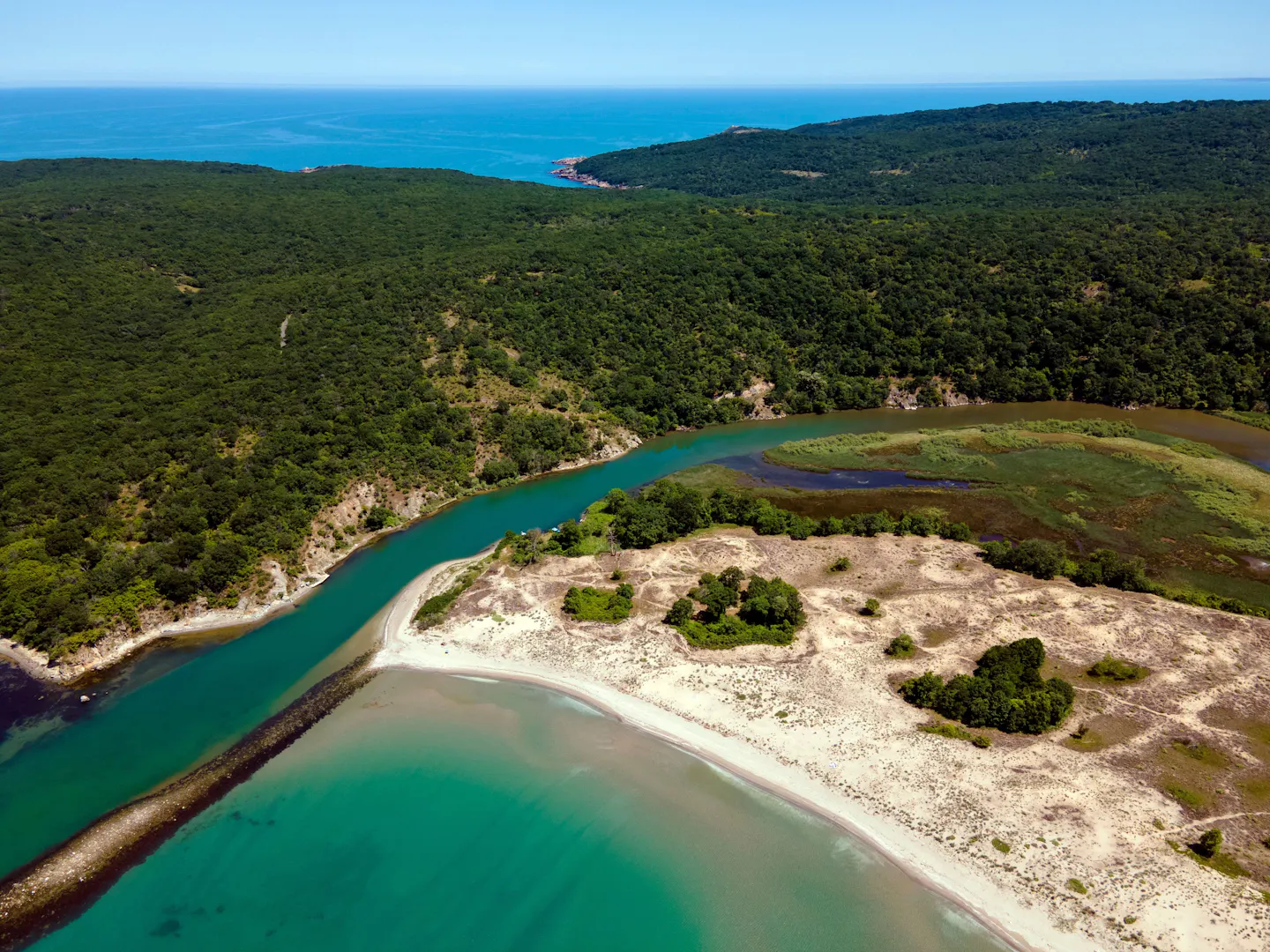
Borovets is a smart choice if you want to learn without spending Alpine-resort money on every part of the trip.
Bulgaria is generally one of the cheaper ski destinations in Europe, and Borovets has ski schools, equipment rental and beginner terrain close to the resort centre. Private and group lessons are widely available, which makes it possible to build the trip around instruction rather than simply buying a lift pass and hoping you work it out.
The ski area is smaller than the giant French or Austrian domains, but that is not necessarily a disadvantage for a first trip. Beginners rarely need hundreds of kilometres of pistes. A compact resort can actually make the week easier to understand.
Best for: budget-conscious beginners, groups of friends, and people testing whether they actually like skiing.
What to know: standards vary more between hotels and rental providers than in some premium Alpine resorts, so read recent reviews before booking.
11. Geilo, Norway: Best for Families and Nervous Beginners

Geilo is one of Europe’s most comfortable places to learn if your priority is family-friendly skiing rather than huge vertical drops.
The resort has several base areas with gentle slopes, children’s zones and conveyor lifts. There are also two ski schools offering beginner lessons. The layout makes it easy to practise in a controlled area and then progress to longer green and blue slopes.
Geilo works especially well for families because skiing is only part of the winter experience. You can mix shorter ski sessions with sledding, cross-country skiing, winter walks and relaxed time in the resort.
Norway is not a cheap destination, but the overall environment is calm and well organised. If a chaotic mega-resort sounds like the opposite of what you want for your first week, Geilo is worth a serious look.
Best for: families, cautious adult beginners, and travelers who want a peaceful winter holiday.
What to know: choose accommodation close to the base area or ski school you plan to use, as Geilo’s skiing is spread across both sides of the valley.
12. Levi, Finland: Best for a Full Arctic Winter Experience

Levi is the most different option on this list, and that is exactly why some beginners will love it.
The resort’s Leevilandia area is built for first-timers, with gentle slopes and covered magic carpets. From there, learners can progress onto long, easy runs on Levi’s South Slopes. The ski school teaches complete beginners as well as more experienced skiers.
The bigger reason to choose Levi, though, is everything around the skiing. A trip can include reindeer or husky experiences, saunas, snowy forests and, with some luck, the northern lights. If you discover after two days that skiing is not going to become your new personality, the holiday is still very far from wasted.
Best for: couples, families, first-time skiers, and anyone planning a broader Lapland trip.
What to know: midwinter days are short and temperatures can be much colder than in the Alps. Pack for Arctic conditions, not just a standard mountain holiday.
Which beginner ski resort in Europe should you choose?

For the easiest first trip
Choose Les Gets, Passo Tonale or Geilo. All three make the learning process feel relatively simple and give beginners a clear progression from first turns to longer easy runs.
For a mixed-ability group
Choose La Plagne or Alpe d’Huez. Beginners get proper learning areas while stronger skiers have enough terrain to disappear for the day without being bored.
For the best value
Choose Borovets. Passo Tonale and Soldeu can also offer good value compared with many premium Alpine resorts, depending on the week you travel and the type of accommodation you choose.
For reliable snow
Look at Obergurgl, Cervinia or Saas-Fee. Their altitude gives them an advantage, especially if you are planning outside the core winter months.
For families
Geilo, Les Gets and Levi are particularly easy to recommend because the trip still works well when children do not want to ski all day.
For a ski trip that feels like more than skiing
Choose Levi for Lapland experiences, Saas-Fee for a car-free Swiss mountain village, or Soldeu for a social Andorran holiday with easy access to a large ski area.
How to plan your first ski holiday in Europe

Book lessons before you arrive
A proper instructor can save you days of frustration. For a complete beginner, two or three mornings of lessons at the start of the trip are usually more useful than trying to learn from a friend who says, “Just turn.”
Group lessons are more social and normally cheaper. Private lessons cost more but can help you progress faster, especially if you are nervous or have a specific issue with balance, speed control or confidence.
Stay close to the beginner area
This matters much more on a first trip than having the most beautiful hotel in the valley.
Walking a long distance in ski boots, carrying equipment onto a bus, or making multiple lift connections before your lesson gets old very quickly. Search for accommodation near the ski-school meeting point, nursery slope or main beginner lift.
Do not automatically buy the biggest lift pass
A full-area pass can be a waste of money for the first few days.
Many resorts have beginner tickets, local-area passes or free learning lifts. Check what your lessons actually require before paying for access to a giant ski domain you are not yet able to use.
Rent equipment instead of buying everything
For a first trip, rent skis, boots, poles and a helmet. Good rental shops can adjust the setup if something feels wrong, and you avoid buying expensive equipment before you know how often you will ski.
The main things worth owning are the pieces you wear next to your body: base layers, ski socks, gloves, goggles and clothing that keeps you warm and dry.
Leave room for rest
Skiing is tiring when every movement is new. Your feet may hurt, your legs will work harder than expected, and concentrating on speed and balance for hours can be mentally exhausting too.
Plan shorter first days. A long lunch, spa session, village walk or early finish is not wasting the ski holiday. It is often what makes day three much better than day two.
FAQ: Best ski resorts in Europe for beginners
What is the best ski resort in Europe for complete beginners?
Les Gets is one of the strongest all-round choices for complete beginners because it has a dedicated learning area, easy progression, a manageable village and access to a much larger ski region once you improve.
Passo Tonale is another excellent choice if your priority is gentle, uncomplicated terrain. Geilo is particularly good for families and nervous learners.
Where is the cheapest place in Europe to learn to ski?
Borovets in Bulgaria is usually one of the most budget-friendly options on this list when you consider accommodation, equipment rental and lessons.
Prices still change by school-holiday week and booking date, so compare the whole trip rather than only the lift pass.
Is France or Austria better for beginner skiing?
Both can be excellent.
France is particularly strong for large purpose-built ski areas with dedicated beginner zones and lots of progression terrain. Austria often gives you a more traditional village atmosphere and excellent ski-school culture.
For France, start with Les Gets, La Plagne or Alpe d’Huez. In Austria, Söll and Obergurgl are good beginner choices for very different budgets and styles.
Is skiing in Switzerland good for beginners?
Yes, but it can be expensive.
Saas-Fee is a good example: you get beginner areas, ski schools, reliable high-altitude snow and a beautiful car-free village. The quality is high, but a similar learning trip may cost less in Italy, Andorra or Bulgaria.
Which European ski resort is best for beginner adults?
Soldeu, Les Gets and Söll are particularly good options for adults learning to ski.
They combine proper ski-school infrastructure with enough restaurants, bars and non-ski activities that the trip does not feel like a children’s ski camp.
How many days do you need to learn to ski?
Most people can learn the basic skills — stopping, controlling speed and linking simple turns — within a few days of good instruction, but confidence varies enormously.
For a first holiday, five to seven nights works well. It gives you time for several lessons, practice, rest, and at least a couple of days when skiing starts to feel more natural.
Are blue runs always easy in Europe?
No. Piste grading varies by country and resort.
In France, green is normally the easiest marked piste and blue is the next step. In many other European countries, blue is the easiest standard piste category. Even then, one resort’s blue can feel noticeably steeper or narrower than another’s.
Treat the color as a guide, not a guarantee. Ask your instructor which exact runs are suitable for your level.
What month is best for a beginner ski holiday in Europe?
January and March are often excellent for beginners because you can find good snow with fewer peak-holiday crowds than Christmas, New Year or the busiest school-break weeks.
The ideal month depends on altitude. High resorts such as Cervinia, Obergurgl and Saas-Fee are usually safer choices if you are traveling very early or late in the season.
Plan Your First Ski Trip With EasyMiles
Choosing the right resort is only the first part of a beginner ski holiday. You still need to work out where to stay, when to book lessons, where to rent equipment, what to do after skiing, where to eat, and how to fit everything into days that do not leave you exhausted.
EasyMiles can plan the whole trip around your destination, dates, interests, food preferences and preferred pace.
Instead of giving you a generic list of things to do, EasyMiles can combine your ski days with restaurants, spas, winter activities, local experiences and realistic travel time. If you want a slow first morning, a lesson before lunch, a good restaurant after skiing and something non-skiing in the evening, the itinerary can be built around that.
That is especially useful on a first ski trip, when the best plan is rarely “ski from opening until closing every day.”
Use EasyMiles to build a ski holiday that actually feels like a holiday.