
The best places to visit in Europe this fall are Prague, Bavaria, Vienna, Budapest, Transylvania, Lake Bled, the Scottish Highlands, Paris, Tuscany, Piedmont, Porto and the Douro Valley, Seville, Madeira, Tenerife, and Oulu.
If you want classic autumn colors, choose Transylvania, Lake Bled, Bavaria, or the Scottish Highlands. For a city break, Prague, Vienna, Budapest, and Paris are especially good once the summer crowds ease. For food and wine, head to Tuscany, Piedmont, or the Douro Valley. If you want warmer weather in October or November, Seville, Madeira, and Tenerife are the safest bets. Oulu is the most 2026-specific choice because the Finnish city is spending the year as a European Capital of Culture.
Here is the quick version:
- Prague, Czechia: best for romantic streets, castles, cafés, and a classic European fall city break.
- Munich and Bavaria, Germany: best for Oktoberfest, Alpine scenery, castles, and golden forests.
- Vienna, Austria: best for museums, coffeehouses, elegant architecture, and cool-weather city days.
- Budapest, Hungary: best for thermal baths, Danube views, nightlife, and good-value weekends.
- Transylvania, Romania: best for castles, medieval towns, mountain roads, and dramatic autumn scenery.
- Lake Bled and Ljubljana, Slovenia: best for lakes, easy hikes, road trips, and colorful landscapes.
- Scottish Highlands, Scotland: best for wild scenery, woodland color, lochs, and cozy stays.
- Paris, France: best for parks, food, museums, culture, and a beautiful October city break.
- Tuscany, Italy: best for vineyard roads, Florence, hill towns, harvest season, and long lunches.
- Piedmont and Alba, Italy: best for truffles, Barolo, food-focused trips, and late-autumn weekends.
- Porto and the Douro Valley, Portugal: best for wine harvest, river views, scenic train rides, and food.
- Seville, Spain: best for warm autumn weather, tapas, flamenco, and sightseeing without summer heat.
- Madeira, Portugal: best for hiking, ocean views, waterfalls, and a mild active holiday.
- Tenerife, Spain: best for autumn sun, beaches, volcanic landscapes, and warm-weather hiking.
- Oulu, Finland: best for a genuinely different 2026 trip built around culture, light art, and northern atmosphere.
Prague, Czechia: Best for a Classic Autumn City Break
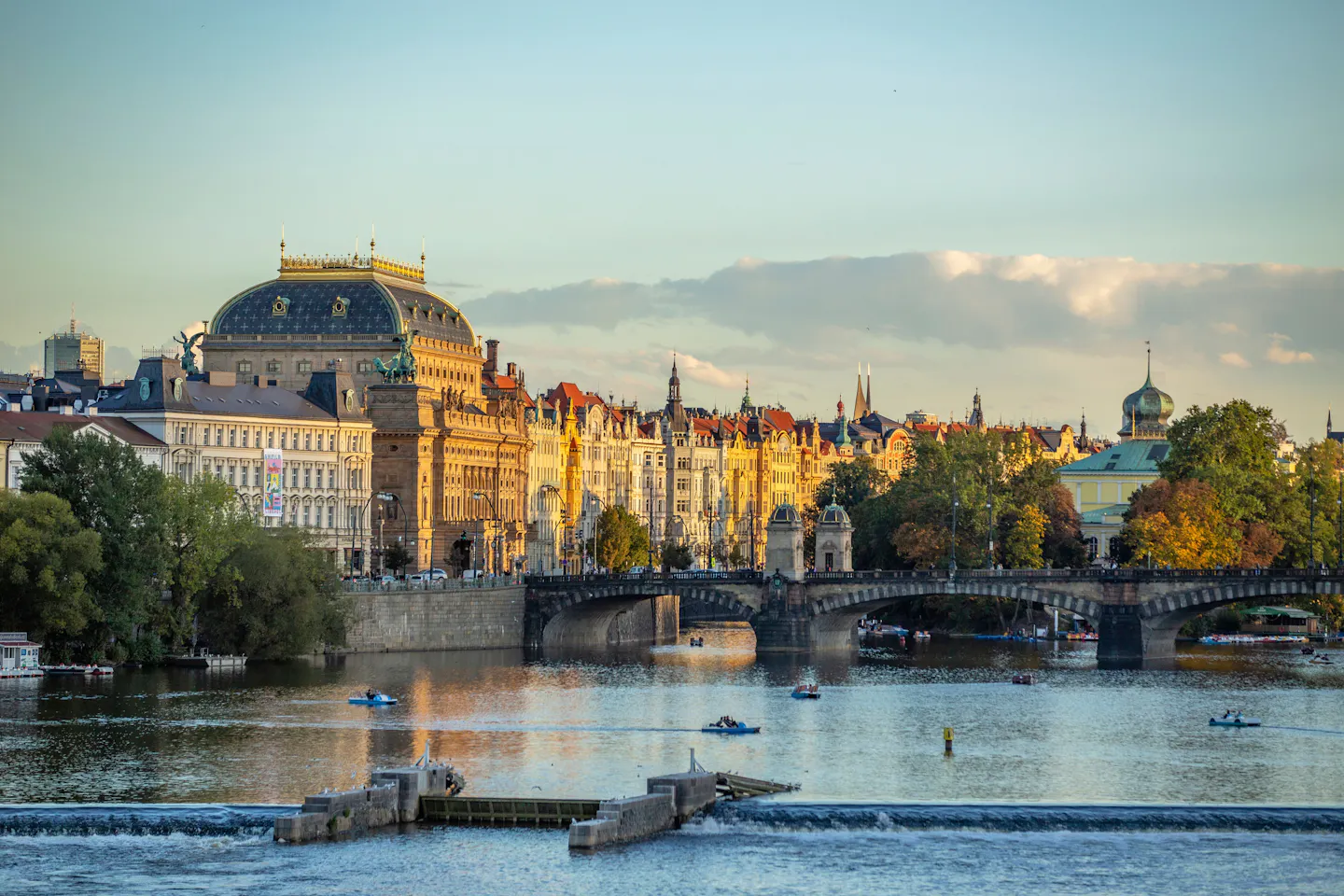
Best time: late September to late October
Prague is one of the easiest answers if you want Europe to look properly autumnal without planning a complicated trip. The red roofs, Gothic towers, river views, old streets, and parks work especially well with cooler weather and golden leaves.
Start early around Charles Bridge and Malá Strana, then walk up toward Prague Castle before the busiest part of the day. Spend the afternoon around Old Town, Letná Park, or Vinohrady, and save the evening for a Czech dinner and a warm pub rather than trying to squeeze in another attraction.
September is better if you want milder evenings. October is better if you want stronger fall colors and a moodier city. By November, Prague can feel much colder and darker, but it is still a good choice if your trip is mainly about cafés, architecture, museums, and food.
Best for: couples, first-time visitors, photographers, weekend trips, and travelers who want an easy European fall atmosphere.
Munich and Bavaria, Germany: Best for Oktoberfest and Alpine Fall Scenery
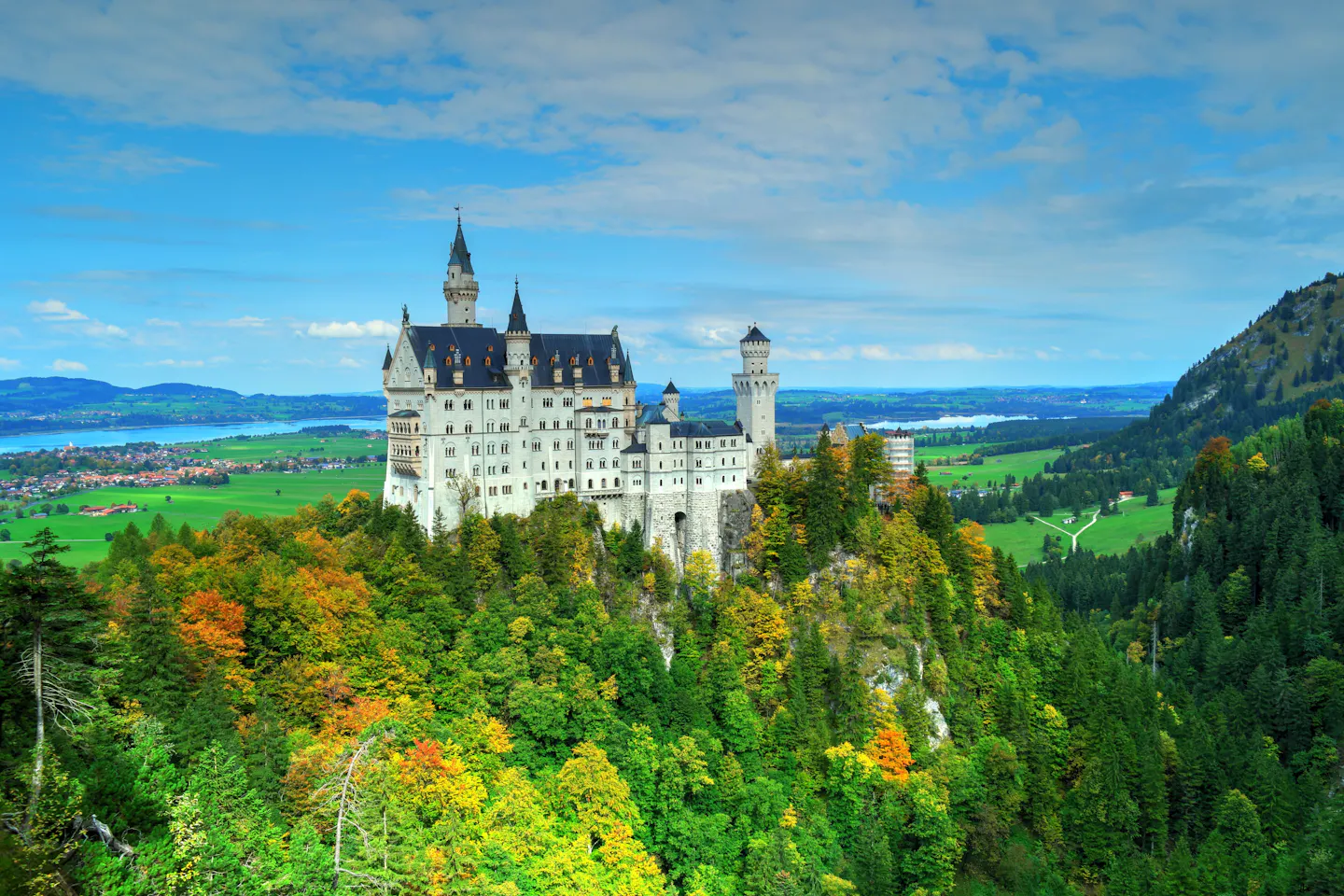
Best time: late September to mid-October
Bavaria gives you two completely different autumn trips in one. You can spend a few lively days in Munich, then rent a car or take trains south for Alpine lakes, castles, mountain towns, and forests turning yellow and orange.
Oktoberfest returns in the second half of September and runs into early October in 2026, so book accommodation early if the festival is part of your plan. If crowds are not your thing, come just after it ends and use Munich as a starting point for places such as Füssen, Neuschwanstein Castle, Garmisch-Partenkirchen, or the lakes south of the city.
This is also one of the best choices for a road trip. Cool air makes walking easier, the mountain scenery feels sharper than in summer haze, and you can mix outdoor days with beer halls, bakeries, and long dinners.
Best for: road trips, couples, food and beer lovers, castle fans, and anyone who wants city energy plus nature.
Vienna, Austria: Best for Museums, Coffeehouses, and Elegant Fall Days
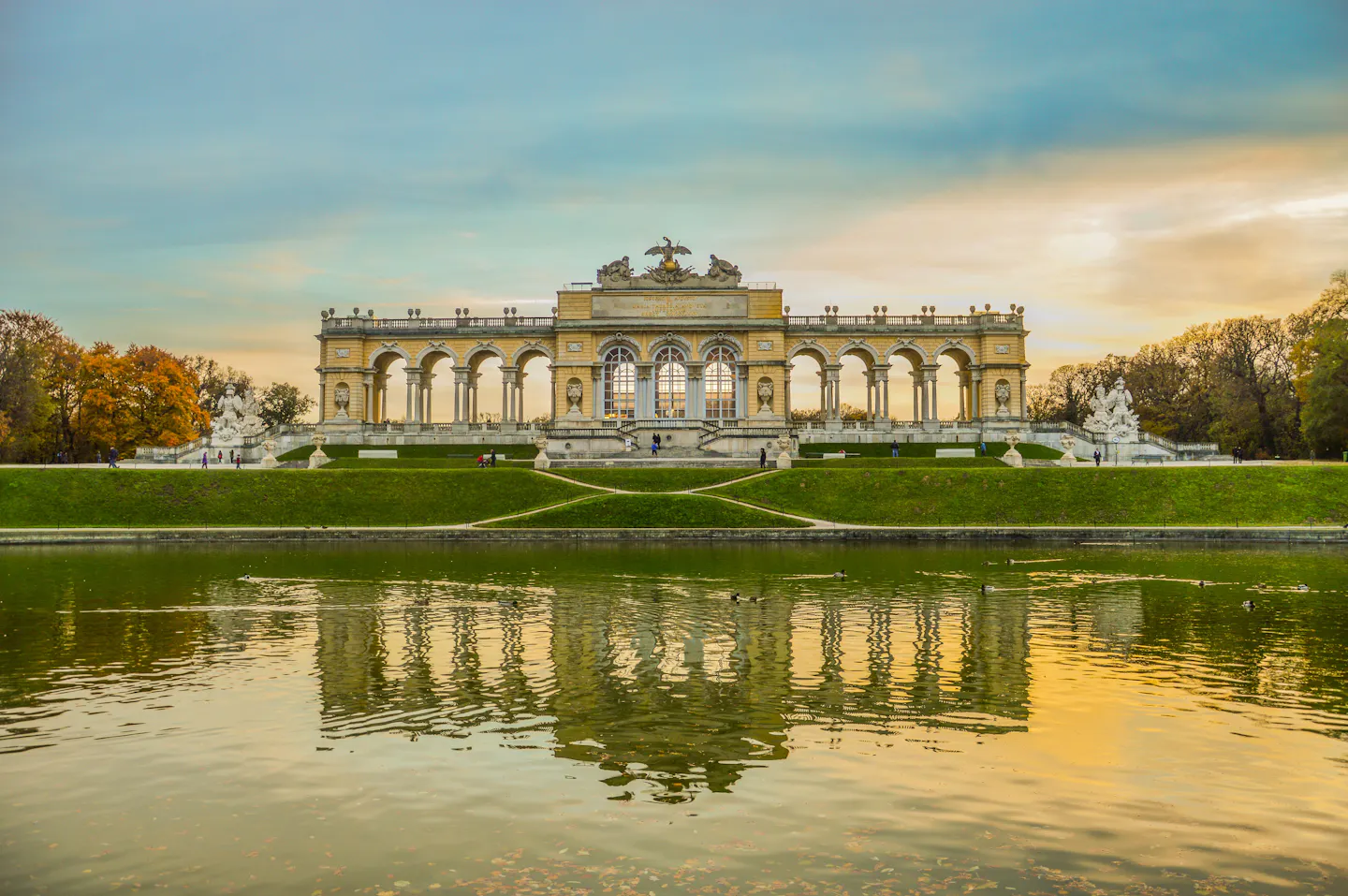
Best time: October to early November
Vienna makes sense when the weather starts cooling down because so much of the city is enjoyable indoors and outdoors. You can spend the morning walking around the Ringstrasse and palace gardens, then move into museums, coffeehouses, concert halls, and restaurants when it gets chilly.
Schönbrunn and its grounds are especially pleasant in autumn, while the historic center feels calmer after the busiest summer period. This is also the season to lean into the classic Vienna rhythm: coffee and cake in the afternoon, an art museum, then dinner and a concert or wine tavern in the evening.
Vienna is not the cheapest city on this list, but it is extremely easy to plan. Public transport is excellent, major sights are close enough to combine logically, and bad weather rarely ruins the whole day.
Best for: culture lovers, couples, first-time city breakers, museum trips, and travelers who prefer a polished, low-stress itinerary.
Budapest, Hungary: Best for Thermal Baths and a Lively Fall Weekend
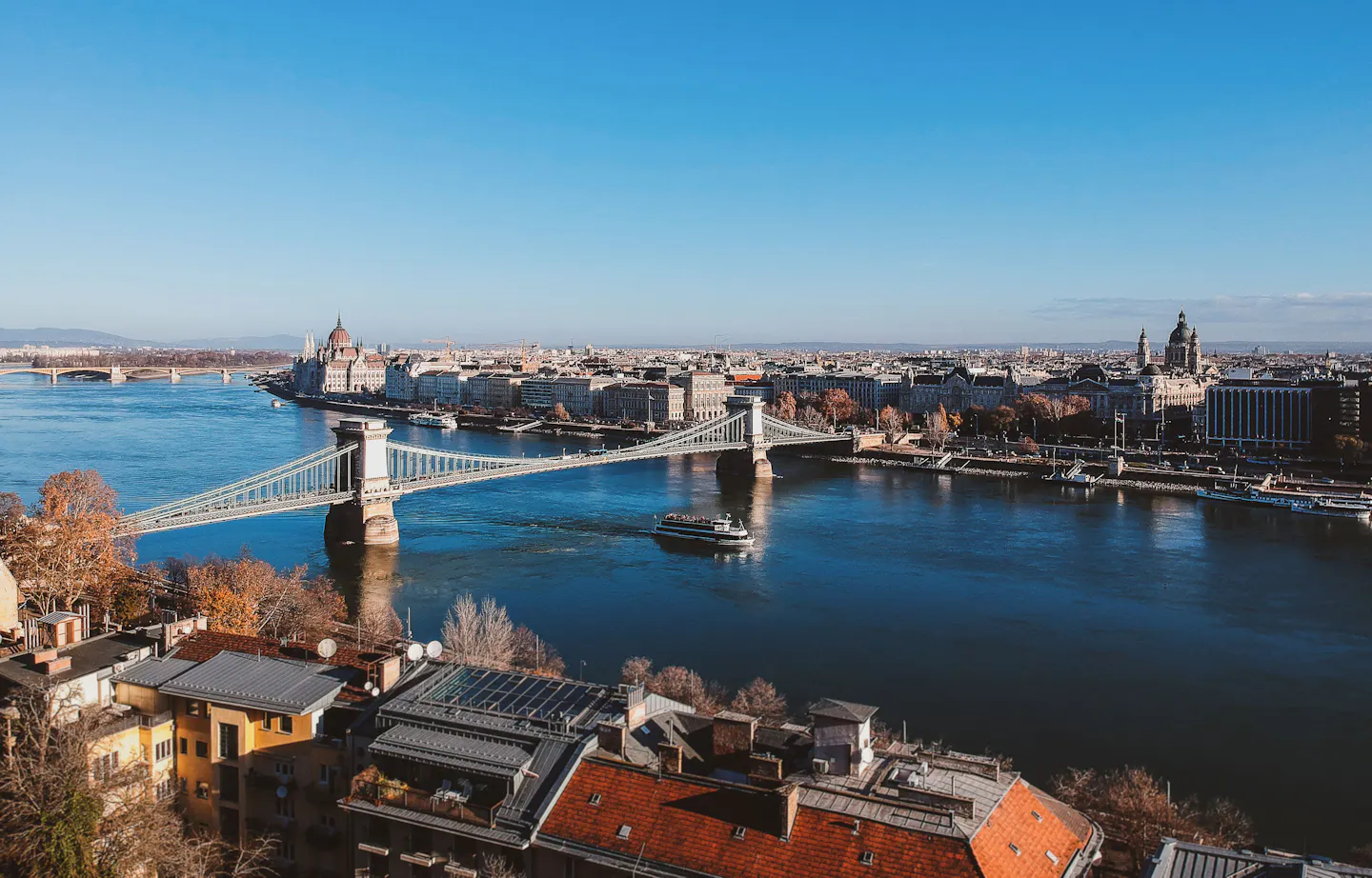
Best time: late September to October
Budapest is especially good when the air is cool enough to make the thermal baths feel like part of the trip rather than an obligation you booked because everyone told you to. Spend a morning around Buda Castle and Fisherman’s Bastion, walk the Danube, then warm up in a bath before dinner.
Autumn also suits the city’s nightlife and food scene. Ruin bars, wine bars, traditional restaurants, bakeries, and cafés all feel more inviting when evenings are cooler. Margaret Island and the Buda Hills add enough green space if you want autumn color without leaving the city.
It is a strong long-weekend choice because the main experiences are easy to combine in three or four days, and you can build a very full trip without constantly moving hotels.
Best for: friends, couples, nightlife, spa breaks, food, and travelers who want a lot from a short city trip.
Transylvania, Romania: Best for Castles, Medieval Towns, and Fall Color
Best time: early to late October
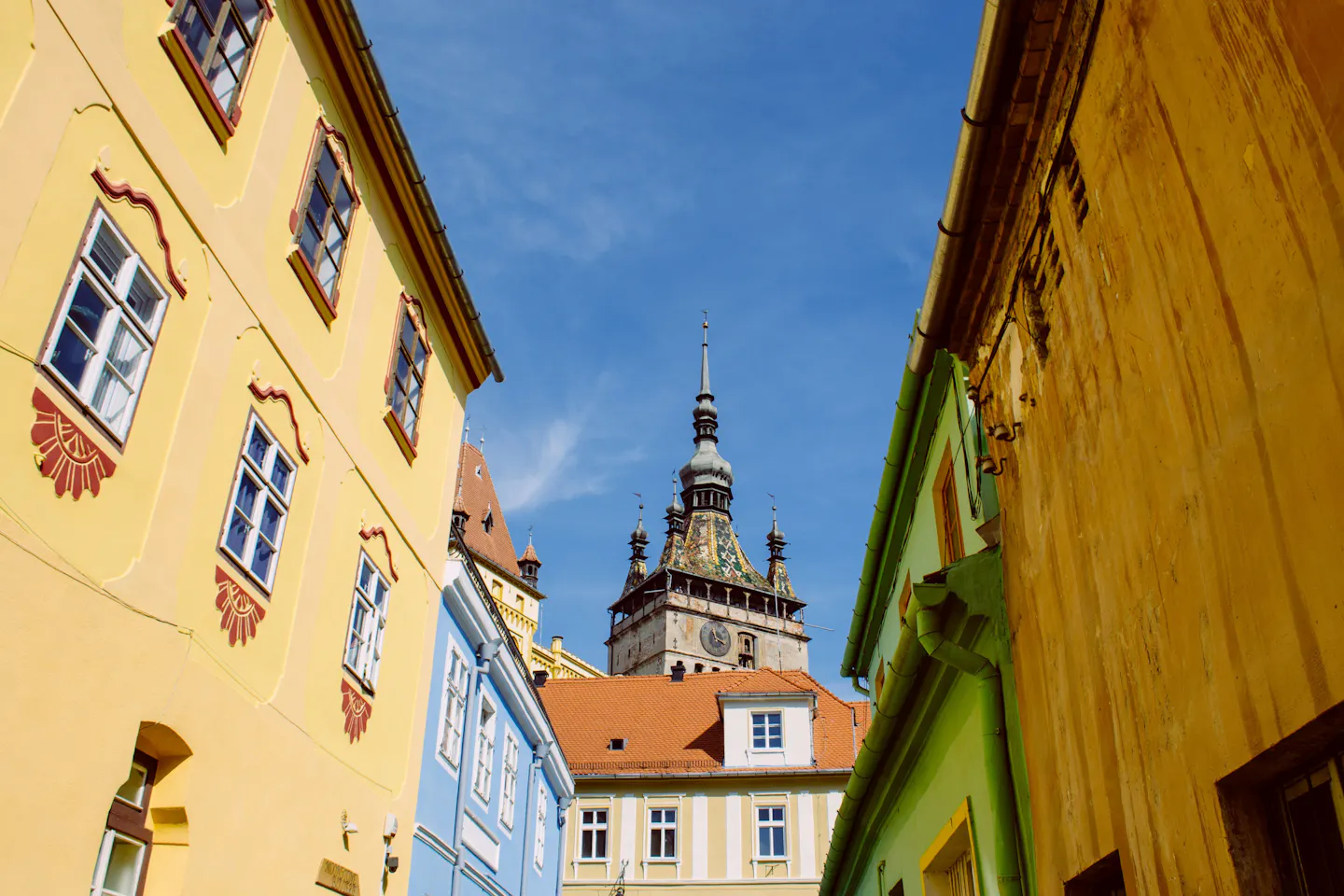
If you want the most cinematic autumn trip on this list, Transylvania is hard to beat. Forested mountains, fortified towns, old villages, castles, and foggy mornings already have plenty of atmosphere. Add October color and the whole region becomes even better.
Brașov is the easiest base for a first trip. From there, you can visit Bran Castle, hike or ride into the surrounding mountains, and continue toward Sinaia and Peleș Castle. Sibiu and Sighișoara are also worth adding if you have more time and want a proper road trip.
Do not build the trip only around Dracula. The best part of Transylvania is the route itself: local restaurants, mountain views, small towns, fortified churches, and slow drives through the countryside.
Best for: road trippers, photographers, castle lovers, couples, Halloween-season travel, and travelers who want strong autumn scenery at a more manageable price than much of western Europe.
Lake Bled and Ljubljana, Slovenia: Best for Lakes, Easy Hikes, and a Small-Country Road Trip

Best time: late September to mid-October
Slovenia is ideal if you want nature but do not want to spend half the holiday sitting in a car. Ljubljana is compact and relaxed, Lake Bled is easy to reach, and the Julian Alps give you mountain scenery without the scale or cost of a full Alpine road trip.
In autumn, the forests around Bled and nearby valleys change color while the lake stays calm and reflective. Walk around the lake, visit Bled Castle, take a short trip toward Bohinj, or add Vintgar Gorge when conditions and seasonal access allow.
Use Ljubljana for cafés, restaurants, markets, and a slower first or last day. Then spend two or three nights around Bled or Bohinj if you want to wake up close to the scenery instead of doing everything as a rushed day trip.
Best for: couples, nature lovers, photographers, first-time road trippers, and travelers who want a scenic trip that is easy to organize.
The Scottish Highlands: Best for Wild Autumn Landscapes and Cozy Stays

Best time: October
Scotland is one of Europe’s strongest choices for real fall color. VisitScotland highlights October as a peak period for autumn scenery in places such as Highland Perthshire, and the combination of forests, lochs, mist, mountains, and changing light can make even a simple drive feel like the main event.
A practical first route is Edinburgh to Pitlochry, then farther north toward Cairngorms National Park or west toward Glencoe. If you have a full week, add Inverness or the Isle of Skye, but do not underestimate driving times or short daylight later in the season.
The weather can change quickly, so this is not a trip to over-schedule. Plan one or two main things per day, leave room for scenic stops, and choose accommodation you would actually enjoy spending an evening in.
Best for: road trips, hiking, photography, nature, cozy hotels, and travelers who are happy to work around unpredictable weather.
Paris, France: Best for Parks, Food, Museums, and an October City Break

Best time: late September to late October
Paris works in every season, but autumn fixes two of the things that can make summer harder: heat and crowds. The city settles back into its normal rhythm, parks start changing color, and a day built around walking, food, museums, and cafés suddenly feels exactly right.
The Tuileries, Jardin du Luxembourg, Jardin des Plantes, and smaller neighborhood parks are easy places to catch fall color. The cultural calendar is also busy, with major exhibitions and seasonal events filling September and October.
For a less checklist-heavy trip, pick one area per half-day. Do the Louvre or Musée d’Orsay in one block, then give yourself time for a long lunch, a neighborhood walk, and dinner somewhere you actually researched rather than racing across the city for another landmark.
Best for: first-time visitors, couples, food lovers, art trips, shopping, and travelers who want a big city that still feels seasonal.
Tuscany, Italy: Best for Vineyard Roads, Hill Towns, and Harvest Season
Best time: September to mid-October
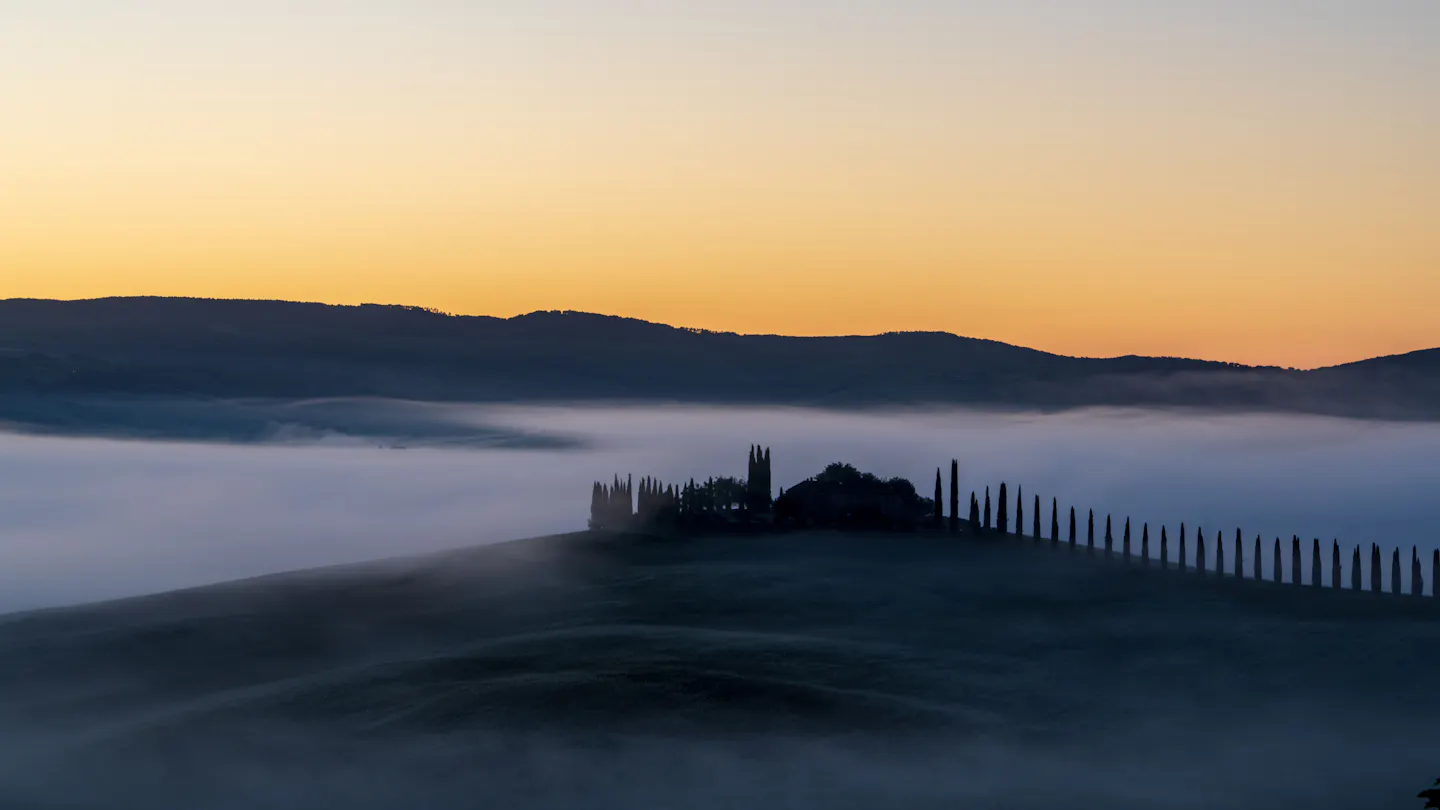
Tuscany in autumn is less about seeing one famous sight and more about how the whole trip feels. Vineyards, olive groves, stone villages, country roads, Florence, Siena, and long restaurant lunches all fit the season naturally.
September overlaps with grape harvest in parts of the region, while October brings cooler sightseeing weather and a calmer pace. Base yourself in Florence if art and restaurants matter most, or stay in the countryside around Chianti, Val d’Orcia, Montepulciano, or Montalcino if you want a road trip.
The mistake is trying to cover the whole region in four days. Pick Florence plus one countryside base, or skip Florence entirely and build the trip around villages, wineries, local food, and slow mornings.
Best for: couples, wine lovers, food-focused trips, road trips, photographers, and travelers who want a slower version of Italy.
Piedmont and Alba, Italy: Best for Truffles, Barolo, and Late-Autumn Food Trips
Best time: October to November
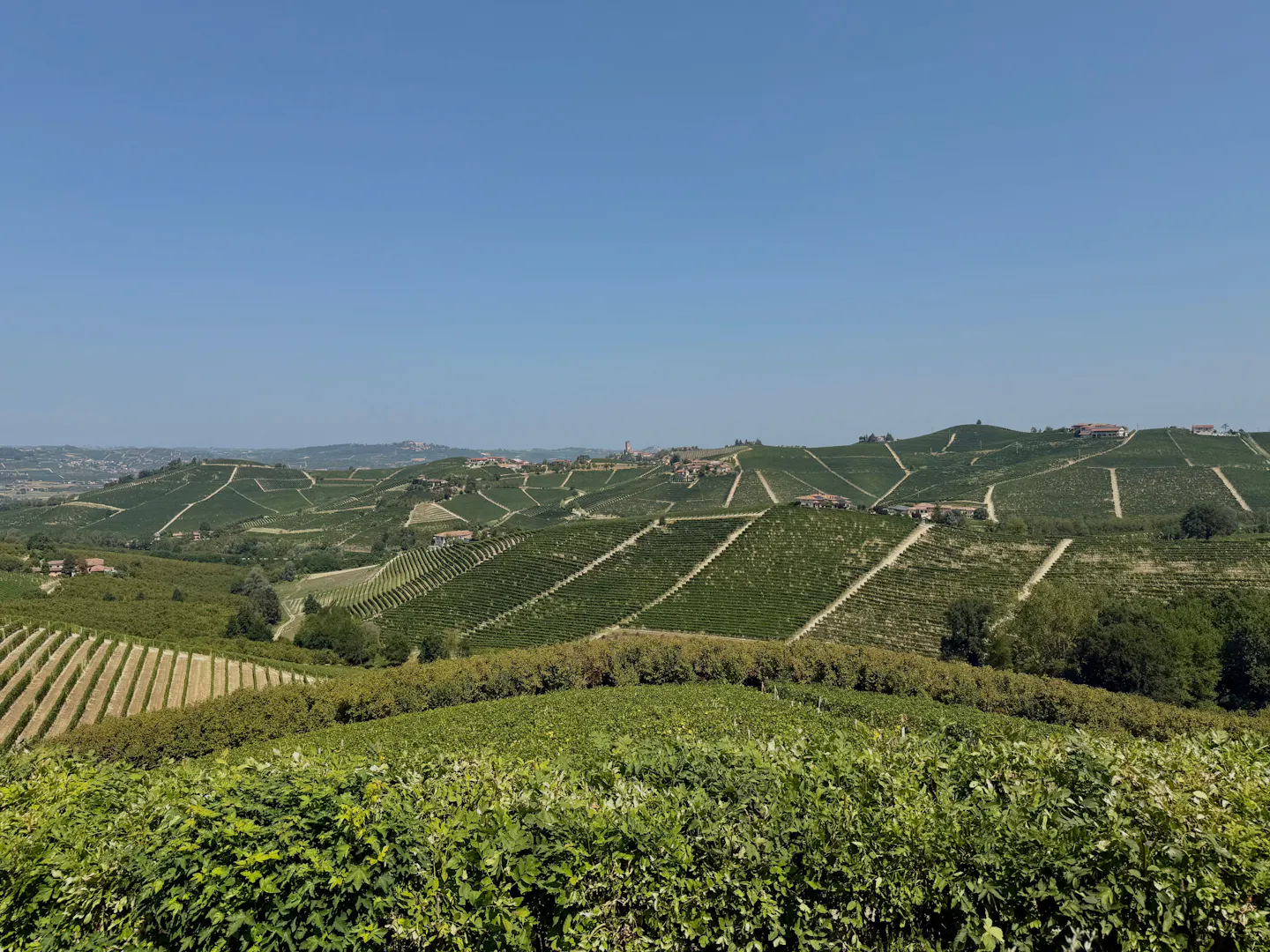
Piedmont is the place to choose if autumn food is the entire reason for the trip. Alba’s famous white truffle season runs through the heart of fall, and the surrounding Langhe hills are filled with vineyards, wine villages, restaurants, and cellar doors.
Use Alba as a base, then explore Barolo, La Morra, Barbaresco, and smaller villages by car. Build the trip around lunch reservations and tastings rather than squeezing in too many attractions. Turin is an easy city add-on if you want museums, cafés, chocolate, and elegant architecture before or after the countryside.
This is a more niche trip than Rome or Florence, but that is exactly the point. If you care more about food, wine, landscape, and seasonal atmosphere than ticking off famous landmarks, Piedmont can be one of the best autumn destinations in Europe.
Best for: serious food lovers, wine trips, couples, slow travel, and anyone planning Europe around restaurants rather than monuments.
Porto and the Douro Valley, Portugal: Best for Wine Harvest and River Views
Best time: September to early October
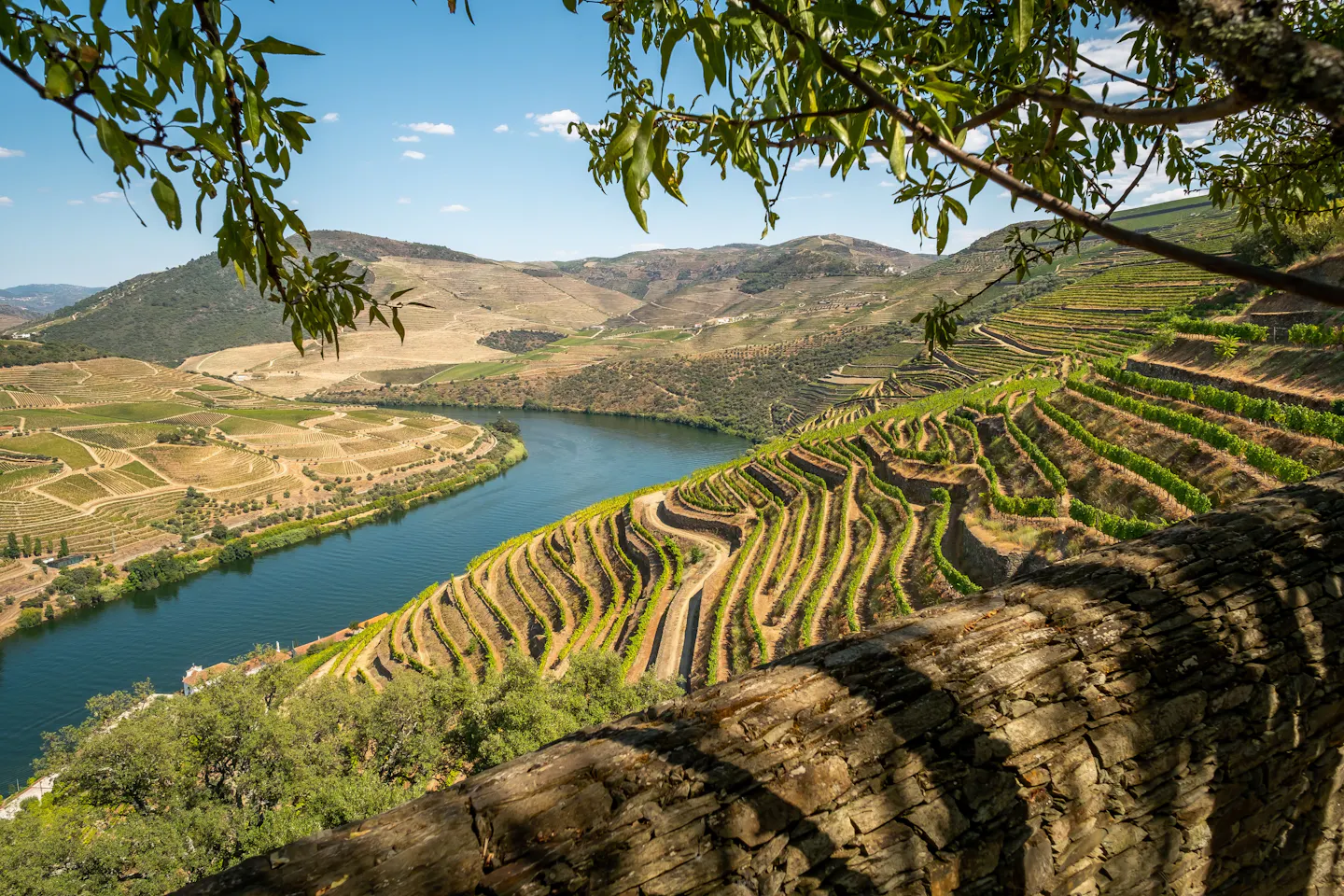
The Douro Valley is one of Europe’s best early-autumn trips because harvest season gives you a real reason to be there at that exact time. Portugal’s tourism board recommends September and October for grape-harvest experiences, and many wine estates offer tastings, harvest programs, or vineyard stays.
Start with two or three days in Porto for food, riverside walks, the historic center, and the Port lodges in Vila Nova de Gaia. Then continue into the Douro by train, car, or boat. Pinhão is an easy base if you want winery visits without moving every day.
September usually gives you warmer weather and the strongest harvest energy. October is quieter and starts to feel more autumnal, especially once the vineyard colors deepen.
Best for: wine lovers, couples, scenic train journeys, food trips, and travelers who want a city break plus countryside without taking another flight.
Seville, Spain: Best for Warm Autumn Weather and Tapas

Best time: October to November
Seville is a smart fall destination because the city becomes much easier to enjoy once the intense summer heat fades. Autumn brings pleasant conditions for long walks, outdoor terraces, the Alcázar gardens, Plaza de España, Triana, and evenings built around tapas instead of air-conditioning.
The city’s official tourism site describes autumn as a kind of second spring, with outdoor life, cultural events, food, music, and flamenco filling the season. That is a good way to think about it: this is not a sleepy shoulder-season city.
Give yourself at least three nights. The center is walkable, but Seville is better when you leave room for late meals, neighborhood wandering, a flamenco night, and a slow afternoon rather than treating it like a two-day monument checklist.
Best for: couples, food lovers, first-time Spain trips, warm-weather city breaks, and travelers who still want terraces in November.
Madeira, Portugal: Best for Hiking, Ocean Views, and a Mild Active Holiday

Best time: September to November
Madeira is the choice for people who hear “autumn trip” and do not immediately want coats and brown leaves. The island stays mild, green, and active, with mountains, ocean cliffs, waterfalls, levada walks, natural pools, and very different microclimates packed into a small area.
Autumn is also calmer than peak summer. September and October can still bring plenty of pleasant outdoor days, while later fall is a good time for hiking and slower sightseeing around Funchal, Santana, Porto Moniz, and the north coast.
One important 2026 planning detail: Madeira’s official classified hiking routes require advance reservations, and fees apply to visitors. Trail status can also change because of wind, rain, fog, or safety conditions, so check the official route status before heading into the mountains.
Best for: active couples, hikers, nature lovers, road trips, and travelers who want green landscapes without cold weather.
Tenerife, Spain: Best for Autumn Sun, Beaches, and Volcanic Landscapes

Best time: October to November
Tenerife is one of the most reliable answers if your real question is, “Where in Europe can I still get warm weather this fall?” The island’s tourism board lists average monthly temperatures around 23°C in October and 21°C in November, with warmer conditions often found in the south.
Do not make the whole trip about the beach. Teide National Park, Anaga Rural Park, La Laguna, La Orotava, small coastal towns, and hiking routes give you enough variety for a full week. The north is greener and more local-feeling, while the south is better if sunshine and resort convenience are the priority.
October and November are also comfortable for walking and outdoor sightseeing compared with hotter summer weeks. Pack for different microclimates because the temperature can change quickly once you move away from the coast or climb toward Teide.
Best for: sun seekers, hikers, couples, families, road trips, and travelers who want to delay winter for another week.
Oulu, Finland: Best 2026-Specific Autumn Destination

Best time: late September to November
Oulu is the most specific “why 2026?” destination on this list. The northern Finnish city is a European Capital of Culture in 2026, and its autumn program leans into the season instead of trying to escape it, with light art, immersive installations, music, food, technology, and events built around the growing darkness.
This is not the place to go for classic golden-leaf city-break weather. Go because you want something different: northern culture, saunas, dark evenings, coastal landscapes, and a calendar that exists because of the 2026 cultural year.
By November, the city’s light-art program becomes a major part of the experience. If you are lucky with clear skies and solar activity, the darker nights can also improve your chances of seeing the northern lights outside the brightest parts of the city.
Best for: repeat Europe travelers, culture lovers, Nordic trips, design and art fans, and anyone who wants a destination that feels genuinely tied to 2026.
Which European Destination Is Best in September, October, or November?

Best European destinations in September
September is best when you still want warmth, long days, and harvest-season experiences. Choose Porto and the Douro Valley for wine, Tuscany for vineyards and hill towns, Munich for Oktoberfest, or Madeira if you want hiking with mild weather.
Best European destinations in October
October is the strongest all-round month for fall travel in Europe. Choose Transylvania, Lake Bled, Prague, Bavaria, the Scottish Highlands, Paris, or Budapest if autumn colors and cool sightseeing weather matter most. Seville and Tenerife are better if you want warmer days.
Best European destinations in November
November works best when the trip is less dependent on perfect weather. Choose Vienna or Paris for museums and food, Piedmont for truffles, Seville for a warmer city break, Tenerife for sun, Madeira for active days, or Oulu for a northern cultural trip.
How to Choose the Best Autumn Destination in Europe

Choose for fall colors
Pick Transylvania, Lake Bled, Bavaria, the Scottish Highlands, Prague, or Paris. October is usually the safest month if autumn scenery is the main reason for the trip.
Choose for warm weather
Pick Seville, Madeira, or Tenerife. These destinations make the most sense in October and November, when northern and central Europe are already getting colder.
Choose for food and wine
Pick Tuscany, Piedmont, or the Douro Valley. Autumn overlaps with grape harvest, truffle season, richer seasonal menus, and the kind of long lunches that are much easier to enjoy when it is not 35°C outside.
Choose for a short city break
Pick Prague, Vienna, Budapest, Paris, or Seville. All five work well for three or four nights and have enough indoor options if the weather changes.
Choose for a road trip
Pick Bavaria, Transylvania, Slovenia, Tuscany, the Scottish Highlands, Madeira, or Tenerife. In autumn, shorter daylight matters, so build routes with fewer stops and avoid turning every day into a long drive.
Tips for Planning a Fall Trip to Europe in 2026
- Do not assume “shoulder season” means empty. Oktoberfest, truffle season, wine harvests, school holidays, and major cultural events can make specific weekends very busy.
- Check daylight, not only temperature. A 10°C day in October can be easy to work with; a November itinerary with very early darkness may need a different pace.
- Pack layers instead of one heavy outfit. Autumn weather changes quickly, especially in mountains, northern Europe, and Atlantic islands.
- Book the things that are genuinely seasonal first. That can mean a harvest experience in the Douro, a popular restaurant in Alba, a Munich hotel during Oktoberfest, or a timed hiking reservation in Madeira.
- Leave some flexibility. Fall is a great season for travel partly because cafés, baths, museums, food markets, and scenic drives can replace an outdoor plan when the weather turns.
- Spend longer in fewer places. A four-day autumn trip feels much better when you are not losing half of each short day to airport transfers and hotel changes.
If you are still comparing destinations for the year as a whole, see EasyMiles’ guide to the best travel destinations in 2026.
If price matters most, the guide to the best budget travel destinations in Europe in 2026 is a useful place to compare lower-cost options.
FAQ: Europe in Fall 2026
What is the best country in Europe to visit in autumn?
There is no single best country, but Italy is one of the strongest all-round choices for food, wine, cities, countryside, and comfortable shoulder-season travel. Romania and Slovenia are better for dramatic fall scenery, while Spain and Portugal are better if you want warmer weather.
Where is the best fall foliage in Europe?
For strong autumn color, look at Transylvania in Romania, the Scottish Highlands and Highland Perthshire, Bavaria, Slovenia around Lake Bled and Bohinj, and parks in cities such as Prague and Paris. October is generally the best month for a foliage-focused trip.
Where is warm in Europe in October and November?
Seville, Madeira, and Tenerife are the strongest options on this list. Tenerife is the safest bet for beach-friendly warmth, while Madeira is better for hiking and scenery, and Seville is ideal if you want a city break with outdoor dining.
Is October a good time to travel around Europe?
Yes. October is arguably the best all-round month for autumn travel in Europe because summer crowds have eased, city sightseeing is more comfortable, fall colors appear across central and northern Europe, and southern destinations can still be pleasantly warm.
Is November too late for an autumn trip to Europe?
No, but choose the destination differently. November is better for museums, food, thermal baths, warmer southern cities, islands, and seasonal events than for long outdoor sightseeing days. Vienna, Paris, Budapest, Piedmont, Seville, Madeira, Tenerife, and Oulu all make sense.
What are the best European autumn destinations for couples?
Tuscany, Paris, Prague, Lake Bled, the Douro Valley, and Madeira are especially easy to turn into a romantic trip. Choose based on whether you want food and wine, a city break, scenery, or an active holiday.
Plan Your Fall 2026 Europe Trip With EasyMiles
Choosing where to go is only the first part. A good autumn trip also depends on what is open, how much daylight you have, how long it takes to move between places, what the weather is doing, and whether you actually want a packed sightseeing day or a slower trip built around food, walks, and local neighborhoods.
EasyMiles creates a complete itinerary around your destination, dates, interests, food preferences, and preferred pace. Instead of giving you the same generic list of attractions as everyone else, it combines places into realistic days and helps you decide what to see, where to eat, what to order, and what makes sense together.
That is especially useful in fall, when weather, opening hours, and seasonal plans can change how a day works. EasyMiles can help you build the whole trip before you go and adjust the plan when something changes once you are there.